



























The Profound Power of Journaling for Deep Self-Reflection
At its heart, journaling is a timeless practice, an intimate conversation with oneself that fosters unparalleled personal growth. In a world constantly vying for our attention, the act of putting pen to paper offers a sanctuary, a quiet retreat where we can process, question, and explore without judgment. It’s more than just recording daily events; it’s a dynamic tool for self-discovery, emotional regulation, and intentional living. Imagine the clarity that comes from untangling complex thoughts, the relief from acknowledging dormant emotions, or the surge of motivation from articulating a long-held dream. This is the transformative power of journaling for self-reflection.
When we engage in regular self-reflection through journaling, we cultivate a heightened sense of self-awareness. We begin to identify patterns in our behavior, understand the triggers behind our emotional responses, and recognize our true values and priorities. This deeper understanding is the bedrock of resilience, enabling us to navigate life’s challenges with greater grace and purpose. It allows us to celebrate our successes, learn from our setbacks, and continually evolve into the best version of ourselves. Think of it as a personal compass, continually recalibrating your direction towards authentic fulfillment.
Beyond self-awareness, journaling serves as a powerful stress reducer. The act of externalizing worries and anxieties onto paper can significantly diminish their hold, preventing rumination and fostering a sense of calm. It’s a proactive form of emotional processing, allowing us to confront difficult feelings in a safe, private space. This proactive approach to mental wellness aligns perfectly with the philosophy of Rock Salt Plum, where we advocate for holistic well-being that permeates every aspect of your home and lifestyle. Embracing journaling is an investment in your mental and emotional capital, yielding dividends of peace and clarity that resonate throughout your entire being.
Cultivating Your Sacred Space: Setting the Scene for Reflection
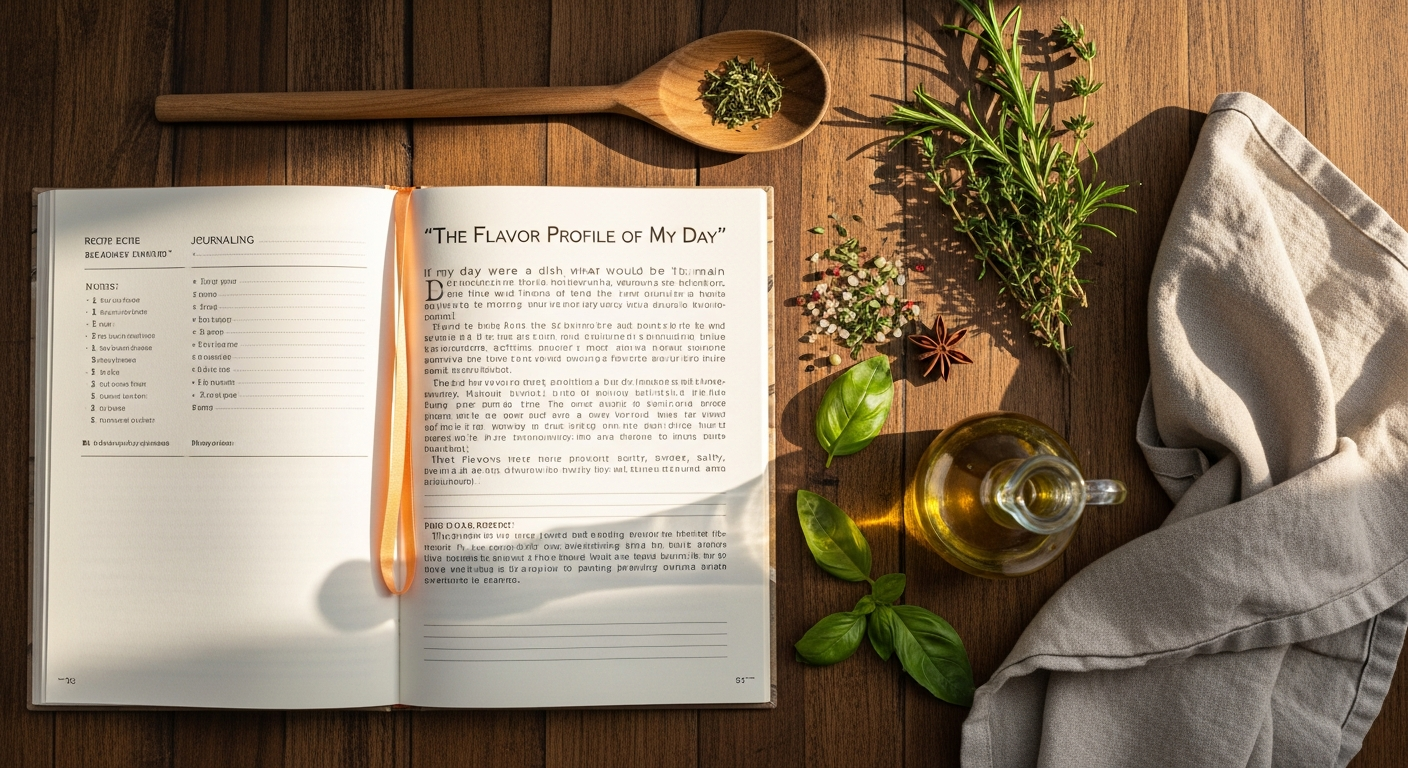
Just as a chef cherishes a well-appointed kitchen or an artist values a light-filled studio, creating an inspiring environment for your journaling practice can significantly enhance its effectiveness and enjoyment. Your journaling nook doesn’t need to be grand; it simply needs to be a place where you feel comfortable, focused, and free from distractions. This concept ties beautifully into our philosophy of intentional living and the power of beautiful surroundings to uplift the spirit. Consider this an opportunity to weave in some thoughtful design elements, even on a budget.
Start by identifying a quiet corner in your home—perhaps a reading nook in your living room, a sun-drenched spot by a window, or even a dedicated space in your bedroom. The key is minimal disruption. Ensure it’s a place where you can truly disconnect from the digital world and connect with your inner landscape. Think about the aesthetics: what colors, textures, and objects bring you peace and inspiration? Even simple additions can make a profound difference.
Thoughtful Home Decor Ideas for Your Journaling Sanctuary
- Comfortable Seating: A plush armchair, a cozy floor cushion, or even a comfortable dining chair can make all the difference. Add a soft throw blanket for extra comfort.
- Optimal Lighting: Natural light is ideal, but if that’s not possible, invest in a warm, ambient lamp. Task lighting is important for clear visibility, but avoid harsh, overhead lights that can feel clinical.
- Minimalist Surfaces: A small side table or a clear desk offers space for your journal, pen, and a comforting beverage. Keep clutter to a minimum to avoid mental distractions.
- Sensory Elements: Engage your senses. A subtle diffuser with calming essential oils (lavender, frankincense), a gentle instrumental playlist, or a soothing candle can enhance the atmosphere.
- Inspirational Touches: Adorn your space with objects that inspire you—a cherished photograph, a small plant, a piece of art, or a crystal. These elements contribute to a sense of serenity and personal connection.
For those looking to refresh their surroundings without breaking the bank, consider exploring Home Decor Ideas Budget 2026. Simple changes like rearranging existing furniture, adding new textiles, or a fresh coat of paint can revitalize a space. Perhaps you could introduce a striking visual element to your journaling area. A Statement Wall Ideas Living Room could extend to a feature wall in your journaling corner, using a calming color or a subtle textured wallpaper to create a focal point that draws you in and signals a shift into a reflective mindset. Imagine a soft sage green or a muted terracotta accent wall, subtly demarcating your sacred journaling space.
Ultimately, your journaling sanctuary is a personal expression of self-care. It’s a physical manifestation of the intention you bring to your inner work. By investing a little time and thought into its creation, you’re not just making a space; you’re honoring the profound journey of self-reflection you’re about to embark upon.
Core Prompts for Deep Self-Discovery and Personal Growth
Reflecting on the Past: Lessons Learned and Growth Achieved
Our past experiences, both joyful and challenging, shape who we are today. Reflecting on them allows us to integrate lessons, heal old wounds, and appreciate the journey that has led us to this moment.
- What are three significant experiences from your past that have profoundly shaped your perspective or personality? How?
- Describe a time when you faced a significant challenge. How did you overcome it, and what did you learn about your own resilience?
- Who has been a pivotal mentor or figure in your life, and what specific wisdom did they impart that still resonates with you?
- Think about a mistake you’ve made. What was the lesson embedded within that experience, and how have you applied it since?
- What is a memory you cherish deeply, and what emotions does recalling it evoke? Why is this memory so precious to you?
- If you could offer your younger self one piece of advice, knowing what you know now, what would it be and why?
- Identify a past regret. Rather than dwelling on it, what positive action or change can you derive from understanding its roots?
- How have your values evolved since childhood, and what experiences contributed to these shifts?
- What is something you once believed to be true that you now understand differently? What prompted this change?
Embracing the Present: Cultivating Presence and Gratitude
The present moment is where life truly happens. These prompts encourage mindfulness, appreciation, and a deeper connection to your current experiences.
- What are three things you are genuinely grateful for in your life right now? Be specific and explore why.
- Describe a moment today when you felt fully present and engaged. What were you doing, and what sensations did you experience?
- What current challenge are you facing? How does it make you feel, and what is one small step you can take towards addressing it?
- Identify an area in your life where you feel a sense of abundance. How can you expand this feeling?
- What brings you joy or a sense of peace on a regular basis? How can you intentionally incorporate more of this into your daily routine?
- Observe your surroundings right now. What five things do you see, four things you hear, three things you feel, two things you smell, and one thing you taste?
- What is one small act of kindness you performed or received recently, and how did it impact you?
- How are you prioritizing your well-being today? What specific actions are you taking to care for yourself?
- What is a simple pleasure you often overlook? Take a moment to savor it in your mind.
Envisioning the Future: Goals, Aspirations, and Intentionality
Looking ahead with intention helps us clarify our desires and set a course for future fulfillment. These prompts encourage dreaming, planning, and envisioning your ideal self and life.
- If there were no limitations, what would your ideal life look like in five years? Describe it in vivid detail.
- What is one significant goal you wish to achieve in the next year? Break it down into smaller, actionable steps.
- What new skill or knowledge would you like to acquire, and why is it important to you?
- Imagine yourself living your most authentic life. What characteristics do you embody, and what activities fill your days?
- What legacy do you wish to leave behind? How can your current actions contribute to that vision?
- What fears or uncertainties do you have about the future? How can you reframe them as opportunities for growth?
- If you could make one positive change in the world, what would it be, and how could you contribute to it, however small?
- What relationships do you want to nurture and deepen in the coming years? What actions will support this?
- What does “success” truly mean to you, beyond societal definitions?
Exploring Emotions: Understanding Your Inner Landscape
Our emotions are powerful messengers. Journaling offers a safe space to acknowledge, understand, and process them, leading to greater emotional intelligence and resilience.
- What emotion have you felt most intensely recently? Describe its physical sensations and the thoughts associated with it.
- When do you tend to feel most joyful, and what are the circumstances surrounding those moments?
- What triggers feelings of frustration or anger for you? How do you typically react, and how might you respond differently next time?
- Describe a time when you felt vulnerable. What did you learn about yourself in that moment?
- How do you express love and affection, and how do you prefer to receive it?
- What role does fear play in your decision-making? Is it serving you or holding you back?
- What unacknowledged emotion might you be carrying? Give it a voice on the page.
- How do you typically soothe yourself when you’re feeling overwhelmed or sad? Are these methods truly effective?
- What emotions are you most comfortable expressing, and which ones do you tend to suppress? Why?
Reflecting on Relationships: Connections and Boundaries
Our connections with others are vital to our well-being. These prompts encourage reflection on the dynamics of your relationships, fostering healthier interactions and stronger bonds.
- Describe a relationship that brings you immense joy and support. What qualities make it so special?
- What boundaries do you need to establish or reinforce in your relationships to protect your energy and well-being?
- How do you show up for the people you care about? Are you present, empathetic, and supportive?
- Is there a relationship in your life that feels draining or unbalanced? What steps can you take to address this?
- What qualities do you value most in a friendship or partnership? Are you embodying these qualities yourself?
- How do you handle conflict in your relationships? Are you able to communicate your needs effectively and listen actively?
- What is something you appreciate about a specific person in your life that you haven’t told them directly?
- Reflect on a time when a relationship challenged you to grow. What was the catalyst, and what was the outcome?
- How do you nurture your relationships, both new and old?
Journaling for Emotional Wellness and Proactive Self-Care

Beyond self-discovery, journaling is an incredibly potent tool for managing emotional wellness and integrating proactive self-care into your daily routine. In the hustle and bustle of modern life, it’s easy to overlook the subtle signals our bodies and minds send us. Journaling provides a dedicated space to tune into these signals, process experiences, and foster emotional resilience. It’s a foundational element of any robust self-care regimen, offering benefits that extend far beyond the pages of your notebook.
One of the primary ways journaling supports emotional wellness is by acting as a release valve. When we encounter stressful situations, difficult conversations, or overwhelming emotions, the act of writing them down can prevent them from festering internally. This externalization helps to demystify anxieties, making them feel less formidable and more manageable. It’s a cognitive restructuring process that allows us to gain perspective, identifying irrational thoughts or exaggerated fears and replacing them with more balanced, realistic assessments.
Moreover, journaling fosters emotional literacy. By regularly articulating our feelings, we become better at identifying and naming them. This increased vocabulary for our inner world empowers us to communicate our needs more effectively to others and to ourselves. It helps us differentiate between fleeting moods and deeper emotional patterns, enabling us to respond to our feelings with wisdom rather than reactivity. This skill is invaluable for maintaining healthy relationships and navigating life’s inevitable ups and downs with greater equanimity.
Consider how journaling seamlessly integrates with other Self Care Ideas At Home 2026. Imagine starting your day with a grounding meditation, followed by a few minutes of journaling to capture lingering thoughts or set intentions. Or perhaps winding down your evening with a warm bath, a soothing cup of herbal tea, and a reflective journaling session to process the day’s events. Journaling can complement practices like mindfulness, yoga, or creative pursuits, deepening their impact by providing an opportunity for internal processing and integration. It turns passive self-care into an active, transformative practice.
Regular journaling also encourages self-compassion. As you read back through your entries, you gain an objective view of your journey, recognizing your strengths, acknowledging your struggles, and celebrating your growth. This gentle self-observation can counteract the harsh inner critic, fostering a kinder, more understanding relationship with yourself. It’s a powerful reminder that self-care isn’t just about pampering; it’s about genuine self-acceptance and a commitment to your holistic well-being.
Prompts for Emotional Processing and Self-Care
- What emotion am I feeling most strongly right now? Where do I feel it in my body?
- What is one small thing I can do for myself today that would bring me a sense of peace or joy?
- When I feel overwhelmed, what thoughts or beliefs usually accompany that feeling? How can I challenge them?
- What boundaries do I need to set or reinforce to protect my mental and emotional energy?
- How can I show myself more compassion today, especially in an area where I tend to be self-critical?
- What past emotional wound needs my attention or forgiveness right now? How can I begin to heal it?
- Describe a recent situation that caused you stress. What was within your control, and what was not?
- What self-care practices genuinely recharge me, and am I prioritizing them enough?
- What message does my intuition or inner wisdom have for me about my current emotional state?
Practical Tips for a Consistent and Fulfilling Journaling Practice
Starting a journaling practice is one thing; sustaining it is another. Like any new habit, consistency is key, but it doesn’t have to be rigid or perfect. The goal is to create a practice that feels supportive and sustainable, not burdensome. Here are some practical tips to help you integrate journaling seamlessly into your life and ensure it remains a source of insight and joy.
Finding Your Rhythm and Routine
- Start Small: You don’t need to write for an hour every day. Even 5-10 minutes can be incredibly impactful. The aim is consistency, not length.
- Choose Your Time: Experiment to find when you’re most reflective. Many prefer mornings to set intentions, or evenings to process the day. Some find a mid-day break works best. The “right” time is when you’re most likely to stick with it.
- Make It a Ritual: Pair journaling with an existing habit. Perhaps after your morning coffee, before bed, or during a quiet moment of reflection. Creating a ritual helps cement the habit.
Overcoming Common Journaling Blocks
- The Blank Page Syndrome: If you don’t know what to write, simply start with “I don’t know what to write about today…” or use one of the prompts provided in this article. Freewriting, where you write continuously without stopping or editing, can also help get the words flowing.
- Perfectionism: Remember, your journal is a private space. There’s no need for perfect grammar, eloquent prose, or profound insights every time. It’s a raw, authentic reflection of your thoughts. Embrace imperfection.
- Lack of Time: If time is genuinely scarce, try “bullet journaling” – jotting down key thoughts, feelings, or observations in short bullet points. Even a single sentence can be powerful.
- Fear of Judgment (Even Your Own): This is your safe space. Allow yourself to be completely honest and vulnerable. No one else needs to see it. If you’re concerned about privacy, consider a locked journal or a digital password-protected app.
Enhancing Your Journaling Experience
- Choose Your Tools Wisely: A beautiful journal and a smooth-flowing pen can make the experience more enjoyable. Find what appeals to you—whether it’s a sleek minimalist notebook or a vibrant, artistic one.
- Vary Your Approach: Don’t feel limited to prose. Incorporate lists, mind maps, doodles, collages, or even poetry. Sometimes a visual representation can unlock different insights.
- Re-Read and Reflect: Periodically, go back and read old entries. You’ll be amazed at the patterns you’ll discover, the growth you’ve made, and the insights you’ve gained over time. This meta-reflection is incredibly powerful.
- Be Patient and Kind: There will be days when journaling feels like a chore, or you simply don’t have anything to write. That’s okay. Don’t beat yourself up. Just pick it up again when you feel ready.
Establishing a consistent journaling practice is a profound act of self-love and commitment to your personal growth. It’s an ongoing journey, not a destination, and each entry contributes to a richer, more nuanced understanding of yourself.
Integrating Reflection into Your Daily Life: Beyond the Pages
The true power of journaling extends far beyond the physical act of writing. It’s about cultivating a reflective mindset that permeates your daily life, transforming how you interact with yourself, others, and the world around you. Your journal is a training ground for introspection, a place where you practice the art of observation and inquiry. The ultimate goal is to carry these insights and this mindful approach into every moment, making reflection an intuitive part of your existence.
One of the most significant benefits of a consistent journaling practice is the development of heightened self-awareness. As you regularly explore your thoughts and emotions on paper, you become more adept at identifying them in real-time. This means you might catch yourself before reacting impulsively, pause to understand why a particular situation is triggering you, or consciously choose a response that aligns with your values. This shift from reactive to responsive living is a hallmark of emotional intelligence and intentional living.
Think of your journal as a mirror that helps you see yourself more clearly. When you step away from the mirror, you don’t forget your reflection; you carry that self-image with you. Similarly, the insights gained from your journal should inform your actions and choices throughout the day. If you journaled about needing more boundaries, how can you practice setting one today? If you reflected on a desire to cultivate more joy, what small action can you take to bring that into your present moment?
Translating Journal Insights into Action
- Mindful Pauses: Throughout your day, take short breaks to check in with yourself. “How am I feeling right now?” “What do I need in this moment?” These brief moments of self-inquiry are mini-journaling sessions in your mind.
- Intentional Choices: Use your journaled insights to guide your decisions. If your reflections show you’re consistently over-committed, consciously decline an invitation that doesn’t serve you.
- Value-Aligned Living: Review your core values as articulated in your journal. Are your daily activities and interactions in alignment with these values? If not, what adjustments can you make?
- Active Listening: The practice of listening to your inner voice through journaling can enhance your ability to actively listen to others. This deepens connections and fosters empathy.
- Emotional Regulation: When strong emotions arise, draw upon your journaling practice. Instead of suppressing or exploding, you might mentally ask yourself, “What would I write about this in my journal?” This thought can provide the necessary pause for a more considered response.
- Celebrating Small Wins: Just as you reflect on challenges, make a conscious effort to acknowledge and celebrate your daily achievements, no matter how small. This builds a positive feedback loop and reinforces gratitude.
Integrating reflection into daily life transforms journaling from a solitary activity into a continuous process of growth and self-mastery. It empowers you to live with greater intention, presence, and authenticity, ensuring that the wisdom you uncover on the page truly enriches every facet of your beautiful life.
Frequently Asked Questions
Recommended Resources
For more on journaling prompts for, see How To Meal Plan For A Family Of 4 on Veralyn Media.
You might also enjoy How To Find Your Personal Style As A Woman from Sometimes Daily.