

















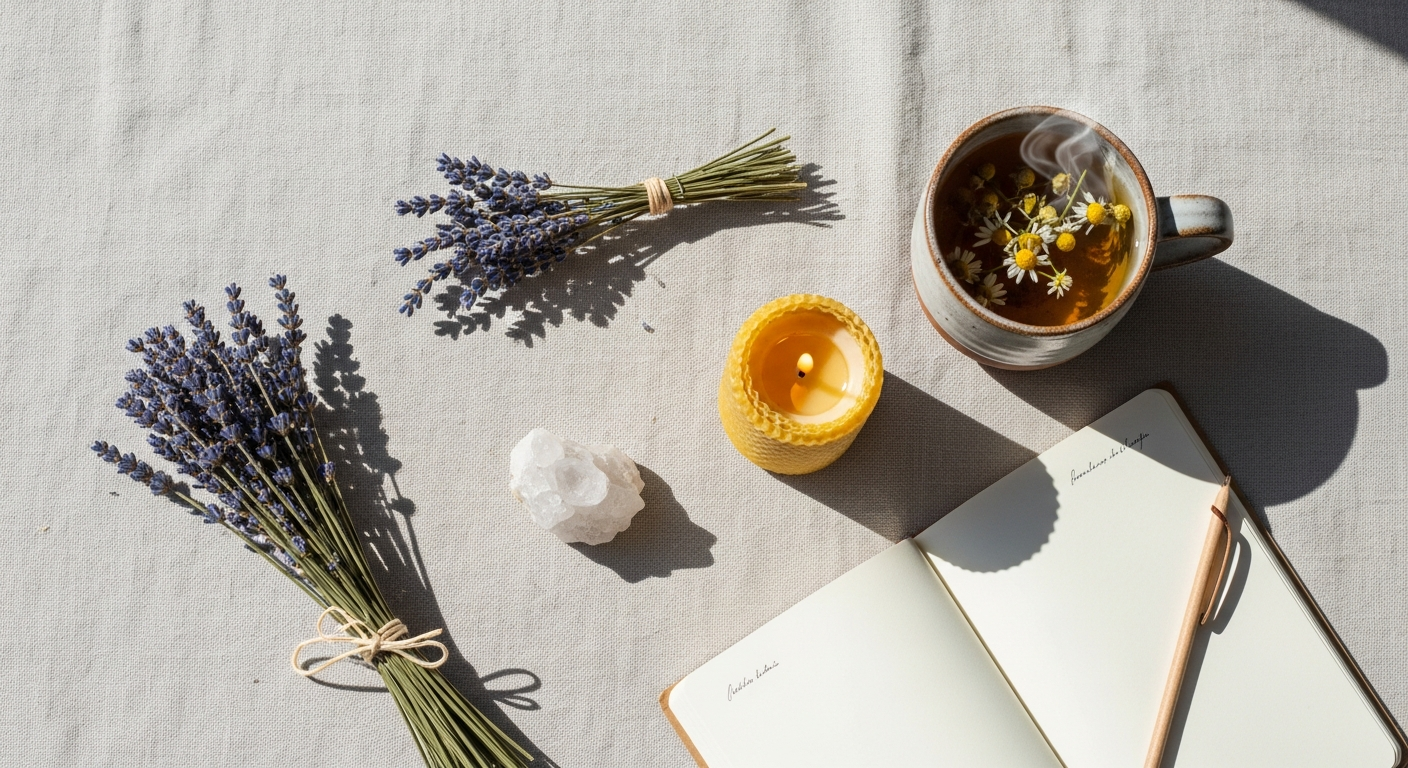
If you’re looking for gentle yet powerful ways to reclaim your peace, you’re in the right place. Today, we’re going to explore how to reduce anxiety naturally, diving into a treasure trove of practical tips and heartfelt advice that feels as comforting as a cashmere throw on a crisp autumn evening. We’ll cover everything from cultivating a serene home environment to nourishing your body, embracing mindful moments, and finding solace in nature. By the end of this journey, you’ll have a holistic toolkit to help you breathe a little easier, feel more grounded, and truly thrive in your everyday life.
Cultivating Your Calming Sanctuary: Home as a Haven
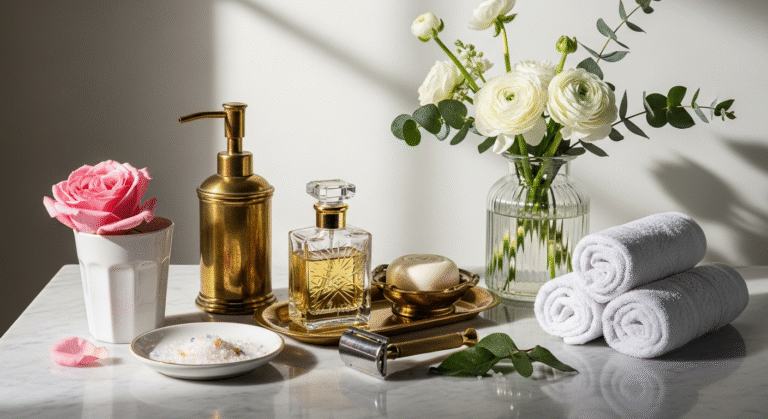
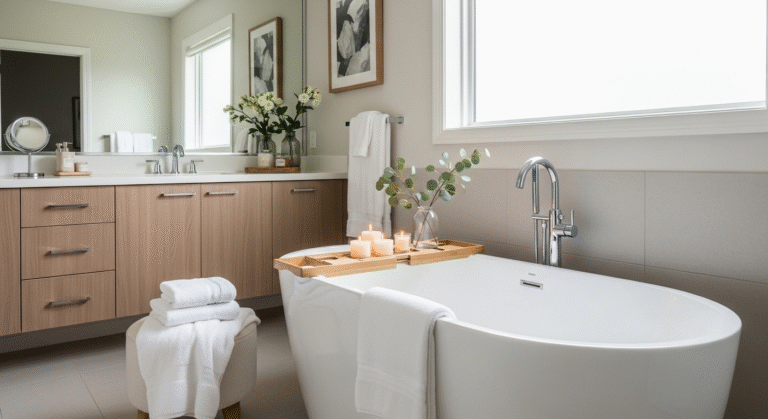
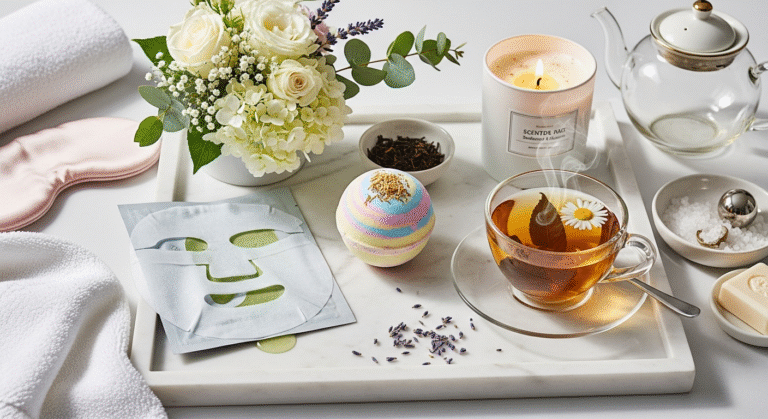
Our homes are more than just four walls and a roof; they are reflections of our inner worlds, and powerful shapers of our moods. When we’re feeling anxious, the state of our living space can either amplify or soothe that feeling. Think of your home as your most important self-care tool, a place where every corner can whisper calm and reassurance. Creating a calming sanctuary is one of the most effective ways to reduce anxiety naturally within your daily environment.
Declutter with Intention
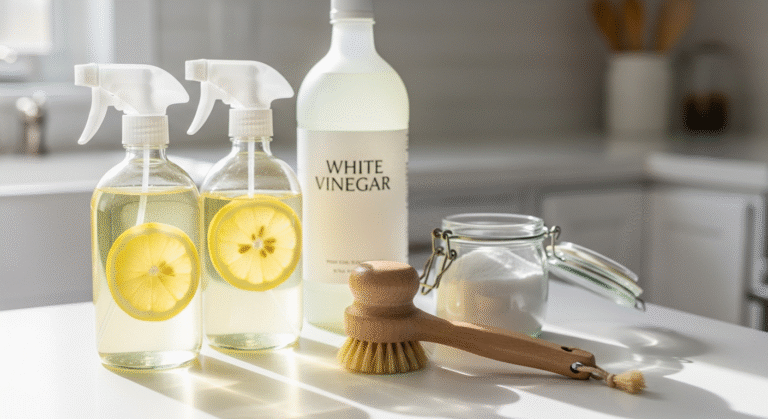
A cluttered space often leads to a cluttered mind. You don’t need to be a minimalist, but regular, intentional decluttering can work wonders. Start small: a single drawer, a countertop, or one bookshelf. As you declutter, ask yourself: “Does this item bring me joy or serve a purpose?” If not, consider letting it go. The visual calm that follows is incredibly liberating. Imagine opening a cupboard and seeing only what you need, neatly arranged – it’s a small victory that ripples through your day.
- Practical Tip: Implement a “one in, one out” rule for new purchases to keep clutter at bay.
- Product Idea: Beautiful woven baskets or amber-toned ceramic jars can help organize small items while adding to your home’s aesthetic.
Embrace Softness and Warmth
Texture plays a huge role in how a space feels. Introduce soft, tactile elements that invite comfort and relaxation. Think about the feeling of a cloud-like duvet, a plush velvet cushion, or the cool smoothness of linen sheets. Layers of textiles create a sense of cocooning and safety.
- Practical Tip: Swap out harsh overhead lighting for softer, ambient lamps with warm-toned bulbs. A dimmer switch can transform a room instantly.
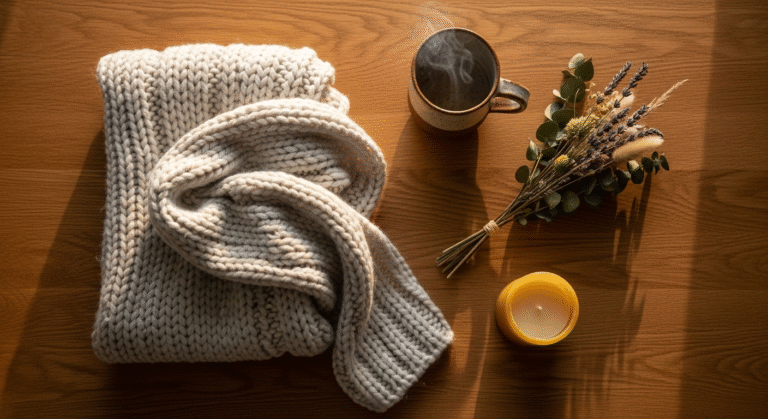
- Product Idea: Invest in a luxurious linen throw blanket for your sofa or a set of high-quality cotton or linen bedding.
Bring Nature Indoors
- Practical Tip: Place plants in areas where you spend a lot of time, like your desk, bedside table, or living room.
- Product Idea: Choose terracotta pots or amber glass vases that complement your home’s warm aesthetic. Dried flowers, like lavender or eucalyptus, also offer a lovely natural touch and scent.
Aromatherapy for the Soul
Our sense of smell is powerfully linked to memory and emotion. Harnessing the calming power of aromatherapy can be a beautiful way to infuse peace into your home. Essential oils like lavender, bergamot, chamomile, and frankincense are known for their anxiety-reducing properties.
- Practical Tip: Diffuse essential oils in your living space during the day or in your bedroom before sleep. You can also create a soothing pillow spray.
- Product Idea: A stylish ceramic or glass diffuser, perhaps in an amber hue, will blend seamlessly with your decor. Natural beeswax or soy candles with calming scents are also wonderful.
Nourish Your Body, Quiet Your Mind: The Gut-Brain Connection
What we put into our bodies profoundly impacts our mental well-being. It’s not just about physical health; it’s about feeding your brain the nutrients it needs to produce feel-good neurotransmitters and manage stress effectively. Thinking about how to reduce anxiety naturally often starts from the inside out.
Eat Whole, Nutrient-Dense Foods
Processed foods, excessive sugar, and unhealthy fats can lead to inflammation and blood sugar crashes, which can exacerbate anxiety. Focus on a diet rich in whole, unprocessed foods. Include plenty of fruits, vegetables, lean proteins, and healthy fats.
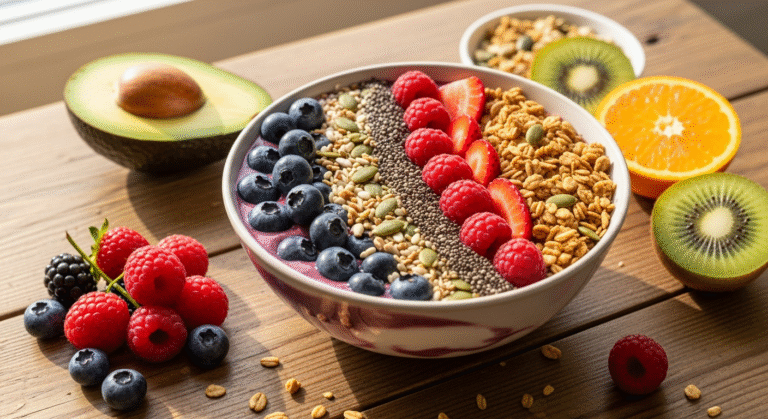
- Practical Tip: Incorporate “mood-boosting” foods like fatty fish (salmon), leafy greens, berries, nuts, seeds, and fermented foods (yogurt, kimchi) into your daily meals. These are often rich in omega-3s, magnesium, and probiotics.
- Relatable Example: Instead of reaching for that sugary treat when stress hits, try a handful of almonds or a delicious smoothie packed with spinach and berries. You’ll notice a sustained energy lift, not a crash.
Hydration is Key
Dehydration can mimic or worsen anxiety symptoms, leading to fatigue, dizziness, and difficulty concentrating. Make sure you’re drinking enough water throughout the day. Herbal teas can also contribute to your fluid intake and offer additional calming benefits.
- Practical Tip: Keep a beautiful glass water bottle with you to encourage consistent sips. Infuse your water with cucumber, lemon, or mint for a refreshing twist.
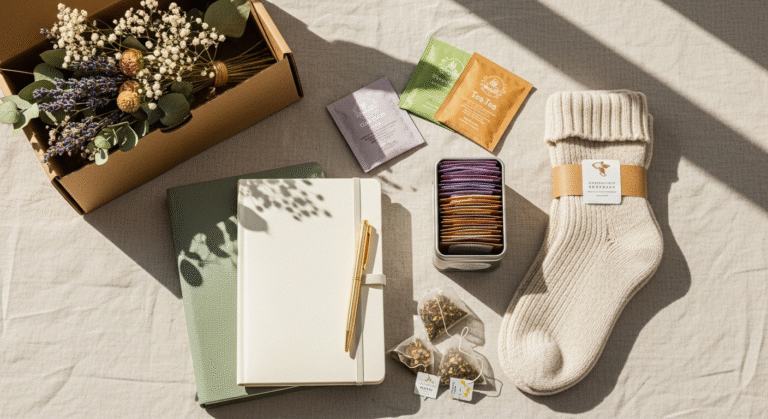
- Product Idea: Herbal teas like chamomile, peppermint, or lemon balm are excellent choices. Serve them in your favorite ceramic mug for an extra touch of ritual.
Gentle Movement for Mental Clarity
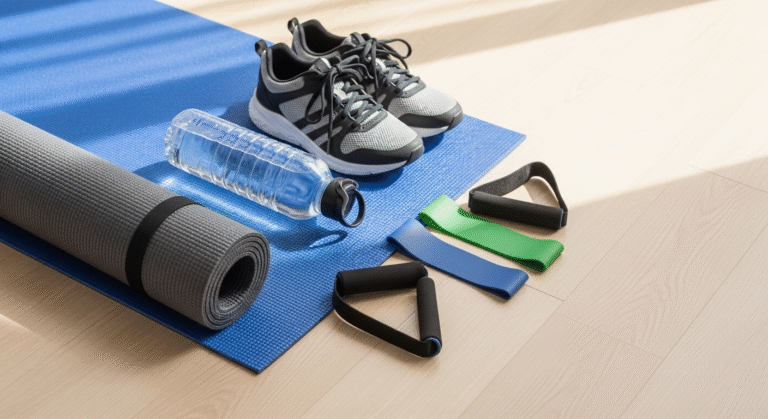
You don’t need to commit to intense workouts to experience the anxiety-reducing benefits of exercise. Gentle, consistent movement can significantly lower stress hormones and release endorphins, your body’s natural mood elevators.
- Practical Tip: Aim for a daily walk in nature, practice a gentle yoga flow, or simply stretch your body in the morning. Even 15-20 minutes can make a difference.
- Relatable Example: Instead of scrolling through your phone, take a brisk walk around your neighborhood. Notice the trees, the sky, the simple beauty around you. It’s a reset button for your mind.
Mindful Moments & Breathing Practices: Anchoring Yourself in the Present
Anxiety often pulls us into worries about the future or regrets about the past. Learning to gently bring yourself back to the present moment is a powerful skill. Mindfulness isn’t about emptying your mind, but about observing your thoughts and feelings without judgment. This is a core strategy for how to reduce anxiety naturally.
The Power of Intentional Breathing
Our breath is an incredible tool for calming the nervous system. When we’re anxious, our breathing tends to be shallow and rapid. Practicing deep, slow breathing can activate the parasympathetic nervous system, signaling to your body that it’s safe to relax.
- Practical Tip: Try “Box Breathing” (also known as 4-4-4-4 breathing). Inhale slowly for a count of four, hold for four, exhale slowly for four, and hold for four. Repeat for a few minutes.
- Actionable Step: Set a reminder on your phone to do 2-3 minutes of deep breathing a few times a day, especially during stressful moments.
Cultivating a Meditation Practice
Even a few minutes of meditation daily can rewire your brain for greater calm and resilience. There are many ways to meditate – guided meditations, silent meditation, or simply focusing on your breath.
- Practical Tip: Start with guided meditations from apps like Calm or Headspace. Find a quiet spot in your home, perhaps with a comfortable cushion and soft lighting.
- Relatable Example: Just as you make time to brew your morning coffee, carve out 5-10 minutes for quiet reflection. It’s a gentle way to start your day with intention.
Journaling for Clarity
Putting your thoughts and feelings onto paper can be incredibly therapeutic. It helps to externalize worries, gain perspective, and identify patterns in your anxiety.
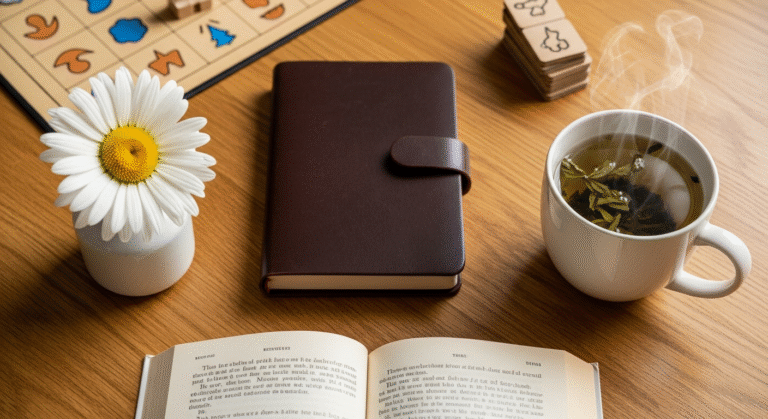
- Practical Tip: Try “free writing” for 10 minutes, writing whatever comes to mind without editing. Or, focus on gratitude journaling – list 3-5 things you’re grateful for each day.
- Product Idea: A beautiful linen-bound journal and a smooth-writing pen can make this practice feel even more inviting.
Connecting with Nature & Simple Pleasures: Finding Solace Outdoors
There’s an undeniable magic in stepping outside and letting the natural world embrace you. From the rustle of leaves to the warmth of the sun, nature has a profound ability to soothe our busy minds and help us reconnect with a sense of peace. Embracing nature is a wonderful way to understand how to reduce anxiety naturally.
Spend Time Outdoors Daily
Even a short walk in a park, tending to a small garden, or simply sitting on your porch with a cup of tea can make a world of difference. Exposure to sunlight helps regulate our circadian rhythm, improving sleep and mood.
- Practical Tip: Make it a habit to step outside for at least 15-30 minutes each day. If you have a garden, spend some time pruning, watering, or simply observing the plants.
- Relatable Example: Imagine enjoying your morning coffee on your patio, listening to the birds, feeling the gentle breeze. It’s a moment of mindful connection before the day truly begins.
Bring the Outdoors In
If getting outside isn’t always possible, bring elements of nature into your home. We’ve already talked about houseplants, but consider natural materials, textures, and scents.
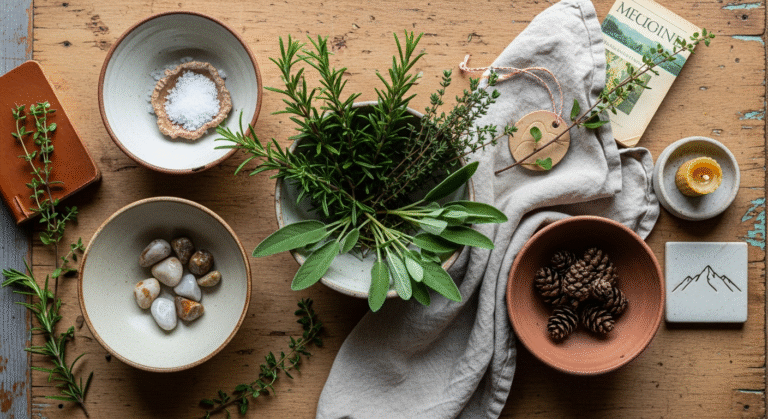
- Practical Tip: Decorate with natural wood, stone, and linen. Display freshly cut flowers or branches. Open windows to let in fresh air and natural sounds.
- Product Idea: A charming window box filled with herbs or a small indoor herb garden can bring both beauty and fresh flavors into your kitchen.
Engage Your Senses in Nature
Practice “forest bathing” (Shinrin-yoku) – not literally bathing, but immersing yourself in the atmosphere of the forest. Pay attention to the sights, sounds, and smells around you. Notice the intricate patterns of leaves, the earthy scent of the soil, the sound of wind in the trees.
- Actionable Step: The next time you’re outside, put your phone away. Sit or stand quietly and consciously engage each of your five senses for a few minutes.
Cultivating Healthy Habits & Routines: The Foundation of Well-being
While spontaneous moments of joy are wonderful, a strong foundation of healthy habits and consistent routines can act as an anchor during turbulent times. These practices build resilience and predictability, which can be incredibly comforting when anxiety tries to take hold.
Prioritize Restful Sleep
- Practical Tip: Create a consistent sleep schedule, even on weekends. Establish a relaxing “wind-down” routine an hour before bed: dim lights, put away screens, read a book, take a warm bath with Epsom salts.
- Product Idea: Blackout curtains, a comfortable eye mask, and a silk pillowcase can elevate your sleep sanctuary. Consider a weighted blanket for a comforting, secure feeling.
Set Boundaries (Especially Digital Ones)
In our hyper-connected world, the constant influx of information and social comparisons can fuel anxiety. Learning to say “no” and setting clear boundaries is vital for your mental health.
- Practical Tip: Designate “screen-free” times, especially in the mornings and evenings. Unfollow accounts that make you feel inadequate. Set clear expectations with friends and family about your availability.
- Relatable Example: Instead of checking work emails right before bed, choose to read a chapter of a physical book. Your mind will thank you for the gentle transition.
Mindful Morning & Evening Rituals
Starting and ending your day with intention can greatly influence your mood. These rituals don’t need to be elaborate; consistency is key.
- Practical Tip:
- Morning: Drink a glass of water, stretch, meditate for 5 minutes, or simply sit quietly with a warm drink before diving into your day.
- Evening: Journal, listen to calming music, do a gentle yoga stretch, or read.
- Actionable Step: Choose one small ritual for your morning and one for your evening, and commit to practicing them for a week. Notice the subtle shifts in your well-being.
The Power of Connection & Community: You Are Not Alone
Anxiety can often make us feel isolated, as if we’re bearing the weight of our worries alone. But true well-being is deeply intertwined with our connections to others. Fostering strong, supportive relationships is a vital, natural antidote to anxiety.
Lean on Your Tribe
Connecting with trusted friends, family, or a supportive community can provide comfort, perspective, and a sense of belonging. Sharing your feelings with someone who understands can lift a heavy burden.
- Practical Tip: Schedule regular coffee dates, phone calls, or online chats with friends who uplift you. Don’t be afraid to be vulnerable and share what you’re experiencing.
- Relatable Example: Imagine recounting a stressful day over a comforting cup of tea with a dear friend. Just articulating your worries can make them feel less overwhelming.
Engage in Meaningful Activities
Participating in hobbies or groups that align with your interests can foster new connections and provide a sense of purpose. Whether it’s a book club, a pottery class, or a volunteer group, shared passions build bonds.
- Actionable Step: Look for local community groups or online forums related to your hobbies. Even virtual connection can be deeply meaningful.
Practice Compassion and Generosity
Focusing on others can shift your perspective away from internal worries. Acts of kindness, big or small, release oxytocin, a hormone that promotes bonding and reduces stress.
- Practical Tip: Offer help to a neighbor, send a thoughtful card to a friend, or volunteer your time for a cause you care about.
Herbal Allies & Aromatic Comforts: Nature’s Gentle Support
For centuries, different cultures have turned to the botanical world for comfort and calm. While not a replacement for professional medical advice, certain herbs and aromatic practices can offer gentle support as you learn how to reduce anxiety naturally.
Calming Herbal Teas
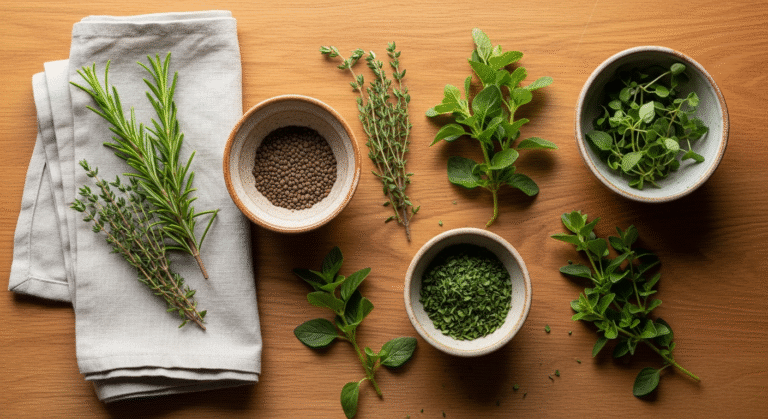
Many herbs have natural anxiolytic (anxiety-reducing) properties. Brewing a warm cup of herbal tea can be a soothing ritual in itself.
- Practical Tip: Incorporate teas made from chamomile, lemon balm, passionflower, or lavender into your evening routine.
- Product Idea: Look for high-quality, organic loose-leaf teas for the best flavor and potency.
Essential Oils for Emotional Balance
As mentioned earlier, aromatherapy is a powerful tool. Beyond diffusing, essential oils can be applied topically (diluted!) or used in bathwater.
- Practical Tip: Create a rollerball blend with diluted lavender and frankincense essential oils to apply to your pulse points during moments of stress. Add a few drops of bergamot to your morning shower for an uplifting start.
- Product Idea: Always choose therapeutic-grade essential oils from reputable brands. Always dilute with a carrier oil like jojoba or almond oil before applying to skin.
Supplements to Consider (with Caution)
Certain supplements, like magnesium, ashwagandha, or L-theanine, are often touted for their calming effects. However, it’s crucial to approach supplements with caution and always consult a healthcare professional before adding them to your routine, especially if you are on medication.
- Important Note: This information is not medical advice. Always consult your doctor before starting any new supplements to ensure they are safe and appropriate for your individual health needs.
Embrace Your Journey to Calm
My dear friend, I hope this guide offers you a renewed sense of hope and empowers you with practical ways to nurture your inner peace. Remember, reducing anxiety naturally is a journey, not a destination. There will be days when it feels easier, and days when you might need to lean a little more heavily on these tools. Be gentle with yourself, just as you would with a beloved friend.
Each small step you take – whether it’s brewing a calming tea, taking a mindful walk, or simply decluttering a corner of your home – is a profound act of self-care. Your home is your sanctuary, and you are its heart. By tending to both, you cultivate a life rich in calm, comfort, and joy.
We encourage you to choose one or two tips from this article that resonate most with you and commit to trying them for a week. Notice how these small shifts can create ripples of calm throughout your day. You deserve to feel at ease, to savor the beauty of your home, and to live with a peaceful heart. We’re here, cheering you on every step of the way.
Recommended Resources
Check out Natural Beauty Secrets From Celebrities on Celebrity Exchange for a deeper dive.
Check out How To Create A Minimalist Wardrobe You Actually Wear on Sometimes Daily for a deeper dive.