




Demystifying the Sommelier Path: Your Journey to Wine Expertise
The term “sommelier” often conjures images of impeccably dressed individuals gliding through fine dining establishments, decanting rare vintages with a flourish. While that image certainly holds a kernel of truth, the role of a sommelier, especially in today’s dynamic culinary landscape, is far more expansive and accessible than you might imagine. A sommelier is, at its heart, a trained and knowledgeable wine professional, typically working in restaurants, hotels, or even in retail, who specializes in all aspects of wine service and food pairing. They are the guardians of the wine list, the educators for both staff and guests, and the purveyors of an unforgettable wine experience. But what exactly does it take to embark on this exciting path and truly master the art of wine expertise?
Your journey begins with a passion. A genuine love for wine, its history, its diverse regions, and its endless nuances is the absolute foundation. Without this intrinsic drive, the rigorous study and extensive tasting required can feel like a chore rather than a joy. Beyond passion, a sommelier needs an insatiable curiosity and a commitment to lifelong learning. The world of wine is constantly evolving, with new regions emerging, innovative winemaking techniques developing, and classic styles being reinterpreted. Staying current is key.
So, where do you start? Many aspiring sommeliers begin their journey as enthusiastic amateurs, devouring books, attending local tastings, and exploring different varietals and regions on their own. This self-study is invaluable for building a foundational understanding and confirming your dedication. Consider investing in a few key resources: a good world wine atlas, a comprehensive guide to grape varietals, and perhaps a classic text like Karen MacNeil’s The Wine Bible. These will lay the groundwork for understanding the complex tapestry of wine geography, history, and production.
Beyond self-study, practical experience is paramount. Even before formal sommelier training, seeking out opportunities to work with wine can be incredibly beneficial. This might mean taking a part-time job at a wine shop, volunteering at a local winery during harvest, or simply becoming the designated wine steward among your friends. Handling bottles, discussing preferences, and even just observing how wine is presented and served can offer invaluable insights into the practicalities of the profession. Furthermore, developing a keen sense of observation and an ability to articulate your perceptions will serve you well as you progress. This initial phase is all about cultivating a deep appreciation and building a robust personal library of wine experiences, preparing you for the more structured educational paths ahead.
Essential Certifications for Aspiring Sommeliers: WSET vs. Court of Master Sommeliers
Once your passion for wine blossoms into a desire for formal recognition and deeper knowledge, you’ll encounter two primary certification bodies that dominate the landscape for sommelier training and wine education: the Wine & Spirit Education Trust (WSET) and the Court of Master Sommeliers (CMS). Each offers a distinct pathway, catering to slightly different aspects of wine professionalism, and understanding their differences is crucial for choosing the right route for your aspirations.
The Wine & Spirit Education Trust (WSET)
WSET is an internationally recognized organization based in London, known for its rigorous, academic approach to wine and spirits education. It offers a structured curriculum across four levels, each building upon the last:
- WSET Level 1 Award in Wines: A basic introduction, perfect for beginners or those working in hospitality.
- WSET Level 2 Award in Wines: Delves deeper into major grape varieties, important wine regions, and systematic tasting.
- WSET Level 3 Award in Wines: A comprehensive and challenging course covering a vast array of wines, winemaking, viticulture, and advanced tasting techniques. This level is often considered a benchmark for serious wine enthusiasts and professionals.
- WSET Level 4 Diploma in Wines: The highest qualification, a demanding multi-year program that prepares individuals for leadership roles in the wine industry. It’s an academic deep dive into every facet of wine.
WSET’s strength lies in its comprehensive theoretical knowledge and systematic approach to tasting. It emphasizes understanding why wines taste the way they do, linking viticulture, winemaking, and regional characteristics to sensory attributes. It’s often favored by those pursuing careers in wine buying, importing, marketing, or education, and for general wine expertise.
The Court of Master Sommeliers (CMS)
The CMS, originating from the UK, focuses more heavily on the practical application of wine knowledge in a hospitality setting, emphasizing service, blind tasting, and theoretical understanding. Its progressive certification levels are:
- Introductory Sommelier Course & Examination: A two-day course followed by an exam, covering basic wine knowledge, service standards, and tasting methodology.
- Certified Sommelier Examination: A more challenging exam testing theoretical knowledge, service skills (including decanting and food pairing), and blind tasting. This is a common goal for restaurant professionals.
- Advanced Sommelier Examination: A highly demanding multi-day exam that pushes candidates on all three fronts – theory, service, and blind tasting – requiring exceptional depth of knowledge and skill.
- Master Sommelier Diploma Examination: The pinnacle of the CMS program, recognized globally as one of the most challenging professional certifications. It demands encyclopedic knowledge, flawless service, and unparalleled blind tasting ability. There are only a few hundred Master Sommeliers worldwide.
The CMS path is ideal for those who aspire to work directly in high-end restaurants, managing wine programs, and interacting with guests. Its emphasis on service and blind tasting at higher levels is legendary.
Choosing Your Path: Many professionals pursue both WSET and CMS certifications, as they are complementary. WSET provides an incredibly strong theoretical foundation, while CMS hones the service and practical application skills crucial for restaurant work. If your goal is primarily wine education and deep academic understanding, WSET might be your first stop. If you dream of working on the floor of a Michelin-starred restaurant, CMS is likely the more direct route. Regardless of your choice, both require significant dedication, financial investment, and, most importantly, countless hours of tasting and study. Consider joining a local tasting group, which can be an invaluable resource for practicing blind tasting and sharing knowledge. For example, a monthly get-together with fellow enthusiasts, where everyone brings a bottle wrapped in foil, can significantly sharpen your palate and descriptive skills.
Mastering the Art of Wine Tasting: A Beginner’s Guide to Sensory Evaluation
Beyond certifications and career paths, the heart of appreciating wine lies in understanding its wine tasting basics. This isn’t about snobbery; it’s about unlocking a deeper dimension of pleasure and understanding. Learning to taste wine systematically, often referred to as sensory evaluation, is a skill anyone can develop with practice. It involves engaging all your senses in a structured way to truly dissect what’s in your glass. Let’s break down the fundamental steps:
The 5 S’s of Wine Tasting: See, Swirl, Sniff, Sip, Savor
1. See: The Visual Assessment
Before you even bring the glass to your nose, take a moment to look at the wine. Hold your glass against a white background (like a napkin or tablecloth). What do you observe?
- Color: Is it ruby red, garnet, purple, pale lemon, gold, amber? The color can tell you about the grape variety, age, and even winemaking techniques. For reds, a purple hue suggests youth, while brick-orange edges indicate age. For whites, pale lemon is young, while deep gold suggests age or oak treatment.
- Clarity: Is it clear and brilliant, or cloudy? Most modern wines are filtered for clarity, but some natural or unfiltered wines might have a slight haze.
- Viscosity (Legs/Tears): Swirl the wine gently and watch the “legs” or “tears” that run down the inside of the glass. Thicker, slower legs often indicate higher alcohol or residual sugar, but it’s not a definitive indicator of quality.
2. Swirl: Releasing Aromas
Gently swirl the wine in your glass. This introduces oxygen, which helps release the volatile aromatic compounds, making them easier to smell. Don’t be afraid to give it a good swirl!
3. Sniff: The Olfactory Journey
This is arguably the most complex and rewarding part of wine tasting. Bring the glass to your nose and take a few short, quick sniffs. What do you smell?
- Primary Aromas: These come directly from the grape itself. Think fruit (citrus, berry, stone fruit, tropical), floral (rose, violet, elderflower), and herbaceous (grass, bell pepper, mint) notes. A Sauvignon Blanc might burst with grapefruit and gooseberry, while a Pinot Noir often offers cherry and earthy undertones.
- Secondary Aromas: These develop from winemaking processes like fermentation and oak aging. Examples include yeast (brioche, bread dough in Champagne), oak (vanilla, toast, cedar, smoke), and malolactic fermentation (butter, cream).
- Tertiary Aromas: These evolve as the wine ages in the bottle. They are often complex and savory, including notes like leather, tobacco, mushroom, forest floor, dried fruit, or nutty aromas.
Don’t be afraid to describe what you smell, even if it seems unusual. The goal is to build your own wine tasting guide vocabulary. A fun exercise is to simply smell everything around you – fruits, spices, flowers – and try to commit those scents to memory.
4. Sip: The Palate Experience
Take a small sip, letting the wine coat your entire mouth. Don’t swallow immediately. You’re assessing several components:
- Sweetness: Is it dry (no residual sugar), off-dry (a hint of sweetness), medium-sweet, or sweet?
- Acidity: This creates a mouth-watering sensation. High acidity makes your mouth water, like biting into a lemon. It’s crucial for freshness and balance, especially with food.
- Tannin: Found primarily in red wines (from grape skins, seeds, and oak). Tannins create a drying, astringent sensation, like strong black tea. They provide structure and allow wines to age. Describe them as silky, grippy, coarse, or fine.
- Alcohol: Detected as a warming sensation in the back of your throat. High alcohol can make a wine feel “hot.”
- Body: This refers to the weight or viscosity of the wine in your mouth. Is it light-bodied (like skim milk), medium-bodied (like whole milk), or full-bodied (like cream)?
- Flavor Intensity: How strong are the flavors you taste? Do they match the aromas you detected?
5. Savor: The Finish
After you swallow (or spit, especially if you’re tasting many wines!), pay attention to the aftertaste, known as the “finish” or “length.” How long do the flavors linger? A long, pleasant finish is a sign of a high-quality wine. Does the finish evolve or change? Does it leave you wanting another sip?
Practice is key to developing your palate. Try tasting wines side-by-side (e.g., two different Chardonnays, one oaked and one unoaked) to highlight differences. Use good quality wine glasses, such as those from Riedel or Zalto, as their shape can significantly impact how aromas are delivered. Most importantly, remember that wine tasting is a personal journey of discovery and enjoyment!
Building Your Palate and Knowledge Base: Practical Steps for Wine Enthusiasts
Developing a sophisticated palate and a robust knowledge base is an ongoing adventure, whether you’re an aspiring sommelier or simply a devoted wine lover. It requires curiosity, consistency, and a willingness to step outside your comfort zone. Here are some actionable steps you can take to deepen your wine expertise and truly understand the nuances of the glass.
Engage in Blind Tasting Practice
One of the most effective ways to sharpen your senses and eliminate bias is through blind tasting. This involves tasting wines without knowing anything about them – not the producer, region, vintage, or even grape variety. Wrap bottles in foil or brown paper bags. Focus solely on what your senses tell you. Try to identify the grape, region, and even approximate age based on the visual, aromatic, and palate cues. This exercise forces you to rely on your developing sensory memory and analytical skills, rather than preconceived notions. You can do this with friends, making it a fun and educational social activity. Start with contrasting wines (e.g., a crisp Sauvignon Blanc next to a buttery Chardonnay) and gradually move to more similar ones.
Keep a Detailed Wine Tasting Journal
A tasting journal is an invaluable tool for tracking your progress and solidifying your observations. For each wine you taste, note down:
- Basic information: Producer, region, vintage, grape variety, alcohol percentage.
- Visuals: Color, clarity, viscosity.
- Aromas: List primary, secondary, and tertiary notes, using descriptive words.
- Palate: Sweetness, acidity, tannin, alcohol, body, flavor intensity, specific flavors.
- Finish: Length and quality.
- Overall impression: Your personal rating, whether you enjoyed it, and potential food pairings.
Reviewing your journal regularly will help you identify patterns, remember specific characteristics of certain grapes or regions, and see how your palate evolves over time. Apps like Vivino or CellarTracker can also serve as digital journals, allowing you to easily store and access your notes.
Visit Wineries and Engage with Winemakers
There’s no substitute for experiencing wine at its source. Plan trips to wine regions, both local and international. Visiting wineries allows you to see the vineyards, learn about the terroir, understand the winemaking process firsthand, and speak directly with the winemakers. These conversations can provide incredible insights into their philosophy, challenges, and the unique characteristics of their wines. Many wineries offer guided tours and tastings, which are excellent educational opportunities. This kind of experiential learning makes the abstract concepts of viticulture and enology come alive.
Read Widely and Continuously Learn
The world of wine is vast, and there’s always something new to learn. Beyond the foundational books mentioned earlier, subscribe to reputable wine magazines (e.g., Wine Spectator, Decanter), follow influential wine critics and educators online, and explore specialized books on specific regions or grape varieties. Websites like Wine Folly offer fantastic visual guides and accessible explanations. Consider taking online courses or attending local seminars to broaden your horizons. Continuous learning is a hallmark of true wine expertise.
Curate Your Home Wine Collection (Even a Small One)
Having a small, diverse collection of wines at home allows for regular tasting and experimentation. You don’t need a fancy cellar; a cool, dark place away from vibrations and temperature fluctuations will suffice for most wines meant for near-term consumption. For longer-term storage or more valuable bottles, a dedicated wine fridge is a worthwhile investment. Try to keep a range of styles – a crisp white, a fruity rosé, a medium-bodied red, and a full-bodied red – to practice your wine tasting basics. Consider trying a wine preservation system like Coravin if you want to enjoy a glass without opening the entire bottle.
Practice Food and Wine Pairing
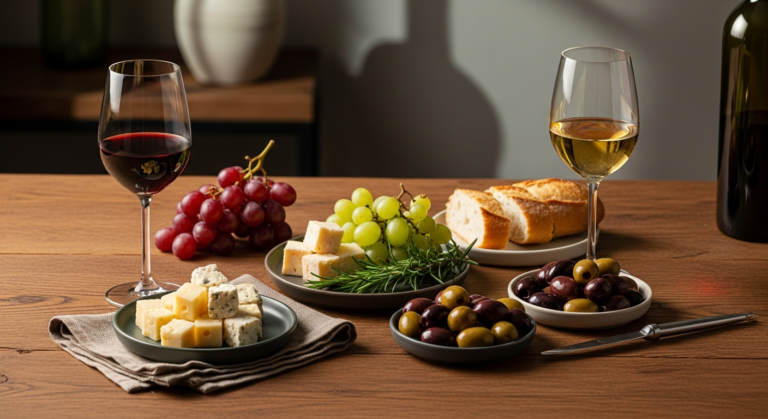
One of the most delightful aspects of wine is how it interacts with food. Experiment regularly! Pay attention to how different wines enhance or detract from various dishes. Try pairing a high-acid Sauvignon Blanc with a goat cheese salad, or a tannic Cabernet Sauvignon with a juicy steak. For a casual yet elegant approach, consider our suggestions for Easy Charcuterie Board Ideas. These boards offer a fantastic array of flavors and textures, making them perfect for practicing pairings with different wines. Understanding these synergies is a crucial skill for any aspiring sommelier or enthusiastic home entertainer.
Beyond the Glass: The Sommelier’s Role in Hospitality and Entertaining
While mastering wine tasting basics and accumulating vast wine expertise are fundamental, the true art of the sommelier, especially in a professional setting, extends far beyond simply identifying what’s in the glass. It encompasses the entire experience, from selection to service, and translates beautifully into the realm of home entertaining. Understanding these broader aspects can elevate your own hosting skills and bring a new level of sophistication to your gatherings, whether you’re planning a cozy dinner for two or a grand celebration.
The Art of Service: Presentation and Temperature
A sommelier understands that the presentation and service of wine are just as important as the wine itself. This includes:
- Glassware: Selecting the appropriate glass for each wine type. While you don’t need a different glass for every varietal at home, having a good universal wine glass, a flute for sparkling, and a robust glass for reds will significantly enhance the experience.
- Temperature: Serving wine at its optimal temperature is critical. Too warm, and whites taste flabby and alcoholic; too cold, and reds lose their aromatic complexity. Generally, sparkling wines should be served very cold (43-48°F / 6-9°C), light-bodied whites and rosés chilled (48-55°F / 9-13°C), full-bodied whites lightly chilled (54-60°F / 12-16°C), light-bodied reds slightly cool (55-60°F / 13-16°C), and full-bodied reds at cool room temperature (60-65°F / 16-18°C). A simple wine thermometer can be a great investment.
- Decanting: Knowing when and why to decant a wine is a hallmark of an expert. Older wines are often decanted to separate sediment, while younger, more tannic reds can benefit from decanting to allow them to “breathe” and soften their edges. It also adds a touch of theatrical elegance to the service.
- Opening and Pouring: Mastering the proper technique for opening a bottle, especially with older, more fragile corks, and pouring gracefully without drips, showcases professionalism and respect for the wine. A good waiter’s friend corkscrew is indispensable.
Guiding Guests and Curating Experiences
In a restaurant, a sommelier’s primary role is to act as a trusted guide, helping guests navigate the wine list and choose a bottle that perfectly suits their preferences, budget, and meal. This requires not just knowledge but also excellent communication skills, empathy, and the ability to “read” people. At home, you can adopt a similar approach. Instead of simply offering a glass, engage your guests in conversation about their preferences. Suggest a wine that might surprise and delight them, perhaps based on a recent discovery of your own. This transforms a simple serving into a shared journey of discovery.
Building and Managing a Home Cellar
For those truly bitten by the wine bug, establishing a thoughtful home cellar, even a modest one, becomes a rewarding endeavor. A sommelier’s understanding of wine regions, vintages, and aging potential can guide this process. Consider what you enjoy drinking now, what you might want to save for special occasions, and what wines have the potential to improve with age. Investing in a small wine cooler for specific bottles or simply ensuring a consistent, cool, dark storage space for your everyday wines is a great start. Think about the cadence of your entertaining – do you host frequently? Are there specific types of cuisine you often prepare? These factors will influence the composition of your home collection.
Integrating Wine into Entertaining
Wine is a natural centerpiece for any gathering. Whether you’re planning a sophisticated dinner party or a casual get-together, thoughtfully chosen wines can elevate the entire event. For instance, if you’re exploring How to Host Brunch at Home, consider offering a light, refreshing sparkling wine or a crisp rosé alongside your mimosas. During holiday festivities, our Holiday Entertaining Tips often emphasize creating memorable moments, and a well-paired wine can be a star player. A sommelier’s mindset encourages you to think holistically: which wines will complement the menu? What’s the mood of the event? How can the wine selection enhance the overall atmosphere and delight your guests?
Ultimately, the journey to becoming a sommelier or simply a more knowledgeable wine enthusiast is one of continuous learning and joyful exploration. It’s about enriching your life, enhancing your culinary experiences, and sharing the magic of wine with those you love. So, raise a glass, my dear, to the endless possibilities that await in the fascinating world of wine!
Frequently Asked Questions
Q: How long does it take to become a sommelier?
A: The path to becoming a sommelier varies significantly depending on the level of certification you pursue. An introductory certification might take a few days or weeks of study and a short exam. Becoming a Certified Sommelier (CMS) or achieving WSET Level 3 typically requires several months to a year of dedicated study and tasting, often with prior experience. Reaching the Master Sommelier or WSET Diploma level is a multi-year commitment, often taking 3-5 years or more, involving extensive practical experience, rigorous exams, and continuous learning. It’s truly a journey, not a destination, for those seeking top-tier wine expertise.
Q: What’s the difference between a sommelier and a wine expert?
A: While all sommeliers are wine experts, not all wine experts are sommeliers. A sommelier is a specific professional role, usually in hospitality, with formal training in wine knowledge, service, and food pairing, often holding certifications from bodies like CMS or WSET. A wine expert is a broader term for anyone with deep knowledge and experience in wine, which could include critics, winemakers, educators, or collectors, who may or may not work in a service-oriented role or hold formal sommelier certifications. A sommelier focuses on the practical application of their expertise in a service context.
Q: Do I need to be a professional to learn wine tasting?
A: Absolutely not! Learning wine tasting basics is a delightful skill for anyone who enjoys wine, regardless of professional aspirations. It enhances your appreciation, allows you to make more informed purchasing decisions, and adds a rich layer to social gatherings. Many resources, from online guides to local classes and tasting groups, cater specifically to enthusiasts. It’s a journey of personal discovery and enjoyment.
Q: What are some good wines for beginners to practice tasting?
A: For beginners practicing sensory evaluation, it’s great to start with classic, varietally pure examples. For whites, try a Sauvignon Blanc (New Zealand or Loire Valley) for its crisp acidity and green notes, and an unoaked Chardonnay (Chablis or stainless steel fermented) to appreciate fruit without oak influence. For reds, a Pinot Noir (Burgundy or Oregon) offers delicate fruit and earthy notes, while a Cabernet Sauvignon (Napa Valley or Bordeaux) provides structure, dark fruit, and noticeable tannins. These offer distinct profiles to help you differentiate key characteristics.
Q: Is it expensive to become a sommelier?
A: Yes, pursuing sommelier certifications can be a significant financial investment. Course fees for WSET levels can range from a few hundred dollars for Level 1 to several thousands for the Diploma. CMS exams also have fees, which increase with each level. Beyond tuition, you’ll need to factor in the cost of tasting wines (which can add up quickly, especially for diverse and high-quality bottles), study materials, travel to exam locations, and potentially lost income from time dedicated to study. It’s important to budget carefully and view it as an investment in your career and passion.
Recommended Resources
For more on how to become, see Gold Jewelry Care Tips on Celebrity Exchange.
Learn more about this topic in How To Practice Mindful Parenting at Veralyn Media.