
























What is Transitional Home Decor Style? Defining Enduring Elegance
The term “transitional home decor style” describes an aesthetic that masterfully blends elements from both traditional and contemporary design, creating a harmonious and cohesive look that is neither overtly modern nor strictly classical. It’s a sophisticated dance between old and new, resulting in spaces that feel fresh, inviting, and utterly timeless. Imagine the clean lines and understated elegance of modern design softened by the rich textures and comfortable proportions typically found in traditional settings. This is the essence of transitional style.
At its core, transitional design prioritizes comfort, functionality, and a sense of understated luxury. It eschews the ornate details and heavy embellishments often associated with purely traditional decor, opting instead for simplified silhouettes and a more streamlined approach. Simultaneously, it avoids the starkness and sometimes cold minimalism that can characterize purely contemporary spaces, injecting warmth through curated materials, inviting textures, and a thoughtful color palette. The result is an environment that feels both polished and approachable, a perfect balance for the modern homeowner seeking a refined yet livable space.
Key characteristics that define this style include:
- Balanced Proportions: Furniture pieces are often substantial but not oversized, offering comfort without overwhelming the space. They strike a middle ground between the elaborate curves of traditional pieces and the stark angles of modern ones.
- Neutral Color Palettes: A foundation of muted tones like creams, grays, taupes, and soft whites creates a serene backdrop, allowing textures and subtle patterns to shine. Pops of color are introduced sparingly through accessories or artwork.
- Clean Lines with Soft Edges: While the overall silhouette of furniture tends to be clean and uncluttered, sharp edges are often softened with gentle curves or plush upholstery, enhancing comfort and visual appeal.
- Emphasis on Texture: Layering different textures—think linen, velvet, wool, polished wood, brushed metal, and natural stone—is crucial for adding depth and warmth to a neutral scheme.
- Minimalist yet Curated Accessories: Decor is intentionally chosen, with a focus on quality over quantity. Pieces are typically understated, serving to enhance the overall aesthetic rather than clutter it.
Understanding these foundational principles is the first step in cultivating a transitional aesthetic in your own home. It’s about creating an atmosphere that feels sophisticated, comfortable, and uniquely yours, a true reflection of contemporary living with a nod to enduring classicism. This style is particularly appealing because it allows for immense flexibility, accommodating evolving tastes and new acquisitions without sacrificing the overall integrity of the design.
The Pillars of Transitional Design: Blending Old and New Seamlessly
Achieving the perfect transitional aesthetic requires a thoughtful approach to several key design elements. It’s not about randomly mixing styles, but rather about a deliberate curation that ensures harmony and cohesion. Here, we delve into the core components that form the backbone of a beautifully executed transitional space.
Color Palette: The Foundation of Serenity
The transitional style largely relies on a calming, neutral color palette. Think soothing shades of gray, greige, taupe, cream, and soft white. These foundational colors create a serene backdrop that allows other elements to stand out without overwhelming the senses. While neutrals dominate, don’t shy away from introducing subtle splashes of color through accent pieces like throw pillows, artwork, or decorative objects. These accents often draw from nature-inspired hues such as muted blues, greens, or even deep plums, providing depth and visual interest without disrupting the overall tranquility.
Furniture: Bridging Eras with Grace
Furniture is arguably the most defining element of transitional design. Pieces typically feature clean lines and simple silhouettes, often with a slight nod to traditional forms through subtle curves or refined details. Sofas and chairs are upholstered in comfortable, often textured, fabrics like linen, cotton, or performance velvet. Wood tones are varied, ranging from light oaks to richer walnuts, often with a natural or lightly stained finish. The goal is to select pieces that are both functional and aesthetically pleasing, offering comfort without being overly bulky or fussy. A transitional sofa might have classic rolled arms but a contemporary, low profile, or a dining table could combine a sleek, modern top with traditionally turned legs.
Materials and Textures: A Symphony for the S Senses
Layering various materials and textures is paramount in transitional design, especially given the neutral color schemes. This interplay adds warmth, depth, and visual interest, preventing the space from feeling flat or sterile. Incorporate a mix of:
- Natural Woods: Used in furniture, flooring, and decorative accents, providing warmth and organic beauty.
- Metals: Brushed nickel, aged brass, bronze, and matte black are common, used in lighting fixtures, hardware, and decorative elements. Mixing metals can add a sophisticated touch.
- Glass and Mirror: Introduce lightness and expand space, often seen in coffee tables, end tables, and decorative mirrors.
- Natural Fibers: Linen, cotton, wool, jute, and sisal for rugs, upholstery, drapes, and throws add softness and organic appeal.
- Stone and Marble: Used for countertops, fireplaces, or decorative accents, contributing a sense of refined luxury.
Lighting: Illuminating Style and Mood
Lighting in a transitional home serves both functional and aesthetic purposes. Fixtures often combine classic forms with modern materials or vice-versa. Think chandeliers with clean lines but traditional candle-style bulbs, or contemporary pendants with an antique brass finish. Layered lighting—a combination of ambient (overhead), task (reading lamps), and accent (spotlights on art)—is crucial for creating a versatile and inviting atmosphere. Dimmers are a must, allowing you to control the mood and adapt the lighting for various activities, contributing to a sense of well-being and self-care at home.
Accessories and Art: The Finishing Touches
In transitional spaces, accessories are carefully chosen and often minimalist. The focus is on quality over quantity. Select a few impactful pieces rather than many small trinkets. Artwork tends to be abstract, landscape, or photographic, often with a quiet intensity. Decorative objects like ceramic vases, sculptural bowls, or a stack of elegant coffee table books add personality without clutter. Greenery, in the form of potted plants or fresh flowers, always brings life and a touch of nature indoors. Remember, each accessory should feel intentional and contribute to the overall serene and sophisticated ambiance.
By thoughtfully combining these elements, you can create a transitional space that feels both cohesive and dynamic, a true blend of timeless tradition and contemporary flair.
Crafting Your Transitional Sanctuary: Practical Application Room by Room
The Living Room: The Heart of Transitional Comfort
The living room is often the focal point of a transitional home. Start with a substantial, comfortable sofa with clean lines, upholstered in a neutral, textured fabric like linen or performance velvet. Pair it with accent chairs that offer a slight contrast in texture or a subtle pattern, perhaps a classic wingback reimagined with modern upholstery. A coffee table might be a solid wood piece with simple lines or a glass-and-metal design that feels lighter. Layer rugs—a large area rug in a natural fiber like wool or jute, topped with a smaller, softer accent rug—to define zones and add warmth. Use throw pillows in varying textures and subtle patterns (geometric or organic) to introduce depth. Lighting should be diverse: a stylish chandelier or pendant, a floor lamp for reading, and table lamps for ambient glow. Curate your accessories: a few well-chosen books, a sculptural vase, and perhaps a large piece of abstract art or a serene landscape.
The Dining Room: Elegant Simplicity for Gatherings
In the dining room, a transitional approach means a balance between formality and approachability. A solid wood dining table with a simple, sturdy design can be paired with dining chairs that have clean lines but offer plush, comfortable seating. Upholstered chairs can add a touch of luxury, while wooden chairs with a modern profile keep things streamlined. A statement chandelier above the table is key, perhaps a classic form in a modern finish. Keep table decor minimal, focusing on a beautiful centerpiece (fresh flowers or a simple sculptural bowl) and high-quality dinnerware. A buffet or credenza with ample storage, featuring clean lines and perhaps a mix of wood and metal, completes the look, providing both functionality and elegance for entertaining.
The Bedroom: A Retreat for Rest and Rejuvenation
Your bedroom should be a true sanctuary, and transitional design excels at creating serene, restful spaces. Opt for a bed frame with a clean-lined headboard, perhaps upholstered in a soft fabric or crafted from a beautiful wood. Layer luxurious bedding in neutral tones—crisp white sheets, a textured duvet cover, and a mix of decorative pillows. Nightstands should be functional and stylish, perhaps simple wooden pieces or elegant metal-framed tables. Lighting is crucial for mood: bedside lamps with soft, diffused light, and perhaps a subtle ceiling fixture. A comfortable chaise lounge or accent chair can create a cozy reading nook. Keep clutter to a minimum, focusing on personal touches that bring you joy and promote relaxation, aligning perfectly with self-care ideas at home 2026.
The Bathroom: Spa-like Sophistication
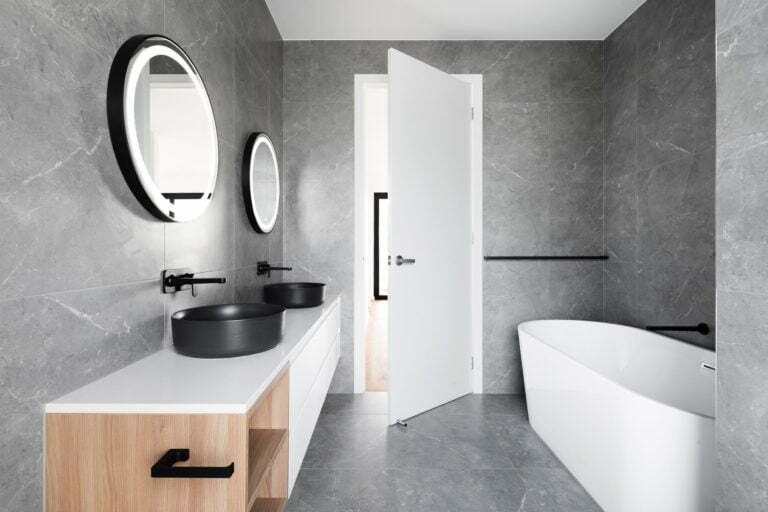
For bathrooms, transitional style translates to clean, uncluttered spaces with a focus on quality materials. Choose vanities with simple lines, perhaps a wood base with a stone or quartz countertop. Fixtures in brushed nickel, chrome, or matte black offer a contemporary edge. Large format tiles in neutral tones for floors and shower walls contribute to a seamless, spa-like feel. Incorporate a beautiful mirror, perhaps with a decorative frame, and soft, plush towels. A few well-placed plants and high-quality bath products complete the serene ambiance.
By applying these principles consistently across your home, you’ll create a cohesive, elegant, and deeply comfortable transitional space that supports every aspect of your lifestyle.
Transitional Decor on a Budget: Smart Strategies for 2026
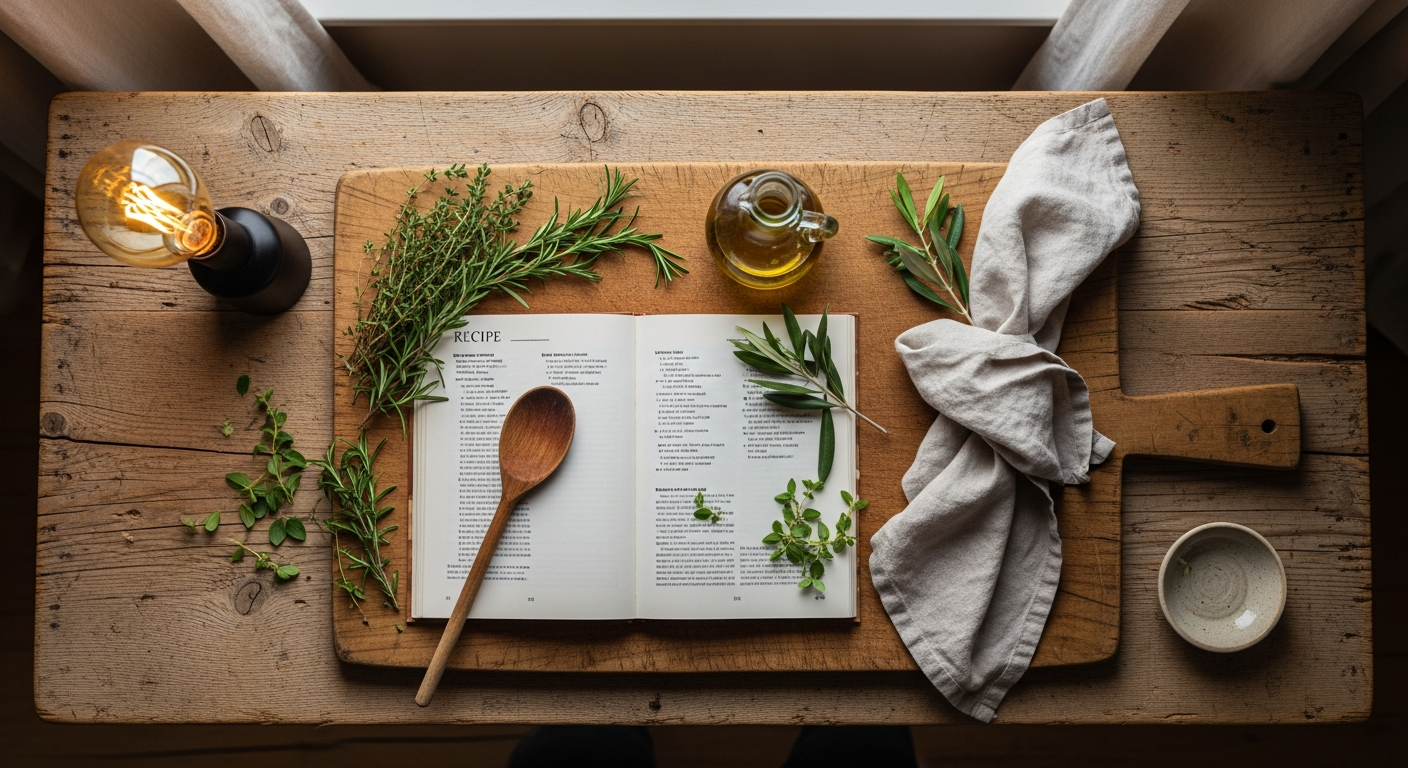
Creating a sophisticated transitional home doesn’t have to break the bank. With thoughtful planning and smart choices, you can achieve that coveted blend of classic and contemporary elegance, even on a modest budget. The key is to prioritize, be resourceful, and understand where to invest versus where to save. Here are some invaluable home decor ideas budget 2026 strategies to help you cultivate your transitional sanctuary without overspending.
1. Prioritize Key Pieces and Invest Wisely
Identify the most important, long-term pieces for each room—typically a sofa, dining table, or bed frame. These are items you’ll use daily and want to last. Allocate a larger portion of your budget to these foundational pieces, focusing on quality and timeless design. Look for classic silhouettes and durable materials that will withstand trends. For instance, a well-made, neutral-colored sofa can be the anchor of your living room for years, around which you can rotate more affordable accent pieces.
2. Embrace the Power of Paint
Paint is one of the most transformative and budget-friendly tools at your disposal. A fresh coat of a neutral transitional color (greige, soft white, muted gray) can instantly update and unify a space. It creates a serene backdrop that allows your furniture and accessories to shine. Experiment with accent walls in a slightly deeper, complementary shade for added depth without a major investment.
3. Shop Smart: Secondhand, Sales, and DIY
Don’t underestimate the treasures you can find at thrift stores, consignment shops, and online marketplaces. Look for solid wood furniture pieces that have good bones and can be refreshed with a coat of paint, new hardware, or updated upholstery. Sales events, especially around holidays, are excellent opportunities to purchase higher-quality items at a discount. For smaller decor, consider DIY projects. Simple wooden shelves, updated picture frames, or custom throw pillows can add personality without a hefty price tag.
4. Focus on Textiles and Textures
Textiles are your secret weapon for adding warmth, depth, and luxury to a transitional space without spending a fortune on large furniture. Invest in high-quality throw pillows, blankets, and curtains. Look for fabrics like linen, cotton, faux fur, or performance velvets. Layering these textures instantly elevates the comfort and sophistication of a room. A beautiful area rug can anchor a space and introduce color or subtle pattern, and there are many stylish, affordable options available today.
5. Curate Accessories Thoughtfully
Transitional design favors a curated approach to accessories. This means you don’t need a lot of items, just the right ones. Instead of buying many inexpensive knick-knacks, save for a few impactful pieces. A large piece of abstract art, a sculptural vase, or a beautiful set of ceramic bowls can make a bigger statement than dozens of smaller items. Look for unique pieces that speak to you, whether from a local artisan market or a specialty store’s sale section. Also, incorporating natural elements like plants or branches can add organic beauty for very little cost.
6. Update Hardware and Fixtures
Small details can make a significant impact. Swapping out outdated cabinet pulls, drawer handles, or light fixture shades can instantly modernize and refine a space. Brushed nickel, matte black, or aged brass hardware can provide that touch of transitional elegance without requiring a full furniture overhaul. Similarly, updating an old ceiling fan with a sleek, minimalist model can transform the feel of a room.
By employing these budget-friendly strategies, you can confidently create a transitional home that feels luxurious and well-appointed, proving that exquisite style is attainable at any price point in 2026.
Embracing Transitional Style in Rental Apartments: Creative Solutions
Renting an apartment often comes with design limitations—no major renovations, specific paint rules, and restrictions on permanent fixtures. However, these constraints don’t mean you have to sacrifice your desire for a beautiful, cohesive, and transitional home. With a bit of creativity and strategic planning, you can infuse your rental with timeless elegance and modern comfort. These decorate rental apartment tips will empower you to transform your temporary dwelling into a truly personalized sanctuary, perfectly aligned with the transitional aesthetic.
1. The Power of a Neutral Base (Even if it’s Not Your Choice)
Many rental apartments come with a default neutral paint color, often a basic beige or off-white. Instead of fighting it, embrace it as your foundational transitional canvas. If painting is allowed, opt for a sophisticated greige, soft gray, or warm white. If not, use the existing color as a backdrop to introduce your chosen transitional palette through furniture, textiles, and accessories. A neutral wall color is inherently transitional and offers immense flexibility.
2. Furniture as Anchors: Focus on Freestanding Pieces
Since you can’t alter built-ins, focus your investment on freestanding furniture that you can take with you. Choose pieces with clean lines and comfortable proportions in your desired transitional style. A well-chosen sofa, accent chairs, dining table, and storage units will define the space. Look for items that are versatile and can adapt to future homes, making them a wise investment.
3. Maximize Textiles for Warmth and Texture
Textiles are your best friend in a rental. They add instant warmth, softness, and personality. Layer area rugs to define zones and cover less-than-ideal flooring. Choose curtains or drapes in luxurious fabrics like linen or velvet to soften windows and add a touch of elegance; install them high and wide to make windows appear larger. Throw pillows and blankets are perfect for introducing subtle patterns, textures, and accent colors without permanent commitment.
4. Smart Lighting Solutions
Rental lighting can often be basic or outdated. Elevate your space with portable lighting fixtures. Floor lamps, table lamps, and even plug-in sconces (many options now mimic hardwired looks) can dramatically improve the ambiance. Look for transitional style fixtures that combine classic shapes with modern finishes. Dimmers for lamps are a great way to control mood and create a cozy, inviting atmosphere for self-care ideas at home 2026.
5. Curated Accessories and Art that Travels
Since you can’t put many holes in the walls, invest in large-scale artwork that can lean against a wall or be displayed on a console table. For pieces that need hanging, use renter-friendly picture hanging strips or hooks. Focus on a few impactful decorative objects rather than clutter. Mirrors are excellent for reflecting light and making a space feel larger. Greenery, in the form of potted plants, brings life and a touch of nature indoors, enhancing the transitional aesthetic.
6. Temporary Upgrades for a Custom Feel
- Peel-and-Stick Wallpaper: Explore removable wallpaper options for an accent wall or to line the back of bookshelves. There are many sophisticated patterns that fit a transitional style.
- Hardware Swaps: Replace cabinet knobs and drawer pulls with more stylish options (keep the originals to swap back when you move out).
- Renter-Friendly Backsplashes: Self-adhesive tile backsplashes can instantly upgrade a kitchen or bathroom.
- Shower Heads: A new shower head can enhance your daily routine and is easy to reinstall when you leave.
By focusing on these adaptable design elements, you can create a beautiful and sophisticated transitional home in your rental apartment that truly reflects your style, proving that temporary living doesn’t mean compromising on design.
Beyond Aesthetics: Transitional Design for Wellness and Self-Care
At Rock Salt Plum, we believe that a truly beautiful home extends far beyond its visual appeal. It should be a sanctuary that nurtures your well-being, promotes peace, and facilitates a lifestyle of self-care. Transitional home decor, with its inherent balance, comfort, and emphasis on serenity, is uniquely positioned to support these goals. In 2026, as we increasingly prioritize mental and emotional health, integrating self-care ideas at home becomes paramount, and transitional design offers the perfect framework.
1. Creating Calm with Neutral Palettes
The core of transitional design lies in its neutral color palette. Soft grays, warm whites, gentle taupes, and muted blues create an inherently calming backdrop, reducing visual clutter and fostering a sense of peace. This serene environment helps to lower stress levels, making your home a true refuge from the outside world. When your eyes can rest, so too can your mind, allowing for greater relaxation and mindfulness.
2. Comfort and Functionality for Daily Rituals
Transitional furniture prioritizes comfort without sacrificing style. Plush sofas, inviting armchairs, and beds with luxurious bedding invite you to relax and unwind. This emphasis on comfort directly supports self-care rituals. Imagine curling up on a soft sofa with a good book, enjoying a warm cup of tea in a cozy armchair, or settling into a bed that feels like a cloud. When your furniture is both beautiful and deeply comfortable, it encourages you to take time for yourself.
Furthermore, transitional design integrates functionality seamlessly. Smart storage solutions, well-planned layouts, and versatile pieces ensure that your home supports your daily routines, reducing friction and stress. A clutter-free environment is a clutter-free mind, allowing you to focus on self-care rather than searching for misplaced items.
3. Intentional Spaces for Mindfulness and Reflection
The curated nature of transitional decor encourages intentionality. Instead of filling spaces with unnecessary items, each piece is chosen for its beauty and purpose. This deliberate approach can extend to creating specific zones within your home dedicated to self-care:
- Reading Nook: A comfortable armchair, a soft throw, good lighting, and a small side table for your beverage create an inviting spot for quiet reflection.
- Meditation Corner: A simple cushion, a few plants, and perhaps a calming piece of art can define a space for mindfulness practices.
- Spa-like Bathroom: Focus on clean lines, natural materials, and luxurious towels to transform your bathroom into a personal spa where you can indulge in relaxing baths or invigorating showers.
4. The Healing Power of Natural Elements
Transitional design frequently incorporates natural materials like wood, stone, linen, and cotton. Bringing elements of the natural world indoors has a profound impact on well-being. Plants purify the air and add a sense of vitality, while natural textures ground us and connect us to the earth. This biophilic design approach reduces stress, improves mood, and enhances overall feelings of tranquility.
5. Harmonious Lighting for Mood Enhancement
Layered lighting is crucial in transitional homes, allowing you to control the ambiance and adapt it to different moods and activities. Soft, warm lighting in the evenings can signal to your body that it’s time to unwind, promoting better sleep. Task lighting for hobbies, and bright natural light during the day, support productivity and energy. Thoughtful lighting design contributes significantly to your daily rhythm and emotional balance.
By thoughtfully designing your home with transitional principles, you’re not just creating a beautiful space; you’re cultivating an environment that actively supports your mental, emotional, and physical well-being. It’s an investment in your peace of mind and a commitment to a lifestyle of enriched self-care in 2026 and beyond.
Maintaining Your Timeless Transitional Space: Longevity and Evolution
One of the greatest advantages of embracing transitional home decor style is its inherent longevity. Unlike fleeting trends, transitional design is built upon principles of balance, comfort, and timelessness, ensuring your home remains elegant and inviting for years to come. However, maintaining this sophisticated aesthetic and allowing it to evolve gracefully requires a thoughtful approach. Here’s how to ensure your transitional space continues to inspire and delight, adapting subtly to your changing needs and the subtle shifts in design preferences well into 2026.
1. Prioritize Quality Over Quantity
The foundation of a lasting transitional home is quality. By investing in well-made furniture and key pieces with durable materials and classic designs, you ensure their longevity. Quality pieces are less likely to show wear and tear quickly, meaning fewer replacements and a more sustainable approach to home decor. This doesn’t mean every item must be high-end, but strategic investment in core pieces pays dividends over time.
2. Regular Decluttering and Organization
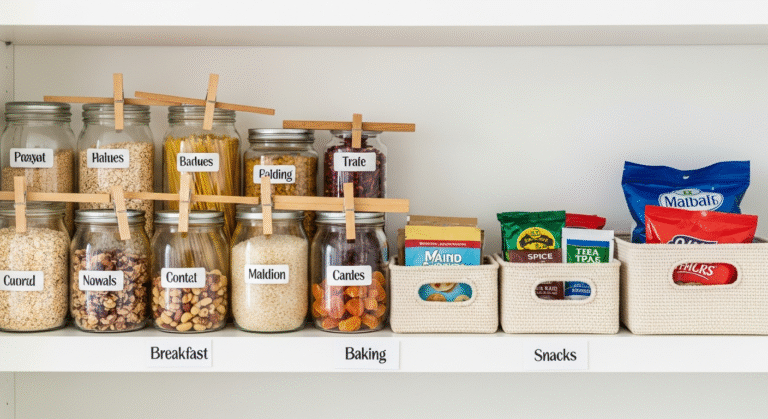
Transitional design thrives on a sense of calm and order. Regular decluttering is essential to maintain this serene atmosphere. Go through your belongings periodically, donating, selling, or discarding items that no longer serve a purpose or bring you joy. Implement smart storage solutions—stylish baskets, discreet cabinets, and functional shelving—to keep everyday items neatly tucked away, preserving the clean lines and uncluttered feel of your space.
3. Refresh with Textiles and Accessories
While your core furniture pieces remain timeless, textiles and accessories offer an easy and budget-friendly way to refresh your space and introduce subtle updates. In 2026, if you want to incorporate a new color trend, do so through throw pillows, blankets, or even a new piece of art. Swapping out curtains or changing an area rug can dramatically alter the feel of a room without a major overhaul. This flexibility allows your home to feel current without losing its transitional foundation.
4. Embrace Natural Light and Greenery
Natural light is a cornerstone of transitional design, enhancing the sense of openness and airiness. Keep windows clean and treatments simple to maximize light. Incorporate living plants throughout your home. Not only do they add organic beauty and a touch of nature, but they also improve air quality and contribute to a feeling of vitality. Rotate plants or introduce new varieties to keep your space feeling fresh and alive.
5. Seasonal Adjustments for Comfort and Mood
Allow your transitional home to adapt with the seasons. In colder months, bring out thicker throws, richer textures, and perhaps warmer accent colors (like deep greens or burgundies through pillows). In warmer months, opt for lighter fabrics, cooler tones, and fewer layers. These subtle shifts can keep your home feeling current and comfortable year-round, reflecting the natural rhythms of life and enhancing the self-care experience.
6. Thoughtful Evolution, Not Revolution
Over time, your tastes may evolve, or you might acquire new pieces that you love. The beauty of transitional design is its adaptability. When introducing new items, consider how they will integrate with your existing aesthetic. Look for pieces that share similar clean lines, a complementary color palette, or a harmonious blend of traditional and contemporary elements. Rather than chasing every new trend, focus on thoughtful additions that enhance your current style, ensuring your home remains a cohesive and beloved sanctuary for years to come.
By consciously maintaining and subtly evolving your transitional space, you ensure its enduring appeal, creating a home that is always comforting, always elegant, and always perfectly you.
Frequently Asked Questions
Recommended Resources
For more on transitional home decor, see Lab Grown Diamond Jewelry Guide on Celebrity Exchange.
Check out Benefits Of Journaling For Mental Health And Self Reflection on Sometimes Daily for a deeper dive.