



















The Art of a Well-Ordered Pantry: Southern Charm Meets Modern Efficiency
The pantry. For many of us, it’s the quiet workhorse of the kitchen, the unsung hero that holds the promise of countless meals and cherished memories. Yet, it can also quickly become a source of frustration – a chaotic jumble of half-empty bags, forgotten spices, and mystery cans. At Rock Salt Plum, we believe that every corner of your home, especially the heart of your kitchen, deserves to be a place of beauty, peace, and efficiency. Imagine opening your pantry doors to a perfectly curated space, where every item has its home, ingredients are easily found, and meal prep feels like a joyful dance rather than a frantic scavenger hunt. This isn’t just a pipe dream; it’s an attainable reality. Join us as we explore how to transform your kitchen pantry into a beautifully organized sanctuary, blending practical solutions with aspirational style, just like a gracious Southern home.
The Grand Purge: Decluttering with Intention
Before we can infuse style and system into your pantry, we must first clear the slate. This initial purge is the most crucial step, setting the foundation for all the beauty and order to come. Think of it as a thorough spring cleaning, but with a mindful, intentional approach.
Step-by-Step Decluttering:
- Empty Everything Out: Yes, everything! Take every single item out of your pantry shelves, drawers, and baskets. Lay them out on your kitchen counters, dining table, or even a clean sheet on the floor. This allows you to see exactly what you’re working with and assess the space itself.
- Check Dates and Quality: As you handle each item, rigorously check expiration dates. Be honest with yourself:
- Expired: Toss it. No exceptions.
- Near Expiration: Place these items in a designated “use soon” pile. Plan meals around them for the coming days or weeks.
- Questionable Quality: If it looks off, smells off, or you can’t remember when you bought it (and it lacks a date), it’s safer to discard it.
- Group Like with Like: Begin to sort your remaining items into logical categories. Common groupings include:
- Baking Supplies (flour, sugar, baking soda, chocolate chips)
- Grains & Pasta (rice, quinoa, spaghetti, macaroni)
- Canned Goods (vegetables, beans, soups)
- Snacks (granola bars, crackers, chips)
- Spices & Seasonings
- Breakfast Items (oats, cereal, pancake mix)
- Oils & Vinegars
- Sauces & Condiments
- The “Keep, Donate, Toss” Rule:
- Keep: Items that are in date, frequently used, and belong in your pantry.
- Donate: Unopened, non-perishable items that are still well within their expiration date but you know you won’t use. Consider donating to a local food bank.
- Toss: Expired, opened, or questionable items.
- Clean the Space: Once your pantry is empty, give it a thorough cleaning. Wipe down shelves, vacuum crumbs, and scrub away any spills. A clean slate is essential for a fresh start.
This purge is more than just tidying; it’s about reclaiming your space and understanding your true needs. It’s a mindful act that clears not just physical clutter, but also mental stress.
Designing Your Pantry’s Blueprint: Zones and Flow
With a clean, empty canvas before you, it’s time to think about how your pantry will function most beautifully and efficiently. Just as you design rooms in your home with purpose, your pantry deserves a well-thought-out blueprint. This is where the magic of “zoning” comes into play – creating dedicated areas for different categories of items, ensuring intuitive access and a harmonious flow.
Strategic Zoning for Optimal Efficiency:
- Everyday Essentials Zone: This prime real estate, typically at eye-level and easy reach, should house items you use daily. Think oils, vinegars, frequently used spices, bread, and perhaps your most-loved breakfast cereals. This minimizes bending and reaching, making daily tasks smoother.
- Baking & Cooking Zone: Group all your baking supplies (flour, sugars, chocolate chips, extracts) together. If you bake often, consider a dedicated shelf or section for these. Similarly, keep your cooking staples (pasta, rice, canned tomatoes, broths) in another easily accessible area.
- Snack & Lunch Prep Zone: For households with children or busy adults, a dedicated snack zone is a game-changer. Use clear bins for granola bars, fruit pouches, crackers, and individual-sized bags. This makes packing lunches or grabbing a quick bite incredibly simple.
- Canned Goods & Jarred Items Zone: Utilize tiered risers for canned goods to make labels visible and prevent items from getting lost at the back. Keep jars of sauces, pickles, and spreads together.
- Oversized & Bulk Items Zone: Large bags of pet food, extra paper towels, or bulk purchases of grains can take up significant space. Dedicate bottom shelves or floor space for these heavier, less frequently accessed items.
- Specialty & Seldom-Used Zone: Items you use only occasionally – like holiday cookie cutters, specialty ingredients for a specific cuisine, or extra party supplies – can be stored on higher shelves or in less accessible spots.
Implementing the First-In, First-Out (FIFO) Method:
Once you’ve established your zones, integrate the FIFO method. When you bring home new groceries, place newer items behind older ones. This ensures you use products before they expire, minimizing waste and keeping your inventory fresh. It’s a simple habit that makes a world of difference.
Consider the natural flow of your kitchen and your cooking habits. Do you grab spices first, then a can of tomatoes, then pasta? Arrange your zones to mimic that natural progression. A thoughtfully designed blueprint makes your pantry a true partner in your culinary adventures.
The Beauty of Containment: Stylish Storage Solutions
Now for the fun part – bringing in the organizational tools that will elevate your pantry from merely functional to truly beautiful. Thoughtful containment isn’t just about aesthetics; it’s about preserving freshness, maximizing space, and creating a cohesive, calm visual experience. Think of these solutions as the elegant furniture for your pantry, each serving a specific purpose with grace.
Essential Storage Solutions for a Dream Pantry:
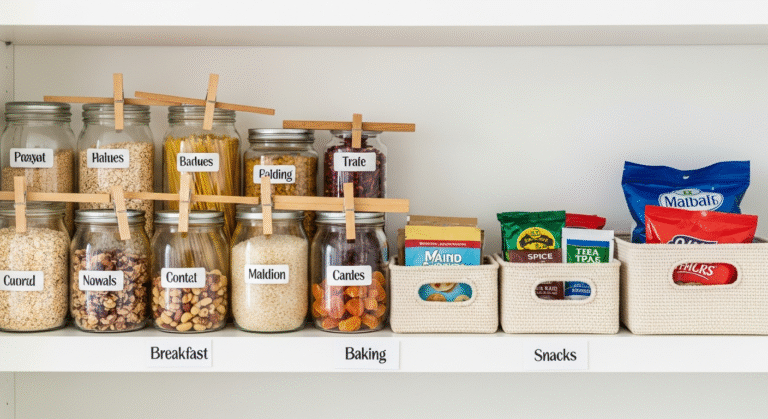
- Airtight Canisters for Staples: These are the undisputed champions for dry goods.
- Glass Canisters: Offer a classic, clean look and allow you to see contents at a glance. They’re durable and easy to clean.
- Acrylic Canisters: Lightweight, shatter-resistant, and equally transparent. A great choice for families with children.
- Ceramic or Stainless Steel Canisters: Provide an opaque, uniform look, perfect for items you want to keep out of direct light or simply prefer a more minimalist aesthetic.
Use these for flour, sugar, pasta, rice, oats, coffee beans, nuts, and even snacks like cookies or crackers. Look for silicone seals to ensure true airtightness, keeping your ingredients fresh longer.
- Woven Baskets for Farmhouse Charm: Baskets add warmth, texture, and a touch of Southern hospitality.
- Wicker or Rattan Baskets: Perfect for holding potatoes, onions (items that need air circulation), or neatly corralling snack bags, paper goods, or cleaning supplies.
- Wire Baskets: Offer a more industrial or modern farmhouse vibe, great for fruits, vegetables, or even canned goods.
They’re excellent for concealing less attractive packaging while keeping items easily accessible.
- Clear Bins & Totes: These are incredibly versatile for smaller, often unruly items.
- Plastic or Acrylic Bins: Ideal for grouping packets (taco seasoning, gravy mixes), small pouches, tea bags, or individual snack items. They make it easy to pull out a whole category at once.
- Divided Bins: Perfect for organizing small jars of baby food, condiment packets, or even baking sprinkles.
- Tiered Risers & Expandable Shelves: Maximize vertical space and visibility.
- Canned Good Risers: Allow you to see every can at a glance, preventing items from getting lost behind others.
- Spice Risers: Essential for keeping your spice collection organized and accessible. Whether tiered steps or pull-down shelves, they prevent a frustrating search.
- Expandable Shelf Inserts: Create additional shelf space for plates, bowls, or smaller boxes, doubling your storage capacity.
- Lazy Susans (Turntables): These are genius for corners or deep shelves.
- Spice Turntables: Keep your most-used spices at your fingertips.
- Condiment Turntables: Perfect for oils, vinegars, sauces, or even small jars of jam. A quick spin brings everything into view.
- Drawer Organizers: Don’t forget pantry drawers! Dividers for cutlery, small tools, or even individual snack bags keep things from becoming a chaotic mess.
When selecting your containers, aim for a cohesive look. Mixing too many different styles or materials can create visual clutter. Choose materials and colors that complement your home’s aesthetic, ensuring your pantry feels like a seamless extension of your beautifully designed kitchen.
The Art of Labeling: Clarity and Charm
Once your items are beautifully contained, the next step is to ensure that order is easily maintained and that everyone in your home knows where things belong. This is where labeling comes in – a practical necessity that can also add a delightful touch of charm and personality to your pantry. Clear labels are the secret ingredient to a truly functional and long-lasting organizational system.
Making Your Labels Work for You:
- Why Labels are Non-Negotiable:
- Instant Identification: No more guessing what’s in that clear canister!
- Easy Maintenance: Everyone knows where to return items after use.
- Reduced Waste: Helps identify ingredients quickly, preventing duplicate purchases.
- Aesthetic Appeal: Uniform, attractive labels elevate the look of your pantry.
- Choosing Your Labeling Style: This is where you can infuse your personality.
- Vinyl Decals: These offer a sleek, professional, and consistent look. You can order custom labels with elegant fonts for your flour, sugar, pasta, etc. They adhere well to glass, plastic, and ceramic.
- Chalkboard Labels: Perfect for a rustic, farmhouse, or easily changeable system. Stick-on chalkboard labels or actual mini chalkboards can be wiped clean and re-written as contents change. Use a chalk pen for a cleaner, more lasting look.
- Handwritten Tags: For a truly personal and charming touch, attach cardstock tags with twine or ribbon to baskets and jars. Use your best handwriting or a calligraphy pen for a bespoke feel.
- Label Maker: A pragmatic choice for those who prioritize efficiency and a uniform, no-fuss look. Modern label makers offer various fonts and styles.
- Clip-On Labels: These are fantastic for baskets or bins where adhesive labels might not stick well, or when contents change frequently.
- Tips for Effective Labeling:
- Be Specific: Instead of just “Flour,” specify “All-Purpose Flour” or “Bread Flour.” This prevents mix-ups during baking.
- Consistency is Key: Choose one style and stick with it for a cohesive look.
- Placement Matters: Place labels consistently on containers – perhaps always centered, or always on the top left corner. This makes scanning your pantry effortless.
- Consider Expiration Dates (Optional): For items like spices or flours that may last a while, some prefer to add a small label with the purchase or expiration date, though this can be a lot of upkeep.
Labels transform your pantry from a storage space into an organized library of ingredients. They speak to a home that values order and thoughtfulness, making daily tasks not just easier, but more delightful.
Maximizing Every Inch: Clever Space-Saving Hacks
No matter the size of your pantry – be it a walk-in wonderland or a cozy cabinet – there’s always an opportunity to optimize space. The goal is to make every square inch work harder for you, ensuring that even the most awkward corners become functional assets. These clever hacks are about thinking vertically, horizontally, and making the most of often-overlooked areas.
Smart Solutions for Space Optimization:
- Embrace Door Storage: The back of your pantry door is prime real estate!
- Over-the-Door Organizers: These multi-tiered racks are perfect for holding spices, small jars, packets, or even rolls of foil and plastic wrap.
- Shallow Shelves: If your door allows, install narrow shelves for an extra layer of storage for condiments or canned goods.
- Shelf Dividers: These simple tools are transformative for maintaining order on deep shelves.
- Wire or Acrylic Dividers: Use them to create separate compartments for stacks of dinnerware, baking sheets, cutting boards, or even to keep piles of towels or tablecloths tidy. They prevent items from toppling over and keep categories distinct.
- Under-Shelf Baskets & Drawers: Don’t let the space beneath your shelves go to waste.
- Clip-On Baskets: These wire baskets hang directly beneath a shelf, creating instant extra storage for snacks, small boxes, or even extra rolls of paper towels.
- Pull-Out Drawers: For deeper shelves, consider adding wire or plastic pull-out drawers. These are fantastic for reaching items at the very back without having to unload the whole shelf.
- Stackable Bins & Containers: When choosing storage, prioritize stackable options.
- Modular Containers: Many airtight food storage systems are designed to stack neatly, maximizing vertical space for dry goods.
- Stackable Storage Bins: Use these for grouping items like individual snack bags, cleaning supplies, or even extra linens.
- Vertical Storage for Tall Items:
- Magazine Holders or File Bins: Repurpose these to neatly store tall, flat items like cutting boards, baking sheets, platters, or even rolls of parchment paper and foil.
- Pot Lid Organizers: Keep pot lids upright and accessible, freeing up valuable drawer or cabinet space.
- Corner Solutions (Lazy Susans): As mentioned before, turntables are invaluable for utilizing awkward corner spaces, bringing items from the deep back into easy reach with a simple spin.
By implementing a few of these clever hacks, you’ll be amazed at how much more functional and spacious your pantry can become. It’s about working smarter, not harder, to create a pantry that truly supports your home’s needs.
Maintaining Your Pristine Pantry: A Gentle Routine
The true measure of a successful organization project isn’t just the initial reveal; it’s how well it stands the test of time. A beautifully organized pantry, like a well-tended garden, requires a gentle, consistent routine to flourish. This isn’t about rigid rules, but rather about cultivating habits that make maintenance effortless and enjoyable, ensuring your pantry remains a source of joy and efficiency for years to come.
Cultivating Sustainable Pantry Habits:
- The “One-In, One-Out” Rule: This simple principle helps prevent clutter from accumulating. When you buy a new item, ensure there’s a designated spot for it. If you’re replacing something, use up the old item first or dispose of it responsibly before putting the new one in its place. This keeps your inventory streamlined.
- The Weekly Tidy-Up: Dedicate 5-10 minutes each week to a quick pantry sweep.
- Straighten containers.
- Wipe up any minor spills or crumbs.
- Push items back into their designated zones.
- Quickly assess items that need to be replenished for your next grocery run.
This prevents small messes from escalating into overwhelming chaos.
- The Monthly Deeper Dive: Once a month, take a slightly more thorough look.
- Check expiration dates on items you don’t use daily.
- Rotate stock using the FIFO method.
- Wipe down shelves as needed.
- Re-evaluate your zones – are they still working for your current needs?
- The Quarterly Refresh: Every three months or so, schedule a more comprehensive refresh, similar to a mini-purge.
- Take out larger sections of items.
- Wipe down all shelves and containers.
- Reassess what you have, what you need, and what can be donated or discarded.
- This is also a great time to deep clean any baskets or bins.
- Involve the Whole Family: A pantry is a communal space, and everyone who uses it should be part of its upkeep. Teach children where snacks belong and encourage them to put things back in their designated spots. When everyone understands the system, it’s much easier to maintain.
- Be Kind to Yourself: Life happens! If your pantry gets a little out of sorts after a busy week, don’t despair. The beauty of a well-designed system is how easy it is to reset. Acknowledge the mess, take a deep breath, and dedicate a few minutes to getting things back in order. It’s a journey, not a destination.
Maintaining an organized pantry isn’t about perfection; it’s about consistency and intentionality. It’s a small act of self-care for your home, ensuring that your kitchen remains a harmonious and efficient space for all your culinary endeavors and gracious entertaining.
Frequently Asked Questions About Pantry Organization
Q1: What are the best containers for pantry staples like flour, sugar, and pasta?
A1: For dry pantry staples, airtight containers are paramount for freshness and pest prevention. We highly recommend clear options like glass or high-quality acrylic canisters. They allow you to see contents at a glance, making it easy to know when to replenish. Look for silicone seals for optimal airtightness. While glass offers a classic, durable feel, acrylic is lightweight and shatter-resistant, ideal for busy households.
Q2: How do I organize a small pantry or a pantry cabinet with limited space?
A2: Small pantries require creative thinking and maximizing vertical space. Utilize tiered risers for canned goods and spices, ensuring every item is visible. Install over-the-door organizers for extra storage. Use stackable, clear bins for smaller items to build upward. Lazy Susans (turntables) are excellent for corner cabinets or deep shelves, bringing items to the front with a spin. Remember, every inch counts, so choose slim, efficient storage solutions.
Q3: Should I take items out of their original packaging?
A3: For many dry goods like pasta, rice, flour, sugar, and cereals, absolutely! Transferring them to airtight, clear containers not only looks more aesthetically pleasing and uniform but also helps keep food fresher longer, deters pests, and saves space. For items with cooking instructions or expiration dates you want to retain, simply cut out that portion of the original packaging and tuck it into the container, or use a label marker to jot down key details.
Q4: How often should I reorganize my pantry?
A4: A full reorganization (like the initial purge) is typically beneficial once or twice a year, depending on your household’s usage. However, daily and weekly mini-maintenance is key to preventing major overhauls. A quick 5-10 minute tidy-up each week to straighten items and wipe spills, along with a slightly deeper check of dates and stock once a month, will keep your pantry running smoothly and beautifully.
Q5: Any tips for keeping spices organized and easily accessible?
A5: Spices are notorious for getting lost! For easy access, invest in a spice rack, tiered drawer inserts, or a Lazy Susan specifically designed for spices. Decant spices into uniform jars with clear labels (either on the lid or side) for a cohesive and easy-to-read system. Arrange them alphabetically or by cuisine type (e.g., baking spices, Indian spices) based on how you cook. Keep your most-used spices at the front or on an easily accessible turntable.
Cultivating Joy in Your Culinary Space
A beautifully organized pantry is more than just a tidy space; it’s an investment in your well-being and a testament to intentional living. It’s about creating a home environment that supports you, reduces stress, and invites a sense of calm and efficiency into your daily routines. From the thoughtful purge to the elegant containment, every step in this journey is an act of care – for your ingredients, your home, and yourself.
At Rock Salt Plum, we believe that gracious living is found in these details, where practicality meets aspiration. Imagine the ease of meal preparation, the joy of discovering exactly what you need, and the quiet satisfaction of a space that truly works for you. Let your pantry become a reflection of the warmth and order you cultivate throughout your home. We encourage you to embark on this transformative project, one shelf at a time, and discover the profound peace and joy a well-ordered pantry can bring to your kitchen and your life. We’d love to see your pantry transformations – share your progress with us!
“`json
{
“@context”: “https://schema.org”,
“@graph”: [
{
“@type”: “Article”,
“mainEntityOfPage”: {
“@type”: “WebPage”,
“@id”: “https://www.rocksaltplum.com/blog/kitchen-pantry-organization-ideas”
},
“headline”: “The Art of a Well-Ordered Pantry: Southern Charm Meets Modern Efficiency”,
“image”: [
“https://www.rocksaltplum.com/images/pantry-organization-hero.jpg”,
“https://www.rocksaltplum.com/images/pantry-containers.jpg”,
“https://www.rocksaltplum.com/images/pantry-labels.jpg”
],
“datePublished”: “2026-01-20T08:00:00+08:00”,
“dateModified”: “2026-01-20T08:00:00+08:00”,
“author”: {
“@type”: “Person”,
“name”: “Rock Salt Plum Editorial Team”
},
“publisher”: {
“@type”: “Organization”,
“name”: “Rock Salt Plum”,
“logo”: {
“@type”: “ImageObject”,
“url”: “https://www.rocksaltplum.com/images/rocksaltplum-logo.png”
}
},
“description”: “Transform your kitchen with our comprehensive guide to pantry organization. Discover stylish storage solutions, clever space-saving hacks, and practical tips to create a beautiful, efficient, and well-ordered pantry that blends Southern charm with modern living. Learn how to declutter, zone your space, label effectively, and maintain your pristine pantry for lasting joy and ease.”,
“articleSection”: [
“Food & Entertaining”,
“Interior Design”,
“Wellness”
],
“keywords”: “kitchen pantry organization, pantry ideas, organize pantry, pantry storage, pantry tips, food storage, declutter kitchen, stylish pantry, home organization, Southern hospitality, modern living”
},
{
“@type”: “FAQPage”,
“mainEntity”: [
{
“@type”: “Question”,
“name”: “What are the best containers for pantry staples like flour, sugar, and pasta?”,
“acceptedAnswer”: {
“@type”: “Answer”,
“text”: “For dry pantry staples, airtight containers are paramount for freshness and pest prevention. We highly recommend clear options like glass or high-quality acrylic canisters. They allow you to see contents at a glance, making it easy to know when to replenish. Look for silicone seals for optimal airtightness. While glass offers a classic, durable feel, acrylic is lightweight and shatter-resistant, ideal for busy households.”
}
},
{
“@type”: “Question”,
“name”: “How do I organize a small pantry or a pantry cabinet with limited space?”,
“acceptedAnswer”: {
“@type”: “Answer”,
“text”: “Small pantries require creative thinking and maximizing vertical space. Utilize tiered risers for canned goods and spices, ensuring every item is visible. Install over-the-door organizers for extra storage. Use stackable, clear bins for smaller items to build upward. Lazy Susans (turntables) are excellent for corner cabinets or deep shelves, bringing items to the front with a spin. Remember, every inch counts, so choose slim, efficient storage solutions.”
}
},
{
“@type”: “Question”,
“name”: “Should I take items out of their original packaging?”,
“acceptedAnswer”: {
“@type”: “Answer”,
“text”: “For many dry goods like pasta, rice, flour, sugar, and cereals, absolutely! Transferring them to airtight, clear containers not only looks more aesthetically pleasing and uniform but also helps keep food fresher longer, deters pests, and saves space. For items with cooking instructions or expiration dates you want to retain, simply cut out that portion of the original packaging and tuck it into the container, or use a label marker to jot down key details.”
}
},
{
“@type”: “Question”,
“name”: “How often should I reorganize my pantry?”,
“acceptedAnswer”: {
“@type”: “Answer”,
“text”: “A full reorganization (like the initial purge) is typically beneficial once or twice a year, depending on your household’s usage. However, daily and weekly mini-maintenance is key to preventing major overhauls. A quick 5-10 minute tidy-up each week to straighten items and wipe spills, along with a slightly deeper check of dates and stock once a month, will keep your pantry running smoothly and beautifully.”
}
},
{
“@type”: “Question”,
“name”: “Any tips for keeping spices organized and easily accessible?”,
“acceptedAnswer”: {
“@type”: “Answer”,
“text”: “Spices are notorious for getting lost! For easy access, invest in a spice rack, tiered drawer inserts, or a Lazy Susan specifically designed for spices. Decant spices into uniform jars with clear labels (either on the lid or side) for a cohesive and easy-to-read system. Arrange them alphabetically or by cuisine type (e.g., baking spices, Indian spices) based on how you cook. Keep your most-used spices at the front or on an easily accessible turntable.”