














The Ultimate Mediterranean Diet Meal Prep Guide: Eat Well, Live Better
In the fast-paced world of 2026, finding a balance between nutritional excellence and a busy schedule can feel like an uphill battle. However, the Mediterranean diet remains the gold standard for those seeking longevity, vibrant health, and—most importantly—delicious food. Consistently ranked as the healthiest way of eating by nutritionists worldwide, this lifestyle isn’t about restriction; it’s about abundance. It’s about the golden hues of extra virgin olive oil, the crunch of fresh cucumbers, the heartiness of ancient grains, and the savory satisfaction of roasted legumes.
The secret to making this lifestyle sustainable for the modern home cook is meal prepping. By dedicating just a few hours a week to intentional preparation, you can transform your kitchen into a Mediterranean sanctuary, ensuring that a nutrient-dense, flavorful meal is always just minutes away. This guide is designed for food enthusiasts who want to reclaim their time without sacrificing the quality of their ingredients. Whether you are a seasoned chef or a kitchen novice, mastering the art of Mediterranean meal prep will simplify your life and nourish your body from the inside out.
—
Understanding the Mediterranean Philosophy
Before we dive into the logistics of chopping and storing, it is essential to understand the “why” behind the Mediterranean diet. Unlike fad diets that focus on calorie counting or eliminating entire food groups, the Mediterranean approach is a cultural legacy from the coastal regions of Italy, Greece, Spain, and Morocco. It is built on a foundation of plant-based foods, healthy fats, and lean proteins.
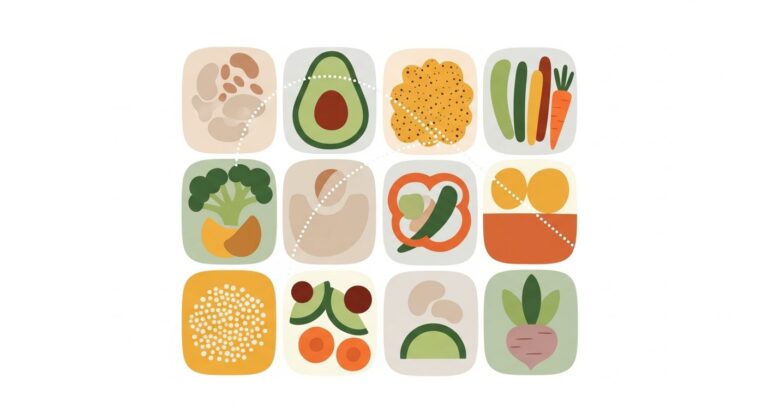
The Mediterranean pyramid prioritizes vegetables, fruits, whole grains, beans, nuts, and seeds as the bulk of every meal. Healthy fats—primarily from olives, avocados, and fatty fish—replace butter and lard. Red meat is enjoyed sparingly, while poultry, eggs, and dairy are consumed in moderate portions.
What makes this diet particularly suited for meal prep is the durability of its ingredients. Many Mediterranean staples, like chickpeas, farro, and hardy greens like kale or cabbage, actually taste better after sitting in the fridge for a day or two as the flavors have time to meld. By understanding these principles, you move away from “dieting” and toward a sustainable way of living that celebrates the seasons and the land.
Essential Pantry Staples for Success
A successful Mediterranean meal prep session starts long before you turn on the stove. It begins with a well-stocked pantry. Having these essentials on hand means you can whip up a dressing or a grain base at a moment’s notice.
#
The Foundation: Grains and Legumes
Stock your cupboards with ancient grains like farro, bulgur, and quinoa. These are higher in fiber and protein than refined white rice. Legumes are the “superstars” of this diet. Keep a variety of canned or dried chickpeas, lentils (especially Beluga or French green lentils for salads), and cannellini beans. They provide the satiety that makes plant-forward eating feel indulgent.
#
The Flavor Makers: Oils, Acids, and Spices
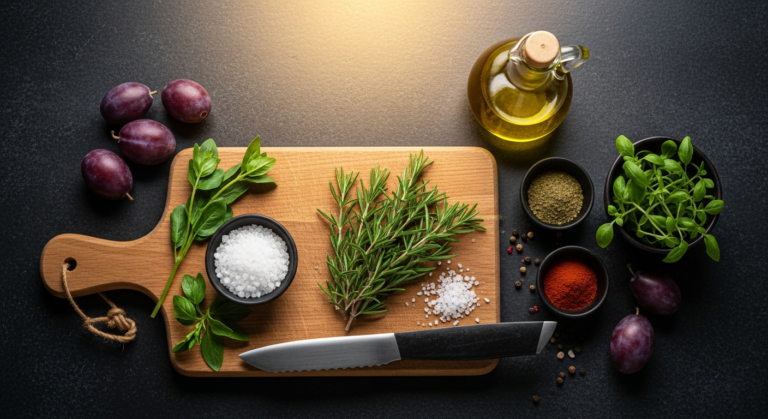
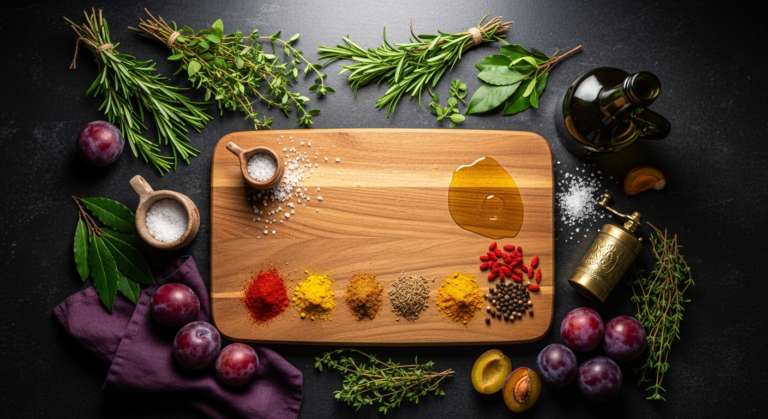
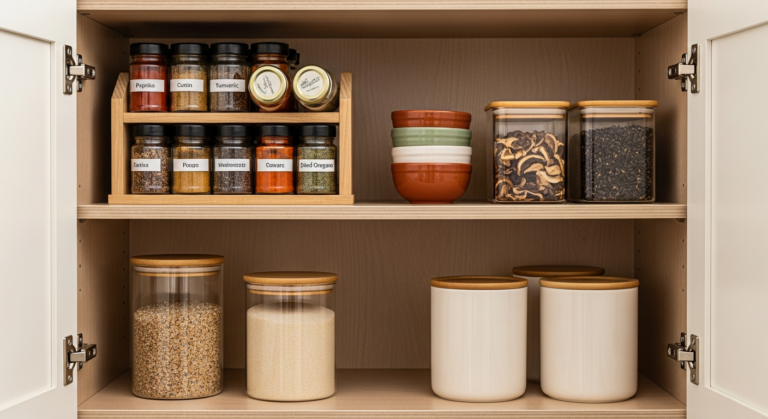
Your primary fat should always be high-quality, cold-pressed Extra Virgin Olive Oil (EVOO). For acidity, keep red wine vinegar, balsamic, and plenty of lemons on hand. The Mediterranean flavor profile relies heavily on dried herbs like oregano, thyme, and rosemary, along with spices like cumin, coriander, and smoked paprika. Don’t forget the “briny” elements: capers, kalamata olives, and artichoke hearts are essential for adding punch to your prepped bowls.
#
The Protein Boosters
While plants are the focus, protein keeps you full. Keep canned wild-caught sardines or tuna for quick lunches. Walnuts, almonds, and pine nuts add a necessary crunch and healthy omega-3 fatty acids. If you consume dairy, Greek yogurt and feta cheese are non-negotiable for adding creaminess and tang.
A Step-by-Step Guide to Your First Prep Session
Meal prepping doesn’t mean spending eight hours in the kitchen on Sunday. For the Mediterranean diet, efficiency is key. Follow this 90-minute roadmap to set yourself up for the week.
1. **Start the Grains and Legumes:** Begin by boiling a large pot of water for your grains (like farro) and another for any dried beans you might be using. These usually take the longest (20-40 minutes). Once cooked, spread them on a baking sheet to cool quickly before storing; this prevents them from becoming mushy.
2. **Roast the Vegetables:** Preheat your oven to 400°F (200°C). Chop bell peppers, zucchini, red onions, and eggplant. Toss them in EVOO, salt, and dried oregano. Roast them until caramelized. These “roasted rainbows” can be added to salads, wraps, or grain bowls throughout the week.
3. **Wash and Dry the Greens:** Freshness is the enemy of moisture. Wash your spinach, arugula, or kale, and dry them thoroughly using a salad spinner. Store them in a container lined with a dry paper towel to keep them crisp for up to five days.
4. **Prepare the “Mother Sauce”:** Make a large jar of basic vinaigrette: 3 parts EVOO, 1 part lemon juice or red wine vinegar, a teaspoon of Dijon mustard, and a crushed garlic clove. This serves as a marinade for proteins or a dressing for salads.
5. **Chop the Aromatics:** Having chopped garlic, onions, and parsley ready to go reduces the “friction” of cooking during the week. Store these in small glass jars.
Mediterranean Meal Prep Recipes & Ideas
To keep your palate excited, aim for a variety of textures and temperatures. Here are three core concepts to build your week around:
#
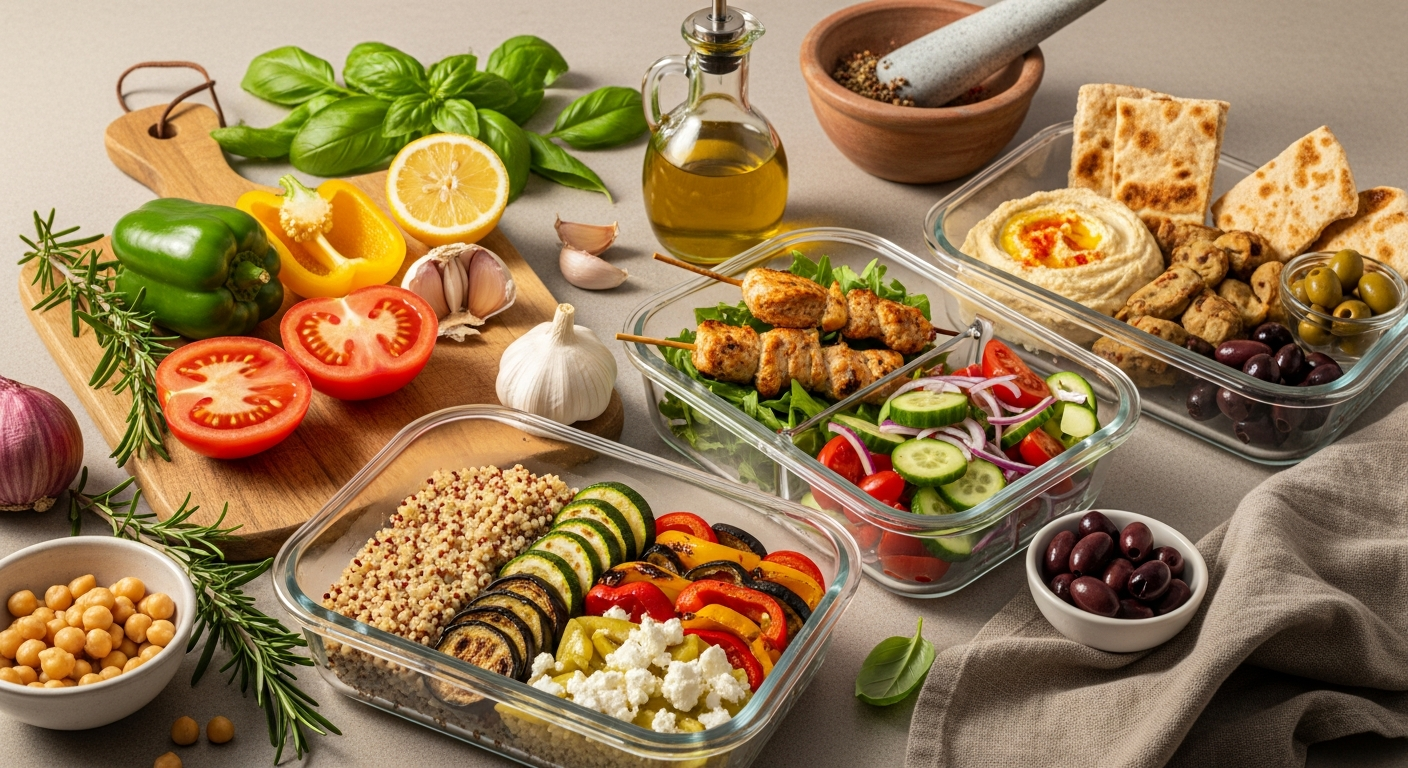
The Mediterranean Power Bowl
This is the ultimate prep-friendly meal.
* **Base:** 1/2 cup cooked quinoa or farro.
* **Veggie:** A scoop of your roasted vegetables and a handful of fresh cherry tomatoes.
* **Protein:** A quarter-cup of chickpeas or a piece of grilled chicken.
* **Fat:** Half an avocado or a sprinkle of feta.
* **The Finisher:** A generous drizzle of your “mother sauce” and a spoonful of hummus.
#
Sheet Pan Salmon and Asparagus
This is perfect for those who prefer “heat and eat” dinners. Portion out raw salmon fillets and asparagus spears into glass containers. Season with lemon slices, dill, and olive oil. When you’re ready for dinner, simply slide the contents onto a tray and bake for 12 minutes. It’s fresher than reheating pre-cooked fish.
#
Greek Yogurt Parfaits (Breakfast)
Don’t forget the morning! Prep three or four jars with plain Greek yogurt. Top with walnuts, a drizzle of honey, and fresh berries. The high protein content of the yogurt combined with the healthy fats in the nuts will keep your blood sugar stable until lunch.
Storage Tips: Keeping It Fresh and Sustainable
One of the biggest hurdles in meal prepping is “soggy salad syndrome.” To avoid this, invest in high-quality glass storage containers. Glass is superior to plastic because it doesn’t retain odors, is BPA-free, and can go directly from the fridge to the oven or microwave.
#
The “Mason Jar” Technique
For salads, layering is your best friend. Put the dressing at the very bottom, followed by hard vegetables (carrots, chickpeas, cucumbers). Place the grains and proteins in the middle, and keep the delicate leaves at the very top. This keeps the greens away from the moisture until you’re ready to shake the jar and eat.
#
Freezing for Longevity
The Mediterranean diet is rich in soups and stews, such as Minestrone or lentil soup. These are incredibly freezer-friendly. If you make a big batch, freeze individual portions in silicone molds or freezer bags. They stay fresh for up to three months, providing a perfect “emergency” healthy meal on days when you’re too tired to even assemble a bowl.
Overcoming Common Meal Prep Hurdles
Many people start meal prepping with high energy but drop off after a few weeks. The key to consistency in 2026 is flexibility.
**”I get bored eating the same thing.”**
The solution is “Component Prepping” rather than “Meal Prepping.” Instead of making five identical containers of chicken and rice, prep five different components (roasted cauliflower, boiled eggs, pickled onions, cooked lentils, and tahini sauce). Mix and match these differently every day. One day it’s a wrap; the next day it’s a salad; the third day it’s a warm sauté.
**”I don’t have time on Sundays.”**
Break it up! Do your shopping on Saturday and your chopping on Monday evening. Even prepping just two items—like a big pot of grains and a jar of dressing—puts you miles ahead of someone starting from scratch on Wednesday night.
**”It’s too expensive.”**
While “Mediterranean” can sound fancy, it is fundamentally “peasant food.” Beans, lentils, and seasonal vegetables are some of the cheapest items in the grocery store. Buy your olive oil in bulk and stick to seasonal produce to keep costs significantly lower than a processed diet.
—
FAQ: Frequently Asked Questions
**1. How long does Mediterranean meal-prepped food stay fresh?**
Most cooked grains, roasted vegetables, and proteins will stay fresh and flavorful for 4 to 5 days when stored in airtight glass containers in the refrigerator. Seafood is best consumed within 2 to 3 days.
**2. Can I follow the Mediterranean diet if I am vegan or vegetarian?**
Absolutely! The Mediterranean diet is naturally plant-heavy. Simply swap animal proteins for more legumes, tempeh, or tofu. The focus on nuts, seeds, and healthy oils ensures you still get the necessary fats and proteins.
**3. Is it okay to use canned vegetables and beans?**
Yes, canned beans and tomatoes are staples of the Mediterranean kitchen. They are nutritious, convenient, and affordable. Just be sure to rinse canned beans thoroughly to reduce sodium content and look for tomatoes with no added sugar.
**4. What is the best oil to use for cooking versus dressing?**
For both, Extra Virgin Olive Oil is the gold standard. While there is a myth that you shouldn’t cook with it, high-quality EVOO has a stable smoke point suitable for roasting and sautéing. For dressings, use your “best” flavorful oil; for cooking, a more budget-friendly EVOO works perfectly.
**5. How do I manage portion sizes with meal prepping?**
The Mediterranean diet isn’t about strict portion control but rather balance. Aim for your container to be 50% non-starchy vegetables, 25% whole grains, and 25% protein, with a thumb-sized portion of healthy fats.
—
Conclusion: Embracing the Mediterranean Way
Mastering the Mediterranean diet meal prep guide is more than just a strategy for weight management or heart health; it is an act of self-care. In a world that often demands we choose between speed and quality, meal prepping allows you to have both. By filling your fridge with vibrant colors, earthy grains, and heart-healthy fats, you are setting yourself up for a week of sustained energy and culinary delight.
As you move forward into 2026, remember that perfection is not the goal—consistency is. Some weeks you may have a fridge full of perfectly layered mason jars, and other weeks you might just have a tub of hummus and some pre-washed spinach. Both are wins. The Mediterranean lifestyle is about celebrating the food that sustains us and finding joy in the process of preparation. So, grab your olive oil, sharpen your knives, and start your journey toward a healthier, more delicious life today. Your body—and your taste buds—will thank you.