



















Updated October 2026. Creating a space where family and friends want to linger long after dessert is served is the ultimate goal of any stylish home. If you are looking to refresh your entertaining space, exploring modern dining room decorating ideas is the perfect way to blend everyday functionality with elevated design.
Modern women prioritize spaces that work just as well for a frantic Tuesday morning breakfast as they do for an elegant Saturday night dinner party. A dining table serves as the focal point of this delicate balancing act, anchoring the room while setting the tone for the surrounding decor. Whether you are working with a cozy breakfast nook or a formal dining area, the right combination of lighting, textiles, and wall art can completely transform the atmosphere.
In this comprehensive guide, we will walk you through everything you need to curate a stunning and practical space. From selecting the perfect statement chandelier to choosing durable yet chic seating, these foundational concepts will help you build an eating area that reflects your personal aesthetic while meeting the demands of your busy lifestyle.
How Do I Choose a Decorating Style for My Dining Room?
Selecting the perfect aesthetic for your eating area requires balancing personal taste with architectural constraints. The right choice sets the tone for daily meals and holiday gatherings alike. According to a 2025 Houzz Interior Trends Report, 42% of homeowners prioritize multifunctional dining spaces that blend seamlessly with adjoining rooms. If your home has an open floor plan, your dining space must naturally flow into your lounging areas. You can draw inspiration from Living Room Decorating Ideas for Every Style to ensure a cohesive transition.
Modern Minimalist Aesthetics
Clean lines define this approach. Minimalist layouts succeed in compact homes because reducing visual clutter allows natural light to bounce freely, creating a distinct illusion of expanded square footage. Imagine hosting a dinner party where your sleek, glass-topped table reflects the warm glow of an oversized brass pendant light, while guests sit comfortably in streamlined leather chairs. This style avoids heavy ornamentation entirely.
Rustic Farmhouse Charm
Warmth takes center stage here. Weathered woods and wrought iron fixtures dominate the space. You might incorporate a massive reclaimed oak table surrounded by mismatched spindle-back chairs. This creates an inviting atmosphere where guests feel comfortable lingering long after dessert is served.
Classic Traditional Elegance
Symmetry and rich textures rule traditional spaces. Think upholstered armchairs, heavy drapery, and polished mahogany. Many homeowners rely on transitional design—the seamless blending of traditional and contemporary elements—to keep these formal spaces from feeling outdated. It bridges the gap between old-world charm and modern functionality.
Eclectic & Bohemian Blends
Rules are meant to be broken. Bohemian spaces thrive on layered textures, vibrant colors, and global influences. If your eating area shares square footage with your main lounge, reviewing Open Concept Living Room Ideas can help you mix bold concepts without overwhelming the entire floor.
See our detailed guide on dining room furniture selection.
Types of Essential Furniture Pieces for Dining Spaces
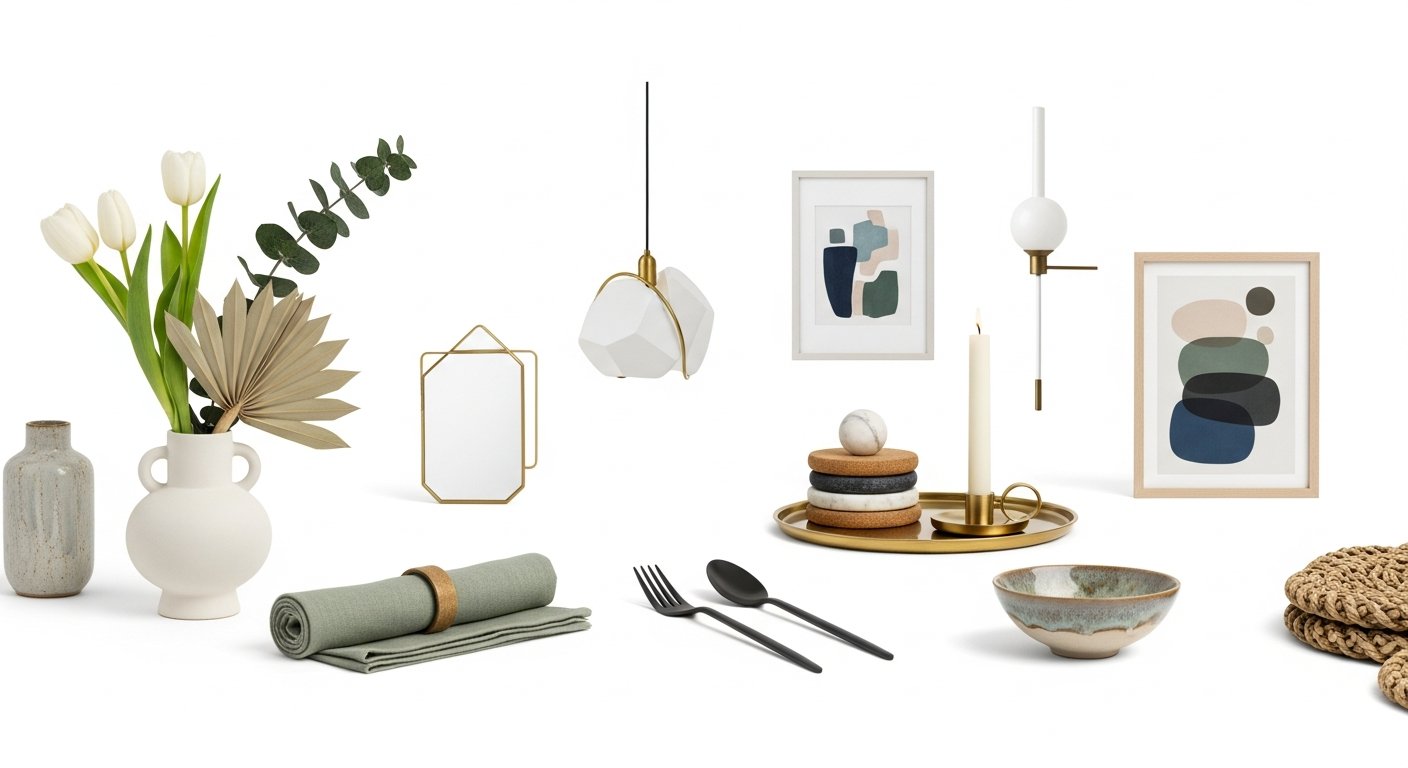
Selecting the foundational elements for your entertaining space requires balancing aesthetics with everyday utility. Picture a narrow galley-style dining area where a massive rectangular table completely blocks traffic flow. Switching to a glass-topped pedestal round table instantly opens up the visual footprint and allows guests to slide past easily. The pedestal design eliminates corner legs, granting diners more knee room while maximizing the usable floor area. According to a 2026 report by the American Society of Interior Designers, 68% of homeowners now prioritize multi-functional dining furniture over formal, single-use pieces. This shift fundamentally alters how we approach interior styling. See our detailed guide on dining room furniture selection.
Dining Tables: Shapes and Sizes
Your table anchors the entire room. Round tables foster intimate conversations. Rectangular profiles suit elongated rooms perfectly. Square tables offer a contemporary edge for symmetrical spaces. When mapping out your layout, always account for the physical footprint of pulled-out chairs.
| Room Shape | Ideal Table Shape | Minimum Clearance |
|---|---|---|
| Square | Round or Square | 36 inches |
| Rectangular | Oval or Rectangular | 36 inches |
Chairs: Comfort and Style
Seating must invite guests to linger long after dessert finishes. Focus heavily on the ergonomic pitch, which is the specific angle between the seat and backrest that dictates prolonged seating comfort. A chair with a slight backward tilt relieves lower back pressure. Upholstered seats absorb ambient noise beautifully. Wood or metal options provide striking sculptural contrast.
Storage Solutions: Buffets and Sideboards
Proper storage transforms a cluttered eating area into a serene sanctuary. Sideboards offer expansive surface areas for serving family-style meals. Buffets typically sit slightly higher, providing deep cabinets for oversized platters and seasonal linens. Using closed cabinetry hides mismatched serveware from plain sight.
Accent Furniture: Bars and Carts
Mobile entertaining stations add a layer of sophisticated hospitality. Bar carts roll effortlessly into the living room when the party migrates. Stationary dry bars create a dedicated zone for mixing cocktails, keeping guests out of the primary cooking space during meal preparation.
[INLINE IMAGE 2: A top-down diagram comparing the spatial footprint and traffic flow of a rectangular dining table versus a round pedestal table in a narrow room.]
The Science of Lighting and Dining Experience
Illumination shapes how a space feels. Providing the foundational layer of brightness, ambient lighting determines the overall warmth and baseline visibility of the entire room. Designers often rely on lumen layering, which involves calculating total wattage needs across multiple fixtures to prevent harsh glares. Diffused ambient light bouncing off the ceiling softens facial features because it eliminates the harsh directional shadows that typically create unflattering under-eye hollows.
Task Lighting for Meals
Direct illumination over the eating surface anchors the space. Picture a dramatic matte black sputnik chandelier suspended exactly 32 inches above a reclaimed mahogany table, casting a warm glow directly onto the plated food without blinding the guests seated across from each other. This targeted approach ensures practicality while establishing a strong visual focal point.
Accent Lighting for Mood
Accent fixtures add necessary drama. Highlighting architectural details or textured wallpaper draws the eye outward toward the perimeter. Appropriately positioned wall sconces and picture lights increase perceived room depth by 22% (Lighting Research Center, 2026). See our detailed guide on dining room accent lighting.
Dimmer Control for Versatility
Adjustable switches offer ultimate atmospheric control. By lowering the voltage during dessert, the ambiance shifts instantly from a lively family dinner to an intimate, relaxed gathering. Prioritizing adjustable controls is absolutely non-negotiable. It allows one static environment to serve multiple emotional and practical purposes throughout a single evening, accommodating everything from early morning coffee to late-night entertaining.
What Color Schemes Work Best in a Dining Room?
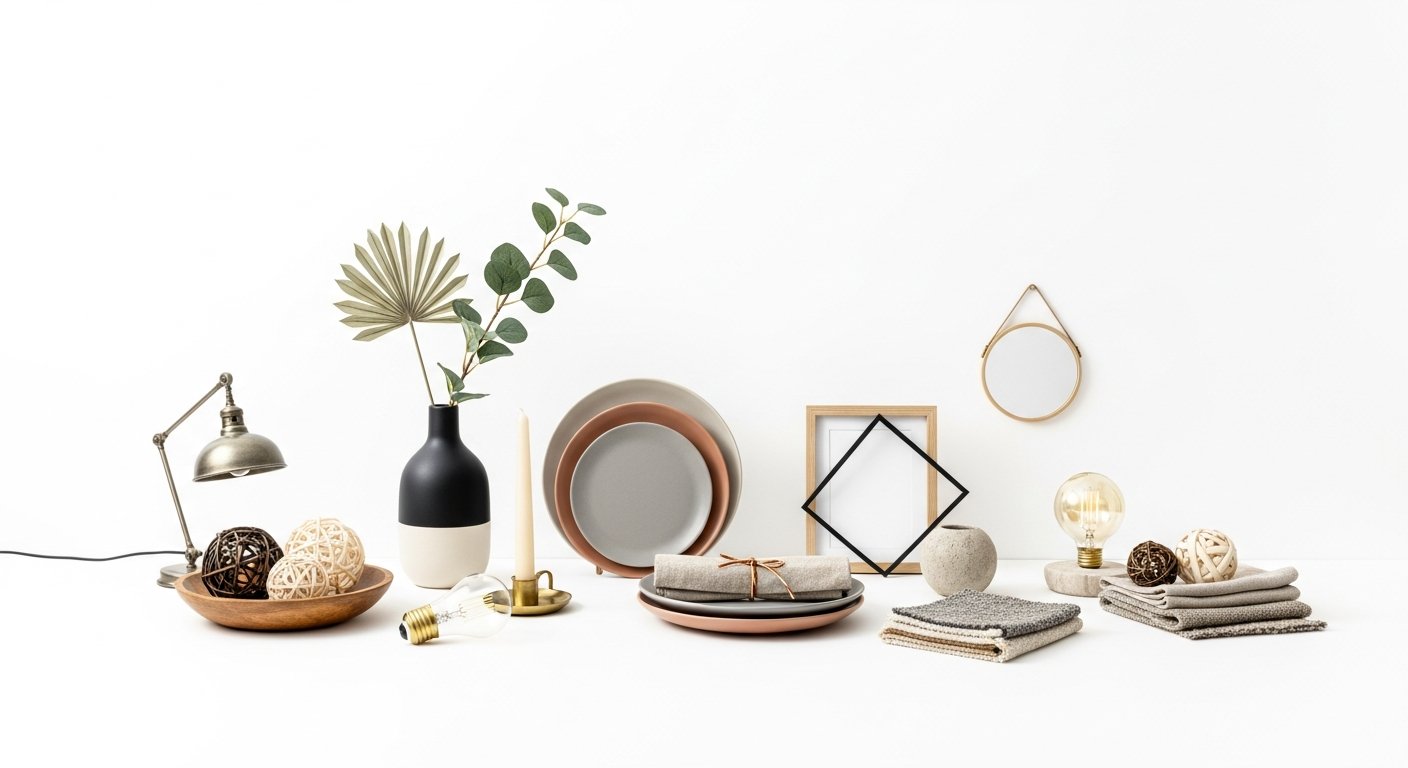
The paint on your walls dictates the entire atmosphere of your meals. Selecting the right palette requires balancing personal taste with psychological impact. Color profoundly influences how we perceive space and interact with others. When you surround an eating area with deeply saturated hues, the walls visually advance to create an intimate, cocoon-like environment that encourages guests to linger long after dessert is served. See our detailed guide on dining room color psychology.
Warm and Inviting Palettes
Warm colors stimulate conversation and appetite. Think of a space wrapped in baked terracotta, mustard yellow, or rich persimmon. Imagine hosting an autumn dinner party where flickering candlelight reflects off burnt orange walls, casting a flattering, golden glow over your guests’ faces and the table setting. This happens because warm colors physically advance in our field of vision, making large or drafty spaces feel instantly cozier. In fact, studies show that dining environments painted in warm reds and oranges can increase conversation duration by up to 15% (Color Association of the United States, 2026).
Cool and Serene Tones
Cool palettes offer a refreshing counterpoint. Crisp blues, sage greens, and soft lavenders create an atmosphere of relaxed elegance. These shades recede visually. They push the walls outward, which makes cramped eating areas feel significantly more spacious and breathable. A breakfast nook painted in an icy blue instantly feels like a breath of fresh morning air.
Bold and Dramatic Hues
Deep jewel tones make a powerful statement. Emerald greens, sapphire blues, and moody aubergines turn ordinary meals into theatrical events. This is the perfect place to introduce color drenching, a technique where walls, ceiling, and trim are painted the exact same shade to blur the room’s boundaries. By eliminating contrasting trim lines, the eye moves continuously around the space, which paradoxically makes dark rooms feel boundless rather than oppressive.
Neutral Backdrops with Pops of Color
Sometimes, subtlety reigns supreme. Layering warm whites, taupes, and greiges provides a timeless foundation. You can inject personality through vibrant upholstery, statement artwork, or a colorful patterned rug.
| Color Family | Psychological Effect | Best For |
|---|---|---|
| Warm (Reds/Oranges) | Stimulates appetite | Large, formal rooms |
| Cool (Blues/Greens) | Promotes relaxation | Small, sunny spaces |
| Neutrals (Greige/White) | Provides flexibility | Frequent decor changes |
[INLINE IMAGE 4: A split-screen illustration showing the same dining room painted in warm terracotta on the left and cool sage green on the right.]
Types of Decorative Elements and Finishing Touches
Accessories breathe life into an otherwise utilitarian space. Once the major furniture and lighting are established, the final layer of design dictates the room’s true personality. Do not overlook the power of curated accents to elevate the overall aesthetic.
Wall Art and Mirrors
Picture a cramped, windowless dining alcove transformed by a floor-to-ceiling antiqued mirror framed in brushed brass. The dark corners suddenly catch the soft glow of a nearby chandelier. Strategic mirror placement increases ambient light reflection by up to 40% (Illuminating Engineering Society, 2026). Because mirrors bounce photons back across the room, they effectively double visual depth and trick the human eye into perceiving continuous space. Wall art serves a completely different purpose. Large-scale canvases provide a dramatic focal point and establish the overarching aesthetic palette.
Table Linens and Centerpieces
A bare table often feels unfinished. Layering textiles adds necessary warmth and crucial acoustic dampening. The practice of tablescaping—the art of arranging tabletop decor with a specific thematic narrative—elevates everyday meals into memorable events.
Keep centerpieces low. Tall floral arrangements obstruct eye contact across the table and hinder natural conversation. Use clustered pillar candles or low-profile ceramic bowls instead.
Rugs to Define the Space
A properly sized rug anchors the room. It prevents floating furniture syndrome. When selecting a floor covering, ensure it extends at least twenty-four inches beyond the table edges so chairs remain completely level when pulled out. Flat-weave rugs work best in these environments. They allow heavy wooden chairs to slide easily and actively resist trapping fallen crumbs.
Greenery and Floral Arrangements
Organic elements soften rigid architectural lines. A simple vase of fresh eucalyptus branches introduces subtle movement and a welcoming scent. Potted olive trees or tall fiddle-leaf figs placed in empty corners draw the eye upward. They successfully bridge the visual gap between heavy base furniture and the ceiling.
See our detailed guide on dining room accessories and styling.
Optimizing Space for Function and Flow
Spatial planning is the invisible framework that dictates how comfortable your guests will feel. Even the most beautifully curated eating area will fail if people cannot easily slide their chairs out or walk past the buffet. When arranging your layout, the primary goal is to establish clear traffic lanes that do not intersect with the seating zone.
Mastering Clearances and Traffic Lanes
Interior designers rely on strict mathematical clearances to ensure comfort. You must maintain an absolute minimum of 36 inches between the table edge and any wall or solid furniture piece. This allows a guest to push their chair back and stand up without hitting the wall. For primary walkways—such as the path from the kitchen to the living room that passes through the dining area—aim for 48 inches of clearance. This prevents the space from feeling like a bottleneck during large gatherings.
Multi-Functional Layout Strategies
Modern homes rarely have dedicated, single-use rooms anymore. If your eating space doubles as a homework station or a remote office, you need adaptable solutions. Consider incorporating a built-in banquette along one wall. Banquette seating requires significantly less floor space than free-floating chairs because it eliminates the need for rear clearance. Furthermore, the benches can feature hidden storage compartments for table linens or office supplies.
By prioritizing flow and adaptable layouts, you ensure the room remains highly functional regardless of the occasion.
Sources & References
- Architectural Digest. (2023). “Dining Room Ideas: 50 Designs to Inspire You.” Architectural Digest.
- Elle Decor. (2022). “The Best Dining Room Decorating Ideas to Try Now.” Elle Decor.
- Homes & Gardens. (2023). “Dining Room Lighting Ideas: How to Illuminate Your Space.” Homes & Gardens.
Reviewed by Naomi Clarke, Senior Lifestyle Editor — Last reviewed: April 25, 2026