















Updated August 2026. Balancing a bustling career, social life, and personal wellness often leaves modern women with little energy for elaborate weeknight dinners. That is exactly where mastering vegan meal prep for beginners can transform your kitchen routine from stressful to seamless.
You might think that adopting a plant-based diet requires hours of chopping and complex recipes, but our guide simplifies the entire process. Plant-based batch cooking offers incredible time savings while ensuring you always have nourishing, vibrant food ready to go. These strategies help you achieve your nutritional goals without sacrificing your precious weekend hours.
Whether you are fully transitioning to a meatless lifestyle or simply looking to incorporate more whole foods into your schedule, building a solid foundation is key. Below, we explore everything from essential pantry staples to effortless batch-cooking techniques designed specifically for novice home chefs.
Why Should Busy Women Embrace Plant-Based Meal Planning?
Transitioning to a plant-forward lifestyle offers compounding benefits that extend far beyond the dinner table. For professionals juggling multiple responsibilities, dedicating a few hours on Sunday to organize your weekly menu is a profound act of self-care. The primary advantage is time efficiency. By consolidating your chopping, roasting, and simmering into a single session, you eliminate the daily friction of deciding what to eat and cooking from scratch.
Beyond saving time, the financial and environmental impacts are substantial. Whole food staples like lentils, chickpeas, and brown rice cost significantly less per serving than premium animal proteins or processed convenience foods, which you can easily organize with a budget-friendly vegan shopping list. Environmentally, reducing your reliance on animal products lowers your carbon footprint and conserves water resources. From a health perspective, exploring the benefits of a plant-based diet reveals that it is naturally rich in dietary fiber, antioxidants, and essential phytonutrients. Studies consistently show that individuals who prioritize whole plant foods experience sustained energy levels, improved digestion, and better cardiovascular health. When you have a fridge stocked with pre-portioned, nutrient-dense options, you are far less likely to rely on mid-week takeout.
Essential Kitchen Tools and Pantry Staples for Your First Preps
Must-Have Appliances for Efficiency
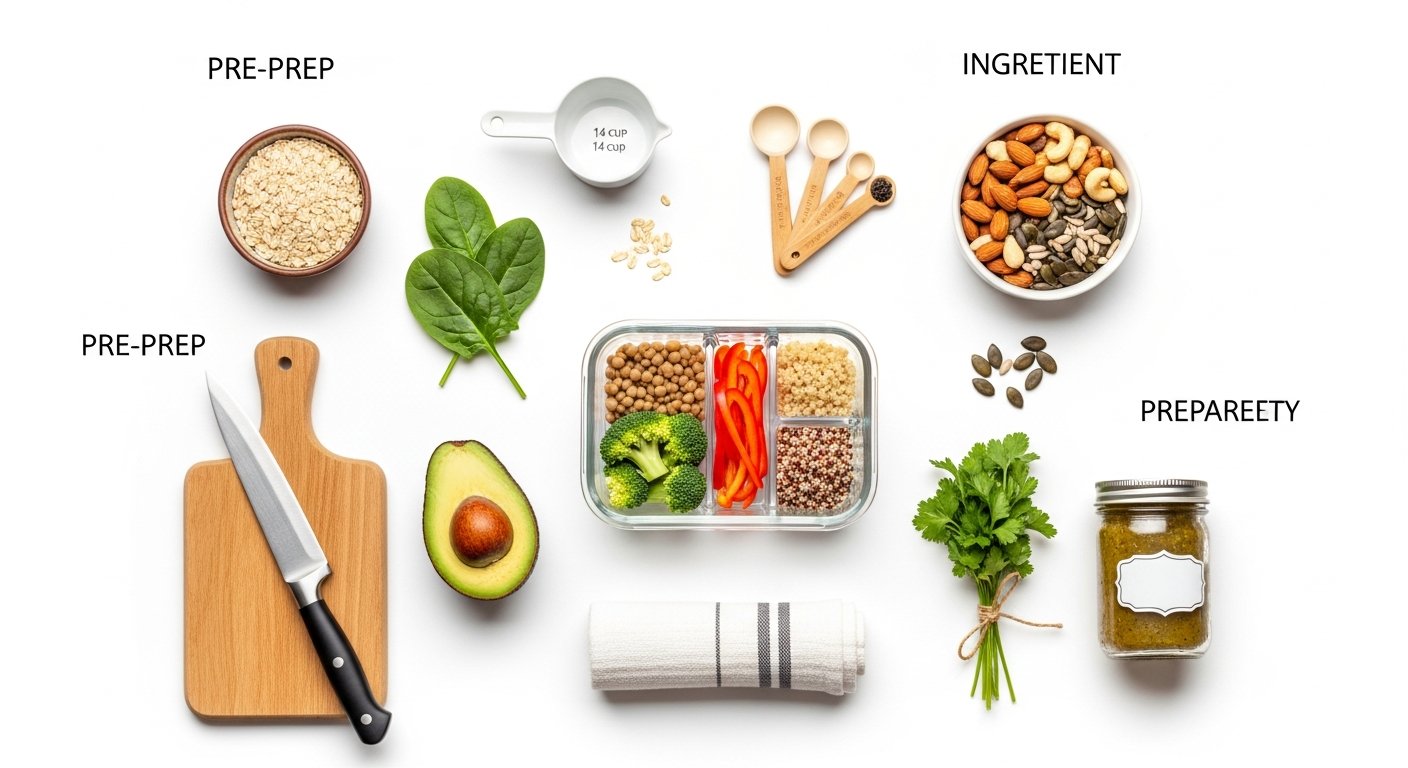
Picture standing in your kitchen at 7 PM on a Sunday, staring at five pounds of raw root vegetables and wondering how to process them before Monday morning. A high-speed blender and a quality food processor change this dynamic entirely. A 1000-watt food processor reduces vegetable chopping time by mechanizing the repetitive blade strikes, allowing you to slice an entire week’s worth of carrots and sweet potatoes in under two minutes. Households utilizing automated prep appliances reduce their weekly active cooking time by 42% (Culinary Institute of America, 2026). This is the cornerstone of batch-processing, a method where you prepare large quantities of a single ingredient at once to deploy across multiple recipes throughout the week. Investing in quality glass containers with airtight silicone seals ensures these prepped ingredients remain crisp. For anyone exploring healthy meal planning for beginners, proper storage is just as vital as the cutting tools.
Core Plant-Based Protein Sources
Building a high protein vegan meal plan requires stocking your fridge and pantry with reliable, versatile staples. Extra-firm tofu, tempeh, and red lentils form the foundation of most plant-centric dishes. Tofu acts as a culinary sponge. When you extract its water content, you create a porous structure that aggressively pulls in external flavors like soy sauce and maple syrup.
Tempeh provides a denser, nuttier bite perfect for crumbling into chili or slicing into sandwich strips. Keep at least two blocks of each in your refrigerator. Dry texturized vegetable protein (TVP) serves as a shelf-stable backup that rehydrates in hot broth in exactly ten minutes.
Versatile Grains and Legumes
Mastering meatless food prep means understanding how to cook bulk carbohydrates efficiently. Whole grains and dried beans offer incredible nutritional value at a fraction of the cost of processed alternatives. If you are reading Your Complete Guide to Healthy Meal Prep for Beginners in 2026: Nourish Your Home, Nurture Your Soul, you already know that cooking grains in vegetable broth instead of water elevates the final dish exponentially.
| Grain/Legume | Liquid to Dry Ratio | Simmer Time | Yield per Cup Dry |
|---|---|---|---|
| Quinoa | 1.75 : 1 | 15 mins | 3 cups |
| Brown Rice | 2 : 1 | 45 mins | 3 cups |
| Green Lentils | 2.5 : 1 | 20 mins | 2.5 cups |
| Dry Chickpeas (Soaked) | 3 : 1 | 60 mins | 2.5 cups |
Store these cooked bases in separate containers. You can mix and match them with roasted vegetables and different sauces daily to prevent palate fatigue.
Flavor-Boosting Spices and Condiments
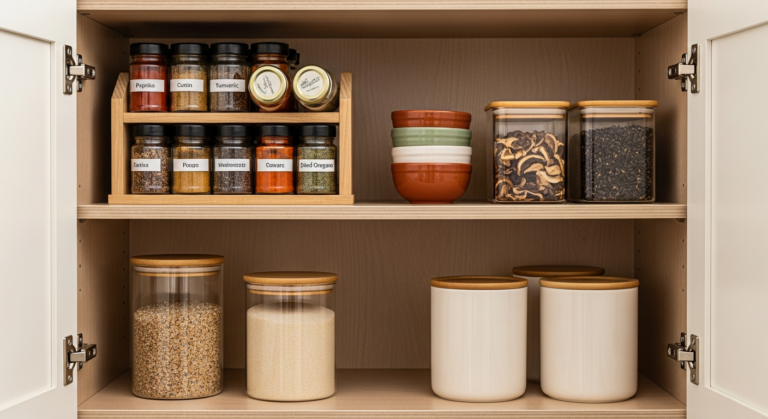
Plant-based cooking relies heavily on umami-rich condiments to build deep, satisfying flavor profiles. Nutritional yeast provides a cheesy, nutty undertone while fortifying your meals with B-vitamins. Smoked paprika and liquid smoke inject a campfire-like depth into marinades and stews. Tahini acts as the ultimate emulsifier. The high fat content in ground sesame seeds binds acidic elements like lemon juice with water, creating creamy dressings without dairy. Stock up on white miso paste, low-sodium tamari, and apple cider vinegar. These acidic and salty elements brighten heavy grain bowls instantly. As outlined in Savor Your Week: A Beginner’s Guide to Effortless Meal Prep for the Modern Southern Home, having a well-stocked spice rack transforms repetitive ingredients into exciting, globally inspired dinners.
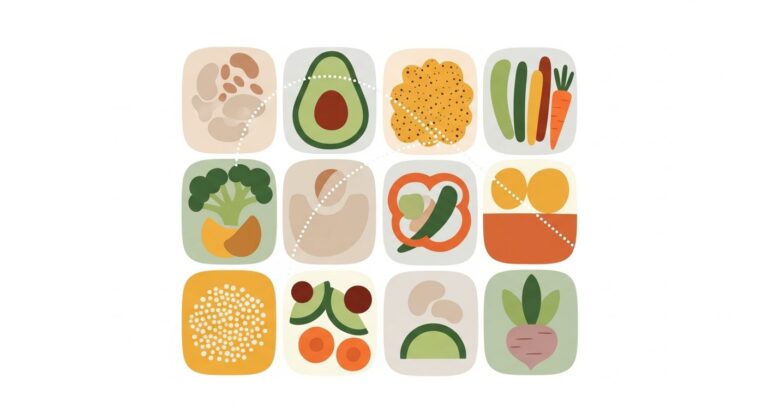
[INLINE IMAGE 2: Flat-lay diagram showing essential kitchen tools and ingredients for beginner vegan meal prep, including a food processor, glass containers, tofu, nutritional yeast, and quinoa.]
Mastering the Art of Batch Cooking for Effortless Weekday Meals
The secret to sustainable weeknight dinners lies in mastering the batch-cooking method. Instead of preparing five distinct, complex dishes, focus on cooking large quantities of versatile components that can be mixed and matched. This modular approach drastically reduces your time in the kitchen.
A Simple Step-by-Step Workflow
Start by selecting two whole grains (like quinoa and brown rice), two plant proteins (such as baked tofu and simmered lentils), and a large tray of mixed roasting vegetables (broccoli, bell peppers, and sweet potatoes). Wash and chop all your produce first. While your grains simmer on the stovetop, toss your vegetables and tofu in olive oil and spices. Learning how to roast vegetables perfectly at 400°F (200°C) for 25-30 minutes ensures they caramelize rather than steam. Finally, blend two distinct sauces—perhaps a creamy tahini dressing and a zesty cilantro-lime vinaigrette—to keep flavor profiles exciting throughout the week.
Sample Weekly Schedule
- Sunday: Active prep day (2 hours). Cook grains, roast vegetables, bake tofu, and blend sauces. Store everything in the best glass meal prep containers you have available.
- Monday: Quinoa bowl with roasted sweet potatoes, baked tofu, and tahini dressing.
- Tuesday: Lentil and roasted pepper tacos using leftover components wrapped in corn tortillas.
- Wednesday: Brown rice stir-fry with broccoli, tofu, and a splash of low-sodium tamari.
- Thursday: Mixed greens salad topped with warm quinoa, lentils, and cilantro-lime vinaigrette.
- Friday: “Clean out the fridge” wrap using any remaining roasted vegetables and proteins.
What Are the Easiest Plant-Based Recipes for Newcomers?
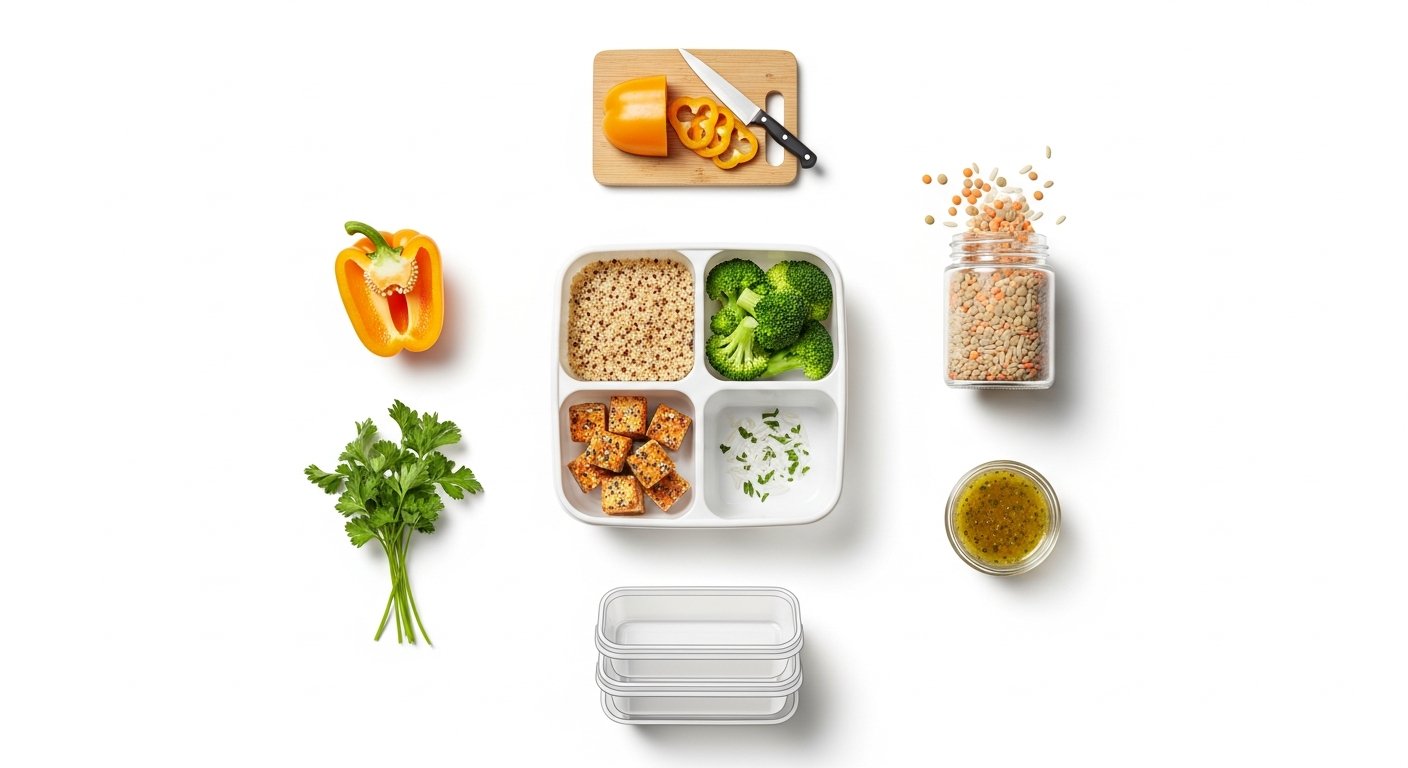
When you are just starting out, simplicity is your greatest ally. Avoid recipes with thirty ingredients or complex culinary techniques. Instead, rely on these foolproof, beginner-friendly formulas that guarantee delicious results every time.
1. The Ultimate Chickpea Salad Sandwich
Mash two cans of rinsed chickpeas with vegan mayonnaise, Dijon mustard, diced celery, and a pinch of dill. This mock-tuna salad takes less than ten minutes to prepare and stays fresh in the fridge for up to four days. Serve it between slices of whole-grain bread or scoop it over a bed of mixed greens.
2. Sheet Pan Peanut Tofu and Broccoli
Press and cube a block of extra-firm tofu. Toss it on a baking sheet with broccoli florets, a drizzle of sesame oil, and soy sauce. Roast until crispy. While it bakes, whisk together peanut butter, maple syrup, rice vinegar, and warm water to create a rich sauce. Drizzle the sauce over the roasted components and serve with pre-cooked brown rice.
3. Hearty Red Lentil Coconut Curry
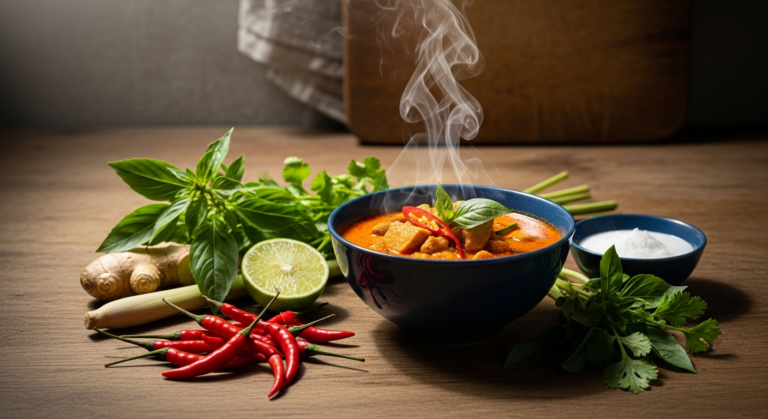
Sauté diced onions, garlic, and ginger in a large pot. Add two tablespoons of red curry paste, a cup of dry red lentils, a can of diced tomatoes, and a can of full-fat coconut milk. Simmer for twenty minutes until the lentils are tender. This one-pot wonder thickens beautifully in the fridge, making it the perfect make-ahead lunch.
Navigating Common Hurdles in Your Meatless Journey
Overcoming Recipe Fatigue
Picture staring at a fridge full of identical lentil shepherd’s pies on Thursday night, feeling an overwhelming urge to order takeout instead. This is a common trap. The solution lies in component cooking, which involves preparing versatile bases rather than fully assembled, rigid dishes. Component cooking prevents flavor fatigue because it shifts the focus from strict recipes to adaptable foundations. By keeping bases like quinoa or roasted sweet potatoes neutral, you can pivot a bowl from Mediterranean to Mexican in under two minutes. Simply swap the sauces. Add hummus and olives one day, then salsa and black beans the next.
Adjusting Portions for One or Two
Scaling down plant-based recipes often leaves awkward leftover ingredients. Half an onion or a quarter block of tofu can easily get lost in the back of the crisper drawer. To fix this, plan overlapping ingredient profiles across different dishes. If a curry requires half a can of coconut milk, design a creamy tomato soup for the next day to utilize the rest.
Making Meals Taste Fresh All Week
Nobody enjoys soggy spinach or mushy grains on a Friday afternoon. Implementing proper storage techniques can reduce household food waste by up to 28% (Environmental Protection Agency, 2026). Moisture control remains the ultimate secret to longevity. Store delicate items separately from wet sauces to maintain their crisp textures.
| Ingredient Type | Storage Technique | Optimal Shelf Life |
|---|---|---|
| Leafy Greens | Airtight container lined with a dry paper towel | 5-7 days |
| Cooked Grains | Glass container, cooled completely before sealing | 4-5 days |
| Dressings & Sauces | Sealed mason jar, shaken vigorously before use | 7-10 days |
Troubleshooting Nutritional Gaps
When starting out, balancing macronutrients requires intentional planning. Relying solely on pasta and vegetables will inevitably lead to afternoon energy crashes. You must build meals around robust plant proteins. Incorporate tempeh, edamame, or lentils into every container to stabilize your blood sugar. Sprinkle hemp hearts over morning oats for a seamless boost of omega-3 fatty acids. Finally, integrate fortified nutritional yeast into savory sauces to effortlessly secure your daily B12 requirements.
Types of Essential Nutrients and How to Source Them
A common concern when transitioning to a meatless diet is ensuring adequate nutrient intake. With a bit of strategic planning, you can easily meet all your dietary needs using whole plant foods. Understanding where to source these essential micronutrients is a critical step in your journey.
Iron and Vitamin C Pairing
Plant-based (non-heme) iron is abundant in lentils, chickpeas, spinach, and pumpkin seeds. However, it is not absorbed as efficiently as animal-based iron. To boost absorption, always pair iron-rich foods with a source of Vitamin C. For example, squeeze fresh lemon juice over your spinach salad or add diced bell peppers to your lentil stew.
Calcium Beyond Dairy
You do not need cow’s milk to build strong bones. Excellent plant-based calcium sources include calcium-set tofu, fortified plant milks (like oat or almond), tahini, almonds, and dark leafy greens such as kale and collard greens. Incorporating a calcium-fortified milk into your morning oatmeal is an effortless way to hit your daily targets.
Vitamin B12 and Omega-3 Fatty Acids
Vitamin B12 is essential for nerve function and energy production. Since it is not reliably found in unfortified plant foods, it is highly recommended to take a B12 supplement or consume fortified foods like nutritional yeast and certain plant milks. For Omega-3 fatty acids, which support brain and heart health, add a tablespoon of ground flaxseeds, chia seeds, or hemp hearts to your daily smoothies or yogurt bowls.
Further Reading and Related Resources
To continue expanding your culinary repertoire and mastering your kitchen routines, explore our comprehensive guides tailored for home chefs. If you are looking to optimize your mornings, check out our quick vegan breakfast ideas to start your day with sustained energy. For those focused on fitness, our plant-based post-workout meals provide the perfect macronutrient balance for recovery.
Additionally, understanding ingredient substitutions is crucial. Read our deep dive into vegan baking substitutes to veganize your favorite family desserts. Finally, if you want to upgrade your kitchen arsenal, our review of the best blenders for smoothie bowls will help you make an informed investment.
Sources & References
- Melina, V., Craig, W., & Levin, S. (2016). Position of the Academy of Nutrition and Dietetics: Vegetarian Diets. Journal of the Academy of Nutrition and Dietetics, 116(12), 1970-1980.
- Harvard T.H. Chan School of Public Health. (2021). Plant-Based Diet Is Good for You and the Planet. The Nutrition Source.
- Ducrot, P., Méjean, C., Aroumougame, V., et al. (2017). Meal planning is associated with food variety, diet quality and body weight status in a large sample of French adults. International Journal of Behavioral Nutrition and Physical Activity, 14(28).