













Updated May 2024. Walking down the wine aisle can feel like navigating a complex labyrinth. With thousands of labels, regions, and grape varieties, choosing the right bottle for your Tuesday night pasta or a weekend dinner party is often a game of guesswork. However, finding the perfect match is far from a dark art reserved only for elite sommeliers. At its core, it is a simple science of balance and enhancement.
According to recent industry forecasts from the International Organisation of Vine and Wine (OIV), the trend in home entertaining heading toward 2026 has shifted toward ‘accessible elegance’—the idea that you don’t need a cellar full of vintage Bordeaux to create a Michelin-star experience at home. This beginner guide to wine pairing will demystify the process, providing you with the fundamental principles to elevate every meal. Whether you are a dedicated home cook or a food enthusiast looking to sharpen your palate, understanding how flavors interact will transform your recipes and meal planning from ordinary to extraordinary. Let’s uncork the secrets to the perfect match.
The Core Philosophy of Congruent and Complementary Pairings
Before diving into specific bottles, you must understand the two primary ways beverages and food interact: congruent pairings and complementary pairings. As Master Sommelier Madeline Triffon famously noted, ‘Wine is like a condiment to food,’ and choosing the right one depends on whether you want to mirror flavors or create contrast.
Congruent Pairings
A congruent pairing creates balance by sharing similar flavor profiles or compounds. The goal is to amplify a specific note in both the food and the beverage. For example, a buttery, oaked Chardonnay paired with a creamy lobster bisque is a congruent match. Both elements share a rich, velvety texture and a lactic acidity. Many home cooks are experimenting with congruent pairings using earthy mushrooms and forest-floor-noted Pinot Noirs, creating a deep, savory umami explosion.
Complementary Pairings
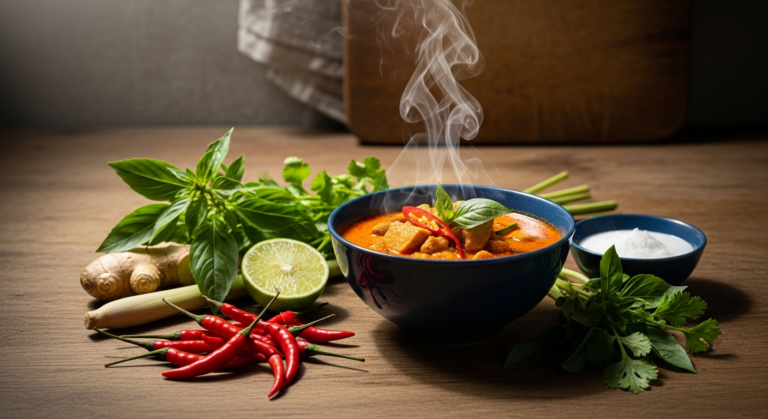
Complementary pairings, on the other hand, rely on contrast. Think of it as opposites attracting. A classic example is pairing a spicy Thai green curry with a slightly sweet, off-dry Riesling. The sugar and low alcohol of the drink act as a cooling agent against the heat of the chili. Similarly, the high acidity of a Sauvignon Blanc cuts through the richness of fried goat cheese. Complementary pairings are often the most exciting because they create a third flavor profile that wouldn’t exist if the components were enjoyed separately.
Types of Taste Pillars and How They Interact with Wine
To master the art of the perfect match, you need to look at your plate not just as chicken or pasta, but as a collection of chemical components. Here is how different flavor profiles interact with the five basic tastes.
Acid (The Brightener)
Your beverage should generally be more acidic than the food it accompanies. If you pair a low-acid vintage with a dish heavy on lemon or vinegar, the drink will taste flabby and dull. This is why high-acid options like Albariño or Pinot Grigio are the gold standard for salads with vinaigrettes or citrusy seafood.
Fat (The Softener)
Fat is a tannin’s best friend. High-fat foods, like ribeye steak or creamy pastas, need either high acidity or high tannins to scrub the palate. Tannins (the mouth-drying sensation found in red varieties) bind to the proteins in meat, softening the grip while cutting through the heaviness of the fat.
Salt (The Enhancer)
Salt makes fruit notes pop and lessens the perception of bitter tannins. However, salt’s greatest partner is bubbles or sweetness. There is a reason why Champagne and French fries is a cult favorite among enthusiasts; the salt enhances the yeastiness, while the bubbles cleanse the salty grease from the tongue.
Sweet (The Mirror)
The rule for sweets is simple: the drink must be sweeter than the food. If the dessert is sweeter, the liquid will taste bitter and thin. This is why Port or Sauternes are paired with rich chocolates and tarts.
Heat (The Challenger)
Spicy food is the hardest to match. Alcohol increases the perception of heat (burn), so high-alcohol options (like Zinfandel or Shiraz) will make a spicy dish feel like fire. Opt for low-alcohol, chilled white varieties with a hint of residual sugar to soothe the spice.
| Taste Pillar | Ideal Match | Why It Works |
|---|---|---|
| Acid | High-Acid Wines (e.g., Sauvignon Blanc) | Prevents the drink from tasting flat. |
| Fat | High-Tannin or High-Acid Wines | Cleanses the palate and cuts through richness. |
| Salt | Sparkling or Sweet Wines | Enhances fruitiness and scrubs salty grease. |
| Sweet | Dessert Wines (e.g., Port) | Ensures the liquid doesn’t taste bitter. |
| Heat | Low-Alcohol, Off-Dry Wines | Soothes the palate without amplifying the burn. |
How Do You Match the Weight and Intensity of Wine to Food?
A common mistake beginners make is pairing a light beverage with a heavy dish, or vice versa. Imagine drinking a delicate, floral Rosé while eating a thick, smoked brisket—the delicate floral notes would be completely overpowered.
Light-Bodied Options
Varieties like Sauvignon Blanc, Pinot Grigio, and Gamay are light-bodied. They are best paired with lighter fare: raw vegetables, white fish, fresh herbs, and light poultry. Think of these as the skim milk of the culinary world.
Medium-Bodied Options
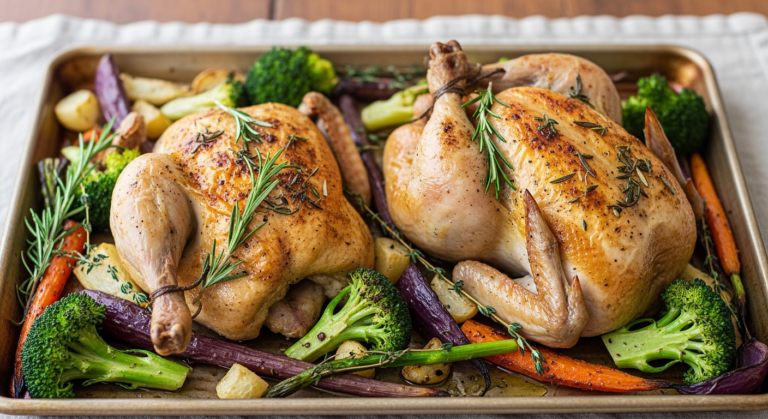
Selections like Merlot, Grenache, and oaked Sauvignon Blanc have more texture. They pair beautifully with roasted chicken, pork chops, and tomato-based pasta dishes. These are your versatile all-rounders.
Full-Bodied Options
Cabernet Sauvignon, Syrah, and Malbec are the heavy hitters. They have high tannins and bold flavors. These require heavy foods like red meat, venison, or dishes with intense reduction sauces. The rising popularity of slow-cooking and smoking meats at home makes these full-bodied reds essential for the modern pantry.
Categories of White Wine and Rosé for Everyday Meals
White and Rosé selections are often relegated to the aperitif category, but they are some of the most versatile food companions in existence.

- Sauvignon Blanc: Known for its high acidity and herbaceous notes. It is the perfect match for anything with green herbs (cilantro, parsley, mint) or tangy cheeses like Chèvre (goat cheese).
- Chardonnay: If it’s unoaked, pair it with shellfish. If it’s oaked and buttery, pair it with roasted poultry, corn-based dishes, or cream sauces.
- Riesling: The ultimate foodie choice. Because it ranges from bone-dry to very sweet, it can handle everything from bratwurst to spicy Szechuan cuisine.
- Dry Rosé: Rosé is the bridge. It has the acidity of a white but the subtle fruit structures of a red. It is arguably the best choice for a Mediterranean spread, Niçoise salad, or grilled salmon.
[INLINE IMAGE 4: A glass of buttery oaked Chardonnay paired with creamy lobster bisque for a congruent wine pairing.]
The Science of Red Wine and Tannin Management
Red pairings are often about managing tannins. Tannins are the polyphenols found in grape skins that give red varieties their structure and dry mouthfeel.

- Pinot Noir: Light, earthy, and high in acid. It is the classic pairing for duck, salmon (yes, red with fish!), and anything containing mushrooms. Its delicacy won’t overpower subtle flavors.
- Merlot: Softer tannins and plush fruit. It is excellent with roasted lamb, pizza, or herb-crusted pork tenderloin.
- Syrah/Shiraz: Known for peppery, smoky notes. This is the ultimate BBQ companion. It thrives alongside grilled meats, charred vegetables, and black pepper-heavy rubs.
- Cabernet Sauvignon: The king of reds. Its high tannin count demands protein. A classic steakhouse pairing isn’t just tradition; it’s chemistry. The protein in the meat neutralizes the tannins, making the liquid taste smoother and fruitier.
[INLINE IMAGE 5: A glass of peppery Syrah paired with smoked BBQ brisket to complement the heavy tannins.]
Why Are Sparkling and Fortified Wines Essential?
No comprehensive overview is complete without mentioning the start and end of the meal.
Sparkling Varieties (Champagne, Cava, Prosecco)
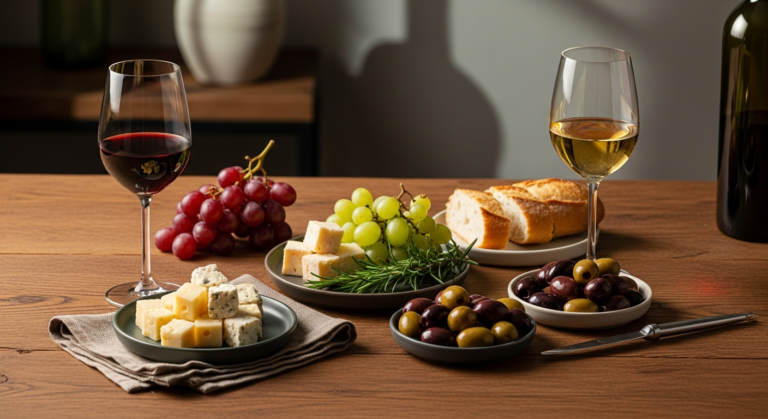
Bubbles are the most versatile tool because of their high acidity and carbonation, which act as a palate cleanser. Sparkling options are incredible with salty appetizers, fried chicken, or even sushi. Many enthusiasts are moving away from saving bubbles for toasts and are instead serving them throughout the entire meal.
Dessert and Fortified Options
When the meal winds down, look for Port, Sherry, or late-harvest selections.
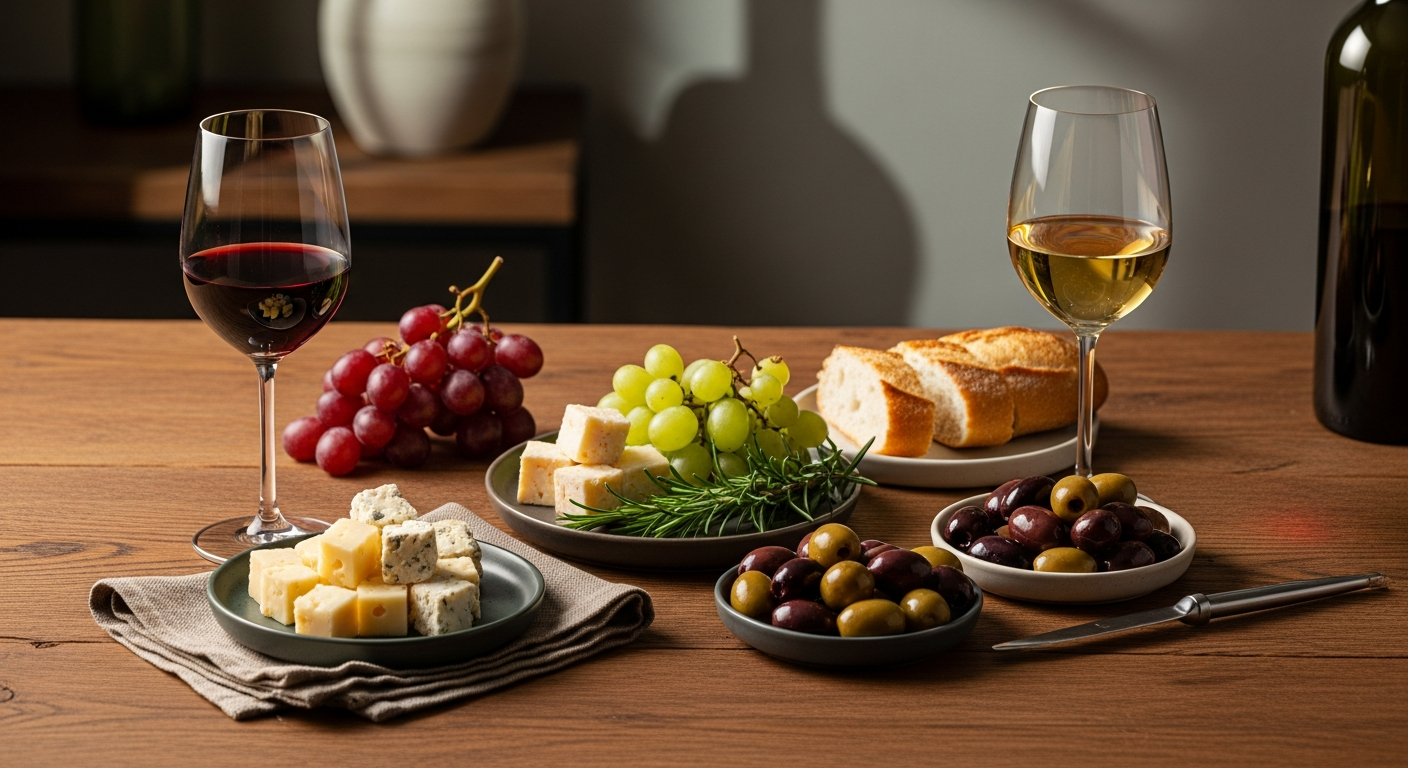
- Blue Cheese: Pair with a sweet dessert option like Sauternes or Port. The funk of the cheese and the sweetness of the liquid create a legendary salty-sweet balance.
- Dark Chocolate: Needs a bold, fortified choice like a Ruby Port or a high-alcohol Zinfandel to stand up to the cocoa’s bitterness.
What Are the Most Common Wine Pairing Questions?
Even with a solid foundation, specific scenarios often bring up questions. Here are the most common inquiries from home cooks.
Q1: Can I really drink red wine with fish?
Absolutely! The old ‘white with fish’ rule is outdated. The key is the type of fish and the type of red. A light-bodied, low-tannin red like Pinot Noir or Beaujolais (Gamay) pairs beautifully with meaty fish like salmon, tuna, or swordfish, especially if they are grilled or served with a mushroom sauce. Avoid high-tannin reds like Cabernet, as they can create a metallic taste when combined with fish oils.
Q2: What is the best choice for a potluck where there are many different dishes?
When faced with a variety of flavors, go for a bridge option. A dry Rosé or a high-acid, medium-bodied red like a Chianti (Sangiovese) or a Barbera are excellent choices. These have the acidity to cut through fat and the fruitiness to complement various spices without overpowering anything.
Q3: How does the cooking method affect the choice?
The cooking method is often more important than the protein itself. A poached chicken breast is light and delicate (pair with a Pinot Grigio), but a roasted chicken with herbs and butter is richer (pair with an oaked Chardonnay). If you char or smoke the meat, you’ll want something with a bit of spice or smoke to match, like a Syrah.
Q4: Does the price of the bottle matter for a good pairing?
Not necessarily. A $20 bottle that is perfectly balanced with your meal will taste significantly better than a $200 bottle that clashes with the food. There are incredible value options from regions like Portugal (Vinho Verde and Douro reds), Greece (Assyrtiko from Santorini), and Chile (Carménère from the Colchagua Valley) that offer world-class pairing potential at a fraction of the cost of traditional French labels.
Q5: Should I serve it at room temperature?
Most people serve reds too warm and whites too cold. If a red is too warm, the alcohol dominates the flavor. If a white is too cold, the aromas are masked. Try putting your red in the fridge for 15 minutes before serving, and take your white out of the fridge 15 minutes before pouring.
Trusting Your Palate and Breaking the Rules
The most important takeaway for any home cook is that flavor matching is subjective. While the science of acid, fat, and tannins provides a reliable framework, your personal preference is the final judge. The rules are meant to be a map, not a cage.
As the culinary world continues to become more inclusive and adventurous, don’t be afraid to experiment. Try the sparkling wine with the popcorn; try the chilled red with the grilled shrimp. Every mistake is simply a lesson in how flavors interact. By focusing on the balance of weight, intensity, and the five pillars of taste, you will soon find yourself instinctively reaching for the perfect bottle.
To learn more about our culinary philosophy and discover more tips, visit our About Us page. The next time you’re standing in that aisle, remember: you aren’t just buying a drink; you’re buying the final ingredient for your meal. Cheers to your journey into the world of culinary harmony!
Sources & References
- MacNeil, Karen. The Wine Bible. Workman Publishing Company, 2015.
- Puckette, Madeline, and Justin Hammack. Wine Folly: The Essential Guide to Wine. Avery, 2015.
- International Organisation of Vine and Wine (OIV). State of the Vitiviniculture World Report, 2023.
- Triffon, Madeline. ‘Master Sommelier Insights on Food and Beverage Harmony.’ Court of Master Sommeliers.
Reviewed by Naomi Clarke, Senior Lifestyle Editor — Last reviewed: April 25, 2026