


















The Foundation: Understanding the Three Layers for Optimal Warmth and Style
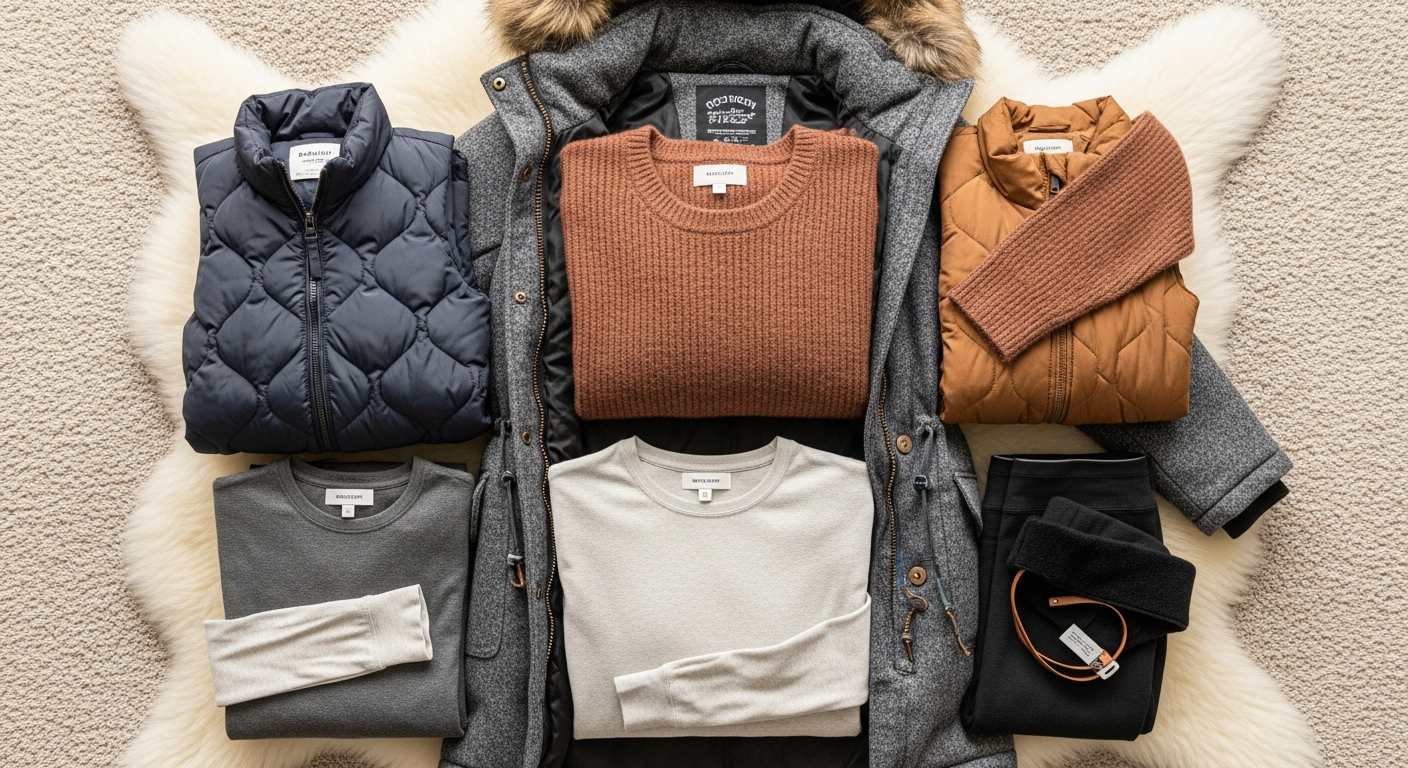
The secret to successful winter layering lies in a strategic three-part system: the base layer, the mid-layer, and the outer layer. Each plays a distinct yet equally vital role in trapping warmth, managing moisture, and protecting you from the elements, all while contributing to a cohesive and stylish ensemble. Think of it as building a beautifully designed room – each element serves a purpose, from the foundational flooring to the decorative accents, creating a harmonious and functional space.
The Base Layer: Your Second Skin for Comfort
The base layer is the first line of defense against the cold, worn directly against your skin. Its primary function is to wick away moisture (sweat) from your body, keeping you dry and preventing the chilling effect that dampness can cause. A dry body is a warm body, even in frigid temperatures. For material choices, opt for natural fibers like merino wool or silk. Merino wool is a true winter wonder; it’s incredibly soft, breathable, naturally odor-resistant, and provides excellent warmth without bulk. Silk, on the other hand, offers a luxurious feel, is lightweight, and an excellent temperature regulator, keeping you warm without overheating. Synthetic options like polyester blends are also effective at moisture-wicking and often more budget-friendly. When choosing your base layer, look for pieces that are snug but not restrictive, allowing for full range of movement. They should fit smoothly under subsequent layers to avoid bulk and create a sleek silhouette. Think of a perfectly fitted base layer as the smooth, polished foundation that allows the rest of your outfit to shine.
The Mid-Layer: The Heart of Your Insulation System
Sitting atop your base layer, the mid-layer is all about insulation. Its job is to trap warm air close to your body, providing the bulk of your warmth. This is where you can truly play with texture, color, and volume to express your personal style. Popular mid-layer materials include fleece, cashmere, wool sweaters (like chunky cable knits or fine gauge merino), and even thin down vests. Fleece is a fantastic synthetic option, known for its excellent warmth-to-weight ratio and quick-drying properties. Cashmere offers unparalleled softness and warmth with a luxurious feel, perfect for elevating any outfit. Wool sweaters, whether a classic crew neck, a sophisticated turtleneck, or an oversized cardigan, provide versatile warmth and endless styling possibilities. For more active days or when facing extreme cold, a lightweight down or synthetic fill vest can add significant warmth without restricting arm movement. The key is to choose a mid-layer that provides substantial warmth but isn’t so bulky that it feels uncomfortable or makes your outer layer difficult to wear. This layer is your opportunity to add character and depth, much like a statement rug or a rich tapestry adds warmth and personality to a room.
The Outer Layer: Your Shield Against the Elements
The outermost layer is your protection against the external environment – wind, snow, and rain. It’s often the first thing people see, making it a crucial component of your overall winter look. For this layer, prioritize functionality alongside fashion. Look for materials that are waterproof or water-resistant and windproof. Classic choices include wool coats, puffer jackets, parkas, and stylish trench coats with thermal linings. A well-tailored wool coat in a classic color like camel, charcoal, or black is a timeless investment that can elevate any outfit, from casual jeans to a formal dress. Puffer jackets and parkas, often filled with down or synthetic insulation, offer superior warmth and protection for colder, more active days, and have become incredibly chic in recent years. Consider features like adjustable hoods, insulated pockets, and durable zippers. Your outer layer should be roomy enough to comfortably accommodate your base and mid-layers without feeling tight or restricting movement, yet still maintain a flattering silhouette. This layer is the grand facade of your winter ensemble, much like the exterior of a home – it needs to be resilient, protective, and visually appealing, especially when considering the robust construction needed for a mountain home in North Carolina where it must withstand harsh winter conditions.
Fabric Focus: Choosing the Right Materials for Enduring Warmth and Effortless Style
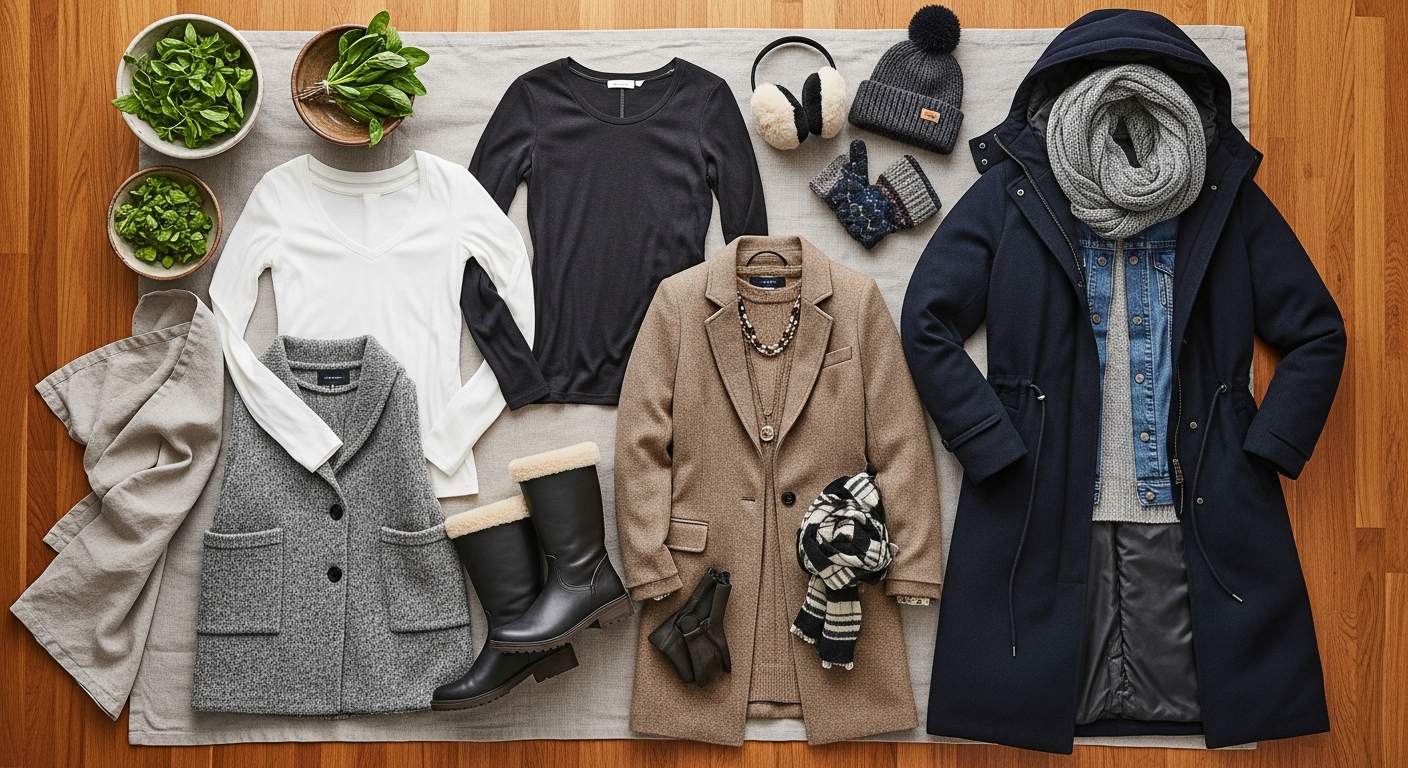
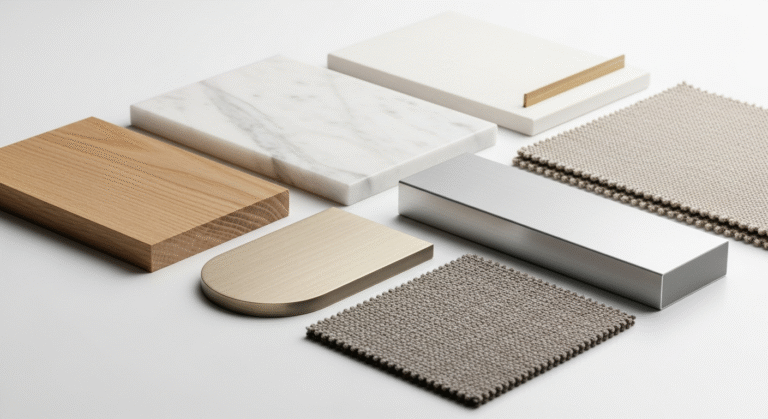
Beyond simply understanding the three-layer system, truly mastering winter layering involves a nuanced appreciation for fabrics. The right material choices not only dictate your warmth and comfort but also the drape, texture, and overall aesthetic of your outfit. Selecting fabrics is akin to choosing materials for a lasting home – you want quality, durability, and a pleasing aesthetic that stands the test of time and climate. Just as you’d meticulously select the right insulation and weather-resistant siding for a robust and comfortable dwelling, perhaps a mountain home in North Carolina designed to brave the elements, the fabrics in your wardrobe are your personal architecture against the cold.
Natural Fibers: Timeless Elegance and Superior Performance
- Merino Wool: Often hailed as a miracle fiber, merino wool is a superfine, soft wool that is a phenomenal base and mid-layer choice. Unlike traditional wool, it’s not scratchy. It excels at moisture-wicking, temperature regulation (keeping you warm when it’s cold and cool when it’s warm), and is naturally odor-resistant, making it perfect for extended wear. Its fine gauge means it adds warmth without bulk, allowing for sleek layering.
- Cashmere: The epitome of luxury, cashmere is incredibly soft, lightweight, and offers exceptional warmth. It’s an ideal choice for mid-layers like sweaters, cardigans, and scarves where you want an elevated feel and a touch of indulgence. While an investment, a good cashmere piece will last for years with proper care.
- Silk: Smooth, lightweight, and surprisingly warm for its thinness, silk is an excellent base layer option, especially for sensitive skin or when you need a smooth foundation. It regulates body temperature well and feels luxurious against the skin. Silk scarves also make exquisite layering accents.
- Down: Found in puffer jackets and vests, down (usually goose or duck feathers) offers the best warmth-to-weight ratio of any insulator. It creates thousands of tiny air pockets that trap warm air and retain heat. Look for high fill power (e.g., 600-800) for superior insulation.
- Standard Wool (Lambswool, Shetland, etc.): A classic for good reason, wool provides excellent warmth and durability. It can be found in a variety of textures, from chunky cable knits to finely woven coats. It’s breathable and retains heat even when damp.
Synthetic Fibers: Innovative Functionality and Practicality
- Fleece (Polyester): A popular choice for mid-layers, fleece is lightweight, soft, quick-drying, and provides excellent insulation. It’s often more affordable than natural fibers and highly durable. Modern fleece comes in various weights and textures, offering both style and warmth.
- Polyester Blends: Commonly used in base layers and activewear, polyester is excellent at wicking moisture away from the body. When blended with other fibers, it can offer a balance of stretch, durability, and comfort.
- Nylon: Often found in outer shells for its durability, water resistance, and windproof properties. It’s lightweight and can be treated for enhanced weather protection.
- Technical Fabrics (Gore-Tex, Thinsulate, PrimaLoft): These advanced materials are engineered for specific performance needs. Gore-Tex, for instance, is a waterproof and breathable membrane often used in outer shells. Thinsulate and PrimaLoft are synthetic insulations designed to mimic down’s warmth while performing better when wet. These are particularly valuable in extreme conditions or for active outdoor pursuits.
When curating your winter wardrobe, consider the blend of these materials. A merino wool base, a cashmere mid-layer, and a waterproof, windproof nylon/down outer layer create a powerful combination of comfort, style, and protection. Just like thoughtful material selection ensures a cozy and resilient mountain home in North Carolina, choosing the right fabrics for your layers guarantees you’ll be perfectly poised to embrace winter, feeling both snug and supremely chic. Pay attention to how fabrics interact – a smooth silk base under a textured wool sweater, or a sleek synthetic shell over a chunky knit, creates visual interest and maximizes functionality.
Beyond the Basics: Accessorizing Your Layers for Maximum Impact and Warmth
Scarves: The Ultimate Versatile Accessory
Scarves are perhaps the most impactful winter accessory. They provide crucial warmth around your neck and chest, but also offer an incredible array of styling opportunities.
- Chunky Knit Scarves: Perfect for adding volume, texture, and a cozy, inviting feel. Wrap them multiple times or let them drape loosely for an effortless look.
- Blanket Scarves: Generously sized, these can be wrapped like a shawl, belted over your coat, or simply draped for a dramatic statement. They’re like a portable hug!
- Silk or Cashmere Scarves: For a touch of elegance, a printed silk square or a soft cashmere wrap can add color and sophistication, even when worn under a heavier coat. They’re fantastic for transitional weather or dressing up an outfit.
Experiment with different knots and drapes to find what best complements your outfit and face shape. A brightly colored scarf can instantly lift a neutral coat, providing a fresh focal point.
Hats: Head-to-Toe Warmth and Style
Our heads lose a significant amount of heat, making a hat an essential accessory for staying truly warm. But hats are far from purely functional; they can be a major style statement.
- Beanies: From classic knit to luxurious cashmere, beanies are a casual yet chic choice. Opt for a slouchy style for a relaxed vibe or a fitted one for a streamlined look.
- Fedoras or Wide-Brimmed Hats: For a more sophisticated or bohemian touch, a felt fedora can add unexpected elegance to your winter layers.
- Berets: Channeling Parisian chic, a wool beret adds a touch of playful sophistication.
Choose a hat that complements your coat and face shape. A pop of color or a playful pom-pom can add personality.
Gloves and Mittens: Protecting Your Digits with Panache
Cold hands are uncomfortable hands, and gloves or mittens are non-negotiable for winter.
- Leather Gloves: A timeless choice, leather gloves offer sleek style and good wind protection. Look for lined options for extra warmth.
- Wool or Cashmere Gloves/Mittens: Soft, warm, and breathable, these are perfect for everyday wear. Fingerless options are great for dexterity while maintaining some warmth.
- Tech-Friendly Gloves: Many modern gloves feature touch-screen compatible fingertips, a practical innovation for staying connected without exposing your hands to the cold.
Matching your gloves to your scarf or hat can create a cohesive look, while a contrasting color can add an interesting detail.
Socks and Tights: Unseen Heroes of Warmth
Often overlooked, warm socks and tights are critical for overall body warmth.
- Wool Socks: Merino wool socks are soft, moisture-wicking, and incredibly warm. They come in various thicknesses and patterns, perfect for pairing with boots.
- Thermal Tights or Leggings: Worn under skirts, dresses, or even pants, thermal tights add a crucial layer of warmth without adding visible bulk. Look for fleece-lined or merino wool options.
Don’t underestimate the power of warm feet to make your entire body feel cozier.
Belts: Defining Your Silhouette
When layering can sometimes lead to a shapeless silhouette, a belt becomes your best friend. Cinching a belt over a chunky knit sweater, a long cardigan, or even over your coat can define your waist, creating an hourglass shape and adding polish to your layered look. This small detail can make a huge difference in how put-together and stylish your outfit appears. Just as a new set of cabinet pulls or a fresh coat of paint can instantly give your home a facelift, a well-chosen belt can transform a potentially bulky layered outfit into a chic, defined ensemble.
Fashion-Forward Layering: Styling Tips for a Chic Winter Look in 2026
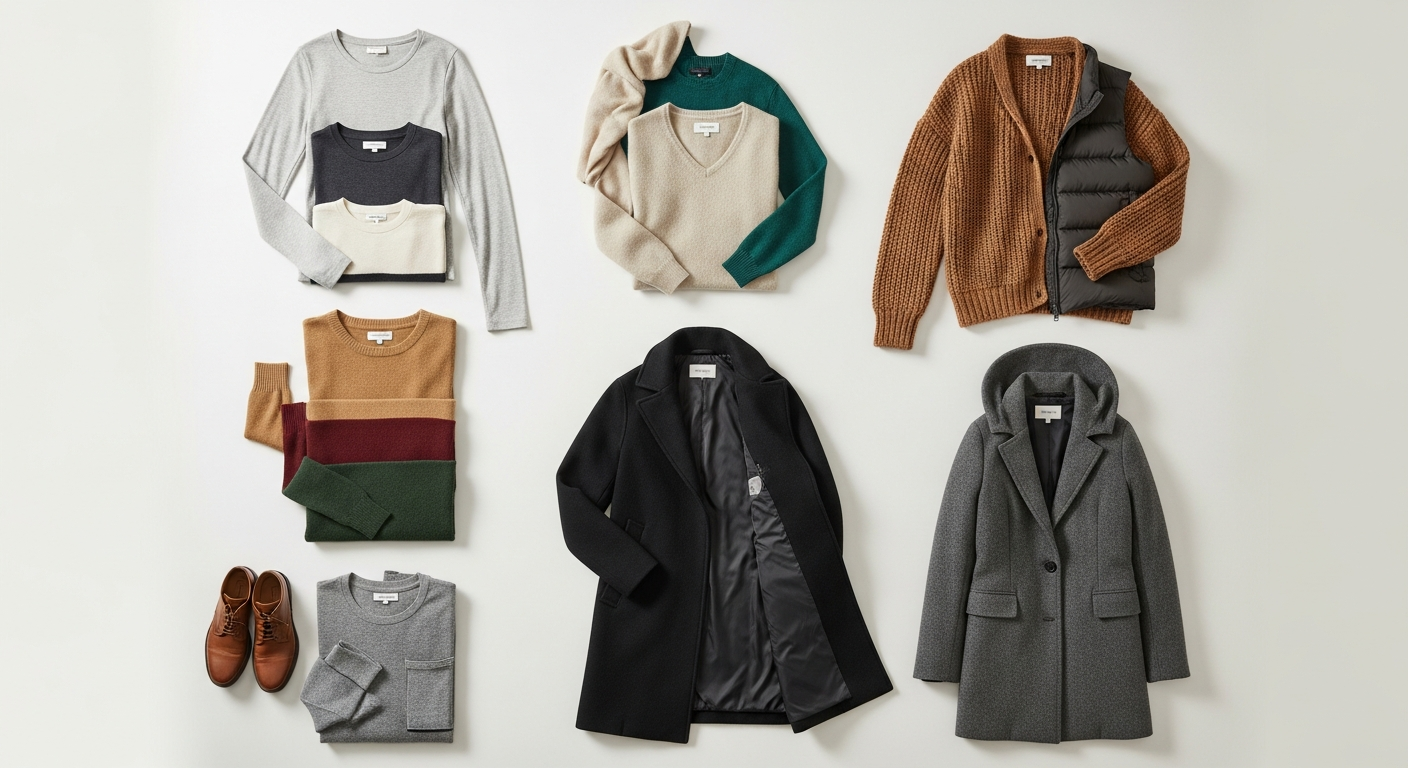
Layering isn’t just about staying warm; it’s an art form that allows for incredible personal expression and elevates your winter wardrobe to new heights of sophistication. In 2026, fashion continues to embrace comfort and practicality, but with an unwavering commitment to style. The key is to think strategically about proportions, textures, and colors to create outfits that are both cozy and catwalk-ready. Just as you might rearrange furniture or introduce new decor to shake up your home life and refresh your space, experimenting with layering techniques can breathe new life into your existing garments.
Mastering Proportions: The Art of Balance
One of the biggest concerns with layering is looking bulky. The trick is to play with proportions.
- Fitted Base, Looser Mid, Structured Outer: This is a classic and flattering approach. Start with a slim-fitting base layer, add a slightly looser sweater or cardigan, and finish with a well-tailored, structured coat. The tailored outer layer helps to streamline the overall silhouette.
- Long Over Short: Pair a longline cardigan or tunic over a shorter base layer, or a long coat over a shorter jacket. This creates interesting visual lines and adds dimension.
- Belt It: As mentioned, belting a chunky sweater, an oversized cardigan, or even your outer coat is a fantastic way to define your waist and prevent a shapeless look. Choose a belt that contrasts in texture or color for extra impact.
Think about how different lengths and volumes interact, ensuring that each layer contributes to a harmonious whole rather than overwhelming your frame. This strategic approach to visual balance is much like how you might arrange elements in a room to create a sense of spaciousness and flow, an easy way to shake up your home life without major renovations.
Playing with Color Palettes: From Monochromatic to Bold
Color is a powerful tool in layering.
- Monochromatic Magic: Dressing in varying shades of the same color (e.g., different tones of beige, grey, or navy) creates a sleek, sophisticated, and elongated look. This is a particularly effective way to make layered outfits appear cohesive and expensive.
- Complementary Colors: Introduce a pop of color with a mid-layer or an accessory (like a scarf or hat) against a neutral base. For example, a rich forest green sweater under a camel coat, or a burgundy beanie with a charcoal outfit.
- Neutrals with a Twist: Don’t underestimate the power of classic neutrals like black, white, grey, navy, and camel. They are the perfect canvas for layering and can be mixed and matched endlessly. For 2026, consider adding rich earthy tones like deep browns, olive greens, and rust to your neutral palette for a sophisticated warmth.
Consider the colors of your base, mid, and outer layers, and how they peek out to create visual interest. A flash of a brighter color beneath a more subdued outer layer adds an element of surprise and depth.
Mixing Textures and Patterns: Adding Depth and Interest
This is where layering truly becomes an art. Combining different textures adds visual richness and makes an outfit feel more luxurious and considered.
- Smooth with Chunky: A silky camisole under a cable-knit sweater, or a leather skirt with a wool cardigan.
- Soft with Structured: A cashmere scarf paired with a crisp wool coat, or a delicate lace top under a tweed blazer.
- Subtle Patterns: If you’re incorporating patterns, start with one statement pattern (e.g., a plaid scarf or a subtle argyle sweater) and keep the rest of your layers relatively plain to avoid visual clutter.
The interplay of textures makes an outfit feel more dynamic and inviting, much like combining different fabrics and finishes in your home decor creates a cozy and layered aesthetic.
Layering for Specific Items: Skirts, Dresses, and Wide-Leg Pants
Don’t let winter limit your wardrobe choices!
- Dresses & Skirts: Wear thermal tights or fleece-lined leggings underneath. Layer a thin turtleneck or long-sleeve tee beneath a slip dress or a sleeveless tunic. Add a chunky knit cardigan, a tailored blazer, or a cropped sweater over your dress for extra warmth and style. For 2026, knit dresses layered over slim turtlenecks are particularly chic.
- Wide-Leg Pants: These are ideal for layering as you can comfortably wear thermal leggings underneath without adding bulk. Pair them with a fitted base, a tucked-in sweater, and a long coat for a sophisticated, modern look.
Remember, layering is about creativity and comfort. Don’t be afraid to try unexpected combinations. Just like finding 4 easy ways to shake up your home life can revitalize your living space, experimenting with how you layer your existing wardrobe can lead to exciting new outfit possibilities, making your winter style both warm and wonderfully fresh.
Practical Prowess: Layering for Comfort, Adaptability, and Effortless Entertaining
Beyond the aesthetic appeal, the true genius of layering lies in its inherent practicality. It’s about empowering you with the ability to adapt to fluctuating temperatures, both indoors and out, and to maintain a state of comfortable elegance no matter the activity. For those of us who love to entertain, this adaptability is paramount – you want to look effortlessly stylish while greeting guests at the door, bustling in the kitchen, or relaxing by the fire, all without feeling too hot or too cold.
Temperature Regulation: The Power of On-Demand Warmth
The beauty of the three-layer system is its flexibility. As you move from the crisp outdoor air to a warm indoor environment, or as the day progresses and temperatures shift, you can easily add or remove layers to maintain your ideal comfort level.
- The Commute: For those who commute, especially by public transport or car, dressing in easily removable layers is a game-changer. A stylish outer coat can be shed upon arrival, revealing a chic mid-layer that’s perfect for the office or an indoor event.
- Active Days: If your day involves varying levels of activity, moisture-wicking base layers are non-negotiable. They’ll keep you dry and comfortable whether you’re briskly walking or running errands, preventing the dreaded chill once you slow down.
- Unexpected Weather: Winter weather can be notoriously unpredictable. Having layers means you’re prepared for anything from a sudden drop in temperature to an unexpected burst of sunshine. Your wardrobe becomes as responsive as you are.
This intelligent approach to dressing ensures you’re never caught off guard, always feeling in control of your comfort.
Layering for Indoor Entertaining: Grace Under Pressure
Hosting friends and family is one of winter’s greatest joys. But between preparing food, greeting guests, and circulating, your body temperature can fluctuate dramatically. Smart layering ensures you look poised and feel comfortable throughout your gathering.
- The Elegant Base: Start with a beautiful, comfortable base layer – perhaps a fine-gauge merino turtleneck, a silk camisole, or a soft long-sleeve tee. This should be chic enough to stand alone if you get warm enough to shed a mid-layer.
- The Versatile Mid-Layer: A cashmere cardigan, a stylish knit vest, or a lightweight blazer makes an excellent mid-layer for entertaining. It provides warmth but can be easily removed if the room heats up, or if you’re active in the kitchen. Opt for materials that don’t wrinkle easily and maintain their shape.
- Thoughtful Accessories: A beautiful silk scarf or a delicate piece of jewelry can add a finishing touch without adding bulk. Keep footwear comfortable and stylish – perhaps elegant flats or low-heeled boots.
The goal is to be able to seamlessly transition from active hosting to relaxed conversation without needing a wardrobe change. You want to feel as comfortable and inviting as the home you’ve so lovingly prepared for your guests.
Maximizing Comfort While Maintaining Style
Comfort doesn’t have to mean sacrificing style. In fact, true style often stems from confidence, which is deeply rooted in feeling good.
- Choose Soft Fabrics: Prioritize fabrics that feel good against your skin and allow for movement. Scratchy wool or restrictive synthetic blends will quickly detract from your comfort.
- Consider Stretch: Garments with a little stretch will move with you, preventing that “stuffed in” feeling that can come with multiple layers.
- Avoid Over-Layering: While layering is key, too many layers can restrict movement and make you feel cumbersome. Aim for three to four quality layers rather than five or six thin ones. Focus on the insulating properties of each piece.
By understanding the practical benefits of layering, you unlock a winter season of unparalleled comfort and adaptability. Whether you’re navigating the bustling city, enjoying a quiet walk in nature, or creating cherished memories while entertaining at home, your layered wardrobe will ensure you’re perfectly poised for every moment of 2026, feeling warm, confident, and utterly chic.
Curating Your Winter Wardrobe: Essential Pieces for 2026 and Beyond
Building a successful winter wardrobe, much like designing a truly functional and beautiful home, requires thoughtful curation. It’s about investing in versatile, high-quality pieces that work harmoniously together, offering both enduring style and exceptional warmth. For 2026, the emphasis remains on timeless pieces that can be mixed, matched, and layered to create countless outfits, ensuring you stay warm and fashionable without needing a new wardrobe every season. This approach prioritizes sustainability and smart investment, much like focusing on long-lasting fixtures and classic design elements when considering how to give your home a facelift for enduring appeal.
The Foundational Staples: Building Blocks of Warmth
- High-Quality Base Layers: Invest in at least 2-3 sets of merino wool or silk base layers (long-sleeve tops and leggings). These are the unsung heroes of warmth and will be worn almost daily. Look for neutral colors like black, charcoal, or cream.
- Versatile Turtlenecks & Crewnecks: A collection of fine-gauge merino wool, cashmere, or soft cotton turtlenecks and crewneck sweaters in various neutral shades (black, white, camel, grey, navy) are essential. They serve as excellent mid-layers and can be dressed up or down.
- Chunky Knit Cardigans & Pullovers: A couple of substantial wool or cashmere chunky knit cardigans or pullovers will add significant warmth and textural interest. These are perfect for layering over thinner tops or under coats. Consider a classic cable knit or a relaxed oversized style.
The Essential Outerwear: Your Protective Style Statements
- A Classic Wool Coat: A well-tailored, mid-to-long length wool coat in a timeless color (camel, black, charcoal, navy) is a non-negotiable. It instantly elevates any outfit, from casual jeans to an evening dress, and offers excellent warmth. This is an investment piece that will last for years.
- A Stylish Puffer Jacket: For colder, more casual days or when you need maximum warmth, a quality puffer jacket (down or synthetic fill) is a must. Modern puffers come in sleek designs, often with thoughtful details like cinched waists or interesting quilting, making them fashion-forward.
- A Water-Resistant Shell: For unpredictable weather, a lightweight, water-resistant and windproof jacket or trench coat is invaluable. It can be layered over your other pieces for added protection without excessive bulk.
The Crucial Accessories: Completing Your Layered Look
- Statement Scarves: Have a mix of oversized blanket scarves for maximum warmth and impact, and a few elegant silk or cashmere scarves for a touch of sophistication. Experiment with different colors and patterns.
- Warm Hats: A versatile beanie (cashmere or fine
Recommended Resources
For more on winter layering tips, see How To Get Over A Breakup And Move Forward on Sometimes Daily.
Explore Best Face Moisturizer For Dry Skin 2026 for additional insights.