














The Ultimate Guide to Traditional Indian Curry Recipes 2026: Mastering Authenticity at Home
The culinary landscape of 2026 is defined by a profound return to roots. After years of experimental fusion and “quick-fix” meal kits, home cooks and food enthusiasts are reclaiming the slow, soul-warming processes of heritage cooking. Nowhere is this more evident than in the resurgence of traditional Indian curry recipes. In 2026, authenticity is the ultimate luxury. Whether you are a seasoned chef or a curious beginner, understanding the nuances of Indian spices, regional techniques, and ancestral ingredients is the key to transforming your kitchen into a sanctuary of flavor.
Traditional Indian cooking is more than just a list of ingredients; it is a philosophy of balance. It is the art of tempering heat with creaminess, acidity with earthiness, and texture with aroma. As we look toward the food trends of 2026, the focus has shifted toward gut-healthy spices, sustainable sourcing, and the “low and slow” method that allows complex flavors to marry perfectly. This guide will walk you through the essential pillars of traditional Indian curries, providing you with the knowledge to create restaurant-quality dishes in your own home.
1. The Foundations of Flavor: Mastering the Masala Base
Every great traditional Indian curry begins with the “Masala”—a complex blend of spices and aromatics that forms the DNA of the dish. In 2026, the trend has moved away from pre-packaged curry powders toward hand-ground spices and fresh pastes. To master traditional Indian curry recipes 2026, you must first master the “Holy Trinity” of Indian aromatics: onions, ginger, and garlic.
The secret to a rich, velvety gravy lies in the *Bhuna* technique. This involves sautéing onions until they are not just translucent, but a deep, jammy golden brown. This process, which can take 15 to 20 minutes, caramelizes the natural sugars in the onion, providing a base that is naturally sweet and savory. Once the onions are ready, the addition of fresh ginger-garlic paste and “blooming” spices in hot oil (tempering) unlocks the fat-soluble compounds that give curries their signature depth.
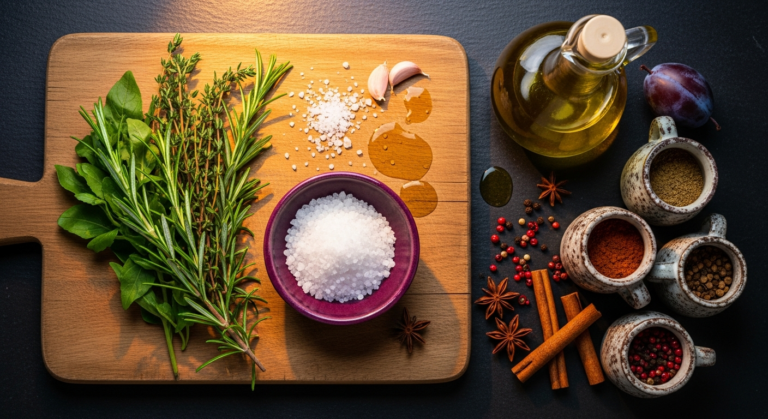
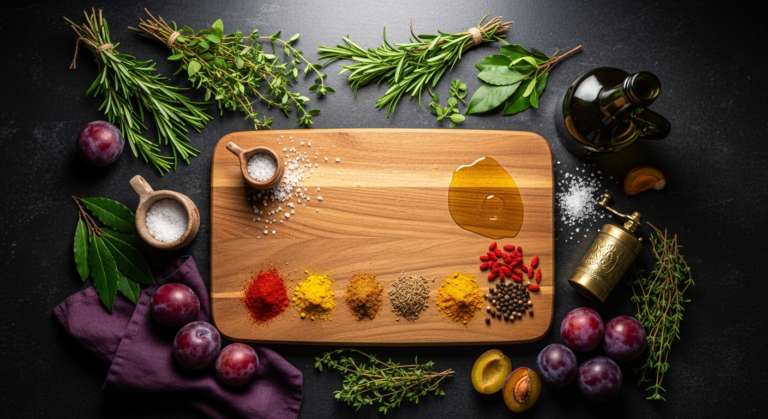
In 2026, home cooks are also rediscovering the importance of whole spices—cinnamon sticks, star anise, green cardamom, and cloves. By toasting these in oil at the start of the cooking process, you infuse the entire dish with a subtle, layered aroma that pre-ground powders simply cannot replicate.
2. Northern Delights: Rich Gravies and Tandoori Roots
Northern Indian cuisine is perhaps the most globally recognized, famous for its luxurious, cream-based gravies and the use of the tandoor (clay oven). When exploring traditional Indian curry recipes 2026, the North offers a masterclass in texture.
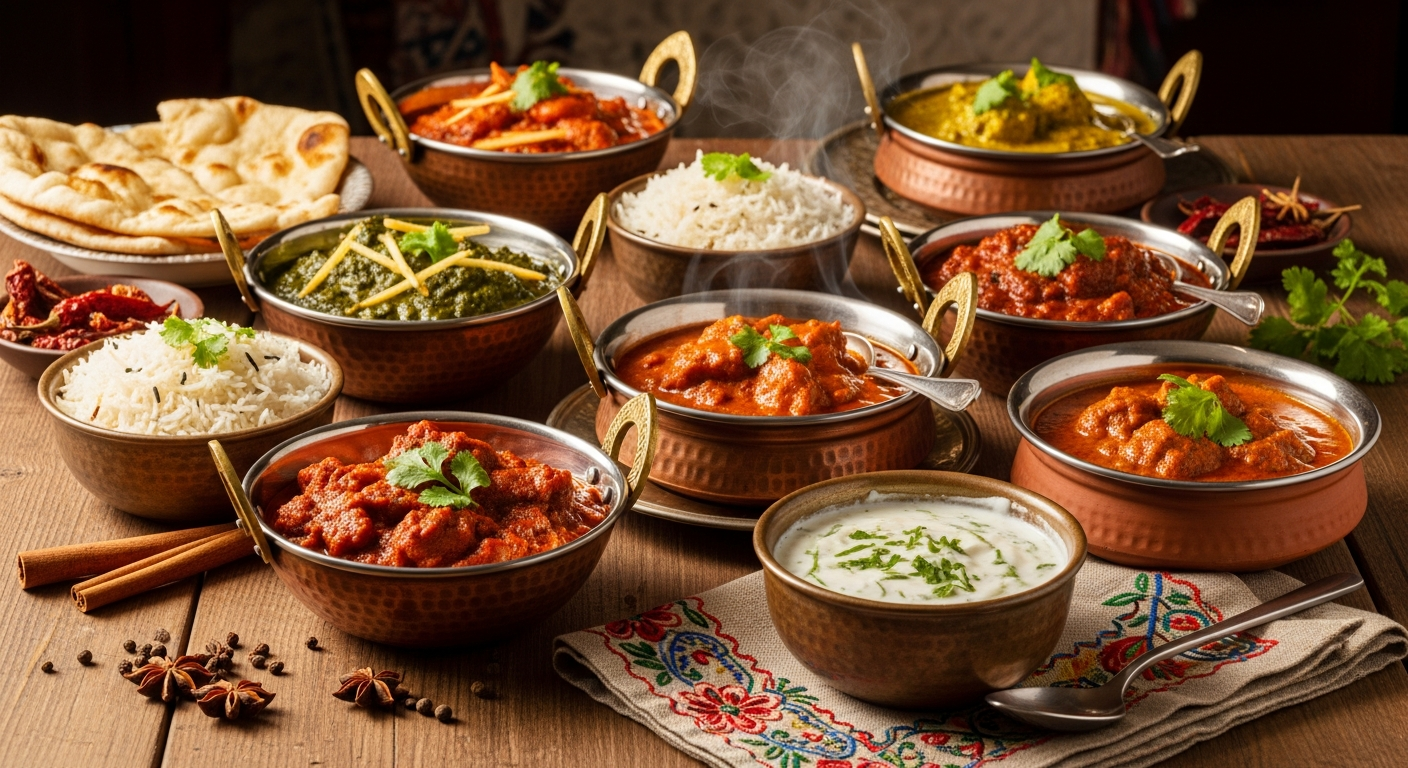
Take, for instance, the legendary **Murgh Makhani (Butter Chicken)**. In 2026, the most sought-after versions of this dish eschew excessive food coloring and sugar, opting instead for the natural vibrance of Kashmiri chilies and the tang of fresh tomato reduction. The tradition involves marinating chicken in a mixture of hung curd (strained yogurt) and mustard oil, which tenderizes the meat before it meets the silky tomato and cashew-based gravy.
Another staple is **Rogan Josh**, a signature lamb curry from Kashmir. Unlike many other curries, traditional Rogan Josh does not use onions or garlic as a base. Instead, it relies on the unique flavor of *Asafoetida* (Hing) and a vibrant red hue derived from the roots of the Alkanet plant (or Kashmiri chilies). The use of yogurt as a thickening agent creates a light yet deeply flavorful sauce that highlights the quality of the meat. These recipes remind us that “richness” in Indian cooking comes from technique, not just heavy cream.
3. The Southern Spice Trail: Coastal Curries and Coconut Bases
As we travel south, the flavor profile shifts from the earthy and creamy to the bright, spicy, and coastal. Southern traditional Indian curry recipes 2026 are heavily influenced by the geography of the region—think long coastlines, tropical climates, and an abundance of coconuts and tamarind.
The **Kerala Fish Curry (Meen Moilee)** is a prime example of Southern elegance. In this dish, the sharpness of green chilies is balanced by the richness of fresh coconut milk. The use of *Kodampuli* (Malabar tamarind) provides a unique, smoky sourness that is characteristic of the region.
In Tamil Nadu and Andhra Pradesh, the heat levels rise. The **Chettinad Chicken Curry** is a favorite among food enthusiasts in 2026 for its bold use of “Chettinad Masala”—a roasted blend of peppercorns, kalpasi (stone flower), and poppy seeds. Southern curries often use a “tadka” or tempering at the very end of the cooking process. Sizzling mustard seeds, curry leaves, and dried red chilies are poured over the finished dish, creating a fresh burst of aroma just before serving.
4. Plant-Based Power: Traditional Vegetarian Curries for a Modern Era
India has the world’s oldest and most sophisticated vegetarian tradition. In 2026, as more people embrace plant-based diets for health and environmental reasons, traditional Indian vegetarian recipes have become the gold standard for flavorful, meat-free dining.
**Dal Makhani** remains a pinnacle of North Indian vegetarian cooking. This dish, made from whole black lentils and kidney beans, is traditionally simmered for 12 to 24 hours. The long cooking time breaks down the lentils into a buttery consistency without the need for excessive dairy. In 2026, the “dhungar” method—infusing the dal with smoky charcoal flavor—is a popular technique for home cooks looking to replicate the authentic dhaba (roadside eatery) taste.
Another essential is **Chana Masala** (Spiced Chickpeas). The secret to a traditional version is the use of dried pomegranate seeds (anardana) or dried mango powder (amchur) to provide a sour, tangy kick that cuts through the starchiness of the chickpeas. These dishes prove that traditional Indian curry recipes 2026 are inherently inclusive, offering high-protein, nutrient-dense options that satisfy any palate.
5. Essential Techniques for the 2026 Home Cook
While the recipes are ancient, the tools available to the home cook in 2026 have evolved. To achieve traditional results in a modern kitchen, one must blend old-world patience with new-world precision.
* **The Power of the Pressure Cooker:** Whether it’s a traditional stovetop whistle cooker or a modern multi-cooker, pressure cooking is essential for tenderizing tough cuts of meat and pulses quickly. In 2026, the trend is toward using these tools for the initial softening, followed by an open-pot simmer to thicken the gravy.
* **The Mortar and Pestle:** While high-speed blenders are convenient, the 2026 enthusiast knows that a stone mortar and pestle (Sil-Batta or Khal-batta) yields a superior texture. Crushing spices and aromatics releases oils differently than chopping them with blades, resulting in a more fragrant curry.
* **Slow Cooking and Clay Pots:** There is a massive movement in 2026 toward using unglazed clay pots (*Handis*). Cooking in clay provides a natural alkalinity that balances the acidity of tomatoes and spices, while the porous nature of the pot allows for even heat distribution and moisture retention.
* **Resting the Curry:** Perhaps the most overlooked technique is the “rest.” A traditional curry always tastes better a few hours after it is made, or even the next day. This allows the spices to permeate the protein or vegetables fully.
6. Sourcing and Sustainability: The 2026 Ingredient Philosophy
In 2026, the quality of your curry is directly linked to the ethics of your ingredients. Food enthusiasts are increasingly looking for “single-origin” spices. Just as we care about the origin of our coffee beans, we now care about whether our turmeric comes from Lakadong or our cinnamon from Sri Lanka.
High-curcumin turmeric, hand-harvested saffron from Kashmir, and organic cold-pressed oils (like peanut, mustard, or coconut) are the hallmarks of a 2026 kitchen. Furthermore, the revival of ancient grains has changed how we accompany our curries. Instead of just white basmati rice, traditional Indian curry recipes 2026 are often served with heirloom millets (like Ragi or Bajra) or red rice varieties. This shift not only adds a nutty dimension to the meal but also aligns with the global move toward biodiversity and sustainable farming practices.
***
FAQ: Traditional Indian Curry Recipes 2026
**Q1: Why does my homemade curry taste “flat” compared to restaurant versions?**
A: Most often, this is due to under-cooking the onions or not blooming the spices. Ensure your onions are deep brown (not burnt) and that you toast your whole spices in oil until they sizzle and become fragrant before adding other ingredients. Also, don’t forget the salt—it’s the vehicle that carries all the other flavors!
**Q2: Can I make traditional curries healthy without losing the flavor?**
A: Absolutely. In 2026, health is a priority. You can replace heavy cream with cashew paste or pureed poppy seeds for richness. Use heart-healthy fats like ghee (in moderation) or cold-pressed oils, and focus on the medicinal properties of ginger, garlic, and turmeric.
**Q3: What is the difference between a “Curry” and a “Masala” dish?**
A: Generally, a “curry” refers to a dish with a significant amount of liquid or gravy, intended to be eaten with rice. A “masala” dish (like Bhuna Gosht or Paneer Tikka Masala) tends to be “semi-dry,” where the thick sauce clings to the main ingredient, making it perfect for scooping up with flatbreads like Naan or Paratha.
**Q4: How do I control the heat level without sacrificing the spice profile?**
A: Heat and flavor are different. To reduce heat, remove the seeds from fresh chilies or use Kashmiri red chili powder, which provides a deep red color with very mild heat. If a dish is already too spicy, a dollop of yogurt or a squeeze of lime can help neutralize the burn.
**Q5: Is it necessary to use a different spice blend for every recipe?**
A: While a universal “garam masala” exists, traditional cooking relies on specific blends for specific regions. A fish curry requires different spices (like mustard and fenugreek) compared to a meat curry (which leans on cardamom and cloves). In 2026, the trend is to customize your spice mix for each dish to respect its regional identity.
***
Conclusion: The Timeless Appeal of the Indian Kitchen
As we navigate the culinary trends of 2026, it is clear that traditional Indian curry recipes remain a cornerstone of global gastronomy. They offer a sensory experience that few other cuisines can match—a symphony of colors, aromas, and tastes that speak of history and heritage. By mastering the fundamental techniques, respecting the ingredients, and embracing the slow-cooking methods of the past, you can bring the authentic taste of India into your modern home.
The journey of learning Indian cookery is a lifelong one. Every region, every household, and every “Grandma’s secret recipe” offers a new perspective on flavor. As you experiment with these traditional recipes in 2026, remember that the most important ingredient is patience. Allow your spices to bloom, your onions to caramelize, and your gravies to simmer. The reward is a meal that does more than just fill the stomach—it nourishes the soul. Happy cooking!
For more on café experiences and how great cuisine pairs with artisan coffee culture, see cafeserre.com.