





























The Essence of Sustainable Home Decor: Crafting a Conscious Abode for 2026
At its heart, sustainable home decor is a thoughtful approach to furnishing and styling your living space that prioritizes environmental and social responsibility. It moves beyond fleeting trends, advocating for choices that minimize harm to the planet, support ethical labor practices, and contribute to the longevity and health of your home environment. For 2026, this means looking beyond mere aesthetics to the entire lifecycle of a product—from its raw materials and manufacturing processes to its transportation, durability, and eventual disposal. It’s a holistic perspective that acknowledges the interconnectedness of our choices, our homes, and the wider world.
What truly defines sustainability in home decor? It encompasses several key principles:
- Resource Efficiency: Opting for materials that are renewable, recycled, or salvaged, thereby reducing the demand for virgin resources and minimizing waste. This includes everything from reclaimed wood furniture to decor made from recycled glass or plastic.
- Non-Toxic Materials: Prioritizing products free from harmful chemicals, volatile organic compounds (VOCs), and synthetic fragrances that can compromise indoor air quality and human health. Think natural paints, organic textiles, and furniture finished with non-toxic sealants.
- Ethical Production: Supporting brands and artisans who uphold fair labor practices, ensure safe working conditions, and offer transparent supply chains. This often means choosing handmade items, goods from certified fair trade organizations, or products from local makers.
- Durability and Longevity: Investing in high-quality, well-made pieces designed to last for years, reducing the need for frequent replacements and minimizing landfill waste. The adage “buy once, buy well” truly applies here.
- Circularity: Embracing items that can be repaired, repurposed, or recycled at the end of their life, contributing to a circular economy rather than a linear “take-make-dispose” model. This is where the magic of upcycling and thrifting truly shines.
- Local Sourcing: Whenever possible, choosing products made locally helps reduce transportation emissions and supports regional economies and craftsmanship.
By integrating these principles, you’re not just decorating; you’re making a statement about your values. You’re creating a home that reflects a deeper commitment to wellness, both for yourself and for the world around you. This conscious approach not only cultivates a healthier living environment but also imbues your space with a unique character and a story of thoughtful consideration, elevating your home beyond mere shelter to a true sanctuary of sustainable living.
Embracing Eco-Conscious Materials: A Foundation for Green Living

The journey towards a sustainable home begins with the materials we invite into our spaces. Choosing eco-conscious materials is paramount, as they form the very fabric of our environment, influencing everything from indoor air quality to the ecological footprint of our dwellings. For 2026, the market offers an ever-expanding array of innovative and beautiful sustainable options that do not compromise on style or durability.
Natural and Renewable Fibers: The Soft Touch of Sustainability
When it comes to textiles and soft furnishings, opting for natural and renewable fibers is a game-changer. These materials are derived from plants or animals, are biodegradable, and often require less water and fewer pesticides to produce than synthetic alternatives. Consider:
- Organic Cotton: Grown without synthetic pesticides or fertilizers, organic cotton is soft, breathable, and hypoallergenic, perfect for bedding, throws, and upholstery. Look for GOTS (Global Organic Textile Standard) certification.
- Linen: Made from the flax plant, linen is incredibly durable, naturally temperature-regulating, and becomes softer with age. It requires minimal water and pesticides to grow, making it an excellent sustainable choice for drapery, towels, and tablecloths.
- Hemp: A highly versatile and resilient fiber, hemp grows quickly with little water and no pesticides. It’s stronger than cotton, anti-microbial, and ages beautifully, ideal for rugs, upholstery, and even some decorative accessories.
- Jute & Sisal: These robust plant fibers are excellent for rugs, baskets, and natural-textured decor. They are renewable, biodegradable, and add an earthy, organic feel to any room.
- Bamboo: While bamboo itself is a rapidly renewable resource, ensure that bamboo fabric (rayon) is processed using environmentally responsible methods (e.g., closed-loop systems). Bamboo in its solid form, for flooring, furniture, or cutting boards, is an excellent durable and sustainable choice.
- Cork: Harvested from the bark of cork oak trees without harming the tree, cork is renewable, biodegradable, sound-insulating, and naturally water-resistant. Use it for flooring, wall coverings, or unique decorative accents.
- Wool: A natural, renewable, and biodegradable fiber from sheep, wool is durable, flame-resistant, and excellent for insulation and warmth in rugs, blankets, and upholstery. Source ethically produced, cruelty-free wool.
Reclaimed, Recycled, and Upcycled Materials: Giving New Life
Beyond natural fibers, materials that have been given a second life are central to circular design and significantly reduce waste:
- Reclaimed Wood: Sourced from old barns, factories, or demolished buildings, reclaimed wood carries a rich history and unique character. Using it for furniture, flooring, or decorative beams prevents new trees from being cut down and adds a distinct patina that new wood simply cannot replicate.
- Recycled Glass: Transformed into beautiful vases, lighting fixtures, or even countertops, recycled glass reduces energy consumption and landfill waste.
- Recycled Metal: Industrial scraps and discarded items can be melted down and reformed into new furniture pieces, sculptures, or decorative objects, lessening the environmental impact of mining and production.
- Recycled Plastic: Innovative processes are turning post-consumer plastics into durable and stylish items like outdoor furniture, textiles, and even decorative tiles. While plastic is not biodegradable, recycling it significantly reduces its environmental burden.
Non-Toxic Finishes and Paints: Breathing Easy
The materials that coat our surfaces are just as important as the surfaces themselves. Opt for:
- Low-VOC and No-VOC Paints: Volatile Organic Compounds (VOCs) in conventional paints can off-gas harmful chemicals into your home for years. Low-VOC and no-VOC paints offer a healthier alternative, significantly improving indoor air quality.
- Natural Finishes: Choose waxes, oils, and water-based sealants for furniture and flooring instead of synthetic varnishes or polyurethane, which can contain harmful chemicals.
By thoughtfully selecting materials, you lay a robust foundation for a truly sustainable home, creating a space that feels good, looks good, and does good for the planet.
The Art of Circular Design: Upcycling, Repurposing, and Thrifting for Unique Style
Thrift Store Treasures: A Hunt for History and Value
One of the most exciting aspects of sustainable decor is the thrill of the hunt. Thrift stores, consignment shops, antique markets, and online marketplaces (like Facebook Marketplace or Craigslist) are veritable goldmines for unique pieces. Instead of buying new, consider:
- Furniture with Good Bones: A solid wood dresser, a sturdy armchair, or a vintage dining table might look dated, but with a little sanding, painting, or reupholstering, they can be transformed into stunning focal points. Look past superficial flaws to the underlying quality.
- Decorative Accents: Vintage vases, ornate mirrors, ceramic bowls, and old picture frames often possess a charm and craftsmanship rarely found in mass-produced items. These small treasures add layers of interest and personality.
- Unique Art: Discovering a framed print, an oil painting, or an interesting sculpture at a fraction of its original cost can be a wonderful way to add character and color to your walls.
- Lamps and Lighting: Vintage lamps often have beautiful bases that can be updated with a new shade, creating a bespoke lighting fixture that perfectly suits your style.
The key to successful thrifting is patience and vision. Imagine the potential, not just the current state.
Upcycling and Repurposing: Giving Items a New Lease on Life
Upcycling takes an old item and transforms it into something new and often more valuable, while repurposing gives an item a completely different function. These DIY approaches are fantastic for expressing creativity and ensuring items avoid the landfill.
- Furniture Flips: An old wooden ladder can become a rustic bookshelf or a towel rack in the bathroom. An antique trunk can serve as a coffee table with hidden storage. Old drawers can be mounted on a wall as unique shelves.
- Textile Transformations: Old blankets or curtains can be cut and sewn into decorative throw pillows. Scraps of fabric can be woven into unique wall hangings or placemats.
- Container Creativity: Mason jars can be painted and used as elegant candle holders or storage for kitchen utensils. Vintage teacups can become mini planters for succulents. Old wine bottles, with a little cleaning, can be striking vases.
- Art from the Unconventional: Salvaged metal pieces can be welded into sculptures. Old maps can be framed as wall art. Even interesting pieces of driftwood found on a beach can become striking decorative elements.
The beauty of upcycling and repurposing lies in its ability to create one-of-a-kind pieces that tell a story. Each item carries a history, and its new life adds another chapter, making your home truly unique.
Repair, Don’t Replace: The Longevity Ethos
Before considering replacement, always think about repair. A wobbly chair can often be fixed with wood glue. A torn cushion can be mended or reupholstered. A scratched table can be sanded and refinished. Embracing the “repair economy” extends the life of your possessions, reduces waste, and often saves money. Learning basic repair skills or finding local artisans who specialize in furniture restoration, upholstery, or ceramics can be incredibly empowering and contribute to a more sustainable lifestyle.
By consciously choosing to thrift, upcycle, repurpose, and repair, you not only reduce your environmental impact but also cultivate a home filled with character, originality, and a deep sense of mindfulness. These practices are at the forefront of sustainable home decor ideas for 2026, offering endless possibilities for personal expression and responsible living.
Sustainable Decor for Every Room: Practical Applications & Inspiration

Integrating sustainable practices into your home decor doesn’t mean sacrificing style; it means elevating it with thoughtful, intentional choices. Let’s explore how to infuse eco-consciousness into every corner of your home, creating spaces that are both beautiful and responsible.
The Living Room: A Hub of Sustainable Comfort
Your living room is often the heart of your home, a place for relaxation and connection. Make it a testament to sustainable living:
- Furniture: Invest in reclaimed wood coffee tables, side tables, or entertainment units. Opt for sofas and armchairs with frames made from FSC-certified wood and upholstered in organic cotton, linen, or hemp fabric. Look for pieces with removable, washable covers for longevity.
- Textiles: Adorn your sofa with organic cotton or linen throw pillows and blankets. Choose rugs made from natural fibers like jute, sisal, wool, or recycled plastic bottles (RPET) for durability and texture.
- Lighting: Select lamps with bases made from recycled glass, reclaimed wood, or ceramic. Use LED bulbs, which are energy-efficient and long-lasting.
- Decor: Display plants in terracotta or recycled glass planters. Curate a gallery wall with vintage prints, local art, or personal photos in reclaimed or FSC-certified wooden frames. Use vintage finds from thrift stores as decorative accents.
The Bedroom: A Serene Sustainable Retreat
The bedroom should be a sanctuary of calm and comfort. Prioritize natural, breathable materials for a healthier sleep environment:
- Bedding: This is a key area for sustainability. Choose organic cotton, linen, or hemp sheets, duvet covers, and pillowcases. These materials are free from harmful chemicals often found in conventional textiles and promote better air circulation for a cooler, more comfortable sleep.
- Mattress: Consider a mattress made from natural latex, organic cotton, or wool, free from flame retardants and synthetic foams.
- Furniture: A bed frame made from reclaimed wood or sustainably sourced timber adds warmth and character. Dressers and nightstands can be antique finds given a new lease on life with a fresh coat of non-toxic paint.
- Lighting: Soft, ambient lighting from lamps with natural shades (linen, paper) can enhance relaxation. Use smart plugs to reduce “phantom load” energy consumption.
- Decor: Keep clutter to a minimum to foster tranquility. Introduce calming elements like a diffuser with pure essential oils, a few carefully chosen plants, and a natural fiber rug beside the bed.
The Kitchen: Culinary Spaces with Conscience
The kitchen is a high-traffic area where sustainable choices can significantly reduce your environmental footprint:
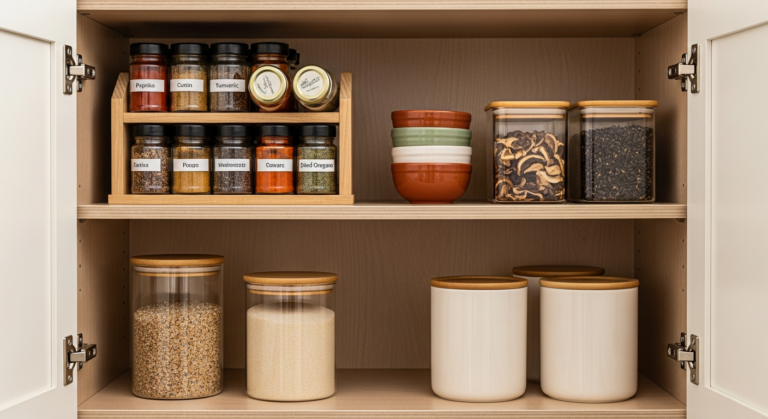
- Storage: Transition from plastic containers to glass jars, stainless steel containers, and beeswax wraps for food storage.
- Utensils & Cookware: Opt for bamboo or wooden utensils instead of plastic. Choose cast iron, stainless steel, or ceramic cookware over non-stick pans coated with PFAS.
- Linens: Use organic cotton dish towels and napkins instead of paper towels.
- Decor: Display fresh herbs in small terracotta pots on the windowsill. Use reclaimed wood for shelving or a cutting board. A fruit bowl made from recycled glass or a natural fiber basket adds a touch of organic elegance.
The Bathroom: An Eco-Friendly Refresh
Even small changes in the bathroom can make a big impact on sustainability:
- Textiles: Choose organic cotton towels and bath mats.
- Accessories: Opt for bamboo toothbrushes, refillable soap dispensers (reducing single-use plastic), and natural loofahs or sea sponges.
- Storage: Use woven baskets made from jute or seagrass for organizing toiletries. Reclaimed wood shelves can add warmth and practicality.
- Decor: Introduce a few humidity-loving plants like ferns or peace lilies. A mirror with a reclaimed wood frame or a vintage piece can elevate the space.
By thoughtfully applying sustainable decor principles to each room, you create a cohesive, beautiful, and environmentally responsible home. Each choice contributes to a larger narrative of mindful living, proving that an eco-conscious lifestyle is both attainable and exquisitely stylish for 2026.
Budget-Friendly Sustainability: Smart Home Decor Ideas for 2026
One common misconception about sustainable home decor is that it’s inherently expensive. While investing in high-quality, ethically produced pieces can have a higher upfront cost, many sustainable choices are incredibly budget-friendly, especially when you consider their longevity and positive environmental impact. For those seeking “Home Decor Ideas Budget 2026,” embracing sustainability often aligns perfectly with a savvy financial plan. It’s about smart choices, creativity, and a shift in perspective from constant consumption to thoughtful curation.
Embrace the Second-Hand Market: Your Wallet’s Best Friend
The most impactful and often most affordable way to decorate sustainably is to buy second-hand. This strategy prevents items from going to landfill and gives them a new life, all while saving you significant money.
- Thrift Stores & Consignment Shops: As mentioned, these are treasure troves. Look for solid wood furniture that might need a fresh coat of paint or new hardware, vintage lamps that can be rewired, and unique decorative items. Prices are often a fraction of new retail.
- Online Marketplaces: Websites like Facebook Marketplace, Craigslist, Nextdoor, and local buy-and-sell groups are excellent for finding free or low-cost furniture and decor. People often give away items they no longer need, especially if you can pick them up quickly.
- Estate Sales & Garage Sales: These can yield high-quality items at bargain prices, especially towards the end of the sale when sellers are eager to clear everything out.
- Community Swaps & Gifting: Organize a decor swap with friends or neighbors, or participate in “Buy Nothing” groups where people give away items for free within their local community.
When shopping second-hand, prioritize items that are well-made and durable, even if they need a little TLC. A solid piece of furniture that costs $50 and needs $20 in paint will last far longer than a $200 particleboard item bought new.
DIY and Upcycling: Creativity on a Dime
Your own two hands and a bit of imagination can turn inexpensive materials into unique, sustainable decor.
- Paint Power: A fresh coat of low-VOC paint can transform an old piece of furniture, a dated picture frame, or even an entire room. Paint is relatively inexpensive and offers a huge impact.
- Fabric Scraps & Old Textiles: Repurpose old sheets, curtains, or clothing into throw pillow covers, placemats, or decorative banners. Learning basic sewing skills can unlock a world of possibilities.
- Nature’s Bounty: Collect interesting branches, stones, or pinecones from your local environment (responsibly, of course!) and use them as natural decor. A beautifully shaped branch can become a striking wall hanging, or polished stones can fill a vase.
- Simple Crafts: Learn to macrame a small plant hanger using natural twine, create pressed flower art, or make your own candles using natural soy wax and essential oils.
Invest Wisely: Quality Over Quantity
While second-hand and DIY are excellent for saving money, there will be times when you need to buy new. In these instances, a budget-conscious sustainable approach means investing in quality over quantity.
- Prioritize Key Pieces: For items you use daily, like a sofa, bed, or dining table, invest in the best quality you can afford, choosing pieces made from durable, sustainable materials. These items will last longer, reducing the need for frequent replacements, which ultimately saves money and resources.
- Consider Longevity: A well-made item might cost more upfront, but if it lasts 15-20 years instead of 3-5 years, its cost per year is significantly lower.
- Modular & Versatile Furniture: Choose pieces that can adapt to changing needs or spaces, such as modular shelving units or multi-functional ottomans.
By adopting these strategies, you can achieve a beautifully decorated, sustainable home without breaking the bank. Budget-friendly sustainable decor for 2026 isn’t about deprivation; it’s about smart choices, resourcefulness, and a commitment to a home that truly reflects your values and ingenuity.
Cultivating Well-being: Sustainable Decor and Self-Care at Home in 2026
Our homes are more than just shelters; they are extensions of ourselves, deeply influencing our mood, productivity, and overall well-being. Sustainable home decor, with its emphasis on natural elements, mindful consumption, and healthy environments, is intrinsically linked to self-care. Creating a home that nurtures your soul is one of the most profound “Self Care Ideas At Home 2026.” By consciously curating our spaces, we can foster serenity, reduce stress, and promote a sense of inner peace.
Biophilic Design: Bringing Nature Indoors
Biophilia, the innate human tendency to connect with nature, is a cornerstone of well-being. Integrating natural elements into your decor can dramatically enhance your home’s calming effect:
- Houseplants Galore: Beyond their aesthetic appeal, plants purify the air, reduce stress, and boost mood. Choose a variety of plants for different spaces – a large fiddle leaf fig for a living room corner, smaller succulents for shelves, and humidity-loving plants for the bathroom. Arrange them in sustainable planters made from terracotta, recycled glass, or natural fibers.
- Natural Materials: Surround yourself with wood, stone, wool, cotton, and linen. The textures and organic forms of these materials create a grounding, calming atmosphere that synthetic materials often lack.
- Natural Light: Maximize natural light by keeping windows unobstructed. Use sheer, organic cotton or linen curtains that filter light softly rather than blocking it entirely. Natural light regulates our circadian rhythms, improving sleep and mood.
- Water Features: Even a small tabletop fountain can add a soothing sound element, promoting relaxation and mimicking the tranquility of nature.
Creating Serene Spaces: Declutter, Simplify, Soothe
A cluttered home often leads to a cluttered mind. Sustainable decor encourages mindful consumption, which naturally leads to less clutter and more intentional spaces:
- Declutter Regularly: Adopt a minimalist approach by keeping only what you truly love and use. Fewer items mean less visual noise and easier cleaning, freeing up mental space.
- Calming Color Palettes: Opt for soft, natural colors inspired by nature – muted greens, blues, earthy tones, and warm whites. These hues promote relaxation and create a sense of spaciousness. Use low-VOC or no-VOC paints for a healthier environment.
- Mindful Organization: Utilize sustainable storage solutions like woven baskets, wooden crates, or recycled cardboard boxes to keep items tidy and out of sight, maintaining visual calm.
- Sensory Comfort:
- Touch: Incorporate soft, inviting textures like organic cotton throws, wool blankets, and plush natural fiber rugs.
- Scent: Use natural diffusers with pure essential oils (lavender for relaxation, citrus for upliftment) instead of synthetic air fresheners, which can contain harmful chemicals.
- Sound: Minimize artificial noise. Consider a white noise machine or soothing nature sounds to mask urban disturbances.
A Space for Reflection: Dedicated Self-Care Zones
Designate specific areas in your home for self-care rituals. This doesn’t require a large space; even a cozy corner can suffice:
- Meditation Nook: A comfortable cushion or natural fiber mat, a small table with a calming plant or candle, and soft, natural light can create an ideal spot for meditation or quiet contemplation.
- Reading Retreat: A comfortable armchair upholstered in organic fabric, a soft blanket, and good natural lighting can become your personal reading haven.
- Wellness Bathroom: Enhance your bathroom with natural bath products, soft organic towels, and perhaps a small wooden stool to hold a book or a cup of herbal tea during a relaxing soak.
By thoughtfully applying sustainable decor principles, you transform your home into more than just a place to live; it becomes a powerful tool for self-care, a mindful retreat that nourishes your body, mind, and spirit every day in 2026.
Making a Statement: Sustainable Wall Decor Ideas for Your Living Room in 2026
Your living room walls are a blank canvas, offering immense potential to express your personality and values. In 2026, making a statement with sustainable wall decor means choosing options that are visually impactful, environmentally responsible, and contribute to a healthier home. Gone are the days when eco-friendly meant compromising on style; today’s sustainable wall solutions are innovative, beautiful, and endlessly creative, allowing you to create a focal point that truly resonates.
Living Walls and Vertical Gardens: Biophilic Masterpieces
One of the most breathtaking and sustainable ways to make a statement is with a living wall. These vertical gardens not only add a stunning biophilic element but also improve air quality and provide a sense of calm. While a full-scale living wall can be an investment, simpler versions can be created with:
- Wall-Mounted Planters: Arrange a series of individual planters made from recycled plastic, terracotta, or wood in an interesting pattern. Fill them with easy-to-care-for plants like Pothos, ferns, or succulents.
- Hanging Planters: Create a cluster of macrame hanging planters from natural jute or cotton cords, featuring various plants at different heights.
A living wall instantly transforms a dull space into a vibrant, oxygen-rich focal point, bringing the restorative power of nature directly into your living room.
Reclaimed Wood Paneling or Accents: Rustic Elegance
For a warm, textural, and visually striking statement, consider using reclaimed wood on an accent wall. Whether it’s planks from an old barn, factory, or shipping pallet, reclaimed wood adds character, history, and a unique patina that cannot be replicated. You can opt for a full wall, a wainscoting effect, or even a geometric pattern. This not only diverts wood from landfills but also adds incredible depth and a sense of grounding to your living space.
Eco-Friendly Wallpaper and Murals: Artful & Accountable
Wallpaper has made a magnificent comeback, and now with sustainable options, it’s a guilt-free way to add pattern and drama:
- Recycled Content Wallpaper: Look for wallpapers made from recycled paper, post-consumer waste, or sustainable forest materials.
- Low-VOC Inks: Ensure the inks used are water-based and free from harmful VOCs.
- Removable Options: Some eco-friendly wallpapers are designed to be peel-and-stick, making them perfect for renters or those who like to change their decor frequently without damaging walls.
- Natural Fiber Wall Coverings: Materials like grasscloth or jute wall coverings offer beautiful texture and are made from renewable resources.
A large-scale mural, depicting a natural landscape or an abstract design, can also be created with low-VOC paints for a truly custom and sustainable statement.
Textile Art: Softness and Sustainability
Fabric art adds warmth, texture, and acoustic benefits to a living room. These pieces are often handmade and can be created from sustainable materials:
- Macrame and Woven Wall Hangings: Made from natural fibers like organic cotton, jute, or wool, these pieces offer intricate patterns and a bohemian or minimalist aesthetic. They can be dyed with natural plant-based dyes.
- Quilts and Tapestries: Vintage quilts or handmade tapestries from repurposed fabrics can serve as unique, colorful, and comforting wall art.
Gallery Walls with a Conscience: Curated Stories
A thoughtfully curated gallery wall can be a powerful statement, and it’s incredibly sustainable when approached with intention:
- Vintage Prints & Posters: Hunt for unique vintage prints, maps, or posters at flea markets or antique shops.
- Local Art: Support local artists whose work resonates with you. This often means less transportation footprint and direct support for creative communities.
- Reclaimed & Upcycled Frames: Frame your chosen pieces in old frames found at thrift stores, which can be painted or left in their original distressed state for character.
- Personal Photos: Print your cherished memories on recycled paper and frame them sustainably.
By choosing these sustainable wall decor ideas for your living room in 2026, you’re not just decorating; you’re creating a conversation piece, a reflection of your values, and a testament to the beauty of conscious design. Each choice contributes to a home that is both stunning and intrinsically good.
Frequently Asked Questions
Recommended Resources
For more on sustainable home decor, see How To Practice Mindful Parenting on Veralyn Media.
Check out Celebrity Eye Makeup Techniques on Celebrity Exchange for a deeper dive.