





























Fueling Your Body: Nutritional Strategies for Sustained Energy and Vitality
The food we eat is the very foundation of our energy. Think of your body as a high-performance vehicle; it needs the right kind of fuel to run efficiently and optimally. When we consistently choose processed foods, sugary snacks, and nutrient-poor options, it’s like putting low-grade fuel into a luxury car – you might get by, but you certainly won’t thrive. Embracing whole, nutrient-dense foods is one of the most powerful natural ways to boost energy and vitality.
Prioritize Whole, Unprocessed Foods
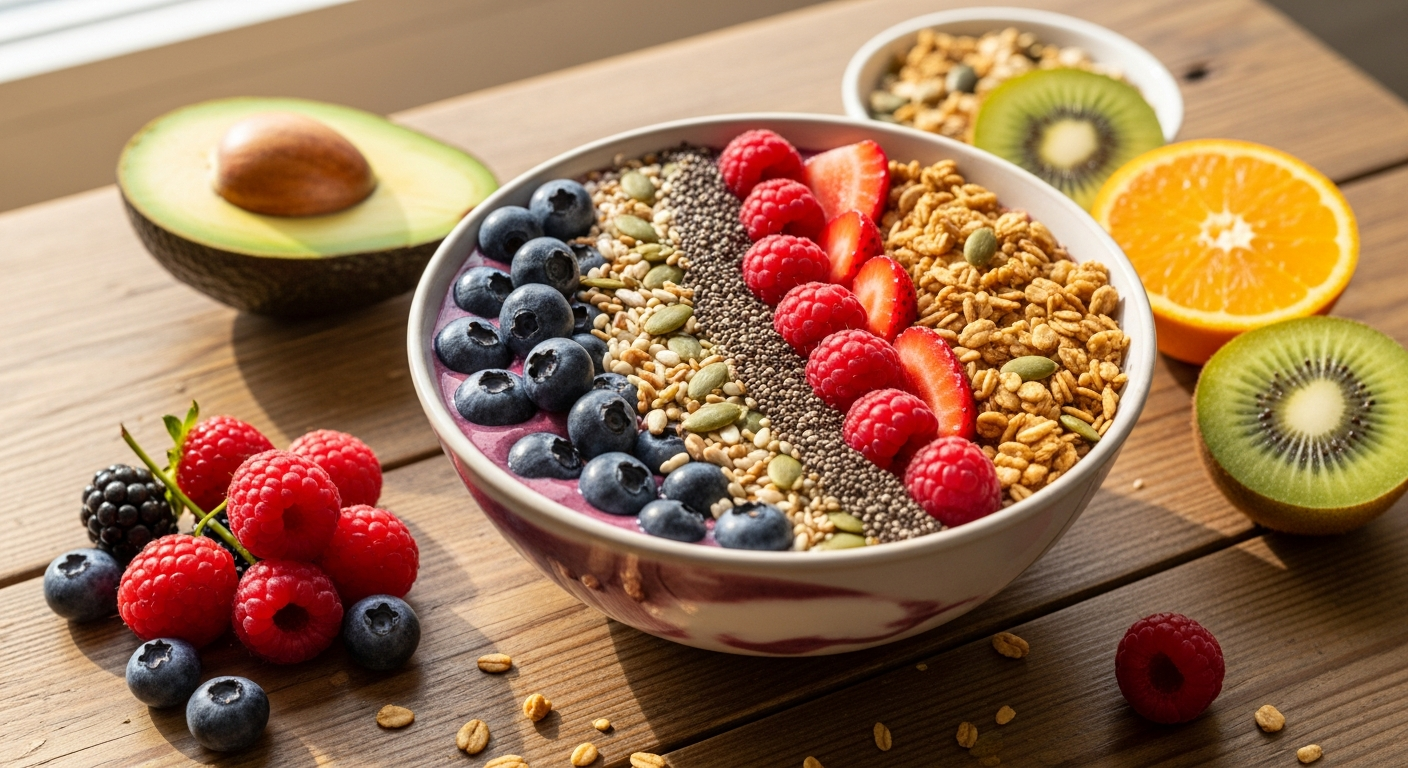
This might sound simple, but its impact is profound. Focus on a diet rich in fruits, vegetables, lean proteins, and healthy fats. These foods provide a steady release of energy, preventing the dreaded blood sugar spikes and crashes that leave you feeling exhausted and irritable. Imagine starting your day with a vibrant smoothie packed with spinach, berries, almond milk, and a scoop of plant-based protein, instead of a sugary cereal. The difference in sustained energy is remarkable.
- Colorful Fruits and Vegetables: These are brimming with vitamins, minerals, and antioxidants essential for cellular energy production. Aim for a rainbow of produce daily. Think leafy greens like kale and spinach, bright berries, oranges, bell peppers, and sweet potatoes.
- Lean Proteins: Chicken, fish, tofu, lentils, beans, and eggs provide amino acids crucial for repairing tissues and producing enzymes and hormones, all of which play a role in energy levels. Protein also helps stabilize blood sugar.
- Complex Carbohydrates: Unlike refined carbs that cause quick energy spikes, complex carbs like oats, quinoa, brown rice, and whole-grain bread offer a slow, steady release of glucose, providing sustained energy.
- Healthy Fats: Avocados, nuts, seeds, and olive oil are vital for hormone production and nutrient absorption, both of which are linked to energy. They also contribute to satiety, preventing energy-draining hunger pangs.
Hydration is Key to Boosting Energy Levels Naturally
Dehydration, even mild, can significantly impact your energy levels, mood, and cognitive function. Our bodies are made up of approximately 60% water, and every cellular process, including energy production, relies on it. Make water your drink of choice throughout the day. Keep a reusable water bottle handy, and aim for at least 8 glasses, more if you’re active or it’s warm. If plain water feels boring, infuse it with slices of cucumber, lemon, mint, or berries for a refreshing twist. Herbal teas, like peppermint or ginger, can also contribute to your daily fluid intake and offer their own unique benefits.
Balance Your Blood Sugar
One of the quickest routes to feeling drained is unstable blood sugar. Eating meals and snacks that combine protein, healthy fats, and complex carbohydrates helps to slow down glucose absorption, preventing those dramatic peaks and valleys. Avoid skipping meals, especially breakfast, as this can kickstart a cycle of blood sugar imbalance that’s hard to recover from throughout the day. Consider having smaller, more frequent meals to keep your energy levels consistent.
Consider Nutrient Deficiencies
Sometimes, persistent fatigue can signal a nutrient deficiency. Common culprits include:
- Iron: Essential for transporting oxygen throughout the body. Low iron can lead to anemia and extreme tiredness. Red meat, lentils, spinach, and fortified cereals are good sources.
- Vitamin B12: Crucial for nerve function and red blood cell formation. Found primarily in animal products, so vegetarians and vegans might need to supplement or consume fortified foods.
- Vitamin D: Plays a role in mood and energy. Sunlight exposure is the best source, but fatty fish, egg yolks, and fortified foods also contribute.
- Magnesium: Involved in over 300 biochemical reactions in the body, including energy production. Leafy greens, nuts, seeds, and dark chocolate are rich in magnesium.
If you suspect a deficiency, it’s always best to consult with your doctor or a registered dietitian. They can recommend tests and appropriate supplementation if needed, ensuring you’re addressing any underlying issues that impact your ability to boost energy levels naturally.
Move Your Way to More Energy: Embracing Mindful Movement for Increased Vitality
It might seem counterintuitive to exert energy when you feel tired, but regular physical activity is one of the most effective natural ways to boost energy and vitality. Movement doesn’t just burn calories; it improves circulation, delivers oxygen and nutrients to your cells, releases endorphins (natural mood boosters), and strengthens your cardiovascular system, all contributing to a sustained feeling of alertness and vigor.
Find Movement You Love
The key to consistency is enjoyment. Forget grueling workouts you dread. Instead, find activities that make you feel good, whether it’s dancing in your living room, gardening, swimming, hiking, or practicing yoga. When you genuinely enjoy your movement, it stops feeling like a chore and becomes a source of joy and energy.
- Walking: A simple, accessible, and powerful tool. Even a brisk 20-minute walk outdoors can significantly improve your mood and energy levels. Try incorporating a walk into your lunch break or as an evening unwind.
- Yoga & Pilates: These practices combine strength, flexibility, and mindfulness, helping to reduce stress and improve body awareness. The focus on breath work can be particularly revitalizing.
- Strength Training: Building muscle mass not only makes you stronger but also boosts your metabolism, meaning your body becomes more efficient at using energy. You don’t need a gym; bodyweight exercises like squats, lunges, and push-ups are incredibly effective.
- Dancing: A fantastic way to release pent-up energy, boost your mood, and get your heart rate up. Put on your favorite playlist and let loose!
Incorporate Movement Throughout Your Day
You don’t need to dedicate an hour every day to a formal workout to reap the benefits. Small bursts of activity throughout the day can add up. Take the stairs instead of the elevator, park further away, stand up and stretch every hour, or do a few squats while waiting for your tea to steep. These micro-movements help to break up prolonged sitting, which is detrimental to energy levels and overall health. For women over 30, integrating regular, varied movement is a cornerstone of healthy habits for women over 30, supporting everything from bone density to hormonal balance.
Listen to Your Body
While movement is crucial, pushing yourself too hard, especially when you’re already feeling depleted, can be counterproductive. On days when you feel genuinely exhausted, opt for gentle activities like restorative yoga, a leisurely walk, or stretching. The goal is to energize, not to deplete further. Learning to tune into your body’s signals is a vital part of sustainable vitality.
The Power of Rest: Reclaiming Your Sleep for Optimal Vitality and Natural Energy Boosters
In our always-on world, sleep often feels like a luxury we can’t afford. Yet, it’s during sleep that our bodies repair, restore, and rejuvenate themselves. Chronic sleep deprivation is a direct pathway to low energy, impaired cognitive function, and a weakened immune system. Prioritizing quality sleep is undeniably one of the most critical natural ways to boost energy and vitality.
Create a Sleep Sanctuary
Your bedroom should be a haven for rest. Make it dark, quiet, and cool. Blackout curtains can block out light, earplugs or a white noise machine can muffle sounds, and setting your thermostat between 60-67°F (15-19°C) is ideal for sleep. Invest in a comfortable mattress and pillows that support your body.
Establish a Consistent Sleep Schedule
Our bodies thrive on routine. Try to go to bed and wake up around the same time each day, even on weekends. This helps regulate your body’s natural sleep-wake cycle, known as your circadian rhythm. Consistency signals to your body when it’s time to wind down and when it’s time to be alert.
Develop a Relaxing Bedtime Routine
Signal to your body that it’s time to prepare for sleep with a calming ritual. This could include:
- Warm Bath or Shower: The drop in body temperature afterward can promote sleepiness.
- Reading a Book: Choose a physical book over a screen to avoid blue light exposure.
- Gentle Stretching or Yoga: Release tension from the day.
- Mindful Breathing or Meditation: Calming your mind is crucial for falling asleep.
- Herbal Tea: Chamomile or lavender tea can be soothing.
Aim to start your routine an hour before your desired bedtime. This dedicated wind-down time is a beautiful component of how to create a self-care routine that truly supports your well-being.
Minimize Sleep Disruptors
- Caffeine: Be mindful of your caffeine intake, especially in the afternoon and evening. Caffeine has a long half-life, meaning its effects can linger for many hours.
- Alcohol: While alcohol might initially make you feel sleepy, it disrupts sleep quality later in the night, leading to fragmented sleep and morning grogginess.
- Screens: The blue light emitted from phones, tablets, and computers can suppress melatonin production, the hormone that signals sleep. Try to put away all screens at least an hour before bed.
- Heavy Meals: Eating a large, heavy meal close to bedtime can make it harder for your body to focus on rest and repair, as it’s busy digesting.
Mind-Body Harmony: Stress Reduction as a Natural Energy Booster and Path to Revitalization
Chronic stress is an insidious energy drainer. When we’re under constant pressure, our bodies remain in a “fight or flight” state, releasing hormones like cortisol and adrenaline. While useful in short bursts, prolonged exposure to these hormones depletes our energy reserves, impairs sleep, and can lead to a host of health problems. Managing stress effectively is a cornerstone of any strategy to boost energy levels naturally and enhance overall vitality.
Practice Mindfulness and Meditation
Taking even a few minutes each day to sit quietly and focus on your breath can have profound effects. Mindfulness helps you stay present, reducing rumination about the past or worry about the future. Meditation practices, even short guided ones, can calm the nervous system, lower cortisol levels, and improve your ability to cope with daily stressors. Apps like Calm or Headspace offer accessible ways to start.
Connect with Nature
Spending time outdoors, often called “forest bathing” or “nature therapy,” has been scientifically proven to reduce stress, lower blood pressure, and improve mood. Whether it’s a walk in a local park, tending to your garden, or simply sitting by a window and observing the clouds, immersing yourself in nature is a powerful natural energy booster. The fresh air and natural light also help regulate your circadian rhythm, further supporting your energy.
Set Boundaries and Say No
Overcommitment is a common source of stress and exhaustion for women. Learning to respectfully decline requests that don’t align with your priorities or capacity is not selfish; it’s self-preservation. Setting clear boundaries around your time and energy protects your well-being and prevents burnout. This is an essential practice when cultivating how to create a self-care routine that truly honors your needs.
Engage in Hobbies and Creative Pursuits
Make time for activities that bring you joy and allow you to express yourself. Whether it’s painting, playing an instrument, writing, knitting, or cooking, creative outlets provide a much-needed mental break from daily pressures. They can be incredibly revitalizing, helping you tap into a different kind of energy – one that feels expansive and fulfilling.
Deep Breathing Exercises
Simple deep breathing techniques can quickly calm your nervous system. Try this: Inhale slowly through your nose for a count of four, hold your breath for a count of seven, and exhale completely through your mouth for a count of eight. Repeat this cycle a few times. This “4-7-8” breathing technique is a quick tool to naturally boost energy levels by reducing immediate stress.
Beyond the Basics: Herbal Helpers and Lifestyle Tweaks for Sustainable Vitality
While nutrition, movement, sleep, and stress management form the bedrock of vitality, there are additional natural ways to boost energy and vitality that can complement these core practices. Think of them as gentle nudges that help fine-tune your well-being.
Embrace Adaptogens for Resilience
Adaptogens are a unique class of herbs that help your body adapt to stress and maintain balance. They don’t provide a quick jolt like caffeine but rather work to support your adrenal glands and nervous system over time, leading to more sustained energy and resilience. Always consult with a healthcare professional before adding new supplements to your routine, especially if you have underlying health conditions or are taking medications.
- Ashwagandha: Known for its calming properties, Ashwagandha can help reduce stress and anxiety, leading to improved sleep and more balanced energy during the day.
- Rhodiola Rosea: Often used to combat fatigue, enhance mental performance, and improve physical stamina, particularly during stressful periods.
- Siberian Ginseng (Eleuthero): Supports physical endurance and helps the body cope with various stressors.
- Cordyceps: A medicinal mushroom that may enhance athletic performance and boost energy by improving oxygen utilization.
Mindful Caffeine Consumption
While we often reach for coffee for an energy boost, it’s crucial to consume it mindfully. Excessive caffeine can lead to jitters, anxiety, and disrupt sleep, ultimately undermining your energy. Consider switching to green tea, which contains L-theanine, an amino acid that provides a more sustained, calm alertness without the harsh crash. Green tea also offers antioxidants and a gentler way to boost energy levels naturally.
Optimize Your Environment
Your surroundings significantly impact your energy.
- Natural Light: Maximize exposure to natural light during the day, especially in the morning. It helps regulate your circadian rhythm and boosts mood. Position your workspace near a window if possible.
- Declutter: A cluttered environment can lead to a cluttered mind, creating subtle stress and draining energy. Take time to declutter your home, especially your workspace and bedroom. A tidy space fosters a clearer, more peaceful mind, which in turn frees up mental energy. This aligns beautifully with the home decor principles we often share at Rock Salt & Plum.
- Fresh Air: Open windows regularly to allow fresh air to circulate. Stale indoor air can feel heavy and contribute to sluggishness. Consider adding indoor plants, which can improve air quality and add a touch of revitalizing nature to your space.
Prioritize Joy and Connection
Beyond physical needs, emotional and social well-being are huge contributors to our vitality. Make time for activities that truly light you up and nourish your soul. Spend time with loved ones who uplift you, engage in meaningful conversations, or pursue passions that bring you a deep sense of satisfaction. Laughter, connection, and a sense of purpose are powerful, often overlooked, natural energy boosters. They remind us why we want to feel energized in the first place.
Building Sustainable Habits: Integrating Natural Energy Boosters into Your Life
The journey to enhanced energy and vitality isn’t about quick fixes; it’s about cultivating a lifestyle that consistently nourishes you. Integrating these natural ways to boost energy and vitality into your daily routine requires patience, consistency, and a compassionate approach to yourself. It’s about progress, not perfection.
Start Small and Be Consistent
Don’t try to overhaul everything at once. Choose one or two areas to focus on first. Maybe it’s committing to drinking an extra glass of water each day, or taking a 15-minute walk. Once that habit feels ingrained, add another. Small, consistent steps lead to lasting change. Remember, these are key components of healthy habits for women over 30, designed for longevity and resilience.
Practice Self-Compassion
There will be days when you slip up, when you miss a workout, or stay up too late. That’s perfectly normal. Instead of self-criticism, offer yourself kindness and gentle encouragement. Acknowledge the setback, learn from it, and gently guide yourself back on track. This compassionate approach is fundamental to how to create a self-care routine that is sustainable and truly supportive.
Listen to Your Body’s Wisdom
Your body is constantly sending you signals. Learn to tune in. Are you truly hungry, or just bored? Do you need a vigorous workout, or a restorative stretch? Are you genuinely tired, or just mentally fatigued? Honoring these signals will help you make choices that genuinely serve your energy levels, preventing burnout and promoting deep, lasting vitality.
Track Your Progress and Celebrate Wins
Keeping a journal can be incredibly insightful. Note down what you eat, how much you move, how well you sleep, and how you feel each day. You’ll start to notice patterns and understand what truly works for your unique body and lifestyle. Celebrate every small victory – reaching your daily water goal, getting an extra hour of sleep, or enjoying a nourishing meal. These positive reinforcements fuel your motivation.
Seek Support
You don’t have to do this alone. Share your goals with a trusted friend, partner, or family member. Join a community (like ours here at Rock Salt & Plum!) that supports healthy living. Consider working with a wellness coach or nutritionist if you need personalized guidance. Having a support system can make all the difference in staying motivated and accountable on your journey to boost energy levels naturally.
Reclaiming your energy and vitality is a journey, not a destination. It’s about cultivating a deep relationship with yourself, listening to your body, and making conscious choices that align with your desire to live a full, vibrant life. By embracing these natural ways to boost energy and vitality, you’re not just chasing a temporary fix; you’re investing in a lifetime of well-being, joy, and the radiant sparkle that is uniquely you. We hope this comprehensive guide empowers you to take the next step on your path to feeling truly revitalized and ready to embrace every day with zest and enthusiasm.
Frequently Asked Questions
Q: How quickly can I expect to feel results from these natural energy-boosting methods?
A: The timeline for feeling results can vary greatly depending on your starting point and consistency. Some changes, like improved hydration or a single good night’s sleep, can offer noticeable improvements in energy and focus within a day or two. More profound and sustained vitality, however, typically emerges over several weeks or months as you consistently implement these habits. For instance, the benefits of a nutrient-dense diet or regular exercise build up over time, leading to a deeper sense of well-being and resilience. Patience and consistency are your best allies!
Q: Are there any specific foods I should absolutely avoid for better energy and vitality?
A: While balance is key, certain foods are notorious for draining energy. Highly processed foods, especially those high in refined sugars and unhealthy trans fats, lead to blood sugar spikes and crashes, causing fatigue. Excessive consumption of fried foods can also slow you down as your body works harder to digest them. Artificial sweeteners and excessive caffeine (especially late in the day) can also disrupt sleep and energy cycles. Focusing on minimizing these and prioritizing whole, unprocessed foods will naturally lead to improved energy levels.
Q: Can stress really impact my energy levels this much, even if I’m eating well and sleeping?
A: Absolutely. Chronic stress is a profound energy drain, even when other healthy habits are in place. When you’re stressed, your body is constantly in a low-grade “fight or flight” response, releasing cortisol and adrenaline. This diverts energy from essential restorative processes, depletes nutrient reserves, and can lead to adrenal fatigue. While you might be getting enough sleep, the quality can be impacted by stress, and your body is still working overtime. Addressing stress through mindfulness, boundaries, and relaxation techniques is a critical natural way to boost energy and vitality.
Q: What if I have a chronic health condition or suspect a nutrient deficiency? Can these natural methods still help?
A: Yes, these natural methods can still be incredibly beneficial, but it’s crucial to work closely with your healthcare provider. Many chronic conditions can cause fatigue, and lifestyle adjustments often play a significant role in managing symptoms and improving overall quality of life. If you suspect a nutrient deficiency, your doctor can perform tests and recommend appropriate supplementation or dietary changes specific to your needs. These natural strategies should complement, not replace, medical advice and treatment for chronic conditions.
Q: How do I stick to these natural energy-boosting habits long-term, especially when life gets busy?
A: Long-term adherence comes down to two main things: making habits enjoyable and building resilience. Start small, focusing on one or two changes at a time that feel manageable and genuinely beneficial. Find activities you love, whether it’s a type of exercise or a healthy meal prep routine, so it doesn’t feel like a chore. Build flexibility into your routine; understand that some days will be off, and that’s okay. Practice self-compassion, and don’t let a “bad day” derail your progress. Regularly remind yourself of why you’re making these changes – the feeling of vibrant energy and vitality – to stay motivated. Seeking support from friends, family, or a wellness community can also provide crucial accountability and encouragement.
Recommended Resources
Check out Best Drugstore Skincare Products 2026 on Fashion Goggled for a deeper dive.
You might also enjoy What Is Cortisol And How It Affects Women’S Health from The Contextual Life.