





















Designing Your Dream Mudroom: Smart Setups for Small Entryways with No Closet
Does this sound familiar? You’re not alone. The challenge of creating a functional mudroom setup for small entryways with no closet is a common one, but it’s far from insurmountable. In fact, it’s an exciting opportunity to flex your creative muscles and discover just how much style and utility you can pack into a compact footprint. Imagine walking through your front door to a space that feels calm, organized, and truly welcoming, rather than a perpetual pile of shoes and coats. With clever design principles, a strategic approach to storage, and a dash of inspiration, you can absolutely craft an entryway that serves all the practical purposes of a mudroom, no matter its size.
This comprehensive guide is designed to empower you with the knowledge, tips, and specific product ideas to transform your small, closet-less entryway into a mudroom oasis. We’ll dive deep into maximizing vertical space, choosing multi-functional furniture, implementing smart organizational hacks, and adding those personal touches that make a house a home. Get ready to reclaim your entryway and create a functional, beautiful space that reflects your unique style and simplifies your daily life.
Understanding Your Small Space: The Foundation of Mudroom Magic
Before you even think about buying a single hook or basket, the first crucial step is to truly understand the dynamics of your small entryway. This isn’t just about measuring dimensions; it’s about observing how you and your family currently use (or misuse) the space, identifying pain points, and envisioning an ideal flow. Think of yourself as a detective, gathering clues to solve the mystery of entryway clutter.
Assess Your Current Entryway Realities:
- Measure Everything: Grab a tape measure and note down the width, length, and available wall space. Pay attention to door swings (inward or outward?), electrical outlets, and any existing architectural features like radiators or windows. These constraints are actually your design guides.
- Observe Traffic Patterns: How do people enter and exit? Is it a straight shot, or do they turn? Where do shoes naturally land? Where do keys usually get tossed? Understanding these organic behaviors will help you place items strategically.
- Identify Your Entryway Essentials: What absolutely MUST be stored here?
- Coats and jackets (how many, for how many people?)
- Shoes (daily wear, seasonal, guest shoes?)
- Bags (purses, backpacks, briefcases)
- Keys, mail, wallets
- Pet leashes, umbrellas, reusable shopping bags
- Kids’ items (small backpacks, hats, gloves)
- Pinpoint the Pain Points: What frustrates you most about your current entryway? Is it a mountain of shoes? A perpetual search for keys? Coats slipping off a flimsy hook? Clearly defining these problems will lead you to effective solutions.
Defining Your Mudroom’s Purpose and Aesthetic:
Even a small mudroom can have a big personality. What feeling do you want to evoke? A calm, minimalist vibe? A cozy, rustic charm? A bright and modern statement? Considering your home’s overall aesthetic will ensure your new mudroom setup feels cohesive and intentional. Think about:
- Color Palette: Lighter colors can make a small space feel larger and brighter. Consider a feature wall with a washable paint for practicality.
- Material Choices: Wood tones for warmth, metal accents for industrial chic, or sleek laminates for a modern touch.
- Overall Vibe: Is it a busy family hub, a quiet adult entry, or a mix? This will inform your choices for durability and style.
By taking the time to thoroughly assess your space and needs, you’re laying a solid foundation for a mudroom that not only looks fantastic but also functions seamlessly within your daily life, even without a traditional closet.
The Power of Vertical: Maximizing Every Inch
When you lack a closet, your walls become your best friend. Embracing vertical storage is the single most impactful strategy for creating a functional mudroom in a small entryway. Think floor-to-ceiling, or at least as high as is practical and aesthetically pleasing. Every inch of wall space is prime real estate for organization.
Wall-Mounted Wonders:
- Hook Systems: Simple, effective, and endlessly versatile.
- Shaker Peg Rails: Classic, charming, and sturdy. Perfect for coats, hats, bags, and even umbrellas. You can find these at stores like IKEA (like the TJUSIG series) or Pottery Barn for different styles.
- Individual Hooks: Mix and match styles to suit your decor. Consider heavy-duty hooks for multiple items or bulkier coats. Brands like Command Hooks are excellent for renters or those who prefer not to drill, offering surprising strength for lighter items.
- Accordion Racks: Expandable and collapsible, these are fantastic for smaller items like scarves or dog leashes, and can be tucked away when not in use.
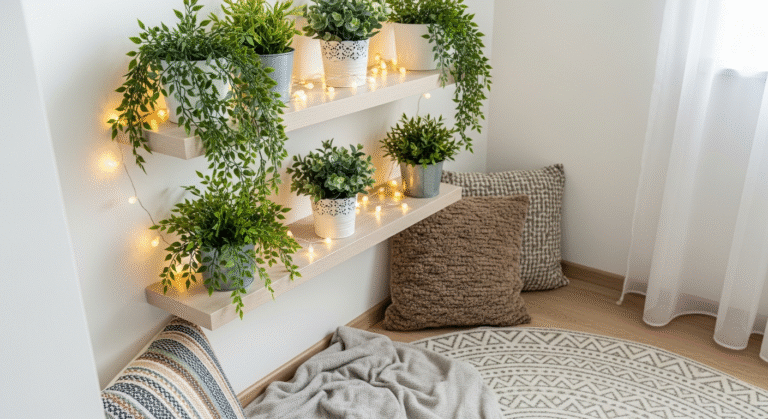
- Floating Shelves: These are design darlings for a reason.
- Use them for keys, mail, small decorative items, or even a small plant to add life.
- Combine them with hooks underneath for a multi-functional unit.
- Install a series of shelves at varying heights to create visual interest and maximize storage for different item sizes.
- Wall-Mounted Organizers:
- Entryway Shelving Units: Look for slim, wall-mounted units that combine shelves, hooks, and sometimes even a small mirror. Brands like Wayfair and Target offer a wide array of options.
- Magazine Racks/File Holders: Repurpose these for mail, important papers, or even thin wallets. Mount them vertically for a sleek look.
- Magnetic Key Holders: A small, discreet solution for keeping keys exactly where you can find them.
- Pegboards: The ultimate customizable vertical storage.
- Install a large pegboard section and equip it with various hooks, small baskets, and shelves. It’s incredibly versatile for adapting to changing needs, from coats to craft supplies, or even a small plant display.
- Brands like IKEA’s SKÅDIS pegboard system are popular for their clean look and extensive accessories.
Strategic Placement Tips:
- Vary Heights: Place hooks at different heights for adults, children, and even pets (for leashes).
- Consider Door Backs: If you have a door that opens into a wall, the back of the door itself can be a vertical storage opportunity for lightweight items like scarves or umbrellas using over-the-door organizers.
- Avoid Overcrowding: While maximizing space is key, don’t overwhelm the entryway. Leave some visual breathing room to prevent it from feeling claustrophobic.
By thinking vertically, you’re not just adding storage; you’re creating a dynamic, layered system that keeps your entryway organized without taking up precious floor space.
Smart Storage Solutions: Beyond the Basic Bench
While vertical storage is paramount, smart floor-level solutions are equally vital for a mudroom setup in small entryways with no closet. The trick is to choose pieces that are multi-functional, slim, and visually appealing. Every item should earn its place.
Multi-Functional Furniture:
- Storage Benches: This is a mudroom staple, even in small spaces.
- Lifting Lid Benches: Perfect for stashing shoes, blankets, or even out-of-season accessories. Look for benches with a shallow depth to avoid impeding traffic flow.
- Benches with Cubbies/Shelves: Ideal for individual shoe slots or baskets. The IKEA Kallax series, while not a bench itself, can be adapted with cushions to serve this purpose, offering versatile cubby storage.
- Slim Benches: Prioritize narrow designs that allow comfortable seating without dominating the space.
- Entryway Consoles/Cabinets:
- Shallow Cabinets: Look for shoe cabinets specifically designed for narrow spaces, often with tilt-out drawers that store shoes vertically. IKEA’s shoe cabinets (like the HEMNES or STÄLL series) are excellent examples.
- Slim Console Tables: A very narrow console table can offer a surface for keys and mail, with a shelf underneath for baskets. Choose one with open legs to maintain an airy feel.
- Ottomans with Storage: A small, upholstered ottoman can provide a place to sit and hide away items like umbrellas or pet toys.
Clever Containerization:
Once you have your furniture, the next step is to contain the inevitable clutter within it. Baskets and bins are your best friends here.
- Woven Baskets: Add texture and warmth. Great for scarves, hats, gloves, or even small bags.
- Material options: Wicker, rattan, seagrass, fabric.
- Placement: On shelves, under benches, or even on the floor if space allows.
- Clear Bins: For items you need to see at a glance, like pet supplies or kid’s small toys.
- Labeled Bins/Boxes: Essential for family members to know where things belong, reducing friction and maintaining order. Think labels for “His Shoes,” “Her Shoes,” “Kids’ Hats,” “Mail.”
- Trays: A small tray on a floating shelf or console table is perfect for keys, wallets, and loose change, preventing them from scattering.
Innovative Product Spotlight:
- Over-the-Door Organizers: As mentioned, if you have a nearby door that opens against a wall, an over-the-door shoe organizer or multi-pocket fabric organizer can be a discreet way to store smaller items.
- Wall-Mounted Shoe Racks: Instead of a traditional shoe rack that takes up floor space, consider slim, wall-mounted versions that lift shoes off the ground.
- Foldable Hooks/Racks: Some coat racks or hooks can fold flat against the wall when not in use, a fantastic space-saving feature for very narrow entryways.
By thoughtfully integrating multi-functional furniture and smart containers, you can create a highly organized mudroom that feels expansive, even in the smallest of entryways.
Creating Zones: Even in the Tiniest Footprint
The concept of “zoning” is crucial for any organized space, but it’s particularly transformative for a mudroom setup in small entryways with no closet. Even without physical walls, you can mentally (and visually) divide your compact space into distinct areas for different functions. This brings order and efficiency to what might otherwise become a chaotic bottleneck.
Defining Your Mudroom Zones:
Think about the typical activities that happen in your entryway and assign a dedicated “home” for each:
- The “Drop Zone” (Keys, Mail, Wallets):
- Purpose: The immediate spot for small essentials you carry daily.
- Solutions: A small floating shelf with a decorative tray, a wall-mounted key holder, a narrow console table, or even a small magnetic board for notes and keys. This should be the most accessible zone.
- Product Idea: A minimalist wall organizer like the Muji Wall Mounted CD Player (used as a shelf) or a simple wooden tray from Target or Etsy.
- The “Hang Zone” (Coats, Bags, Umbrellas):
- Purpose: Where outerwear and bags are stored neatly.
- Solutions: Your vertical heroes! A sturdy peg rail, a series of individual hooks, or a slim wall-mounted coat rack. Consider hooks at different heights if you have children.
- Design Tip: Use a consistent style of hooks for a cohesive look.
- The “Shoe Zone” (Footwear Management):
- Purpose: To contain shoes and prevent tripping hazards.
- Solutions: A storage bench with cubbies, a slim shoe cabinet, a wall-mounted shoe rack, or even a durable boot tray for wet/muddy shoes.
- Consider: How many pairs of shoes are typically left by the door? Design for that number, plus a few extra for guests if possible.
- The “Grab & Go” Zone (Hats, Gloves, Pet Leashes, Reusable Bags):
- Purpose: Smaller items needed as you head out the door.
- Solutions: Baskets on a shelf, cubbies within a bench, or a small wall pocket organizer.
- Kids’ Nook: If you have kids, a low hook for their backpack and a basket for their hats/mittens makes a huge difference.
Visual Cues for Zoning:
Even without physical dividers, you can create a sense of distinct zones using visual cues:
- Area Rug: A small, durable rug can define the entryway area, separating it from the rest of your home. It also serves the practical purpose of trapping dirt.
- Wall Color/Treatment: A different paint color, a strip of wallpaper, or wainscoting on one wall can subtly delineate the mudroom area.
- Lighting: A stylish pendant light or sconce above the mudroom area can highlight it and provide essential illumination.
- Consistent Materials: Using the same type of wood for shelves and the bench, or matching metal finishes for hooks and a mirror frame, creates a unified look within the zone.
By consciously creating these zones, you’re not just organizing items; you’re organizing behavior. Everyone in the household will instinctively know where things belong, leading to a much tidier and more functional entryway.
Accessorizing for Function & Style: The Finishing Touches
Once the core storage and zoning are in place, it’s time to infuse your mudroom setup with personality and those thoughtful touches that elevate it from merely functional to truly inspiring. Accessories aren’t just about aesthetics; they play a vital role in enhancing usability and making your small entryway feel like a welcoming part of your home.
Essential Functional Accessories:
- Mirrors:
- Purpose: A quick check before heading out the door, and a powerful tool for making small spaces feel larger and brighter by reflecting light.
- Placement: Choose a mirror that fits the scale of your wall. A full-length mirror can be placed on a narrow wall if space allows, or a decorative round/rectangular mirror above a console table or bench.
- Style Tip: Select a frame that complements your chosen aesthetic – minimalist for modern, distressed wood for farmhouse, ornate for traditional.
- Lighting:
- Purpose: Provides essential illumination, especially in entryways that lack natural light, and adds ambiance.
- Options:
- Wall Sconces: Space-saving and stylish, they cast a warm glow.
- Flush Mount or Semi-Flush Mount Ceiling Lights: Good for general illumination without encroaching on head space.
- Small Table Lamp: If you have a console table, a tiny lamp can add warmth and a soft light source.
- Smart Lighting: Consider smart bulbs that can be controlled via an app or voice, or even motion-activated lights for convenience.
- Rug or Mat:
- Purpose: Traps dirt and moisture, protects flooring, and defines the entryway zone.
- Material: Choose a durable, easy-to-clean material like jute, polypropylene, or a washable cotton blend. Layering a smaller, decorative rug over a larger, utilitarian mat can add style.
- Consider: A boot tray placed on the rug for especially muddy footwear.
Adding Personal Style & Warmth:
- Greenery: Even a small plant can bring life and freshness to an entryway. A snake plant or ZZ plant is low-maintenance and thrives in various light conditions. Place it on a shelf or console.
- Art & Photography: A small piece of art or a framed family photo can instantly make the space feel more personal and welcoming.
- Decorative Baskets & Trays: Beyond their functional purpose, choose baskets and trays that are aesthetically pleasing and complement your decor.
- Scent: A subtle diffuser with an inviting scent (citrus, sandalwood, or a fresh linen) can make a big impact on the first impression of your home.
- Pillows/Cushions: If you have a bench, add a comfortable cushion and a throw pillow or two. This instantly makes the space feel cozier and more inviting.
Remember, in a small space, every accessory should ideally serve a dual purpose: both functional and decorative. Choose items you love and that resonate with your home’s overall style, ensuring your small mudroom is not just organized, but also a beautiful reflection of you.
Kid-Friendly & Pet-Friendly Mudroom Nooks
For families with bustling little ones and beloved furry friends, a mudroom setup needs to be extra resilient and thoughtfully designed. Integrating kid-friendly and pet-friendly elements into your small entryway ensures everyone, including the smallest members of your household, can contribute to keeping the space tidy and functional.
Designing for Little Humans:
The key here is accessibility and independence. Think Montessori principles: make things reachable and easy for children to use themselves.
- Low Hooks: Install sturdy hooks at your child’s height for their coats, backpacks, and lunch bags. This empowers them to hang their own items, fostering responsibility.
- Dedicated Bins/Baskets:
- Place labeled bins within their reach for hats, gloves, scarves, and even small toys they might bring in from outside.
- Consider open-top baskets or cubbies under a bench for easy “dump and go” storage.
- Child-Sized Seating: If your bench is too high, a small stool or a dedicated child-sized chair can be a game-changer for putting on shoes.
- Visual Cues: Use fun labels with pictures or different colors for each child’s designated spot. This makes organization a game rather than a chore.
- Art Display: Dedicate a small section of the wall (perhaps above their hooks) for displaying their latest artwork. It adds a personal touch and encourages them to take ownership of their space.
- Washable Surfaces: Choose washable paints for walls and durable, easy-to-clean finishes for furniture, as scuffs and spills are inevitable.
Creating a Haven for Furry Friends:
Pets often come with their own set of entryway essentials – leashes, waste bags, towels for muddy paws, and sometimes even a food bowl or toy.
- Leash & Collar Hooks: Install a dedicated hook (or two, if you have multiple pets) specifically for leashes and collars. Make sure it’s easily accessible as you head out the door.
- Treat Jar/Dispenser: A small, attractive jar of treats on a shelf or console table can be a convenient reward for good behavior upon entering or exiting.
- Muddy Paw Station:
- Place a small, absorbent mat or a designated “paw-wiping” towel near the door.
- Consider a shallow boot tray filled with a few old towels for quick paw clean-ups.
- Keep pet-safe wipes handy in a small basket.
- Pet Toy Bin: A small, durable basket can hold a few favorite toys, preventing them from scattering across the entryway.
- Water Bowl Nook: If your entryway is large enough for a water bowl, consider a designated, easy-to-clean mat underneath to catch spills. For very small spaces, a collapsible travel bowl might be a better option to only bring out when needed.
- Pet Food Storage: If you store pet food in the entryway, use an airtight, attractive container that blends with your decor.
By consciously integrating these elements, your small mudroom becomes a harmonious and functional space for every member of your family, two-legged or four-legged, making daily routines smoother and more enjoyable.
DIY & Budget-Friendly Ideas for Your Entryway
Creating a functional and stylish mudroom setup for small entryways with no closet doesn’t have to break the bank. With a little creativity and a willingness to DIY, you can achieve a high-end look and custom functionality on a budget. These ideas leverage affordable materials, repurposing, and smart shopping to maximize impact without overspending.
Creative DIY Projects:
- Custom Peg Rail:
- Materials: A sturdy piece of wood (e.g., a 1×4 pine board), wooden dowels, wood glue, screws, paint or stain.
- Process: Cut the board to your desired length. Drill holes for the dowels, secure them with glue and screws from the back. Sand, paint/stain, and mount securely to the wall. This gives you a custom, charming look for a fraction of the cost of store-bought versions.
- Repurposed Crate Storage:
- Materials: Wooden crates (can often be found cheaply at craft stores or flea markets), paint/stain, screws.
- Process: Clean and paint/stain crates. Stack them vertically and secure with screws to create cubbies for shoes, baskets, or even a small plant. You can also mount a single crate horizontally on the wall as a shelf with built-in storage.
- Floating Shelf from Scrap Wood:
- Materials: A sturdy piece of wood, L-brackets or invisible shelf brackets, paint/stain.
- Process: Sand and finish the wood. Install brackets securely into wall studs and mount the shelf. This is perfect for a key drop zone or a small decorative display.
- Painted Old Dresser/Cabinet:
- Materials: A small, old dresser or cabinet (check thrift stores, garage sales), sandpaper, primer, paint, new hardware (knobs/pulls).
- Process: Sand, prime, and paint the piece to match your entryway’s aesthetic. Replace hardware for an instant refresh. This provides drawers for hidden storage and a surface on top. Look for shallow pieces to avoid impeding traffic.
Smart Shopping & Budget Hacks:
- IKEA Hacks:
- The Kallax shelving unit can be laid horizontally and fitted with cushions to create a storage bench. Add fabric bins for contained storage.
- The IKEA STÄLL or HEMNES shoe cabinets are incredibly slim and perfect for hiding shoes in narrow entryways.
- The SKÅDIS pegboard system offers endless customizable vertical storage at an affordable price point.
- Thrift Store Finds: Look for sturdy wooden benches, small console tables, mirrors, or unique hooks that can be upcycled with a fresh coat of paint or a little polish.
- Dollar Store/Discount Retailers: Amazing for finding affordable baskets, bins, small trays, and even decorative accents. Don’t underestimate the power of a simple, uniform set of plastic bins to create visual calm.
- Online Marketplaces: Check Facebook Marketplace, Craigslist, or local buy/sell groups for free or low-cost furniture and decor items.
- Utilize Free Resources: Pinterest and YouTube are treasure troves of DIY tutorials and budget-friendly inspiration.
By combining clever DIY projects with strategic budget shopping, you can create a highly functional and beautiful mudroom that feels custom-designed for your small entryway, without the hefty price tag.
Maintenance & Mindset: Keeping Your Mudroom Pristine
You’ve put in the work, designed a beautiful and functional mudroom setup for your small entryway with no closet, and now it looks fantastic. The final, and perhaps most crucial, step is to establish routines and a mindset that ensures your organized space stays that way. Without consistent effort, even the most brilliant system can quickly devolve into clutter.
Establishing Daily & Weekly Routines:
- The “5-Minute Tidy” Rule:
- Daily: Spend just five minutes each evening (or whenever you have a moment) tidying the entryway. Hang up stray coats, put shoes back in their designated spots, sort mail, and clear surfaces. This prevents small messes from escalating.
- Involve the Family: Make it a family habit. Even young children can help put their shoes in a basket or hang their backpack on a low hook.
- Weekly Deep Dive:
- Wipe Down Surfaces: Dust shelves, wipe down the bench, and clean any mirrors.
- Shake Out/Vacuum Rug: Keep the area free of tracked-in dirt and debris.
- Declutter “Holding Zones”: Go through mail, empty pockets, and return items that don’t belong in the entryway to their proper homes.
- Rotate Seasonal Items: If you have limited space, swap out heavy winter coats for lighter jackets as seasons change. Store off-season items elsewhere in the home (e.g., under the bed, in a linen closet).
- The “One In, One Out” Rule: When you buy a new coat, consider donating an old one. When you get new shoes, discard or donate a worn-out pair. This prevents overstuffing your limited storage.
Cultivating an Organized Mindset:
- Embrace Minimalism (Within Reason): In a small space, less is always more. Be intentional about what you allow to reside in your entryway. If it doesn’t serve a clear purpose or bring you joy, find it another home or let it go.
- “Home for Everything”: Ensure every single item that lives in your entryway has a designated spot. If something doesn’t have a home, create one or reconsider its presence there.
- Flexibility is Key: Life happens! Your mudroom system might need slight adjustments as your family’s needs change. Don’t be afraid to tweak hook placements, swap out baskets, or re-label bins. It’s an evolving space.
- Lead by Example: As the primary organizer, your habits will influence the rest of the household. When you consistently put things away, others are more likely to follow suit.
- Celebrate Small Victories: Take a moment to appreciate your tidy entryway. A clean and organized space can genuinely impact your mood and set a positive tone for your day.
Maintaining a pristine mudroom in a small entryway with no closet is an ongoing process, not a one-time project. By integrating these simple routines and fostering an organized mindset, you’ll ensure your beautifully designed space continues to serve its purpose, offering a calm and welcoming transition every time you enter or leave your home.
Comparison Table: Small Entryway Mudroom Solutions
To help you visualize and choose the best options for your unique space, here’s a comparison of popular storage solutions suitable for small entryways without a closet.
| Solution Type | Best For | Pros | Cons | Example Products/Brands |
|---|---|---|---|---|
| Wall-Mounted Peg Rail/Hooks | Coats, bags, hats, scarves, keys | Maximizes vertical space, highly customizable, visually light, affordable, easy to install. | Items are visible (can look cluttered if overused), limited capacity per hook. | IKEA TJUSIG, Pottery Barn Shaker Peg Rail, Command Hooks (for lighter items). |
| Slim Shoe Cabinet | Shoes |