






























Embrace the Glow: Morning Sunlight Routines for a Healthier You, Backed by Research
As women who cherish our homes and prioritize our wellness, we often seek out practices that nourish us from the inside out. The good news is that one of the most potent tools for vitality is readily available each day, often right outside our windows. This article dives deep into the fascinating science behind morning sunlight routines, exploring how this simple habit can profoundly impact your sleep, mood, energy, and even your home environment. Get ready to discover how to intentionally invite the sun’s gentle embrace into your life and design a lifestyle that truly glows.
The Science Behind the Sunlight: Why Morning Light Matters
Before we dive into practical routines, let’s understand the profound biological mechanisms at play. Your body operates on an intricate 24-hour internal clock, known as your circadian rhythm. This rhythm dictates everything from your sleep-wake cycles and hormone production to your metabolism and cognitive function. And the most powerful synchronizer, or “zeitgeber,” for this internal clock? Light, specifically bright light exposure in the morning.
When your eyes detect bright light, especially blue light wavelengths present in natural sunlight, it sends a signal to a tiny region in your brain called the suprachiasmatic nucleus (SCN). The SCN acts as the master clock, coordinating all the peripheral clocks throughout your body. This signal tells your brain, “It’s daytime! Time to be awake and alert.”
Here’s how it orchestrates a symphony of wellness:
- Melatonin Suppression: Morning light effectively suppresses the production of melatonin, the hormone that makes you feel sleepy. This helps you wake up feeling more alert and sets the stage for healthy melatonin production later in the evening, promoting deeper sleep.
- Cortisol Regulation: Early light exposure helps regulate your cortisol levels. Cortisol, often dubbed the “stress hormone,” should naturally peak in the morning to help you feel energized and gradually decline throughout the day. Getting morning light helps establish this healthy pattern, preventing cortisol spikes at night that can disrupt sleep.
- Serotonin Boost: Sunlight exposure is linked to increased serotonin production, a neurotransmitter associated with feelings of well-being and happiness. This natural mood boost can significantly impact your outlook for the entire day.
Research published in journals like Sleep and Current Biology consistently highlights the critical role of morning light in maintaining robust circadian rhythms, underscoring its importance not just for sleep, but for overall physical and mental health. It’s a foundational pillar of human biology that we often overlook in our modern, indoor-centric lives.
Resetting Your Internal Clock: The Core Benefits of Early Light Exposure

Now that we understand the ‘why,’ let’s explore the tangible benefits that morning sunlight routines can bring into your life. These aren’t just anecdotal feelings; they are well-documented advantages supported by extensive scientific inquiry.
-
Improved Sleep Quality
This is perhaps the most celebrated benefit. By signaling to your body that the day has begun, morning light strengthens your circadian rhythm, making it easier to fall asleep at night and enjoy more restorative, deeper sleep. Think of it as setting your internal alarm clock for both waking and sleeping. Studies have shown that individuals exposed to more natural light during the day experience better sleep efficiency and less sleep disturbance at night.
-
Enhanced Mood and Reduced Symptoms of Seasonal Affective Disorder (SAD)
The link between sunlight and mood is powerful. Morning light helps stimulate serotonin production, often referred to as your body’s natural antidepressant. For those who experience seasonal affective disorder (SAD) or general winter blues, consistent morning light exposure, whether natural or simulated with light therapy, can significantly alleviate symptoms. It’s a natural mood elevator that can help you feel brighter and more optimistic, even on cloudy days.
-
Boosted Energy Levels and Cognitive Function
Imagine starting your day without that groggy feeling. Morning light helps to naturally suppress melatonin, leading to a more alert and energized awakening. This translates to improved focus, better decision-making, and enhanced productivity throughout your day. Your brain simply functions better when your circadian rhythm is properly aligned.
-
Metabolic Health Implications
Emerging research suggests a fascinating connection between morning light exposure and metabolic health. Studies indicate that individuals who get more morning light tend to have lower BMIs and better blood sugar regulation. While more research is needed, it’s thought that a well-regulated circadian rhythm plays a role in optimizing metabolic processes, including how your body handles food and stores fat.
-
Improved Eye Health
Spending time outdoors, especially in the morning, has been linked to better eye health, particularly in reducing the risk of myopia (nearsightedness) in children. While this benefit is primarily for children, maintaining overall eye health through natural light exposure is a general wellness advantage for all ages.
These benefits paint a clear picture: integrating morning sunlight into your life is not just a trend; it’s a fundamental biological imperative for thriving.
Crafting Your Ideal Morning Ritual: Practical Steps to Embrace the Sun
Ready to invite more sunshine into your life? Here are actionable steps to create a morning sunlight routine that feels natural, joyful, and deeply nourishing.
-
Open Your Blinds Immediately Upon Waking
This is the simplest and most immediate step. As soon as your alarm rings (or ideally, you wake naturally), throw open your curtains or blinds. Let the natural light flood your bedroom. Even on cloudy days, the ambient light is significantly brighter than artificial indoor light and still sends those vital signals to your brain. Consider investing in smart blinds, like those from Lutron Serena Shades, which can be programmed to open automatically at sunrise, gently easing you into your day.
-
Step Outside for 10-30 Minutes
This is the gold standard. Aim to get outside within the first hour of waking. The intensity of outdoor light, even on an overcast day, is exponentially greater than indoor light. You don’t need to do a strenuous workout; a gentle stroll, sipping your coffee on the patio, watering your plants, or simply sitting on your porch will suffice. The key is to expose your eyes directly to the sky (without sunglasses, if comfortable and safe for your eyes). If you have a garden, this is the perfect time to tend to it, connecting with nature and soaking in the sun.
-
Enjoy Your Breakfast Near a Window
Make your breakfast a mindful moment bathed in natural light. Position your kitchen table or a cozy breakfast nook near a window. This allows you to combine two essential morning activities – nourishment and light exposure – seamlessly.
-
Incorporate a Morning Walk or Gentle Movement
Combine your light exposure with light exercise. A morning walk not only provides sunlight but also boosts circulation and mood. If you’re a yoga enthusiast, consider doing a few sun salutations on your patio or in a sun-drenched room.
-
Utilize Light Therapy Lamps (When Natural Light is Limited)
During darker winter months, early mornings, or for those in low-light environments, a high-quality light therapy lamp can be a game-changer. These lamps mimic the intensity and spectrum of natural daylight. Position it about an arm’s length away while you’re having breakfast, reading, or working. Brands like Philips SmartSleep Connected Sleep and Wake-up Light or Verilux HappyLight are excellent options, offering medical-grade light therapy.
-
Create a “Sun Spot” in Your Home
Identify a particular area in your home that receives abundant morning light. This could be a reading chair, a window seat, or a small desk. Design this space to be inviting and comfortable, encouraging you to spend time there during those crucial morning hours.
Remember, consistency is more important than perfection. Start small, perhaps with just 10 minutes outside, and gradually build up your routine. Your body will thank you!
Beyond the Window Pane: Integrating Sunlight into Your Home Design

Your home is your sanctuary, and its design can either hinder or enhance your pursuit of well-being. By thoughtfully integrating principles of natural light, you can create an environment that actively supports your morning sunlight routines and overall vitality.
- Strategic Furniture Placement: Position your bed to face a window, if possible, allowing you to wake up to the gentle ingress of light. Place your favorite reading chair or a small desk near a window that receives morning sun. Think about where you spend your first hour – can you shift activities to a brighter spot?
- Window Treatments that Invite, Not Obstruct: While blackout curtains are essential for sleep at night, opt for sheer curtains or blinds that can be easily opened in the morning. Brands like Pottery Barn or West Elm offer beautiful linen or cotton sheers that filter light softly while maintaining privacy. For ultimate convenience, smart blinds like those from Lutron or Hunter Douglas can be programmed to open and close on a schedule, ensuring you never miss your morning dose of light.
- Mirrors to Amplify Light: Mirrors are a designer’s secret weapon for maximizing light. Place large mirrors opposite windows to reflect natural light deeper into your rooms, making spaces feel brighter and more expansive. Consider a statement mirror in your entryway or living room to bounce light around.
- Light-Colored Decor and Paint: Dark walls and heavy furnishings absorb light, making rooms feel dim. Embrace a palette of light, airy colors for your walls, furniture, and textiles. Whites, creams, soft grays, and pastels reflect light beautifully, creating a brighter, more uplifting atmosphere. Brands like Farrow & Ball or Benjamin Moore offer exquisite light-enhancing paint colors.
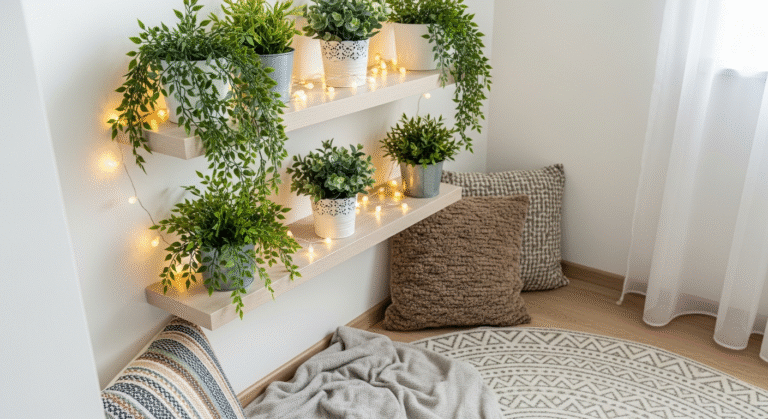
- Biophilic Design Elements: Bring the outdoors in! Incorporate plenty of houseplants, like a majestic Fiddle Leaf Fig or a delicate Pothos, which not only purify the air but also connect you to nature, enhancing the feeling of an open, vibrant space. Consider natural materials like wood, stone, and linen to further blur the lines between inside and out.
- Declutter for Clarity: A cluttered space can feel heavy and block the flow of energy and light. Regularly decluttering, especially in your bedroom and morning routine areas, creates a sense of calm and openness, allowing light to truly shine.
Tools and Technologies for Optimal Light Exposure
In our modern world, technology can be a powerful ally in optimizing our morning light exposure, especially when natural light is scarce or inconsistent. Here’s how you can leverage smart tools:
| Method | Pros | Cons | Best For | Recommended Products/Brands |
|---|---|---|---|---|
| Natural Outdoor Sunlight | Most effective, free, exposure to full spectrum, fresh air, nature connection. | Weather dependent, may require leaving home, not always feasible early. | Everyone, daily ideal. | Your backyard, local park, patio furniture (e.g., Serena & Lily). |
| Light Therapy Lamps | Effective substitute for natural light, consistent intensity, convenient for indoor use. | Initial cost, needs dedicated time, can be intense for some. | Winter months, cloudy days, shift workers, SAD sufferers. | Philips SmartSleep Connected Sleep and Wake-up Light, Verilux HappyLight, Carex Day-Light Classic. |
| Dawn Simulating Alarms | Gentle wake-up, gradually increases light, can include natural sounds. | Less intense than full therapy lamps, not a substitute for outdoor light. | Gentle waking, establishing a consistent sleep schedule. | Philips SmartSleep Wake-up Light, Hatch Restore, Lumie Bodyclock. |
| Smart Blinds/Curtains | Automated light exposure, convenient, consistent, privacy control. | Installation cost, requires smart home setup. | Consistent morning light, busy individuals, enhancing home automation. | Lutron Serena Shades, Hunter Douglas PowerView, IKEA FYRTUR/KADRILJ. |
- Light Therapy Lamps: As mentioned, these are invaluable for supplementing natural light. Look for lamps that offer at least 10,000 lux of light intensity, are UV-filtered, and are specifically designed for light therapy. Many models, like the Philips SmartSleep, also offer dawn simulation features, mimicking a sunrise to gently wake you.
- Dawn Simulating Alarm Clocks: These innovative alarms gradually brighten your room over 20-40 minutes before your set wake-up time, mimicking a natural sunrise. This gentle awakening is far less jarring than a sudden alarm, allowing your body to naturally reduce melatonin and prepare for wakefulness. Brands like Hatch Restore offer additional features like guided meditations and soundscapes for a holistic morning routine.
- Smart Home Integration: Elevate your morning routine with smart home devices. Program your smart blinds or curtains to open automatically at sunrise or a set time. Integrate smart lighting systems (e.g., Philips Hue, Google Nest Hub) to gradually increase light in your home, creating a seamless transition from sleep to wakefulness.
- Wearable Tech for Sleep Tracking: While not directly providing light, devices like the Oura Ring or Whoop can offer valuable insights into your sleep quality and circadian rhythm consistency. By tracking your sleep patterns, you can observe the positive impact of your morning sunlight routines and make adjustments as needed.
Addressing Challenges: When Natural Light Isn’t Enough
Life isn’t always sunny and bright, and sometimes natural morning light is a luxury we can’t consistently access. Whether it’s the depths of winter, an early work schedule, or living in a perpetually overcast region, there are strategies to ensure you still get your vital dose of light.
- Embrace Light Therapy Lamps: This is your primary tool for compensating for lack of natural light. Be consistent with its use, aiming for 20-30 minutes within the first hour of waking. Position it correctly (at arm’s length, off to the side, not staring directly into it) while you go about your morning activities.
- Prioritize Consistency: Even on cloudy days, getting outside is beneficial. The light intensity outdoors, even diffused, is significantly higher than indoors. Make it a non-negotiable part of your routine whenever possible. Your body thrives on routine and consistency.
- Maximize Indoor Natural Light: Keep windows clean, pull back heavy curtains, and prune any outdoor foliage that might block light. Arrange your workspace or morning activity areas near the brightest windows.
- Consider a “Light Lunch”: If morning light is truly impossible, try to get bright light exposure during your lunch break. While not as effective as morning light for circadian rhythm setting, it can still provide a mood and energy boost.
- Be Mindful of Evening Light: To maximize the impact of your morning light efforts, be equally diligent about reducing bright artificial light exposure in the evenings, especially blue light from screens. Use blue light filtering glasses, activate night mode on devices, and dim lights to signal to your body that it’s time to wind down.
- Consult a Professional: If you struggle with severe seasonal depression or persistent sleep issues, consider consulting a healthcare professional or a sleep specialist. They can offer personalized advice and ensure there are no underlying medical conditions.
Designing Your Mindful Morning Space: A Sanctuary for Sunlight
Your physical environment profoundly influences your mental state and habits. By intentionally designing your home to support your morning sunlight routines, you’re not just creating a beautiful space; you’re cultivating a sanctuary for your well-being.
Let’s consider key areas:
Your Bedroom: The Launchpad
- Declutter and Simplify: A serene bedroom promotes restful sleep and a calm awakening. Marie Kondo famously suggests keeping your bedroom as a haven. Remove unnecessary items that create visual noise.
- Light-Filtering vs. Blackout: While blackout curtains are crucial for deep sleep, consider layering them with sheer panels or using smart blinds that can open fully to let the morning light stream in.
- Comfortable Bedding: Invest in high-quality, breathable bedding from brands like Brooklinen or Parachute Home. The comfort of your bed makes waking up a pleasure, not a chore.
- Subtle Lighting: Beyond natural light, ensure you have warm, dimmable bedside lamps for evenings, but rely on natural light to wake you.
Your Breakfast Nook or Kitchen: Nourishment in Light
- Window Seating: If possible, arrange your breakfast area by a window that captures morning light. A built-in window seat with plush cushions can become your favorite morning spot.
- Bright Surfaces: Use light-colored countertops, backsplashes, and tableware to reflect and amplify the natural light.
- Fresh Elements: A bowl of fresh fruit, a vase of flowers, or a small herb garden on the windowsill can add life and natural beauty, enhancing the morning experience.
Your “Sun Spot”: A Dedicated Wellness Zone
- Identify the Brightest Corner: Find the spot in your home that receives the most consistent morning light.
- Comfortable Seating: Place a comfortable armchair, a chaise lounge, or even a plush floor cushion. Add a soft throw blanket (e.g., from Coyuchi or Barefoot Dreams) and a supportive pillow.
- Elements of Calm: Include items that promote relaxation and mindfulness – a small table for your tea or journal, a beautiful plant, a calming piece of art. This space becomes your personal retreat for meditation, reading, or simply basking in the morning glow.
By consciously curating these spaces, you’re not just decorating; you’re designing for well-being, making your home an active partner in your pursuit of a healthier, happier life.
Sustainable Sunlight Habits: Making it a Lifestyle
Integrating morning sunlight into your routine isn’t a one-time fix; it’s a commitment to a lifestyle that prioritizes your circadian health. Here’s how to ensure these beneficial habits stick and evolve with you:
- Consistency is Your Best Friend: The most important aspect of any circadian rhythm intervention is consistency. Try to wake up and get your light exposure at roughly the same time each day, even on weekends. This reinforces your internal clock and makes the habit easier to maintain.
- Track Your Progress: Keep a simple journal or use a mood-tracking app to note how you feel after consistent morning light exposure. Do you have more energy? Is your sleep improving? Are you feeling more optimistic? Observing these positive changes will serve as powerful motivation.
- Adjust Seasonally: Be flexible with your routine as the seasons change. In summer, you might get ample light just by opening your blinds. In winter, you might need to commit to a longer outdoor walk or rely more heavily on your light therapy lamp.
- Involve Your Family: Encourage your loved ones to join you. Morning walks or breakfast by the window can become cherished family rituals, fostering a healthier environment for everyone.
- Practice Self-Compassion: There will be days when you miss your routine. Don’t let perfection be the enemy of good. Simply acknowledge it and get back on track the next day. The cumulative effect of consistent effort far outweighs the occasional slip-up.
- Educate Yourself Further: Continue to explore the science of circadian rhythms and light therapy. Resources from experts like Dr. Andrew Huberman or institutions like the National Institute of General Medical Sciences can deepen your understanding and commitment.
Key Takeaways
- Morning sunlight is the most powerful synchronizer for your body’s circadian rhythm, regulating sleep, mood, and energy.
- Consistent early light exposure improves sleep quality, boosts mood, enhances cognitive function, and supports metabolic health.
- Practical steps include opening blinds immediately, spending 10-30 minutes outdoors, and using light therapy lamps when natural light is limited.
- Home design can amplify benefits through strategic furniture placement, light-colored decor, mirrors, and smart window treatments.
- Technology like dawn simulators and smart blinds can support and enhance your morning light routine.
Frequently Asked Questions
Q: How much morning sunlight do I really need?
A: Most research suggests aiming for 10-30 minutes of outdoor light exposure within the first hour of waking. On very bright, sunny days, 10-15 minutes might suffice. On overcast days, you might need closer to 30 minutes. The key is consistency and getting it as early as possible.
Q: Can I get morning sunlight through a window?
A: While some light penetrates glass, windows filter out most of the crucial blue light wavelengths and significantly reduce the intensity. This means light through a window is much less effective for setting your circadian rhythm compared to direct outdoor exposure. Step outside whenever possible!
Q: What if I wake up before sunrise?
A: If you wake up before the sun, use a dawn simulator alarm clock to gently wake you with gradually increasing light. Then, as soon as the sun rises, step outside or use a light therapy lamp to get your full dose of bright light exposure.
Q: Are sunglasses okay during morning light exposure?
A: For optimal circadian signaling, it’s best to avoid sunglasses during your morning light exposure. Your eyes need to directly absorb the light. However, if you have very sensitive eyes or medical conditions, consult your eye doctor first. Once your light dose is complete, feel free to wear them.
Q: How long does it take to see results from morning sunlight routines?
A: Many people report feeling more alert and experiencing improved mood within a few days of consistent morning light exposure. Significant improvements in sleep quality and deeper regulation of your circadian rhythm typically become noticeable after 1-2 weeks of consistent practice. Be patient and consistent!
Conclusion: Let Your Inner Radiance Shine
Embracing morning sunlight routines is more than just a wellness trend; it’s a return to a fundamental human need, backed by robust scientific research. By consciously inviting the sun’s gentle, life-giving rays into your mornings and your home, you’re not just improving your sleep or boosting your mood – you’re actively participating in a profound act of self-care. You’re aligning your inner clock with the natural rhythms of the earth, fostering a deeper sense of balance, vitality, and peace.
Imagine your home as a canvas, and sunlight as the most exquisite paint. By opening your blinds, stepping outside, and designing your spaces to welcome the light, you are creating an environment that nurtures your body, mind, and spirit. This simple, powerful habit is an invitation to live more vibrantly, to feel more connected, and to truly let your inner radiance shine, every single day.
This article was inspired by the design principles and wellness philosophy of Sarah Plum, an interior designer and lifestyle expert dedicated to creating homes that nourish the soul.