












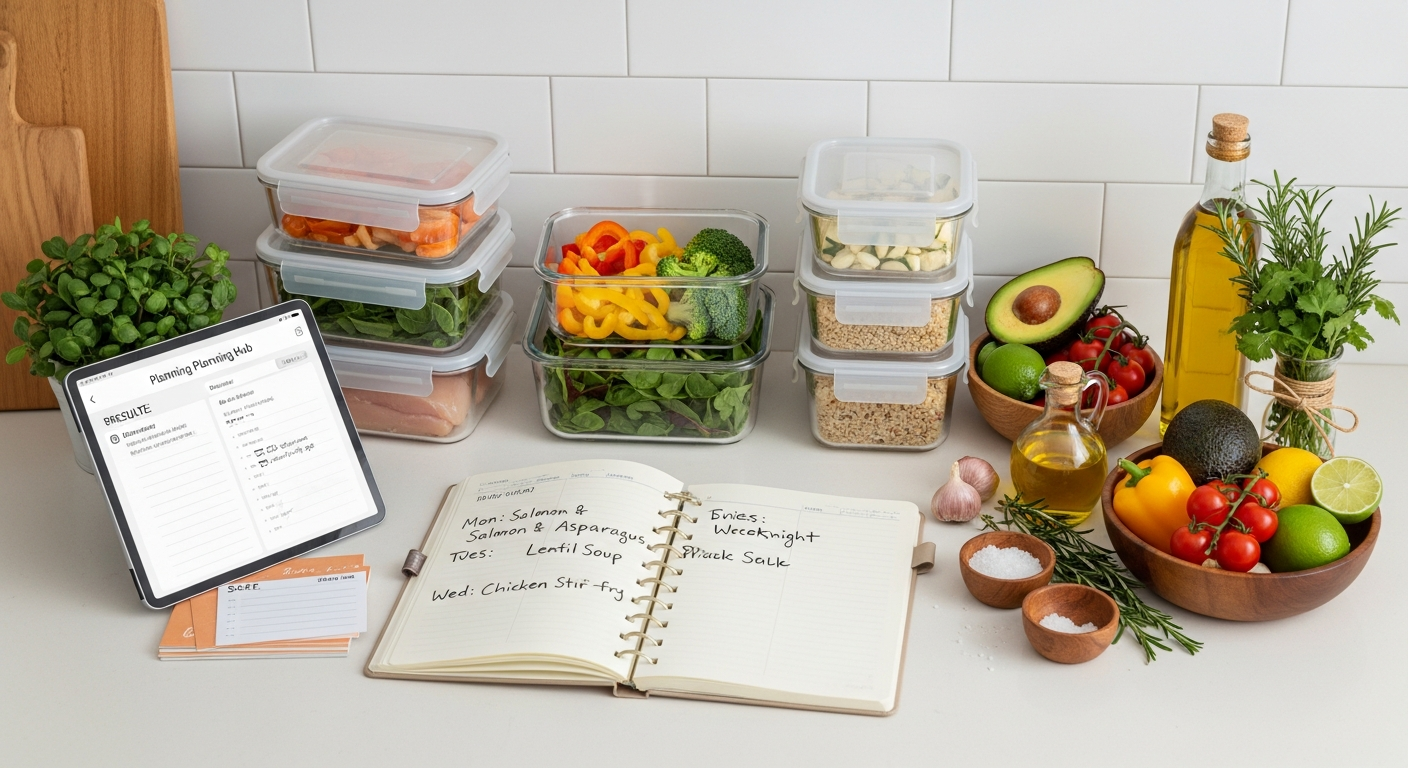
Master the Clock: The Ultimate Guide to Meal Planning for Busy Professionals
The modern professional’s day is a marathon of high-stakes meetings, relentless notifications, and the perpetual pursuit of peak performance. By the time the clock strikes 6:00 PM, decision fatigue has often set in, making the lure of food delivery apps almost irresistible. However, for the home cook and food enthusiast, this cycle of “takeout guilt” is a barrier to both physical health and culinary creativity. Meal planning for busy professionals is no longer just about survival; in 2026, it has evolved into a sophisticated discipline of efficiency, flavor, and wellness.
Mastering this art allows you to reclaim your evenings and fuel your ambitions without sacrificing the joy of a gourmet meal. This guide explores how to transition from reactive cooking to a strategic, chef-inspired approach. By implementing high-performance kitchen habits and leveraging modern culinary technology, you can ensure that your nutrition is as polished as your professional portfolio. Let’s dive into the systems that turn the chaos of weeknight cooking into a seamless, delicious routine.
—
1. The Strategic Blueprint: Planning for Peak Performance
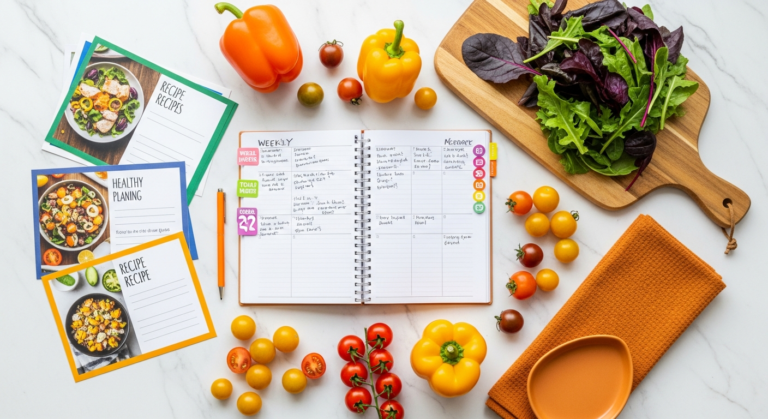
Effective meal planning starts long before you pick up a chef’s knife. It begins with a mental shift: treating your weekly menu as a high-level project. For the busy professional, the goal is to minimize the number of choices you have to make during your most stressful hours.
**The Inventory Audit and Calendar Sync**
Before looking at recipes, look at your calendar. Do you have a late-night client call on Tuesday? Is there a networking dinner on Thursday? Aligning your meal complexity with your schedule is vital. On high-stress days, rely on “15-minute wins.” On lighter days, you can indulge your inner food enthusiast with more complex preparations. Start by auditing your pantry and freezer—knowing you have a jar of high-quality harissa or a bag of frozen edamame can spark inspiration and prevent unnecessary grocery runs.
**Theme Nights with a Culinary Twist**
To reduce decision fatigue, adopt sophisticated themes. Instead of “Taco Tuesday,” think “Regional Mexican Exploration” or “Mediterranean Small Plates.” This provides a framework while allowing for the culinary variety that enthusiasts crave. By narrowing the scope, you can buy ingredients that overlap across several dishes, reducing both waste and cost.
—
2. Component Cooking: The “Cook Once, Eat Thrice” Philosophy
The traditional “meal prep” of 2015—identical plastic containers of dry chicken and broccoli—is dead. In 2026, the focus is on **Component Cooking**. This method involves preparing versatile building blocks that can be reimagined into entirely different flavor profiles throughout the week.
**The Power of Proteins and Grains**
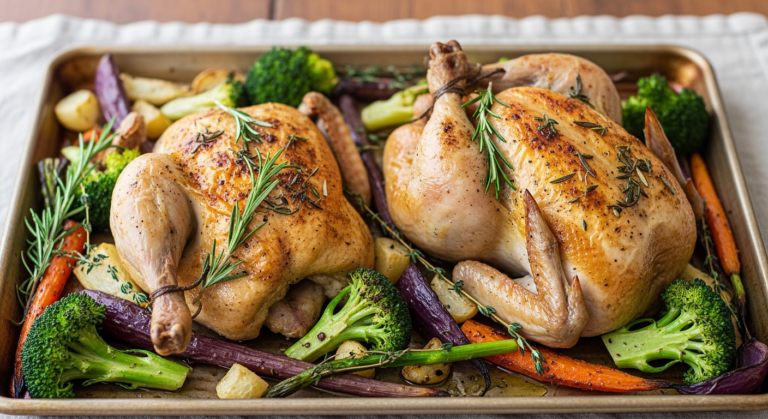
Instead of cooking a specific dish, roast two whole chickens with neutral aromatics like lemon and garlic. On Monday, enjoy a traditional roast. On Wednesday, shred the meat for a Thai-inspired green curry. By Friday, the remnants become the star of a sourdough pesto melt. The same applies to grains. A large batch of quinoa or farro can serve as a warm breakfast porridge, a base for a Mediterranean Buddha bowl, or a texture enhancer for a weekend minestrone.
**Building a “Flavor Arsenal”**
For the food enthusiast, the magic lies in the sauces and dressings. Spend 30 minutes on Sunday creating a vibrant chimichurri, a velvety tahini dressing, and a spicy chili oil. These components act as “culinary glue,” transforming basic proteins and vegetables into restaurant-quality meals in seconds. When your components are ready, assembly takes less time than waiting for a delivery driver.
—
3. High-Performance Kitchen Tech and 2026 Trends
The intersection of gastronomy and technology has never been more beneficial for the busy professional. To optimize your meal planning, you must leverage tools that provide precision and time-savings.
**The AI-Integrated Kitchen**
In 2026, AI-driven recipe platforms have moved beyond simple search engines. They now integrate with your smart fridge to suggest recipes based on expiring ingredients and your specific nutritional needs. These systems can automatically generate shopping lists synced to your preferred delivery service, removing the friction of manual data entry.
**Professional-Grade Appliances for the Home**
Multi-functional tools are the backbone of an efficient kitchen. The high-end air fryer-convection oven hybrids and precision sous-vide sticks allow for “set it and forget it” cooking. Sous-vide is particularly effective for professionals; you can vacuum-seal proteins with aromatics on Sunday and drop them into the water bath when you start your final meeting of the day. By the time you’re off the call, your steak or salmon is cooked to edge-to-edge perfection, requiring only a 60-second sear.
—
4. Elevating the Office Lunch: Beyond the Sad Desk Salad
For many professionals, lunch is a rushed affair between back-to-back Zoom calls. However, a lackluster lunch often leads to an afternoon energy crash. Reimagining the office lunch is a cornerstone of effective meal planning.
**The Mason Jar Revolution 2.0**
Layering is key to maintaining texture. Start with a heavy dressing at the bottom, followed by robust legumes (chickpeas or lentils), hearty grains, and finally, delicate greens on top. When you’re ready to eat, flip it into a bowl for a perfectly dressed, crisp salad. For a hot option, create “instant” noodle jars using miso paste, bouillon, frozen peas, and thin rice noodles. Just add boiling water from the office breakroom for a sophisticated, warming meal.
**The Bento Box Aesthetic**
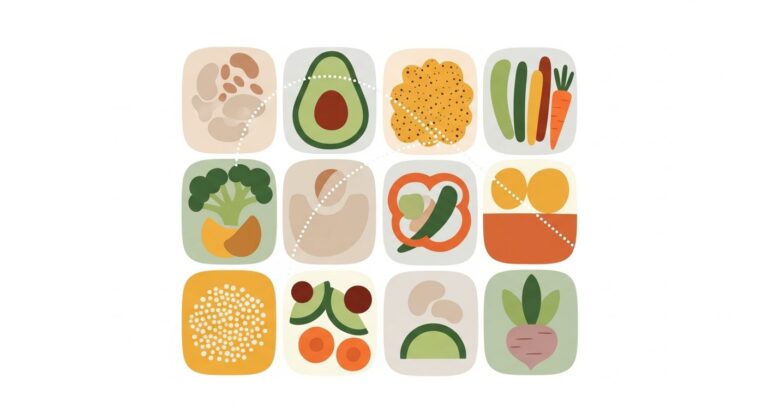
Food enthusiasts know that we eat with our eyes first. Investing in a high-quality, leak-proof bento box encourages portion control and variety. Fill compartments with a mix of textures: crunchy radishes, creamy hummus, protein-rich smoked trout, and a handful of Marcona almonds. This “grazing” style of lunch keeps blood sugar stable and satisfies the palate with diverse flavors.
—
5. The Art of the “Micro-Prep”: Finding Time in the Margins
Many people fail at meal planning because they try to dedicate five hours of their Sunday to the kitchen. For a busy professional, this is often unsustainable. The secret to longevity in meal planning is **Micro-Prepping**.
**Incremental Preparation**
Instead of one massive session, utilize small pockets of time. While your morning coffee is brewing, chop an onion and a bell pepper. While waiting for a pot of water to boil in the evening, zest some citrus or grate ginger. These “five-minute wins” accumulate, ensuring that when you’re ready to cook, your *mise en place* is already half-complete.
**The “Double-Down” Method**
Whenever you are cooking, double the recipe. If you are making a Bolognese or a Moroccan tagine, the effort to make two quarts is nearly identical to making one. Freeze the second half in flat, stackable bags. This creates a “private frozen aisle” of high-quality, homemade meals for those weeks when even the best-laid plans fall through. Labeling is crucial here—use masking tape and a marker to note the dish and the date.
—
6. Sustainable Sourcing and the Conscious Professional
In 2026, the food enthusiast is deeply concerned with the provenance of their ingredients. Meal planning is the ultimate tool for reducing food waste, which is both an environmental and financial win.
**Strategic Shopping**
Busy professionals should lean into “hybrid shopping.” Use a delivery service for heavy staples (grains, oils, canned goods) and reserve a quick, 20-minute trip to a local farmer’s market or high-end butcher for your “hero” ingredients. Fresh, seasonal produce requires less manipulation to taste incredible, saving you time on seasoning and complex cooking techniques.
**Zero-Waste Culinary Habits**
An efficient meal planner sees potential where others see waste. Turn herb stems into a vibrant pesto, or freeze vegetable scraps for a weekend stock. For the professional who values sustainability, these habits ensure that your kitchen operates as a closed-loop system, maximizing the value of every dollar spent on premium ingredients.
—
FAQ: Navigating the Challenges of Professional Meal Planning
**Q1: How do I avoid getting bored with the same meals every week?**
The key is to vary your “finishing touches.” If you’ve prepped roasted cauliflower, toss it in buffalo sauce one night and a lemon-tahini dressing the next. Use different fresh herbs and dry spices to pivot the flavor profile of your base components without needing to cook entirely new dishes.
**Q2: I have zero time on Sundays. When else can I prep?**
Shift your prep to Monday evening or break it into 15-minute blocks throughout the week. You can also utilize “semi-homemade” shortcuts, such as buying pre-washed organic greens or a high-quality rotisserie chicken, to bridge the gap between from-scratch cooking and convenience.
**Q3: How do I keep my prepped food from getting soggy or unappealing?**
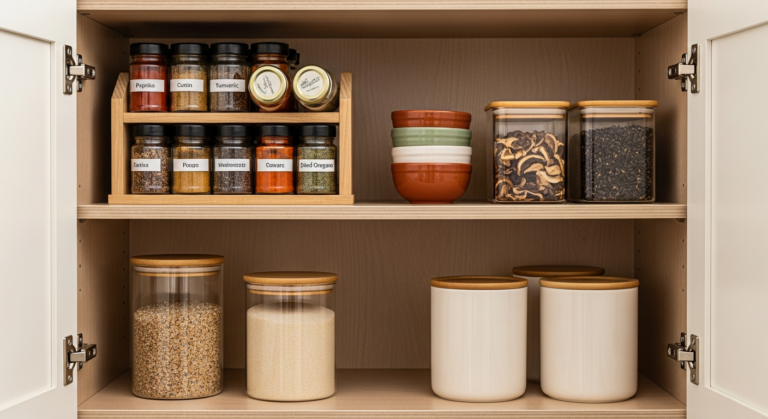
Storage science is essential. Invest in glass containers with airtight seals, which keep food fresher longer than plastic. Always allow hot food to cool completely before sealing to prevent condensation. Store sauces and dressings separately and only combine them at the moment of consumption.
**Q4: Is meal planning more expensive than just buying what I need daily?**
Actually, it’s significantly cheaper. By planning around overlapping ingredients and reducing impulse buys and delivery fees, most professionals save 20-30% on their monthly food budget. This allows you to reallocate those funds toward higher-quality proteins or luxury pantry items.
**Q5: What are the best “long-lasting” vegetables to prep early in the week?**
Hardy vegetables like kale, cabbage, carrots, Brussels sprouts, and roasted root vegetables (sweet potatoes, beets) hold up beautifully for 4-5 days. Avoid prepping delicate items like sliced cucumbers, avocados, or soft berries more than 24 hours in advance.
—
Conclusion: Reclaiming the Ritual of the Meal
Meal planning for the busy professional is far more than a chore; it is a vital system for maintaining excellence in all areas of life. By moving away from the “all-or-nothing” approach and embracing component cooking, modern technology, and micro-prep habits, you transform the kitchen from a source of stress into a sanctuary of creativity.
As we navigate the demands of 2026, the ability to nourish ourselves with intention is a true competitive advantage. It fosters better focus, higher energy levels, and a profound sense of well-being. Start small: choose two components to prep this weekend and build your system from there. Before long, you won’t just be eating to live; you’ll be dining with the sophistication and joy that every food enthusiast deserves, regardless of how many meetings are on the calendar. Your future self—sitting down to a vibrant, home-cooked meal after a long day—will certainly thank you.