














Mastering French Sauces at Home: The Definitive Guide for 2026
In the world of high-end gastronomy, the difference between a good home-cooked meal and a restaurant-quality masterpiece often lies in a single element: the sauce. For centuries, French cuisine has been the gold standard for culinary excellence, and at its heart lies the intricate art of saucing. While many home cooks feel intimidated by the prospect of crafting a delicate Hollandaise or a deep, rich Espagnole, mastering French sauces at home is more accessible than you might think. As we look toward the culinary trends of 2026, the focus has shifted back to foundational techniques—understanding the “why” behind the chemistry of cooking. By learning the fundamental structures of the five “Mother Sauces,” you unlock a gateway to thousands of variations. This guide will demystify the techniques, provide expert tips on equipment, and help you elevate your kitchen skills to a professional level, ensuring every dish you serve is infused with Parisian elegance and flavor.
The Foundation: Understanding the Five Mother Sauces
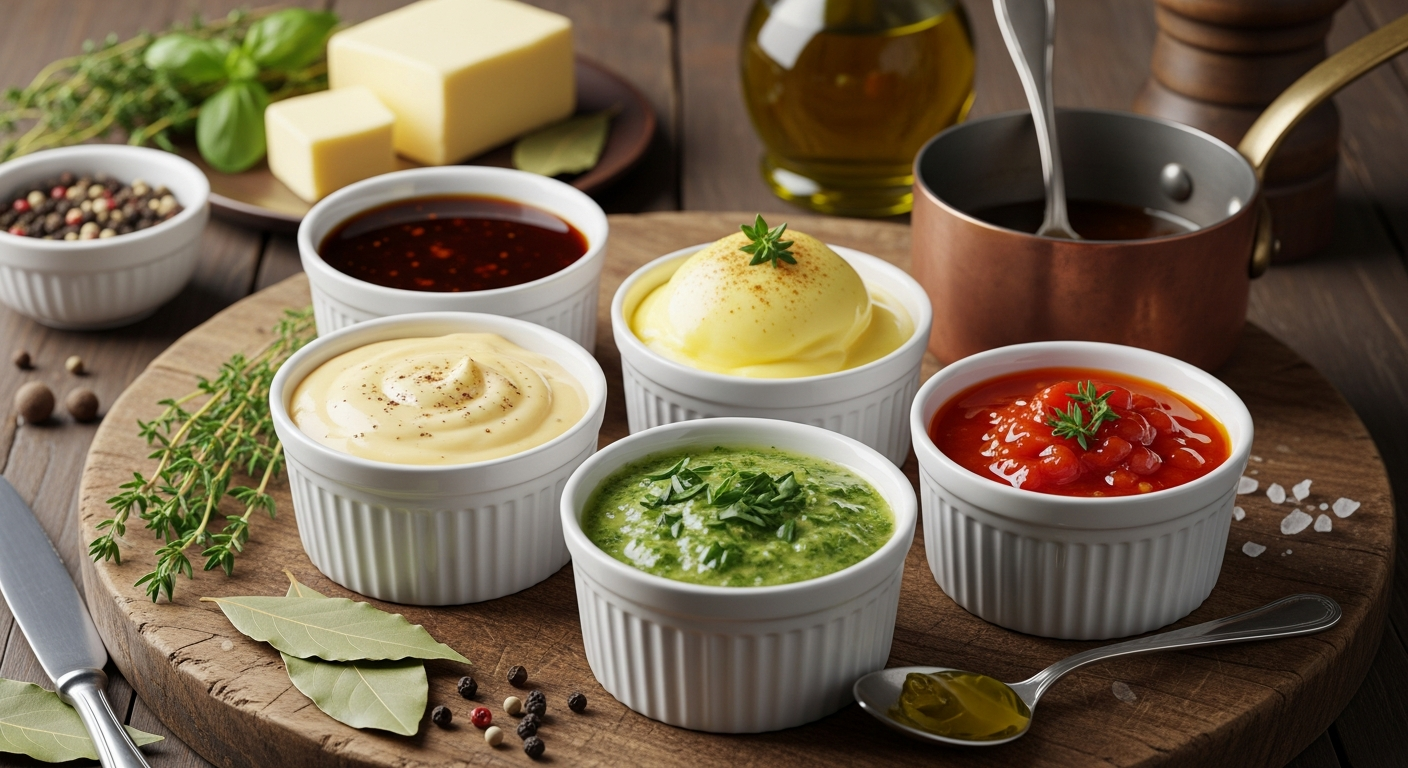
The concept of the “Mother Sauces” was first codified by Marie-Antoine Carême in the early 19th century and later refined by the legendary Auguste Escoffier. These sauces serve as the starting point—the genetic code—for almost every classic sauce in the French repertoire. Understanding these five pillars is the first step toward culinary independence.
1. **Béchamel:** A simple white sauce made from a white roux and milk. It is the creamy base for everything from lasagna to macaroni and cheese.
2. **Velouté:** Similar to Béchamel but uses a light stock (usually chicken, veal, or fish) instead of milk, resulting in a savory, velvety texture.
3. **Espagnole:** A heavy brown sauce made from brown stock, mirepoix, and a brown roux. It is the father of rich, meaty reductions.
4. **Sauce Tomate:** While it resembles Italian tomato sauce, the French version is traditionally thickened with a roux and flavored with salt pork and aromatic vegetables.
5. **Hollandaise:** A warm emulsion of egg yolks, clarified butter, and lemon juice. It is famously temperamental but unparalleled in its richness.
By mastering these five, you aren’t just learning five recipes; you are learning five distinct chemical processes that govern how liquids interact with fats and starches.
Essential Kitchen Tools and Ingredients for 2026
To master French sauces at home, your environment must be set up for success. You don’t need a professional kitchen, but a few specific tools will make the process significantly easier and more consistent.
#
The Tools
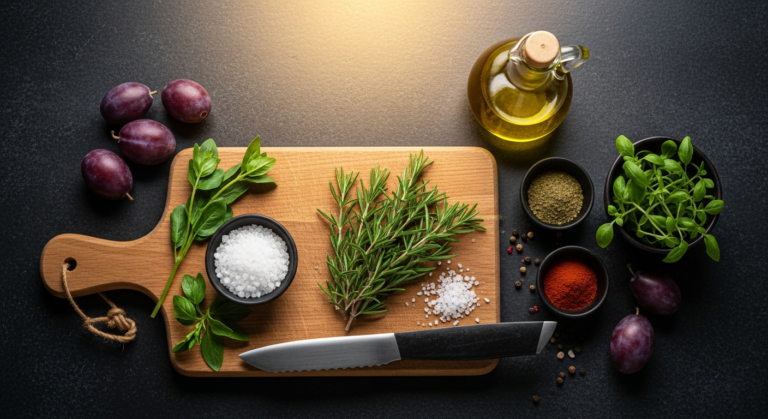
A **heavy-bottomed saucepan** is non-negotiable. Thin pans distribute heat unevenly, leading to scorched flour or “hot spots” that can break an emulsion. Stainless steel or copper-core pans are ideal because they respond quickly to temperature changes. You will also need a **high-quality balloon whisk**; look for one with a comfortable handle and thin, flexible wires that can reach the corners of your pan. For the smoothest possible finish, a **Chinois** (a fine-mesh conical strainer) is the secret weapon of professional chefs, ensuring that no stray bits of mirepoix or lumps of flour make it to the plate.
#
The Ingredients
In French saucing, there is nowhere for low-quality ingredients to hide. Use **unsalted European-style butter**, which has a higher fat content and lower water content than standard supermarket butter. For your stocks, homemade is always superior. However, if you are using store-bought, choose “low sodium” options so you can control the salt levels as the sauce reduces. Finally, keep fresh aromatics on hand—thyme, bay leaves, and parsley stems—as these provide the “top notes” that balance the richness of the fats.
The Science of the Roux and the Emulsion
At the core of sauce-making are two scientific processes: starch gelatinization and emulsification. Mastering these is what separates a lumpy gravy from a silken French sauce.
#
Mastering the Roux
A roux is an equal mixture by weight of flour and fat (usually butter). It is cooked over low to medium heat to coat the flour particles in fat, which prevents them from clumping when liquid is added.
* **White Roux:** Cooked for only a minute or two, just long enough to remove the “raw” flour taste. Used for Béchamel.
* **Blond Roux:** Cooked until it takes on a pale golden hue and a slightly nutty aroma. Used for Velouté.
* **Brown Roux:** Cooked for a longer period (up to 15-20 minutes) until it turns the color of milk chocolate. While it has the most flavor, it has the least thickening power, meaning you’ll need more of it to achieve the same consistency.
#
The Art of Emulsion
Hollandaise is the ultimate test of emulsion. An emulsion is the forced blending of two liquids that normally don’t mix—in this case, butter and lemon juice, held together by the lecithin in egg yolks. The key is temperature and speed. If the eggs get too hot, they scramble; if the butter is added too fast, the sauce “breaks” and becomes oily. In 2026, many home cooks use the “blender method” for Hollandaise, but learning to do it by hand over a *bain-marie* (water bath) provides a deeper understanding of how heat affects protein structures.
Step-by-Step: Crafting the Big Five at Home
Once you have your tools and your roux technique down, it is time to execute. Follow these streamlined steps for the Mother Sauces.
#
1. Béchamel
Melt butter, whisk in flour, and cook for 2 minutes. Slowly pour in cold milk, whisking constantly. Bring to a simmer until thickened, then season with salt, white pepper, and a pinch of nutmeg.
#
2. Velouté
Follow the roux process but allow it to turn slightly golden. Whisk in a high-quality chicken or fish stock. Simmer for about 15 minutes, skimming any foam that rises to the top. The result should be “nappé,” meaning it coats the back of a spoon.
#
3. Espagnole
This requires more patience. Sauté a mirepoix (onions, carrots, celery) until browned. Add flour to create a brown roux. Incorporate brown veal or beef stock and tomato purée. Simmer for at least an hour, reducing the liquid and intensifying the flavor.
#
4. Sauce Tomate
Render salt pork, sauté aromatics, add fresh and canned tomatoes, and a splash of stock. While Escoffier used a roux, many modern home cooks prefer a long, slow reduction to achieve thickness.
#
5. Hollandaise
Whisk egg yolks and lemon juice over a pot of simmering water (not boiling) until they double in volume and become pale. Very slowly, drop by drop, whisk in warm clarified butter until a thick, creamy sauce forms.
From Mother to Daughter: Expanding Your Repertoire
The true magic of mastering French sauces at home happens when you begin creating “Daughter Sauces.” These are variations created by adding specific ingredients to a Mother Sauce. This is where your creativity can shine.
* **From Béchamel:** Add Gruyère or Parmesan cheese to create a **Mornay Sauce**, perfect for vegetables or seafood. Add onions to create a **Soubise**.
* **From Velouté:** Add egg yolks and heavy cream to a chicken velouté to create the luxurious **Sauce Allemande**. Add white wine and herbs for a **Bercy Sauce**.
* **From Espagnole:** Reduce it further with more brown stock and sherry to create **Demi-Glace**, the pinnacle of French sauce-making. From there, you can add red wine and shallots for a **Bordelaise**.
* **From Hollandaise:** Add tarragon and shallots reduced in vinegar to create **Béarnaise**, the classic accompaniment for steak. Add tomato purée for a **Sauce Choron**.
By 2026, the trend in home cooking is “modular” cooking—learning one base and pivoting to five different meals. These daughter sauces allow you to use the same foundation for a Tuesday night pasta or a Saturday night dinner party.
Troubleshooting: How to Fix Common Sauce Mistakes
Even the most seasoned chefs encounter issues when making French sauces. The key is knowing how to rescue them before they reach the table.
* **The Sauce is Lumpy:** This usually happens when liquid is added too quickly to a roux. The solution? Pour the sauce through a fine-mesh Chinois or use an immersion blender to smooth it out.
* **The Hollandaise Broke:** If your Hollandaise looks oily and curdled, don’t throw it out. Place a fresh egg yolk and a teaspoon of warm water in a clean bowl, then very slowly whisk the broken sauce into the new yolk.
* **The Sauce is Too Thin:** Continue to simmer the sauce to evaporate more water (reduction). Alternatively, you can use a *beurre manié* (equal parts raw butter and flour kneaded together) and whisk small bits into the simmering sauce.
* **The Sauce is Too Thick:** Simply whisk in more of your base liquid (milk, stock, or water) one tablespoon at a time until the desired consistency is reached.
* **The Sauce is “Flat”:** If the sauce lacks depth, it usually needs acid or salt. A tiny squeeze of lemon juice or a drop of sherry vinegar can “brighten” the heavy fats and bring the flavors into focus.
FAQ: Mastering French Sauces
**Q1: Can I make French sauces ahead of time?**
A: Most Mother Sauces can be made in advance. Béchamel, Velouté, and Espagnole can be refrigerated for up to 3 days. To prevent a “skin” from forming, press plastic wrap directly onto the surface of the sauce while it’s still warm. Hollandaise is best made fresh but can be kept warm in a thermos for about an hour.
**Q2: What is the best butter for sauce making?**
A: High-fat, European-style unsalted butter is the gold standard. Since sauces involve significant reduction, salted butter can make the final product too salty. Unsalted allows you total control over the seasoning.
**Q3: Is a roux better than a cornstarch slurry?**
A: For French sauces, yes. A roux provides a complex, toasted flavor and a stable structure that doesn’t feel “slimy” or “gelatinous,” which cornstarch can sometimes do. Roux-thickened sauces also reheat better.
**Q4: Do I really need to make my own stock?**
A: While 2026 brings many high-quality store-bought options, homemade stock contains natural gelatin from bones, which provides a “mouthfeel” and body that commercial stocks lack. If you use store-bought, consider whisking in a little unflavored gelatin to mimic the effect.
**Q5: How do I keep my sauce warm without it breaking?**
A: Use a “bain-marie”—a bowl set over a pot of warm (not boiling) water. Alternatively, a high-quality insulated thermos is a favorite hack for home cooks to keep Hollandaise or Béchamel at the perfect temperature until serving.
Conclusion
Mastering French sauces at home is a journey that transforms your relationship with food. It shifts the focus from following recipes to understanding the harmony of fat, starch, and liquid. While the terminology may seem steeped in old-world tradition, the techniques are timeless. As you practice your roux and perfect your emulsions, you’ll find that these “Mother Sauces” provide the confidence to experiment and innovate in your own kitchen. Whether you are hosting an elegant dinner in 2026 or simply looking to elevate a weeknight meal, the ability to craft a silken, flavorful sauce is the ultimate culinary superpower. Start with a simple Béchamel, move to a delicate Velouté, and soon you will be navigating the complex world of French gastronomy with ease and flair. Bon appétit!