


























The Illusion of Grandeur: Mastering Light and Color
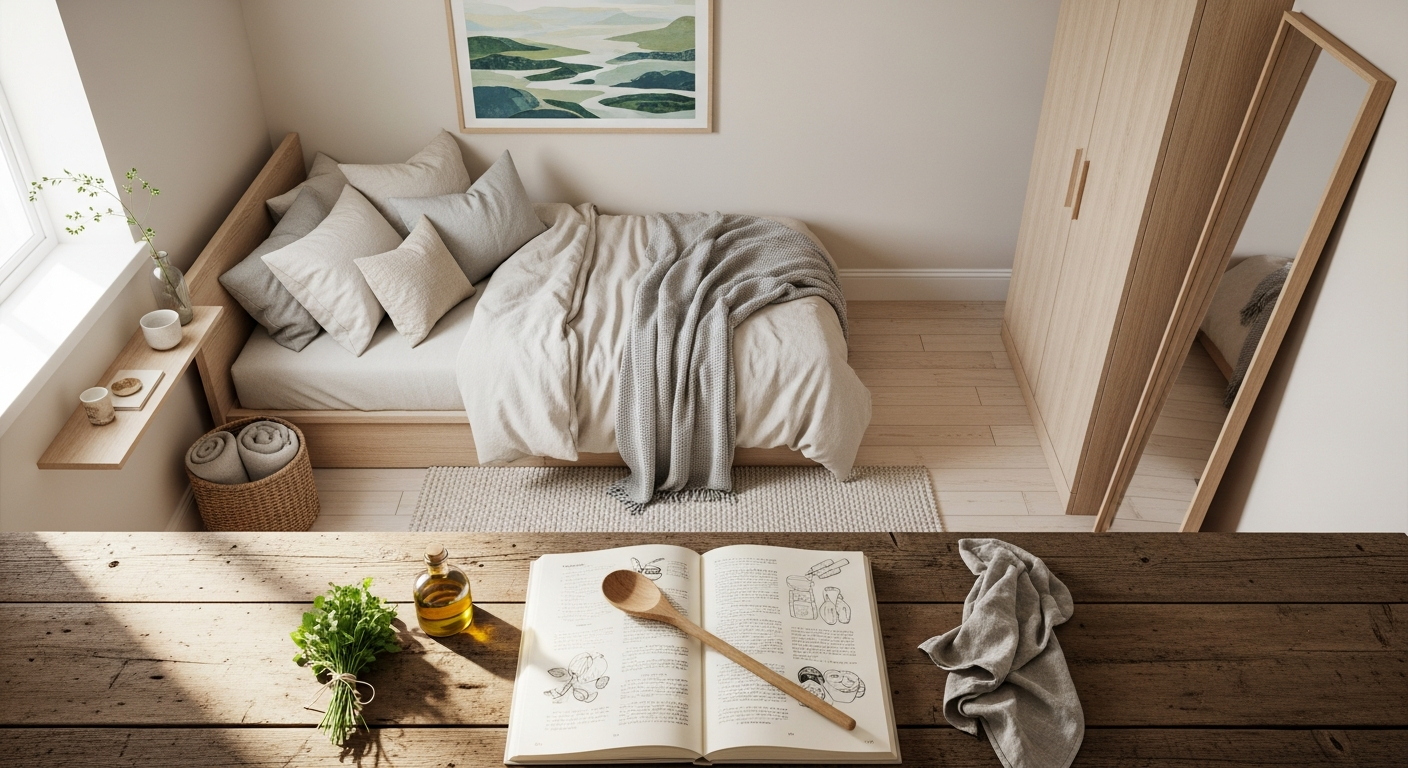
The strategic use of light and color is arguably the most powerful tool in your arsenal when aiming to make a small bedroom feel larger. These elements don’t just dictate the mood of a room; they can fundamentally alter its perceived dimensions. By understanding how light interacts with different hues and surfaces, you can create an expansive atmosphere that belies the actual footprint of your space.
Embracing a Luminous Color Palette
When it comes to small bedrooms, light colors are your best friends. Pale shades reflect more light, making a room feel brighter and more open. Think soft whites, delicate creams, sky blues, and gentle grays. These hues recede visually, pushing back the walls and creating an illusion of greater depth. A monochromatic scheme, where you use varying shades and tints of a single light color, can also work wonders. This approach minimizes visual breaks, allowing the eye to flow seamlessly around the room, which in turn enhances the sense of spaciousness. For instance, pairing a very light gray wall with a slightly darker gray rug and white bedding creates a serene, cohesive look that feels wonderfully expansive.
Beyond the walls, consider the ceiling. Painting it a shade lighter than your walls, or even a crisp white, can make it appear taller, drawing the eye upwards and contributing to an open, airy feel. Even subtle nuances in color can have a profound impact, making this one of the most cost-effective and dramatic ways to make a small bedroom look bigger.
Maximizing Natural and Artificial Light
Light is a fundamental component in expanding a small space. Natural light is invaluable, so ensure your windows are not obstructed by heavy drapes or bulky furniture. Opt for sheer curtains or blinds that allow maximum light penetration while maintaining privacy. If privacy isn’t a concern, consider leaving windows bare or framing them with minimalist treatments.
When natural light is limited, strategic artificial lighting becomes crucial. Avoid a single overhead light, which can cast shadows and make a room feel smaller. Instead, embrace a layered lighting scheme. Start with ambient lighting from flush-mount fixtures or recessed lights. Add task lighting with wall-mounted sconces or slim bedside lamps that free up nightstand space. Finally, incorporate accent lighting, perhaps with a small picture light or a floor lamp that illuminates a corner, to create depth and visual interest. Dimmers are also excellent for controlling the mood and brightness, allowing you to adjust the light according to the time of day and your personal preference. Thoughtful lighting not only brightens but also adds dimension, making your small bedroom feel significantly more capacious.
The Magic of Mirrors: Reflecting Space
Mirrors are a designer’s secret weapon for small spaces, and their ability to make a small bedroom look bigger is unparalleled. They work by reflecting light and creating the illusion of more space, essentially doubling the room visually. Strategically placed, a large mirror can mimic a window, bringing in more perceived light and depth. Consider placing a full-length mirror opposite a window to amplify natural light and views.
Alternatively, a large mirror leaning against a wall can create a dramatic statement without taking up much floor space. Mirrored closet doors are another ingenious solution, providing both functionality and an expansive effect. Even a collection of smaller mirrors can work, acting as a decorative element that simultaneously bounces light around the room. When selecting mirrors, consider frameless designs or those with thin, light-colored frames to maintain an airy aesthetic. The key is to think about what the mirror will reflect – ideally, something pleasant and uncluttered, further enhancing the illusion of a larger, more inviting space.
Smart Furniture & Layout: Designing for Density

Beyond aesthetics, the practical choices you make regarding furniture and its arrangement are paramount in a small bedroom. Every piece should earn its place, offering both form and function. By selecting items with purpose and arranging them intelligently, you can optimize flow, maximize utility, and ensure your compact room feels spacious rather than crowded.
Multi-Functional Furniture: The Space-Saving Marvel
In a small bedroom, furniture that serves more than one purpose is invaluable. Think creatively about how each item can pull double duty. A storage bed, for instance, with drawers built into its base or a hydraulic lift mechanism, can cleverly house extra bedding, seasonal clothing, or books, freeing up precious closet space. An ottoman with a removable lid can serve as seating, a footrest, and a hidden storage compartment all at once. Nesting tables can be pulled apart for various uses when needed and then neatly tucked back together to reclaim floor space.
Consider a desk that folds down from the wall or a bedside table that incorporates shelving. Even a simple bench at the foot of the bed can offer both seating and a place to store items underneath. These pieces are not just about saving space; they’re about enhancing efficiency and maintaining an uncluttered environment, which is crucial to make a small bedroom look bigger. When exploring Home Decor Ideas Budget 2026, multi-functional furniture often presents excellent value, allowing you to invest in fewer, more impactful pieces.
Leveraging Vertical Space: Thinking Upwards
When horizontal space is limited, the only way to go is up! Utilizing vertical space is a fundamental strategy for small bedrooms. Install shelves high on the walls, reaching towards the ceiling, to store books, decorative items, or personal effects. Floating shelves are particularly effective as they don’t have bulky supports, maintaining an open feel. Wall-mounted bedside tables or sconces free up floor space entirely, creating a visually lighter room.
Tall, slender bookshelves or storage units can house a significant amount without occupying a large footprint. Consider a wardrobe that extends to the ceiling, custom-built or with added extension units, to maximize storage capacity. Even hooks on the back of a door or stylish wall-mounted coat racks can provide essential storage for robes, bags, or scarves. By drawing the eye upwards, vertical storage not only solves practical challenges but also contributes to the perception of a taller, more expansive room, further helping to make a small bedroom look bigger.
Strategic Layout: Crafting Pathways and Flow
The way you arrange your furniture profoundly impacts the feel and functionality of a small bedroom. The primary goal is to create clear pathways and maintain a sense of open flow. Often, placing the bed against the longest wall or in a corner can free up significant floor space. If possible, avoid placing the bed directly in front of a window, as this can block light and make the room feel cramped.
Pull furniture slightly away from the walls, even by a few inches, to prevent a “boxed-in” feeling. This subtle trick can create a shadow line that gives the illusion of more space. Avoid overloading the room with too many pieces; choose only essentials. If you have a desk, select one with a slim profile or a floating design. Ensure that doors and drawers can open fully without obstruction. By meticulously planning your layout, you can create a harmonious, functional, and surprisingly spacious environment, making your small bedroom look bigger and more inviting.
Decluttering & Organization Mastery: The Foundation of Spaciousness
Embracing the Minimalist Mindset
A minimalist approach doesn’t mean living without personality; it means curating your belongings so that only items you truly love and use reside in your space. Begin by decluttering mercilessly. Go through every item in your bedroom and ask yourself: “Do I need this? Do I love this? Does it serve a purpose?” If the answer is no, it’s time to let it go. This includes clothes, books, decor items, and anything else that contributes to visual noise. Adopt the “one in, one out” rule: whenever you bring a new item into the room, one old item must leave. This prevents clutter from accumulating again.
In a small space, every surface should ideally be clear or hold only a few carefully chosen items. Fewer objects mean less visual distraction, which in turn makes the room feel more open and expansive. A minimalist mindset is not just a design choice; it’s a lifestyle adjustment that brings peace and order, allowing your small bedroom to feel like a serene sanctuary rather than a storage unit.
Ingenious Hidden Storage Solutions
Once you’ve decluttered, the next step is to store the remaining essentials efficiently and, where possible, out of sight. Hidden storage is a game-changer for small bedrooms. As discussed, storage beds are excellent, but also consider ottomans, benches, and even headboards with built-in compartments. Utilize under-bed storage bins, ensuring they are aesthetically pleasing or neatly tucked away.
Built-in shelving or cabinetry, while a larger investment, can seamlessly integrate storage into the room’s architecture, creating a custom, high-end look that doesn’t intrude on floor space. If built-ins aren’t an option, choose storage furniture that blends in, such as a dresser in a light color that matches the walls. Decorative boxes and baskets can conceal smaller items on shelves or inside wardrobes, maintaining a tidy appearance. The goal is to provide a home for everything so that nothing is left to clutter surfaces, thus supporting your efforts to make a small bedroom look bigger.
Maintaining Order: The Habit of Serenity
Decluttering is a one-time event, but organization is an ongoing habit. To keep your small bedroom feeling spacious and serene, regular maintenance is essential. Make it a daily practice to put things back in their designated spots. Make your bed every morning; this simple act instantly makes the room look tidier and more put-together. Spend a few minutes each week tidying surfaces and returning stray items to their homes.
Consider implementing a weekly “reset” where you thoroughly tidy, perhaps a mini-declutter of any new accumulations. This consistent effort ensures that your small bedroom remains a calm and inviting space, preventing the creeping clutter that can quickly undo all your hard work. A well-maintained, organized room inherently feels larger, more comfortable, and more conducive to relaxation and peace of mind, aligning perfectly with Self Care Ideas At Home 2026 by providing a truly restful environment.
Textures, Textiles & Visual Tricks: Adding Depth Without Bulk
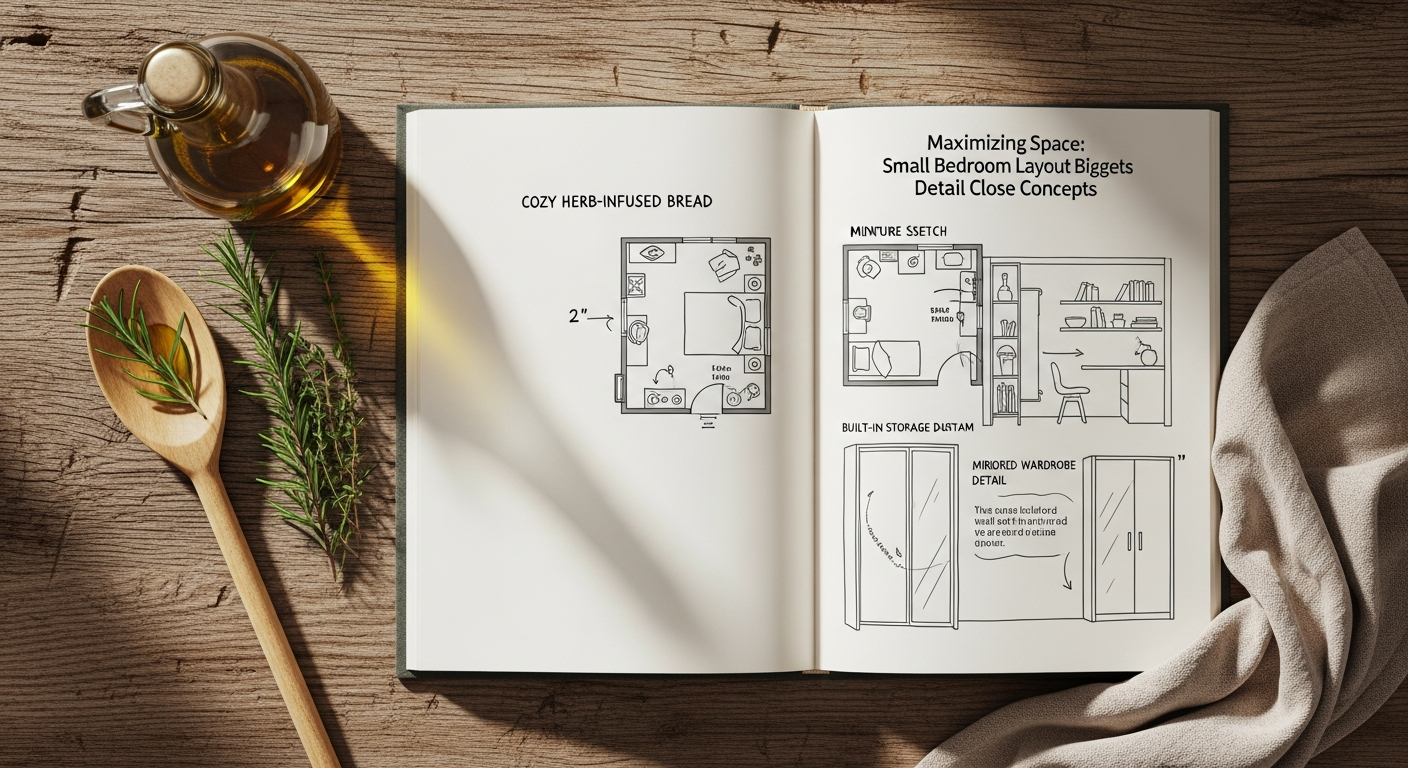
Once the foundational elements of light, color, furniture, and organization are in place, you can turn your attention to the softer, more nuanced aspects of design. Textures, textiles, and subtle visual tricks play a significant role in adding depth, warmth, and personality to a small bedroom without overwhelming it. These elements can create an inviting atmosphere while subtly reinforcing the illusion of space.
Strategic Use of Patterns and Textures
When incorporating patterns into a small bedroom, subtlety is key. Overly large or busy patterns can make a room feel cramped and chaotic. Instead, opt for small-scale, delicate patterns that add visual interest without dominating the space. Vertical stripes, for instance, on wallpaper or curtains, can draw the eye upwards, enhancing the perception of height. A subtle tone-on-tone pattern on bedding or an area rug can add texture and sophistication without introducing too much visual noise.
Texture, on the other hand, is your friend. Layering different textures—a plush rug, linen bedding, a chunky knit throw, velvet pillows—adds warmth and depth, making the room feel rich and inviting. These tactile elements create visual interest without requiring additional objects, thus maintaining an uncluttered look. The contrast between smooth and rough, soft and crisp, provides a sensory experience that elevates the room’s design, helping to make a small bedroom look bigger by adding complexity and dimension.
Window Treatments: Framing the View
Your window treatments are more than just functional; they are crucial in how a small bedroom is perceived. To maximize light and create an expansive feel, mount your curtain rods high and wide. Position the rod several inches above the window frame and extend it beyond the frame on both sides. This simple trick makes the window appear larger and the ceiling taller. When the curtains are open, they will stack against the wall rather than covering any part of the window, allowing maximum natural light to flood in.
Choose lightweight, sheer fabrics in light colors, such as white, off-white, or a pale hue that complements your walls. Avoid heavy, dark, or voluminous drapes, which can absorb light and make a small room feel enclosed. If privacy is a concern, layer sheers with light-filtering blinds or Roman shades that can be pulled up entirely during the day. The right window treatment can dramatically impact the perceived size and brightness of your small bedroom, making it feel more open and airy.
Rugs and Flooring: Anchoring the Space
The flooring choice and the presence of a rug can significantly influence the perception of space. Lighter-colored flooring, whether wood, carpet, or tiles, can make a room feel more open and expansive, much like light-colored walls. If you have dark flooring and can’t change it, a large, light-colored area rug can lighten the space considerably.
When selecting a rug for a small bedroom, resist the urge to choose a tiny one. A rug that is too small can chop up the floor and make the room feel disjointed. Instead, opt for a larger rug that extends under the bed and ideally has at least the front two legs of your nightstands resting on it. This creates a cohesive “zone” and makes the room feel more grounded and expansive. A rug with a subtle pattern or a soft texture can also add warmth and definition without overwhelming the space, further contributing to your goal to make a small bedroom look bigger.
Personal Touches & Self-Care Sanctuary: Infusing Comfort and Calm
While the goal is to make a small bedroom look bigger, it’s equally important that it feels like a personal haven—a space that nurtures your well-being. Incorporating thoughtful personal touches and focusing on creating a self-care sanctuary ensures that your compact room is not just visually appealing but also deeply comforting and restorative. This balance is key to a truly successful small bedroom design.
Mindful Decor: Curated Comfort
In a small space, every decorative item should be chosen with intention. Instead of filling every available surface, curate a few meaningful pieces that bring you joy or serve a purpose. This might be a cherished piece of art, a beautiful plant, or a collection of books that inspire you. Group smaller items together on a tray to create a single, organized focal point rather than scattering them, which can look cluttered.
Consider the scale of your decor. A single, larger piece of art can often make a more impactful statement and feel less busy than a gallery wall of many small frames in a compact room. Similarly, one elegant vase with fresh flowers can be more effective than several small trinkets. The aim is to create visual interest and personality without overwhelming the senses, allowing the room to feel serene and spacious. This mindful approach to decor ensures that your bedroom reflects your authentic self without sacrificing the open feel you’re striving for.
Creating a Retreat: Self Care Ideas At Home 2026
Your bedroom should be your ultimate retreat, a place where you can unwind and recharge. Even a small bedroom can be transformed into a luxurious self-care sanctuary. Incorporate elements that promote relaxation and well-being. A diffuser with calming essential oils like lavender or chamomile can set a tranquil mood. Soft, high-quality bedding in natural fibers will enhance comfort and sensory pleasure.
Consider a small, comfortable armchair or a plush floor cushion if space allows, creating a cozy reading nook. Introduce elements of nature with a few carefully chosen houseplants; they not only purify the air but also add a touch of calming greenery. Good quality room-darkening blinds or curtains can ensure restful sleep, a cornerstone of self-care. Personalize your space with items that evoke peace: perhaps a special photograph, a journal, or a small collection of inspiring books. By prioritizing comfort, tranquility, and personal well-being, you can transform your small bedroom into a truly restorative haven, aligning perfectly with the best Self Care Ideas At Home 2026 recommendations for creating a personal sanctuary.
The Power of Simplicity and Sensory Appeal
Simplicity often translates to serenity, and in a small bedroom, it also translates to spaciousness. Focus on clean lines, uncluttered surfaces, and a harmonious color palette. Engage all your senses: the soft feel of quality linens, the calming scent from an essential oil diffuser, the gentle glow of indirect lighting, and the peaceful quiet of an organized space. Avoid harsh overhead lighting in favor of warmer, softer lamps. Consider a small sound machine for white noise if external sounds are an issue.
The overall atmosphere you create is just as important as the visual tricks. When a room feels calm, comfortable, and personally curated, its actual dimensions become less significant. It’s about creating an experience of spaciousness and peace, rather than just an illusion. This holistic approach ensures that your efforts to make a small bedroom look bigger result in a space that is not only visually expansive but also deeply comforting and conducive to rest and rejuvenation.
Budget-Friendly & Rental Transformations: Accessible Elegance for Every Home
Transforming a small bedroom to feel larger doesn’t require an unlimited budget or owning your home. Many of the most impactful strategies are surprisingly affordable and perfectly suited for renters. With a little creativity and resourcefulness, you can achieve a stunning, spacious look without breaking the bank or violating your lease agreement. These Home Decor Ideas Budget 2026 are all about smart choices and clever applications.
DIY & Upcycling: Creating Custom Solutions on a Dime
DIY projects are an excellent way to personalize your space and tackle specific storage or aesthetic challenges without high costs. Simple painting can dramatically change a room’s perception; a fresh coat of a light, airy color is one of the most effective and budget-friendly ways to make a small bedroom look bigger. You can also DIY shelving units using inexpensive wood planks and brackets, painting them to match your walls for a seamless look.
Upcycling existing furniture is another fantastic option. A tired dresser can be given a new lease on life with a fresh coat of paint and new hardware, instantly elevating its appearance. An old wooden crate can be transformed into a stylish bedside table or storage unit. Look for tutorials online for building simple storage solutions or customizing existing pieces. These hands-on projects not only save money but also allow you to create truly unique items that perfectly fit your space and style, making your small bedroom feel custom-designed and expansive.
Thrifting & Smart Shopping: Hidden Gems for a Grand Effect
You don’t need to buy brand new to achieve a sophisticated look. Thrifting, visiting consignment stores, and exploring online marketplaces can unearth incredible finds that add character and save money. Look for well-made furniture pieces that can be given a refresh, such as a sturdy wooden frame for a mirror that you can paint, or a unique lamp base that just needs a new shade. Vintage mirrors, often found at great prices, are perfect for reflecting light and making a small bedroom look bigger.
When shopping, prioritize items that are proportionate to your small space. Seek out slender furniture with legs that allow light to pass underneath, rather than bulky, floor-hugging pieces. Look for light-colored textiles, sheer curtains, and simple, elegant decor items. Remember that quality doesn’t always mean expensive; it means making thoughtful choices that contribute to the overall spacious and serene atmosphere of your bedroom. Incorporating these elements aligns well with Home Decor Ideas Budget 2026, proving that style is accessible to all.
Decorate Rental Apartment Tips: Temporary Transformations
Living in a rental doesn’t mean you can’t implement many of these space-enhancing strategies. The key is to focus on non-damaging and temporary solutions. For walls, instead of paint, consider removable wallpaper or temporary wall decals in light colors or subtle patterns. These can add visual interest and height without permanent alteration. Command hooks and strips are your best friends for hanging art, mirrors, and even lightweight shelving without putting holes in the walls. They come in various sizes and weight capacities, allowing for flexible decor arrangements.
When it comes to window treatments, tension rods can hold lightweight curtains without drilling. Freestanding or leaning mirrors are ideal as they don’t require wall mounting. Focus on furniture that you can easily move and that provides ample storage, such as storage ottomans or modular shelving units. Large area rugs can cover undesirable flooring and instantly add warmth and style, and they are completely removable. By embracing these clever Decorate Rental Apartment Tips, you can confidently transform your small rental bedroom into a spacious and personalized retreat, proving that temporary solutions can yield lasting impact on how big your bedroom feels.
Frequently Asked Questions
Recommended Resources
Check out Parenting Tips For Raising Confident Children on Veralyn Media for a deeper dive.
Related reading: How To Get Celebrity Beach Waves Hair (Celebrity Exchange).