
















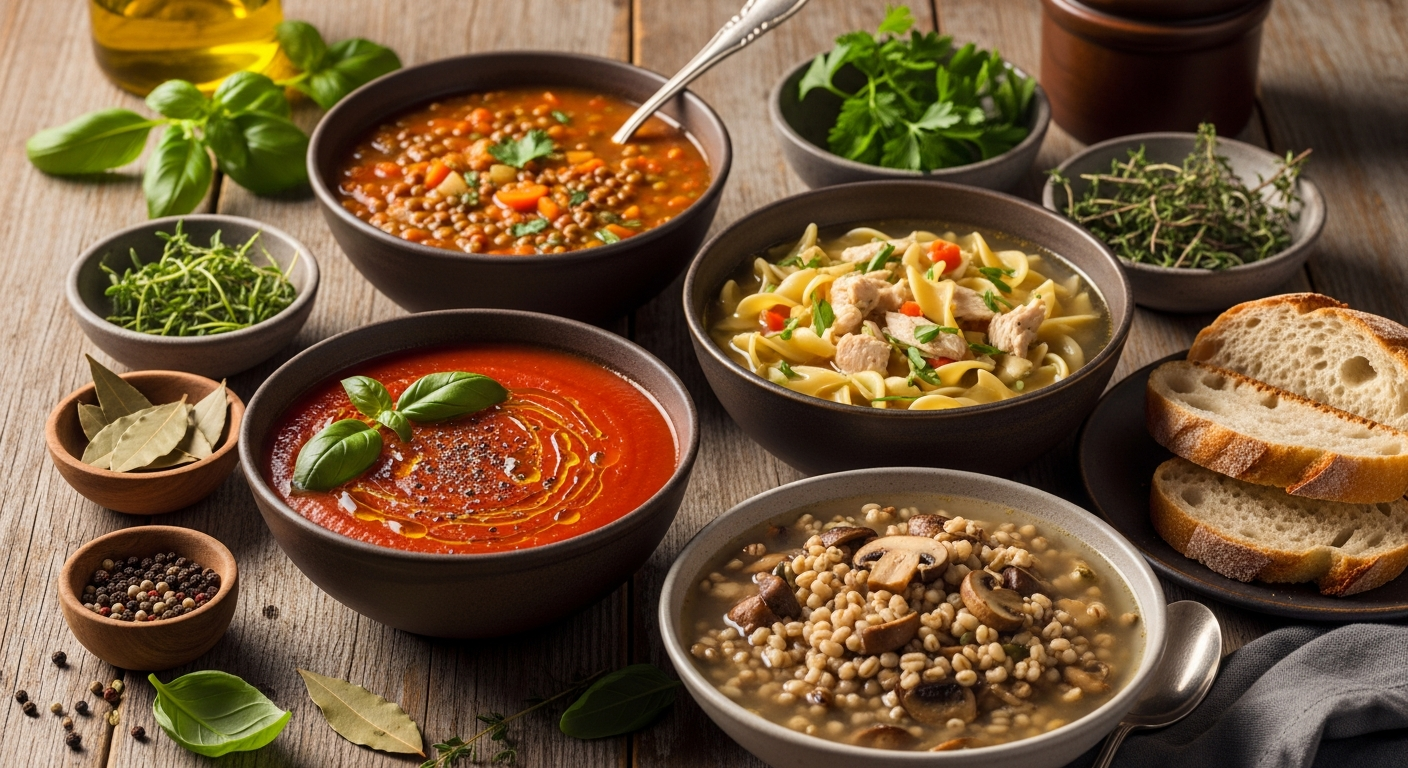
Master the Art of Comfort: Easy Low Sodium Soup Recipes for 2026
There is something inherently restorative about a steaming bowl of soup. Whether you are battling a winter chill or simply seeking a light, nutritious lunch, soup is the ultimate culinary hug. However, for many home cooks, the “soup experience” often comes with a hidden downside: astronomical sodium levels. Traditional canned soups and even many restaurant versions are frequently loaded with salt to enhance flavor and extend shelf life. If you are monitoring your blood pressure or simply striving for a cleaner diet in 2026, the salt shaker can feel like a barrier to your favorite comfort foods.
The good news is that reducing sodium doesn’t mean sacrificing flavor. In fact, by making your own easy low sodium soup recipes at home, you unlock a world of vibrant, nuanced tastes that salt often masks. By focusing on fresh aromatics, high-quality herbs, and bright acids, you can create bowls that are as good for your heart as they are for your palate. This guide will walk you through the essentials of low-sodium cooking and provide you with foolproof recipes that make healthy eating effortless.
The Health Benefits of Low Sodium Cooking
Reducing sodium intake is one of the most effective ways to support long-term cardiovascular health. High sodium diets are closely linked to hypertension (high blood pressure), which is a primary risk factor for heart disease and stroke. When we consume excess salt, our bodies retain water to dilute it, increasing the volume of blood the heart must pump and putting extra pressure on the arteries.
In 2026, nutrition science continues to emphasize the “DASH” diet (Dietary Approaches to Stop Hypertension), where low-sodium soups play a starring role. Beyond heart health, a low-sodium lifestyle can reduce bloating, support kidney function, and even help you appreciate the natural sweetness and earthiness of vegetables. When you stop relying on salt as a crutch, your taste buds actually become more sensitive, allowing you to taste the subtle notes of a roasted carrot or the peppery bite of fresh parsley in ways you never could before.
Essential Pantry Staples for Flavorful Low Sodium Soups
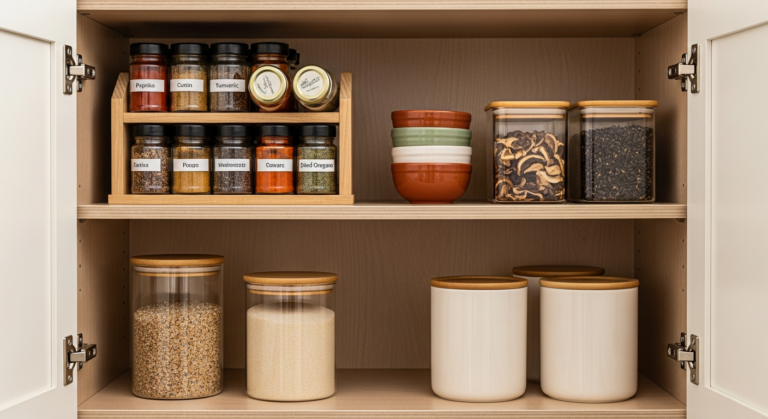
To master easy low sodium soup recipes, you need to rethink your pantry. The foundation of any great soup is the liquid, and this is where most of the sodium hides.
#
1. No-Salt-Added Broths and Stocks
Always look for “No Salt Added” labels rather than “Low Sodium.” In many cases, “low sodium” products still contain a significant amount of salt. Alternatively, making your own stock from vegetable scraps or chicken bones is the ultimate way to control the mineral content.
#
2. Acidic Brighteners
When a soup tastes “flat,” your instinct might be to add salt. Instead, try adding an acid. A squeeze of fresh lemon juice, a splash of apple cider vinegar, or a drizzle of balsamic glaze can “wake up” the flavors and provide the brightness that salt usually provides.
#
3. Alliums and Aromatics
Garlic, onions, leeks, shallots, and ginger are the backbone of flavor. Sautéing these thoroughly at the beginning of the cooking process develops a deep, caramelized base that carries the soup through to the final bite.
#
4. Fresh and Dried Herbs
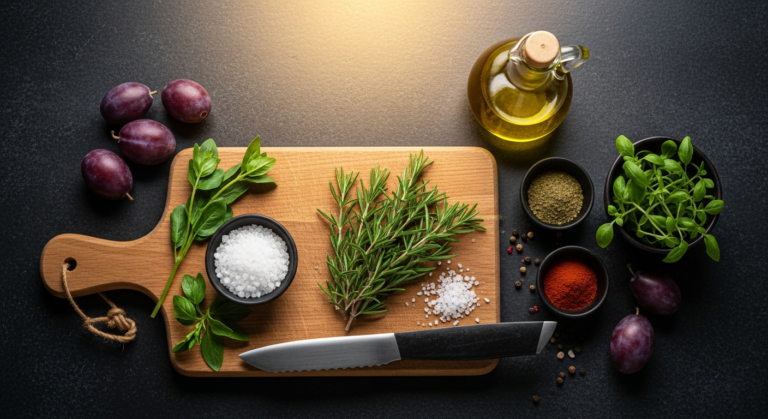
In 2026, the trend toward indoor herb gardening makes it easier than ever to have fresh basil, thyme, and rosemary on hand. Dried herbs are great for long-simmering stews, while fresh herbs should be stirred in at the very end to preserve their volatile oils and vibrant color.
5 Easy Low Sodium Soup Recipes for Every Occasion
#
1. Roasted Tomato and Basil Soup (The Crowd-Pleaser)
This isn’t your average canned tomato soup. By roasting the tomatoes first, you concentrate their natural sugars, creating a rich flavor profile that requires zero added salt.
* **Ingredients:** 3 lbs vine-ripened tomatoes, 1 head of garlic, 2 tablespoons olive oil, 1 large onion, 4 cups no-salt-added vegetable broth, a handful of fresh basil.
* **Method:** Halve the tomatoes and place them on a baking sheet with the top of the garlic bulb sliced off. Drizzle with oil and roast at 400°F (200°C) for 45 minutes. Squeeze the roasted garlic into a pot with the tomatoes and any juices, add the broth and sautéed onion, and simmer for 15 minutes. Blend until smooth and stir in fresh basil.
* **The Low Sodium Secret:** Roasting creates a “Maillard reaction,” which adds a depth of flavor that mimics the satisfaction of salt.
#
2. Hearty Lentil and Turmeric Stew
Lentils are a nutritional powerhouse, providing protein and fiber. This soup is earthy, filling, and naturally low in sodium.
* **Ingredients:** 1 cup dried brown lentils, 1 diced carrot, 2 stalks celery, 1 tablespoon turmeric, 1 teaspoon cumin, 6 cups no-salt-added chicken or veggie broth, and fresh spinach.
* **Method:** Sauté the carrots and celery until soft. Add the spices and toast for one minute until fragrant. Stir in the lentils and broth. Bring to a boil, then simmer for 25–30 minutes until lentils are tender. Fold in fresh spinach at the end until wilted.
* **The Low Sodium Secret:** Turmeric and cumin provide an exotic warmth that keeps the palate engaged, making salt unnecessary.
#
3. Creamy Cauliflower and Roasted Leek Soup
This soup tastes indulgent and buttery but is entirely dairy-free and low-sodium.
* **Ingredients:** 1 large head of cauliflower (chopped), 2 large leeks (white parts only), 1 potato (peeled and diced for creaminess), 4 cups no-salt-added vegetable broth, and white pepper.
* **Method:** Sauté the leeks in olive oil until translucent. Add cauliflower, potato, and broth. Simmer until the vegetables are very soft. Blend with an immersion blender until silky. Season with white pepper.
* **The Low Sodium Secret:** The potato provides a natural starchiness that creates a “creamy” mouthfeel, which is often what we crave when we reach for salty snacks.
#
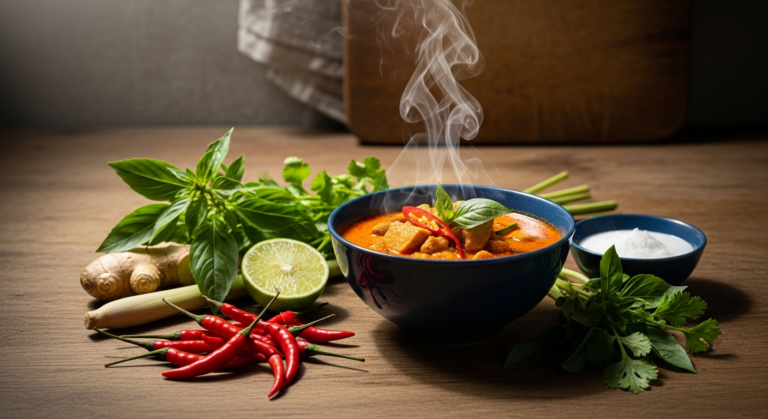
4. Lemon-Ginger Chicken Noodle Soup
A low-sodium take on the classic “healing” soup. Using fresh ginger provides a spicy kick that clears the sinuses and excites the taste buds.
* **Ingredients:** 2 cups shredded cooked chicken breast, 1 tablespoon grated fresh ginger, 2 cloves minced garlic, 1 tablespoon lemon juice, 2 cups whole-grain noodles, 6 cups no-salt-added chicken broth, and fresh parsley.
* **Method:** Sauté ginger and garlic in a large pot. Add broth and bring to a boil. Add noodles and cook until al dente. Stir in the chicken and lemon juice. Garnish generously with parsley.
* **The Low Sodium Secret:** Ginger and lemon create a “zing” that provides a sharp contrast to the savory chicken, distracting from the lack of salt.
#
5. Butternut Squash and Sage Soup
This autumnal favorite is naturally sweet and incredibly easy to whip up in a slow cooker or on the stove.
* **Ingredients:** 1 medium butternut squash (peeled and cubed), 1 tart apple (like Granny Smith), 1 onion, 1 teaspoon dried sage, 4 cups no-salt-added broth.
* **Method:** Place all ingredients in a pot and simmer until the squash is tender. Blend until smooth.
* **The Low Sodium Secret:** The natural sugars in the squash and apple provide a complex sweetness that balances the savory notes of the sage, creating a complete flavor profile.
Pro Secrets: How to Boost Flavor Without the Salt Shaker
If you are transitioning to easy low sodium soup recipes, you might find the initial taste a bit “quiet.” Here are professional chef secrets to amplify flavor in 2026:
* **Umami Bombs:** Umami is the “fifth taste”—a savory, meaty sensation. You can add umami without salt by using dried mushrooms (like porcini), tomato paste, or a nutritional yeast sprinkle. These ingredients provide the “body” that salt usually accentuates.
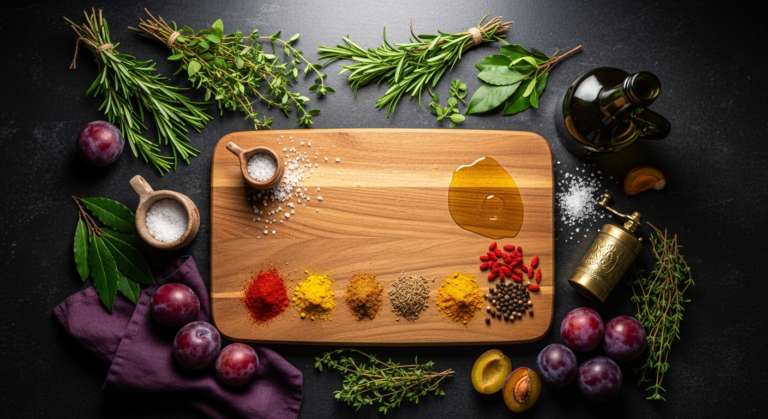
* **Toast Your Spices:** Never just dump spices into liquid. Sauté them in a little oil for 30–60 seconds first. This “blooms” the spices, releasing their essential oils and significantly increasing their aromatic impact.
* **The Power of Texture:** Sometimes “flavor” is actually about “feel.” Adding a crunch with toasted unsalted pumpkin seeds or a dollop of Greek yogurt (check the label for low sodium) adds interest to the dish that makes it feel more satisfying.
* **Reduce Your Liquids:** If a soup feels thin or flavorless, simmer it with the lid off. Reducing the liquid concentrates the natural flavors of the vegetables and proteins, making the soup taste richer.
Low Sodium Meal Prep: Making Healthy Eating Effortless
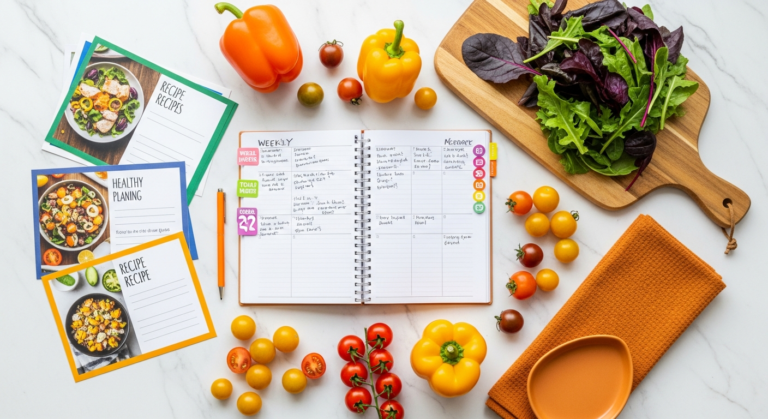
The key to sticking to a low-sodium diet is preparation. When you are tired after a long work day, the temptation to open a salty can of soup is high.
* **Batch Cooking:** Most of these easy low sodium soup recipes freeze beautifully. Spend a Sunday making a double batch of Lentil or Butternut Squash soup.
* **Portioning:** Freeze soup in individual silicone molds (like “Souper Cubes”) or freezer-safe glass jars. This allows you to grab a single serving for a quick 2026 office lunch.
* **Avoid the “Freezer Burn” Flavor:** When freezing soup, leave about an inch of headspace for expansion. Ensure the soup is completely cool before sealing to prevent condensation and ice crystals.
Frequently Asked Questions (FAQ)
#
1. What is the difference between “Low Sodium” and “No Salt Added”?
The FDA defines “Low Sodium” as 140 milligrams or less per serving. “No Salt Added” means that no salt was added during processing, though the ingredients may contain small amounts of naturally occurring sodium. For those on a strict heart-healthy diet, “No Salt Added” is usually the safer choice for broths and canned tomatoes.
#
2. Can I use bouillon cubes for low-sodium soup?
Standard bouillon cubes are essentially compressed salt and MSG. However, in 2026, many specialty brands offer “Zero Salt” bouillon. Always read the nutrition label carefully. If you can’t find a salt-free version, it is better to use plain water seasoned with extra herbs and aromatics.
#
3. My soup tastes bland; how do I fix it without adding salt?
First, try adding an acid like lemon juice or vinegar. If that doesn’t work, add a source of umami like a tablespoon of tomato paste or some sautéed mushrooms. Finally, check if your spices are old—stale spices lose their punch, making the soup feel lackluster.
#
4. Is sea salt or Himalayan salt better for a low-sodium diet?
This is a common myth. While sea salt and Himalayan salt may contain trace minerals, they contain roughly the same amount of sodium by weight as table salt. If you are aiming for a low-sodium diet, you should limit all types of salt equally.
#
5. How long do homemade low-sodium soups last in the fridge?
Generally, most vegetable-based soups will last 4–5 days in an airtight container in the refrigerator. Soups containing meat or dairy should be consumed within 3–4 days for optimal safety and flavor.
Conclusion
Embracing easy low sodium soup recipes is not about deprivation; it’s about a culinary evolution. As we move through 2026, the focus on “food as medicine” has never been stronger. By taking control of the ingredients in your soup pot, you are taking a proactive step toward better heart health, increased energy, and a more refined palate.
Whether you start with a simple roasted tomato blend or experiment with ginger-infused broths, the secret to success lies in the quality of your ingredients and the patience to let flavors develop naturally. With these recipes and tips in your kitchen arsenal, you’ll discover that a life with less salt is actually a life with much more flavor. Happy cooking!