








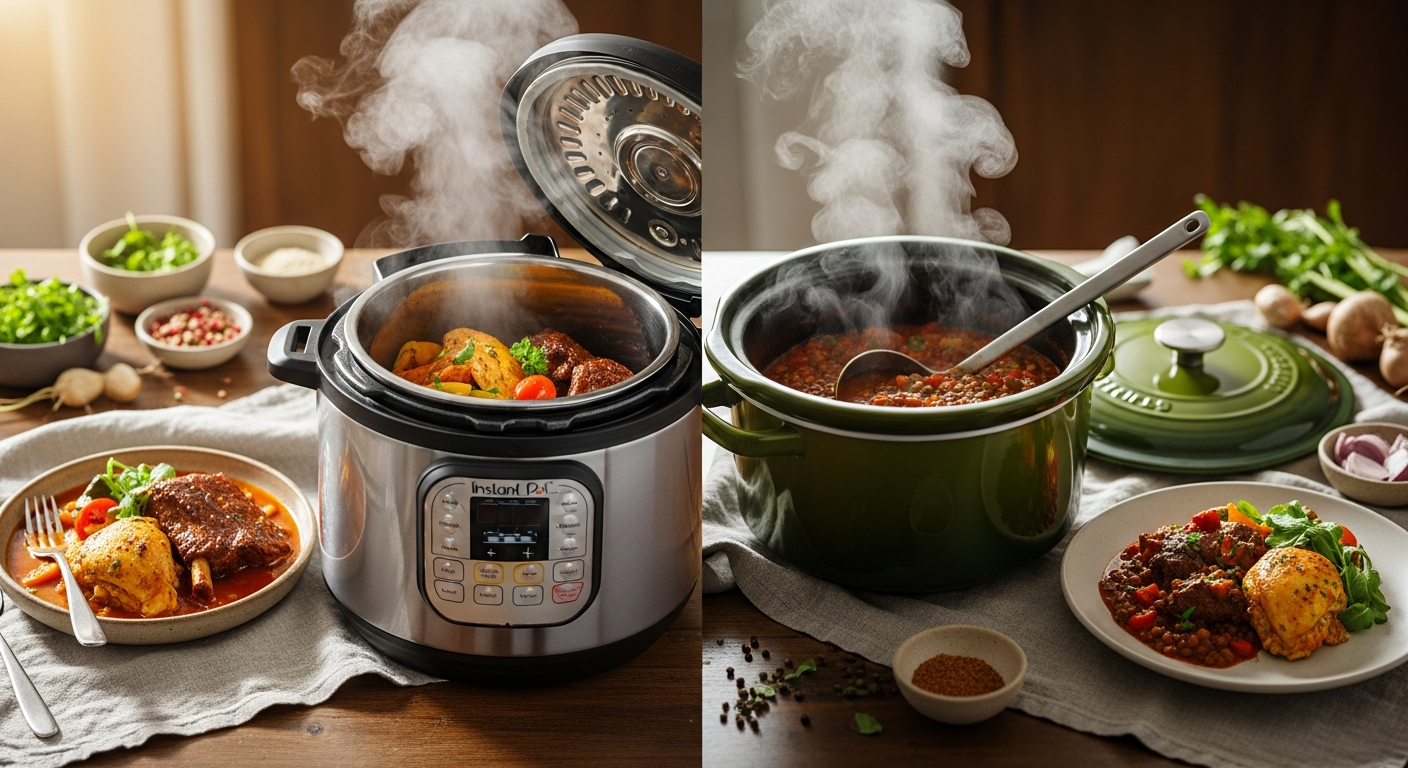
Instant Pot vs. Slow Cooker: Which Kitchen Essential Reigns Supreme?
The modern kitchen is a landscape of innovation, where the quest for the perfect meal often clashes with the reality of a frantic schedule. For home cooks and food enthusiasts, two heavyweights have long dominated the countertop: the Instant Pot and the traditional slow cooker. Choosing between them isn’t just about picking a brand; it’s about choosing a culinary philosophy. Are you the type of cook who plans eight hours in advance, or do you need a delicious beef bourguignon on the table in under sixty minutes?
As we look toward the kitchen trends of 2026, the debate has evolved. We no longer just ask which one is “better,” but rather which one integrates more seamlessly into a lifestyle that values both gourmet quality and extreme efficiency. Whether you are a meal-prep devotee or a weekend experimentalist, understanding the nuances of pressure cooking versus slow simmering is essential. In this comprehensive guide, we will break down the mechanics, the flavors, and the practicalities to help you decide which appliance deserves that coveted spot on your counter.
Understanding the Mechanics: Pressure vs. Gentle Heat
To choose the right tool, one must first understand the science happening under the lid. A slow cooker is, at its heart, a remarkably simple machine. It consists of a heavy ceramic or porcelain pot nested inside a heating element. It cooks food at low temperatures (usually between 170°F and 280°F) over a long period. This gentle, indirect heat is perfect for breaking down tough connective tissues in meat without boiling away the moisture, resulting in that classic “fall-off-the-bone” texture.
The Instant Pot, conversely, is a multi-functional pressure cooker. It works by creating an airtight seal that traps steam generated from boiling liquid. This increases the internal atmospheric pressure, which in turn raises the boiling point of water. Instead of cooking at 212°F, food is subjected to temperatures upwards of 240°F. This high-pressure environment forces moisture and heat into the food at an accelerated rate. While the Instant Pot also has a “slow cook” setting, its primary claim to fame is its ability to reduce cooking times by up to 70% compared to traditional methods.
The mechanical difference also affects the “set it and forget it” experience. With a slow cooker, you can leave the house for a full workday while your chili simmers. With an Instant Pot, the process is more active; you need to be present to vent the steam and ensure the unit has reached pressure.
Speed and Efficiency: When Time is of the Essence
In the fast-paced world of 2026, time is the ultimate luxury. This is where the Instant Pot shines with unrivaled brilliance. For the home cook who realizes at 5:30 PM that they forgot to take the chicken out of the freezer, the Instant Pot is a lifesaver. Because of the high-pressure environment, you can actually cook frozen meats safely and quickly—a feat that is strictly forbidden in a slow cooker due to the “danger zone” of bacterial growth during slow temperature climbs.
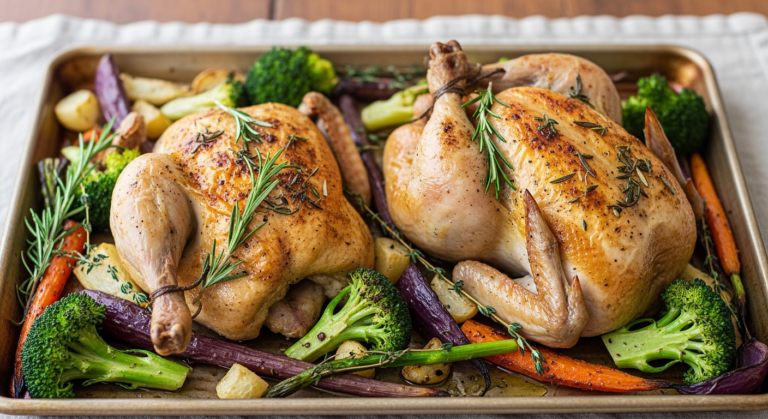
A traditional pot roast that requires eight hours in a slow cooker can be completed in about 60 to 90 minutes in an Instant Pot, including the time it takes to build and release pressure. Dry beans, which usually require an overnight soak and hours of simmering, are creamy and ready in about 30 minutes.
However, “efficiency” isn’t just about speed; it’s about the workflow. The slow cooker offers a unique type of morning efficiency. There is a psychological comfort in prepping a meal at 8:00 AM, walking away, and returning home to a house that smells like a five-star bistro. For many enthusiasts, the “slow” in slow cooking is a feature, not a bug. It eliminates the “dinner rush” entirely, whereas the Instant Pot simply condenses it.
Texture and Flavor: The Culinary Differences
Food enthusiasts often argue that while the Instant Pot is faster, the slow cooker produces superior depth of flavor. There is some scientific merit to this. Slow cooking allows for a long, slow reduction of liquids, which can concentrate flavors. It also provides ample time for spices to permeate every fiber of the ingredients. In a slow cooker, the gentle heat preserves the integrity of delicate vegetables better than the violent environment of high pressure, which can occasionally turn carrots or potatoes into mush if not timed perfectly.
On the other hand, the Instant Pot excels at the Maillard reaction—the chemical reaction between amino acids and reducing sugars that gives browned food its distinctive flavor. Most Instant Pots come with a “Sauté” function, allowing you to sear your meat directly in the pot before pressure cooking. This adds a layer of caramelized complexity that traditional slow cookers (which often require a separate skillet for searing) lack.
Furthermore, the Instant Pot is superior for certain textures. It makes the most incredible, “foolproof” soft-boiled eggs, perfectly fluffy quinoa, and cheesecake that is remarkably dense and creamy due to the humid, pressurized environment. Slow cookers, meanwhile, remain the undisputed kings of dips, stews, and any dish where a “low and slow” mingle of ingredients is the goal.
Versatility and Functionality: More Than Just Stews
When we look at the value proposition of these appliances, versatility is key. The traditional slow cooker is a specialist. It does one thing—simmer—and it does it exceptionally well. Some modern models offer browning inserts or programmable timers, but the core function remains singular.
The Instant Pot is a generalist. It is marketed as a 7-in-1 or even 10-in-1 appliance. Beyond pressure cooking and slow cooking, it functions as a rice cooker, steamer, yogurt maker, sterilizer, and sous-vide immersion circulator (in higher-end models). For those with limited cabinet space in 2026’s urban kitchens, the ability to replace five different gadgets with one is a massive selling point.
Food enthusiasts also love the Instant Pot for its “extra” capabilities. Making homemade bone broth, which traditionally takes 24 to 48 hours on a stovetop, takes only two hours in a pressure cooker and results in a highly gelatinous, nutrient-dense liquid. Making yogurt from scratch becomes a “push a button and wait” task. If you enjoy experimenting with different culinary techniques, the Instant Pot offers a wider playground. However, if you only ever intend to make Sunday pot roast, the multi-functionality of the Instant Pot might just be unnecessary noise.
Safety, Cleaning, and the Learning Curve
One of the primary barriers for new users is the perceived danger of pressure cooking. Older generations may remember stories of stovetop pressure cookers exploding, but modern electric models like the Instant Pot have over ten built-in safety mechanisms. They will not even start if the lid isn’t locked, and they have sensors to prevent overheating.
That said, the Instant Pot has a steeper learning curve. You have to understand terms like “Natural Pressure Release” (NPR) vs. “Quick Release” (QR), and you have to ensure there is always enough thin liquid to create steam, or you’ll trigger the dreaded “Burn” notice. The slow cooker is almost impossible to mess up. You put food in, turn the dial to “Low,” and walk away.
Cleaning is another practical consideration. Slow cookers typically feature a heavy ceramic crock that is dishwasher safe, though its weight can be cumbersome. The Instant Pot uses a lightweight stainless steel inner pot that is also dishwasher safe. However, the Instant Pot has a silicone sealing ring in the lid that tends to absorb odors. If you cook a spicy curry on Monday, your blueberry oatmeal on Tuesday might have a hint of cumin unless you have separate rings for savory and sweet dishes.
Which One Should You Buy in 2026?
As we navigate the culinary landscape of 2026, the choice between an Instant Pot and a slow cooker depends entirely on your lifestyle and your “cooking personality.”
**Choose an Instant Pot if:**
* You are a busy professional who often decides what’s for dinner at the last minute.
* You enjoy making a variety of foods, including yogurt, grains, and steamed desserts.
* You have limited kitchen space and need one appliance to do the work of many.
* You are a “prep-ahead” enthusiast who wants to cook bulk staples (like beans or broth) in record time.
**Choose a Slow Cooker if:**
* You find peace in morning meal prep and want dinner ready the moment you walk through the door.
* You primarily cook stews, pot roasts, and large-batch chilis for crowds or potlucks.
* You prefer a “low-tech” approach with a minimal learning curve.
* You believe that “low and slow” heat produces a superior flavor profile that cannot be rushed.
For many food enthusiasts, the answer is actually “both.” Many keep a large slow cooker for parties and holiday hams, while using a 6-quart Instant Pot for daily meal execution. However, if forced to choose one, the Instant Pot’s ability to act as a slow cooker—albeit a slightly different one—often gives it the edge in modern versatility.
Frequently Asked Questions (FAQ)
#
1. Can I use slow cooker recipes in an Instant Pot?
Yes, but with adjustments. If using the “Slow Cook” function on an Instant Pot, you usually need to set it to “More” or “High” to match the temperature of a standard slow cooker. If converting a slow cooker recipe to the “Pressure Cook” setting, you typically reduce the cooking time by about 75% and ensure there is at least one cup of thin liquid (water, broth, or juice) to allow the pot to come to pressure.
#
2. Is food from a slow cooker healthier than from an Instant Pot?
Both methods are healthy as they generally require less added fat than frying. However, pressure cooking is often cited as being slightly better for nutrient retention. Because the cooking time is shorter and uses less water than boiling, more heat-sensitive vitamins and minerals are preserved within the food rather than leached out.
#
3. Why does my Instant Pot give me a “Burn” warning?
The “Burn” notice occurs when the sensors detect that the bottom of the inner pot is getting too hot, usually because there isn’t enough thin liquid or because thick sauces (like tomato sauce or cream) have settled on the bottom and started to scorch. To avoid this, always deglaze the pot after sautéing and layer thick sauces on top of the other ingredients without stirring.
#
4. Are slow cookers more energy-efficient than Instant Pots?
Actually, the Instant Pot is generally more energy-efficient. While it uses more power per minute, its total run time is significantly shorter. A slow cooker uses low wattage but runs for 8 hours, whereas an Instant Pot uses higher wattage for only 30 to 60 minutes. Over the course of a year, the Instant Pot typically consumes less electricity.
#
5. Can I bake in these appliances?
You can make “moist” baked goods like cheesecakes, lava cakes, and bread puddings in both. The Instant Pot is particularly famous for its “pot-in-pot” method for cheesecake. However, neither will give you a crispy, browned crust like a traditional oven. For crusty bread or cookies, you still need your standard range.
Conclusion
The battle of the Instant Pot vs. the slow cooker isn’t about which technology is superior, but which one fits the rhythm of your life. In 2026, we have the luxury of choice. The slow cooker remains a nostalgic, reliable workhorse that rewards patience with deep, developed flavors. The Instant Pot is a modern marvel of efficiency, offering a Swiss-army-knife approach to mealtime that caters to the “I need it now” demands of contemporary life.
If you value the ritual of morning prep and the aroma of a slow-simmering meal, the slow cooker is your best friend. If you value flexibility, speed, and the ability to experiment with everything from homemade yogurt to 20-minute risotto, the Instant Pot is the clear winner. Whichever you choose, both appliances serve the same ultimate goal: making it easier to enjoy a home-cooked meal with the people you love. In the end, the best appliance is the one that actually gets used, turning your kitchen into a place of creativity rather than a place of stress.