































Beyond the Basics: Understanding Electrolyte Balance for Optimal Hydration and a Vibrant Home Life
Imagine your body as a beautifully designed home. Water is the essential plumbing system, but electrolytes are the electrical wiring, ensuring every system runs smoothly. Without them, even with plenty of water, your “home” can experience brownouts, sluggishness, and general disarray. In this comprehensive guide, we’ll journey into the fascinating science of electrolyte balance, explore how to naturally replenish these vital minerals, discover smart supplement choices, and even learn how to beautifully integrate a mindful hydration practice into your daily home life. Get ready to unlock a new level of well-being, right from the comfort of your sanctuary.
The Invisible Architects of Your Well-being: What Are Electrolytes?
You hear the term “electrolytes” often, particularly in the context of sports drinks, but what exactly are they, and why are they so pivotal to your daily vitality? Simply put, electrolytes are minerals that carry an electric charge when dissolved in water. Found in your blood, urine, tissues, and other body fluids, they are essential for countless bodily functions. Think of them as tiny, powerful batteries that keep your internal systems humming.
The primary electrolytes your body relies on include:
- Sodium: Crucial for fluid balance, nerve function, and muscle contraction.
- Potassium: Works with sodium to maintain fluid balance and nerve signals, and supports heart health.
- Magnesium: Involved in over 300 enzymatic reactions, including muscle and nerve function, blood glucose control, and blood pressure regulation.
- Calcium: Essential for strong bones and teeth, muscle contraction, nerve signaling, and blood clotting.
- Chloride: Works closely with sodium to maintain fluid balance and blood pressure.
- Phosphate: Important for bone formation, energy storage, and cell repair.
- Bicarbonate: Helps maintain the body’s pH balance.
These minerals are not just passive passengers; they are active participants in nearly every physiological process. They regulate nerve impulses, allowing your brain to communicate with your body. They trigger muscle contractions, from the blink of an eye to the beat of your heart. Most importantly for our discussion on hydration, they play a critical role in maintaining fluid balance, ensuring that water is not just present in your body, but distributed correctly to where it’s needed most – inside your cells, surrounding your tissues, and within your blood vessels.
When these electrolytes are out of balance, even slightly, you can feel the effects. That nagging fatigue, the unexplained headache, the muscle cramp that strikes without warning – these can often be subtle signals that your invisible architects need a little attention. Understanding their roles is the first step towards truly optimizing your hydration and, by extension, your energy levels and overall sense of vibrancy within your beautiful home.
Beyond Plain Water: Why Electrolytes Are Your Hydration Superheroes

For years, the message has been simple: drink water. And while water is undeniably vital, relying solely on plain water, especially during certain circumstances, can sometimes fall short of optimal hydration. This is where electrolytes step in as your hydration superheroes, ensuring that the water you consume is actually absorbed and utilized effectively by your body.
Imagine trying to water a parched garden with a leaky hose. You’re pouring water on, but it’s not getting to the roots where it’s needed most. Similarly, without adequate electrolytes, especially sodium, your body can struggle to absorb and retain water effectively. Electrolytes create osmotic gradients, which are essentially pressure differences that pull water into your cells. Without this mechanism, you might drink plenty of water, but a significant portion could pass right through you, leaving your cells still thirsty.
When are electrolytes particularly crucial? Consider these scenarios:
- Intense Physical Activity: During a strenuous workout, a long walk, or even just a busy day of errands and home projects, you sweat. Sweat isn’t just water; it’s also rich in electrolytes, particularly sodium. Replenishing these is essential to prevent muscle cramps, fatigue, and even heat exhaustion.
- Hot Climates or Environments: Living in or traveling to warmer areas significantly increases your sweat rate, making electrolyte loss more pronounced.
- Illness: Vomiting, diarrhea, or fevers can lead to rapid fluid and electrolyte depletion. This is why doctors often recommend electrolyte solutions during illness.
- Certain Dietary Patterns: For those following low-carb or ketogenic diets, initial fluid and electrolyte loss can be significant as the body adapts.
- Alcohol Consumption: Alcohol is a diuretic, meaning it increases urine production and can lead to dehydration and electrolyte imbalance.
- Travel: Long flights or changes in climate can disrupt your body’s normal fluid balance.
Signs of electrolyte imbalance can be subtle but impactful, affecting your ability to fully enjoy your home and daily life. Look out for:
- Persistent fatigue or low energy, even after a good night’s sleep.
- Muscle cramps or spasms.
- Headaches or migraines.
- Dizziness or lightheadedness, especially when standing up.
- Brain fog or difficulty concentrating.
- Irritability or mood changes.
- Changes in heart rate (palpitations).
By proactively considering your electrolyte needs, you’re not just drinking water; you’re truly hydrating your body at a cellular level, empowering yourself with sustained energy and clarity to manage your home, pursue your passions, and live a vibrant, fulfilling life.
Your Kitchen as a Wellness Oasis: Natural Sources of Electrolytes
The beauty of nourishing your body with essential electrolytes is that many of the best sources come directly from nature, found in the vibrant produce and wholesome ingredients that fill your kitchen. Transforming your kitchen into a wellness oasis means consciously choosing foods that not only taste delicious but also contribute to your vital electrolyte balance. Let’s explore some key natural sources:
Sodium: More Than Just Table Salt
While table salt provides sodium, opting for unrefined sea salt or Himalayan pink salt offers trace minerals alongside. Fermented foods like kimchi, sauerkraut, and pickles are also excellent sources, providing probiotics alongside their sodium content.
Home Tip: Keep a beautiful small bowl of flaky sea salt on your counter for finishing dishes, encouraging mindful seasoning and mineral intake.
Potassium: The Heart’s Best Friend
Potassium is abundant in many fruits and vegetables.
- Bananas: The classic potassium powerhouse, perfect for smoothies or a quick snack.
- Avocados: Rich in potassium and healthy fats, wonderful in salads, toasts, or even chocolate mousse.
- Spinach and Leafy Greens: A versatile addition to almost any meal – sautéed, in salads, or blended into green smoothies.
- Sweet Potatoes: A comforting and nutrient-dense carbohydrate source.
- Coconut Water: A natural, refreshing drink that’s naturally high in potassium and other electrolytes. Look for unsweetened varieties.
- White Beans & Lentils: Great for stews, salads, or as a side dish.
Wellness Recipe Idea: A “Green Goddess Smoothie” with spinach, half an avocado, a banana, coconut water, and a pinch of sea salt for a comprehensive electrolyte boost.
Magnesium: The Calming Mineral
Often called nature’s tranquilizer, magnesium is vital for muscle relaxation and stress reduction.
- Dark Leafy Greens: Kale, collard greens, and Swiss chard are excellent.
- Nuts and Seeds: Almonds, cashews, pumpkin seeds, and chia seeds make great snacks or additions to oatmeal and yogurt.
- Legumes: Black beans, chickpeas, and edamame.
- Whole Grains: Brown rice, oats, and quinoa.
- Dark Chocolate: A delicious way to get your magnesium (look for 70% cocoa or higher).
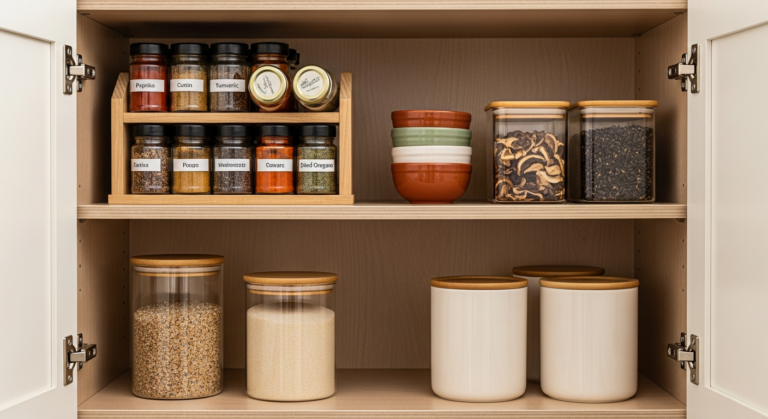
Home Tip: Keep a jar of mixed nuts and seeds in your pantry for easy access, ensuring you always have a magnesium-rich snack at hand.
Calcium: Beyond Dairy
While dairy is a well-known source, many plant-based options are rich in calcium.
- Fortified Plant Milks: Almond, soy, or oat milk.
- Sesame Seeds/Tahini: Great in dressings, hummus, or baked goods.
- Sardines: A nutrient-dense fish.
- Broccoli and Kale: Green powerhouses that also offer calcium.
By thoughtfully incorporating these foods into your daily meals and snacks, you can naturally support your electrolyte balance, enhancing your energy and overall sense of well-being directly from your kitchen’s bounty.
Elevating Your Hydration Ritual: Smart Electrolyte Supplement Choices

While a whole-food-based diet forms the bedrock of good nutrition, there are times when even the most diligent eaters need a little extra support. This is where smart electrolyte supplements can become invaluable tools in elevating your hydration ritual, helping you maintain optimal balance, especially when life demands more from your body. Supplements are not meant to replace nutrient-rich foods but rather to complement them, filling gaps that arise from specific lifestyle factors.
Consider integrating electrolyte supplements during:
- Intense or Prolonged Exercise: If you’re pushing your limits at the gym, going for a long hike, or engaging in endurance sports, your sweat loss can significantly deplete electrolytes.
- Periods of Fasting or Low-Carb Diets: When carbohydrate intake is restricted, your body releases stored water and accompanying electrolytes, requiring careful replenishment.
- Traveling: Changes in climate, activity levels, and potential digestive upset can make electrolyte support beneficial.
- Illness or Recovery: When dealing with a stomach bug, fever, or recovering from illness, supplements can aid in faster rehydration.
- Hot Weather: Even without intense exercise, simply spending time in a hot environment can increase electrolyte needs.
When choosing an electrolyte supplement, it’s crucial to be an informed consumer. Not all supplements are created equal. Look for products with:
- Balanced Electrolyte Profile: A good ratio of sodium, potassium, and magnesium.
- Minimal or No Added Sugar: Many conventional sports drinks are loaded with sugar, which can counteract your wellness goals.
- Clean Ingredients: Avoid artificial sweeteners, colors, and flavors whenever possible.
- Bioavailable Forms: Ensure the minerals are in forms your body can easily absorb.
Popular & Reputable Electrolyte Brands to Consider:
- LMNT (Recharge): Known for its high sodium content (1000mg sodium, 200mg potassium, 60mg magnesium), LMNT is popular among those following low-carb or keto diets, or anyone with high electrolyte needs. It comes in various flavors and is typically sugar-free, using stevia.
- Liquid I.V.: Offers a more balanced electrolyte profile with a focus on their Cellular Transport Technology (CTT) for rapid hydration. While many flavors contain some sugar, they also offer sugar-free options. Good for general daily hydration and moderate activity.
- Nuun Sport: These effervescent tablets are convenient and come in a wide range of flavors. They are low in sugar and provide a good balance of sodium, potassium, magnesium, and calcium, making them excellent for everyday activity and light to moderate exercise.
- Redmond Re-Lyte Electrolyte Mix: Emphasizes clean ingredients, using real salt (Redmond Real Salt) and a comprehensive blend of electrolytes with no artificial sweeteners or flavors. Offers a higher sodium content, similar to LMNT, but with a different flavor profile.
- Trace Mineral Drops: Brands like Trace Minerals Research offer concentrated drops that can be added to any beverage, providing a broad spectrum of minerals. These are often unflavored and highly customizable.
Here’s a comparison table of popular electrolyte supplement options:
| Product/Brand | Key Features | Electrolyte Balance (Sodium focus) | Sweeteners | Best For |
|---|---|---|---|---|
| LMNT (Recharge) | High sodium, no sugar, wide flavor range, single-serve packets. | High (1000mg Sodium) | Stevia | Keto/Low-carb, intense workouts, high sweat rates, fasting. |
| Liquid I.V. | Cellular Transport Technology, good for rapid rehydration, various flavors. | Moderate (500mg Sodium) | Cane Sugar (some sugar-free options) | General daily hydration, moderate activity, travel, recovery from illness. |
| Nuun Sport | Effervescent tablets, portable, low sugar, good for light activity. | Low-Moderate (300mg Sodium) | Stevia, Monk Fruit Extract | Everyday hydration, light to moderate exercise, convenient on-the-go. |
| Redmond Re-Lyte Electrolyte Mix | Clean ingredients (Redmond Real Salt), comprehensive mineral blend, no artificial additives. | High (810mg Sodium) | Stevia, Monk Fruit Extract | Clean eating, keto/low-carb, high sweat rates, avoiding artificial ingredients. |
| Trace Minerals Research (40,000 Volts!) | Concentrated liquid drops, unflavored, customizable dosage, broad spectrum minerals. | Varies by dosage | None | Customizable needs, adding to existing beverages, avoiding flavors/sweeteners. |
Integrating these supplements thoughtfully into your routine can be a game-changer, providing that extra layer of support to keep you feeling energized and balanced, ready to tackle whatever your beautiful home and life demand.
The Art of Hydration: Integrating Wellness into Your Home Aesthetics
Hydration isn’t just a chore; it’s an opportunity to infuse beauty and intention into your daily wellness routine. As women who appreciate the aesthetics and comfort of our homes, we understand that our surroundings profoundly impact our well-being. By thoughtfully integrating hydration into your home’s design, you can transform a simple habit into a delightful ritual, making it easier and more enjoyable to stay optimally hydrated.
Creating Inviting Hydration Stations
Think beyond a plastic water bottle. Designate specific areas in your home as “hydration stations” that are both functional and visually appealing.
In the Kitchen:
- Elegant Water Pitchers: Invest in a beautiful glass, ceramic, or copper pitcher. Brands like Fable Home offer stunning ceramic pitchers that double as décor. Keep it filled with filtered water, perhaps infused with fresh fruits or herbs, and readily accessible in your refrigerator or on a stylish tray on your counter.
- Artful Glassware: Ditch the mismatched glasses. Choose a set of aesthetically pleasing drinking glasses that make reaching for water a pleasure.
- Infused Water Bar: Keep a selection of fresh ingredients like sliced cucumber, mint sprigs, lemon wedges, berries, or ginger readily available. A designated cutting board and small knife can encourage spontaneous infusion.
In Your Living Room or Office:
- Personal Hydration Nook: Place a small side table next to your favorite reading chair or desk. Adorn it with a chic coaster, a beautiful water carafe, or an insulated water bottle from brands like Hydro Flask, Stanley, or BKR, ensuring your hydration is always within arm’s reach.
- Ambient Lighting: Soft lighting, perhaps from a Himalayan salt lamp, can create a calming atmosphere around your hydration station, enhancing the sensory experience.
Stylish Hydration Accessories
Your water bottle doesn’t have to be purely utilitarian.
- Designer Water Bottles: Many brands now offer water bottles that are as much a fashion accessory as they are a hydration tool. Choose one that reflects your personal style and motivates you to carry it everywhere.
- Insulated Tumblers: For those who enjoy chilled water with their electrolyte mix, an insulated tumbler keeps your beverage at the perfect temperature for hours, whether you’re at home or on the go.
The Psychological Impact of Beauty
When something is beautiful and easily accessible, we are naturally more inclined to use it. By elevating your hydration tools and creating appealing spaces for them, you’re not just decorating your home; you’re subtly nudging yourself towards healthier habits. The act of pouring water from a lovely pitcher into an elegant glass becomes a moment of self-care, a small ritual that acknowledges your commitment to well-being. This mindful approach transforms hydration from a mundane task into an integral, enjoyable part of your vibrant home life, fostering a deeper connection to your body and your sanctuary.
Listening to Your Body: Personalized Hydration Strategies
While general guidelines for hydration are helpful, true wellness comes from listening intently to your own body and tailoring your strategies to meet your unique needs. Just as no two homes are exactly alike, no two bodies have identical hydration requirements. Your optimal electrolyte balance is a dynamic state, constantly influenced by a myriad of personal and environmental factors. Developing personalized hydration strategies means becoming an expert on your own internal landscape.
Factors Influencing Your Hydration Needs:
- Activity Level: A day spent mostly at a desk requires less fluid and fewer electrolytes than a day filled with gardening, a vigorous yoga session, or chasing after children.
- Climate and Environment: Hot, humid weather or high altitudes significantly increase fluid and electrolyte loss through sweating and respiration. Conversely, very dry indoor air can also contribute to dehydration.
- Dietary Choices: Diets rich in fresh fruits and vegetables contribute significantly to fluid and electrolyte intake. High-sodium diets might require more water, while low-carb diets often necessitate increased electrolyte supplementation.
- Health Conditions & Medications: Certain medical conditions (e.g., diabetes, kidney disease) and medications (e.g., diuretics) can impact fluid and electrolyte balance. Always consult your healthcare provider for personalized advice.
- Pregnancy & Breastfeeding: These stages of life demand increased fluid and nutrient intake to support both mother and baby.
- Caffeine & Alcohol Intake: Both act as diuretics, increasing urine output and potentially leading to dehydration and electrolyte imbalance. If you enjoy your morning coffee or an evening glass of wine, be mindful of compensating with extra water and electrolytes.
How to Tune In and Track:
- Recognize Thirst Cues: While thirst is a primary indicator, it’s often a sign that you’re already mildly dehydrated. Aim to drink proactively throughout the day, rather than waiting until you’re parched.
- Monitor Urine Color: This is one of the simplest and most effective ways to gauge your hydration status. Aim for a pale yellow, like lemonade. Darker urine suggests dehydration, while completely clear urine might indicate over-hydration without sufficient electrolytes.
- Observe Energy Levels & Mood: Unexplained fatigue, headaches, irritability, or difficulty concentrating can often be subtle signs of inadequate hydration or electrolyte imbalance.
- Track Your Intake: For a few days, try tracking your fluid and electrolyte intake. You can use a simple journal or a hydration tracking app (e.g., WaterMinder, Plant Nanny) to get a baseline understanding of your habits.
- Listen to Your Body During & After Activity: Pay attention to muscle cramps, dizziness, or excessive fatigue during or after exercise. These are strong indicators that your electrolyte balance may need attention.
Developing a personalized hydration strategy is an ongoing process of self-awareness and adjustment. It empowers you to take charge of your well-being, ensuring that your body has the precise support it needs to thrive in every season of your life and in every corner of your cherished home. Don’t be afraid to experiment with different approaches, always prioritizing how you feel and making adjustments as your lifestyle evolves.
Common Pitfalls and How to Avoid Them on Your Hydration Journey
Embarking on a journey towards optimal hydration and electrolyte balance is empowering, but like any wellness path, it has its potential pitfalls. Being aware of these common missteps can help you navigate your way more effectively, ensuring your efforts truly contribute to your well-being and vibrant home life. Let’s uncover some frequent traps and equip you with the knowledge to sidestep them.
1. Over-relying on Sugary Sports Drinks:
The Pitfall: Many popular sports drinks are marketed as hydration solutions, but they often come loaded with excessive amounts of refined sugar, artificial colors, and flavors. While they provide electrolytes, the sugar content can lead to energy crashes, contribute to inflammation, and undermine your overall health goals.
The Fix: Read labels carefully! Opt for sugar-free or low-sugar electrolyte supplements (like LMNT, Nuun, or Redmond Re-Lyte) or choose natural sources like coconut water. For a simple homemade option, mix water with a pinch of sea salt, a squeeze of lemon or lime, and a drizzle of honey if a touch of sweetness is desired.
2. Ignoring Electrolyte Needs During Illness or Travel:
The Pitfall: When you’re feeling under the weather with a stomach bug or experiencing jet lag from travel, it’s easy to overlook specific electrolyte needs. Vomiting, diarrhea, and even air travel (due to dry cabin air) can rapidly deplete your body’s essential minerals, exacerbating symptoms and slowing recovery.
The Fix: Be proactive. Keep a travel-friendly electrolyte supplement (like Nuun tablets or LMNT packets) on hand. During illness, focus on gentle, easily digestible electrolyte-rich fluids like bone broth, diluted fruit juice with a pinch of salt, or a commercial electrolyte solution designed for illness.
3. Not Adjusting for Diuretic Intake (Caffeine & Alcohol):
The Pitfall: Both coffee and alcoholic beverages are diuretics, meaning they increase urine production and can lead to increased fluid and electrolyte loss. Enjoying your morning espresso or evening glass of wine without conscious compensation can leave you feeling dehydrated and sluggish.
The Fix: Practice mindful pairing. For every cup of coffee or alcoholic drink, follow up with a glass of water, ideally with a pinch of sea salt or a small dose of electrolytes. This helps counteract the diuretic effect and maintain balance.
4. The “More Water is Always Better” Myth (Without Considering Electrolytes):
The Pitfall: While drinking enough water is crucial, excessive plain water intake, especially without sufficient electrolytes, can dilute your body’s mineral concentration. This can lead to a dangerous condition called hyponatremia (low sodium levels), which can cause swelling, headaches, and in severe cases, more serious neurological issues.
The Fix: Focus on balanced hydration. Understand that “enough water” varies by individual and activity. If you’re drinking large volumes of water, particularly during extended exercise or hot weather, ensure you’re also replenishing electrolytes. Listen to your body’s signals and aim for pale yellow urine, not completely clear.
5. Neglecting Magnesium and Potassium in Daily Diet:
The Pitfall: Many people focus heavily on sodium, but magnesium and potassium are just as vital and often under-consumed in modern diets. Deficiencies can contribute to muscle cramps, fatigue, and even heart rhythm irregularities.
The Fix: Prioritize whole foods rich in these minerals. Incorporate dark leafy greens, avocados, bananas, nuts, seeds, and legumes into your daily meals. If dietary intake is insufficient, consider a high-quality magnesium supplement (e.g., magnesium glycinate for absorption) and ensure your electrolyte mix includes adequate potassium.
By being mindful of these common pitfalls and implementing these simple strategies, you can navigate your hydration journey with confidence and ease, ensuring that your body remains in optimal balance, supporting your energy, focus, and overall sense of vibrant well-being within your cherished home.
Key Takeaways
- Optimal hydration extends beyond plain water, critically involving electrolytes like sodium, potassium, and magnesium for cellular function and fluid balance.
- Electrolytes are essential for nerve impulses, muscle contractions, and preventing fatigue, headaches, and muscle cramps, especially during activity, illness, or hot weather.
- Natural sources like avocados, spinach, bananas, nuts, seeds, and sea salt can significantly contribute to your daily electrolyte intake.
- Smart electrolyte supplements (e.g., LMNT, Liquid IV, Nuun) are beneficial during intense activity, fasting, travel, or illness, but choose low-sugar, clean ingredient options.
- Elevating your hydration ritual through beautiful pitchers, stylish bottles, and designated “hydration stations” in your home fosters mindful wellness and makes healthy habits enjoyable.
Frequently Asked Questions
Q: How do I know if I have an electrolyte imbalance?
A: Common signs include persistent fatigue, muscle cramps or weakness, headaches, dizziness, brain fog, irritability, and changes in heart rate. If you experience these symptoms, especially after intense activity, illness, or in hot weather, it might be an indicator. Monitoring your urine color (aim for pale yellow) is also a good daily check. For serious concerns, consult a healthcare professional.
Q: Can I get enough electrolytes from just food?
A: For most people leading a moderately active lifestyle, a balanced diet rich in fruits, vegetables, nuts, seeds, and quality salts can provide sufficient electrolytes. However, during periods of intense exercise, illness (vomiting/diarrhea), prolonged heat exposure, or specific dietary patterns (like keto), supplements can be a very helpful and even necessary addition to maintain optimal balance.
Q: Are “sports drinks” good for electrolyte replenishment?
A: While traditional sports drinks contain electrolytes, many are also very high in added sugars, artificial colors, and flavors. For most people, especially those not engaged in high-intensity, prolonged athletic performance, these sugary drinks can be counterproductive. Opt for sugar-free or low-sugar electrolyte supplements, or natural options like coconut water, which offer a cleaner profile.
Q: What’s the best way to incorporate electrolytes into my daily home routine?
A: Start by making electrolyte-rich foods a staple: add spinach to smoothies, snack on avocados and nuts, and use quality sea salt in cooking. For an extra boost, keep a beautiful pitcher of infused water (e.g., lemon, cucumber, a pinch of sea salt) in your fridge. If you use supplements, make it a ritual – perhaps a flavored electrolyte drink in a lovely glass at a designated “hydration station” in your home each afternoon.
Q: Can I drink too much water if I’m also taking electrolytes?
A: It’s less likely to over-hydrate (hyponatremia) if you’re consistently replenishing electrolytes, as they help your body properly absorb and retain water. However, extreme water intake, even with electrolytes, can still be problematic. The goal is balanced hydration. Listen to your body, monitor urine color, and ensure your electrolyte intake matches your fluid intake and activity level. If in doubt, consult a health professional.