




























Sofa Savvy: Your Ultimate Guide to Choosing the Right Sofa for a Beautiful & Comfortable Living Room
Understanding Your Space & Lifestyle: The Foundation of Your Choice
Before you even begin to swoon over sumptuous fabrics or elegant silhouettes, the very first step in finding your dream sofa is to get intimately acquainted with your space and honestly assess your lifestyle. Think of it as laying the groundwork for a truly harmonious home. Without this crucial understanding, even the most beautiful sofa might end up feeling out of place or simply impractical.
Let’s start with your space. Grab a measuring tape – this is your most important tool! Measure the length and width of your living room, noting any architectural features like fireplaces, built-in shelves, or large windows. Don’t forget to measure doorways, hallways, and staircases – you’d be surprised how often a gorgeous sofa makes it to the front door only to find itself in a logistical pickle. Consider the room’s shape: is it a long, narrow space that could benefit from a sectional to define zones, or a cozy, square room perfect for a classic three-seater? Map out the traffic flow, ensuring your new sofa won’t obstruct pathways or make the room feel cramped. A good rule of thumb is to leave at least 18 inches between your sofa and a coffee table, and 30 inches for main walkways. You might even use painter’s tape on the floor to visualize the sofa’s footprint, allowing you to walk around it and get a true feel for its scale within the room.
Next, ponder your lifestyle. Who lives in your home? Are you a busy family with playful children and furry friends, requiring durable, easy-to-clean fabrics? Or perhaps you’re a couple who loves to entertain, needing ample seating that encourages conversation? Maybe your living room is a quiet sanctuary for reading and relaxation, calling for deep, plush cushions. How do you primarily use this space? Is it for daily lounging and binge-watching your favorite shows, or is it a more formal area reserved for special occasions? Answering these questions honestly will dictate everything from the sofa’s size and shape to its upholstery and internal construction. For instance, if pets are part of your family, you’ll want to prioritize fabrics that resist snags and stains, while those who frequently host overnight guests might find a high-quality sleeper sofa to be an absolute godsend. This thoughtful assessment ensures your sofa isn’t just beautiful, but also a joy to live with, day in and day out.
Style & Aesthetics: Crafting Your Living Room’s Personality

Once you understand the practicalities of your space and daily life, it’s time for the fun part: delving into the world of style! Your sofa is often the largest piece of furniture in the living room, making it a powerful statement about your personal aesthetic and the overall personality of your home. Whether your taste leans towards classic elegance, modern minimalism, or something wonderfully eclectic, there’s a sofa style waiting to complete your vision.
Beyond the overarching style, consider the specific type of sofa that best serves your needs. A spacious L-shaped or U-shaped sectional is magnificent for maximizing seating in larger rooms, creating an inviting hub for family and friends. For more modest spaces, a standard three-seater sofa, perhaps paired with a comfortable armchair, offers a classic arrangement. Loveseats are perfect for smaller nooks or as companions to a larger sofa, providing intimate seating for two. Don’t forget specialized options like sleeper sofas for guest accommodations, elegant chaise lounges for luxurious relaxation, or even a chic settee for an entryway or a more formal seating area. Always remember to consider the scale and proportion of the sofa in relation to your room and other furniture. A grand, oversized sofa might overwhelm a small space, while a petite piece could get lost in a spacious open-concept living area. Gather inspiration from design magazines, Pinterest boards, and your favorite blogs (like ours!) to truly hone in on the aesthetic that speaks to your soul, ensuring your sofa is not just a piece of furniture, but a work of art that elevates your home.
Fabric & Upholstery: A Touch of Practical Luxury
The fabric you choose for your sofa is where practicality truly meets luxurious appeal. It’s not just about how it looks, but how it feels, how it wears, and how easily it can be maintained. This decision impacts everything from the sofa’s durability and longevity to the overall tactile experience of your living space. Selecting the right upholstery is an opportunity to infuse personality and ensure your sofa stands up to the beautiful life you live.
Let’s talk materials. Natural fibers like cotton, linen, and wool offer breathability and a lovely texture. Cotton is versatile and relatively durable, while linen provides a sophisticated, relaxed look but can wrinkle easily. Wool is inherently durable and stain-resistant, perfect for a cozy, upscale feel. Leather, a perennial favorite, comes in various types: aniline leather is soft and develops a beautiful patina over time but is less stain-resistant; semi-aniline offers a balance of natural look and protection; and protected leather is the most durable, ideal for high-traffic homes. For those with a busy household, synthetic fabrics are a true blessing. Polyester is incredibly durable, resistant to fading and abrasion, and often mimics the look of natural fibers. Microfiber is a champion for families and pet owners, known for its soft feel, stain resistance, and ease of cleaning. Olefin and acrylic are excellent for fade resistance, making them suitable for sunny rooms. Performance fabrics, which are often blends of natural and synthetic fibers treated for enhanced durability, stain resistance, and sometimes even water repellency, are an increasingly popular choice, offering both beauty and brawn.
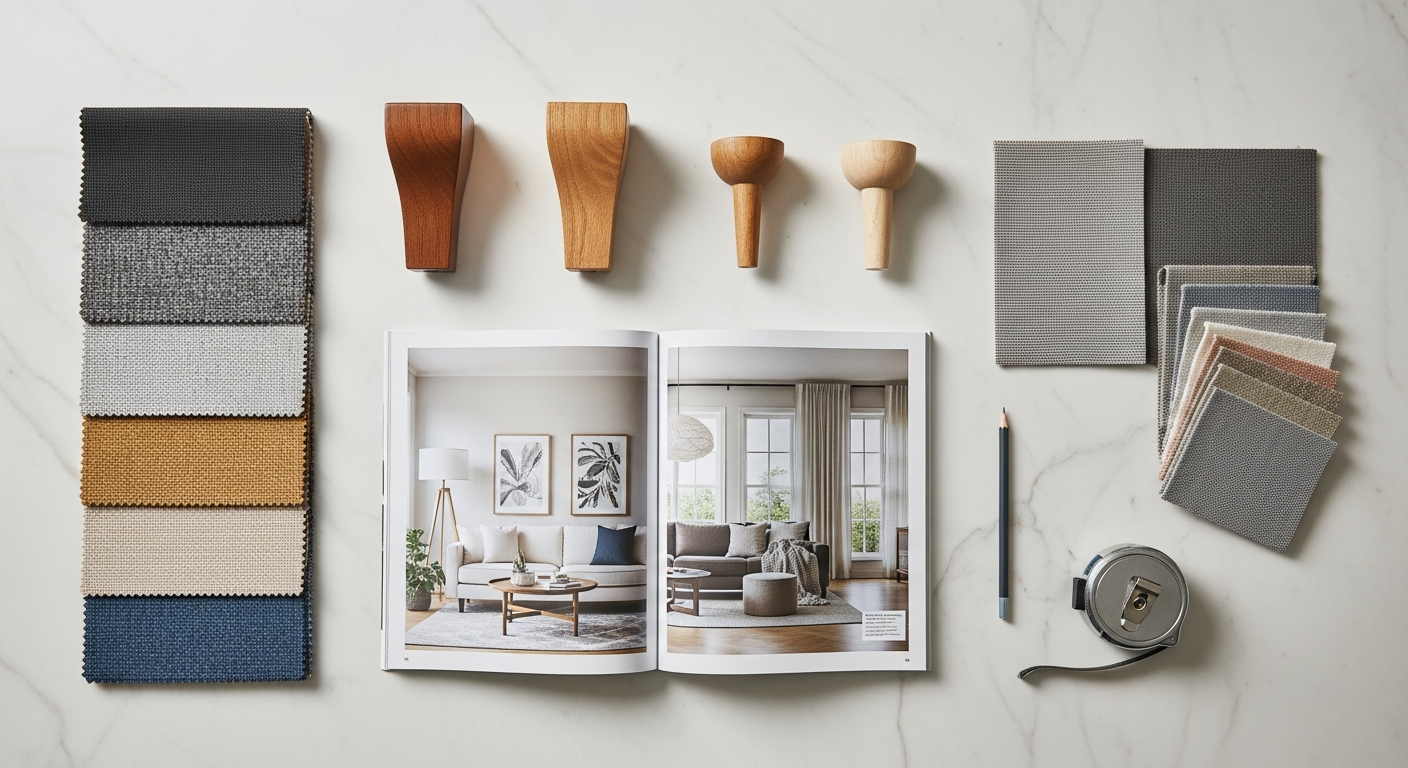
When evaluating fabrics, consider a few key technical aspects. Look for the “rub count” (Wyzenbeek or Martindale), which indicates a fabric’s durability; higher numbers mean greater resistance to wear. Anything above 15,000 double rubs is generally considered suitable for residential use, with 30,000+ being ideal for high-traffic areas. Think about stain and fade resistance, especially if your sofa will be near a window or if spills are a common occurrence. Always request fabric swatches and live with them for a few days. See how they look in different lighting conditions throughout the day, how they feel against your skin, and even test a small, inconspicuous corner for cleanability if you’re particularly concerned. For homes with pets, tightly woven fabrics like microfiber, performance velvets, or certain types of leather tend to fare better against claws and fur. The color and texture of your fabric also play a vital role in the room’s ambiance. A rich velvet can add a touch of glamour, while a textured boucle offers cozy sophistication. Neutrals provide a versatile backdrop, allowing you to play with accent pillows and throws, while a bold color or pattern can be a stunning focal point. This careful consideration of upholstery ensures your sofa is not just a pretty face, but a resilient and comfortable companion for years to come.
Comfort & Construction: The Unseen Foundations of Lasting Joy

While style and fabric certainly catch the eye, the true measure of a quality sofa lies beneath its beautiful exterior: its construction and, ultimately, its comfort. This is where your investment truly pays off, ensuring your sofa provides lasting support and joy rather than sagging or squeaking after just a few years. Think of it as the sturdy backbone that supports all the beauty.
Let’s start with the frame, the skeleton of your sofa. The gold standard is a frame made from kiln-dried hardwood – think maple, oak, or birch. Kiln-drying removes moisture, preventing warping and cracking over time. Avoid frames made primarily of particleboard, MDF (medium-density fiberboard), or softwoods, as these are less durable. Look for frames that are joined with methods like mortise-and-tenon, double dowels, or corner blocks that are both glued and screwed. Staples or nails alone are red flags for poor construction. Don’t be shy to lift the sofa slightly by an arm; if it feels wobbly, move on.
Next up is the suspension system, which supports the cushions and provides that crucial bounce and support. The most durable and comfortable option is often considered eight-way hand-tied springs, where each spring is individually tied to its neighbors and the frame in eight directions, allowing for independent movement and excellent longevity. Sinuous (or “no-sag”) springs, which are S-shaped coils running front to back, are another good quality option, especially when they are heavy gauge and closely spaced. Webbing, while a less expensive option, can still provide decent support if it’s high-density and tightly woven, though it generally won’t last as long as springs. Always ask about the suspension system and look for warranties on the frame and springs – a good manufacturer will stand by their construction.
Finally, let’s talk cushions, the very essence of comfort. The fill material significantly impacts how a sofa feels and wears. High-density foam cores, often wrapped in Dacron or down, offer excellent support and retain their shape well. The higher the foam density, the more durable it tends to be. Down and feather fills provide a luxurious, sink-in softness but require regular fluffing to maintain their shape. A popular compromise is down-wrapped foam, which gives you the support of foam with the plushness of down. Polyester fiberfill is an economical option but can flatten out quickly. When testing a sofa, pay attention to the seat depth and height – your feet should be able to rest comfortably on the floor with your knees at a 90-degree angle, and the seat shouldn’t be so deep that you can’t lean back comfortably. The back height and arm height also contribute to overall comfort. Sit on the sofa, lean back, and even lie down if you dare! This is your investment, and ensuring it feels just right is paramount. A well-constructed sofa, with a sturdy frame, reliable suspension, and comfortable cushions, is a joy that will grace your home for many, many years.
Budgeting & Where to Buy: Smart Investments for Your Home
Choosing a sofa is a significant investment, and like any smart decision for your beautiful home, it requires a thoughtful approach to budgeting and understanding where to find the best value. There’s a wonderful array of options out there, from budget-friendly finds to heirloom-quality pieces, and knowing what to expect can help you navigate the market with confidence and grace.
Sofa prices can vary dramatically, generally falling into three categories. Entry-level sofas, often found under $1,000, might be suitable for temporary situations or if you anticipate a future upgrade. While they can be stylish, they often compromise on internal construction and fabric durability. Mid-range sofas, typically between $1,000 and $3,000, offer a sweet spot of improved quality, better materials, and more robust construction, making them a wise choice for most households seeking a balance of style and longevity. High-end sofas, ranging from $3,000 upwards, represent the pinnacle of craftsmanship, using premium hardwoods, eight-way hand-tied suspension, top-grain leathers, and designer fabrics. These are often custom-made and built to last a lifetime, becoming cherished family heirlooms.
When it comes to where to shop, you have a wealth of choices. Big box retailers and large furniture chains often offer competitive prices and a wide selection, making them a good starting point for exploring various styles and price points. Specialty furniture stores, particularly local boutiques, often provide higher quality pieces, more personalized service, and sometimes unique, curated selections. Online retailers have exploded in popularity, offering convenience and often a broader range of styles than local stores. However, remember that you can’t physically test the comfort or see the fabric in person, so always check return policies and order fabric swatches. For truly bespoke needs, a custom workshop can create a sofa tailored precisely to your specifications, though this will naturally come with a higher price tag. Don’t overlook the charm and character of second-hand or vintage sofas; with a little TLC and perhaps some professional reupholstering, you can uncover a truly unique gem. Always factor in potential additional costs like delivery fees, assembly charges, and extended warranties when calculating your total budget. A reputable retailer will offer clear warranties on the frame, springs, and cushions, along with a transparent return policy. Taking the time to research, compare, and understand these aspects ensures your sofa purchase is a smart, beautiful investment for your home’s future.
The Final Touch: Styling Your Sofa & Making It Your Own
Congratulations, darling! You’ve navigated the exciting journey of selecting the perfect sofa, and now it’s time for the truly delightful part: bringing it to life with personal touches that reflect your unique style and make your living room sing. Styling your sofa isn’t just about adding accessories; it’s about layering textures, colors, and personality to create an inviting, cohesive, and utterly charming space.
Pillows are your secret weapon for adding immediate warmth, comfort, and a pop of color or pattern. Don’t be afraid to mix and match! Aim for a balance of textures – perhaps a chunky knit, a smooth linen, and a luxurious velvet. Vary the sizes and shapes; square pillows are classic, but adding a lumbar or a round pillow can create visual interest. For a standard three-seater sofa, two to five pillows usually strike a lovely balance, avoiding an overcrowded look. Remember the “chop” – a gentle karate chop to the top of a feather-filled pillow gives it that perfectly plump, lived-in designer look.
Throws are another essential for both aesthetic appeal and cozy comfort. Draped artfully over the arm or back of your sofa, a beautiful throw blanket adds an instant layer of texture and warmth. Choose a material that complements your sofa fabric – a soft cashmere or alpaca for a touch of luxury, a chunky cotton knit for a relaxed vibe, or a faux fur for ultimate coziness. They’re also wonderfully practical for snuggling up on a cool evening. Consider rotating throws seasonally to refresh your space.
Beyond the sofa itself, think about how it integrates with the surrounding elements in your living room. An area rug can beautifully anchor your sofa, defining the seating area and adding another layer of texture and pattern. Ensure the rug is large enough for at least the front legs of your sofa to rest on it, creating a unified look. A well-chosen coffee table and side tables provide essential functionality and styling opportunities. Choose pieces that complement the scale and style of your sofa, allowing enough space for comfortable movement. Finally, don’t forget the power of lighting – a floor lamp or a table lamp on a side table adds ambient light and a cozy glow, while carefully selected artwork and personal decor pieces on nearby walls or shelves will truly personalize your space, making your sofa not just a focal point, but a part of a beautifully curated home that tells your story. With these final touches, your sofa will truly transform into the inviting, stylish centerpiece you envisioned, ready to welcome you and your loved ones home with open arms.