












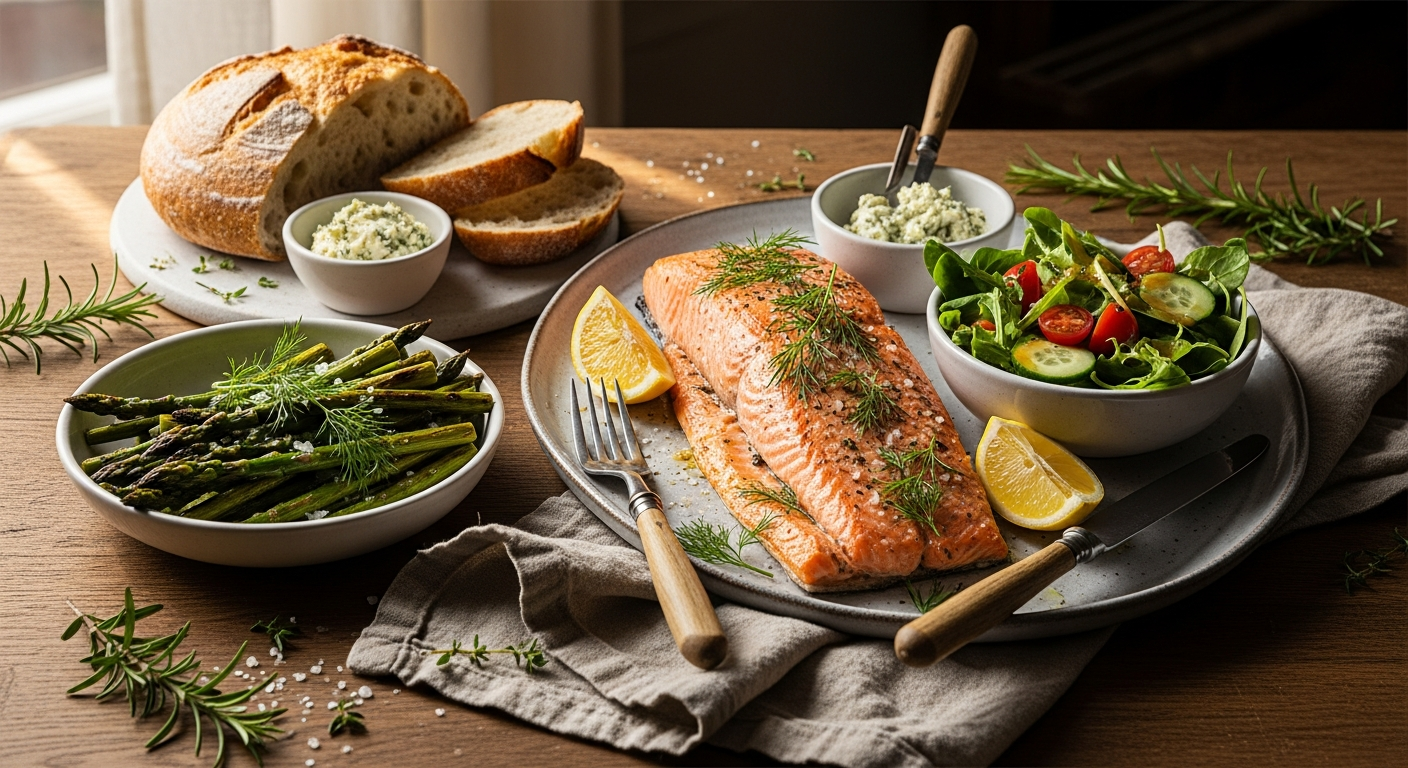
Gourmet Seafood Recipes for Beginners: Elevate Your Home Dining in 2026
For many home cooks, the seafood counter can be an intimidating place. The delicate nature of fish, the precision required for shellfish, and the high price point often lead beginners to stick to the safety of chicken or pasta. However, entering 2026, the trend in home gastronomy is shifting toward “accessible luxury.” You don’t need a Michelin star to prepare a meal that looks and tastes like it belongs in a high-end bistro. Gourmet seafood is less about complex chemistry and more about sourcing quality ingredients and mastering a few foundational techniques.
In this guide, we will demystify the process of cooking premium seafood. By focusing on flavor profiles, texture, and presentation, you can transform a simple piece of Atlantic salmon or a handful of scallops into a culinary masterpiece. Whether you are hosting a dinner party or simply want to treat yourself to a restaurant-quality meal on a Tuesday night, these gourmet seafood recipes for beginners will provide the confidence and skills you need to master the tides of your kitchen.
1. The Golden Rules of Selecting Fresh Seafood
The secret to any gourmet seafood dish starts long before you turn on the stove; it begins at the market. Because fish and shellfish have such subtle flavor profiles, their quality is paramount. In 2026, sustainability is at the forefront of the seafood industry, so look for certifications like MSC (Marine Stewardship Council) or BAP (Best Aquaculture Practices) to ensure your gourmet meal is also ethically sourced.
When selecting whole fish, look for clear, bright eyes and shiny, metallic skin. If the eyes are cloudy or the skin looks dull, the fish is past its prime. For fillets, the flesh should be firm to the touch and spring back when pressed. Avoid any fish that sits in a pool of liquid or has “gaping”—where the muscle fibers begin to pull apart.
Perhaps the most important rule for beginners is the “sniff test.” Fresh seafood should never smell “fishy.” Instead, it should smell like the ocean—salty, clean, and fresh. If you are buying shellfish like clams or mussels, ensure the shells are tightly closed. If they are open, tap them; if they don’t snap shut, they are no longer alive and should be discarded. Mastering the art of selection ensures that half your work is done before you even begin seasoning.
2. Essential Kitchen Tools for Gourmet Results
To achieve that restaurant-style sear or perfectly flaky texture, your equipment matters. While you don’t need a kitchen full of gadgets, a few specific tools will make the transition from novice to gourmet much smoother.
First and foremost is a **high-quality cast iron or heavy-bottomed stainless steel skillet**. These pans retain heat exceptionally well, which is vital for achieving a golden-brown crust on scallops or salmon without overcooking the delicate interior. Non-stick pans have their place, but for a truly gourmet sear, stainless steel is king.
Secondly, invest in an **instant-read digital thermometer**. Overcooking is the number one mistake beginners make with seafood. Because fish has very little connective tissue, the window between “perfectly succulent” and “rubbery and dry” is small. For example, salmon is best enjoyed at an internal temperature of 125°F (51°C) for medium-rare, or 135°F (57°C) for medium.
Lastly, a **fish spatula** is a game-changer. These are longer, thinner, and more flexible than standard spatulas, allowing you to slide under a delicate fillet without breaking the skin or the flesh. With these three tools, your technical execution will instantly rise to a professional level.
3. Recipe 1: Pan-Seared Scallops with Lemon-Pea Purée
Scallops are the epitome of gourmet seafood. They are elegant, sweet, and take less than five minutes to cook. The key to a gourmet scallop is the “hard sear.”
**Ingredients:**
* 6-8 large dry-packed sea scallops
* 2 tbsp high-smoke point oil (avocado or grapeseed)
* 2 tbsp unsalted butter
* 1 cup frozen peas (blanched)
* 1 tbsp heavy cream
* Zest of half a lemon
* Microgreens for garnish
**Instructions:**
1. **The Purée:** Blend the blanched peas, cream, and lemon zest until silkily smooth. Season with salt and set aside. This vibrant green base provides a beautiful color contrast on the plate.
2. **Prep the Scallops:** This is the most important step. Pat the scallops bone-dry with paper towels. Any moisture on the surface will cause them to steam rather than sear. Season with salt just before cooking.
3. **The Sear:** Heat your skillet over high heat until the oil is shimmering but not smoking. Place the scallops in the pan, leaving space between them. Do not move them for 2 minutes.
4. **The Finish:** Flip the scallops. Add the butter to the pan. As it melts and foams, spoon it over the scallops (basting) for another 60 seconds.
5. **Plating:** Smear a spoonful of the pea purée on a plate, top with the scallops, and garnish with microgreens. The result is a vibrant, restaurant-quality dish that balances the richness of the scallops with the sweetness of the peas.
4. Recipe 2: Mediterranean Herb-Crusted Baked Cod
Cod is an excellent “beginner fish” because it is mild and holds its shape well. By adding a gourmet crust, you transform a simple white fish into a textured, flavorful centerpiece.
**Ingredients:**
* 2 Cod fillets (6 oz each)
* 1/2 cup Panko breadcrumbs
* 1 tbsp fresh parsley, finely chopped
* 1 tsp lemon zest
* 1 tbsp melted butter
* 1 tsp Dijon mustard
* 1/2 tsp smoked paprika
**Instructions:**
1. **The Crust:** In a small bowl, mix the Panko, parsley, lemon zest, melted butter, and paprika. The butter helps the breadcrumbs brown beautifully in the oven.
2. **The Base:** Pat the cod dry and brush the top of each fillet with a thin layer of Dijon mustard. This acts as the “glue” for your crust while adding a subtle tang.
3. **The Assembly:** Press the breadcrumb mixture firmly onto the top of the mustard-coated cod.
4. **The Bake:** Place in a preheated oven at 400°F (200°C) for 12–15 minutes. You are looking for the fish to become opaque and the crust to turn a deep golden brown.
5. **Pro Tip:** Serve this alongside roasted cherry tomatoes and olives. The acidity of the tomatoes cuts through the buttery crust, creating a balanced Mediterranean flavor profile that feels sophisticated yet effortless.
5. Recipe 3: Garlic and White Wine Butter Shrimp (Scampi Style)
Shrimp scampi is a classic for a reason. It uses pantry staples to create a decadent sauce that highlights the natural sweetness of the shellfish. To make it “gourmet,” focus on the quality of your butter and the timing of your garlic.
**Ingredients:**
* 1 lb large shrimp (peeled and deveined)
* 4 cloves garlic, thinly sliced (not minced)
* 1/4 cup dry white wine (Pinot Grigio or Sauvignon Blanc)
* 3 tbsp cold unsalted butter, cubed
* Fresh parsley and lemon wedges
* Red pepper flakes (optional)
**Instructions:**
1. **Sauté:** Heat a splash of olive oil in a pan over medium heat. Add the shrimp in a single layer. Cook for 1 minute per side until they just turn pink. Remove the shrimp from the pan and set aside.
2. **The Aromatics:** In the same pan, add the sliced garlic and red pepper flakes. Cooking sliced garlic rather than minced prevents it from burning and provides a more subtle, nutty flavor.
3. **Deglaze:** Pour in the white wine. Let it simmer and reduce by half. This concentrates the flavor.
4. **Emulsify:** Turn the heat to low and whisk in the cold butter cubes one by one. This creates a velvety, “emulsified” sauce rather than just melted oil.
5. **Combine:** Toss the shrimp back into the sauce, add the parsley, and squeeze fresh lemon juice over the top. Serve immediately with crusty sourdough bread to soak up the gourmet sauce.
6. Mastering the Art of Plating and Presentation
In the world of gourmet dining, we eat with our eyes first. A perfectly cooked piece of fish can look lackluster if it’s just dropped onto a plate. Presentation is the final step in moving from “home cook” to “food enthusiast.”
**Negative Space:** Use large, solid-colored plates (white or slate gray are popular in 2026). Don’t crowd the plate; leave plenty of empty space around the edges to make the food the focal point.
**Height and Layering:** Instead of placing your fish next to your vegetables, try placing the fish *on top* of a bed of sautéed spinach or a mound of risotto. This adds vertical interest to the dish.
**The “Power of Three”:** Use garnishes that add color, texture, and acidity. A sprig of fresh dill (color), a sprinkle of flaky sea salt (texture), and a wedge of charred lemon (acidity) can transform a dish. Charring your lemon halves in a dry pan until they are dark brown adds a smoky depth to the juice and looks stunning on the plate.
FAQ: Frequently Asked Questions
**Q1: Is frozen seafood inferior to fresh seafood?**
In many cases, no! Unless you live right on the coast, “fresh” fish in the grocery store has often been in transit for days. “Flash-frozen” seafood is frozen immediately upon being caught, locking in the freshness. For beginners, high-quality frozen fillets are often more consistent and easier to work with.
**Q2: How do I know for sure if my fish is cooked without cutting it open?**
The “Flake Test” is reliable. Gently press the top of the fish with a fork or your finger. If the layers of the fish begin to separate (flake) easily, it is done. However, for total accuracy, use a digital thermometer to reach 130-135°F for most white fish.
**Q3: Why does my fish always stick to the pan?**
Two reasons: the pan wasn’t hot enough, or the fish was too wet. Ensure the oil is shimmering before the fish touches the pan, and always pat the fish dry with a paper towel. Also, be patient—fish will naturally “release” from the pan once a proper crust has formed.
**Q4: What is the best “forgiving” seafood for a first-time gourmet cook?**
Shrimp and thick-cut salmon are very forgiving. Shrimp cook quickly and change color to give you a clear visual cue, while salmon has enough fat content to remain moist even if you overcook it by a minute or two.
**Q5: Which white wine is best for cooking seafood?**
Always use a dry white wine. Avoid anything “oak-y” like some Chardonnays, as the oak flavor can become bitter when heated. Sauvignon Blanc, Pinot Grigio, or a dry Muscadet are the gold standards for seafood sauces.
Conclusion
Cooking gourmet seafood at home is a journey of sensory exploration. In 2026, the focus is on simplicity, quality, and the confidence to let the ingredients speak for themselves. By understanding how to select the freshest catch, equipping your kitchen with the right tools, and mastering fundamental techniques like searing and emulsifying, you can create meals that rival any high-end restaurant.
Remember, every great chef started as a beginner. Don’t be afraid to experiment with different herbs, citrus zests, and plating styles. With these recipes as your foundation, you are well on your way to becoming a master of home-cooked seafood. Grab your fish spatula, heat up your skillet, and prepare to impress yourself with the elegant, delicious possibilities of gourmet seafood.