













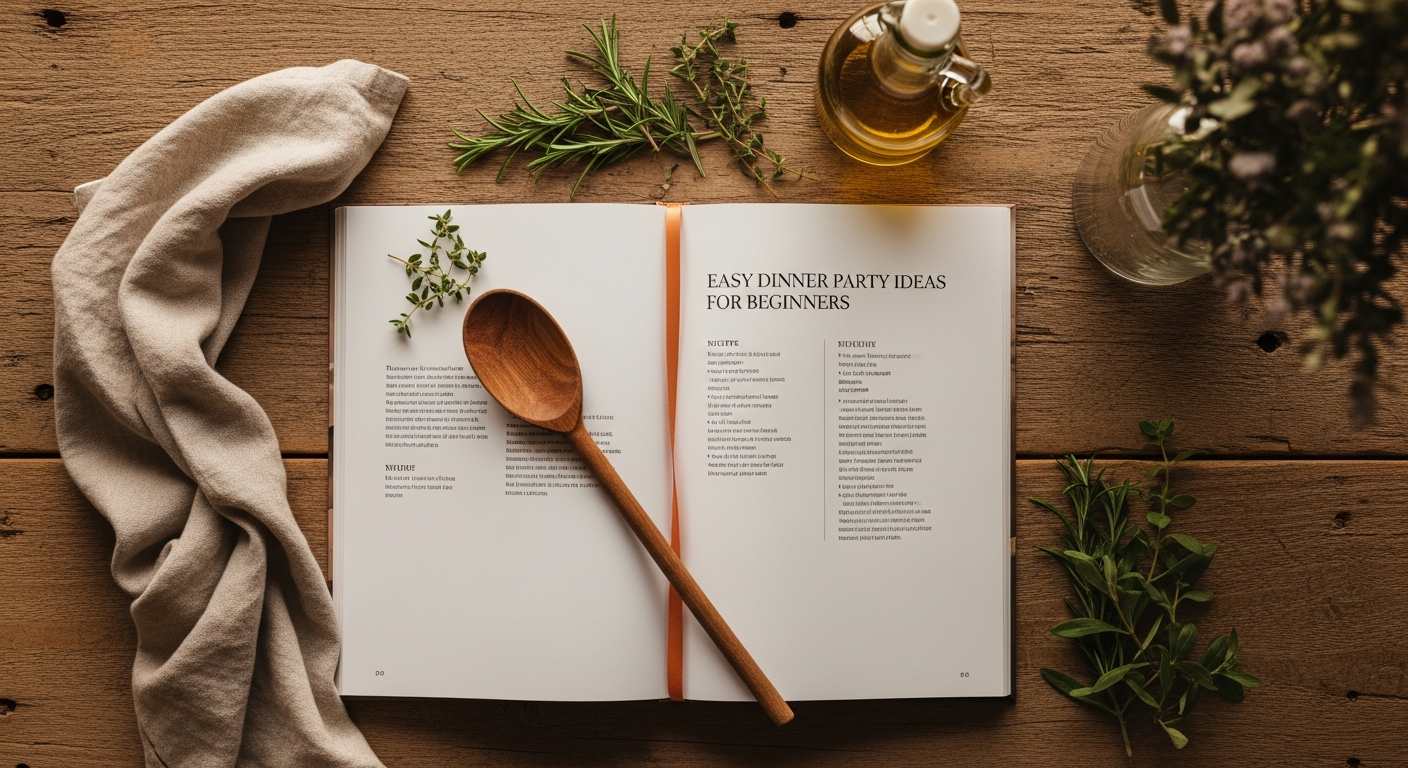
The Art of Effortless Entertaining: Why Easy is Always Best
In our fast-paced lives, the idea of gathering around a table with loved ones feels more important than ever. Yet, the perceived effort often deters us from taking the plunge into hosting. This is where a fundamental shift in mindset becomes your most powerful tool. For beginners, the goal isn’t to replicate a five-star dining experience, but to foster genuine connection and create a relaxed environment. The beauty of effortless entertaining lies in its authenticity; guests often appreciate a host who is present and enjoying themselves far more than a perfectly executed, but stressed-out, performance.
Embracing simplicity doesn’t mean sacrificing elegance or deliciousness. In fact, often the most memorable meals are those that highlight fresh, quality ingredients prepared without excessive fuss. Think about the comfort of a beautifully roasted chicken, a vibrant seasonal salad, or a rich pasta dish – these are classic crowd-pleasers precisely because they are inherently satisfying and don’t require advanced culinary techniques. By choosing recipes that are forgiving, can be made ahead, or require minimal last-minute attention, you free yourself up to engage with your guests, share stories, and truly be the heart of your own home. This approach aligns perfectly with the philosophy of building healthy habits that stick, as it encourages sustainable, enjoyable practices rather than overwhelming, short-lived efforts. It’s about cultivating a habit of joyful hospitality that you can maintain and even look forward to.
Moreover, focusing on easy dinner party ideas allows you to manage your energy and resources effectively. This is particularly relevant when considering your overall lifestyle and budget. You don’t need expensive ingredients or elaborate decor to create a special evening. A thoughtfully chosen menu, a clean and comfortable space, and your genuine warmth are the most important ingredients. This article will guide you through every step, proving that hosting a delightful dinner party can be accessible, enjoyable, and surprisingly simple, even for the most novice entertainer.
Strategic Planning: Your Blueprint for a Stress-Free Soirée
The cornerstone of any successful and stress-free dinner party, especially for beginners, is meticulous yet flexible planning. Think of it as laying the foundation for a beautiful home – the stronger the plan, the more stable and enjoyable the outcome. This is where you truly start to build healthy habits that stick, by establishing routines that make entertaining less daunting and more instinctive.
Guest List & Invitations: Keep it Intimate
For your inaugural hosting adventure, resist the urge to invite everyone you know. An intimate gathering of 4-6 close friends or family members is ideal. This smaller group size allows you to manage the cooking, seating, and conversation more easily, reducing potential overwhelm. Consider guests who generally get along well and have shared interests to ensure a relaxed flow of conversation. When it comes to invitations, keep it simple. A text message, email, or a casual phone call is perfectly acceptable. Include the date, time, and your address. It’s also a good idea to discreetly ask about any dietary restrictions or allergies a week or two before the event, allowing you ample time to adjust your menu.
Choosing a Date & Time: Allow Ample Prep
Select a date and time that works well for both you and your guests, but crucially, one that gives you sufficient time for preparation. Weekends are generally best, allowing you to prep on Friday evening or Saturday morning without the rush of a workday. Aim for a dinner time that isn’t too early (e.g., 7 PM) to give guests time to arrive and settle, and also allows you to finish any last-minute touches without feeling rushed.
The Power of the Theme (Optional but Fun)
While not strictly necessary for beginners, a simple theme can add a fun layer to your party and help guide your menu and decor choices. This doesn’t mean a fancy dress code, but perhaps a regional cuisine theme (e.g., “Italian Night” with pasta and tiramisu) or a seasonal one (e.g., “Autumn Harvest Dinner”). A theme can simplify decision-making and add a cohesive feel without adding significant complexity.
Making Lists (and Checking Them Twice): Your Hosting Command Center
This is arguably the most critical step and a fantastic habit to cultivate for any aspect of life, not just hosting. Create several lists:
- Guest List & RSVP Tracker: Keep track of who’s coming and any dietary notes.
- Menu Plan: Appetizer, main course, side dishes, dessert, drinks. Be specific with ingredients.
- Shopping List: Break this down by grocery store sections (produce, dairy, pantry, etc.) to make your shopping trip efficient.
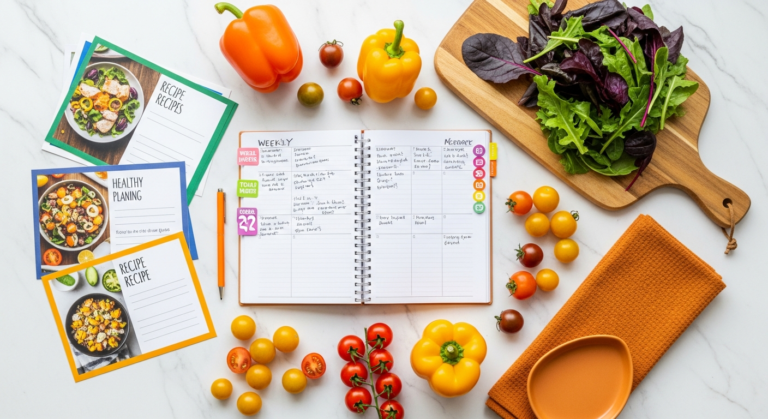
- Prep Timeline: This is your secret weapon. Work backward from your dinner time.
- Days Ahead: Grocery shopping, non-perishable purchases, cleaning the house, choosing music.
- Day Before: Chop vegetables, make dressings, prepare any make-ahead components (e.g., marinate meat, bake dessert), set the table.
- Hours Before: Cook main course components, chill drinks, final tidy-up, light candles.
- 30 Minutes Before: Put out appetizers, warm up anything needed, freshen up.
- Serving Plan: Which dishes go into which serving bowls? Do you have enough cutlery, plates, and glasses?
By diligently creating and following these lists, you effectively break down a seemingly large task into manageable steps. This reduces stress, ensures nothing is forgotten, and allows you to enjoy the process rather than feeling overwhelmed. It’s a prime example of how building healthy habits that stick can transform a potentially stressful event into a joyful one.
Crafting a Crowd-Pleasing Menu: Simple, Delicious, and Make-Ahead
Appetizers: Set the Tone with Ease
Start with something light and easy that guests can graze on as they arrive. Avoid anything that requires immediate attention or complex assembly.
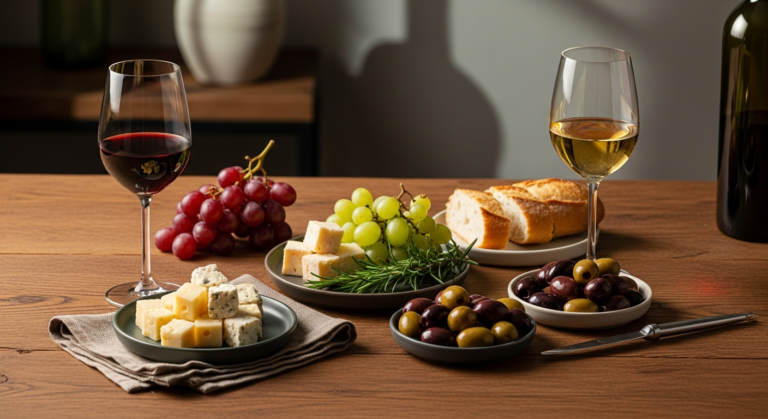
- Charcuterie Board: A beginner’s best friend. Arrange a selection of cheeses (2-3 types), cured meats (salami, prosciutto), crackers, olives, nuts, and seasonal fruit. No cooking required, just assembly.
- Pre-made Dips with Crudités & Pita: Hummus, spinach dip, or a store-bought artichoke dip paired with colorful vegetable sticks (carrots, celery, bell peppers) and toasted pita bread.
- Marinated Olives: A bowl of good quality olives, perhaps warmed slightly with a drizzle of olive oil, garlic, and herbs.
Main Course: The Heart of the Meal, Made Simple
This should be the star, but not the stressor. Focus on dishes that are forgiving and can either be largely prepped ahead or require passive cooking time.
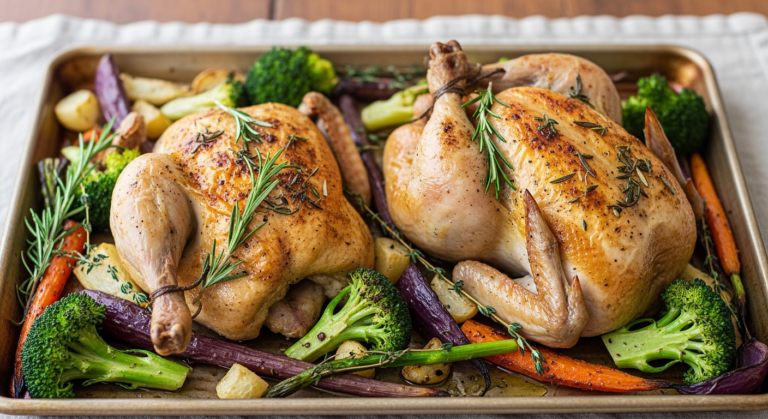
- Roasted Chicken or Pork Loin: A whole roasted chicken or a pork loin roast is incredibly impressive yet surprisingly simple. Season well, pop it in the oven, and let it do its magic. It frees you up for other tasks and fills your home with wonderful aromas.
- One-Pot Pasta Dishes: Many pasta recipes can be cooked in a single pot, or even better, assembled and baked. Lasagna, baked ziti, or a simple pasta with a rich, slow-cooked sauce (like a bolognese or marinara) can be made a day in advance and simply reheated or baked before serving.
- Slow-Cooker Delights: Pulled pork, beef bourguignon (simplified version), or a hearty chili can be prepared hours in advance and kept warm until serving. This is the ultimate hands-off main course.
- Sheet Pan Dinners: Chicken or sausage with roasted vegetables (potatoes, bell peppers, broccoli) tossed with olive oil and spices, all cooked on one sheet pan. Minimal cleanup, maximum flavor.
Always remember to confirm any dietary restrictions with your guests beforehand. Offering a vegetarian option like a hearty lentil shepherd’s pie or a substantial roasted vegetable tart can be a thoughtful touch.
Sides: Simple Companions
Keep sides fresh and complementary without adding undue complexity.
- Seasonal Green Salad: A simple mixed greens salad with a vinaigrette (which can be made days ahead). Add some cherry tomatoes, cucumber, or toasted nuts for texture.
- Roasted Vegetables: Carrots, broccoli, asparagus, or potatoes tossed with olive oil, salt, pepper, and herbs, then roasted until tender and caramelized. Can often share oven space with your main.
- Crusty Bread: A good quality baguette or artisan loaf with butter or olive oil.
Dessert: A Sweet Ending, No Stress
Dessert should be a delightful closing act, not a high-wire performance.
- Store-Bought Elegance: Don’t be afraid to buy a beautiful tart, a selection of macarons, or high-quality ice cream. Present it nicely, and no one will care you didn’t bake it from scratch.
- Fresh Fruit Platter: Simple, elegant, and always appreciated. Serve with a dollop of whipped cream or a drizzle of honey.
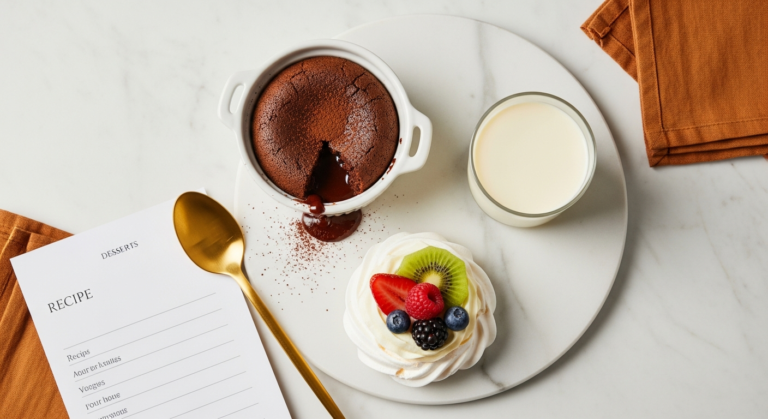
- Easy No-Bake Desserts: Chocolate mousse (can be made ahead), panna cotta, or a layered trifle.
- Brownies or Cookies: A classic, comforting choice that can be baked the day before.
Drinks: Hydration and Celebration
Offer a variety of options, but keep it manageable.
- Signature Batch Cocktail: Mix a large pitcher of a simple cocktail (e.g., sangria, spritz, Moscow mule mix) so guests can serve themselves.
- Wine: Offer a red and a white option.
- Non-Alcoholic Options: Sparkling water with lemon/lime, a pitcher of infused water (cucumber & mint), or a nice quality sparkling cider.
The “Make-Ahead” Magic: Your Ultimate Time-Saver
This is the golden rule for beginner hosts. Identify every component of your meal that can be prepared in advance.
- Chop vegetables for salads and roasting.
- Make salad dressings.
- Prepare dips.
- Marinate meats.
- Bake desserts.
- Set the table.
- Chill drinks.
By doing as much as possible ahead of time, you transform the frantic rush before guests arrive into a calm, enjoyable preparation period, allowing you to build healthy habits that stick for stress-free entertaining.
Setting the Scene: Ambiance on a Budget for 2026
Creating a welcoming atmosphere is just as important as the food, and it doesn’t require a lavish budget or professional styling. In fact, many effective ambiance builders are free or very inexpensive. Thinking about how your space contributes to the mood can even tie into broader home decor ideas budget 2026, where thoughtful touches make a big impact without breaking the bank.
Table Setting: Simple Elegance
You don’t need fancy china. Use your everyday plates and cutlery. The key is to make it look intentional and inviting.
- Clean Linens: A clean tablecloth or placemats instantly elevate the look. If you don’t have one, even a simple runner or clean, ironed fabric can work.
- Napkins: Cloth napkins are a nice touch, but paper napkins in a complementary color are perfectly fine. Fold them simply and place them beside or on the plate.
- Glassware: Ensure you have enough glasses for water, wine, and any other beverages.
- Cutlery: Set out only the cutlery needed for the meal to avoid clutter.
Lighting: The Mood Maker
Lighting is paramount for creating a cozy and inviting atmosphere. Harsh overhead lighting is a party killer.
- Dim the Lights: If you have dimmer switches, use them.
- Candlelight: This is your best friend. Use unscented candles on the table (to avoid competing with food aromas) and around the room. Votive candles, pillar candles, or even fairy lights can add a magical glow.
- Lamps: Turn on floor and table lamps to create pools of soft light, adding warmth and depth to the room.
Music: The Background Soundtrack
Choose background music that is pleasant and unobtrusive.
- Genre: Jazz, acoustic, instrumental, or a curated playlist of mellow pop hits.
- Volume: Keep it low enough so guests can converse comfortably without shouting over it.
Focal Points & Decor: Less is More
A simple, thoughtful centerpiece is often all you need.
- Fresh Flowers or Greenery: A small bouquet from the grocery store, or even clippings from your garden, can make a beautiful statement. Keep them low so guests can see each other across the table.
- Fruit Bowl: A bowl of colorful seasonal fruit (lemons, oranges, apples) makes an attractive and edible centerpiece.
- Repurpose & Reuse: Look around your home. Can you use a nice serving tray, a decorative bowl, or even a stack of interesting books to add visual interest? This is where your existing home decor ideas budget 2026 comes into play. You don’t need to buy new; simply rearrange and highlight what you already own. If you have a particularly striking feature like a statement wall in your living room, consider how its existing color or texture can enhance the festive atmosphere without additional clutter.
- Cleanliness & Comfort: Before guests arrive, give your main entertaining areas a quick tidy-up. Clear clutter, wipe down surfaces, and ensure the bathroom is clean and well-stocked. A clean, comfortable space makes everyone feel more at ease. Fluff up couch cushions, maybe add a throw blanket – small touches that say “welcome.”
The Art of Effortless Hosting: Enjoying Your Own Party
You’ve planned, you’ve prepped, you’ve set the scene. Now it’s time for the most crucial step: enjoying your own party! Many beginner hosts fall into the trap of being so focused on serving and perfecting that they forget to engage with their guests. Remember, your presence and enjoyment are contagious and contribute significantly to the overall atmosphere.
Prep, Prep, Prep: Your Golden Rule
We’ve emphasized this, but it bears repeating. Do as much as humanly possible before your guests walk through the door. This includes:
- All chopping, measuring, and pre-cooking that can be done.
- Setting the table.
- Chilling drinks.
- Pre-heating the oven.
- Having serving dishes and utensils ready.
The goal is to have minimal tasks remaining once your guests arrive, ideally just plating, warming, or last-minute garnishing. This habit of thorough preparation is a key component of building healthy habits that stick, as it reduces immediate stress and allows for a more mindful experience.
Delegate (If Possible): It’s Okay to Accept Help
If a guest asks, “Can I help with anything?”, don’t be a hero and always say no. Instead, have a simple task ready:
- “Could you pour water for everyone?”
- “Would you mind putting the bread on the table?”
- “The wine is in the fridge, could you open a bottle?”
Most guests genuinely want to contribute, and it makes them feel more at home. If someone offers to bring a dish, especially for a casual gathering, consider accepting a dessert or an appetizer to lighten your load.
Be Present: Engage and Connect
Once your guests are there, put away your phone. Make eye contact, listen actively, and participate in conversations. The entire purpose of a dinner party is connection. If you’re constantly bustling in and out of the kitchen, you’ll miss out on the very reason you invited people over. Trust your preparation and let the evening unfold naturally. Don’t worry about every single dish being piping hot; a slightly warm side dish is far less detrimental than an absent host.
Don’t Apologize: Embrace Imperfection
Something might go slightly wrong – the sauce might be a little too salty, or a dish might take longer than expected. Do not apologize profusely! Guests rarely notice small imperfections unless you draw attention to them. A simple “Oops, a little extra seasoning tonight!” with a smile is far better than a lengthy explanation. Your confidence and good humor will set the tone. Remember, the evening is about shared experience, not culinary perfection.
Serving Strategy: Buffet or Plated?
For beginners, a buffet-style meal is often the easiest. Arrange all the main dishes, sides, and bread on a separate counter or side table, allowing guests to serve themselves. This reduces the pressure on you to portion and serve each plate, and it encourages a more relaxed, communal atmosphere. If you prefer a more formal seated meal, place serving dishes on the table and pass them around family-style.
By focusing on these principles, you transform yourself from a stressed chef into a gracious host, allowing you to truly enjoy the company you’ve worked so hard to bring together. This mindful approach to hosting is a fantastic way to build healthy habits that stick, ensuring your entertaining experiences are fulfilling for everyone, especially you.
Post-Party Perfection: A Smooth Wind-Down
The party may be over, but your role as a thoughtful host extends slightly beyond the final goodbyes. A smooth wind-down process ensures that the positive memories of the evening aren’t overshadowed by a daunting cleanup. This is another area where implementing efficient routines can help build healthy habits that stick, making future hosting even more appealing.
Immediate Tidy-Up: Tackle the Low-Hanging Fruit
You don’t need to clean the entire kitchen right after your guests leave, especially if it’s late. However, tackling a few key tasks can make a huge difference the next morning:
- Load the Dishwasher: Get as many dishes, glasses, and cutlery into the dishwasher as possible and start a cycle. This significantly reduces the morning chore.
- Put Away Perishables: Cover and refrigerate any leftover food immediately. This prevents spoilage and keeps your kitchen tidy.
- Scrape Plates: If you can’t load everything, at least scrape food scraps into the bin and rinse plates to prevent food from drying onto them.
- Wipe Down Surfaces: A quick wipe of the kitchen counters and table can prevent spills from becoming sticky messes overnight.
Delegating (Again): Accept Offers of Help
If your guests offer to help with cleanup before they leave, graciously accept their help with a specific task. “Could you help me clear the table?” or “Would you mind stacking the plates for the dishwasher?” A little help can go a long way and often makes guests feel more useful and less like they’re imposing.
The Morning After: Finish the Job
Wake up and finish the remaining cleanup with a fresh perspective.
- Unload the Dishwasher: Put away clean dishes.
- Wash Remaining Items: Tackle any pots, pans, or delicate items that couldn’t go in the dishwasher.
- Wipe Down & Tidy: Give the kitchen a thorough wipe-down, sweep the floor, and put away any remaining party items (serving dishes, candles, decorations).
- Trash & Recycling: Take out the trash and recycling.
Reflect & Learn: Grow as a Host
Once everything is tidy, take a moment to reflect on the evening.
- What went well?
- What could have been easier?
- Were there any dishes that were unexpectedly popular or difficult?
- Did your prep timeline work effectively?
This reflective practice is a powerful tool for personal growth, much like building healthy habits that stick. It allows you to refine your approach for next time, making each subsequent dinner party even more enjoyable and effortless. Don’t dwell on perceived failures; instead, see them as learning opportunities. Every host, no matter how experienced, has evenings where things don’t go exactly as planned. The key is to learn and adapt.
Beyond the Plate: Cultivating a Mindful Hosting Experience
While delicious food and a welcoming atmosphere are central to any dinner party, truly effortless entertaining goes deeper. It’s about approaching the entire experience with a mindful attitude, focusing on well-being, connection, and the joy of giving. This perspective is vital for building healthy habits that stick, extending beyond just the kitchen and into your broader lifestyle.
Focus on Connection, Not Perfection
In our hyper-curated world, it’s easy to fall into the trap of striving for an Instagram-perfect event. However, the most cherished memories from gatherings are rarely about flawless execution. They’re about laughter, shared stories, deep conversations, and the warmth of human connection. Shift your focus from impressing to connecting. When you are genuinely present and enjoying your guests’ company, that energy is palpable and far more valuable than a perfectly symmetrical garnish.
Stress Management for the Host
Hosting can be stressful, but it doesn’t have to be overwhelming. Incorporating stress-reducing practices into your hosting routine is a healthy habit that sticks.
- Deep Breaths: Before guests arrive, take a few moments to breathe deeply and center yourself.
- Realistic Expectations: Understand that things might not go exactly to plan, and that’s okay.
- Self-Care: Ensure you’re well-rested and hydrated before the party. A tired, hungry host is a stressed host.
- Enjoy the Process: Find joy in the act of preparing food and setting a beautiful table, rather than viewing it purely as a chore.
The Joy of Giving
At its core, hosting is an act of generosity. You are opening your home, sharing your time, and offering nourishment. There is immense satisfaction in providing a space for others to relax, connect, and enjoy themselves. Embrace this spirit of giving, and you’ll find the entire experience more rewarding. It’s not about what you get back, but the joy you create for others and, by extension, for yourself.
How Hosting Contributes to Overall Wellness
Mindful hosting can actually be a powerful practice for overall wellness.
- Community Building: Sharing meals strengthens bonds and builds a sense of community, which is crucial for mental and emotional health.
- Practicing Hospitality: It allows you to practice empathy, thoughtfulness, and generosity – qualities that enrich your own life.
- Creative Outlet: For many, cooking and decorating offer a creative outlet, stimulating the mind and providing a sense of accomplishment.
- Digital Detox: A dinner party encourages putting away screens and engaging in real-life interaction, a much-needed break in our digital age.
By approaching your dinner party with intention and a focus on these deeper aspects, you’re not just throwing a meal; you’re cultivating a richer, more connected life. This holistic view of entertaining truly embodies the essence of building healthy habits that stick, fostering not just a successful party, but a more joyful and balanced existence.
FAQ: Your Dinner Party Questions Answered
What is the ideal number of guests for a beginner dinner party?
For your first few dinner parties, aim for an intimate group of 4-6 guests. This size is much more manageable for cooking, seating, and facilitating good conversation, allowing you to feel more in control and less overwhelmed.
How far in advance should I start planning my dinner party?
For a stress-free experience, start planning at least one to two weeks in advance. This gives you ample time to send invitations, finalize your menu, create shopping lists, and tackle any major cleaning or decor adjustments without feeling rushed. This proactive approach is a great example of building healthy habits that stick.
What are some easy, make-ahead main course ideas?
Excellent make-ahead main courses include lasagna or baked ziti, slow-cooker pulled pork or chili, a hearty lentil shepherd’s pie, or a simple roasted chicken that can be prepped and seasoned the day before. These options minimize last-minute cooking stress.
How can I set a nice table without buying new decor on a budget?
Focus on what you already have! Use clean, ironed tablecloths or placemats, simple everyday plates, and cutlery. For a centerpiece, use a bowl of fresh fruit, a small vase of garden clippings, or even a few unscented candles. Thoughtful arrangement and good lighting are key, aligning with smart home decor ideas budget 2026 principles.
What should I do if a dish doesn’t turn out perfectly?
Don’t panic and definitely don’t apologize excessively! Acknowledge it with a lighthearted comment if necessary, but then move on. Your guests are there for your company and the overall experience, not a flawless culinary performance. Often, small imperfections add to the charm of a home-cooked meal.
How can I make sure I enjoy my own dinner party as the host?
The best way to enjoy your party is through thorough preparation. Do as much as possible ahead of time so you’re not stuck in the kitchen. Delegate small tasks if guests offer help, and most importantly, remember to be present, engage with your guests, and embrace the joy of connection rather than striving for unattainable perfection. This mindful approach is a cornerstone of building healthy habits that stick for stress-free living.
Recommended Resources
Learn more about this topic in Best Tinted Moisturizers For Natural Everyday Coverage at The Contextual Life.
Check out Best Foundation For Different Skin Types on Fashion Goggled for a deeper dive.