






















Understanding the Architecture of Lasting Habits: Beyond Mere Motivation
The journey to building healthy habits that stick begins with a fundamental understanding of how habits work. Many of us approach habit formation with a burst of motivation, only to find it wanes, leaving us adrift. The truth is, habits aren’t solely reliant on motivation; they are intricate neurological patterns that, once established, allow us to perform actions with minimal conscious effort. Think of driving a car, brushing your teeth, or making your morning coffee – these are actions you execute almost on autopilot. Our goal is to harness this autopilot function for our desired healthy behaviors.
At the core of habit formation is what researchers often refer to as the “habit loop,” comprising three essential components:
- The Cue: This is the trigger that initiates a behavior. It could be a time of day, a particular emotion, a location, another person, or a preceding action. For instance, seeing your running shoes by the door (cue) might trigger your desire to go for a run.
- The Routine: This is the behavior itself – the habit you want to build or change. It’s the physical, mental, or emotional action you take in response to the cue.
- The Reward: This is the positive outcome or feeling you get from performing the routine. The reward reinforces the habit, making your brain want to repeat the cycle. It could be a sense of accomplishment, physical relief, pleasure, or even a tangible treat.
When you understand this loop, you can begin to intentionally design it for your benefit. Most attempts at habit building fail not because of a lack of desire, but due to a misunderstanding of this fundamental structure. People often try to force a routine without clear cues or compelling rewards, or they attempt to tackle too many challenging habits at once. For example, if you aim to meditate daily, simply resolving to “meditate more” is vague. A more effective approach would be: “After I finish my morning coffee (cue), I will sit for five minutes of meditation (routine), which will leave me feeling calm and focused (reward).”
The key insight here is that consistency trumps intensity. It’s far better to do a small habit every single day than to attempt a monumental habit once a week. The repetition strengthens the neural pathways, making the behavior more automatic over time. Don’t underestimate the power of tiny, seemingly insignificant actions performed consistently. These are the building blocks of profound, lasting change.
Another common pitfall is a lack of clarity. We often set goals like “eat healthier” or “exercise more.” While well-intentioned, these broad statements lack the specificity needed to form a concrete habit loop. To truly build healthy habits that stick, you need to define precisely what the habit entails, when and where it will occur, and what the immediate benefit will be. This precision reduces friction and decision fatigue, making it easier for your brain to follow the established pattern.
By dissecting the habit loop and focusing on consistent, small actions, you lay a robust foundation for success. It’s about working with your brain’s natural tendencies, not against them, transforming the daunting task of self-improvement into an achievable, even enjoyable, process.
The Foundation: Clarifying Your “Why” and Architecting SMART Goals
Before you even think about the mechanics of habit formation, the most critical step is to unearth your “why.” Why do you want to build this particular habit? Is it because you feel societal pressure, or does it stem from a deep, intrinsic desire for personal growth and well-being? Habits built on superficial reasons are often fragile and easily abandoned when challenges arise. A strong, deeply personal “why” acts as your internal compass and unwavering anchor, guiding you through moments of doubt and resistance.
To discover your “why,” ask yourself probing questions: How will this habit truly enhance my life? What future version of myself am I striving to become by adopting this behavior? How does this habit align with my core values and long-term aspirations? For instance, if your goal is to incorporate more movement into your day, your “why” might be: “I want to feel more energetic to play with my children,” or “I want to reduce stress and improve my mental clarity,” or even “I want to cultivate a sense of discipline and self-respect.” This introspection transforms a mere task into a meaningful pursuit, making it far more likely that you’ll build healthy habits that stick.
Once your “why” is crystal clear, the next step is to translate that motivation into actionable, well-defined goals. This is where the SMART goal framework becomes indispensable. It provides a structure for setting objectives that are not only ambitious but also realistic and trackable:
- Specific: What exactly do you want to achieve? Instead of “eat healthier,” aim for “eat a serving of vegetables with every dinner.”
- Measurable: How will you track your progress? For “exercise more,” make it “walk 30 minutes, five times a week.”
- Achievable: Is this goal realistic given your current circumstances and resources? Starting with a manageable goal, like “read 10 pages of a book daily,” is more effective than “read an entire book every week” if you’re not currently a reader.
- Relevant: Does this goal align with your values and long-term objectives (your “why”)? For example, if your “why” is to prioritize self-care, then engaging in Self Care Ideas At Home 2026, such as a daily mindfulness practice or a weekly relaxing bath, would be highly relevant.
- Time-bound: When will you achieve this goal, and by when will you assess your progress? Set a clear start date and a review date, such as “By the end of March 2026, I will have consistently meditated for 10 minutes daily for 30 consecutive days.”
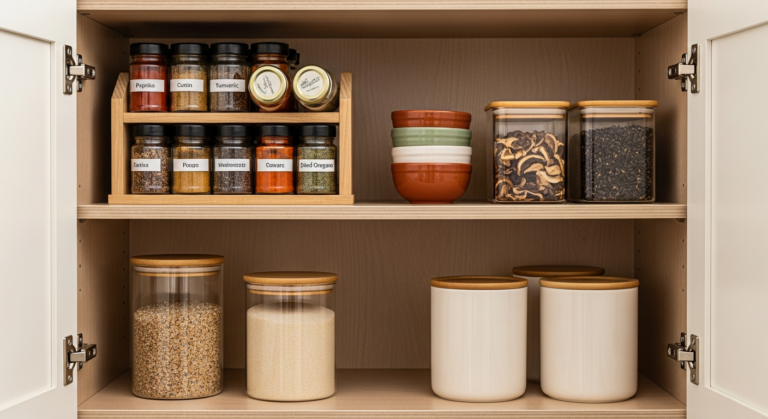
Consider how this structured approach applies to lifestyle improvements. If you’re looking to enhance your home environment, simply saying “I want a nicer home” is too vague. A SMART goal might be: “By April 30, 2026, I will have decluttered and organized my pantry, creating a more functional and aesthetically pleasing space.” This goal is specific, measurable (pantry is decluttered), achievable, relevant (contributes to a nicer home), and time-bound. This level of detail empowers you to take concrete steps and track your success, reinforcing your commitment to building healthy habits that stick, whether they relate to your personal well-being or your living space.
By meticulously defining your “why” and then translating it into SMART goals, you create a robust strategic roadmap. This foundation ensures that your efforts are not just random acts of improvement, but deliberate, purposeful steps towards a more vibrant and intentional life. It transforms abstract desires into tangible plans, paving the way for consistent action and genuine transformation.
Strategies for Seamless Integration: Making Healthy Habits Effortless and Enjoyable
Habit Stacking: Leveraging Existing Routines
One of the most potent strategies for integrating new habits is called “habit stacking.” This involves linking a new desired habit to an existing, firmly established habit you already perform without fail. The existing habit acts as the cue for the new one. The formula is simple: “After [CURRENT HABIT], I will [NEW HABIT].”
- After I pour my morning coffee, I will write down three things I’m grateful for.
- After I brush my teeth, I will do 10 squats.
- After I finish my workday, I will go for a 15-minute walk.
The beauty of habit stacking is that it bypasses the need for new cues and decision-making. Your brain already has an established pathway for the existing habit, and you’re simply piggybacking on that momentum. This technique significantly lowers the barrier to entry for new behaviors, making it much easier to build healthy habits that stick.
Environment Design: Shaping Your Surroundings for Success
Your environment is a silent architect of your habits. By consciously designing your surroundings, you can make desired behaviors more accessible and undesired ones more difficult. This is a game-changer for anyone serious about lasting change.
- Make good habits obvious and easy: If you want to drink more water, keep a full water bottle on your desk or visible in every room. If you want to exercise, lay out your workout clothes the night before. Want to read more? Keep a book on your nightstand or coffee table.
- Make bad habits invisible and hard: If you want to reduce screen time, move your phone charger out of your bedroom. If you want to eat less junk food, don’t buy it, or store it in an inconvenient, out-of-sight location.
This principle extends beyond mere organization. Consider how Home Decor Ideas Budget 2026 can strategically support your wellness goals. A calm, decluttered bedroom, for instance, promotes better sleep – a cornerstone of health. Creating a dedicated “wellness corner” in your living room, perhaps with a cozy blanket, a diffuser, and a meditation cushion, makes engaging in Self Care Ideas At Home 2026 like mindfulness or journaling more inviting. Even simple changes, like painting a wall in a soothing color or adding plants, can influence your mood and indirectly support healthier routines. Your home should be a sanctuary that nurtures your aspirations, not a chaotic space that adds to your stress.
Mini Habits: The Power of Being Ridiculously Small
The biggest enemy of new habits is often our own ambition. We aim too high, too fast, and get discouraged. The solution? Embrace “mini habits.” These are tiny, almost laughably small versions of your desired habit that are impossible to fail. The goal is to build consistency and momentum, not to achieve peak performance on day one.
- Want to exercise? Do one push-up.
- Want to read? Read one sentence.
- Want to meditate? Meditate for one minute.
The power of mini habits lies in their ability to overcome initial resistance. Once you’ve completed the tiny action, you often find the motivation to do a little more. And even if you don’t, you’ve still maintained your streak, reinforcing the identity of someone who performs that habit. It’s about showing up, not about perfect execution. Over time, these tiny actions compound into significant progress, proving invaluable for those who want to build healthy habits that stick.
Reward Systems: Positive Reinforcement
The reward in the habit loop is crucial for reinforcing the behavior. While intrinsic rewards (like feeling good after a workout) are ideal, external rewards can be powerful motivators in the early stages of habit formation. Just be sure the reward is immediate and genuinely enjoyable, and that it doesn’t counteract the habit itself.
- After successfully meditating for a week, treat yourself to a new book or a luxurious bath bomb.
- After completing your daily writing goal, allow yourself 15 minutes of guilt-free browsing on your favorite blog.
These strategies, when applied thoughtfully, transform the often-arduous process of habit building into an accessible and even enjoyable journey. By making healthy behaviors easy, obvious, and rewarding, you significantly increase your chances of cultivating lasting change and truly building healthy habits that stick for a lifetime.
Overcoming Obstacles and Sustaining Momentum: The Long Game of Lasting Change
Building healthy habits that stick is rarely a linear path. Life happens. You’ll encounter days when your motivation plummets, unexpected events derail your routine, or old patterns resurface with surprising force. The true test of a lasting habit isn’t the absence of setbacks, but how you respond to them. Developing resilience and a strategic approach to maintaining momentum are crucial for the long game of personal transformation.
Embracing Imperfection and Dealing with Setbacks
One of the most common reasons people abandon new habits is the “all-or-nothing” mentality. They miss a day, feel like a failure, and then give up entirely. This perfectionism is a silent killer of progress. Instead, adopt a “two-day rule”: never miss your habit two days in a row. If you miss a day, forgive yourself, learn from it (what caused the miss?), and recommit to getting back on track immediately. One missed day is an anomaly; two creates a new pattern. This approach fosters self-compassion and prevents a minor slip from spiraling into complete abandonment.
Analyze setbacks without judgment. Was the habit too ambitious? Was the cue unclear? Did something genuinely unavoidable happen? Use these moments as data points to refine your strategy, not as evidence of your inadequacy. Remember, every expert was once a beginner, and every successful habit-builder has experienced countless stumbles along the way.
Tracking Progress and Celebrating Small Wins
What gets measured gets managed. Tracking your habits provides invaluable feedback and a visual representation of your progress, which can be incredibly motivating. Simple methods include:
- Habit Trackers: A simple calendar where you mark an “X” for each day you perform your habit. Seeing a chain of Xs can be a powerful motivator not to break the chain.
- Journals: A daily journal allows you to reflect not just on whether you did the habit, but also on how it felt, what challenges you faced, and what insights you gained.
- Apps: Numerous apps (e.g., Streaks, Habitica, Loop Habit Tracker) offer sophisticated tracking, reminders, and gamification features.
Beyond tracking, actively celebrate your small wins. Finishing a week of consistent meditation, exercising three times in a row, or sticking to your healthy meal plan for a month are all worthy of acknowledgment. These celebrations reinforce the reward component of the habit loop and provide a much-needed boost of dopamine. The reward doesn’t have to be grand; it could be a moment of quiet reflection, a favorite cup of tea, or sharing your success with a supportive friend. These positive affirmations are essential for building healthy habits that stick over the long term.
The Power of Accountability
While habit building is ultimately a personal journey, you don’t have to go it alone. Accountability can be a powerful external motivator, especially in the early stages. Sharing your goals with others creates a sense of commitment and can provide the gentle nudge you need on challenging days.
- Accountability Partner: A friend, family member, or colleague who is also working on habits can provide mutual support, encouragement, and a sounding board.
- Coaches or Mentors: For significant lifestyle changes, a professional coach can offer expert guidance, strategies, and consistent accountability.
- Online Communities: Many forums and social media groups are dedicated to habit building, offering a sense of community and shared purpose.
Simply telling someone, “I’m going to do X every day this week,” can dramatically increase your follow-through. The desire to maintain your word and avoid letting someone else down can be a potent force when your internal motivation wavers. Remember, the goal is to build resilience and create systems that support you, even when life throws curveballs. By embracing imperfection, tracking progress, celebrating achievements, and leveraging accountability, you transform the daunting prospect of lasting change into an empowering journey of continuous growth.
Cultivating a Supportive Environment: How Your Home Can Be Your Ally
Your home is more than just a place to live; it’s a dynamic ecosystem that profoundly influences your mood, energy levels, and ultimately, your ability to build healthy habits that stick. At Rock Salt Plum, we firmly believe that a thoughtfully designed and organized home is not just about aesthetics; it’s a foundational element of a well-lived life. By intentionally shaping your environment, you can create a powerful ally in your pursuit of lasting change.
Decluttering as a Foundational Habit
Before you even think about grand decor schemes, consider the profound impact of decluttering. A cluttered space often leads to a cluttered mind, increasing stress and making it harder to focus on healthy routines. The habit of regular decluttering – even in small, manageable bursts – creates a sense of calm and order that supports other healthy habits. When your home is organized, you spend less time searching for things, feel less overwhelmed, and have more mental bandwidth for activities that truly matter. This isn’t about minimalism for its own sake, but about creating space, both physical and mental, for what you value.
- Start small: dedicate 10-15 minutes each day to decluttering one small area, like a drawer, a shelf, or a countertop.
- Follow the “one in, one out” rule for new purchases to prevent re-accumulation.
- Create a designated home for everything, making it easy to put things away.
This systematic approach to decluttering becomes a habit in itself, paving the way for a more intentional and peaceful home environment.
Designing for Wellness: Intentional Spaces
Once clutter is managed, you can begin to design your home with your specific healthy habits in mind. Every corner of your home can either support or hinder your goals. Think about:
- The Kitchen as a Health Hub: Organize your pantry and refrigerator to make healthy food choices obvious and accessible. Keep fresh fruits and vegetables at eye level, and store less healthy options out of sight. Invest in quality tools that make meal prep enjoyable.
- The Bedroom as a Sanctuary for Sleep: Prioritize sleep by creating a calm, dark, and cool bedroom environment. Remove electronics, invest in comfortable bedding, and consider calming Home Decor Ideas Budget 2026 like soft lighting or serene color palettes to promote relaxation.
- Creating a Movement Zone: Even a small corner can become your dedicated space for yoga, stretching, or light workouts. Keep your mat, resistance bands, or light weights neatly stored but easily accessible. This visual cue reinforces your exercise habit.
The Power of Aesthetic Inspiration: Statement Walls and Mood
Beyond functionality, the aesthetic appeal of your home plays a significant role in your overall well-being. An environment you find beautiful and inspiring can uplift your mood and reinforce positive habits. Consider the impact of a Statement Wall Ideas Living Room. This isn’t just about trending decor; it’s about creating a focal point that evokes a desired feeling or reinforces a specific intention.
- Calming Hues: A statement wall in a soothing blue or soft green can create a tranquil backdrop for mindfulness practices or quiet reflection, supporting habits like meditation or journaling.
- Motivational Art: A gallery wall featuring inspiring quotes, empowering imagery, or personal achievements can serve as a daily reminder of your goals and your “why,” helping you to build healthy habits that stick.
- Natural Elements: A wall adorned with natural textures like wood panels, botanical prints, or even a living wall can bring the calming influence of nature indoors, promoting a sense of peace and connection.
These aesthetic choices, while seemingly superficial, tap into our psychological responses to color, texture, and visual cues. They create an atmosphere that either energizes or calms, motivates or relaxes, depending on your needs. By aligning your home decor with your wellness goals, you’re not just decorating; you’re actively constructing an environment that continuously encourages and facilitates your desired healthy behaviors. Your home becomes an active partner in your journey towards a healthier, more intentional life, making it significantly easier to build healthy habits that stick.
Mindset Shifts for Lifelong Habit Adherence
While strategies and environmental design are crucial, the most profound and lasting changes in habit formation stem from shifts in your mindset. How you perceive yourself, your challenges, and the process of change itself will ultimately determine your success in building healthy habits that stick. This is where identity, self-compassion, and embracing discomfort become your most powerful allies.
Identity-Based Habits: Becoming the Person You Aspire to Be
Many people focus on what they want to achieve (outcome-based habits) or what they need to do (process-based habits). While these have their place, the most powerful approach is to focus on who you want to become (identity-based habits). Instead of saying, “I want to run a marathon,” or “I need to run three times a week,” ask yourself, “What kind of person runs a marathon?” The answer might be: “A runner.”
When you shift your focus to identity, your habits become a reflection of who you are, not just something you do. The goal isn’t to run a marathon; the goal is to become a runner. The goal isn’t to write a book; the goal is to become a writer. Each time you perform the habit, you cast a vote for the type of person you want to be. This creates a powerful internal motivation that is far more resilient than mere willpower or external rewards.
- Start with small identity shifts: Instead of “I need to eat healthy,” think “I am a healthy eater.”
- Look for opportunities to prove your new identity: If you’re “a healthy eater,” you’ll naturally make different choices at the grocery store or a restaurant.
- Celebrate the identity, not just the outcome: Acknowledge yourself for “being consistent” or “being a disciplined person,” not just for hitting a specific number.
This fundamental shift from “doing” to “being” transforms the challenge of habit building into an exciting journey of self-discovery and self-creation, making it much easier to build healthy habits that stick for a lifetime.
Cultivating Self-Compassion and Letting Go of Perfectionism
The pursuit of healthy habits can often be undermined by harsh self-criticism and an unrealistic expectation of perfection. When you inevitably stumble or miss a day, the inner critic can be brutal, leading to feelings of shame and ultimately, giving up. Self-compassion is the antidote.
Treat yourself with the same kindness, understanding, and encouragement you would offer a dear friend. Recognize that setbacks are a normal part of any learning process. Instead of dwelling on failures, acknowledge the difficulty, learn from the experience, and gently guide yourself back on track. This isn’t about making excuses; it’s about fostering a supportive internal environment that encourages perseverance rather than self-sabotage.
Let go of the idea that you must be perfect from day one. Embrace the messiness of growth. The goal is consistent effort and continuous improvement, not flawlessness. Remember the “two-day rule” – a slip-up is just information, not an indictment of your character. This mindset protects you from the emotional rollercoaster of extreme highs and lows, providing a stable foundation for building healthy habits that stick.
Embracing Discomfort as a Sign of Growth
New habits often involve stepping outside of your comfort zone. Whether it’s the physical discomfort of exercise, the mental challenge of learning something new, or the emotional discipline of resisting an old craving, there will be moments of resistance and discomfort. Instead of viewing these moments as signals to stop, reframe them as signs of growth.
Discomfort means you are pushing boundaries, expanding your capabilities, and forging new neural pathways. It’s an indicator that you are actively changing and evolving. Learn to sit with the discomfort, observe it without judgment, and remind yourself that it is temporary and part of the process. The more you lean into these moments, the stronger your mental fortitude becomes, making it easier to overcome future obstacles.
This mindset shift transforms potential stumbling blocks into stepping stones. By understanding that discomfort is an inherent part of the growth process, you empower yourself to push through resistance, building not only new habits but also greater resilience and self-belief. It’s this deep mental fortitude that truly enables individuals to build healthy habits that stick and lead lives of intentional design.
Conclusion: Your Blueprint for a Life of Intentional Habits
Embarking on the journey to build healthy habits that stick is an investment in your future self – an act of profound self-care that reverberates through every aspect of your life. From the tranquility of a well-organized home to the vibrancy of a well-nourished body and mind, consistent habits are the invisible threads that weave together a life of purpose and fulfillment. We’ve explored the foundational principles, from understanding the habit loop and clarifying your “why,” to architecting SMART goals that provide clear direction.
We’ve delved into practical strategies for seamless integration, showing how habit stacking, mindful environment design – leveraging insights like Home Decor Ideas Budget 2026 and the impact of a Statement Wall Ideas Living Room – and the power of mini habits can make healthy choices feel effortless. We’ve also armed you with strategies for navigating the inevitable obstacles, emphasizing self-compassion, celebrating small wins, and harnessing the power of accountability. Most importantly, we’ve highlighted the transformative mindset shifts: embracing an identity-based approach, cultivating kindness towards yourself, and reframing discomfort as a catalyst for growth.
The path to lasting change isn’t about perfection; it’s about persistence, self-awareness, and a compassionate, strategic approach. By applying these principles, you are not just adopting new behaviors; you are actively designing a life that aligns with your deepest values and aspirations. As you integrate more Self Care Ideas At Home 2026 into your routine, optimize your living spaces, and consciously choose actions that serve your highest good, you’ll discover an incredible capacity for transformation. Start small, stay consistent, and remember that every deliberate step forward is a vote for the extraordinary life you are capable of creating. At Rock Salt Plum, we’re here to inspire and guide you every step of the way as you build healthy habits that stick, cultivating a home and a life that truly nourish your soul.
Frequently Asked Questions
Recommended Resources
Explore How To Build A Capsule Wardrobe 2026 for additional insights.
Check out How To Practice Mindful Parenting on Veralyn Media for a deeper dive.