














Mastering the Flame: Essential Culinary Techniques for Every Home Cook in 2026
The transition from a person who follows recipes to a person who truly knows how to cook is marked by one specific shift: the mastery of technique. In 2026, as our kitchens become increasingly filled with high-tech gadgets and automated appliances, the fundamental skills of the culinary arts remain the most valuable assets any home cook can possess. Understanding the “why” behind the “how” allows you to look at a refrigerator full of random ingredients and see a gourmet meal instead of a puzzle. Whether you are searing a steak to perfection or balancing the acidity in a complex sauce, these techniques are the building blocks of flavor. This guide moves beyond mere instructions, diving into the science and artistry of essential culinary methods. By internalizing these foundational practices, you will gain the confidence to innovate, troubleshoot, and ultimately transform your kitchen into a space of professional-grade creativity and joy.
1. Precision Knife Skills: The Foundation of Every Great Dish
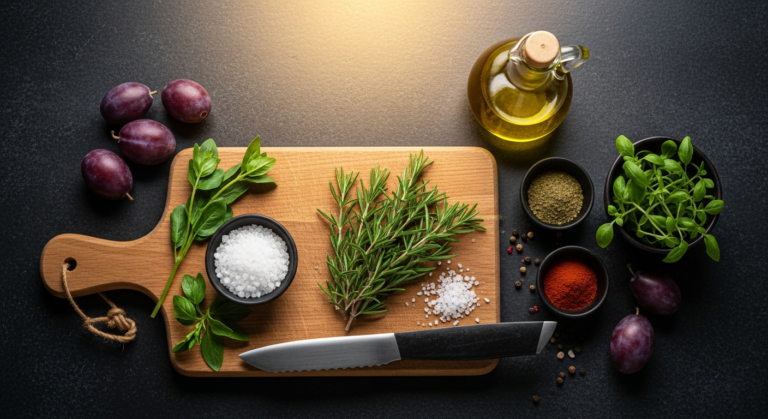
Before a single flame is lit, the success of your dish is often determined on the cutting board. Knife skills are arguably the most critical technique for any home cook to master. In the culinary landscape of 2026, we emphasize efficiency and safety above all else. Proper knife work ensures that ingredients are uniform in size, which leads to even cooking. If your onion chunks vary from half an inch to microscopic slivers, the small pieces will burn while the large ones remain raw and pungent.
The first step is mastering the “claw grip.” By tucking your fingertips inward and using your knuckles to guide the blade, you virtually eliminate the risk of accidents. Beyond safety, you must learn the basic cuts: the dice (cube), the julienne (matchstick), and the mince (very fine). Understanding how to utilize the “rocking motion” of a chef’s knife allows the blade to do the work, reducing fatigue.
Furthermore, caring for your tools is a skill in itself. A dull knife is significantly more dangerous than a sharp one because it requires more downward force and is prone to slipping. Learning how to use a honing steel to realign the edge and knowing when to take your knives for professional sharpening—or using a high-quality whetstone at home—is what separates the amateur from the enthusiast. When your knife glides through a tomato without bruising the skin, you’ve reached the first milestone of culinary excellence.
2. The Maillard Reaction: Mastering Dry-Heat Cooking and Searing
The secret to that “restaurant-quality” flavor often comes down to a chemical reaction discovered by Louis-Camille Maillard. The Maillard reaction occurs when amino acids and reducing sugars in food are rearranged by heat, creating hundreds of different flavor compounds and a characteristic brown crust. Mastering this technique is the difference between a grey, boiled-looking piece of meat and a deeply caramelized, savory masterpiece.
To achieve a perfect sear, you must control three variables: moisture, heat, and patience. Moisture is the enemy of the Maillard reaction. If the surface of your protein is wet, the heat of the pan will go toward evaporating that water (steaming) rather than browning the surface. Always pat your meats dry with a paper towel. Secondly, your pan must be sufficiently hot. In 2026, we recommend heavy-bottomed stainless steel or cast iron for their heat retention properties.
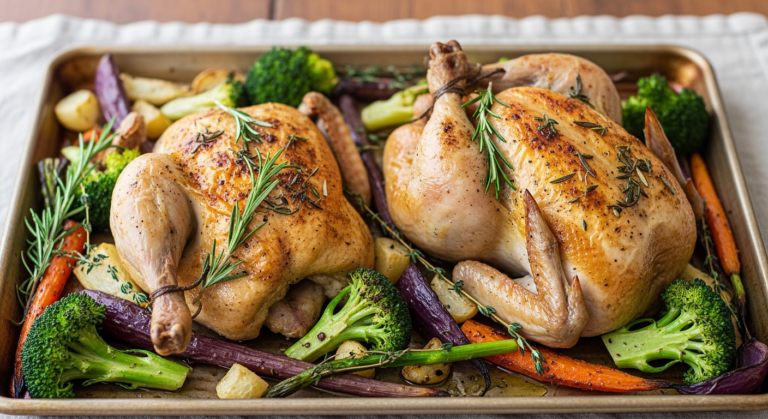
The final element is patience. One of the most common mistakes home cooks make is “pan-fiddling”—moving the food around too much. Once the protein hits the hot oil, leave it alone. The food will naturally “release” from the pan once a proper crust has formed. This technique applies not just to steaks and chops, but also to roasted vegetables. That charred, sweet edge on a Brussels sprout is the Maillard reaction at work, turning simple starches into complex sugars.
3. Emulsification and the Art of Sauce Construction
Sauces are the soul of a dish, providing moisture, fat, and concentrated flavor. At the heart of many great sauces is the technique of emulsification—the process of combining two liquids that ordinarily wouldn’t mix, such as oil and vinegar or butter and water. Mastering this allows you to create everything from a silky Hollandaise to a stable balsamic vinaigrette.
A successful emulsion requires a slow introduction of the fat to the water-based liquid while under constant agitation (whisking or blending). Often, an emulsifier is needed to act as a bridge between the two; in a Caesar dressing, the egg yolk and mustard serve this purpose. If you add the oil too quickly, the emulsion will “break,” resulting in a greasy, separated mess.
Beyond emulsions, every home cook should be familiar with the concept of “deglazing.” After searing meat, you are left with browned bits stuck to the bottom of the pan, known as *fond*. By adding a liquid—wine, stock, or even citrus juice—and scraping the bottom of the pan, you incorporate those concentrated flavors into a pan sauce. This technique ensures that none of the flavor developed during the searing process goes to waste. In the modern 2026 kitchen, building sauces from scratch is the ultimate way to control sodium levels and avoid the preservatives found in store-bought alternatives.
4. Moist-Heat Cooking: The Magic of Braising and Poaching
While searing is about high heat and speed, moist-heat cooking is often about time and gentleness. Braising is a transformative technique that turns tough, inexpensive cuts of meat (like short ribs or shoulder) into fork-tender delicacies. It involves a two-step process: first, searing the meat for flavor (using the dry-heat technique mentioned above), and then simmering it partially submerged in liquid at a low temperature for several hours.
The science behind braising lies in the breakdown of collagen. At sustained low temperatures, the tough connective tissues in meat dissolve into gelatin, which adds a luxurious mouthfeel to the sauce and keeps the meat moist despite long cooking times. This “low and slow” approach is perfect for 2026’s focus on sustainable, nose-to-tail eating, allowing us to utilize every part of the animal.
Poaching, on the other hand, involves fully submerging delicate foods like fish, eggs, or fruit in a liquid kept just below a simmer. Unlike boiling, which is violent and can toughen proteins, poaching is a gentle method that preserves the integrity and moisture of the ingredient. Learning to control the temperature of your poaching liquid—ideally between 160°F and 180°F—is a hallmark of a sophisticated cook.
5. Balancing Flavors: Salt, Fat, Acid, and Heat
Great cooking isn’t just about technical execution; it’s about the intellectual understanding of how flavors interact. As a home cook in 2026, you should move beyond following “salt to taste” as a vague instruction and understand it as a corrective measure. Flavor balancing is a real-time technique used throughout the cooking process.
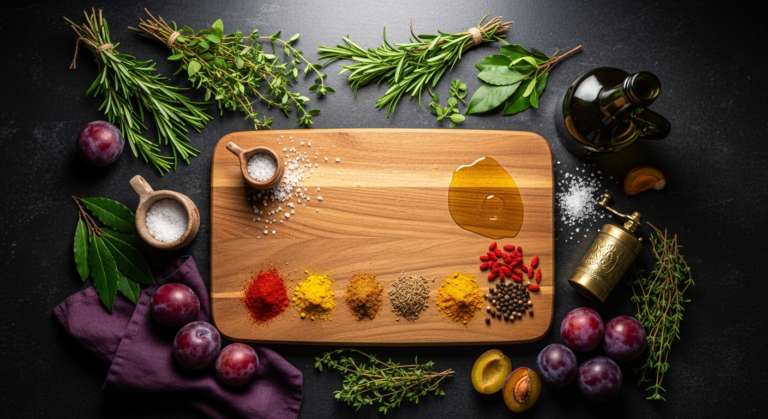
* **Salt:** Enhances existing flavors and suppresses bitterness. It should be added in layers, from the water you boil your pasta in to the final sprinkle of flaky sea salt.
* **Fat:** Carries flavor and provides a satisfying mouthfeel. If a dish feels “thin” or unsatisfying, it may need a swirl of olive oil or a pat of butter.
* **Acid:** This is the most overlooked element in home kitchens. If a dish tastes “flat” or heavy, a squeeze of lemon or a splash of vinegar acts as a brightener, cutting through fat and waking up the palate.
* **Heat:** Whether from chili peppers, black pepper, or ginger, heat adds a secondary dimension of sensation.
Mastering this technique involves constant tasting. If you find your soup is too salty, you can balance it with acid or a touch of sweetness. If it’s too fatty, acid is your best friend. By learning to identify what is missing, you stop being a slave to the recipe and start cooking with intuition.
6. Mise en Place: The Philosophy of Organization
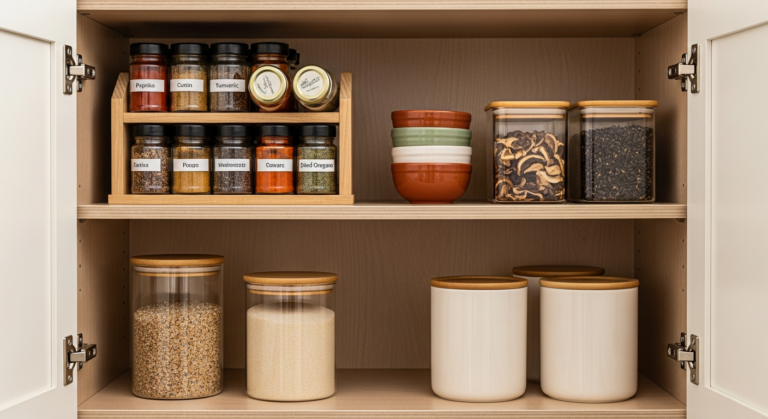
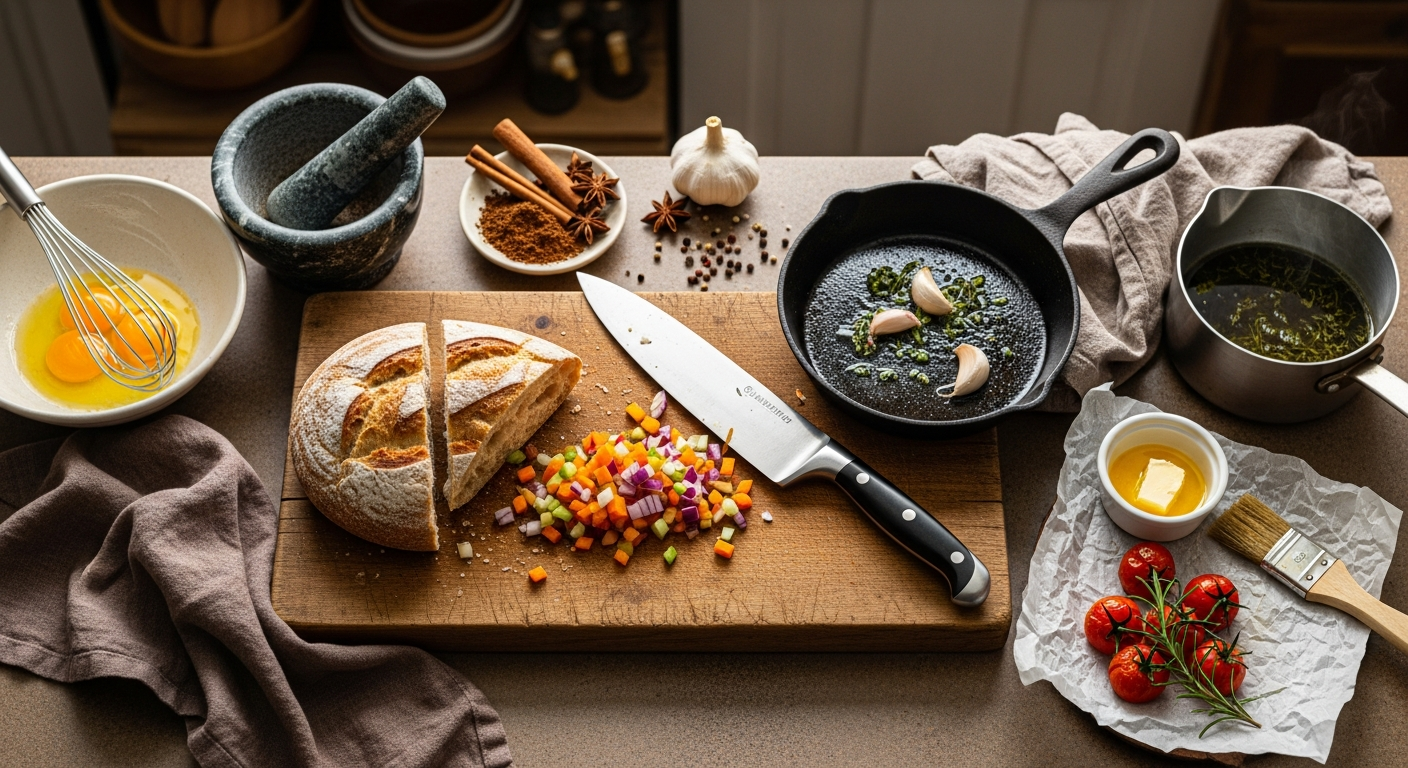
The term *Mise en Place* is French for “everything in its place.” While it sounds like a simple organizational tip, it is actually a fundamental culinary technique that separates a chaotic kitchen from a professional one. It involves prepping all your ingredients—chopping, measuring, and placing them in bowls—before you ever turn on the stove.
In 2026, where distractions are constant, *Mise en Place* is more relevant than ever. When you are halfway through a stir-fry and realize you haven’t minced the ginger, the high heat of the wok will cause your vegetables to overcook while you scramble with your knife. By having your ingredients ready, you can focus entirely on the transformation happening in the pan.
This technique also extends to “cleaning as you go.” A cluttered workspace leads to a cluttered mind and increased mistakes. By maintaining a clean station, you ensure that you have the physical and mental space to execute complex techniques. *Mise en Place* isn’t just about bowls of chopped onions; it’s a mindset of readiness that ensures the cooking process is as enjoyable as the meal itself.
Frequently Asked Questions (FAQ)
#
1. What is the single most important skill for a beginner cook to learn?
The consensus among chefs is that knife skills are the most vital foundation. Knowing how to handle a knife safely and efficiently not only speeds up your prep time but also ensures that your food cooks evenly, which is the first step toward consistent results.
#
2. Why does my meat always stick to the stainless steel pan?
This usually happens because the pan isn’t hot enough or the meat is too wet. Use the “water drop test”: if a drop of water flicked onto the pan dances and rolls like a bead of mercury, the pan is ready. Also, ensure you pat your meat dry and wait for the natural “release” before trying to flip it.
#
3. How can I tell if my dish needs more acid?
If you have salted your dish and it still tastes “flat” or “boring,” it likely needs acid. Acid provides a “lift” to flavors. Try adding a teaspoon of lemon juice or vinegar to a small spoonful of your dish; if it suddenly tastes more vibrant, you’ve found the missing link.
#
4. Is it really necessary to rest meat after cooking?
Yes, absolutely. When meat cooks, the muscle fibers tighten and push juices toward the center. If you cut it immediately, those juices will run out onto the board, leaving you with dry meat. Resting for 5–10 minutes allows the fibers to relax and the juices to redistribute.
#
5. What are the “five mother sauces” and do I need to know them?
The five mother sauces are Béchamel, Velouté, Espagnole, Tomato, and Hollandaise. While you don’t need to memorize them all, learning the basics of a Béchamel (milk thickened with roux) or a Hollandaise (egg yolk and butter emulsion) will give you the skills to create hundreds of secondary sauces.
Conclusion
Mastering essential culinary techniques is a journey, not a destination. As we move through 2026, the ability to cook for oneself and others remains one of the most rewarding and grounding skills a person can possess. By focusing on knife proficiency, the science of heat, the balance of flavors, and the discipline of organization, you reclaim control over what you eat and how it tastes.
These techniques are the “secret” behind every great meal you’ve ever had at a restaurant. They allow you to be flexible, to substitute ingredients with confidence, and to fix mistakes before they reach the table. Remember that every great chef started exactly where you are—learning to hold a knife and waiting for a pan to get hot. With practice and patience, these fundamental skills will become second nature, turning your kitchen into a place of endless possibility and delicious discovery. Keep your knives sharp, your pans hot, and your palate curious. Happy cooking!