











Master Healthy Meal Planning: A Comprehensive Beginner’s Guide to Stress-Free Nutrition
In the fast-paced world of 2026, the question “What’s for dinner?” has become a source of daily anxiety for many home cooks. Between professional commitments and personal passions, the temptation to rely on takeout or ultra-processed convenience foods is stronger than ever. However, the secret to reclaiming your health, budget, and time doesn’t lie in a restrictive diet or a professional chef’s skills; it lies in the art of healthy meal planning. For beginners, the prospect of mapping out an entire week of food can feel overwhelming, but it is the single most effective tool for transforming your relationship with nutrition. By taking control of your kitchen, you transition from a reactive eater to a proactive curator of your wellness. This guide is designed to demystify the process, offering a sustainable, step-by-step framework that turns meal planning from a chore into a rewarding creative outlet for food enthusiasts of all levels.
1. The Foundations of a Balanced Plate: Understanding the “Why”
Before you pick up a pen or open a planning app, it is essential to understand what constitutes a “healthy” meal. In 2026, nutrition science emphasizes bio-individuality, but the core pillars of a balanced plate remain remarkably consistent. For home cooks, the goal is to create meals that provide sustained energy, support metabolic health, and satisfy the palate.
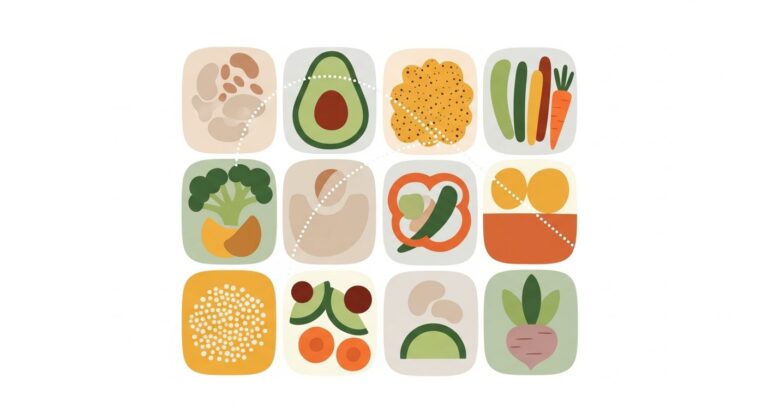
A reliable framework for beginners is the “Plate Method.” Visualize your plate divided into three sections: half should be filled with non-starchy vegetables (think leafy greens, broccoli, peppers, or zucchini), one-quarter with high-quality protein (such as wild-caught fish, organic poultry, tofu, or legumes), and the final quarter with complex carbohydrates (like quinoa, sweet potatoes, or farro).
Don’t forget the importance of healthy fats. Avocados, nuts, seeds, and extra-virgin olive oil are not just flavor enhancers; they are crucial for nutrient absorption and satiety. When planning your meals, aim for a “rainbow” of colors. Each pigment in a vegetable represents a different phytonutrient, ensuring that your meal plan covers a broad spectrum of antioxidants and minerals. By focusing on whole, unprocessed ingredients, you naturally crowd out added sugars and excessive sodium, which are the primary culprits in modern dietary inflammation.
2. Setting Up Your Kitchen: Tools and Pantry Staples
A successful meal planner is only as good as their toolkit. You don’t need a professional-grade kitchen, but a few strategic investments will make the transition to healthy cooking much smoother. First, consider your storage solutions. High-quality, airtight glass containers are preferable to plastic; they are safer for reheating, don’t retain odors, and allow you to see exactly what you have in the fridge at a glance.
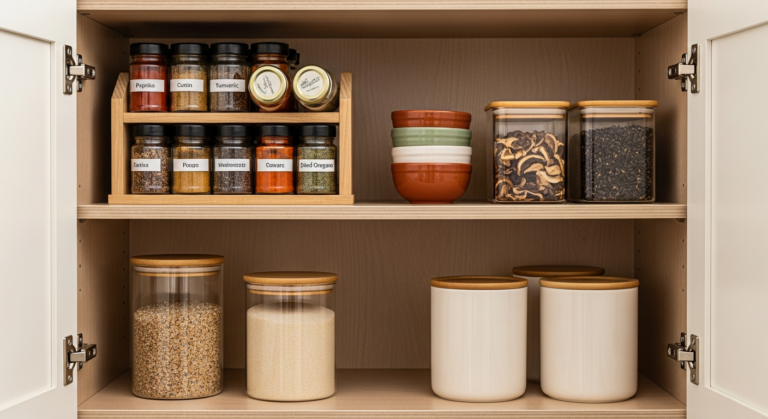
Next, audit your pantry. A “capsule pantry” allows you to whip up healthy meals even when your fresh supplies are low. Essential 2026 pantry staples include:
* **Grains and Legumes:** Quinoa, brown rice, red lentils, and chickpeas.
* **Healthy Fats:** Avocado oil for high-heat cooking and extra-virgin olive oil for dressings.
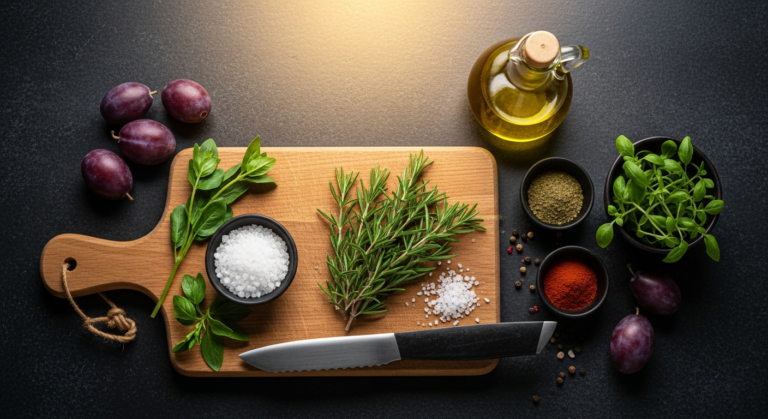
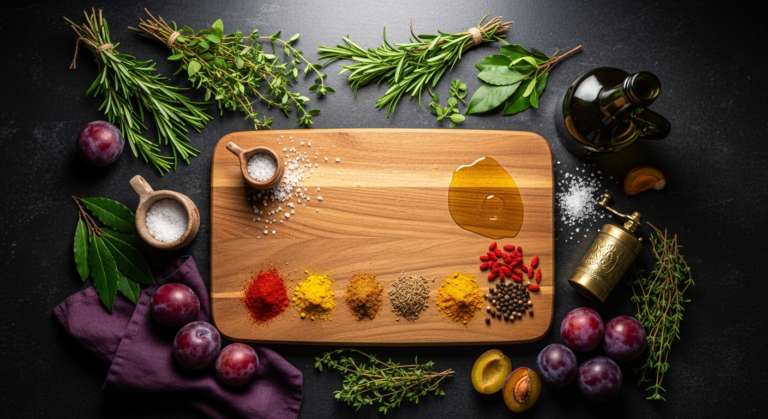
* **Flavor Boosters:** Low-sodium vegetable broth, tahini, apple cider vinegar, and a robust spice rack (turmeric, smoked paprika, and cumin are versatile starters).
* **Canned Essentials:** Canned tomatoes, coconut milk, and wild-caught sardines or tuna.
In terms of equipment, a sharp chef’s knife and a large cutting board are non-negotiable. If your budget allows, a slow cooker or an electric pressure cooker (like an Instant Pot) can be a game-changer for beginners, as they allow for “set it and forget it” cooking during busy workdays.
3. The Strategy: Mapping Your Week Without the Stress
The biggest mistake beginners make is trying to plan 21 unique meals for the week. This is a fast track to burnout. Instead, start small and utilize the “Template Method.”
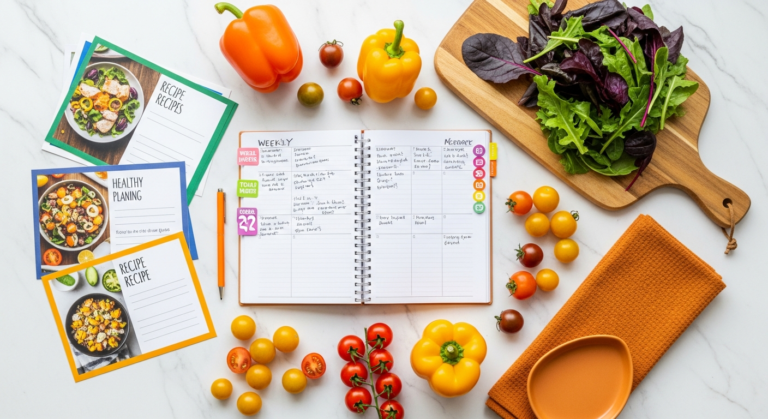
Begin by looking at your calendar. Which nights will you be home? Which days involve late meetings or gym sessions? Mark these as “15-minute meal” nights or “leftover” nights. For the remaining days, choose three or four core recipes that you genuinely enjoy.
**Theme Nights** are a beginner’s best friend. For example:
* **Meatless Monday:** Lentil dahl or a massive grain bowl.
* **Taco Tuesday:** Fish tacos or black bean fajitas with plenty of slaw.
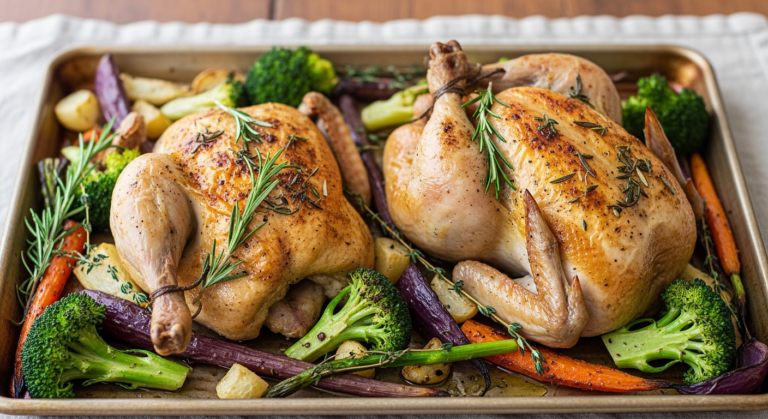
* **Sheet-Pan Wednesday:** Roasted salmon and asparagus with lemon.
* **Stir-Fry Thursday:** Tofu and whatever veggies are left in the crisper drawer.
By using themes, you narrow down the infinite possibilities of what to cook, which reduces decision fatigue. Additionally, embrace the “Cook Once, Eat Twice” philosophy. If you are roasting sweet potatoes on Sunday, roast four instead of two. The extras can be tossed into a salad for Monday’s lunch or mashed into a breakfast bowl on Tuesday.
4. Grocery Shopping Like a Professional
With your plan in hand, creating a precise grocery list is your next priority. This list is your shield against impulse buys and the siren song of the snack aisle. Modern food enthusiasts in 2026 often use digital apps to sync lists with family members, but a simple paper list works just as well.
The golden rule of healthy grocery shopping is to **shop the perimeter.** This is where you will find the freshest produce, proteins, and refrigerated essentials. The interior aisles are typically home to processed goods, though you’ll need to dip in for your pantry staples like beans and grains.
To keep costs down and nutrition high, shop seasonally. In the spring, focus on greens and radishes; in the autumn, pivot to squashes and root vegetables. Seasonal produce is not only more affordable but also contains peak nutrient density. If a particular vegetable is out of season or too expensive, don’t overlook the frozen section. Frozen fruits and vegetables are flash-frozen at their peak ripeness, making them a nutritious and budget-friendly alternative for smoothies, soups, and stir-fries.
5. Preparation Styles: Finding Your Prep Personality
There is no one-size-fits-all approach to meal prep. To make healthy eating sustainable, you must find the style that fits your personality.
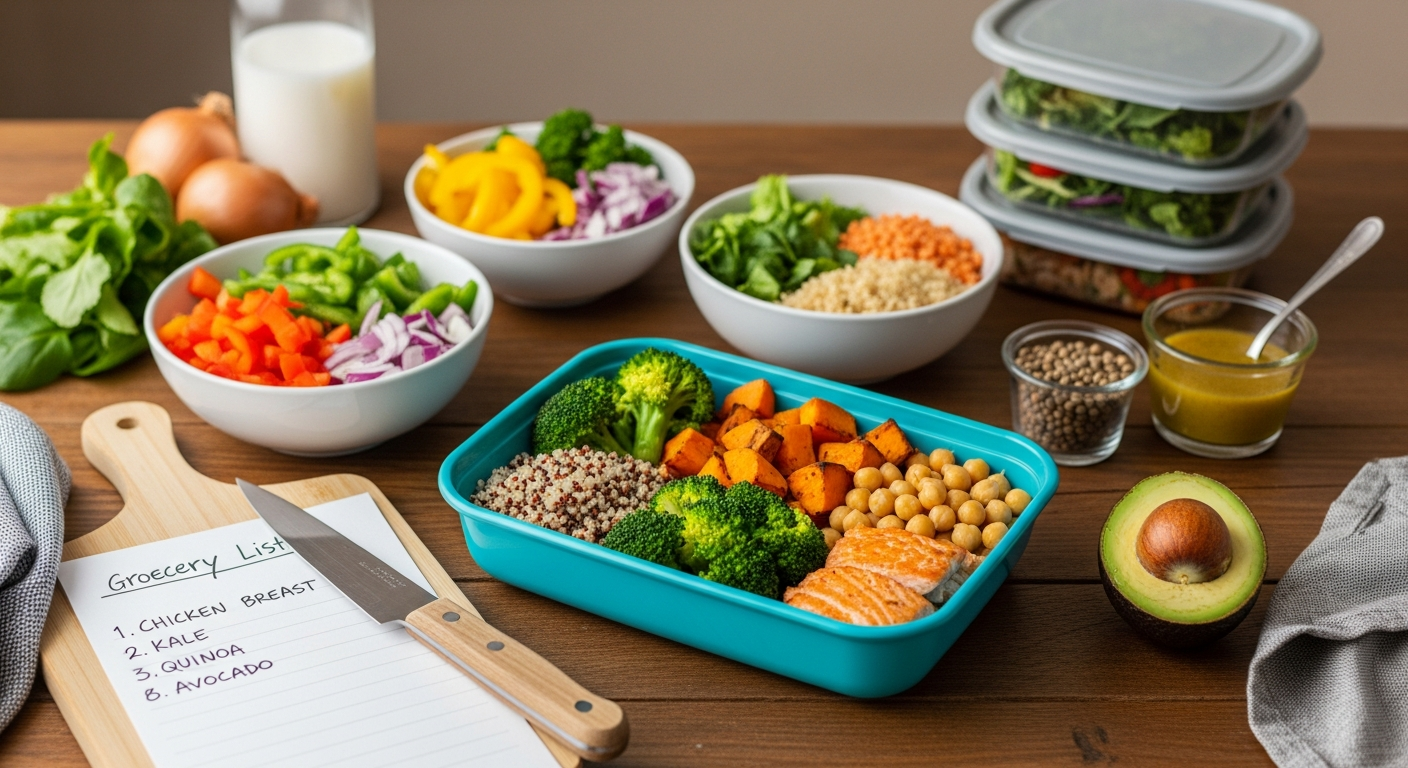
* **The Weekend Warrior (Batch Prepping):** This involves spending 2–3 hours on a Sunday preparing entire meals. You might portion out five salads in jars, cook a large pot of chili, and roast a tray of chicken breasts. This is ideal for those with hectic 9-to-5 schedules who want to simply “grab and go” during the week.
* **The Component Prepper (Buffet Style):** Instead of full meals, you prepare individual components. You might boil a batch of eggs, cook a pot of quinoa, wash and chop all your raw veggies, and whisk together a versatile lemon-tahini dressing. This style is perfect for food enthusiasts who value variety and want to “assemble” their meals based on their mood each day.
* **The Pre-Prep Hero:** If you prefer cooking fresh every night, use your prep time just for the “grunt work.” Peel the garlic, chop the onions, and marinate the proteins. Reducing the barrier to entry for cooking—the cleaning and chopping—makes it much more likely that you’ll actually cook the meal you planned.
Regardless of your style, the goal is to reduce the “friction” between you and a healthy meal.
6. Overcoming Obstacles and Staying Consistent
The path to healthy meal planning is rarely a straight line. Life happens—social invitations arise, or you simply might not feel like eating the kale salad you planned for Thursday. The key to long-term success is flexibility, not perfection.
If you miss a day, don’t abandon the entire week. Simply pick up where you left off. It’s also helpful to have a “backup meal” in the freezer at all times—something like a frozen veggie stir-fry mix or a healthy pre-made soup. This prevents a minor scheduling conflict from turning into an expensive and unhealthy takeout binge.
Another common obstacle is “boredom.” To keep your palate excited, challenge yourself to try one new recipe or one new ingredient every week. Maybe it’s dragon fruit, miso paste, or a different variety of heirloom beans. In the landscape of 2026, global flavors are more accessible than ever, and exploring them can turn meal planning from a health requirement into a culinary adventure. Finally, remember the 80/20 rule: if you eat nutrient-dense, planned meals 80% of the time, the other 20% spent enjoying a meal out with friends or a spontaneous treat won’t derail your progress.
Frequently Asked Questions (FAQ)
#
1. Is meal planning more expensive than just buying what I want?
Actually, meal planning is one of the best ways to save money. By shopping with a list and a plan, you drastically reduce food waste—the average household throws away a significant percentage of their groceries every week. It also prevents “emergency” spending on expensive convenience foods and delivery services.
#
2. How do I keep my prepped food from tasting “stale” by the end of the week?
The key is proper storage and timing. Only prep foods that hold up well (like hearty grains, roasted root vegetables, and stews) for the end of the week. For delicate items like berries or leafy greens, wait to wash or dress them until right before you eat. Using airtight glass containers also helps maintain freshness far better than loose wrapping.
#
3. I have a very small kitchen. Can I still meal prep effectively?
Absolutely. Small-space prepping is all about organization. Focus on “component prepping” rather than making large bulky meals. Use stackable containers and try to clean as you go to keep your limited counter space functional. One-pot meals or sheet-pan dinners are also excellent for small kitchens as they require minimal equipment.
#
4. Can I meal plan if I live alone?
Meal planning is arguably even more important for solo diners to avoid the “cereal for dinner” trap. The challenge is managing portions. Use your freezer to your advantage—if a recipe serves four, portion out two servings for the week and freeze the other two for a future date. This ensures you have a variety of meals over time without eating the same thing for four days straight.
#
5. What are the best “beginner-friendly” recipes to start with?
Start with “assembly-style” meals that require minimal cooking. Grain bowls (a base of rice, topped with beans, raw veggies, and a store-bought healthy dressing), overnight oats for breakfast, and sheet-pan roasted vegetables with a protein of your choice are all virtually foolproof and highly nutritious.
Conclusion: Embracing the Journey
Healthy meal planning is a skill, and like any skill, it takes time to master. As you step into this practice in 2026, view it not as a rigid set of rules, but as a framework for freedom. By dedicating a small amount of time each week to planning and preparation, you are gifting yourself the mental space to enjoy your food rather than stressing over it. You are fueling your body with the nutrients it needs to thrive and reclaiming the joy of home cooking. Start small, stay flexible, and focus on the progress you make each week. Before long, you’ll find that healthy eating has become your new default, and your kitchen has become a sanctuary of wellness and creativity. Happy planning!