












How to Host a Stunning Dinner Party on a Budget: The Complete Guide 2026
Forget the notion that budget entertaining means compromising on elegance or flavor. Instead, embrace the challenge of transforming everyday items and affordable ingredients into something extraordinary. This guide will empower you with practical tips, innovative ideas, and a confident mindset to host a sophisticated soirée that leaves everyone raving, not just about the food, but about the wonderful atmosphere you’ve created. Let’s dive in and discover how to make your next dinner party an unforgettable success, all while sticking to your budget.
Planning Your Dinner Party on a Budget: Where to Start
Effective planning is the cornerstone of any successful event, especially when you’re working with a budget. Before you even think about ingredients or decor, take a moment to outline the fundamental aspects of your dinner party. Start by defining your “why” – are you celebrating a special occasion, catching up with friends, or simply wanting to practice your hosting skills? This will help set the tone. Next, consider your guest list. A smaller guest list inherently means a smaller budget for food and drinks. Aim for an intimate gathering of 4-8 people for your first budget-friendly party, as this allows for more manageable costs and a more personal atmosphere. Once you have a rough number, think about your overall budget. Be realistic and assign a specific amount you’re comfortable spending. Break this down into categories: food, drinks, decor, and miscellaneous items. This initial allocation will serve as your financial compass throughout the planning process.
Choosing a theme, even a simple one, can significantly streamline your decisions and often save money. Instead of a complex, expensive theme, consider something broad like “Cozy Italian Night,” “Taste of the Mediterranean,” or “Seasonal Harvest.” This helps you narrow down menu options, decor ideas, and even music choices without feeling overwhelmed or tempted by expensive specialty items. For instance, an Italian theme lends itself to affordable pasta dishes, simple salads, and rustic bread. Pick a date and time that works best for both you and your guests, giving yourself ample time to send out invitations (digital invites are free and eco-friendly!) and for guests to RSVP. This also provides you with enough lead time for smart shopping and prep. Don’t be afraid to ask guests about dietary restrictions or allergies when they RSVP; addressing these early prevents last-minute scrambling and potential food waste. Finally, consider what you already have on hand. Before buying anything, check your pantry, liquor cabinet, and decor boxes. You might be surprised by how many useful items you already possess, which can significantly reduce your shopping list and overall expenditure. This initial strategic phase is paramount to ensuring your budget remains intact while laying the groundwork for a delightful evening.
Budget-Friendly Menu Ideas That Still Impress
The menu is often the star of the show, but it doesn’t need to be expensive to be impressive. The key to a budget-friendly yet delicious menu lies in smart ingredient choices, seasonal produce, and recipes that leverage affordable staples. Think about dishes that are inherently satisfying, easy to scale, and can be prepared ahead of time. Pasta dishes are a fantastic starting point; a rich Bolognese, a creamy carbonara, or a vibrant primavera can feed a crowd deliciously without breaking the bank. Pair it with a simple green salad and crusty bread, and you have a complete, comforting meal.
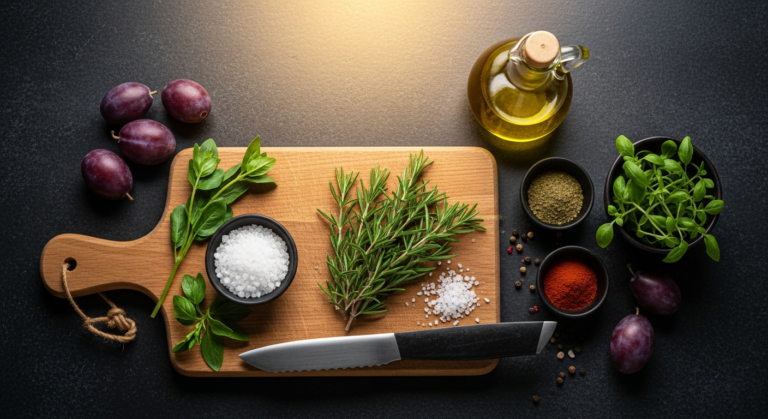
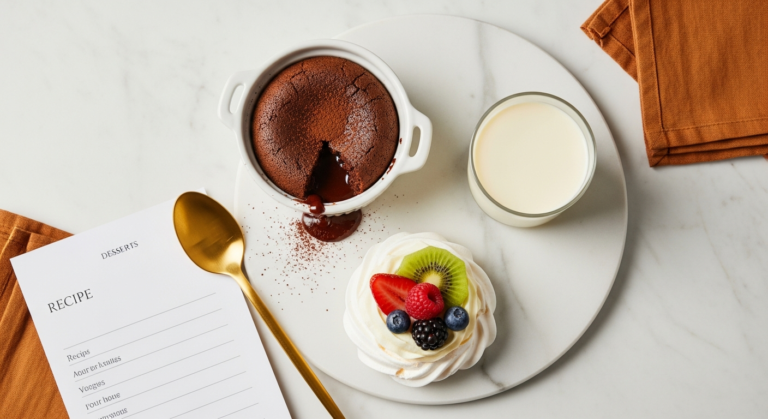
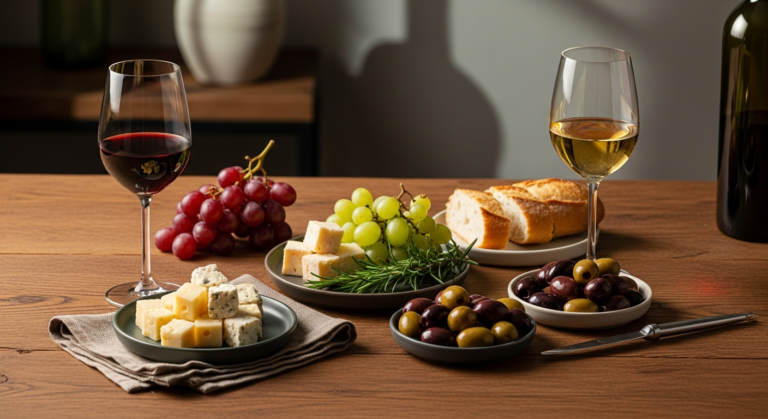
Don’t overlook appetizers and desserts. Instead of elaborate starters, opt for a simple bruschetta with fresh tomatoes and basil, a homemade hummus with pita and veggie sticks, or a cheese board featuring one or two affordable cheeses paired with crackers and seasonal fruit. For dessert, homemade is always more impressive and cost-effective than store-bought. A simple fruit crumble, apple crisp, or a chocolate pudding can be incredibly satisfying and uses basic pantry ingredients. The presentation of these simple dishes can elevate them significantly – a sprinkle of fresh herbs, a drizzle of good olive oil, or a beautifully arranged platter can make even the most humble ingredients feel gourmet. Focus on quality ingredients for a few key elements, like a good loaf of bread or fresh herbs, and let them shine.
Menu Style Comparison
| Menu Style | Cost per Person | Prep Time | Skill Level | Best For |
|---|---|---|---|---|
| Hearty Pasta Night | $8-$12 | Medium (2-3 hrs) | Beginner-Intermediate | Casual gatherings, comfort food lovers |
| Mediterranean Mezze | $10-$15 | Medium (3-4 hrs) | Intermediate | Interactive dining, health-conscious guests |
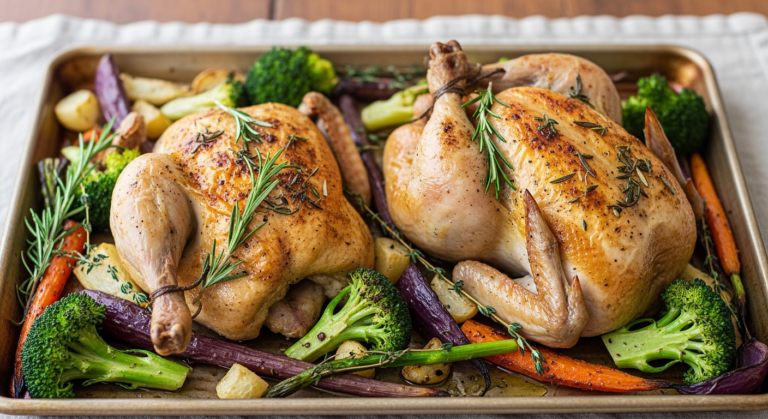
| Seasonal Roast & Veggies | $12-$18 | Low-Medium (1.5-2.5 hrs) | Beginner | Elegant yet relaxed, minimal fuss |
| Build-Your-Own Taco Bar | $7-$10 | Medium (2-3 hrs) | Beginner | Fun, interactive, customizable, large groups |
| Soup & Artisan Bread | $6-$10 | Low (1.5-2 hrs) | Beginner | Cozy evenings, cooler weather, light yet filling |
Setting the Table: Elegant Decor Without the Price Tag
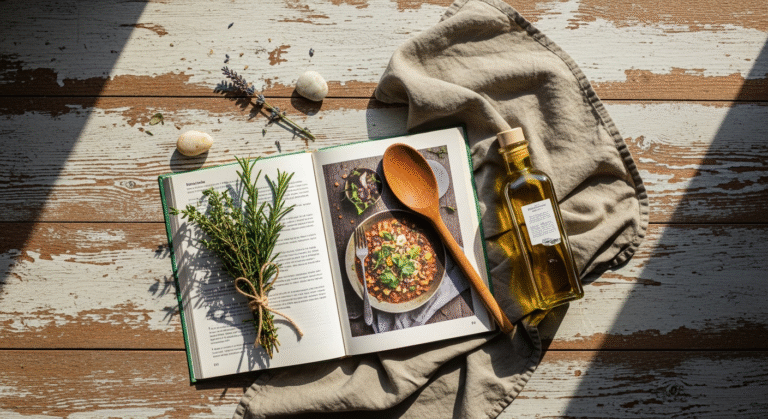
Creating an inviting and elegant table setting doesn’t require expensive china or designer centerpieces. The secret lies in using what you have, incorporating natural elements, and focusing on ambiance. Start with your existing dinnerware. If you don’t have a matching set for everyone, embrace a mismatched, eclectic look. Mix and match plates, glasses, and cutlery – this can add a charming, bohemian vibe that feels intentional and personal. For tablecloths, consider using a plain white sheet you already own, a large scarf, or even just a clean, ironed fabric remnant. A simple runner made from a strip of burlap, an old linen towel, or even craft paper can add texture and color without cost.
Nature is your best friend when it comes to budget-friendly decor. Take a stroll in your garden or a local park (respectfully, of course) and gather branches, leaves, small stones, or even wildflowers. A simple cluster of greenery in a repurposed jar or bottle can make a stunning centerpiece. If you have a few flowers from a grocery store bouquet, divide them into smaller vases or jars for multiple points of interest rather than one large, expensive arrangement. Fruits and vegetables can also double as beautiful decor – a bowl of vibrant lemons, apples, or pomegranates adds color and can be eaten later. Candles are another incredibly powerful tool for creating atmosphere. Group various sizes and heights of pillar or votive candles you already own, or pick up inexpensive tea lights. The warm glow instantly elevates the mood and makes any setting feel more intimate and special. Just ensure they are placed safely away from flammable materials.
Think about lighting beyond candles. Fairy lights, often available cheaply at discount stores, can be draped across the table, around a centerpiece, or even hung near the dining area to cast a magical glow. Personal touches make a huge difference. Hand-written place cards, perhaps on recycled paper or small leaves, add a thoughtful touch. You can even print out a simple, elegant menu on regular paper. Don’t forget the power of clean and ironed napkins – even basic cotton ones can look sophisticated when neatly folded. The goal is to create a cohesive and welcoming aesthetic that feels personal and thoughtful, rather than store-bought. By layering textures, incorporating natural elements, and utilizing warm lighting, you can craft an elegant dinner party setting that looks far more expensive than it actually was.
Drinks on a Dime: Budget Wine, Cocktails, and Non-Alcoholic Options
Drinks can quickly inflate your dinner party budget if not managed carefully. The good news is there are plenty of ways to offer delightful beverages without overspending. First, consider a BYOB (Bring Your Own Bottle) policy, especially if your friends are enthusiastic about wine or craft beers. You can phrase it politely, “Feel free to bring a bottle to share if you wish!” This takes the pressure off you to stock a full bar. If you prefer to provide the drinks, focus on quality over quantity and smart selections. For wine, explore budget-friendly options. Many excellent wines are available for under $15-$20 a bottle. Look for regions known for value, like certain areas of Spain, Portugal, Chile, or even domestic wines from less famous appellations. Boxed wine has come a long way and can be a fantastic, cost-effective option for larger gatherings, often offering good quality for the price and staying fresh longer.
When it comes to cocktails, instead of a full bar with multiple spirits and mixers, choose one signature cocktail. This allows you to buy specific ingredients in bulk or just what you need. Simple cocktails made with a single spirit and fresh ingredients are often the most impressive. Think a classic gin and tonic with fresh lime, a simple spritz made with prosecco/cava and a fruit liqueur, or a homemade sangria. Batch cocktails are also a lifesaver; prepare a large pitcher of sangria, a rum punch, or a sparkling cider spritzer ahead of time. This not only saves money on individual ingredients but also frees you up from bartending during the party. Use fresh fruits, herbs, and simple syrups (easy to make at home with sugar and water, then infused with flavors like mint or ginger) to elevate these drinks.
Don’t forget robust non-alcoholic options, which are just as important and often more budget-friendly. Offer a beautiful pitcher of infused water with cucumber and mint, lemon and berries, or orange slices. Sparkling water with a splash of fruit juice (cranberry, pomegranate) and a garnish can feel very celebratory. Homemade iced tea or lemonade is always a refreshing choice. A simple coffee and tea station for after dinner is also a thoughtful touch. By focusing on a few well-chosen, budget-conscious options and presenting them beautifully, your guests will feel well-cared for, and your wallet will thank you. Remember that presentation matters: elegant glasses, a slice of citrus, or a sprig of rosemary can make any drink feel special.
Music, Ambiance, and Creating the Right Atmosphere
Beyond food and decor, the unseen elements of music, lighting, and general ambiance are crucial for a successful dinner party, and they often cost next to nothing. The right atmosphere can transform a simple meal into an unforgettable experience. Start with music. A thoughtfully curated playlist sets the mood and encourages conversation. Avoid anything too loud, jarring, or with heavy lyrics that might distract. Opt for instrumental jazz, acoustic covers, chill indie, or classic soulful tunes. Streaming services like Spotify or Apple Music offer countless pre-made playlists perfect for dinner parties, or you can create your own. Aim for background music that complements the conversation, rather than competing with it. The volume should be just right – loud enough to be heard, but soft enough that guests don’t have to raise their voices to chat.
Lighting is another powerful tool for ambiance. Harsh overhead lighting can feel clinical and unwelcoming. Instead, embrace soft, warm light sources. Utilize dimmer switches if you have them, or rely heavily on lamps, fairy lights, and candles. As mentioned in the decor section, candles create an intimate and cozy glow. Place them strategically around the dining area and other common spaces. Fairy lights can be woven into a centerpiece, draped across a buffet, or strung along a wall to add a touch of magic. The goal is to create a warm, inviting glow that makes everyone feel relaxed and at ease. If you have a fireplace, lighting it can add an incredible focal point and warmth, both literal and metaphorical.
Consider the scent of your home. While you want your delicious food to be the primary aroma, a subtle, fresh scent can enhance the experience. Avoid overpowering air fresheners. Instead, simmer a pot of water with citrus peels, cinnamon sticks, and cloves on the stove a few hours before guests arrive, or use an essential oil diffuser with a light, natural scent like lavender or citrus. Ensure your home is clean and tidy, but don’t obsess over perfection. A comfortable, lived-in feel is often more inviting than a sterile, showroom look. Finally, think about comfort. Ensure there’s enough seating for everyone, and perhaps have a few throw blankets available if it’s a cooler evening. Ultimately, your relaxed and welcoming demeanor is the most important ingredient for creating the right atmosphere. If you’re stressed, your guests will feel it. So, plan ahead, prepare as much as possible, and then allow yourself to genuinely enjoy the company of your friends and family.
Smart Shopping: How to Save on Ingredients and Supplies
Smart shopping is arguably the most impactful way to host a dinner party on a budget. It’s not just about finding the cheapest items, but about making strategic choices that maximize value without sacrificing quality or flavor. Before you even step foot in a store, create a detailed meal plan and an exhaustive shopping list. Stick to this list rigorously to avoid impulse purchases, which are notorious budget-busters. Review your pantry and refrigerator first; you might already have staples like olive oil, spices, or flour, meaning you won’t need to buy them again. This also helps you avoid unnecessary duplicates.
When you do shop, prioritize seasonal produce. Seasonal fruits and vegetables are not only fresher and more flavorful but also significantly cheaper because they are abundant. Visit your local farmer’s market if possible; you might find better deals and support local producers, plus the produce is usually top-notch. For non-perishable items and pantry staples, consider buying in bulk if you have storage space and know you’ll use it. Things like rice, pasta, canned goods, and certain spices are often cheaper when bought in larger quantities. However, be mindful not to overbuy perishables that might spoil before you can use them.
Don’t shy away from store brands or generic labels for items like sugar, flour, canned tomatoes, or even some cheeses. Often, these are produced by the same manufacturers as national brands but sold at a lower price point. Keep an eye out for sales and coupons, and plan your menu around what’s on offer that week. Many grocery stores have weekly flyers that highlight discounts; integrate these into your meal planning. Another savvy trick is to comparison shop. If you have multiple grocery stores in your area, some might offer better prices on produce, while others excel in dairy or meat. You don’t have to visit every store, but knowing where to get the best deals on your key ingredients can save a significant amount. Finally, minimize food waste. Plan portion sizes carefully, and encourage guests to take home leftovers. Every bit of food you save from the trash is money saved. By adopting these smart shopping habits, you’ll be amazed at how much you can stretch your budget while still serving a delicious and impressive meal.
The Day-Of Timeline: Stress-Free Hosting From Morning to Evening
The day of your dinner party can be a whirlwind if not properly managed. A well-structured timeline is your secret weapon for a stress-free experience, allowing you to actually enjoy your guests rather than being stuck in the kitchen. The key is to front-load as much work as possible and delegate when appropriate.
Morning (6-8 hours before guests arrive):
- Kitchen Prep: Start with any cooking tasks that can be done ahead. Chop all vegetables, marinate meats, prepare salad dressings, and make any sauces or dips. If you’re serving a casserole or a slow-cooked dish, get it started. Bake desserts that need time to cool.
- Housekeeping: Do a quick tidy of common areas, especially the dining room, living room, and bathroom. You don’t need a deep clean, just enough to make it feel fresh and welcoming.
- Set the Scene: If you’re using a tablecloth or runner, lay it out. Gather all your plates, cutlery, glasses, and serving dishes. This is also a good time to arrange your natural decor and candles.
Afternoon (3-5 hours before guests arrive):
- Table Setting: Fully set the table. This includes plates, cutlery, glasses, napkins, and your centerpiece. Having this done early eliminates a major last-minute task.
- Drink Station: Prepare your drink station. Chill wines, prepare your batch cocktail, infuse water, and set out glasses. If you have ice, make sure it’s readily available.
- Appetizer Prep: Arrange any cold appetizers on platters or in bowls, cover them, and refrigerate.
- Final Food Prep: Do any last-minute chopping or assembly for dishes that will be cooked closer to guest arrival.
Late Afternoon (1-2 hours before guests arrive):
- Personal Refresh: Take a moment for yourself. Shower, get dressed, and put on some calming music. A relaxed host makes for relaxed guests.
- Food Warm-up/Cook: Start cooking or reheating dishes that need to be served warm. Time everything so it’s ready shortly after guests arrive, but not so early that it gets cold.
- Ambiance Check: Turn on your chosen playlist, dim the lights, light the candles, and ensure the temperature in your home is comfortable.
- Final Scan: Do a quick walk-through of your home. Check the bathroom, entry area, and dining space for any forgotten details.
Just Before Guests Arrive (15-30 minutes):
- Open the Door: Have a drink ready for yourself! Open the door with a smile.
- First Appetizers: Put out a simple appetizer (like olives or nuts) and offer drinks as guests arrive. This allows you to finish any last-minute cooking without guests feeling unattended.
By following this timeline, you’ll minimize stress, maximize enjoyment, and present a seamless, delightful experience for your guests. Remember, perfection isn’t the goal; warmth and hospitality are. Don’t be afraid to ask for help if a friend offers, and most importantly, relax and enjoy the fruits of your labor!
Key Takeaways
- Plan Strategically: A detailed budget, guest list, and simple theme are crucial for saving money and reducing stress from the outset.
- Embrace Affordable Ingredients: Focus on seasonal produce, pantry staples, and versatile proteins like pasta, legumes, and chicken thighs for delicious, budget-friendly meals.
- Decorate with Resourcefulness: Utilize natural elements, existing items, and clever lighting (candles, fairy lights) to create an elegant atmosphere without buying new.
- Smart Drink Choices: Offer one signature cocktail, explore budget wines (like boxed wine), and provide appealing non-alcoholic options to keep drink costs down.
- Prioritize Ambiance: Curate a gentle music playlist, use soft lighting, and ensure a comfortable environment to create a warm and inviting guest experience.
Q: How can I make my budget dinner party feel special without spending a lot?
A: Focus on personal touches and attention to detail. Hand-written place cards, a carefully curated music playlist, fresh herbs as garnish, and beautiful presentation of even simple dishes can make a huge difference. The warmth of your hospitality and a relaxed atmosphere are more memorable than expensive items.
Q: Is it okay to ask guests to bring something to a budget dinner party?
A: Absolutely! Many guests appreciate the opportunity to contribute. You can politely suggest “bring a bottle of your favorite wine to share” or “feel free to bring a dessert if you’re feeling inspired.” This lightens your load and can add variety to the offerings. Just make sure you don’t make it a requirement.
Q: What are some good budget-friendly main courses that can feed a crowd?
A: Dishes like hearty pasta bakes (lasagna, baked ziti), chili or stew (lentil chili, beef stew), roasted chicken thighs with root vegetables, or a big pot of paella (using less expensive proteins like chicken and chorizo) are excellent choices. These are often easy to scale, flavorful, and relatively inexpensive per serving.
Q: How do I manage dietary restrictions on a budget?
A: The best approach is to choose a menu that is naturally flexible or can be easily adapted. For example, a “build-your-own” taco or pasta bar allows guests to pick and choose. Offer a main dish that is vegetarian or vegan, or a side dish that caters to common allergies (e.g., a gluten-free salad). Always ask about restrictions when sending out invitations to plan accordingly.
Q: What’s the biggest mistake hosts make when trying to host on a budget?
A: The biggest mistake is trying to do too much or trying to replicate an expensive experience with cheap alternatives. Instead, embrace simplicity and quality. Don’t feel pressured to offer three appetizers, a main, and two desserts. A well-executed, delicious main course with a simple starter and dessert is far more impressive than a spread of mediocre dishes. Focus on what you can do well, affordably, and with joy.
Hosting a stunning dinner party on a budget is not just possible; it’s an opportunity to showcase your creativity, resourcefulness, and genuine hospitality. By following the tips and strategies outlined in this guide, you can create a memorable evening for your friends and family without any financial stress. Remember, the true magic of a dinner party lies in the shared laughter, engaging conversations, and the warmth of good company. So, plan with intention, shop with purpose, decorate with imagination, and host with heart. Your guests will leave feeling cherished, and you’ll feel proud of the beautiful experience you’ve created.
By [name], Home Entertaining and Lifestyle Expert