

























Your Ultimate 2026 Guide: How to Declutter Your Home Room by Room for Lasting Serenity
Setting the Stage: Your Decluttering Mindset & Master Plan
Before we even think about opening a drawer, let’s cultivate the right mindset. Decluttering is less about throwing things away and more about making intentional choices about what you invite into your life and home. Think of yourself as the curator of your personal museum, selecting only the pieces that bring you joy, serve a purpose, or tell a meaningful story. This shift in perspective is incredibly powerful.
Cultivating Your “Why”
What is your deepest motivation for decluttering? Is it to:
- Reduce stress and anxiety?
- Create more space for new hobbies or family activities?
- Simplify cleaning and maintenance?
- Foster a more peaceful and aesthetically pleasing environment?
- Regain control over your surroundings?
Keep your “why” at the forefront of your mind. Write it down, pin it to your vision board, or repeat it as a mantra. This purpose will be your guiding star when decisions feel tough.
Gathering Your Decluttering Arsenal
Preparation is key to efficiency. Before you begin tackling a single room, gather these essential supplies:
- Donation Boxes/Bags: Clearly labeled for items you no longer need but are still in good condition.
- Trash Bags: For anything truly beyond repair or use.
- Recycling Bins: For paper, plastic, glass, and electronics.
- “Relocate” Bin: For items that belong in another room. This prevents you from getting sidetracked.
- Cleaning Supplies: Wipes, sprays, and cloths to clean surfaces as you clear them.
- Labels & Markers: To clearly mark bins and boxes for future organization.
- Timer: Essential for focused work sessions, especially if you’re prone to overwhelm.
The Power of the Timer: The “Rocksaltplum Sprint”
The Heart of the Home: Kitchen Decluttering for Culinary Calm
Ah, the kitchen – often the busiest and most beloved room in the house. It’s where meals are prepared, memories are made, and often, where clutter accumulates fastest. Let’s transform your kitchen into a functional, inviting space where every tool has its place and cooking feels like a joy, not a chore.
Phase 1: Countertop Clarity
Start with the most visible area: your countertops. Remove everything that doesn’t belong or isn’t used daily. Embrace the “one-touch” rule – if it’s on the counter, it should be either in active use or have a designated home elsewhere.
- Appliances: Keep only those you use at least once a week readily accessible (e.g., coffee maker, toaster). Store less frequently used items (stand mixer, blender) in cabinets or a pantry.
- Decor: Limit decorative items to one or two intentional pieces that truly enhance the space, like a beautiful fruit bowl or a small vase of fresh flowers.
- Paper Clutter: Tackle mail, flyers, and notes immediately. Create a designated “inbox” for papers that need action, and process it daily.
Phase 2: Pantry Perfection & Food Fortitude
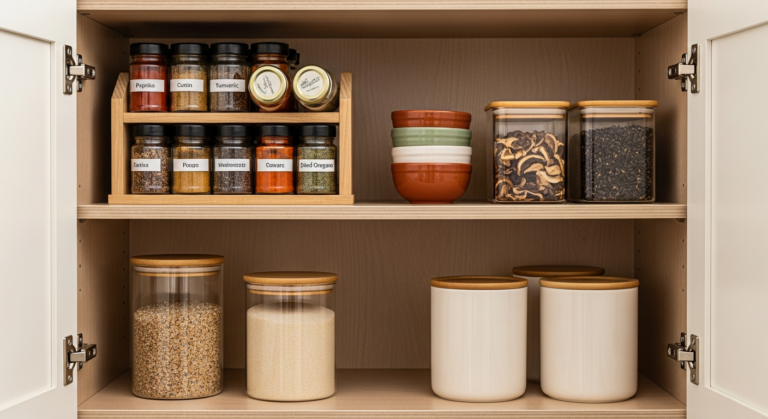
A well-organized pantry saves time and money. Empty your pantry completely, giving it a good wipe down.
- Check Expiration Dates: Discard anything expired or stale. Be ruthless.
- Group Like Items: Create zones for baking supplies, snacks, breakfast items, canned goods, pasta, etc.
- Utilize Containers: Invest in airtight containers for dry goods like flour, sugar, and cereals. Brands like OXO Pop Containers or IKEA 365+ food savers are excellent for keeping food fresh and visible.
- Tiered Shelving: Use risers or tiered shelves to maximize vertical space and ensure smaller items don’t get lost in the back.
Phase 3: Cabinet & Drawer Harmony
This is where the real magic happens. Tackle one cabinet or drawer at a time to avoid feeling overwhelmed.
- Dishes & Glassware: Keep only the sets you regularly use. Do you really need 12 plates if you only entertain twice a year? Consider donating excess.
- Pots & Pans: Stackable sets are a godsend. Look for pot and pan organizers to prevent chaotic piling.
- Utensils: Use drawer dividers to keep spatulas, ladles, and serving spoons neatly separated. Discard duplicates or broken items.
- Tupperware & Lids: This is often the biggest culprit! Match all lids to their containers. Recycle or discard any orphaned pieces. Consider a dedicated lid organizer.
Remember, a decluttered kitchen isn’t just about aesthetics; it’s about efficiency, making meal prep smoother and your culinary adventures more enjoyable.
Living Room Harmony: Creating a Welcoming, Clutter-Free Sanctuary
Your living room is often the first impression guests have of your home, and more importantly, it’s where you relax, entertain, and connect with loved ones. Let’s transform it into a serene, inviting space that truly reflects your style and promotes relaxation.
Phase 1: Surface Serenity
Just like the kitchen, clear surfaces are paramount. Evaluate your coffee tables, side tables, and mantelpiece.
- The “Rule of Three”: Group decorative items in odd numbers (threes or fives) for visual appeal. Ensure each item is meaningful or beautiful.
- Remote Control Central: Gather all remotes and store them in a stylish box, tray, or a designated drawer.
- Magazines & Books: Keep only current reads or a small, curated collection of coffee table books. Consider a beautiful basket for ongoing magazines.
Phase 2: Media & Entertainment Zone
Tame the beast of electronics and media.
- Cables & Cords: Use cable ties, sleeves, or cable management boxes to hide unsightly wires behind TVs and media consoles. Brands like IKEA’s cable management solutions are affordable and effective.
- DVDs/CDs/Video Games: If you still have physical media, consider digitizing or culling your collection. Store what you keep in attractive media storage units or binders.
- Gaming Consoles: Keep them neatly tucked away in a media console, ensuring proper ventilation.
Phase 3: Curating Your Comfort & Decor
This is where the KonMari Method’s “does it spark joy?” principle truly shines. Every decorative item, throw pillow, and blanket should contribute positively to the room’s ambiance.
- Throw Blankets & Pillows: Keep only what’s truly comfortable and aesthetically pleasing. Store extra blankets in a decorative basket when not in use.
- Artwork & Photos: Ensure your wall art and framed photos are thoughtfully arranged and truly cherished. Remove anything that no longer resonates with your aesthetic.
- Bookshelves: Don’t just store books; curate them. Mix books with decorative objects, plants, or framed photos. Remove books you’ve read and won’t reread, or those that don’t align with your current interests.
Your living room should be a reflection of your personality and a haven for relaxation. By decluttering, you open up space for connection and calm.
Sanctuary Reset: Bedroom Bliss & Wardrobe Wellness
Your bedroom should be a sanctuary – a place for rest, rejuvenation, and peace. Clutter can disrupt this tranquility, impacting your sleep and overall well-being. Let’s transform it into a serene retreat, starting with your wardrobe.
Phase 1: Wardrobe Wonderland – The KonMari Approach
This is often the most daunting task, but also the most rewarding. Dedicate significant time to this section.
- Empty Everything: Take every single item of clothing, shoes, and accessories out of your closet and drawers. Pile it all on your bed. This visual impact is crucial.
- The “Spark Joy” Test: Pick up each item. Ask yourself, “Does this spark joy?” If it doesn’t, thank it for its service and place it in the donation or discard pile. Be honest with yourself.
- Categorize: Once you’ve decided what to keep, sort by category: tops, bottoms, dresses, outerwear, activewear, intimates, accessories, etc.
- Fold Vertically: Learn the KonMari folding method for clothes. It saves space and allows you to see every item in your drawers at a glance.
- Hanger Harmony: Use slim, uniform hangers (velvet hangers are excellent) to maximize closet space and create a cohesive look. Hang items by category and then by color.
- Shoes & Accessories: Store shoes in clear boxes, on shoe racks, or in cubbies. Organize jewelry in drawer inserts or on a dedicated jewelry stand. Belts and scarves can be hung on hooks or rolled in drawers.
Phase 2: Nightstand Nurturing & Dresser Drawer Discipline
These small surfaces and storage spaces often become collection points for random items.
- Nightstands: Keep only essentials: a lamp, your current book, a glass of water, and perhaps a small, meaningful decorative item.
- Dresser Drawers: Apply the same vertical folding and categorization principles as your closet. Use drawer dividers from brands like The Container Store to keep items neatly separated.
Phase 3: Under the Bed & Linen Love
Don’t forget these hidden storage spots.
- Under-Bed Storage: Utilize under-bed containers for seasonal clothing, extra bedding, or sentimental items. Choose containers with lids to keep dust out.
- Linens: Keep only 2-3 sets of sheets per bed and a reasonable number of towels. Fold them neatly and store them in a linen closet or designated drawer. Consider storing each sheet set inside one of its pillowcases for easy access.
A decluttered bedroom invites peaceful sleep and a calm start to your day.
Bathroom Zen: From Clutter to Calm in Your Personal Spa
The bathroom, a space for personal care and rejuvenation, can quickly become overwhelmed with bottles, tubes, and towels. Let’s transform it into a serene, functional oasis.
Phase 1: Medicine Cabinet & Vanity Vigilance
Start with the most immediate areas.
- Expired Products: Go through all medications, cosmetics, and skincare products. Discard anything expired or rarely used. Many cities have specific guidelines for medication disposal, so check local resources.
- Duplicates: Do you have three half-empty bottles of shampoo? Consolidate or discard.
- Vanity Top: Keep only daily essentials on the counter. Use a small tray for items like hand soap, a toothbrush holder, and perhaps one decorative candle.
Phase 2: Under-Sink Solutions & Shower Sanctuary
These areas often hide a multitude of clutter.
- Under the Sink: Use clear bins or drawers to organize cleaning supplies, extra toiletries, and hair tools. Vertical organizers can maximize space.
- Shower/Tub: Limit products to what you currently use. Consider a shower caddy or wall-mounted dispenser to keep bottles off the floor and ledges.
- Hair Tools: Store hairdryers, curling irons, and straighteners in heat-resistant bags or dedicated caddies, neatly tucked away when not in use.
Phase 3: Linen Love & Drawer Dividers
Don’t forget the textiles and smaller items.
- Towels: Keep 2-3 sets of towels per person, plus a few extra for guests. Fold or roll them neatly in a linen closet or on open shelving.
- Makeup & Toiletries Drawers: Use clear acrylic dividers or small containers to separate makeup, brushes, cotton swabs, and other small items. This prevents a jumbled mess and makes finding things easy.
A decluttered bathroom not only looks better but also makes your daily routine more efficient and enjoyable.
Productive Powerhouse: The Home Office Declutter for Focus & Flow
Your home office should be a space of inspiration and efficiency, not distraction. A cluttered workspace can stifle creativity and productivity. Let’s create an environment where ideas flow freely and tasks are accomplished with ease.
Phase 1: Desk Surface & Digital Detox
Begin with the most critical area: your desk.
- Clear the Deck: Remove everything from your desk except your computer, monitor, and perhaps a lamp and a pen holder.
- Paper Purgatory: Tackle any physical papers. Sort into “action,” “file,” or “shred/recycle.” Consider going paperless where possible by scanning documents.
- Digital Declutter: While not physical, digital clutter impacts your focus. Clean up your computer desktop, organize files into logical folders, and delete old emails.
Phase 2: Filing & Storage Systems
A robust filing system is crucial for a calm office.
- Categorize Documents: Create clear categories for your files: household, financial, medical, personal projects, etc.
- Vertical Filing: Utilize vertical file sorters on your desk for immediate projects and a filing cabinet or drawer for archived documents.
- Label Everything: A good label maker (Brother P-Touch is a popular choice) is your best friend for clear, consistent labeling.
- Books & Resources: Keep only relevant work-related books or resources on your office shelves. Organize them logically.
Phase 3: Supplies & Cable Control
Small items can create big messes.
- Office Supplies: Consolidate pens, pencils, staplers, and sticky notes. Discard dried-up pens or broken items. Use drawer organizers to keep supplies neatly separated.
- Cables & Chargers: Invest in cable management solutions – ties, clips, or a cable box – to tame the octopus of wires behind your desk and computer. Label chargers so you know what belongs to which device.
- Electronics: Keep only necessary electronics in your office. Store external hard drives, extra keyboards, or mice in drawers until needed.
A decluttered home office empowers you to work smarter, not harder, fostering an environment where ideas can flourish.
Welcoming Entryways & Functional Mudrooms: The First Impression
Your entryway or mudroom is the gateway to your home, setting the tone for what lies beyond. It’s also a high-traffic area prone to accumulating coats, shoes, bags, and mail. Let’s transform it into an organized, welcoming space that functions beautifully.
Phase 1: Clear the Landing Strip
Imagine walking into a calm, clear space. That’s the goal.
- Shoes: Implement a shoe storage system immediately. A shoe rack, cubbies (IKEA KALLAX units work well), or a bench with built-in storage can keep shoes off the floor. Encourage family members to put their shoes away upon entry.
- Coats & Bags: Install hooks for frequently used coats and bags. A small closet is ideal for seasonal outerwear. Avoid overstuffing hooks, which creates a messy look.
- Mail & Keys: Designate a specific spot for incoming mail (a tray or wall-mounted organizer) and keys (a key hook or small dish). Process mail daily to prevent piles.
Phase 2: Smart Storage Solutions
Maximize the utility of your entryway with thoughtful storage.
- Baskets & Bins: Use attractive baskets for items like hats, gloves, scarves, or even dog leashes. Woven baskets add warmth and texture.
- Entryway Bench: A bench not only provides a place to sit while putting on shoes but many also offer hidden storage for bulkier items like backpacks or sports gear.
- Wall-Mounted Shelves: Small shelves can hold decorative items, a small plant, or a catch-all tray for small essentials.
Phase 3: The “Out-the-Door” Essentials
Think about what you need as you leave the house.
- Grab-and-Go: Have a designated spot for items you need to grab on your way out, such as sunglasses, umbrellas, or a reusable shopping bag.
- Visitor Ready: Ensure there’s a clear spot for guests to place their coats and bags, making them feel welcome and comfortable.
A decluttered entryway creates a sense of calm upon arrival and a smooth departure, making your daily transitions much more pleasant.
Playful Order: Kids’ Rooms & Play Areas for Joyful Living
Kids’ spaces are often vibrant hubs of creativity, but they can also be challenging to keep tidy. The goal isn’t sterile perfection, but rather creating systems that empower children to participate in tidying up, fostering independence and respect for their belongings.
Phase 1: Toy & Book Curation
Involve your children in this process where appropriate. Make it a game!
- The “Love It, Play With It, Donate It” Rule: Go through toys and books together. Encourage kids to identify items they love, items they still play with, and items they’re ready to pass on.
- Rotate Toys: Don’t have all toys out at once. Store some in a “toy rotation” bin in a closet or basement. Rotate them every few weeks to keep things fresh and exciting, reducing visual clutter.
- Books: Keep age-appropriate books accessible. Donate books that are too young or no longer hold interest.
Phase 2: Smart Storage for Little Hands
Accessibility is key for kids’ spaces.
- Clear Bins: Use clear plastic bins so children can easily see what’s inside. Label them with pictures for younger children and words for older ones (e.g., “Blocks,” “Cars,” “Art Supplies”).
- Open Shelving: Low, open shelves (like those from Montessori-inspired furniture) allow children to easily access and put away their toys and books, promoting independence.
- Toy Chests/Benches: A toy chest can be great for larger items or soft toys, but ensure it’s easy for kids to open and close safely.
- Art Supplies: Keep art supplies organized in dedicated caddies or drawers. Use smaller containers for crayons, markers, and pencils.
Phase 3: Clothes & Keepsakes
Even children’s clothing can benefit from organization.
- Kids’ Wardrobe: Apply the same principles as your own wardrobe – keep only what fits and is worn regularly. Vertical folding works wonders in kids’ drawers too.
- Sentimental Items: Designate one special box for each child’s sentimental items (special drawings, small treasures). Review it periodically.
By creating an organized, accessible play space, you empower your children to be more independent, encouraging a lifelong habit of tidiness and respect for their environment.
Decluttering Methods Comparison Table
Choosing the right decluttering method can make all the difference. Here’s a comparison of popular approaches:
| Method Name | Core Principle | Best For | Key Benefit | Potential Challenge |
|---|---|---|---|---|
| KonMari Method | “Does it spark joy?” Categorize by type (clothes, books, papers, komono, sentimental), not location. | Those seeking a mindful, one-time overhaul with emotional connection. | Deep, lasting transformation; fosters appreciation for belongings. | Can be emotionally taxing; all-at-once approach can be overwhelming for some. |
| Four-Box Method | Create four boxes: Keep, Donate, Trash, Relocate. Process items one by one. | Beginners; those easily overwhelmed; quick bursts of decluttering. | Simple, straightforward, and highly actionable. | Doesn’t address underlying reasons for clutter; less focus on long-term systems. |
| Minimalist Approach | Keep only essential items that add significant value or beauty. Focus on “less is more.” | Those aiming for a significant reduction in possessions and a simpler lifestyle. | Freedom from material possessions; reduced cleaning; increased focus. | Can be extreme for some; requires a strong commitment to intentional living. |
| One-Year Rule | If you haven’t used an item in a year, consider getting rid of it. | Those who struggle with letting go of “just in case” items. | Objective criteria for decision-making; reduces guilt. | Doesn’t apply well to seasonal items or sentimental objects. |
| “One In, One Out” Rule | When you buy a new item, get rid of an old, similar item. | Maintaining a decluttered home after the initial purge; preventing re-cluttering. | Sustainable habit formation; keeps clutter at bay proactively. | Requires consistent discipline; doesn’t help with existing clutter. |
Key Takeaways
- Mindset Matters: Approach decluttering with intention, focusing on creating joy and functionality, not just discarding items.
- Room-by-Room Strategy: Tackle one space at a time to prevent overwhelm and celebrate small victories, building momentum.
- Curate, Don’t Just Clear: Every item in your home should either serve a purpose, be beautiful, or spark genuine joy.
- Systems for Success: Implement smart storage solutions, such as clear bins, drawer dividers, and vertical organizers, to maintain order.
- Embrace Ongoing Habits: Decluttering is a journey, not a destination. Integrate daily tidying and the “one in, one out” rule for lasting serenity.
Frequently Asked Questions
Q: How do I get started when I feel completely overwhelmed?
A: Start small! Choose one tiny area, like a single drawer, a shelf, or even just your nightstand. Set a timer for 15-20 minutes. Focus only on that area during that time. The small win will give you the motivation to continue.
Q: What should I do with sentimental items I can’t bear to part with?
A: Designate a specific, limited-sized container (like a memory box or a special bin) for sentimental items. Keep only the most cherished pieces that truly evoke strong, positive memories. Consider photographing items you can’t keep but want to remember.
Q: How do I prevent clutter from accumulating again after I’ve decluttered?
A: Implement the “one in, one out” rule: when you bring a new item into your home, let go of an existing, similar item. Also, conduct quick, regular “micro-decluttering” sessions (5-10 minutes) to put things back in their place daily.
Q: My family members are not on board with decluttering. How can I encourage them?
A: Lead by example! Start with your own personal spaces and let them see the positive impact on you and your environment. Avoid nagging. Instead, communicate the benefits – more space, less stress, easier cleaning. For shared spaces, involve them in decision-making and make it a fun, collaborative effort if possible.
Q: What’s the best way to deal with paper clutter?
A: Create a “paper processing station” with an “inbox” for new papers. Sort immediately into “action,” “file,” or “shred/recycle.” Go paperless where possible by scanning important documents. For what you keep, establish clear filing categories and use a label maker for easy retrieval.
Embracing Your Decluttered Life in 2026 and Beyond
Congratulations, dear home curator! You’ve