

















Transform Your Home into a Haven: Declutter & Organize Your Sanctuary
There’s something profoundly therapeutic about a tidy, organized home. When the world outside feels uncertain, creating order within our personal spaces can bring a tremendous sense of calm and control. Self-isolation offers the perfect extended period to tackle those areas that often get overlooked in our busy daily lives. This isn’t just about cleaning; it’s about curating your environment to support your well-being, making your home a true sanctuary.
Begin with one area that causes you the most visual or mental clutter. Perhaps it’s that overflowing kitchen pantry, the ‘catch-all’ drawer in the living room, or your wardrobe bursting with clothes you no longer wear. Take a systematic approach. Empty the space completely, clean it thoroughly, and then go through each item with intention. Ask yourself: Does this spark joy? Is it functional? Have I used it in the last year? Be honest and kind to yourself during this process.
Consider the kitchen, often the heart of the home. Organizing your pantry with clear containers, labeling shelves, and creating dedicated zones for snacks, baking supplies, and dry goods can revolutionize your cooking experience. Imagine reaching for ingredients with ease, feeling inspired rather than overwhelmed. The same principle applies to your refrigerator and freezer; a well-organized cold storage system not only looks good but also helps reduce food waste and makes meal planning a breeze.
Beyond the visible, think about digital clutter. Our phones and computers, while essential, can become repositories of forgotten files, duplicate photos, and unused apps. Dedicate some time to organizing your digital life. Create folders for documents, delete redundant photos, unsubscribe from unwanted email lists, and streamline your desktop. A clean digital space can feel just as liberating as a clean physical one, reducing mental fatigue and improving efficiency when you do need to work or connect online.
As you declutter, this is also an opportune moment to think about the long-term protection of your home and your belongings. As you sort through items, especially valuable ones or heirlooms, take inventory. Make a list, snap photos, and consider storing important documents securely. This practice aligns perfectly with tips for protecting your home and your belongings, ensuring you have a clear record of what you own. Understanding the condition of your items during this process can also highlight areas where preventative care might be needed, from repairing a wobbly shelf to reinforcing a storage unit. A well-organized home is a well-cared-for home, and that care extends to safeguarding your possessions for the future.
Practical Steps for Decluttering & Organizing:
- One Space at a Time: Avoid overwhelm by focusing on a single drawer, shelf, or small room.
- The Three-Box Method: Label boxes ‘Keep’, ‘Donate/Sell’, ‘Trash’. Be decisive.
- Vertical Storage: Maximize space in closets and cabinets with vertical organizers.
- Label Everything: Clear labels help maintain order and make items easy to find.
- Digital Detox: Clean up your computer desktop, phone apps, and digital files.
- Inventory Valuables: As you organize, document important items for your records.
Cultivate Your Inner World: Embrace Personal Growth & Learning
Self-isolation, while limiting external activities, opens up boundless opportunities for internal exploration and growth. It’s a precious gift of time to invest in yourself, to expand your mind, and to nurture your spirit. Think of it as cultivating your inner garden, planting seeds of knowledge, creativity, and self-awareness that will flourish long after this period passes.
Have you always wanted to learn a new language, master a specific craft, or delve deeper into a subject that fascinates you? The digital world offers an incredible array of resources right at your fingertips. Platforms like Coursera, edX, and Skillshare provide access to university-level courses and practical skill-building workshops, often for free or at a reduced cost. Whether it’s photography, coding, creative writing, or understanding ancient history, now is the time to embark on that intellectual journey. Imagine emerging from this period with a new skill or a broadened perspective, feeling enriched and accomplished.
Beyond formal learning, consider the power of reading. Create a cozy reading nook – perhaps with a soft blanket, a warm cup of tea, and gentle lighting – and lose yourself in a good book. Explore genres you wouldn’t normally pick up, revisit classics, or dive into non-fiction that challenges your perspectives. Reading isn’t just entertainment; it’s a gateway to empathy, knowledge, and imaginative escape. Join an online book club to share your thoughts and connect with others who love literature.
Personal growth also encompasses self-reflection and mindfulness. Start a journaling practice to document your thoughts, feelings, and experiences during this unique time. It can be a powerful tool for processing emotions, setting intentions, and recognizing patterns in your life. Explore meditation or mindfulness apps that guide you through practices designed to reduce stress, improve focus, and foster a sense of inner peace. Even just five to ten minutes a day can make a profound difference in your mental clarity and emotional resilience.
This period of introspection also allows for the development of creative hobbies. Perhaps you’ve always dreamed of painting, knitting, learning a musical instrument, or even starting a blog about your home and lifestyle passions, much like Rock Salt Plum! These activities not only provide a sense of accomplishment but also offer a wonderful outlet for self-expression and can be incredibly therapeutic. The goal isn’t perfection, but the joy of the process and the satisfaction of creating something with your own hands and mind.
Ideas for Personal Growth & Learning:
- Online Courses: Enroll in a free or paid course on a subject that interests you.
- Read Widely: Explore different genres, authors, and topics.
- Learn a New Language: Use apps like Duolingo or Babbel for daily practice.
- Creative Pursuits: Try painting, drawing, knitting, writing, or learning an instrument.
- Journaling: Dedicate time each day to reflective writing.
- Mindfulness & Meditation: Utilize guided meditations or apps to cultivate presence.
Nourish Body & Soul: Dive into Culinary Adventures & Meal Prep
Start by exploring new recipes. Dust off that cookbook gathering dust on the shelf, or browse food blogs and online recipe libraries for inspiration. Challenge yourself to try a cuisine you’ve never attempted before – perhaps an authentic Indian curry, a delicate French pastry, or a vibrant Mediterranean salad. The process of sourcing ingredients, following instructions, and tasting the delicious results can be incredibly rewarding and a wonderful way to travel the world from your kitchen.
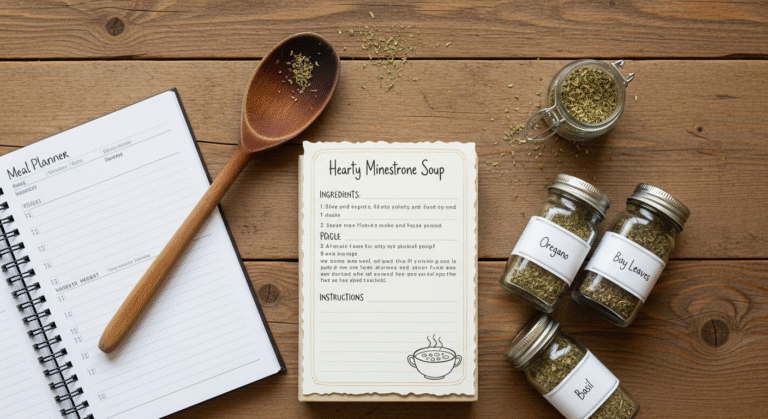
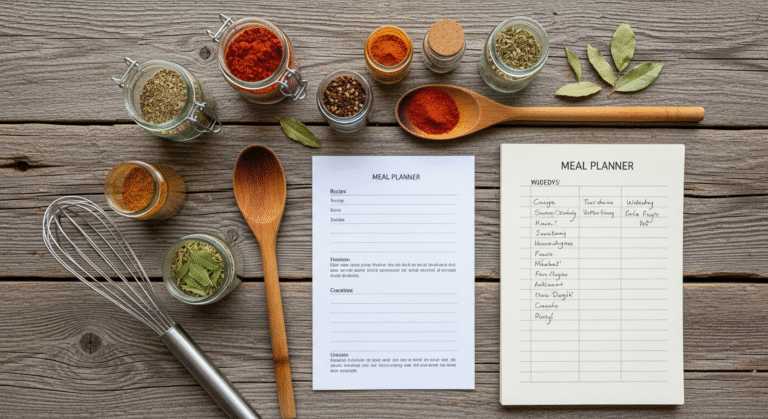
Meal planning and batch cooking can become your new best friends during self-isolation. Dedicate one day a week to planning your meals and snacks for the upcoming days. This reduces daily decision fatigue, ensures you’re eating balanced meals, and minimizes food waste. On another day, perhaps a Sunday afternoon, spend a few hours chopping vegetables, cooking grains, and preparing components for multiple meals. Think about making a large batch of soup, roasting a chicken that can be used in various dishes, or prepping smoothie packs for quick breakfasts. This foresight saves time during busy weekdays and guarantees healthy options are always at hand.
Beyond structured cooking, embrace the comfort of baking. The aroma of freshly baked bread, cookies, or a cake can fill your home with warmth and nostalgia. Baking can be a meditative process, requiring precision and patience, and the resulting treats offer a delightful indulgence. Share your creations (virtually!) with friends and family, or simply enjoy them as a personal treat.
This focus on home cooking is also an excellent chance to re-evaluate your relationship with food. Experiment with plant-based meals, incorporate more fresh fruits and vegetables, and reduce processed foods. Learn about the nutritional benefits of different ingredients and how to combine them for optimal health. Consider growing your own herbs on a windowsill – a small act that brings fresh flavor and a touch of nature into your kitchen. Nourishing your body with thoughtful, delicious food is a profound act of self-care, strengthening your immune system and boosting your mood during these unprecedented times.
Culinary Exploration Ideas:
- Try New Recipes: Experiment with different cuisines or baking projects.
- Master Meal Prep: Dedicate time to planning and batch cooking for the week.
- Bake for Comfort: Enjoy the process and the delicious results of homemade baked goods.
- Explore Healthy Eating: Focus on whole foods, plant-based options, and balanced meals.
- Grow Herbs: Start a small indoor herb garden for fresh flavors.
- Pantry Challenge: Create meals using only ingredients you already have on hand.
Strengthen Bonds & Give Back: Connect and Contribute from Home
While physical distancing is a necessity, social isolation doesn’t have to be. In fact, this period highlights the profound importance of human connection and community. Self-isolation can be a powerful catalyst for strengthening existing bonds and finding new ways to contribute to the wider world, all from the comfort and safety of your home.
Make a conscious effort to reach out to friends and family. Schedule regular video calls with loved ones who live far away, turning them into virtual coffee dates or happy hours. Organize online game nights or watch parties where everyone streams the same movie simultaneously. These virtual gatherings, while different from in-person interactions, can foster a sense of shared experience and combat feelings of loneliness. Dust off your stationery and write letters or send thoughtful cards to friends and relatives; receiving a handwritten note can be a truly special and personal gesture in our digital age.
Beyond your immediate circle, consider how you can give back to your community or contribute to causes you care about. Many organizations are now seeking online volunteers for a variety of tasks. You could offer your professional skills for pro-bono work, transcribe historical documents, become a virtual tutor for students, or even participate in online advocacy campaigns. Research local charities or national organizations that align with your values and see how you can lend a hand from a distance. Every contribution, no matter how small, makes a difference.
Supporting local businesses is another vital way to contribute from home. Many small businesses have adapted by offering online ordering, delivery services, or virtual classes. Order takeout from your favorite local restaurant, purchase goods from independent online boutiques, or sign up for a virtual workshop hosted by a local artist. Your patronage helps these businesses stay afloat and keeps your community vibrant. Consider leaving positive reviews online for businesses you love – it’s a free and impactful way to show support.
This time can also be used to share your own skills and passions. Do you have a talent for baking, gardening, or a particular craft? Consider offering a virtual workshop to friends or even a wider audience. Share your knowledge and enthusiasm, fostering a sense of community and connection through shared learning experiences. Remember, empathy and kindness are more important than ever. A simple check-in with an elderly neighbor (from a safe distance or via phone), offering to pick up groceries for someone who can’t leave their home, or simply spreading positive messages online can create ripples of goodwill.
Ways to Connect & Contribute:
- Virtual Hangouts: Schedule regular video calls with friends and family.
- Write Letters: Send handwritten notes or cards to loved ones.
- Online Volunteering: Find organizations seeking remote assistance.
- Support Local: Order takeout, shop online from local businesses, leave reviews.
- Skill Sharing: Offer virtual workshops or tutorials based on your talents.
- Random Acts of Kindness: Reach out to neighbors or spread positivity online.
Refresh Your Surroundings: Reimagine Your Living Space
Spending more time within the same four walls can make us notice things we previously overlooked – both the charming details and the areas that could use a little love. Self-isolation is a wonderful opportunity to refresh your living space, not necessarily with major renovations, but with thoughtful adjustments that enhance comfort, beauty, and functionality. It’s about reimagining your home to better serve your current needs and uplift your spirits.
Start with small DIY projects that have been on your mental to-do list. Perhaps it’s painting an accent wall, touching up scuffed baseboards, hanging new curtains, or creating a gallery wall with cherished photos and art. These projects don’t require professional help and can be incredibly satisfying. Even simple tasks like rearranging furniture can dramatically alter the feel of a room, creating new pathways and sightlines, and making a space feel fresh and exciting again.
Consider the power of lighting. Experiment with different lamps and bulbs to create a warm, inviting ambiance. Add fairy lights to a bedroom or living area for a touch of whimsy and coziness. Natural light is also crucial; ensure your windows are clean and that heavy drapes aren’t blocking precious sunlight. Introduce more plants into your home – not only do they add a touch of living greenery and beauty, but they also purify the air and can boost your mood. Create little ‘nooks’ within your home, dedicated spaces for reading, meditation, or simply enjoying a cup of tea, complete with comfortable seating and soft textures.
This period of being at home also brings into focus the wear and tear our homes experience. As you assess your space, you might notice a leaky faucet, a flickering light, or an appliance that’s not quite performing as it should. Addressing these minor issues now can prevent them from becoming larger, more costly problems down the line. This is where thinking about home protection becomes particularly relevant. As you invest time and effort into improving and maintaining your home, you’ll want to safeguard those efforts. For instance, while you might be painting a room, you’ll also be aware of the underlying condition of the walls or plumbing. This naturally leads to considering proactive measures like a home warranty.
For those thinking about how to protect their home’s systems and appliances, considering 3 reasons why you should get a home warranty can be very timely. Firstly, it offers peace of mind, knowing that unexpected repairs for things like your refrigerator, washing machine, or HVAC system won’t completely derail your budget or productivity. Secondly, it provides convenience, connecting you with qualified technicians quickly, which is especially valuable when you’re spending more time at home and relying on these systems daily. Thirdly, it helps manage the financial risk of homeownership, allowing you to budget for a predictable monthly or annual fee rather than facing a sudden, large repair bill. By taking care of your home’s aesthetic and functional needs, you’re building a more resilient and enjoyable living environment for 2026 and beyond.
Ideas for Refreshing Your Space:
- Small DIY Projects: Paint an accent wall, hang art, or update hardware.
- Rearrange Furniture: Experiment with new layouts for a fresh feel.
- Enhance Lighting: Add lamps, fairy lights, and maximize natural light.
- Introduce Greenery: Bring in houseplants to purify air and add beauty.
- Create Cozy Nooks: Design dedicated spaces for relaxation or hobbies.
- Deep Clean & Polish: Go beyond surface cleaning; tackle neglected areas.
Prioritize Your Well-being: Gentle Movement & Mindful Self-Care
Amidst all the productivity, it’s crucial to remember that self-care is not a luxury, but a necessity, especially during times of heightened stress and uncertainty. Prioritizing your well-being means nurturing your body, mind, and spirit with gentle movement and mindful practices. This isn’t about pushing yourself; it’s about listening to your body and giving it what it needs to thrive.
Incorporate gentle movement into your daily routine. With gyms potentially closed or limited, there’s a wealth of online resources for home workouts. Explore yoga flows that improve flexibility and calm the mind, try a dance fitness class to boost your mood, or simply take regular stretching breaks throughout the day. Even short walks around your garden or neighborhood (while maintaining social distancing) can do wonders for your physical and mental health. The goal is consistency and enjoyment, not intense exertion. Find what feels good for your body and make it a regular habit.
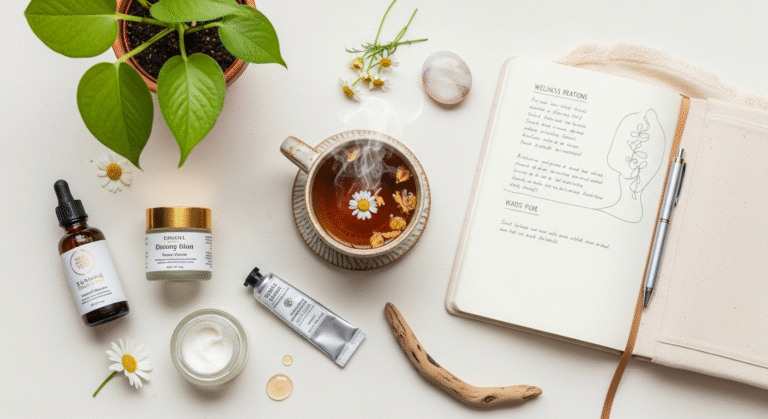
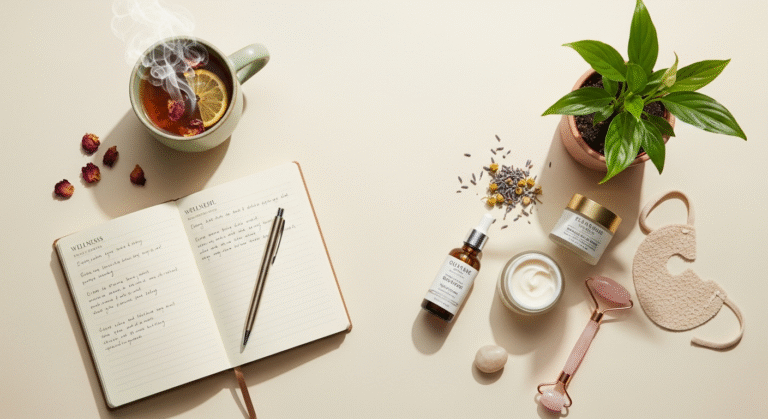
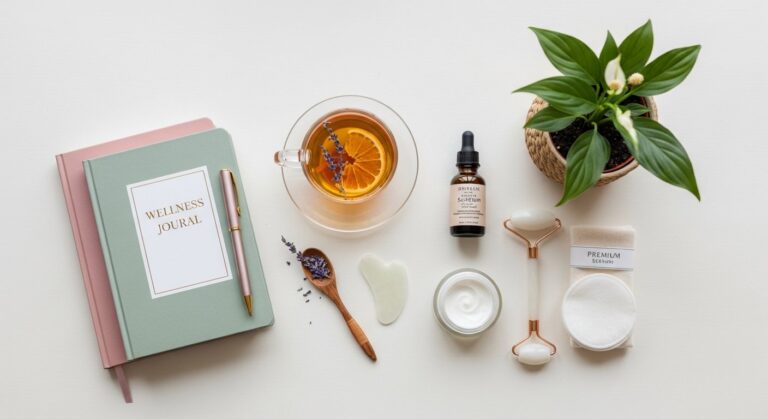
Mindful self-care extends beyond physical activity. Create a dedicated space in your home for wellness – perhaps a quiet corner with a comfortable cushion, some soothing aromatherapy, and soft lighting. Use this space for meditation, deep breathing exercises, or simply to sit in quiet contemplation. Consider incorporating a digital detox into your routine. Set aside specific times each day or a full day each week to unplug from screens, allowing your mind to rest and engage with the present moment. Read a physical book, listen to music, or simply observe the world outside your window.
Ensuring quality sleep is another cornerstone of well-being. With routines disrupted, sleep patterns can easily go awry. Establish a consistent sleep schedule, even on weekends. Create a relaxing bedtime ritual – a warm bath, herbal tea, gentle stretching, or reading – to signal to your body that it’s time to wind down. Optimize your bedroom for sleep by keeping it dark, quiet, and cool. Prioritizing restorative sleep will significantly impact your energy levels, mood, and ability to focus on other productive activities.
This focus on self-care directly ties into the concept of how to maximize relaxation on your lazy days at home. When you consistently engage in gentle movement and mindful practices, you build a foundation of well-being that makes true relaxation more accessible and profound. It’s not about being productive all the time, but about creating a balanced life where productivity is fueled by self-care, and relaxation is a deeply deserved and enriching experience. By nurturing your body and mind, you create the capacity to fully enjoy those moments of blissful idleness, knowing that you’ve also invested in your overall health and happiness for 2026 and beyond.
Self-Care & Wellness Practices:
- Gentle Movement: Explore online yoga, stretching, dance, or mindful walks.
- Create a Wellness Nook: Designate a quiet space for relaxation and reflection.
- Digital Detox: Schedule time to unplug from screens daily or weekly.
- Prioritize Sleep: Establish a consistent sleep schedule and relaxing bedtime routine.
- Mindful Practices: Incorporate meditation, deep breathing, or gratitude journaling.
- Hydration & Nutrition: Support your body with plenty of water and nourishing foods.
Frequently Asked Questions
Recommended Resources
You might also enjoy How To Overcome Burnout And Get Your Energy Back from Sometimes Daily.
For more on 6 productive things, see How To Improve Gut Health Naturally At Home on The Contextual Life.