
























Effortless Elegance: Your Guide to Mastering Transitional Interior Design
What Exactly IS Transitional Design? Blending the Best of Both Worlds
At its core, transitional interior design is the artful marriage of traditional and contemporary elements, resulting in a cohesive and harmonious space that feels fresh, sophisticated, and incredibly inviting. It’s not about choosing one over the other, but rather about thoughtfully selecting pieces that bridge the gap, creating a dialogue between the old and the new. Think of it as a carefully curated conversation between distinct design eras, where each element contributes to a beautifully balanced narrative.
Unlike purely traditional styles, which can sometimes feel ornate or heavy with intricate details and dark woods, transitional design lightens the mood. It strips away excessive ornamentation, embracing cleaner lines and a more streamlined silhouette. Yet, it’s far from the stark minimalism often associated with purely modern or contemporary spaces. Instead, it retains the comfort, warmth, and sense of history that we cherish in traditional design, but with a refined and updated sensibility.
The hallmarks of a truly transitional space are subtlety and balance. You won’t find jarring contrasts here, but rather a seamless flow that feels incredibly well-thought-out. Imagine a classic Chesterfield sofa reinterpreted with simplified arms and upholstered in a luxurious, texture-rich linen rather than heavy leather. Or consider a dining room with a grand, traditional chandelier hanging above a sleek, modern dining table. These are the thoughtful juxtapositions that define the style, creating visual interest without overwhelming the senses.
Transitional design is beloved for its versatility and its enduring appeal. It resists being pigeonholed by any single trend, making it an excellent investment for your home. It’s a style that evolves gracefully with time, allowing you to incorporate new pieces or refresh your decor without having to completely overhaul your entire design scheme. For us at Rock Salt Plum, it embodies that sweet spot where Southern comfort meets modern sophistication – a home that feels rooted in heritage yet perfectly suited for today’s busy, beautiful life. It’s about creating spaces that are not just beautiful to look at, but also supremely comfortable to live in, reflecting a gracious and welcoming spirit in every corner. It’s elegance without stiffness, luxury without pretense, and comfort that never sacrifices style.
The Core Elements of Transitional Style: Your Design Toolkit
A. The Serene Color Palette: Calming and Sophisticated
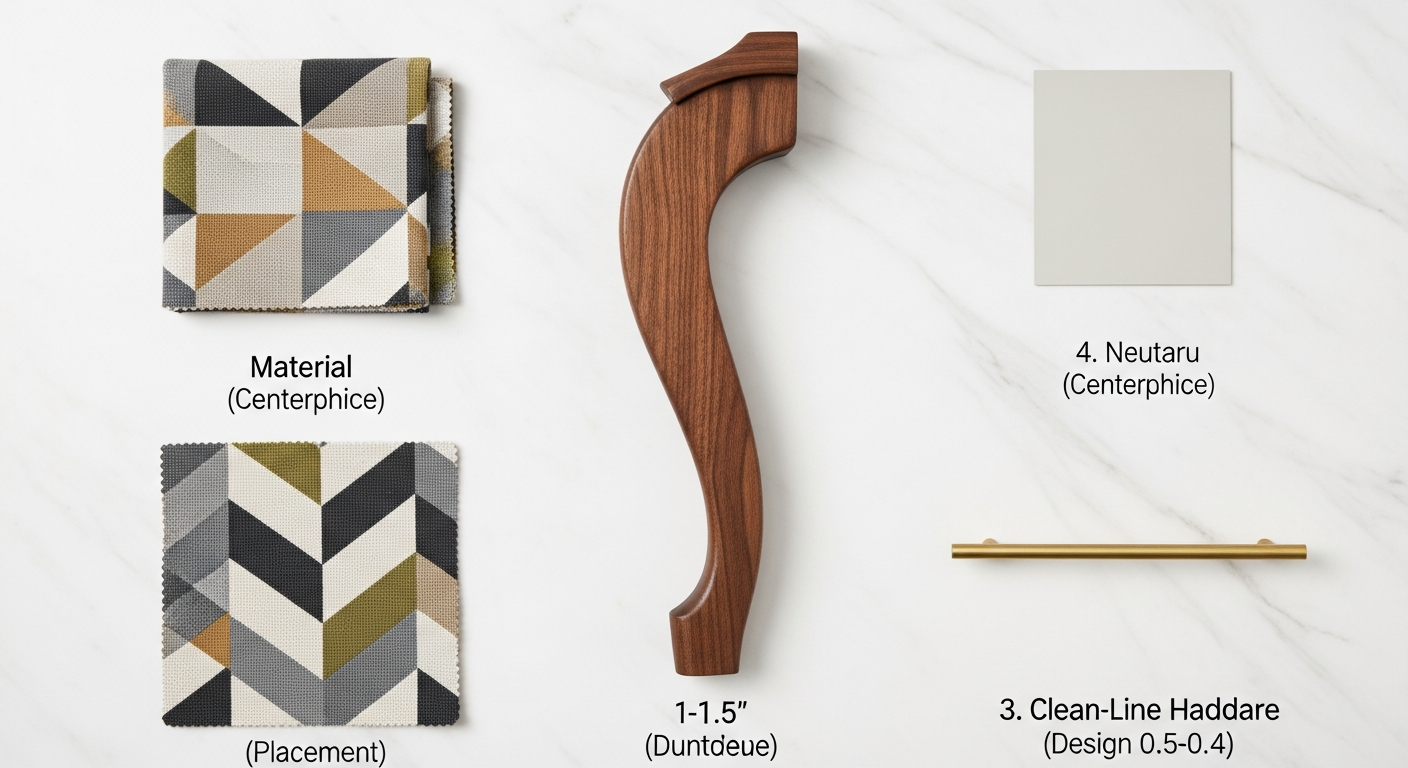
The cornerstone of transitional design is a sophisticated and often neutral color palette. Think soothing shades of grey, warm whites, creamy ivories, soft taupes, and gentle beiges. These foundational colors create a serene backdrop that allows textures and forms to truly shine. The beauty of a neutral base is its versatility; it provides a canvas that feels both timeless and incredibly adaptable. While neutrals dominate, transitional design is far from boring. You’ll often see subtle infusions of color, usually in muted tones inspired by nature: think soft sage greens, dusty blues, deep charcoals, or even a sophisticated blush. These accent colors are typically introduced through textiles, artwork, or decorative accessories, adding depth and personality without disrupting the overall sense of calm. The key is to choose colors that feel organic and inviting, contributing to a harmonious flow rather than creating stark contrasts.
B. Furniture: The Art of Balanced Silhouettes
Transitional furniture is where the traditional and modern truly shake hands. Here, you’ll find pieces that boast classic, comfortable proportions but with simplified lines and minimal ornamentation. Sofas and chairs often feature clean, straight lines mixed with gentle curves, offering a welcoming embrace without appearing overly fussy. An upholstered sofa with rolled arms might be paired with sleek, metal-legged accent chairs. Wooden pieces often showcase understated details, perhaps a subtle taper to a leg or a clean profile, rather than intricate carvings. Materials are key: look for substantial wood pieces (often in medium to dark tones, but lighter woods are also gaining popularity), polished or brushed metals, and luxurious upholstery. The emphasis is on comfort, durability, and a refined aesthetic. It’s about selecting pieces that feel substantial and well-made, designed to withstand the test of time both in construction and style.
C. Textiles & Patterns: Rich Textures, Subtle Statements
When it comes to textiles, transitional design celebrates luxurious textures over bold, busy patterns. Imagine sinking into a sofa upholstered in a rich, woven linen, or wrapping yourself in a sumptuous cashmere throw. Velvets, silks, wools, and high-quality cottons are frequently used, adding tactile warmth and visual interest. Layering these different textures is paramount to creating depth and coziness within a neutral scheme. When patterns are introduced, they are typically understated and sophisticated. Think tone-on-tone damasks, subtle geometric prints, classic stripes, or very muted, organic motifs. The goal is to add visual interest without competing with the clean lines of the furniture or the serene color palette. Cushions, throws, and drapery are excellent avenues for introducing these textural and patterned elements, softening the space and inviting relaxation.
D. Lighting: Setting the Mood with Elegant Fixtures
Lighting is absolutely critical in transitional design, not just for illumination but for enhancing the overall mood and aesthetic of a room. Transitional lighting fixtures often blend traditional forms with modern finishes or vice versa. You might see a classic chandelier silhouette crafted from sleek, polished nickel or an industrial-inspired pendant in a rich, antique brass finish. Layered lighting is essential: combine ambient lighting (ceiling fixtures like chandeliers or recessed lights) with task lighting (table lamps, floor lamps, sconces) and accent lighting (picture lights, cabinet lighting) to create a warm and inviting glow that can be adjusted for any occasion. The finishes of light fixtures play a significant role, often featuring brushed brass, polished nickel, oil-rubbed bronze, or matte black, which beautifully complement the chosen hardware and furniture elements in the space.
E. Materials & Finishes: A Symphony of Natural and Refined
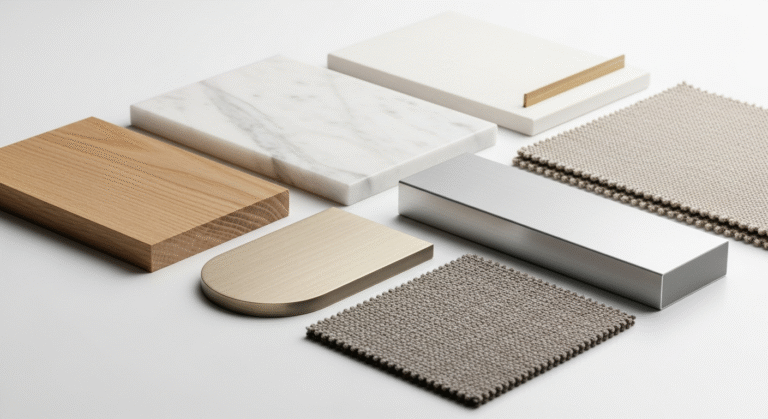
Transitional spaces champion a beautiful mix of materials and finishes. Natural materials are highly prized for their timeless appeal and ability to add warmth and organic texture. Think richly veined marble or quartz countertops, warm hardwood floors (often in medium tones), natural stone accents, and solid wood furniture. Alongside these natural elements, you’ll find refined touches like glass (in tabletops, mirrors, or decorative objects), polished metals, and lacquered surfaces. The interplay between matte and polished, rough and smooth, creates a sophisticated dynamic. For example, a polished marble countertop might be paired with matte black cabinet hardware, or a rustic wooden console table might be topped with sleek, contemporary ceramic vases. This thoughtful combination of diverse materials adds layers of visual interest and contributes to the collected, curated feel that is so characteristic of transitional design.
Achieving the Look: Practical Tips for Every Room
Now that we understand the core elements, let’s explore how to apply these principles to different areas of your home, transforming each space into a haven of transitional elegance.
A. The Living Room: Your Hub of Sophisticated Comfort
The living room is often the heart of the home, and in transitional design, it becomes a sanctuary of sophisticated comfort.
* Foundation First: Start with a substantial, comfortable sofa in a neutral color – a warm grey, an inviting cream, or a soft linen tone. Look for clean lines with subtle curves, perhaps a rolled arm or a neatly tailored skirt.
* Mix and Match Seating: Flank your sofa with a pair of accent chairs that offer a different silhouette. If your sofa is more traditional, opt for modern slipper chairs or armchairs with exposed metal frames. Conversely, if your sofa leans contemporary, choose chairs with classic upholstery details.
* Coffee Table & Side Tables: A rectangular wooden coffee table with a simplified design can anchor the space, or choose a round glass and metal table for a lighter, more modern feel. Side tables can mix materials – a wooden drum table next to a sleek metal-and-glass end table.
* Layered Lighting: Incorporate a grand chandelier or a sophisticated semi-flush mount ceiling fixture for ambient light. Add a pair of elegant table lamps on console tables and a stylish floor lamp next to an armchair for task and accent lighting.
* Textural Touches: Introduce throws in cashmere, faux fur, or chunky knits, and an array of throw pillows in varied textures (velvet, linen, woven fabrics) and subtle patterns. An area rug in a natural fiber like wool or jute, or a low-pile patterned rug, will define the space and add warmth.
* Art & Decor: Choose abstract art, serene landscapes, or botanical prints in simple frames. Display a curated collection of objects – perhaps a few sculptural vases, a stack of beautiful coffee table books, and some personal treasures – on your coffee table or built-in shelving. Avoid excessive clutter.
B. The Dining Room: Gracious Gatherings, Modern Flair
The transitional dining room is designed for gracious entertaining, blending formality with a relaxed elegance.
* The Dining Table: A classic wooden dining table with clean lines is a perfect choice. Consider one with a slight pedestal base for a traditional touch, or a simpler, rectangular top with a modern leg design. For a more contemporary feel, a large marble or quartz table works beautifully.
* Dining Chairs: This is where you can truly bridge the styles. Pair a traditional wooden table with upholstered Parsons chairs for comfort and a modern silhouette. Alternatively, a sleek modern table can be softened with classic ladder-back chairs or chairs with a subtle traditional curve.
* Statement Lighting: A stunning chandelier is often the focal point of a transitional dining room. Look for one that blends classic elements (like candelabra bulbs) with modern finishes (polished nickel, brushed brass) or a clean-lined drum shade.
* Buffet or Sideboard: A traditional wooden buffet can be updated with modern hardware, or choose a sleek, lacquered sideboard. Keep styling minimal with a large piece of art or a beautiful mirror above it, and a few curated decorative objects.
* Window Treatments: Simple, elegant drapery in a luxurious neutral fabric (linen, silk blend) that pools slightly on the floor adds softness and sophistication.
C. The Bedroom: A Serene Retreat
Your bedroom should be a tranquil haven, and transitional design excels at creating spaces that are both luxurious and deeply comforting.
* The Bed: An upholstered headboard is a hallmark of transitional bedrooms, offering softness and elegance. Look for tufted designs or clean-lined panels in a neutral fabric like linen, velvet, or performance fabric.
* Bedding: Layers are key! Start with high-quality neutral sheets, add a plush duvet or quilt, and layer with throws in varying textures. A mix of decorative pillows (two shams, two decorative, one lumbar) adds luxury without feeling overdone.
* Nightstands: Choose nightstands that offer a slight contrast to your bed frame. If your bed is upholstered, perhaps wooden nightstands with clean lines or even mirrored chests. If your bed is wood, upholstered or metal-framed nightstands can offer a nice balance.
* Lighting: A pair of elegant table lamps on your nightstands provides soft, ambient light. Consider a small chandelier or a stylish flush mount for overall room illumination.
* Seating: If space allows, a small upholstered bench at the foot of the bed or a comfortable armchair in a corner provides a cozy spot for reading.
* Color & Texture: Stick to a calming neutral palette for walls and bedding, introducing subtle color through artwork or decorative accents. Incorporate soft rugs, plush carpets, and rich drapery for warmth and quiet.
D. Kitchen & Bathroom: Functional Elegance
Even in these highly functional spaces, transitional design brings an air of refined elegance.
* Kitchen:
* Cabinetry: Shaker-style cabinets are the quintessential transitional choice – classic yet clean. Flat-panel cabinets with subtle detailing also work.
* Hardware: Update traditional cabinets with sleek, modern pulls in brushed nickel, matte black, or brass.
* Countertops: Natural stone like marble or granite, or engineered quartz, offers durability and timeless beauty.
* Backsplash: Subway tile is a classic for a reason, but consider it in an unexpected finish (matte, handmade look) or a subtle geometric pattern.
* Fixtures: A traditional bridge faucet in a modern finish (like polished chrome) perfectly embodies the transitional spirit.
* Lighting: Recessed lighting for overall illumination, and pendant lights over an island or peninsula that blend classic shapes with modern finishes.
* Bathroom:
* Vanity: A simple, furniture-style vanity with clean lines or a floating vanity for a more modern touch.
* Countertops: Quartz or marble offers a luxurious feel.
* Fixtures: A polished chrome or brushed nickel faucet with a classic silhouette.
* Tile: Large format tiles for floors and shower walls create a seamless, modern look, while a classic subway tile or subtle mosaic can add a traditional touch.
* Mirrors: A simple framed mirror above the vanity, or a pair of elegant mirrors, adds sophistication.
* Lighting: Sconces flanking the mirror and a ceiling fixture for overall light.
By thoughtfully applying these principles to each room, you’ll create a home that feels cohesive, elegant, and perfectly transitional – a true reflection of your sophisticated taste and desire for comfort.
Styling Your Transitional Space: The Finishing Touches

The beauty of transitional design truly comes alive in the thoughtful layering of finishing touches. These are the elements that inject personality, warmth, and that curated, collected feeling into your home, ensuring it feels lived-in and loved, not just decorated.
A. Art & Decor: Curated Collections with Purpose
In a transitional home, art and decor are chosen with intention. This isn’t about filling every empty space, but rather selecting pieces that resonate with you and contribute to the overall aesthetic.
* Art: Opt for abstract pieces, serene landscapes, botanical prints, or sophisticated photography. Frames should be simple and elegant – think sleek metal, natural wood, or a classic mat with a clean profile. A large-scale piece can anchor a wall, while a gallery wall of complementary pieces can add visual interest.
* Mirrors: Mirrors are fantastic for reflecting light and making a space feel larger. Choose a mirror with a traditional ornate frame in a contemporary finish (like a muted gold or silver), or a simple, clean-lined mirror with classic proportions.
* Decorative Objects: Less is often more. Select a few sculptural vases, handcrafted bowls, interesting bookends, or a collection of beautiful coffee table books. Arrange them in vignettes on shelves, console tables, and coffee tables. Focus on natural materials like ceramics, wood, glass, and metal.
* Personal Touches: Thoughtfully display cherished photographs or sentimental objects, but ensure they integrate seamlessly with the overall decor. The goal is a sense of collected refinement, not clutter.
B. Rugs: Defining Zones and Adding Warmth
Rugs are essential for anchoring furniture, defining different zones within an open-plan space, and adding warmth, texture, and a touch of subtle pattern.
* Materials: Choose rugs made from natural fibers like wool, jute, sisal, or a soft cotton blend. These materials contribute to the serene and organic feel of transitional design.
* Patterns & Textures: Solid-colored rugs with rich textures (like a subtle shag or a chunky weave) are popular. If you opt for a pattern, keep it understated – think tone-on-tone geometrics, subtle stripes, or faded traditional motifs that have a modern “washed” look. Avoid overly bold or busy patterns that might clash with the clean aesthetic.
* Placement: Ensure your rug is appropriately sized for the room. In a living room, at least the front legs of all major furniture pieces should rest on the rug. In a dining room, the rug should extend far enough so that dining chairs remain on the rug even when pulled out.
C. Greenery: Bringing Life and Softness
Indoor plants are a wonderful way to bring life, freshness, and a touch of organic beauty into a transitional space. They soften hard lines and add a natural element that complements the neutral palette.
* Plant Choices: Opt for elegant, architectural plants like a Fiddle Leaf Fig, a tall Snake Plant, a sophisticated Orchid, or a leafy Monstera.
* Stylish Planters: The container matters! Choose planters in clean, modern designs made from ceramic, terracotta, concrete, or woven materials. Avoid overly rustic or brightly colored pots.
* Placement: Place larger plants in empty corners, smaller plants on shelves or side tables, and a beautiful orchid as a centerpiece on a coffee table or dining table.
D. Window Treatments: Softness and Light Control
Window treatments in transitional design are about elegant simplicity, offering both light control and a touch of softness.
* Fabrics: Choose luxurious, flowing fabrics like linen, silk blends, or high-quality cottons in neutral tones that complement your wall color.
* Styles: Simple pleated drapes, ripple fold drapes, or Roman shades are excellent choices. They provide a tailored look without excessive ornamentation.
* Hardware: Select understated hardware – a simple metal rod in brushed nickel, matte black, or a muted brass finish. Avoid overly decorative finials.
* Functionality: Ensure your window treatments are functional, allowing you to control light and privacy while enhancing the room’s aesthetic.
By meticulously layering these finishing touches, you’ll transform your transitional house into a home that feels deeply personal, elegantly composed, and wonderfully welcoming – a true expression of refined Southern living with a modern twist.
Common Pitfalls to Avoid in Transitional Design
While transitional design offers immense flexibility and beauty, there are a few common missteps that can derail your efforts. Being aware of these pitfalls will help you navigate your design journey more smoothly and ensure your home achieves that coveted harmonious balance.
A. Going Too Far One Way: Losing the Balance
The most common mistake in transitional design is allowing your space to lean too heavily into either traditional or modern aesthetics. The magic of transitional lies in its equilibrium. If you fill your room with too many ornate, heavy traditional pieces, it will lose its fresh, updated feel and become merely traditional. Conversely, if you introduce too many stark, minimalist elements, it will lose its warmth and comfort, becoming overly contemporary.
* Tip: After placing your foundational pieces, step back and assess. Does the room feel weighted towards one style? If so, introduce opposing elements to bring it back to center. For example, if your sofa and coffee table are very modern, ensure your accent chairs, lighting, and decor have subtle traditional touches.
B. Too Many Competing Styles: A Confused Aesthetic
While transitional design blends two styles, it’s not a free-for-all for every design trend you love. Introducing elements from too many disparate styles (e.g., farmhouse, industrial, bohemian, and mid-century modern, all at once) will create a chaotic and confused aesthetic, losing the cohesive flow that defines transitional.
* Tip: Stick to the core principles of blending traditional and modern. If you love a touch of another style, incorporate it very sparingly as an accent, ensuring its lines and colors still complement the overall transitional palette. For instance, a single industrial-style pendant light might work if its finish ties into other metals in the room, but a whole collection of industrial furniture would be too much.
C. Lack of Harmony in Materials and Finishes: Jarring Combinations
Transitional design thrives on a sophisticated interplay of materials and finishes. A common mistake is to introduce too many conflicting finishes or materials that don’t complement each other, leading to a disjointed look. For example, a mix of too many different wood tones, or an uncoordinated array of metal finishes, can feel haphazard rather than curated.
* Tip: Choose a dominant metal finish (e.g., brushed brass or polished nickel) and use it consistently for major elements like lighting and hardware. Then, introduce one or two complementary secondary finishes (e.g., matte black or oil-rubbed bronze) as accents. Similarly, aim for a cohesive palette of wood tones, usually sticking to two or three that blend well together.
D. Ignoring Scale and Proportion: Awkward Arrangements
Scale and proportion are crucial in any design style, but especially in transitional where the balance of elements is key. Furniture that is too large for a room will make it feel cramped and overwhelming, while pieces that are too small will look lost and insignificant. Ignoring the visual weight of items can also throw off the balance.
* Tip: Before purchasing, measure your space and map out furniture placement. Use painter’s tape on the floor to visualize furniture footprints. Ensure there’s enough negative space around furniture for comfortable movement and visual breathing room. Pay attention to the height of pieces; for example, a tall lamp should complement the height of the console it sits on.
E. Forgetting Comfort and Livability: Beauty Without Soul
Transitional design is elegant, but it should never sacrifice comfort or livability. A common pitfall is to focus so much on aesthetics that the space feels stiff, uninviting, or impractical for daily life. A beautiful home should also be a comfortable home, a sanctuary where you can truly relax and entertain with ease.
* Tip: Prioritize comfortable seating with good support. Include plenty of soft textiles – throws, pillows, rugs – to add warmth and coziness. Ensure lighting is layered and adjustable to create different moods. Most importantly, design your space with your lifestyle in mind. If you love to host, ensure there’s ample seating. If you cherish quiet evenings, create a cozy reading nook. The goal is a home that looks stunning but feels even better to live in.
By being mindful of these potential pitfalls, you can confidently navigate the nuances of transitional design and create a home that is truly a reflection of effortless elegance and comfortable sophistication.
Embrace the Enduring Elegance of Transitional Design
My dear friends, I hope this journey into the world of transitional interior design has inspired you to envision a home that feels perfectly tailored to your elegant yet comfortable lifestyle. This style, with its beautiful blend of classic grace and modern simplicity, offers a timeless solution for those who appreciate both tradition and innovation. It’s about creating spaces that are not just visually stunning but also deeply livable – a place where every piece tells a story, every texture invites a touch, and every corner feels like a warm embrace.
Imagine stepping into a living room where your beloved antique chest sits comfortably beside a sleek, contemporary lamp, both united by a serene color palette and a soft, inviting rug. Picture a bedroom that is both a luxurious retreat and a cozy haven, filled with rich textures and understated elegance. This is the promise of transitional design: a home that transcends trends, offering enduring beauty, sophisticated comfort, and a welcoming spirit that truly reflects the heart of Rock Salt Plum living.
So, go forth with confidence, armed with these insights, and begin curating your own effortlessly elegant sanctuary. Mix, match, layer, and love every thoughtful detail. Your home is a canvas, and transitional design is your beautiful palette for creating a masterpiece that will bring joy for years to come. We can’t wait to see the stunning spaces you create!
“`json
{
“@context”: “https://schema.org”,
“@graph”: [
{
“@type”: “Article”,
“headline”: “Effortless Elegance: Your Guide to Mastering Transitional Interior Design”,
“image”: [
“https://www.example.com/images/transitional-design-hero.jpg”,
“https://www.example.com/images/transitional-living-room.jpg”,
“https://www.example.com/images/transitional-bedroom.jpg”
],
“datePublished”: “2024-07-29T08:00:00+08:00”,
“author”: {
“@type”: “Person”,
“name”: “Rock Salt Plum Editor”
},
“publisher”: {
“@type”: “Organization”,
“name”: “Rock Salt Plum”,
“logo”: {
“@type”: “ImageObject”,
“url”: “https://www.example.com/images/rsp-logo.png”
}
},
“description”: “Discover the art of transitional interior design – a harmonious blend of traditional and modern elements for a timeless, elegant, and comfortable home. Learn practical tips, core elements, and styling advice for every room to create your effortlessly sophisticated sanctuary.”,
“articleBody”: “Darling, if there’s one design style that