





























Embrace Smart Home Technology: The Intelligent Heart of Your Modern Home
Stepping into the 21st century truly begins with integrating smart home technology. This isn’t just about flashy gadgets; it’s about creating a living environment that anticipates your needs, enhances comfort, and provides unparalleled convenience. Imagine waking up to blinds automatically rising to greet the morning sun, your coffee machine brewing, and the thermostat subtly adjusting to your preferred temperature, all before your feet even touch the floor. This level of seamless integration is no longer a futuristic fantasy; it’s an attainable reality for your aging home.
Start with a central hub, like a smart speaker or a dedicated app, that can orchestrate various devices. Smart lighting systems, for instance, allow you to control brightness, color, and even set schedules or moods for different rooms, saving energy and creating ambiance for any occasion. Think about installing smart dimmers or bulbs that can be controlled from your phone or by voice command. Next, consider intelligent thermostats. These learning devices adapt to your family’s routines, optimizing heating and cooling to maintain comfort while significantly reducing energy consumption – a major win for both your wallet and the planet. Many older homes struggle with inconsistent temperatures, and smart zoning can address this beautifully, allowing you to heat or cool only the areas you’re using. This proactive approach to climate control is a core element of modern efficiency.
Security is another critical area where smart technology shines, offering peace of mind that aligns perfectly with our previous discussion on Tips for protecting your home and your belongings. Smart locks allow keyless entry and remote access, letting you grant temporary access to guests or service providers from anywhere. Integrated security cameras, both indoor and outdoor, offer live feeds and motion detection alerts directly to your smartphone. A smart doorbell camera can show you who’s at your door, even when you’re away, adding an extra layer of protection and convenience. Beyond these essentials, consider smart kitchen appliances that can preheat your oven on your commute home, or smart plugs that turn any ordinary device into a connected one. The beauty of modern smart home technology is its scalability; you can start with a few key pieces and gradually expand, creating a truly intelligent home that makes daily life smoother, safer, and more enjoyable for years to come.
Elevate with Modern Aesthetics & Functionality: Giving Your Home a Fresh Perspective
While an aging home possesses undeniable charm, its aesthetics and functionality might not always align with contemporary living. Bringing your home into the 21st century often involves a thoughtful facelift, blending modern design principles with your home’s inherent character. This is where the art of transformation truly comes alive, creating spaces that are both beautiful and eminently practical for today’s lifestyle. It’s about updating the visual language of your home without erasing its unique story, giving it a vibrant new chapter.
Kitchens and bathrooms are often the first spaces to show their age, and they offer the most dramatic opportunities for modernization. In the kitchen, think about clean lines, efficient layouts, and durable, stylish materials. Replacing dark, heavy cabinetry with lighter, more contemporary styles, or even painting existing cabinets, can instantly brighten and update the space. Consider integrating smart appliances that offer both sleek design and advanced functionality. Quartz or granite countertops, modern subway tile backsplashes, and energy-efficient LED lighting can transform a dated kitchen into a culinary haven. For bathrooms, focus on creating a spa-like retreat. Walk-in showers with frameless glass, updated vanities with ample storage, water-saving toilets, and chic fixtures can make a world of difference. These renovations not only enhance daily living but also significantly boost your home’s appeal and value, echoing themes from How to give your home a facelift.
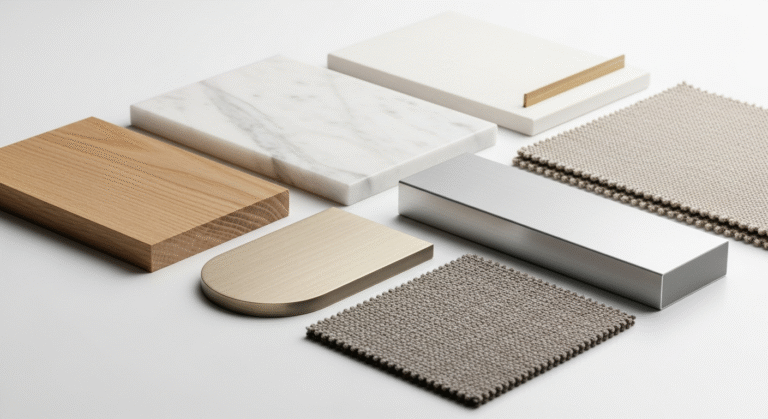
Beyond these key areas, consider the overall flow and feel of your home. If structural changes are feasible and desirable, opening up a wall between a kitchen and dining area can create a more open-concept living space, fostering better connectivity and natural light. Update flooring throughout your home; replacing worn carpets with elegant hardwood, durable luxury vinyl plank (LVP), or even polished concrete can immediately modernize the look and improve air quality. Don’t underestimate the power of paint; modern neutral palettes with carefully chosen accent walls can create a sophisticated backdrop for your furnishings and art. Finally, update dated light fixtures with contemporary designs that offer better illumination and visual appeal. Integrating built-in shelving, custom storage solutions, and thoughtful millwork can also add bespoke touches that enhance both form and function, making your older home feel perfectly tailored for 2026 living.
Prioritize Energy Efficiency & Sustainability: For a Greener, Cozier Home
Start with a thorough energy audit to identify key areas of heat loss or gain. Insulation is often the first line of defense. Upgrading attic insulation to modern R-values, adding insulation to walls (where feasible), and sealing crawl spaces can drastically improve thermal performance. Next, consider your windows and doors. Replacing single-pane windows with modern, energy-efficient double or triple-glazed units can prevent significant heat transfer and reduce outside noise. Ensure all doors have proper weather stripping and seals. These upgrades not only keep your home cozy but also protect your interior furnishings from harmful UV rays, subtly contributing to the longevity of your belongings, a topic we touched on when discussing home protection.
Your heating, ventilation, and air conditioning (HVAC) system is another critical component. Replacing an old, inefficient furnace or AC unit with a high-efficiency model, or even exploring alternatives like heat pumps, can yield considerable energy savings. Consider a tankless water heater for on-demand hot water, eliminating the energy waste of continuously heating a large tank. Even smaller changes, like switching all your light bulbs to LEDs, can add up to significant savings. Looking ahead to 2026, exploring renewable energy options like rooftop solar panels can be a powerful statement of sustainability, further reducing your reliance on traditional energy sources. By investing in these efficiency upgrades, you’re not just modernizing your home; you’re creating a healthier, more comfortable, and economically sound living space that is kind to the planet and your pocketbook.
Reimagine Your Outdoor Spaces: An Extension of Your Living Area

The boundary between indoor and outdoor living has beautifully blurred in the 21st century, and bringing your aging home into this modern era means reimagining your exterior spaces as true extensions of your living and entertaining areas. Older homes often come with established, sometimes overgrown, gardens or simple yards. The opportunity here is to transform these areas into functional, inviting, and aesthetically pleasing havens that complement your newly updated interiors, creating a cohesive and luxurious experience.
Start with strategic landscaping. Focus on low-maintenance, native plants that thrive in your climate, reducing the need for excessive watering and care. Consider creating distinct zones within your yard: a cozy patio for morning coffee, a shaded dining area for al fresco meals, and perhaps a fire pit for evening gatherings under the stars. These defined spaces encourage use and make your yard feel more intentional. Incorporate comfortable outdoor furniture that can withstand the elements, adorned with weather-resistant cushions and throws for that cozy, inviting touch. Think about pergolas or retractable awnings for shade and protection, allowing you to enjoy your outdoor space in various weather conditions.
Outdoor lighting is crucial for both ambiance and safety. Strategically placed path lights, string lights for entertaining areas, and accent lighting to highlight architectural features or beautiful plantings can transform your yard after dusk, making it feel magical and secure. For efficiency, consider solar-powered lights or smart outdoor lighting systems that can be controlled remotely. If you enjoy gardening, integrate raised garden beds for herbs, vegetables, or cutting flowers, bringing a touch of farm-to-table living right to your doorstep. For those with a larger vision, a thoughtful hardscape design, incorporating permeable pavers or natural stone, can add structure and elegance. These concepts beautifully tie into Luxury garden design tips for new homeowners, emphasizing how a well-designed outdoor space can significantly enhance your home’s enjoyment and value. Remember, your garden and outdoor areas are not just curb appeal; they are vital spaces for wellness, relaxation, and memorable entertaining, making your home truly complete for 2026.
Smart Storage & Organization Solutions: Declutter for Clarity and Calm
An aging home, with its nooks and crannies, often comes with a delightful sense of history, but also, sometimes, a challenge in modern storage and organization. Bringing your home into the 21st century isn’t just about aesthetics and technology; it’s profoundly about functionality and creating a sense of calm and order that supports your wellness. A cluttered home can be a cluttered mind, and modern living demands smart solutions to keep our spaces serene and functional. This is where clever storage and organization become your best friends, making your home feel more spacious, efficient, and truly tailored to your life.
Start by evaluating each room and identifying its primary storage needs. In the kitchen, pantry organization systems, pull-out shelves, and clever drawer dividers can maximize space and keep everything accessible. Consider custom cabinetry that goes all the way to the ceiling, utilizing every vertical inch. For bedrooms, custom closet systems are a game-changer. These aren’t just for clothes; they can house shoes, accessories, and even seasonal items, keeping your personal sanctuary tidy and tranquil. Think beyond traditional closets; built-in wardrobes that seamlessly blend into the wall can offer extensive storage without encroaching on floor space, perfect for older homes with smaller rooms.
Living areas can benefit from multifunctional furniture – ottomans with hidden storage, coffee tables with drawers, or benches that double as toy chests. Vertical storage solutions, like tall, slim bookshelves or wall-mounted shelving, draw the eye upward and free up valuable floor space. In home offices, integrated desk units with built-in drawers and cable management systems keep workspaces neat and productive. Don’t forget the power of digital decluttering, too; organizing your digital files and photos can reduce mental clutter and make your smart home experience even more seamless. The goal is to create designated homes for everything, ensuring that items are easy to find and put away. By implementing smart storage and organization, you’re not just tidying up; you’re creating a more harmonious, stress-free environment that promotes wellness and allows you to fully enjoy your beautifully modernized home, ready for the efficiency and elegance of 2026.
Update Essential Infrastructure: The Unseen Foundations of Modern Living
While visible transformations like smart technology and aesthetic upgrades are exciting, truly bringing an aging home into the 21st century requires a critical look at its foundational infrastructure. These are the unsung heroes of a functional home – the electrical, plumbing, and structural systems that, if neglected, can quickly turn modern dreams into costly headaches. Investing in these essential updates might not be as glamorous as choosing new countertops, but they are paramount for safety, efficiency, and supporting the demands of contemporary living. Think of it as giving your home a complete internal rejuvenation, ensuring it’s robust and reliable for decades to come.
First and foremost, consider your electrical system. Older homes often have outdated wiring (like knob and tube), insufficient amperage, and too few outlets to support the multitude of appliances, electronics, and smart devices we use today. An electrical panel upgrade is often necessary to handle increased power demands safely. Rewiring can prevent fire hazards, ensure consistent power delivery, and allow for the installation of modern grounded outlets and GFCI (Ground Fault Circuit Interrupter) outlets in wet areas like kitchens and bathrooms. This also directly ties into Tips for protecting your home and your belongings, as a robust electrical system is key to preventing electrical fires and power surges that could damage valuable electronics. Consult with a licensed electrician to assess your home’s specific needs.
Plumbing systems in older homes can suffer from corrosion, low water pressure, or outdated pipe materials (like galvanized steel). Replacing old pipes with modern PEX or copper can significantly improve water pressure, reduce the risk of leaks, and ensure cleaner water delivery. Consider upgrading to a tankless water heater, as discussed, for efficiency and a continuous supply of hot water. Beyond the internal systems, don’t overlook the roof. An aging roof can lead to leaks, insulation issues, and structural damage. Investing in a new roof with modern, durable materials and proper ventilation will protect your home from the elements and improve energy efficiency. Finally, always be mindful of your home’s foundation. Regular inspections for cracks or moisture can prevent major structural issues down the line. While these updates are often behind the walls or above your head, they are the backbone of a truly 21st-century home, ensuring every other modernization can function flawlessly and safely, making your home a secure and comfortable haven for 2026.
Infuse Personal Style with Contemporary Touches: Making it Uniquely Yours
After addressing the structural, technological, and efficiency upgrades, the final, and perhaps most delightful, step in bringing your aging home into the 21st century is to infuse it with your unique personal style, blending contemporary touches with its inherent character. This is where your home truly becomes a reflection of you – a cozy, inviting space that supports your wellness and is perfect for entertaining. It’s about curating a look that feels fresh and current, yet deeply personal and timeless, making your home sing with individuality.
Start with a thoughtful color palette. While older homes often sported bolder, more traditional hues, modern interiors tend to lean towards sophisticated neutrals (think warm grays, soft whites, and muted greens) as a backdrop, allowing your furnishings and art to shine. Don’t shy away from introducing pops of color through textiles, artwork, or accent furniture. When it comes to furnishings, the trick is to blend. Pair cherished antique pieces with sleek, modern sofas or chairs. This juxtaposition creates visual interest and tells a story, honoring your home’s past while embracing the present. Seek out furniture with clean lines and comfortable fabrics that invite relaxation and conversation, perfect for hosting friends and family.
Art and decor are powerful tools for personalization. Curate a collection of modern art, photography, or handcrafted pieces that resonate with you. Gallery walls can be a wonderful way to display a mix of old and new, personal photos alongside contemporary prints. Update dated window treatments with modern, energy-efficient options like Roman blinds, roller shades, or simple, elegant drapes that allow ample natural light to flood your spaces. Natural light is a cornerstone of modern design and wellness, enhancing mood and making rooms feel larger and more airy. Integrate lush houseplants to bring life and freshness indoors, contributing to a sense of calm and well-being. Finally, don’t forget the power of textiles – plush rugs, soft throws, and decorative pillows can add layers of texture, warmth, and a touch of luxury to any room. By thoughtfully layering these contemporary touches, your aging home will not only feel modernized and ready for 2026 but will also exude a unique charm that is entirely, beautifully, and authentically yours.
FAQ: Modernizing Your Aging Home
How much does it typically cost to bring an old home into the 21st century?
The cost to modernize an aging home varies significantly depending on the age of the home, its current condition, the scope of your desired updates, and your geographical location. Minor cosmetic updates might cost a few thousand dollars, while a full gut renovation with structural, electrical, and plumbing overhauls could range from $100,000 to several hundred thousand dollars or more. It’s best to get professional quotes for specific projects and prioritize based on your budget and needs. Remember, some updates, like energy efficiency improvements, offer long-term savings that can offset initial costs.
What’s the best place to start when modernizing an older home?
The best place to start is with a thorough assessment and prioritization. Begin with a professional home inspection to identify critical issues like electrical, plumbing, or structural problems that might be safety hazards or require immediate attention. After addressing these, focus on areas that will have the biggest impact on daily living and comfort, such as kitchens and bathrooms, or energy efficiency upgrades like insulation and windows. Creating a master plan, even if you tackle projects incrementally, will ensure a cohesive vision for your 2026 home.
Should I prioritize aesthetics or functionality first when making updates?
While aesthetics are important for creating a beautiful and inspiring home, functionality and safety should always take precedence, especially in an aging home. Addressing critical infrastructure (electrical, plumbing, HVAC, roofing) ensures your home is safe, efficient, and reliable. Once these foundational elements are sound, you can then freely focus on aesthetic upgrades like paint, decor, and smart home technology to personalize and beautify your space. A functional home provides a better canvas for your design dreams.
How can I retain my home’s character while modernizing it?
Retaining your home’s character while modernizing is all about balance and thoughtful integration. Identify the unique architectural features you love – original moldings, built-ins, or a particular layout – and find ways to highlight them. Blend new elements with old; for instance, pair a modern chandelier with vintage ceiling medallions, or sleek appliances with a traditional farmhouse sink. Choose materials and finishes that respect the home’s era but offer modern performance. The goal is to enhance, not erase, your home’s story, allowing its past to gracefully coexist with its 21st-century present.
What are some quick, budget-friendly updates to make an old home feel more modern?
Many impactful updates don’t require a large budget. Start with fresh paint in modern neutral tones. Update light fixtures to contemporary designs. Swap out old hardware on cabinets and doors for sleeker options. Install smart plugs to make existing lamps and small appliances smart. Declutter and reorganize for a cleaner aesthetic. Add new textiles like throws, pillows, and rugs in current styles. Introduce houseplants for a touch of freshness. These small changes can significantly refresh your home’s feel without breaking the bank, preparing it for 2026.
How does modernizing an aging home affect its resale value?
Thoughtful modernization can significantly increase your aging home’s resale value. Updates to kitchens, bathrooms, and energy efficiency typically offer the highest return on investment. Modern electrical and plumbing systems, new roofs, and smart home technology make a home more appealing to today’s buyers, who are often looking for move-in-ready, efficient properties. By blending modern comforts with classic charm, you create a unique and desirable property that stands out in the market, ensuring your investment in your home’s future pays dividends.
Recommended Resources
Learn more about this topic in What Are The Best Moisturizers For Dry Skin In 2025 at Sometimes Daily.
Check out Family Meal Prep Ideas For The Week on Veralyn Media for a deeper dive.