

































The Art of Rest: Cultivating Your Best Sleep Hygiene for Restful Nights in 2026
The Sanctuary: Designing Your Dream Sleep Space
Your bedroom should be more than just a place where you close your eyes; it should be a personal sanctuary, a haven designed exclusively for rest and tranquility. Think of it as your most intimate retreat, a space that cocoons you in comfort and calm the moment you step inside. Crafting this dream sleep space is the cornerstone of excellent sleep hygiene.
First, let’s talk about temperature. The ideal sleep temperature is cooler than you might think, typically between 60-67°F (15-19°C). A slightly cool room signals to your body that it’s time to rest, aiding in the natural dip in core body temperature that occurs as you drift off. Consider a smart thermostat that can adjust to your preferred sleep schedule, ensuring your room is perfectly chilled as bedtime approaches.
Next, light plays a monumental role. Even the smallest crack of light can disrupt your sleep cycle. Invest in high-quality blackout curtains or blinds that completely block out streetlights, early morning sun, or even a full moon. During your wind-down period, embrace soft, ambient lighting. Dim overhead lights and opt for lamps with warm, low-wattage bulbs. Most crucially, banish all blue light-emitting devices from the bedroom at least an hour before sleep. That glowing screen from your phone, tablet, or laptop tricks your brain into thinking it’s still daytime, suppressing melatonin production. If you must use a device, ensure it has a “night mode” that filters blue light, but ideally, keep them out of reach.
Sound is another often-overlooked element. While some prefer absolute silence, others find a consistent, gentle hum incredibly soothing. Consider a white noise machine or a fan to mask disruptive outside noises like traffic, neighbors, or even a snoring partner. If your environment is particularly noisy, high-quality earplugs can be a game-changer. The goal is a consistent soundscape that allows your mind to disengage from auditory distractions.
Finally, and perhaps most importantly, focus on comfort. Your mattress is a significant investment in your well-being. It should support your spine in its natural alignment, alleviating pressure points. Whether you prefer memory foam, innerspring, or latex, ensure it’s comfortable for your sleeping position and body type. Pair it with pillows that provide optimal neck support, whether you’re a back, side, or stomach sleeper. And let’s not forget the luxurious feel of your bedding. High-quality sheets made from natural fibers like cotton (percale or sateen), linen, or bamboo are breathable and soft against the skin. Consider a beautiful duvet cover and shams that invite you to sink into their embrace. Seasonal bedding changes, like lighter linen for summer and a cozy flannel for winter, further enhance comfort. And for a touch of everyday luxury, a silk pillowcase can prevent hair breakage and be gentle on your skin.
Lastly, maintain a decluttered space. A tidy bedroom promotes a tidy mind. Remove work-related items, laundry, and general clutter that can create visual noise and mental distraction. Your bedroom should be a sanctuary devoted solely to rest, intimacy, and relaxation.
Evening Rituals: Crafting Your Wind-Down Wonders

Just as a boat needs a calm harbor to dock, your mind and body need a gentle transition from the day’s bustling activities to the stillness of night. Creating a consistent, intentional evening ritual is one of the most powerful steps you can take towards better sleep hygiene. This isn’t about rigid rules, but about cultivating a sequence of soothing activities that signal to your system it’s time to unwind.
The bedrock of any good sleep routine is consistency. Aim to go to bed and wake up around the same time each day, even on weekends. This regular schedule helps regulate your body’s natural circadian rhythm, making it easier to fall asleep and wake up naturally. Our bodies thrive on predictability, and a steady rhythm helps solidify your internal clock.
At least an hour, ideally two, before you plan to sleep, initiate a digital detox. This means powering down all screens – phones, tablets, computers, and even the television. The blue light emitted by these devices interferes with melatonin production, the hormone that tells your body it’s time to sleep. Instead of scrolling, create a designated charging station outside your bedroom. This physical separation helps reinforce the idea that your bedroom is for rest, not endless scrolling.
With screens set aside, delve into relaxing activities. This is your time to nurture yourself. Consider:
* Reading a physical book: Lose yourself in a story or learn something new. The tactile experience of a book is inherently calming.
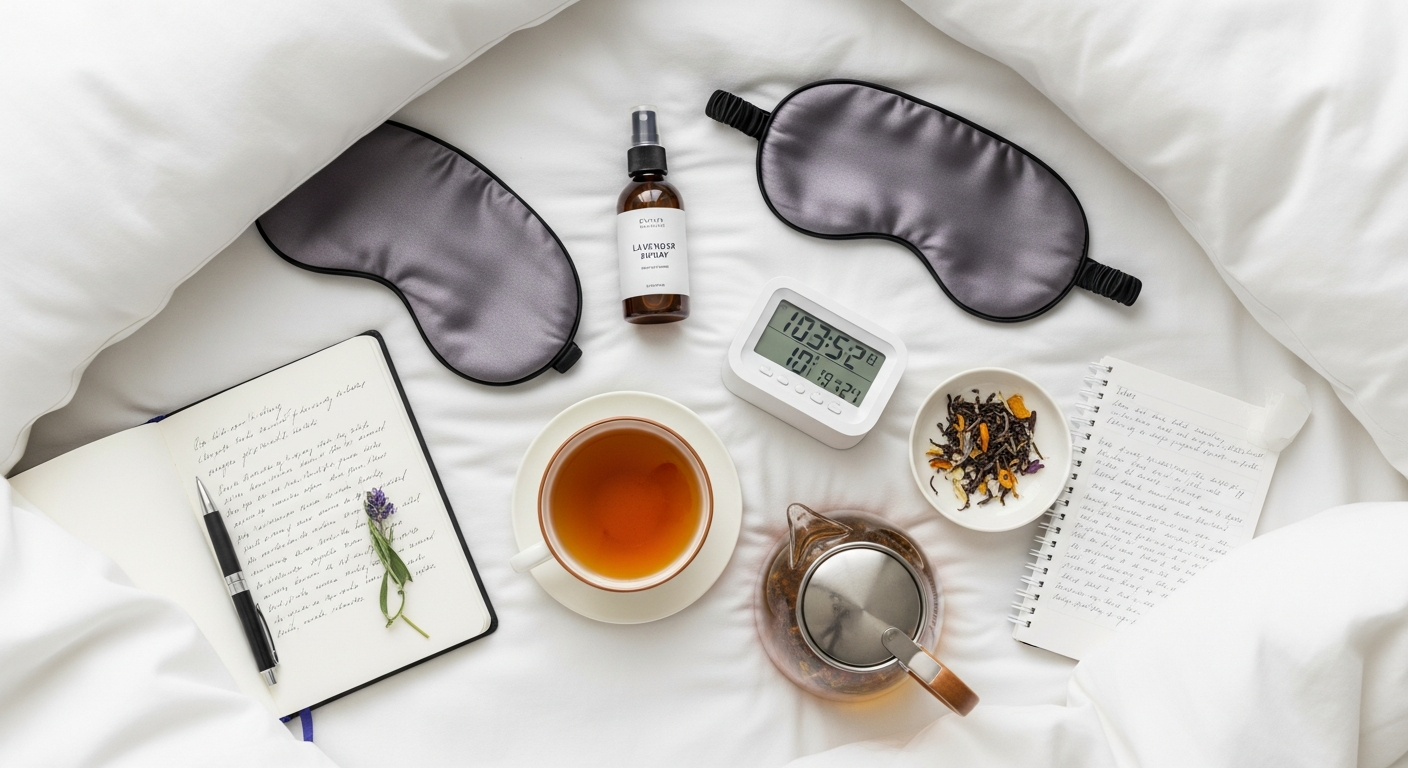
* Journaling: A “brain dump” before bed can be incredibly therapeutic. Write down any lingering worries, tasks for tomorrow, or simply reflect on your day. This helps clear your mind of mental clutter that might otherwise keep you awake.
* Gentle stretching or restorative yoga: Simple stretches can release tension in your muscles and promote a sense of ease.
* A warm bath or shower: The warmth elevates your body temperature, and as it cools afterward, it cues your body for sleep. Add Epsom salts for muscle relaxation or a few drops of calming essential oils.
* Listening to calming music or a podcast: Choose instrumental music, nature sounds, or a soothing spoken-word podcast that isn’t too stimulating.
* Mindfulness or meditation: Even five to ten minutes of focused breathing or a guided meditation can significantly reduce stress and prepare your mind for sleep. Many wonderful apps offer short, sleep-focused meditations.
Finally, consider a soothing herbal tea. Chamomile, valerian root, passionflower, or lemon balm teas are known for their calming properties. Sip it slowly, savoring the warmth and the quiet moment.
Your evening ritual is a personal creation. Experiment with different activities to discover what truly resonates with you and helps you gracefully transition from the day’s demands to a night of profound rest. This cherished routine isn’t just about preparing for sleep; it’s about honoring yourself and setting a beautiful intention for the night ahead.
Nourishing Your Body for Restful Nights
What we put into our bodies throughout the day, and particularly in the hours leading up to bedtime, profoundly impacts the quality of our sleep. Think of your body as a finely tuned instrument; it needs the right fuel and care to perform optimally, especially when it comes to the intricate process of sleep. Nourishing your body for restful nights extends beyond just dinner; it’s a holistic approach to your daily diet and lifestyle choices.
Let’s start with the usual suspects: caffeine and alcohol. While a morning cup of coffee can be a delightful ritual, be mindful of its timing. Caffeine has a half-life of about 5-6 hours, meaning half of the caffeine you consume is still in your system hours later. For many, cutting off caffeine intake by early afternoon (around 2-3 PM) is crucial for an undisturbed night. Similarly, alcohol might initially make you feel drowsy, but it disrupts the restorative stages of sleep later in the night, leading to fragmented rest. It’s best to limit alcohol, especially in the hours before bed. If you choose to indulge, do so in moderation and allow your body ample time to process it before turning in.
Heavy meals close to bedtime can also be detrimental. Your digestive system works hard to process food, and if it’s busy doing so while you’re trying to sleep, it can lead to discomfort, indigestion, and restless nights. Aim to finish your last substantial meal at least 2-3 hours before you plan to go to sleep. If you find yourself hungry later, opt for a light, easily digestible snack like a small banana, a handful of almonds, or a bowl of oatmeal.
Hydration throughout the day is vital for overall health, but timing is key. Drink plenty of water during the day to stay well-hydrated, but consider tapering off your fluid intake an hour or two before bed to minimize nighttime bathroom trips that can interrupt your sleep.
Certain nutrients play a significant role in sleep regulation. Magnesium, for instance, is a mineral known for its muscle-relaxing and calming properties. Incorporate magnesium-rich foods like dark leafy greens (spinach, kale), nuts (almonds, cashews), seeds (pumpkin, chia), and avocados into your diet. Tryptophan, an amino acid, is a precursor to serotonin and melatonin, both crucial for sleep. You can find tryptophan in foods like turkey, chicken, eggs, nuts, and seeds. While a “turkey coma” is largely a myth, ensuring a balanced diet rich in these nutrients supports your body’s natural sleep mechanisms.
Finally, exercise is a powerful sleep aid, but timing matters. Regular physical activity, even moderate walks, can significantly improve sleep quality and duration. It helps reduce stress, regulates your circadian rhythm, and promotes deeper sleep. However, avoid intense workouts too close to bedtime. Vigorous exercise elevates your heart rate and body temperature, which can be stimulating. Aim to complete your more strenuous workouts at least 3-4 hours before sleep. Morning or early afternoon exercise is often ideal for boosting energy during the day and promoting relaxation at night.
By making conscious choices about what and when you eat and drink, and by integrating regular, well-timed physical activity, you’re not just nourishing your body; you’re actively preparing it for the deep, restorative rest it deserves.
Mind Matters: Quieting the Mental Clutter

Perhaps one of the biggest adversaries to a peaceful night’s sleep isn’t a noisy neighbor or a flickering light, but the relentless chatter of our own minds. In our fast-paced lives, our brains are constantly processing information, planning, worrying, and reflecting. This mental clutter, if not managed, can keep us tethered to wakefulness long after our heads hit the pillow. Cultivating a tranquil mind is as essential to sleep hygiene as a comfortable mattress.
Effective stress management during the day is paramount. Persistent stress elevates cortisol levels, a hormone that promotes wakefulness. Explore strategies to mitigate daily stressors:
* Time Blocking: Dedicate specific blocks of time to tasks, including breaks and self-care, to prevent feeling overwhelmed.
* Delegation: Learn to delegate tasks at work and home when possible, easing your mental load.
* Prioritization: Focus on what truly matters and let go of the need to do everything perfectly.
* Regular Breaks: Step away from your desk, stretch, or take a short walk to clear your head throughout the day.
As bedtime approaches, one of the most effective strategies for quieting an overactive mind is a “brain dump” or a to-do list. About an hour or two before bed, take a few minutes to write down everything that’s on your mind. This could be tasks you need to remember for tomorrow, worries that are gnawing at you, or ideas that popped up. The act of transferring these thoughts from your head onto paper can be incredibly freeing, allowing you to mentally “archive” them until morning. You’re giving your brain permission to stop processing and instead, rest. Choose a beautiful journal and a smooth-gliding pen to make this ritual feel like an act of self-care.
Another powerful practice is gratitude. Before you close your eyes, take a moment to reflect on three things you are grateful for from your day, no matter how small. This simple shift in focus from worries to blessings can cultivate a more positive emotional state, making it easier for your mind to relax and embrace peace. It’s a gentle way to reframe your thoughts and invite serenity.
For those who struggle with persistent racing thoughts or anxiety specifically related to sleep, consider exploring Cognitive Behavioral Therapy for Insomnia (CBT-I). This structured, evidence-based approach helps identify and change thought patterns and behaviors that contribute to sleep problems. It’s often considered the gold standard treatment for chronic insomnia and can be incredibly effective in retraining your mind for better sleep. While it typically involves working with a therapist, understanding its principles can inform your self-care practices.
Ultimately, quieting the mental clutter is an ongoing practice, not a one-time fix. It’s about creating space for peace, acknowledging your thoughts without judgment, and gently guiding your mind towards tranquility. By consciously addressing your mental landscape, you are laying the groundwork for a truly restorative night.
Troubleshooting & Advanced Tips for Deeper Slumber
Even with the most meticulously crafted sleep sanctuary and the most consistent evening rituals, there will be nights when sleep feels elusive. It’s a normal part of life, but knowing how to navigate these moments can prevent a single restless night from spiraling into a pattern. Here, we delve into practical troubleshooting and advanced tips to deepen your slumber and build resilience against sleep disruptions.
When you can’t sleep, the worst thing you can do is lie in bed, clock-watching, and worrying about not sleeping. If you find yourself awake for more than 20 minutes, get out of bed. Move to another room and engage in a quiet, non-stimulating activity. This could be reading a physical book under dim light, listening to calming music, or doing some gentle stretches. The key is to avoid screens and any activity that might rev up your brain. Only return to bed when you genuinely feel sleepy again. This practice helps your brain associate your bed with sleep, not with wakefulness and frustration.
Consider the strategic use of napping. While naps can be wonderfully refreshing, their timing and duration are crucial. A short power nap of 20-30 minutes, taken in the early afternoon (before 3 PM), can boost alertness and performance without interfering with nighttime sleep. Longer or later naps, however, can disrupt your circadian rhythm and make it harder to fall asleep at night. Listen to your body and adjust accordingly.
Another powerful, yet often overlooked, tip is maximizing sunlight exposure in the morning. Our circadian rhythm, the internal clock that regulates our sleep-wake cycle, is profoundly influenced by light. Stepping outside for 15-30 minutes of natural light shortly after waking helps suppress melatonin production and signals to your body that it’s daytime, thereby strengthening your sleep-wake cycle. This simple act helps you feel more alert during the day and more naturally sleepy at night.
For those seeking an extra edge, supplements can be considered, but always with caution and ideally after consulting with a healthcare professional.
* Melatonin: This hormone helps regulate sleep, and a low dose (0.5-3mg) can be helpful for short-term use, such as adjusting to a new time zone or resetting your sleep schedule. It’s not a sleep aid to be taken every night long-term without professional guidance.
* Magnesium: As discussed earlier, magnesium can promote muscle relaxation and calm the nervous system. Supplement forms like magnesium glycinate are often well-absorbed and gentle.
* L-Theanine: An amino acid found in green tea, L-Theanine can promote relaxation and focus without causing drowsiness. It’s often taken during the day or early evening to reduce anxiety.
Remember, supplements are meant to complement, not replace, good sleep hygiene practices. Always discuss any new supplements with your doctor to ensure they are appropriate for your individual health needs.
Finally, know when to seek professional help. While these tips can significantly improve sleep for most, persistent sleep issues warrant a visit to your doctor. If you consistently struggle to fall or stay asleep, experience excessive daytime sleepiness, or if your partner notices loud snoring or pauses in your breathing (potential signs of sleep apnea), it’s important to get a professional evaluation. A healthcare provider or a sleep specialist can diagnose underlying conditions and recommend appropriate treatments, ensuring your journey to better rest is fully supported.
Embracing these advanced tips and troubleshooting strategies empowers you to take charge of your sleep, transforming occasional restless nights into rare occurrences and paving the way for consistent, deep slumber.