











Your Ultimate Guide to Styling a Bookshelf in 2026: Elevate Your Home Decor
Welcome, fellow home lover! There’s a special kind of joy that comes from creating a home that truly reflects your soul, a sanctuary where every corner tells a story. And while we often focus on larger furniture pieces or wall art, there’s one often-overlooked area with immense potential for charm and personality: your bookshelf. Far from being just a place to store your beloved novels, a well-styled bookshelf is a dynamic canvas, a miniature gallery within your living space. It’s an opportunity to infuse your room with warmth, texture, and a touch of curated elegance.
In 2026, the art of bookshelf styling is all about intentionality, blending functionality with aesthetic appeal. Gone are the days of simply stacking books shoulder-to-shoulder. Instead, we’re embracing thoughtful arrangements, incorporating meaningful objects, and playing with light and texture to create displays that are both beautiful and deeply personal. Whether you’re a minimalist seeking serene order or a maximalist yearning for rich visual narratives, this comprehensive guide will equip you with the insights and inspiration to transform your bookshelves from mundane to magnificent. Get ready to unlock the secret to styling a bookshelf that not only organizes your literary treasures but also elevates your entire home aesthetic.
The Foundation: Preparing Your Bookshelf Canvas
Before you begin the exciting part of arranging and accessorizing, it’s crucial to lay a solid foundation. Think of your bookshelf as a blank canvas, ready to be transformed into a masterpiece. This initial preparation phase is about decluttering, cleaning, and understanding the inherent style of your bookshelf itself. A little planning here goes a long way in achieving a polished and cohesive look.
Declutter and Curate Your Collection
The first step is often the most therapeutic: take everything off your shelves. Yes, everything! This allows you to truly see the space you’re working with and to re-evaluate your collection. Ask yourself:
- Which books do you truly love and want to display?
- Are there any books you’ve outgrown or no longer need?
- Which decorative objects genuinely spark joy or hold sentimental value?
- Are there items that feel dated, broken, or simply don’t fit your current aesthetic?
This is your chance to donate, gift, or store items that don’t serve your vision for a beautiful display. Remember, less is often more, especially when aiming for a curated, intentional look. Consider storing less visually appealing items, like paperbacks you read once, in decorative boxes or behind cabinet doors if your unit allows.
Clean and Assess Your Shelving Unit
Once empty, give your bookshelf a thorough cleaning. Dust shelves, wipe down any smudges or marks, and ensure it’s sparkling clean. This is also an excellent opportunity to assess the condition of your bookshelf. Is it sturdy? Are there any scuffs or scratches that could be touched up? If your bookshelf feels a bit plain or dated, consider a fresh coat of paint! A bold color on the back panel of a white bookshelf, for instance, can provide a stunning backdrop for your items, adding depth and personality. Brands like Farrow & Ball offer exquisite, rich hues that can instantly elevate the perceived value and style of your unit.
Understand Your Bookshelf’s Architecture
Take a moment to observe the structure of your bookshelf. Is it tall and narrow, or wide and expansive? Does it have fixed shelves or adjustable ones? Are there open backs or solid panels? The architecture of your unit will influence your styling choices. For instance, open-backed shelves might call for a more minimalist approach to avoid a cluttered look against your wall, while deeper shelves allow for more layering. Understanding these features will help you work with your bookshelf, not against it, ensuring a harmonious final result.
Books First: Arranging Your Literary Treasures with Purpose
Now that your canvas is prepped, it’s time to bring your books back into the fold, but with a fresh perspective. Books are the heart of a bookshelf, and how you arrange them can dramatically impact the overall aesthetic. This isn’t just about organization; it’s about creating visual rhythm and flow.
Horizontal Stacks vs. Vertical Rows
The secret to dynamic bookshelf styling lies in varying the orientation of your books. Don’t feel compelled to line every book up vertically. Instead, mix it up!
- Vertical Rows: These are great for filling larger sections and creating a sense of order. Leave a little breathing room between groups of books rather than packing them in too tightly.
- Horizontal Stacks: Stacking books horizontally creates visual breaks and offers a perfect pedestal for a small decorative object, like a delicate ceramic vase or a unique paperweight. Aim for stacks of 2-5 books for the best effect.
By alternating between vertical and horizontal arrangements, you create visual interest and prevent your shelves from looking monotonous. Imagine a shelf with a vertical row of books on the left, a horizontal stack in the middle topped with a small sculpture, and another vertical row on the right. This creates a pleasing asymmetry.
Grouping and Color Coordination
Think about how you group your books. You can group them by:
- Genre or Author: A classic approach that makes finding specific books easy.
- Size and Height: Grouping books of similar heights together can create a neater, more streamlined look.
- Color: This is a popular design choice, especially for those seeking a more aesthetic-driven display. Arranging books by color (rainbow, monochromatic, or by complementary hues) can create a stunning visual impact, turning your books into a work of art themselves. While some purists may scoff, many find it incredibly satisfying and visually cohesive. If you choose this path, consider removing dust jackets from hardcovers to reveal their often more appealing original bindings.
When grouping, remember the “rule of three” or odd numbers for a more natural, less rigid feel. For instance, a stack of three books feels more balanced than a stack of two or four.
Embrace Negative Space
One of the most common mistakes in bookshelf styling is overfilling. Resist the urge to pack every single shelf to its maximum capacity. Negative space – the empty areas around your objects – is just as important as the items themselves. It allows your eyes to rest and gives each item room to breathe and be appreciated. Aim for a balance where your shelves feel curated and thoughtful, not cluttered. Leaving some space on each shelf prevents the display from feeling heavy and overwhelming, inviting the eye to linger on each carefully chosen piece.
The Art of Accessorizing: Curating Your Decorative Elements
Once your books are beautifully arranged, it’s time to introduce the supporting cast: your decorative accessories. These are the elements that add personality, texture, and visual interest, transforming your bookshelf into a reflection of your unique style. The key here is curation – choosing pieces that tell a story and complement your books.
Varying Heights and Shapes
To avoid a flat, uninspired display, play with varying heights and shapes of your accessories. Imagine a tall, slender vase next to a shorter, wider bowl, or a small framed photo leaning against a stack of books. This creates dynamic visual interest and guides the eye across the shelves. Think about:
- Tall Objects: Sculptures, large vases (even empty ones!), or slender candle holders.
- Medium Objects: Small planters, decorative boxes, or unique bookends.
- Low Objects: Trinket dishes, paperweights, or small figurines.
Brands like West Elm and Anthropologie offer an incredible array of unique decorative objects that are perfect for bookshelf styling, from artisanal pottery to sculptural bookends.
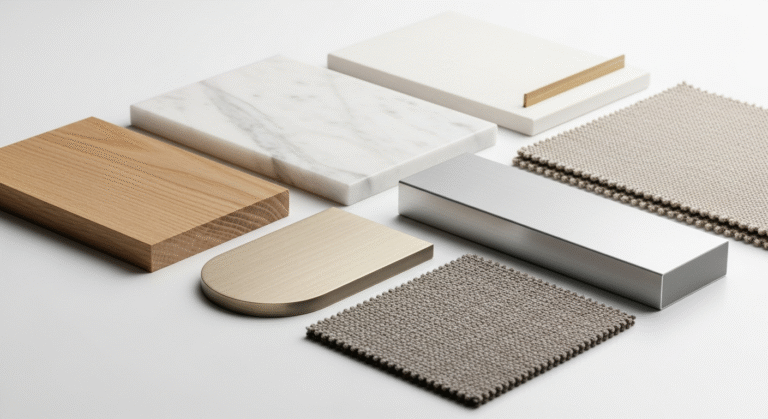
Incorporating Different Textures and Materials
Texture adds depth and richness to your display. Don’t limit yourself to just smooth ceramics or shiny metals. Mix it up!
- Natural Materials: Wood, stone, woven baskets, or dried botanicals bring an organic, grounding feel.
- Metals: Brass, gold, silver, or matte black accents add a touch of sophistication and modern edge.
- Ceramics: Glazed pottery, matte finished vases, or handcrafted bowls offer artisanal charm.
- Glass: Clear or colored glass objects catch the light beautifully, adding sparkle and lightness.
A small marble coaster, a wooden chain link sculpture, or a woven decorative box can introduce delightful tactile elements that make your shelves feel rich and inviting. Consider a small, intricately carved wooden box from a brand like World Market to add global flair, or a sleek metal sculpture from CB2 for a contemporary touch.
Personal Touches and Storytelling
This is where your bookshelf truly becomes yours. Incorporate items that hold personal meaning and tell your story. These could be:
- Travel souvenirs from memorable trips.
- Framed photos of loved ones or cherished moments.
- Handmade items or gifts from friends and family.
- Collection pieces (e.g., vintage cameras, antique keys, unique stones).
These personal touches make your bookshelf feel lived-in, authentic, and uniquely “you.” They invite conversation and allow guests a glimpse into your passions and adventures. Arrange them thoughtfully, perhaps grouping related items together, to create mini-vignettes that evoke a sense of narrative.
Layering and Depth: Creating Visual Interest and Dimension
One of the hallmarks of a professionally styled bookshelf is the illusion of depth and dimension. This isn’t achieved by simply placing items side-by-side, but by layering them. Layering adds richness, complexity, and a sense of thoughtful curation, inviting the eye to explore the display more deeply.
The Power of the Backdrop
Consider what’s at the very back of your shelf. This is your initial layer. It could be:
- Books: Arranged vertically, forming a solid block of color or texture.
- Framed Art: A small piece of artwork, a photograph, or even a decorative mirror can lean against the back of the shelf, creating an instant focal point. Look for abstract pieces or minimalist prints from Etsy artists, or a small gilded mirror from Pottery Barn to reflect light and add elegance.
- Wallpaper or Paint: As mentioned earlier, painting the back of your bookshelf or adding a peel-and-stick wallpaper can create an incredible backdrop, adding pattern or a pop of color that unifies the entire display.
This backdrop sets the stage for everything else you’ll place in front of it.
Mid-Ground Elements
Once your backdrop is in place, introduce mid-ground elements. These are typically your larger decorative objects or horizontally stacked books. They sit in front of the backdrop but still allow parts of it to be seen. Examples include:
- A stack of three coffee table books.
- A medium-sized vase or sculpture.
- A decorative box or basket.
These elements provide substance and help to fill out the shelf, creating a sense of balance and weight. Ensure they don’t completely obscure your chosen backdrop, allowing glimpses of the layer behind.
Foreground Accents
Finally, introduce small, delicate items in the foreground. These are the details that add sparkle and draw the eye in. They sit in front of your mid-ground elements, creating the ultimate sense of depth. Think about:
- A tiny figurine or paperweight placed on top of a book stack.
- A small succulent in a cute pot.
- A delicate crystal or a unique stone.
- A string of beads draped casually.
When layering, always ensure there’s enough negative space to prevent the shelf from feeling overcrowded. The goal is to create a rich tapestry of items, not a jumbled mess. Experiment with different combinations until you achieve a visually appealing arrangement where each piece has its moment to shine while contributing to the overall harmony.
Incorporating Greenery and Life: Bringing Nature Indoors
Adding plants to your bookshelf is like breathing life into your decor. Greenery instantly introduces freshness, vibrancy, and an organic touch that softens hard lines and brings a sense of calm. Whether real or faux, plants are a non-negotiable element for a truly styled bookshelf in 2026.
Choosing the Right Plants
When selecting real plants for your bookshelf, consider their light requirements and growth habits. You’ll want plants that are relatively low-maintenance and don’t grow too quickly or become overly bushy, unless that’s the specific look you’re going for. Excellent choices include:
- Trailing Plants: Pothos, Philodendron, or String of Pearls look stunning cascading down from a top shelf, adding a graceful, organic flow.
- Succulents and Cacti: These are perfect for smaller spaces and require minimal watering. Their unique shapes and textures add sculptural interest.
- Snake Plants (Sansevieria): Upright and architectural, they add height and a modern touch, and are incredibly forgiving.
- ZZ Plants: Known for their glossy, dark green leaves and ability to thrive in low light, making them ideal for shelves that don’t get direct sun.
Always ensure your plant pots have drainage or use a cachepot (a decorative outer pot) to protect your shelves from water damage. Consider stylish planters from brands like The Sill or local nurseries that complement your home’s aesthetic.
The Beauty of Faux Greenery
If you don’t have a green thumb or your shelves are in a low-light area, high-quality faux plants are an excellent alternative. Modern artificial plants have come a long way and can look incredibly realistic, offering all the aesthetic benefits without the maintenance. Look for faux plants with realistic textures and subtle color variations. Faux succulents, small ferns, or even a trailing ivy can add that much-needed touch of green. Brands like Afloral or Pottery Barn often carry very convincing artificial botanicals that can fool even the most discerning eye.
Integrating Plants into Your Vignettes
Think about how plants can enhance your existing arrangements:
- Place a small succulent on a stack of books.
- Let a trailing plant spill over the edge of a shelf.
- Use an upright plant to add height and fill a vertical gap.
- Group a couple of small plants in varying pots for a mini indoor garden feel.
Plants not only add color and life but also introduce an element of the unexpected, breaking up the linearity of books and objects. They are essential for a truly dynamic and inviting bookshelf display.
Lighting Up Your Display: Enhancing Ambiance and Focus
Lighting is a powerful, yet often overlooked, tool in home decor, and it plays a crucial role in elevating your bookshelf styling. Strategic lighting can highlight your favorite pieces, create a warm ambiance, and add a layer of sophistication to your display. In 2026, integrated and decorative lighting solutions are becoming even more accessible and stylish.
Integrated Shelf Lighting
For a truly polished and professional look, consider adding integrated lighting directly to your shelves. This can include:
- LED Strip Lights: Easily installed under each shelf, these provide a subtle, even glow that highlights every item. Many come with remote controls, allowing you to adjust brightness and even color temperature.
- Puck Lights: Small, circular lights that can be adhered to the underside of shelves. Battery-operated options are great for renters or those who prefer not to deal with wiring.
- Picture Lights: While traditionally used over artwork, small picture lights can be mounted above a particularly striking shelf vignette to draw attention to it.
These types of lighting are excellent for creating a museum-like display, making your books and objects pop, especially in the evening. Brands like IKEA and Amazon offer affordable and easy-to-install LED solutions.
Decorative Lamps and Candles
Beyond integrated lighting, smaller decorative lamps and candles can add warmth and charm to your bookshelf:
- Small Table Lamps: A petite table lamp (or even a battery-operated cordless lamp) placed on a wider shelf can provide a soft, ambient glow and act as a beautiful decorative object itself. Look for lamps with interesting bases or unique shades.
- Candles: Pillar candles, taper candles in elegant holders, or even flameless LED candles can add a cozy, inviting atmosphere. Group them in varying heights for visual interest. Always prioritize safety with open flames, especially on bookshelves.
- Fairy Lights: For a whimsical and magical touch, drape a string of delicate fairy lights around a few books or objects. This is particularly lovely for a more eclectic or bohemian aesthetic.
When selecting lighting, consider the overall style of your room. A modern space might benefit from sleek, minimalist LED strips, while a more traditional or cozy room could embrace the warmth of a small brass lamp or the flicker of candles. Lighting adds that crucial layer of ambiance, making your styled bookshelf not just a visual treat but also a source of comfort and warmth.
Color and Texture Play: Crafting a Cohesive Aesthetic
A truly captivating bookshelf doesn’t just display items; it tells a story through its cohesive aesthetic, often achieved through intentional use of color and texture. Thinking about these elements will help you create a display that feels harmonious and visually rich, rather than a random collection of objects.
Defining Your Color Palette
Before you place a single item, consider the dominant color scheme of your room. Your bookshelf should complement, not compete with, this palette. You can approach color in several ways:
- Monochromatic: Stick to varying shades of a single color (e.g., all whites, creams, and grays for a serene look, or different blues for a coastal feel). This creates a sophisticated and calming effect.
- Complementary Colors: Choose two colors opposite each other on the color wheel (e.g., blue and orange, green and pink) to create a vibrant, energetic contrast.
- Analogous Colors: Select colors next to each other on the color wheel (e.g., blues, greens, and teals) for a harmonious and soothing transition.
- Neutral Base with Pops of Color: Use neutral-toned books and accessories as your foundation, then introduce small, impactful pops of a single accent color through a vase, a bookend, or a small plant pot.
Remember, the spine colors of your books are a significant part of your palette. If you find some book colors jarring, consider turning them spine-in for a neutral, page-forward look, or removing dust jackets to reveal more muted hardcover bindings.
Embracing Diverse Textures
Texture adds depth and sensory appeal, preventing your shelves from looking flat. Mix and match different materials to create a tactile experience:
- Smooth and Shiny: Polished metals (brass, chrome), glazed ceramics, glass, or lacquered wood.
- Rough and Organic: Woven baskets, natural wood, terracotta, stone, or raw ceramics.
- Soft and Plush: Small fabric-covered books, a tiny cashmere throw draped over a stack, or velvet-covered decorative boxes.
- Metallic Accents: Gold, silver, or copper elements can add a touch of glamour and catch the light beautifully.
Imagine a shelf with a smooth, white ceramic vase, a stack of books with rough linen covers, a shimmering brass sculpture, and a small, woven basket. This combination of textures creates a visually rich and interesting display that begs to be touched. Brands like H&M Home and Zara Home often have affordable decorative items that are rich in texture and can easily integrate into various color schemes.
By consciously selecting items based on their color and texture, you transform your bookshelf into a cohesive, artful statement that enhances the overall aesthetic of your room.
Personal Touches and Storytelling: Making It Uniquely Yours
While design principles provide a fantastic framework, the true magic of a styled bookshelf lies in infusing it with your unique personality. This is where your home becomes less a showroom and more a reflection of your journey, your passions, and your cherished memories. In 2026, authenticity in design is paramount, and your bookshelf is the perfect stage for telling your story.
Curating with Meaning
Every item on your bookshelf should ideally have a reason for being there, beyond just looking pretty. These reasons are what give your display soul:
- Travel Mementos: A small ceramic bowl from a trip to Italy, a carved wooden animal from an African safari, or a seashell from a beloved beach vacation. These pieces instantly transport you and spark memories.
- Family Heirlooms: A vintage camera passed down through generations, your grandmother’s delicate teacup, or a small, framed photo of a significant family event. These connect you to your past and add a layer of history.
- Hobby-Related Items: If you’re a photographer, a vintage lens; if you love gardening, a beautiful seed packet collection; if you’re a musician, a small, decorative instrument or sheet music.
- Artisan Finds: Support local artists or craftspeople by displaying unique, handmade pieces that resonate with you. These often have wonderful stories behind their creation.
Don’t just place these items; arrange them in thoughtful vignettes. For instance, group a travel souvenir with a book about that destination, or place a family photo next to a piece of art that evokes a similar feeling. This creates mini-narratives within your larger display.
Allowing for Evolution
Your life isn’t static, and neither should your bookshelf be. Embrace the idea that your display will evolve over time. As you acquire new books, travel to new places, or simply change your personal style, your bookshelf should reflect these shifts. This isn’t a one-and-done project; it’s an ongoing dialogue with your home. Think of it as a living gallery.
- Seasonal Swaps: Introduce seasonal elements like small pumpkins in autumn, fresh flowers in spring, or holiday-themed trinkets in winter.
- New Finds: Don’t be afraid to swap out older accessories for new treasures you discover.
- Rearranging: Sometimes, simply moving items around can give your bookshelf a fresh new look without buying anything new.
The goal is to create a bookshelf that feels authentic and deeply personal. It’s a space that should bring you joy every time you look at it, a true reflection of the beautiful life you’re building within your home. Let your bookshelf be a testament to who you are, what you love, and the stories you want to share.
Bookshelf Styling Comparison Table: Approaches & Impact
To help you visualize different styling philosophies, here’s a comparison of common approaches and their typical impact on a room’s aesthetic.
| Styling Approach | Key Characteristics | Typical Items Used | Aesthetic Impact | Best For |
|---|---|---|---|---|
| Minimalist & Serene | Abundant negative space, neutral colors, few highly curated items. | White/light-colored books (or spine-in), simple ceramics, single plant, minimalist art. | Calm, uncluttered, sophisticated, airy. | Modern, Scandinavian, serene spaces. |
| Eclectic & Bohemian | Mix of textures, global finds, vibrant colors, personal collections. | Varied book arrangements, travel souvenirs, woven baskets, trailing plants, patterned textiles. | Lived-in, artistic, cozy, adventurous. | Boho, global-inspired, creative homes. |
| Curated Classic | Balanced symmetry, traditional materials, emphasis on quality over quantity. | Leather-bound books, brass accents, framed photos, classic sculptures, fresh flowers. | Elegant, timeless, refined, established. | Traditional, transitional, formal living rooms. |
| Modern & Architectural | Clean lines, sculptural objects, monochromatic or bold color blocking, geometric patterns. | Art books, metal objects, abstract sculptures, sleek vases, graphic prints. | Contemporary, bold, structured, avant-garde. | Contemporary, industrial, urban lofts. |
| Cozy & Hygge | Warm textures, soft lighting, comfortable objects, sentimental items. | Well-loved books, scented candles, small throws, wooden elements, personal photos. | Inviting, comforting, warm, intimate. | Farmhouse, rustic, cozy reading nooks. |
Key Takeaways
- Declutter and Prepare: Start with a clean, empty canvas, curating your books and objects before styling.
- Vary Orientation & Height: Mix vertical book rows with horizontal stacks, and use accessories of different heights and shapes to create visual interest.
- Embrace Negative Space: Don’t overcrowd your shelves; allow breathing room for each item to shine and prevent a cluttered look.
- Layer with Intention: Build depth by placing larger items at the back, medium items in the middle, and smaller accents in the foreground.
- Infuse Personality: Incorporate meaningful personal items, greenery, and strategic lighting to tell your unique story and add warmth.
Frequently Asked Questions
Q: How do I make my bookshelf look cohesive if my books are all different colors and sizes?
A: To create cohesion, try grouping books by size or color, or even turning some books spine-in for a neutral look. You can also use unifying elements like consistent accessory colors (e.g., all brass or all white ceramics) or a specific plant type to tie everything together. Removing dust jackets from hardcovers often reveals more subdued, cohesive bindings.
Q: What’s the “rule of three” and how does it apply to bookshelf styling?
A: The “rule of three” suggests that objects arranged in odd numbers (especially three) are more visually appealing and memorable than even-numbered groupings. On a bookshelf, this means grouping items like three vases of varying heights, a stack of three books, or three small sculptures together on a shelf. It creates a natural, balanced, and dynamic arrangement.
Q: I have too many books! How can I style a bookshelf without it looking cluttered?
A: If you have an extensive collection, consider a “book-heavy” approach where books dominate, but still incorporate styling principles. Use decorative bookends, intersperse small objects within vertical rows, and create horizontal stacks topped with one or two small items. Utilize decorative boxes to hide less attractive paperbacks or excess items. Most importantly, ensure you still leave some negative space on each shelf and rotate your displayed books periodically.
Q: Should I color-code my books? Is it a design faux pas?
A: Color-coding your books is a personal design choice and certainly not a faux pas if it brings you joy and fits your aesthetic! While some traditionalists prefer grouping by genre or author, color-coding can create a stunning visual impact, especially in modern or minimalist spaces. If you love the look, go for it! It’s your home, after all.
Q: How often should I refresh my bookshelf styling?
A: There’s no strict rule, but refreshing your bookshelf seasonally or whenever you feel your space needs a lift is a great idea. Even small changes, like swapping out a plant, adding a new decorative object, or simply rearranging existing items, can make a big difference. Think of it as an evolving art installation in your home.
As we’ve explored, styling a bookshelf is far more than just finding a spot for your books; it’s an artistic endeavor that allows you to express your creativity, showcase your personality, and elevate the entire feel of your home. By thoughtfully combining books with curated accessories, layering elements for depth, and adding touches of greenery and light, you can transform a simple piece of furniture into a captivating focal point.
Remember, the most beautiful bookshelves are those that tell a story – your story. Don’t be afraid to experiment, to move things around, and to let your display evolve with you. Embrace the process, have fun with it, and create a bookshelf that not only holds your literary treasures but also reflects the warmth and beauty of your unique home in 2026 and beyond. Happy styling!
Curated with passion by Eleanor Vance, Lead Designer at Rock Salt Plum.