













The Art of the Eclectic Home: A Guide to Mixing Furniture Styles with Grace and Charm
Why Embrace the Eclectic? The Joys of a Curated Home
Before we dive into the “how-to,” let’s chat about the “why.” Why should you even consider mixing furniture styles when a uniform look feels so safe and straightforward? The answer, my dears, is deeply personal and utterly liberating.
Firstly, an eclectic home is a home with soul. It speaks volumes about the people who live there, reflecting their travels, their passions, their heirlooms, and their evolving tastes. Each piece becomes a conversation starter, a memory, or a dream realized. It allows your personality to shine through in ways that a perfectly matched set simply cannot. Think of it as composing a beautiful symphony rather than playing a single note repeatedly.
Secondly, mixing styles offers incredible longevity and adaptability. Trends come and go, but a well-curated collection of diverse pieces stands the test of time. If you fall in love with a new piece, or inherit a beloved family treasure, it can easily find its place within an eclectic scheme without disrupting the entire aesthetic. This approach encourages mindful consumption, allowing you to invest in quality pieces you truly adore, rather than feeling pressured to replace everything when styles shift.
Thirdly, it’s immensely practical. Perhaps you’ve moved from a grand Southern estate to a chic city apartment, or vice-versa, and your existing furniture doesn’t quite “fit” the new architectural style. Mixing allows you to bring your cherished pieces along, integrating them into a fresh context. It also makes furnishing a home less daunting, allowing you to acquire pieces gradually, perhaps a flea market find here, a custom-made sofa there, and an antique shop gem when the moment strikes. It’s about building a home that grows with you, evolving gracefully over the years, much like a well-tended garden. This approach allows you to create a home that truly feels like a warm embrace, full of character and personal history, rather than a page out of a catalog.
The Bedrock of Blending: Core Principles for Harmonious Mixing
1. The Unifying Thread: Color Palette
Perhaps the most powerful tool in your mixing arsenal is a cohesive color palette. Even if your furniture spans centuries and continents, a carefully chosen color scheme will tie everything together beautifully.
* Choose a Dominant and Accent Colors: Start with a neutral base (think soothing creams, gentle grays, or warm whites) for larger pieces like walls and major upholstery. Then, select two or three accent colors that you love and repeat them throughout the room.
* Echoing Hues: Pick up a color from a vibrant abstract painting and echo it in throw pillows on a classic Chesterfield sofa. Find a subtle shade in an antique Persian rug and use it in a modern ceramic vase. This repetition creates a visual rhythm that guides the eye and makes disparate pieces feel like they belong together.
* Warm and Cool Balance: Pay attention to the undertones of your colors. Balancing warm tones (reds, oranges, yellows) with cool tones (blues, greens, purples) creates depth and interest. A room entirely in cool tones can feel sterile, while one solely in warm tones might feel overwhelming.
2. The Dance of Dimensions: Scale and Proportion
Scale and proportion refer to the size of objects in relation to each other and to the room itself. This is where many aspiring mixers can stumble, so pay close attention.
* Room Size Matters: A grand, oversized sectional might overwhelm a small living room, no matter how stylish it is. Conversely, delicate, small-scale pieces can look lost in a spacious open-plan area.
* Balance Visual Weight: An antique armoire, for instance, has significant visual weight. Balance it with lighter, more open pieces elsewhere in the room, like a glass-top coffee table or an airy modern armchair. Avoid grouping too many heavy pieces together, or the room will feel dense and uninviting.
* Vary Heights: Introduce furniture and decor at different heights to keep the eye moving. A tall bookshelf, a mid-height console, and a low-slung coffee table create visual interest and prevent the room from feeling flat.
3. The Sensory Experience: Texture and Finish
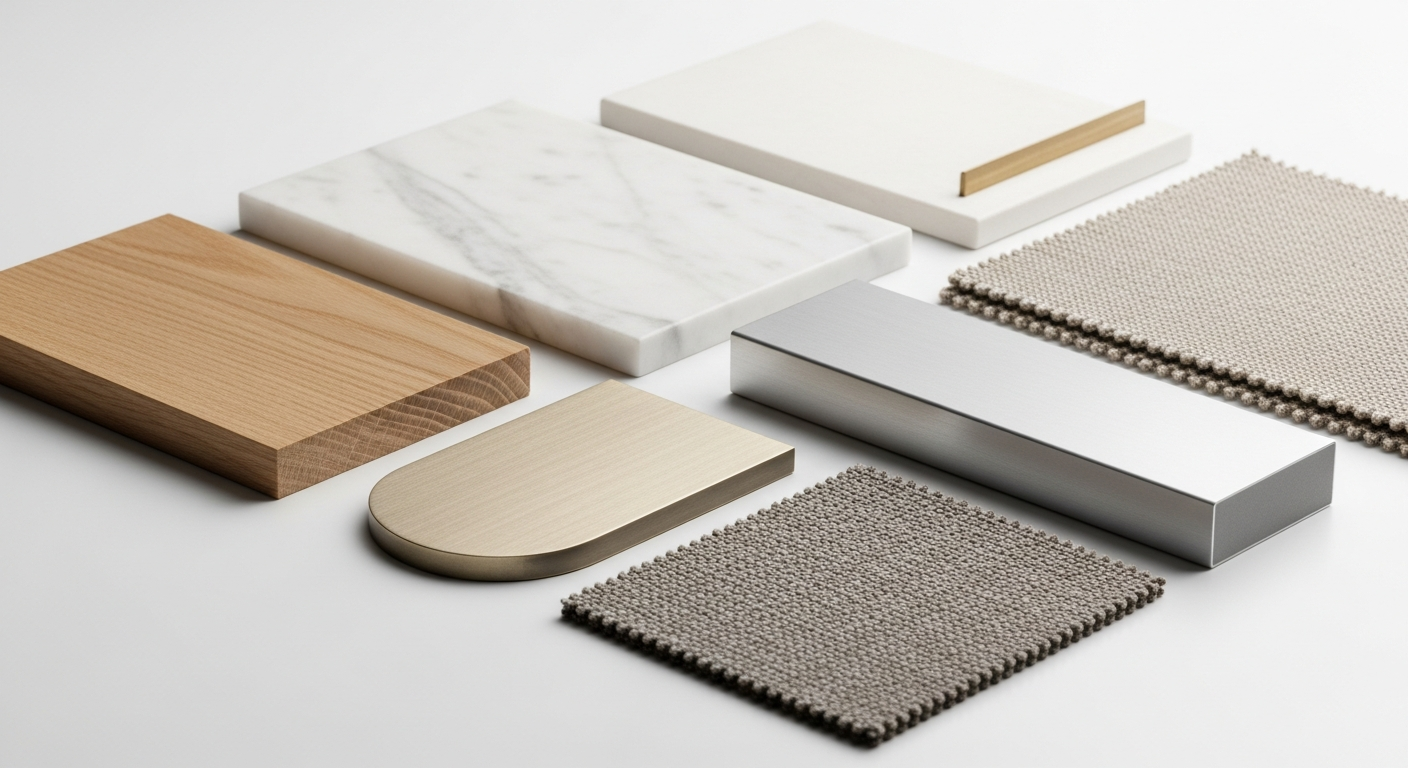
Texture is the unsung hero of mixed-style interiors. It adds depth, warmth, and a tactile richness that elevates a space from merely decorated to truly designed.
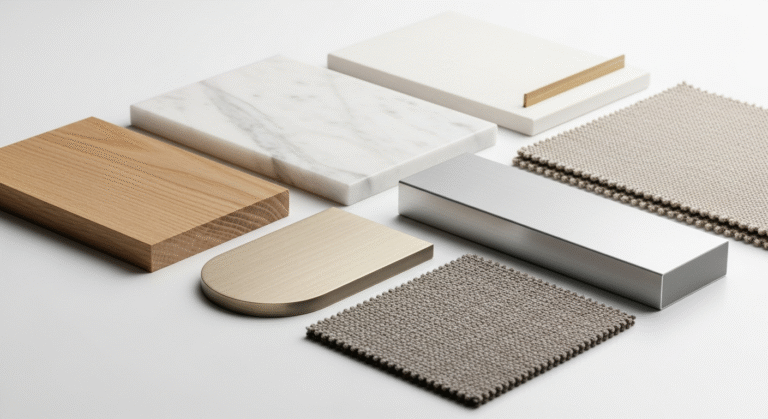
* Layer, Layer, Layer: Combine smooth, sleek surfaces (polished metal, glass, lacquered wood) with rough, organic textures (burlap, linen, sisal, raw wood, stone). Imagine a velvet sofa against a rough-hewn wooden coffee table, or a chunky knit throw draped over a minimalist armchair.
* Wood Tones and Finishes: Don’t be afraid to mix wood tones! The key is to ensure there’s enough variation to be interesting but not so much that it looks accidental. Pair a dark walnut credenza with a light oak dining table, or a distressed pine farmhouse bench with a sleek cherrywood side table. The common thread here can be other elements like color or scale.
* Metals and Materials: Mix metals too! Gold, silver, brass, and wrought iron can coexist beautifully. The trick is to have one dominant metal and use the others as accents, or to repeat them in different forms. For example, a brass chandelier, a chrome lamp, and iron cabinet pulls can all work together if they’re thoughtfully placed.
4. The Heart of the Room: Focal Points
Every room needs a star, a focal point that immediately draws the eye and anchors the space. In a mixed-style room, this is even more crucial.
* Identify Your Star: This could be a dramatic fireplace, a stunning piece of art, a uniquely shaped window, or a magnificent antique armoire.
* Arrange Around It: Once you’ve identified your focal point, arrange your furniture in a way that highlights it and allows for comfortable conversation and flow. Other pieces should complement, not compete with, your star.
* Create Multiple Focal Points: In larger rooms, you might have two or three focal points that create distinct zones within the space, each with its own character but linked by your overarching design principles.
Crafting Your Signature Blend: A Step-by-Step Approach
Now that we understand the foundational principles, let’s walk through how to apply them. This isn’t about rigid rules, but a thoughtful process to build a home that genuinely feels like you.
Step 1: Discover Your Core Aesthetic(s)
Before you start shopping or rearranging, take some time to understand your own preferences. What styles truly resonate with you?
* Gather Inspiration: Create a Pinterest board, tear pages from magazines, or save images you love. Don’t limit yourself to one style. Do you adore the clean lines of Mid-Century Modern, the grandeur of Traditional, the cozy comfort of Farmhouse, the global flair of Bohemian, or the minimalist chic of Scandinavian?
* Identify Commonalities: Look for recurring themes in your inspiration. Are you drawn to natural materials, ornate details, bold colors, or subdued palettes? This will help you define your dominant style (the majority of your furniture) and one or two complementary secondary styles (for your accent pieces). For Rock Salt Plum, we often lean into a “Southern modern traditional” or “elegant rustic” vibe.
Step 2: Choose Your Anchor Pieces
Start with the largest, most foundational pieces in each room. These often dictate the overall feeling and scale.
* Living Room: Your sofa is often the anchor. It could be a classic Chesterfield, a sleek modern sectional, or a comfy slipcovered piece.
* Dining Room: The dining table is the heart. A rustic farm table, a glass-top modern design, or a grand antique pedestal table.
* Bedroom: The bed frame or a substantial dresser can serve as your anchor.
These anchor pieces often represent your dominant style, providing a stable base from which to launch your mixing adventures. For instance, a classic rolled-arm sofa provides a beautiful counterpoint for a sleek, contemporary coffee table.
Step 3: Introduce Your Complementary Styles Thoughtfully
Once your anchors are in place, it’s time to weave in pieces from your secondary styles. This is where the magic truly happens.
* Start Small: Don’t feel you need to overhaul everything at once. Begin with accessories, lighting, or smaller furniture pieces like accent chairs, side tables, or console tables.
* Look for Shared Characteristics: Even if pieces are from different eras, they might share a common material (wood, metal), a similar shape (curved lines, geometric forms), or a complementary color. This is your secret weapon for cohesion. A modern lamp with a graceful, curved base can feel right at home next to a vintage vanity with similar elegant curves.
* Opposites Attract, with Intention: Don’t be afraid to introduce deliberate contrasts. A rough-hewn wooden bench can look stunning when paired with delicate, upholstered dining chairs. The tension between the two creates visual interest and sophistication.
Step 4: Layer with Textiles, Art, and Accessories
These are the elements that truly tie a mixed-style room together and infuse it with personality.
* Textiles: Rugs, curtains, throw pillows, and blankets are your best friends. Use them to introduce color, pattern, and texture, and to soften the edges between different furniture styles. A vintage Kilim rug can ground a modern living room, or linen drapes can bring a touch of natural softness to a formal dining room.
* Art: Art is incredibly versatile. A gallery wall featuring a mix of modern prints, antique etchings, and personal photographs can effortlessly bridge styles. A large, contemporary abstract piece can instantly modernize a room filled with traditional furniture.
* Accessories: This is your chance to showcase your personality. Books, plants, pottery, sculptures, and collected treasures from your travels can be displayed on shelves, coffee tables, and console tables. Group similar items (e.g., all white ceramics, or a collection of antique brass objects) to create a cohesive display, even if the objects themselves are diverse. Think of displaying cherished family photos in modern frames on a vintage side table.
Step 5: Trust Your Eye and Experiment
Design is an iterative process. Don’t be afraid to move things around, try different arrangements, and live with your choices for a bit before making final decisions.
* Step Back and Observe: After arranging, step out of the room and then re-enter with fresh eyes. What feels right? What feels off?
* Take Photos: Sometimes a photograph can reveal imbalances or areas that need adjustment more clearly than seeing it in person.
* Seek Feedback: Ask a trusted friend whose style you admire for their honest opinion.
Remember, the goal is not perfection, but a home that feels authentic, comfortable, and beautiful to you.
Inspiring Combinations: Mixing Styles That Sing
Let’s explore a few beloved style pairings that illustrate how beautifully different aesthetics can intertwine to create a rich, inviting atmosphere.
1. Modern & Antique: The Best of Both Worlds
This is perhaps the most classic and rewarding mix. The clean lines and often minimalist forms of modern furniture provide a perfect backdrop for the ornate details and rich history of antique pieces.
* Example: A sleek, low-slung Mid-Century Modern sofa paired with an ornate 18th-century French commode as a side table or console. The contrast is striking, yet the common thread of fine craftsmanship often ties them together. Add a contemporary abstract painting above the commode to further bridge the gap.
* Product Idea: A Danish modern dining table surrounded by classic Chippendale chairs (perhaps updated with a fresh, contemporary fabric). The juxtaposition is unexpected and chic.
* Rock Salt Plum Touch: Imagine a grand, traditional Southern dining room with a crystal chandelier, but instead of all matching antique chairs, a few are replaced with sleek, upholstered dining chairs from the 2026 furniture collections, offering comfort and a surprising modern edge.
2. Industrial & Farmhouse: Rustic Charm Meets Urban Edge
This pairing celebrates raw materials and utilitarian forms, creating spaces that are both robust and welcoming.
* Example: A distressed farmhouse dining table made of reclaimed wood, surrounded by industrial-style metal chairs. The warmth of the wood balances the coolness of the metal.
* Product Idea: An open shelving unit made of black pipe and reclaimed wood planks, holding delicate porcelain dishes and artisanal pottery.
* Rock Salt Plum Touch: Picture a cozy breakfast nook with a sturdy, rustic farmhouse bench and a round pedestal table, brightened by a sleek, black-finished industrial pendant light overhead and soft linen cushions. It’s practical, stylish, and oh-so-inviting.
3. Bohemian & Traditional: Global Eclecticism with Refined Roots
Bohemian style brings a global, free-spirited, and often colorful energy, while traditional grounds it with structure and classic comfort.
* Example: A classic wingback armchair (traditional) upholstered in a rich velvet, adorned with a vibrant, embroidered throw pillow and an intricate macrame wall hanging (bohemian) nearby.
* Product Idea: A traditional mahogany barrister bookcase filled with travel souvenirs, eclectic art, and lush houseplants.
* Rock Salt Plum Touch: Imagine a sun-drenched living room with a classic damask wallpaper (a subtle nod to tradition), but instead of formal seating, it features plush floor cushions, a Moroccan pouf, and a mix of patterned rugs, creating a layered, inviting space perfect for afternoon tea or intimate gatherings.
4. Scandinavian & Glam: Understated Chic with a Touch of Sparkle
Scandinavian design emphasizes clean lines, natural materials, and functionality. Glam adds a touch of luxury, shine, and sophistication.
* Example: A minimalist, light wood Scandinavian credenza topped with a vintage gold-leaf mirror and a sparkling crystal lamp.
* Product Idea: A sleek, grey upholstered sofa (Scandinavian) accented with velvet pillows and a polished brass coffee table (Glam).
* Rock Salt Plum Touch: A bedroom featuring a simple, platform bed with crisp white linens (Scandinavian) is elevated by an antique mirrored nightstand, a faux fur throw, and perhaps a delicate chandelier. It’s serene yet utterly luxurious.
Your Home, Your Story: A Timeless Masterpiece
My dear friends, the art of mixing and matching furniture styles is more than just a design technique; it’s an invitation to infuse your home with your very essence. It’s about creating spaces that feel authentic, lived-in, and deeply personal—a true reflection of who you are and the life you cherish. From the grandeur of a Southern estate to the coziness of a modern bungalow, every home can benefit from this thoughtful approach.
Remember, your home is not just a place to live; it’s the backdrop to your most precious memories, the stage for joyful gatherings, and the sanctuary where you find peace. By embracing the eclectic, you’re not just decorating; you’re storytelling, building a legacy of beauty, comfort, and unique charm. So, go forth with confidence, experiment with joy, and create a home that truly sings your song. We can’t wait to see the beautiful spaces you create, full of grace, charm, and that undeniable Rock Salt Plum elegance.