




























The Art of Tranquility: Designing a Home That Nurtures Your Soul
The Foundation of Serenity: Decluttering with Intention
Before we can infuse our homes with peace, we must first clear away what no longer serves us. Clutter, both visible and hidden, creates mental noise and drains our energy. It’s not about minimalism for minimalism’s sake, but about creating space for what truly matters. Think of it as preparing a clean canvas for your masterpiece of tranquility.
Start Small, Stay Consistent
The thought of decluttering an entire home can feel overwhelming, so let’s approach it with a touch of Southern grace: one drawer, one shelf, one corner at a time. Choose a small area that often causes you stress – perhaps your bedside table, the kitchen counter, or a cluttered entryway. Dedicate just 15-20 minutes a day, or an hour a week, to this focused task. The key is consistency, not perfection.
The “Does It Spark Joy?” & “Does It Serve My Peaceful Home?” Test
As you go through items, ask yourself two questions: “Does this item genuinely spark joy or serve a practical purpose?” and “Does this item contribute to the calm, peaceful home environment I’m trying to create?” If the answer is no to both, it’s time to let it go. This isn’t about guilt; it’s about making conscious choices for your well-being.
Thoughtful Storage Solutions
Once you’ve decluttered, intentional storage becomes your best friend. Choose solutions that are both functional and beautiful. Woven baskets, elegant lidded boxes, and built-in shelving can hide away essentials while adding texture and warmth. In the kitchen, clear containers for pantry staples not only look organized but also make cooking a more serene experience. For paperwork, a stylish filing cabinet or a simple folder system can keep surfaces clear. Remember, “a place for everything, and everything in its place” is a mantra for peace, not just tidiness.
Harmonizing Your Hues: The Psychology of Color & Light

Embrace a Soothing Color Palette
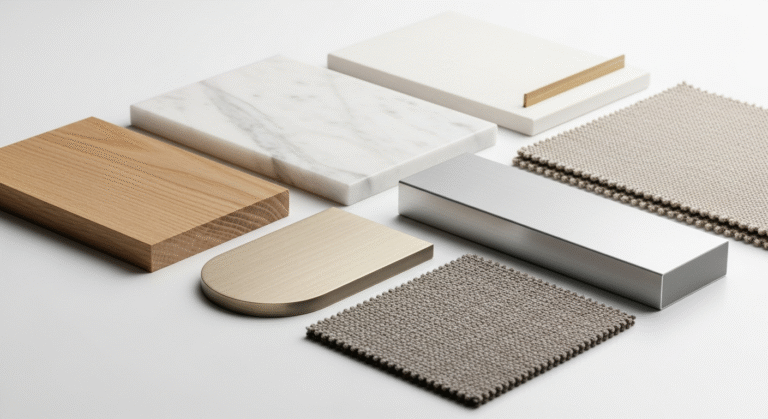
Think of colors that remind you of nature’s tranquility: soft blues, gentle greens, warm grays, and creamy whites. These hues have a calming effect and create a sense of expansiveness and serenity. You don’t need to repaint every wall; consider accent walls, throw pillows, rugs, and artwork in these calming tones. A monochromatic scheme, using varying shades and textures of a single calming color, can create a sophisticated and deeply peaceful ambiance. For example, layers of creamy whites, linen beiges, and soft taupes can feel incredibly luxurious and restful.
Master the Art of Layered Lighting
Harsh, overhead lighting can feel clinical and stress-inducing. Instead, aim for layered lighting that offers flexibility and warmth.
- Natural Light: Maximize natural light wherever possible. Keep windows unobstructed, use sheer curtains or blinds that allow diffused light, and place mirrors strategically to reflect light and make rooms feel brighter and more open.
- Ambient Lighting: This is your general, soft glow. Think dimmable overhead fixtures or wall sconces. Warm-toned light bulbs (2700-3000 Kelvin) are key for creating a cozy, inviting atmosphere.
- Task Lighting: For reading or focused work, specific task lighting is essential. A beautiful table lamp by your favorite armchair or an elegant floor lamp beside your desk provides focused light without disturbing the overall calm.
- Accent Lighting: Use small lamps or puck lights to highlight artwork, plants, or architectural features, adding depth and interest to a room.
Dimmers are a game-changer, allowing you to adjust the mood instantly, from bright and airy during the day to soft and intimate in the evening.
Sensory Serenity: Engaging Sight, Sound, Smell, and Touch
Our homes are experienced through all five senses, and consciously addressing each one can elevate a space from merely functional to truly restorative.
Visual Calm: Beyond Color
While color is crucial, visual calm extends to the shapes, lines, and textures in a room. Opt for furniture with soft curves and clean lines rather than sharp angles. Arrange objects in odd numbers (groups of three or five) for a natural, pleasing aesthetic. Ensure pathways are clear and sightlines are unobstructed, allowing the eye to rest and move freely through the space. Embrace symmetry where it feels right, like a pair of lamps on a console table, to create a sense of balance.
A Symphony of Silence (and Gentle Sounds)
Noise pollution, even subtle background hums, can contribute to stress. Identify sources of unwanted noise – perhaps a busy street, a loud appliance, or even a chattering neighbor.
- Soundproofing: Consider heavy drapes, upholstered furniture, rugs, and even wall art to absorb sound. Weatherstripping around doors and windows can also make a significant difference.
- Embrace Gentle Sounds: Once external noise is minimized, introduce calming sounds. A small indoor water fountain offers a soothing trickle. Soft, instrumental music or nature sounds (like ocean waves or gentle rain) can create an auditory balm. Even the quiet tick of a grandfather clock can be a comforting, rhythmic presence.
Aromatherapy for the Soul: Scents that Soothe
Our sense of smell is powerfully linked to memory and emotion. Harness this to create a home that smells as good as it feels.
- Natural Scents: Opt for natural, subtle fragrances. Diffusers with essential oils like lavender (for relaxation), frankincense (for grounding), bergamot (for upliftment), or cedarwood (for warmth) can transform the atmosphere.
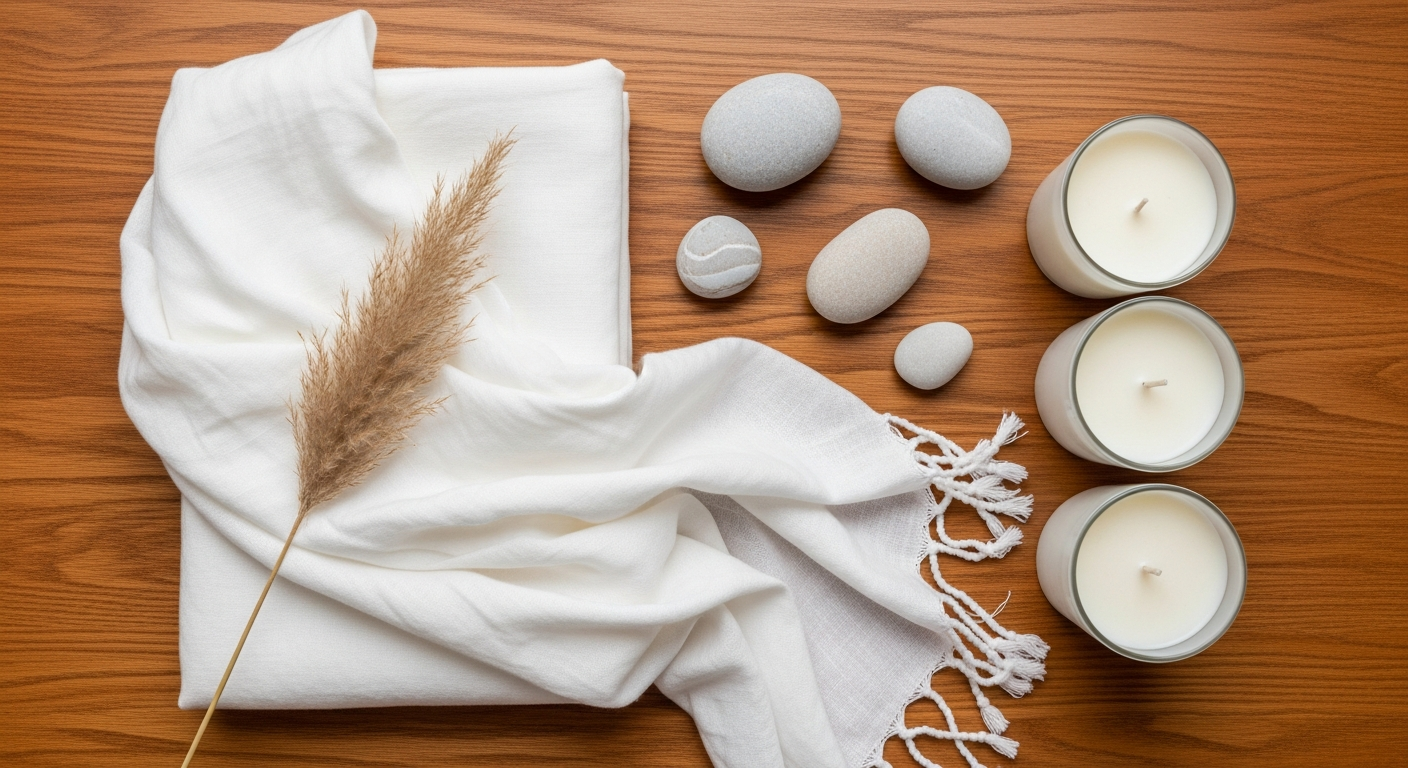
- Candles & Incense: Choose high-quality soy or beeswax candles with natural essential oil blends. Avoid synthetic fragrances that can be overpowering or artificial. A beautifully scented candle can be a ritual in itself, signaling a moment of quiet reflection.
- Fresh Air: Don’t underestimate the power of simply opening windows to let in fresh air, especially after cooking or first thing in the morning.
The Comfort of Touch: Textures and Textiles
The tactile experience of your home is vital for comfort and coziness.
- Luxurious Textiles: Layer your spaces with soft, inviting textures. Think plush velvet pillows, a chunky knit throw, linen bedding, or a cashmere blanket draped over an armchair. These invite you to sink in and relax.
- Natural Materials: Incorporate wood, stone, wool, and cotton. These natural elements feel good to the touch and add an organic, grounding quality to your home.
- Barefoot Comfort: Consider soft rugs underfoot in living areas and bedrooms, inviting you to kick off your shoes and truly unwind.
Bringing the Outside In: Nature’s Calming Touch
Connecting with nature has a profound impact on our mental and physical well-being. Infusing your home with natural elements is one of the most effective ways to cultivate a peaceful atmosphere.
The Power of Plants
Indoor plants do more than just add a touch of green; they purify the air, boost mood, and create a sense of vitality. Choose low-maintenance varieties if you’re new to plant care.
- Snake Plant (Sansevieria): Incredibly hardy, tolerates low light, and purifies air.
- Pothos: Easy to grow, beautiful trailing vines, and adaptable to various conditions.
- ZZ Plant (Zamioculcas zamiifolia): Drought-tolerant and thrives on neglect, perfect for busy individuals.
- Peace Lily: Elegant white blooms, good air purifier, and signals when it needs water (a gentle droop).
Group plants together to create a lush, mini-oasis, or place a single, striking specimen in a prominent spot. Consider beautiful planters that complement your decor.
Natural Materials and Elements
Beyond living plants, incorporate natural materials into your decor.
- Wood: From furniture to decorative accents, wood brings warmth and an organic feel. Consider a rustic wooden bowl for fruit or a reclaimed wood coffee table.
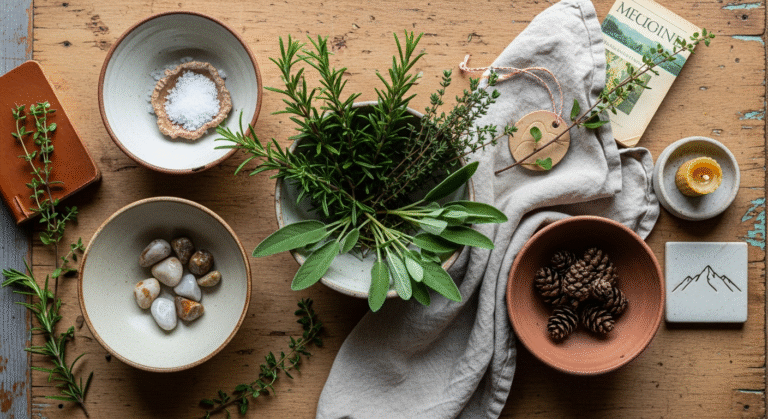
- Stone: A small stone sculpture, a ceramic vase, or even a collection of smooth river rocks can add an earthy, grounding presence.
- Water: As mentioned, a small indoor water feature can add both visual and auditory serenity.
- Natural Light: We’ve touched on this, but it bears repeating. Maximize it, embrace it, let it flood your spaces.
Views of the Outdoors
If you have a beautiful view, frame it. Keep windows clean and treatments simple. If your view isn’t ideal, create one – perhaps a small balcony garden, a window box, or a carefully curated indoor plant display that draws the eye. Even a piece of art depicting a serene landscape can serve as a “window” to nature.
Mindful Layout & Flow: Creating Spaces for Ease
The way your furniture is arranged and how you move through your home significantly impacts your sense of ease and calm. A well-designed layout promotes effortless movement and creates zones for different activities.
Clear Pathways & Unobstructed Flow
Imagine walking through your home with your eyes closed (safely, of course!). Are there obstacles? Do you have to navigate around furniture? Clear pathways promote a feeling of openness and reduce subconscious friction. Ensure there’s ample space to move between furniture pieces, especially in high-traffic areas. This creates a sense of freedom and reduces mental clutter.
Define Zones for Purpose and Peace
Even in open-concept homes, defining distinct zones for different activities can bring a sense of order and calm.
- The Rest Zone: Your bedroom should be unequivocally for rest and intimacy. Keep work-related items out. Design it to be a true sanctuary.
- The Social Zone: Living rooms and dining areas are for connection and gathering. Arrange seating to encourage conversation.
- The Work Zone: If you work from home, create a designated workspace, even if it’s just a corner desk. When you’re done for the day, visually “close” it off – put away papers, turn off the computer.
- The Recharge Zone: This could be a cozy reading nook, a meditation corner, or simply a comfortable armchair by a window. This dedicated spot signals to your brain that it’s time to unwind.
Furniture Placement for Harmony
Arrange furniture to create balance and intimacy. In living rooms, avoid pushing all furniture against the walls; instead, float pieces to create conversational groupings. Ensure furniture is proportionate to the room size – too many small pieces can look cluttered, while too few large pieces can feel stark. Consider the “feng shui” principles of creating good energy flow (chi), often focusing on command positions and balanced elements.
The Ritual of Rest: Cultivating Daily Moments of Calm
A peaceful home isn’t just about static design; it’s about the living, breathing rhythms and rituals you create within its walls. These daily practices transform your space into a true partner in your well-being.
Designate a “Slow Down” Space
Beyond your bedroom, identify a specific spot in your home dedicated solely to unwinding. This might be an armchair by a window, a cushioned bench, or a small corner with a plush rug and a floor pillow. Stock it with items that encourage relaxation: a comforting blanket, a good book, a journal, or a diffuser. The mere act of sitting in this designated spot can signal to your mind and body that it’s time to pause.
Create Mindful Morning & Evening Routines
Your home can support beautiful, calming rituals.
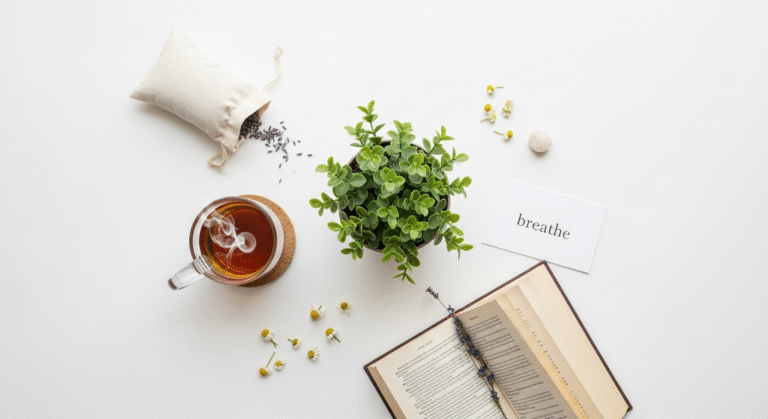
- Morning Rituals: Instead of immediately grabbing your phone, spend your first moments in a quiet part of your home. Enjoy a cup of tea or coffee, journal, meditate, or simply gaze out the window. Open curtains to welcome natural light, setting a gentle tone for the day.
- Evening Rituals: As the day winds down, dim the lights, light a candle, or diffuse a calming essential oil. Tidy up common areas for a few minutes before bed, ensuring you wake to a fresh, uncluttered space. Prepare your bedroom for sleep by making the bed inviting and ensuring a cool, dark environment.
The Art of the Unplugged Home
In our always-on world, disconnecting is paramount for peace. Designate specific areas or times in your home as “digital-free zones.”
- The Bedroom: Make your bedroom a screen-free sanctuary. Charge phones and devices elsewhere.
- Dinner Table: Encourage conversation and presence by banning phones from the dining table.
- Designated Charging Station: Create a central charging hub, perhaps in a hidden drawer or a beautiful box, so devices are out of sight and out of mind when not in use.
Embrace analog pleasures: reading a physical book, listening to vinyl records, playing board games, or simply enjoying quiet conversation.
Nourish Your Body and Soul
Your kitchen can be a hub for wellness. Create a tea or coffee station that feels luxurious and inviting. Stock your pantry with healthy, nourishing ingredients that make cooking a joyful, not stressful, experience. Turn on some gentle music while you prepare meals. Similarly, your bathroom can become a spa-like retreat with fluffy towels, beautiful soaps, and perhaps a small plant or candle.
Cultivating Your Own Oasis of Calm
Creating a calm and peaceful home is a journey, not a destination. It’s about intentional choices that reflect your desires for serenity, well-being, and a life lived with grace. From the foundational act of decluttering to the subtle interplay of light and scent, each step you take is an investment in your peace of mind. Remember, your home is a reflection of your inner world, and by nurturing your space, you are nurturing yourself. Start small, be patient, and allow your home to evolve into the tranquil sanctuary you deserve – a place where Southern hospitality meets modern living, and every detail whispers calm. We hope these insights inspire you to embark on this beautiful transformation, creating a haven that truly nurtures your soul, day in and day out, for many serene years to come.