















Home Entertaining & Hosting: The Complete Guide 2026
There’s a unique magic in opening your home to friends and family, a joy in gathering loved ones around your table, and an undeniable warmth that comes from creating unforgettable memories. For many women, our homes are extensions of ourselves – sanctuaries where we nurture, celebrate, and connect. Yet, the thought of hosting can sometimes feel overwhelming, conjuring images of endless to-do lists, budget woes, and pre-party jitters. What if we told you that hosting doesn’t have to be stressful? What if you could approach every gathering, big or small, with confidence, creativity, and a genuine sense of ease? At Rocksalt Plum, we believe that true hospitality is about more than just a perfectly plated meal or an impeccably decorated space; it’s about making your guests feel cherished, creating an atmosphere of genuine warmth, and enjoying the process yourself. This complete guide for 2026 is designed to empower you, offering practical advice, inspiring ideas, and proven strategies to transform your home into a hub of memorable entertaining, no matter your budget or the season. Let’s unlock the secrets to becoming a confident and joyful host, making every moment count.
TL;DR: This guide offers women a comprehensive roadmap to joyful and stress-free home entertaining, covering everything from budget-friendly dinner parties and seasonal ideas to smart meal prep and creating an inviting atmosphere. Learn to host with confidence and make every gathering truly memorable by embracing practical strategies and a self-care mindset.
The Confident Host: Setting the Stage for a Great Gathering
Becoming a confident host begins not with the perfect recipe or the most elaborate tablescape, but with a shift in mindset. Many of us are held back by the pressure to achieve an unattainable ideal, often fueled by social media’s curated perfection. At Rocksalt Plum, we champion authenticity and genuine connection over flawless execution. True confidence in hosting stems from knowing your limits, playing to your strengths, and most importantly, focusing on the experience you want to create for your guests rather than just the presentation.
First, identify your hosting style. Are you a casual potluck enthusiast, a themed dinner party aficionado, or someone who loves intimate brunches? Understanding your preference helps you lean into what feels natural and enjoyable, reducing stress. Don’t feel compelled to host a formal sit-down dinner if your heart truly sings for a relaxed backyard barbecue. The goal is to make guests feel comfortable, and that starts with you feeling comfortable in your role as host. Think about what truly defines a successful gathering in your eyes: Is it lively conversation, shared laughter, or a moment of quiet connection? Let this vision guide your planning.
Another key aspect of confidence is preparedness, which doesn’t mean perfection, but rather a thoughtful approach. Before you even send out invitations, consider the flow of your home. Are there areas that might need a quick tidy? Do you have enough seating? What about parking for guests? Addressing these logistical questions early can prevent last-minute panic. Moreover, don’t be afraid to delegate or ask for help. A true host knows that collaboration can enhance the experience, whether it’s asking a friend to bring a dessert or having your partner help with setup. Remember, the essence of hosting is sharing, and that extends to the joy of preparation too.
Finally, embrace the philosophy that “done is better than perfect.” A perfectly imperfect evening filled with genuine warmth and laughter will always trump a meticulously executed but stiff affair. Focus on creating an atmosphere where guests feel seen, heard, and appreciated. Simple gestures, like a heartfelt welcome at the door or a personalized playlist, often leave a more lasting impression than extravagant decorations. Building your confidence as a host is a journey, not a destination, and each gathering is an opportunity to learn, grow, and refine your unique approach to hospitality. For a deeper dive into mastering the art of welcoming guests, explore our comprehensive guide on How to Host a Dinner Party Guide, which provides invaluable insights into every stage of the hosting process.
Dinner Party Planning: Menu, Decor, and Timeline
Once you’ve embraced the confident host mindset, the practicalities of planning a dinner party become an exciting creative endeavor rather than a daunting task. The secret to a seamless event lies in thoughtful organization, breaking down the process into manageable steps. This involves crafting a balanced menu, curating a beautiful yet functional decor, and establishing a realistic timeline that minimizes stress and maximizes enjoyment.
Let’s start with the menu. Begin by considering your guests’ dietary preferences and restrictions – a quick check-in can prevent awkward surprises. Opt for dishes that can be partially prepared in advance, allowing you more time to engage with your guests on the day of the party. A well-balanced menu often includes an appetizer that can be nibbled on arrival, a main course that offers a comforting yet elegant centerpiece, and a dessert that feels special without requiring complex last-minute assembly. For example, a baked brie with fig jam or a vibrant bruschetta makes for an easy starter, while a slow-cooked roast or a hearty vegetarian lasagna can be largely prepped ahead. When planning your menu, it’s also wise to keep your budget in mind. Hosting a fabulous dinner party doesn’t require breaking the bank, and our guide on How to Host a Dinner Party on a Budget offers brilliant strategies for creating an impressive spread without overspending.
Next, consider your decor. This doesn’t mean a complete home overhaul, but rather thoughtful touches that enhance the dining experience. A beautiful tablescape can be created with items you already own, perhaps a linen tablecloth, some mismatched but charming vintage plates, and fresh flowers from your garden or a local market. Lighting is crucial; soft, warm light from dimmers, candles, or string lights creates an intimate and inviting ambiance. Think about the overall theme or mood you want to convey. Is it rustic chic, modern minimalist, or cozy farmhouse? Even simple elements like cloth napkins, a handwritten place card, or a small sprig of rosemary at each setting can elevate the experience. Companies like Farrow & Ball offer paint colors that instantly create a sophisticated backdrop, while a few well-placed pieces from Serena & Lily can add a touch of effortless elegance to your table. Remember, the goal is to create a setting that feels both special and comfortable.
Finally, establish a realistic timeline. This is your roadmap to a stress-free hosting experience. Start planning at least a week or two in advance for a dinner party, sending invitations, finalizing your guest list, and sketching out your menu. A few days before, tackle grocery shopping, deep cleaning of entertaining spaces, and any major cooking prep. The day before, focus on setting the table, preparing any make-ahead dishes, and chilling beverages. On the day of the party, all that’s left are the finishing touches: lighting candles, arranging flowers, and enjoying a moment of calm before your guests arrive. For a detailed step-by-step approach to orchestrating your event flawlessly, refer back to our foundational resource, How to Host a Dinner Party Guide, which provides actionable advice on every planning stage, ensuring you feel prepared and poised.
Meal Prep: Stress-Free Cooking Before Your Guests Arrive
One of the biggest anxieties associated with hosting a dinner party is the last-minute rush in the kitchen, frantically juggling multiple dishes while guests are already arriving. This is where the magic of meal prep truly shines, transforming a potentially stressful experience into one of calm and enjoyment. Embracing a strategic approach to cooking in advance allows you to savor the moments with your guests, rather than being tethered to the stove. It’s a game-changer for any host, enabling you to present delicious, home-cooked meals with an air of effortless grace.
The core principle of meal prep for entertaining is to identify components of your menu that can be prepared days or even weeks in advance. Think about dishes that actually benefit from sitting, allowing flavors to meld and deepen. For instance, many sauces, dressings, and marinades can be made several days ahead. Soups and stews often taste better on day two or three, making them perfect candidates for batch cooking. Even certain desserts, like cheesecakes, tarts, or cookie dough, can be prepared and stored, ready for assembly or baking closer to the event. Consider dishes that require minimal last-minute attention, such as a slow-cooked ragu that just needs reheating, or a make-ahead gratin that bakes while you enjoy appetizers.
Beyond individual dishes, think about ingredient prep. Chopping vegetables, mincing garlic, grating cheese, or portioning proteins can save significant time on party day. Store these prepped ingredients in airtight containers in the refrigerator, clearly labeled, so they are ready to be added to your recipes. This method is not only efficient but also helps keep your kitchen tidier during the final cooking phase, which is a huge bonus when you’re trying to maintain composure. Companies like OXO offer excellent storage containers that keep ingredients fresh and organized, making your meal prep efforts even more effective.
Don’t overlook the power of smart shortcuts. While we love home cooking, there’s no shame in utilizing high-quality store-bought items to supplement your meal. A gourmet baguette from a local bakery, a delicious artisan cheese board, or a pre-made pastry crust can significantly reduce your workload without compromising on taste or presentation. The key is to integrate these elements thoughtfully, making them appear as if they were part of your culinary creation. For those looking to master the art of preparing nutritious meals ahead of time, our comprehensive guide, Healthy Meal Prep for Beginners, offers foundational techniques and recipes that can easily be adapted for entertaining, ensuring you approach every gathering feeling prepared and relaxed.
Seasonal Entertaining: Fall and Winter Ideas
There’s a special charm to entertaining during the cooler months, as the crisp air and shorter days naturally draw us indoors, creating an ideal backdrop for cozy gatherings. Fall and winter offer a wealth of inspiration for themes, menus, and decor, inviting us to embrace warmth, comfort, and the festive spirit. Shifting your entertaining focus to align with the seasons not only provides a fresh perspective for each gathering but also allows you to utilize seasonal produce and decor, making your events feel authentic and effortless.
Fall entertaining, in particular, is synonymous with rich colors, earthy textures, and comforting aromas. Imagine hosting a “Harvest Feast” where the table is adorned with miniature pumpkins, gourds, and branches of colorful leaves. A centerpiece could feature a simple arrangement of sunflowers or rust-colored chrysanthemums, perhaps nestled in a wooden bowl. The menu naturally leans towards hearty, warming dishes: a roasted butternut squash soup, a slow-cooked apple cider pork loin, or a mushroom and leek tart. Pair these with seasonal beverages like spiced apple cider (spiked or virgin), a robust red wine, or a craft pumpkin ale. Desserts might include an apple crumble, pumpkin pie, or pear and almond tart. The key is to evoke the feeling of abundance and gratitude that defines the season. Our dedicated resource, Fall Entertaining Ideas at Home, provides a treasure trove of specific suggestions for creating unforgettable autumn gatherings, from charming decor to delicious recipes.
As winter descends, the focus shifts towards celebrating togetherness and the magic of the holidays. Think “Winter Wonderland” brunches, “Cozy Fireside Cocktails,” or elegant holiday dinner parties. Decor can incorporate elements like twinkling fairy lights, evergreen garlands, pinecones, and strategically placed throws and blankets to enhance the cozy factor. A color palette of deep reds, forest greens, silvers, and golds can instantly transform your space. For a winter menu, consider dishes that offer warmth and richness: a slow-roasted beef tenderloin, a hearty cassoulet, or a creamy potato gratin. Festive drinks like mulled wine, hot buttered rum, or a sparkling cranberry prosecco add to the celebratory atmosphere. Desserts can range from gingerbread cookies and yule logs to peppermint bark and chocolate fondue. The goal is to create an atmosphere that feels both festive and deeply comforting, inviting guests to linger and enjoy the warmth of your hospitality away from the cold outside.
Throughout both seasons, the emphasis is on creating an inviting ambiance. Scent plays a huge role – think cinnamon, cloves, pine, or frankincense through candles or diffusers. Music should be carefully curated, perhaps soft jazz or classical for a dinner party, or a festive holiday playlist for a more casual gathering. By embracing the unique characteristics of fall and winter, you can host gatherings that feel truly special and perfectly in tune with the spirit of the season, making every moment shared around your table memorable.
Creating an Inviting Atmosphere at Home
Beyond the food and the guest list, the true art of home entertaining lies in crafting an atmosphere that instantly makes everyone feel welcome, comfortable, and at ease. It’s about more than just aesthetics; it’s about engaging all the senses and creating an emotional resonance that lingers long after the last guest has departed. An inviting atmosphere is a hallmark of a truly memorable gathering, transforming a simple dinner into a cherished experience.
Start with the visual appeal of your space. While a pristine home is lovely, a home that feels lived-in and loved is often more inviting. Decluttering key entertaining areas is essential, but don’t strip your home of its personality. Incorporate elements that reflect your style and make your guests curious. Think about vignettes – small arrangements of books, candles, and perhaps a small plant on a side table – that draw the eye. Brands like Pottery Barn and West Elm excel at creating pieces that balance style with comfort, offering inspiration for furniture and decor that invites relaxation. Strategic use of color can also impact mood; soft, warm tones from paint brands like Benjamin Moore or Farrow & Ball can instantly make a room feel cozier and more welcoming.
Lighting is arguably the most powerful tool for setting an atmosphere. Harsh overhead lights can feel unwelcoming; instead, opt for multiple layers of soft, warm light. Dimmer switches are invaluable, allowing you to adjust the brightness to suit the mood. Incorporate lamps with ambient glow, strategic accent lighting to highlight artwork, and, of course, candles. Candlelight instantly adds a magical, intimate warmth that is unparalleled. For evening gatherings, consider placing small votives in unexpected places, like on bookshelves or a bathroom counter, to extend the inviting glow throughout your home.
Engage the other senses too. Scent is incredibly powerful; a subtle, clean scent from an essential oil diffuser (think cedarwood, lavender, or a seasonal blend) or a high-quality candle can make a profound impact. Avoid overpowering fragrances. Music is another critical element. Curate a playlist that matches the mood of your gathering – soft jazz for a sophisticated dinner, upbeat indie for a casual brunch, or classical for a relaxed afternoon tea. The volume should be just right – present enough to be noticed, but never so loud that it hinders conversation. Finally, don’t forget the tactile elements: soft throws draped over sofas, plush cushions, and natural textures like wood and linen invite guests to settle in and relax. For a deeper exploration of how to cultivate that coveted sense of snugness and belonging, our guide on How to Create a Cozy Home Atmosphere offers comprehensive tips and inspiration.
The After-Party: Self-Care When the Guests Have Gone
The final toast has been made, the last guest has departed, and the house settles into a quiet hum. While the joy of hosting is immense, the aftermath can sometimes leave even the most seasoned host feeling depleted. It’s crucial to remember that your well-being extends beyond the party itself; true hospitality includes taking care of yourself once the spotlight shifts. The “after-party” isn’t just about tidying up; it’s about a mindful transition back to your personal sanctuary, ensuring you recharge and recover. Neglecting this crucial phase can lead to hosting burnout, making future gatherings feel like a chore rather than a pleasure.
First, resist the urge to tackle every single dish and crumb immediately. While a quick sweep of perishable food and major spills is wise, a full-scale cleanup can often wait until morning. Give yourself permission to do the bare minimum before winding down. Stack dishes, put away leftovers, and perhaps light a final candle to enjoy the quiet moment. The goal is to avoid extending the “work” of hosting late into the night. Your rest is paramount. Consider investing in a good dishwasher if you don’t have one, or even using disposable (but elegant) serving ware for certain casual gatherings to minimize cleanup stress.
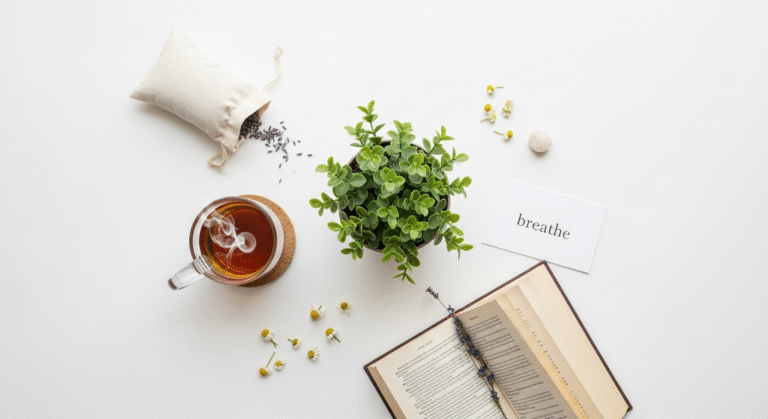
Once the immediate post-party tasks are done, shift your focus entirely to self-care. This is your reward for creating a beautiful experience for others. Start with a calming ritual. A warm bath infused with Epsom salts and essential oils like lavender or chamomile can work wonders for tired muscles and a busy mind. Alternatively, a quiet cup of herbal tea in your favorite mug, perhaps paired with a good book or some gentle music, can help you decompress. Avoid scrolling through social media or engaging in stimulating activities right before bed; your mind needs time to unwind from the social energy of the evening.
Preparing for the morning after is also part of smart self-care. Before you go to bed, set out your favorite coffee mug, plan a simple, nourishing breakfast, and perhaps even lay out comfortable clothes. Waking up to a clear plan, rather than a chaotic mess, sets a positive tone for your recovery day. Remember, hosting is an act of generosity, and you deserve to be generous with yourself too. Allow yourself a slower pace the next day, perhaps dedicating time to activities that replenish your spirit, whether it’s a long walk in nature, a creative pursuit, or simply enjoying quiet solitude. For more ideas on how to cultivate moments of peace and rejuvenation, our guide on Self-Care Sunday Routine Ideas offers a wealth of inspiration that can be adapted for any post-hosting recovery, ensuring you remain balanced and joyful in your hosting journey.
Key Takeaways for Joyful Home Entertaining
- Embrace Authenticity: Focus on genuine connection and comfort over perfection. Your unique hosting style is your greatest asset.
- Plan Strategically: Thoughtful menu planning, budget considerations, and a clear timeline are your best friends for stress-free gatherings.
- Leverage Meal Prep: Prepare dishes and ingredients in advance to minimize last-minute kitchen chaos and maximize your time with guests.
- Curate Atmosphere: Utilize lighting, scent, music, and thoughtful decor to create an inviting, multi-sensory experience that makes guests feel cherished.
- Prioritize Self-Care: Remember that post-party recovery is essential. Allow yourself to unwind and recharge to prevent burnout and ensure continued joy in hosting.
Hosting Styles Comparison
Different occasions and personal preferences call for varying hosting approaches. Here’s a comparison of three popular styles to help you find what resonates most with you:
| Feature | Effortless Chic Hosting | Grand Traditional Hosting | Intimate & Cozy Hosting |
|---|---|---|---|
| Vibe | Relaxed elegance, stylish but understated. | Formal, sophisticated, memorable occasion. | Warm, personal, deeply comfortable. |
| Guest Count | Moderate (6-12 people). | Larger gatherings (10+ people). | Small (2-6 people). |
| Preparation Time | Moderate to high, but focused on make-ahead elements. | High, often involving multiple courses and meticulous details. | Low to moderate, emphasizing ease and comfort. |
| Budget | Mid-range; smart splurges on key items. | Higher; often includes premium ingredients and decor. | Flexible; can be very budget-friendly. |
| Typical Menu | Gourmet-casual, often seasonal with fresh ingredients (e.g., roasted chicken, vibrant salads, artisanal bread). | Multi-course meal, classic recipes, often with a show-stopping main (e.g., beef Wellington, complex desserts). | Comfort food, shared platters, simple yet delicious (e.g., hearty stew, charcuterie board, homemade cookies). |
| Decor Focus | Natural textures, fresh flowers, curated tablescape, good lighting. | Elegant china, crystal, elaborate centerpieces, formal linens. | Soft lighting, blankets, candles, personal touches, natural elements. |
| Host Engagement | Engaged and present, having done most prep in advance. | Highly attentive, often orchestrating a seamless experience. | Deeply connected, focused on conversation and shared comfort. |
Frequently Asked Questions About Home Entertaining
How do I manage dietary restrictions without making my guests feel singled out?
The best approach is to subtly inquire about dietary needs when you send out invitations. Then, plan your menu to include at least one or two dishes that are naturally accommodating for common restrictions (e.g., a vegetarian main, a gluten-free side). Labeling dishes can also be helpful. The goal is to offer delicious options for everyone, ensuring no one feels like an afterthought.
What’s the ideal guest count for a dinner party?
For comfortable conversation and an intimate atmosphere, 6 to 8 guests is often ideal. This allows everyone to engage without feeling overwhelmed. However, if your space allows and you prefer a livelier gathering, 10 to 12 can also work well, especially if you create smaller conversational groupings.
How can I make my home smell inviting before guests arrive?
Avoid strong artificial air fresheners. Instead, opt for natural scents. Baking something fresh (like cookies or bread), simmering citrus peels and cinnamon sticks on the stove, or using a subtle essential oil diffuser (with scents like orange, cedarwood, or lavender) can create a warm and welcoming aroma. Ensure your home is generally clean and aired out beforehand.
Is it okay to ask guests to bring something?
Absolutely! For casual gatherings, it’s perfectly acceptable and even encouraged to suggest guests bring a dish (potluck style), a bottle of wine, or a dessert. For more formal events, you might politely decline offers to bring food but suggest a bottle of wine or a small contribution to the host if they insist. The key is to communicate clearly and graciously.
What if something goes wrong during the party?
Embrace it with grace and a sense of humor! Spills happen, dishes might not turn out perfectly, or a guest might arrive late. The most important thing is your reaction. A calm, cheerful attitude will set the tone for your guests, showing them that genuine connection matters more than perfection. Have a contingency plan for common mishaps (e.g., stain remover, extra ice, simple backup appetizers).
Conclusion: Embrace the Joy of Connection
As we conclude this comprehensive guide to home entertaining and hosting for 2026, we hope you feel not only equipped with practical strategies but also deeply inspired to open your home and heart with confidence. The art of hosting isn’t about achieving flawless perfection; it’s about the genuine joy of connection, the warmth of shared laughter, and the lasting memories created around your table. From mastering the nuances of a budget-friendly dinner party to embracing the unique charm of fall entertaining, from the efficiency of meal prep to the magic of crafting an inviting atmosphere, and finally, to the essential practice of self-care post-party, every element works in harmony to make you a truly exceptional host.
Remember that every gathering, no matter its size or formality, is an opportunity to express your unique style of hospitality. Don’t be afraid to experiment, to learn from each experience, and most importantly, to enjoy the process. Your home is your canvas, and your gatherings are masterpieces of connection. So, light those candles, set that table, and invite those you cherish into your sanctuary. The most beautiful homes are those filled with love, laughter, and the generous spirit of a confident host.
Recommended Next Steps:
- Start Small: Begin by hosting a simple brunch or a casual game night to build your confidence.
- Pick One Strategy: Choose one tip from this guide, like meal prepping an appetizer, and implement it for your next gathering.
- Explore More: Dive deeper into specific topics by exploring the linked articles throughout this guide for tailored advice.
- Personalize Your Approach: Reflect on what truly brings you joy in hosting and lean into those aspects to create your signature style.