


















The Complete Home Decorating Guide 2026
Welcome, fellow home enthusiasts, to the ultimate resource for transforming your living spaces into havens of beauty, comfort, and personal style! At Rocksalt Plum, we believe that your home should be a reflection of your unique spirit – a place where you feel inspired, relaxed, and utterly yourself. This comprehensive home decorating guide for 2026 is designed specifically for women like you, who dream of creating a welcoming sanctuary without sacrificing practicality or their budget. Whether you’re embarking on a full home makeover or simply looking to refresh a single room, we’re here to guide you through every step, from choosing the perfect paint color to styling your shelves with intention. Get ready to unlock the secrets to a home that not only looks stunning but genuinely feels like you.
TL;DR: This ultimate guide empowers you to transform your home into a beautiful, functional, and budget-friendly sanctuary in 2026. We cover everything from room-specific decorating and choosing lasting furniture to mastering color, incorporating plants, styling surfaces, decluttering, and cultivating a cozy atmosphere. Dive in to create the welcoming home you’ve always envisioned, filled with practical tips and inspiring ideas.
Room-by-Room Decorating: Where to Start
Embarking on a home decorating journey can feel overwhelming, but the most effective way to begin is by tackling your spaces one room at a time. This approach allows you to focus your energy, manage your budget, and see tangible progress, which is incredibly motivating. Start by identifying the room that needs the most attention or the one you spend the most time in. For many, this is often the living room or bedroom, as these are central to daily life and relaxation.
When considering your living room, think about its primary function. Is it a hub for entertaining, a cozy family retreat, or a quiet space for reading? Understanding its purpose will inform your design choices. For smaller living areas, maximizing space and light is crucial. Clever furniture arrangements, multi-functional pieces, and strategic use of mirrors can make a significant difference. Don’t be afraid to experiment with layouts that open up walkways and create a sense of flow. We’ve compiled some fantastic insights and actionable tips in our guide to Small Living Room Decorating Ideas, which offers creative solutions to make even the most compact spaces feel expansive and inviting. Remember, even in a small room, you can infuse personality through art, textiles, and carefully chosen accessories.
Moving into the bedroom, the goal shifts towards creating a serene and restful escape. This is your personal sanctuary, so prioritize comfort and tranquility above all else. Begin by decluttering, ensuring that only items that contribute to peace and relaxation remain. Consider the bed as the focal point and build your design around it. Layering textures with bedding, throws, and pillows adds depth and warmth. Lighting plays a crucial role here too; dimmable lamps and soft, ambient light can transform the mood. If you’re working with limited square footage, fear not! Our comprehensive article on Small Bedroom Decorating Ideas on a Budget provides brilliant strategies for maximizing space, from smart storage solutions to optical illusions that make your room appear larger. Think about vertical storage, wall-mounted nightstands, and beds with built-in drawers. The key is to make every piece of furniture and decor serve a purpose, contributing to both aesthetics and functionality. By focusing on these core principles for each room, you’ll build a beautifully decorated home, one intentional step at a time.
Furniture Fundamentals: Choosing Pieces That Last
Choosing furniture is one of the most significant investments you’ll make in your home, both financially and aesthetically. It’s not just about filling a space; it’s about selecting pieces that resonate with your style, offer comfort, and stand the test of time. When approaching furniture selection, think beyond immediate trends and consider the long-term vision for your home. Quality craftsmanship and timeless design will always outweigh fleeting fads, ensuring your home feels sophisticated and welcoming for years to come.
The first step is to assess your needs and lifestyle. Do you have a bustling family with pets and children, or is your home a quiet retreat for two? This will influence your choices in fabric durability, material resilience, and overall scale. For instance, a durable performance fabric like Sunbrella or Crypton might be a wise choice for a high-traffic sofa, offering resistance to spills and stains. Measure your space meticulously before you shop. Use painter’s tape on the floor to visualize the footprint of larger pieces like sofas, dining tables, and armoires. This simple trick prevents costly mistakes and ensures your furniture fits comfortably without overwhelming the room. Consider the scale of the furniture in relation to the room’s dimensions and other existing pieces. A massive sectional might look inviting in a showroom, but it could dwarf a smaller living room, making it feel cramped and unbalanced.
One of the most critical furniture decisions for any living room is the sofa. It’s often the anchor piece, dictating the room’s style and comfort level. When selecting a sofa, prioritize comfort and construction. A solid hardwood frame, high-density foam cushions wrapped in down or synthetic fibers, and sturdy joinery (dovetail or mortise-and-tenon) are hallmarks of quality. Don’t shy away from testing sofas in person – sit, recline, and imagine yourself relaxing there for hours. Consider the fabric carefully; a neutral linen or performance velvet offers versatility, allowing you to change your decor accents with ease. For a deep dive into making this crucial decision, our guide on How to Choose a Sofa for Your Living Room provides invaluable advice on everything from frame types to upholstery options, ensuring you make an informed choice that brings both beauty and longevity to your home. Investing in well-made pieces from reputable brands like Crate & Barrel, West Elm, or even exploring vintage finds from local antique markets can provide furniture with character and lasting appeal.
Color and Paint: Transforming Rooms on a Budget
Few decorating tools offer as much transformative power as color and paint, especially when you’re working with a budget. A fresh coat of paint can utterly revitalize a room, setting the mood, enhancing architectural features, and even making a space feel larger or cozier, all without requiring a significant financial outlay. Understanding the psychology of color and how different hues interact with light can empower you to create environments that genuinely uplift your spirit and soothe your senses. It’s not just about picking a pretty shade; it’s about crafting an experience.
When selecting paint colors, consider the existing elements in your room – flooring, large furniture pieces, and natural light. Warm colors like creamy whites, soft yellows, and terracotta shades tend to create an inviting, energetic atmosphere, perfect for social spaces like living rooms and dining areas. Cool colors such as blues, greens, and grays evoke a sense of calm and serenity, making them ideal for bedrooms and bathrooms. Brands like Benjamin Moore and Sherwin-Williams offer extensive palettes and expert advice, with their “Color of the Year” selections often inspiring new trends. Always test paint swatches on your walls, observing them at different times of day and under various lighting conditions, as colors can appear drastically different from a small chip. Don’t underestimate the impact of a fresh coat of paint on trim and ceilings too; crisp white trim can instantly elevate a room’s appearance, making walls pop.
Beyond walls, paint offers incredible opportunities for budget-friendly transformations of existing fixtures. Take your kitchen, for example. If new cabinets aren’t in the budget, painting your existing ones can deliver a dramatic, modern update. This DIY project requires patience and careful preparation, but the results are incredibly rewarding. A fresh coat of paint can brighten a dark kitchen, update an outdated style, and even make the space feel more custom and high-end. Our detailed Kitchen Cabinet Painting Guide walks you through every step, from proper cleaning and sanding to choosing the right primer and paint finish, ensuring a professional-looking result. Similarly, for your private retreat, the bedroom, color plays a pivotal role in creating a peaceful haven. Soft, muted tones are often preferred, but don’t shy away from deeper, more saturated colors if they speak to your soul and promote relaxation. Exploring different pairings and understanding how colors influence mood is key. Our guide to Bedroom Color Schemes and Palettes offers a wealth of inspiration, from tranquil blues and greens to warm neutrals and sophisticated jewel tones, helping you craft a personal sanctuary that truly encourages rest and rejuvenation. Remember, paint is a relatively inexpensive way to make a monumental impact, allowing you to experiment and infuse your home with personality on a budget.
Bringing Life to Your Home With Plants
There’s a unique magic that indoor plants bring to a home – a vibrant breath of fresh air that instantly elevates any space. Beyond their aesthetic appeal, plants offer a host of benefits, from improving air quality by filtering toxins to boosting mood and reducing stress. Incorporating greenery is one of the most accessible and rewarding ways to infuse life, color, and a sense of calm into your interiors. Whether you have a green thumb or are just starting your plant parenting journey, there’s a perfect plant waiting to thrive in your home.
When selecting plants, consider the light conditions in your home. South-facing windows offer bright, direct light, ideal for sun-lovers like Fiddle Leaf Figs or Birds of Paradise. East or west-facing windows provide moderate, indirect light, suitable for a vast array of plants, while north-facing windows offer low light, perfect for shade-tolerant varieties. Don’t be afraid to mix and match different plant sizes and textures to create visual interest. A tall Snake Plant can add vertical drama, while a trailing Pothos can soften the edges of a bookshelf or hang elegantly from a ceiling. Grouping plants with similar light and watering needs can also create a lush, mini-ecosystem that’s easier to maintain.
For those new to the world of indoor gardening, starting with resilient, low-maintenance plants is key to building confidence. Think about varieties known for their forgiving nature and ability to thrive even with occasional neglect. The good news is, many beautiful and impactful plants are incredibly easy to care for, making them ideal for beginners. Our comprehensive guide, Best Indoor Plants for Beginners, highlights top choices like the ZZ Plant, known for its drought tolerance; the sturdy Snake Plant, which purifies air and needs minimal light; and the ever-popular Pothos, a versatile trailing plant that can adapt to various conditions. These plants not only add natural beauty but also require very little fuss, making them perfect for busy women who want the benefits of greenery without the high-maintenance commitment. Remember to choose attractive pots that complement your decor and provide good drainage. Regularly wiping dust off leaves and checking soil moisture levels are simple habits that will keep your leafy companions happy and healthy, transforming your home into a vibrant, living sanctuary.
Styling Shelves, Mantels, and Surfaces
Once the larger pieces of furniture are in place and the walls are painted, it’s time to bring your home to life with the smaller, more personal touches. Styling shelves, mantels, coffee tables, and other surfaces is where your personality truly shines through. It’s an art form that balances aesthetics with functionality, creating vignettes that tell a story and invite the eye to linger. The goal is to achieve a curated look that feels intentional and beautiful, rather than cluttered or haphazard.
A fundamental principle in styling is the concept of “less is more,” especially when aiming for a sophisticated, welcoming feel. Start by decluttering the surface entirely, then thoughtfully select pieces that bring joy or have sentimental value. Think in terms of varying heights, textures, and materials to create visual interest. For instance, on a bookshelf, you might pair a stack of art books with a small sculpture, a framed photo, and a delicate vase with a fresh bloom. The “rule of three” or “odd numbers” is a classic design trick that often creates a more pleasing and balanced arrangement. Grouping objects in threes or fives tends to be more dynamic and less static than even numbers.
Bookshelves, in particular, offer a wonderful canvas for creative expression. Don’t just line up books like soldiers; instead, experiment with vertical and horizontal stacking. Intersperse books with decorative objects, small plants, and personal mementos. Leave some negative space to allow the eye to rest and prevent the shelf from feeling too heavy. Consider adding warmth with natural elements like wooden bowls, woven baskets, or ceramic pieces. For an in-depth exploration of this art, our guide on How to Style a Bookshelf provides step-by-step instructions and inspiring examples to transform your shelves from storage units into stunning focal points. Beyond bookshelves, apply these principles to mantels, where you can anchor the display with a large mirror or piece of art, then layer with candles, small sculptures, and greenery. On coffee tables, a tray can corral smaller items like remote controls, candles, and a stack of magazines, creating a neat and organized look. Remember, styling is an ongoing process – don’t be afraid to rearrange, swap items, and let your displays evolve with your tastes and the seasons. It’s about creating moments of beauty throughout your home.
Decluttering Before Decorating
Before you even think about new paint colors, stylish furniture, or beautifully arranged shelves, there’s one crucial step that can make or break your decorating efforts: decluttering. Imagine trying to paint a masterpiece on a canvas already covered in scribbles – it’s simply not effective. A cluttered home not only looks untidy but can also contribute to feelings of stress and overwhelm. By first paring down your possessions, you create a clean slate, allowing your chosen decor elements to truly shine and your home to feel spacious, serene, and functional.
The process of decluttering isn’t just about throwing things away; it’s about making intentional choices about what you keep, what you need, and what truly adds value or joy to your life. This philosophy, famously championed by Marie Kondo’s KonMari method, encourages you to evaluate each item and consider its purpose and emotional connection. Start with one room, or even one small area within a room, to avoid feeling overwhelmed. Tackle categories rather than locations – for example, gather all your clothes from every closet and drawer, then sort through them. This helps you see the true volume of what you own and prevents items from migrating from one cluttered spot to another.
Practical strategies for decluttering involve creating three piles: Keep, Donate/Sell, and Discard. Be honest with yourself about items you haven’t used in years, things that are broken, or clothes that no longer fit. For sentimental items, consider how many you truly need to keep to preserve memories, perhaps creating a dedicated memory box. Don’t forget hidden clutter spots like junk drawers, pantries, and linen closets – these areas can quickly become repositories for forgotten items. Once you’ve decluttered, establish systems for ongoing organization. Use bins, drawer dividers, and shelving to give every item a designated home. This not only keeps your spaces tidy but also makes it easier to maintain your newly decorated home. For a detailed, actionable plan to tackle every corner of your house, our guide, How to Declutter Your Home Room by Room, offers practical advice and strategies to create a more organized and harmonious living environment. Embracing decluttering as the foundational step in your decorating journey will pave the way for a home that feels light, airy, and truly reflective of the beautiful life you lead.
Creating a Cohesive, Cozy Atmosphere
After you’ve thoughtfully selected furniture, chosen your colors, brought in plants, styled your surfaces, and decluttered with intention, the final, magical step is to weave all these elements together to create a cohesive and undeniably cozy atmosphere. This is where your house truly transforms into a home – a sanctuary that envelops you in warmth, comfort, and a sense of belonging. A truly welcoming home isn’t just about what it looks like, but how it feels, smells, and sounds when you step inside.
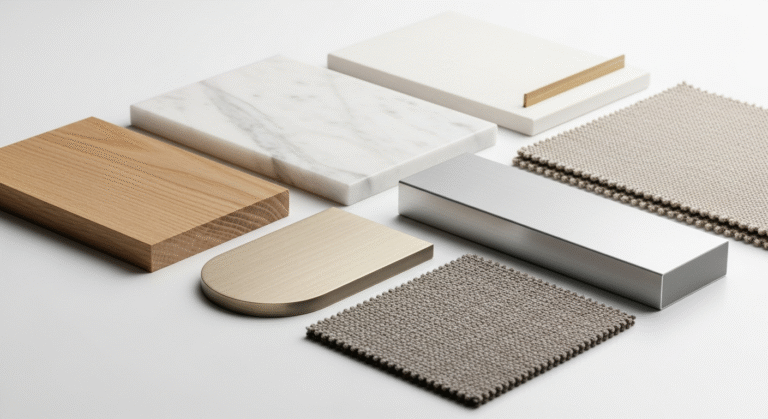
Achieving coziness is often about engaging all the senses. Start with textures. Layering different fabrics like soft throws, plush pillows, woven rugs, and linen drapes adds depth and tactile appeal. Think about the feeling of sinking into a velvet armchair or wrapping yourself in a chunky knit blanket on a cool evening. Natural materials like wood, wool, and ceramic also contribute to a grounded, organic feel, evoking the comforting embrace of nature. Brands like Pottery Barn and Serena & Lily excel at curating spaces rich in texture, demonstrating how seemingly simple elements can create profound warmth.
Lighting is another powerful tool for setting the mood. Move beyond harsh overhead lighting and incorporate multiple light sources at different levels. Dimmable lamps, sconces, and candles can create soft, ambient glows that instantly make a room feel more intimate and inviting. Consider warm-toned light bulbs (around 2700K) for a truly cozy effect. Scent also plays a crucial role in shaping atmosphere. Diffusers with essential oils like lavender or cedarwood, or high-quality candles with comforting notes of vanilla, cinnamon, or pine, can evoke specific feelings and memories, enhancing the overall sensory experience of your home. Finally, infuse your spaces with personal touches. Display cherished photographs, meaningful artwork, souvenirs from travels, and handmade items. These elements tell your story and create a unique connection to your home, making it feel deeply personal and lived-in. Embracing these sensory and personal elements is key to cultivating a space that truly feels like a warm hug. For a wealth of inspiring ideas and actionable tips on how to bring this feeling to every corner of your abode, dive into our comprehensive guide on How to Create a Cozy Home Atmosphere. By focusing on these details, you’ll create a home that not only looks beautiful but feels incredibly good to live in.
Key Takeaways for Your Complete Home Decorating Guide
- Start Room-by-Room: Tackle one space at a time to manage your budget and focus, making progress feel achievable and less overwhelming.
- Invest in Quality Furniture: Choose timeless, well-constructed pieces for foundational items like sofas, ensuring longevity and lasting style.
- Embrace the Power of Paint: Utilize color to transform rooms on a budget, understanding its psychological impact and testing swatches diligently.
- Integrate Greenery Thoughtfully: Introduce indoor plants for their beauty, air-purifying qualities, and mood-boosting benefits, starting with beginner-friendly options.
- Style with Intention: Curate shelves and surfaces with varying heights, textures, and personal items, creating vignettes that tell your unique story.
- Declutter First: Prioritize decluttering before decorating to create a clean, serene canvas that allows your chosen decor to truly shine.
- Layer for Coziness: Engage all senses by layering textures, incorporating varied lighting, and adding personal touches to foster a warm, inviting atmosphere.
Home Decorating Styles Comparison
Choosing a decorating style can set the tone for your entire home. While many homes beautifully blend elements from various styles, understanding the core characteristics of popular approaches can help you define your aesthetic.
| Style | Key Characteristics | Typical Materials | Color Palette | Best For |
|---|---|---|---|---|
| Modern Minimalist | Clean lines, functionality, uncluttered spaces, emphasis on form. | Glass, metal, concrete, light wood, sleek fabrics. | Neutrals (white, gray, black), often with one bold accent. | Achieving a serene, orderly, and spacious feel. |
| Bohemian (Boho) | Eclectic, global influences, relaxed, layered textures, handcrafted items. | Woven textiles (macrame, jute), rattan, natural wood, plants. | Earthy tones, jewel tones, vibrant patterns. | Creating a free-spirited, artistic, and well-traveled vibe. |
| Farmhouse | Rustic charm, comfort, practical, vintage finds, natural elements. | Reclaimed wood, galvanized metal, wrought iron, linen, cotton. | Warm whites, creams, grays, soft blues and greens. | Cultivating a cozy, inviting, and family-friendly atmosphere. |
| Mid-Century Modern | Sleek, organic shapes, functional, iconic designs from the 1940s-1960s. | Teak, walnut, leather, fiberglass, brass, velvet. | Earthy tones (avocado, mustard, orange), combined with neutrals. | Infusing a retro-chic, sophisticated, and timeless appeal. |
| Scandinavian | Simplicity, functionality, light-filled, natural elements, ‘hygge’. | Light wood (birch, ash), wool, linen, ceramic, minimalist metal. | Crisp whites, grays, pastels, muted blues and greens. | Promoting a calm, bright, and highly functional living space. |
Frequently Asked Questions About Home Decorating
Q: How can I decorate my home on a really tight budget?
A: Decorating on a budget is absolutely achievable! Focus on high-impact, low-cost changes first. Paint is your best friend – a fresh coat can transform a room for minimal expense. Look for second-hand treasures at thrift stores, flea markets, or online marketplaces like Facebook Marketplace, and be open to DIY projects like painting old furniture. Strategic placement of indoor plants, affordable artwork (even printable art), and clever use of textiles like throws and pillows can make a huge difference without breaking the bank. Remember, it’s about creativity and resourcefulness!
Q: Where should I start if I’m decorating my entire home from scratch?
A: Begin by defining your overall style and the functional needs of each room. Create a mood board for inspiration, collecting images of rooms, furniture, and colors you love. Then, tackle one room at a time, starting with the most public or frequently used spaces like the living room or master bedroom. Prioritize foundational elements like paint, flooring, and larger furniture pieces, then layer in decor. Don’t rush the process; allow your home to evolve and reflect your personality over time.
Q: How do I mix different decorating styles without my home looking chaotic?
A: The key to successfully mixing styles is to find common threads. Choose a consistent color palette that ties different rooms or zones together. Use a dominant style for your larger furniture pieces and introduce elements of a secondary style through accessories, art, or accent furniture. For example, a modern room can feel warmer with a few rustic wooden pieces or a bohemian throw. Focus on balance, scale, and a sense of cohesion rather than strict adherence to one style. Less is often more when blending.
Q: What are the most important elements to consider for creating a cozy home?
A: Creating a cozy atmosphere involves engaging all the senses. Prioritize soft, layered textures (throws, pillows, rugs), warm and varied lighting (dimmers, lamps, candles), and comforting scents (diffusers, candles). Incorporate natural elements like wood and plants, and infuse your space with personal touches like photos and meaningful mementos. The goal is to make your home feel inviting, comforting, and a true reflection of you.
Q: How often should I redecorate or refresh my home decor?
A: There’s no strict rule for how often to redecorate, as it largely depends on your budget, lifestyle, and personal preferences. Major redecorating projects like painting or changing furniture might happen every 5-10 years. However, refreshing your decor can be done seasonally or whenever you feel like a change. Swapping out throw pillows, updating artwork, adding new plants, or rearranging furniture are all low-cost ways to give your home a fresh look without a complete overhaul. Listen to your intuition about when your space needs a little love!
Conclusion: Your Journey to a Beautiful Home Begins Now
Congratulations, you’ve reached the end of our complete home decorating guide for 2026! We hope this journey has filled you with inspiration, practical knowledge, and the confidence to embark on your own decorating adventures. Remember, creating a beautiful and welcoming home is not about achieving perfection, but about crafting spaces that genuinely reflect who you are and support the life you want to live. It’s a creative, evolving process that allows you to infuse every corner with your unique personality and warmth.
From understanding the nuances of decorating each room on a budget to making smart furniture choices, from harnessing the power of color to bringing life with plants, and from styling shelves with intention to the foundational importance of decluttering, you now have a comprehensive toolkit. The final, crucial ingredient is embracing the joy of making your home truly cozy and cohesive – a sanctuary where you can relax, entertain, and thrive.
We encourage you to revisit these sections as you tackle different projects, using them as a roadmap for success. Don’t be afraid to experiment, trust your instincts, and most importantly, have fun with the process! Your dream home is within reach, one thoughtful decision and one inspired detail at a time. For more in-depth articles, tips, and endless inspiration for your home and lifestyle, continue exploring the rich content here at Rocksalt Plum. Let’s create beautiful living, together!