


























Understanding the Intricate Connection: Clutter & Your Well-being
The relationship between our physical surroundings and our internal state is far more profound than many realize. A cluttered home isn’t just an aesthetic inconvenience; it’s a silent stressor that can significantly impact our mental health, decision-making abilities, and overall sense of peace. Imagine walking into a room filled with overflowing drawers, stacks of papers, and forgotten items. This visual chaos often mirrors an internal state of overwhelm, anxiety, and mental fatigue, creating a constant hum of low-grade stress that subtly erodes our well-being.
Studies have consistently shown that living in a cluttered environment can lead to increased cortisol levels, the body’s primary stress hormone. This persistent elevation of stress can manifest as difficulty concentrating, irritability, and even chronic sleep disturbances. The sheer volume of items demanding our attention, even subconsciously, depletes our cognitive resources, leading to what psychologists call “decision fatigue.” Every object in our space carries a story, a task, or a reminder, and when these accumulate, they create a heavy mental load that silently drains our energy, making simple choices feel monumental and leaving us feeling perpetually behind.
Beyond the individual impact, clutter can also strain relationships within a household, leading to disagreements over space, organization, and shared responsibilities. It can hinder creativity by constricting mental space, making it difficult to innovate or relax. The constant visual stimulation prevents our minds from truly resting, keeping us in a state of heightened alert, even when we’re trying to unwind.
Conversely, a decluttered, organized space promotes a profound sense of calm and clarity. When our physical environment is tidy, our minds often follow suit. There’s less visual noise, fewer distractions, and a greater sense of control over our immediate world. This allows for improved focus, enhanced creativity, and a general feeling of lightness and freedom. The act of decluttering itself can be incredibly empowering, a tangible demonstration of your ability to take charge and create a life that feels more aligned with your aspirations.
Embracing the journey of how to declutter your home and mind is not merely about tidying up; it’s about reclaiming your mental bandwidth, fostering emotional resilience, and cultivating an environment that nurtures your well-being from the inside out. It’s an investment in your peace, your productivity, and your overall quality of life, paving the way for a more intentional and joyful existence.
The Decluttering Journey: A Step-by-Step Approach for Your Home
Embarking on the physical decluttering process can feel immensely daunting, but with a structured approach, it transforms into a manageable and even profoundly enjoyable endeavor. Remember, this isn’t about achieving an unattainable level of perfection, but about making consistent progress and creating a home that genuinely serves your lifestyle and brings you joy.
Phase 1: Preparation & Mindset Shift for Success
- Define Your Vision: Before you even touch a single item, take time to visualize your ideal home. How do you want each room to feel? What activities do you want to do there? Is it a serene sanctuary for relaxation, a vibrant hub for entertaining, or a functional workspace for creativity? This clear, compelling vision will serve as your guiding star, providing motivation and direction when making difficult decisions about what to keep.
- Start Small, Celebrate Big: The biggest mistake many make is trying to declutter their entire home in one overwhelming weekend. This often leads to burnout and discouragement. Instead, choose a small, manageable area – a single drawer, a shelf, a bathroom counter, or even just your nightstand. Success in a small, contained area builds momentum and confidence, proving to yourself that you are capable of tackling larger projects.
- Gather Your Essential Tools: Having a clear system in place before you begin will streamline the process and prevent you from getting sidetracked. Prepare these categories:
- “Keep” Box/Area: For items you absolutely love, use regularly, and want in your home.
- “Donate/Sell” Box: For items in good condition that someone else could benefit from. Research local charities or consignment shops in advance.
- “Discard/Recycle” Bag: For items that are broken, expired, stained, or truly trash. Be mindful of local recycling guidelines.
- “Relocate” Box: For items that belong in another room or even another part of the house. Don’t get distracted by putting them away immediately; just place them here.
- Set a Timer & Take Breaks: Work in short, focused bursts (e.g., 20-30 minutes) to maintain energy and avoid decision fatigue. Use a timer. When it rings, take a break, hydrate, stretch, or step outside. This structured approach makes the work less overwhelming.
- Embrace the “One-Room-At-A-Time” Mentality: Resist the urge to jump between rooms. Focus all your energy on completing one designated area before moving to the next. This ensures visible progress and prevents spreading clutter from one space to another.
Phase 2: The Practical Application – Navigating Your Home, Category by Category
Approach each space with intention, focusing on categories rather than just areas. This method, popularized by Marie Kondo, helps you see the true volume of your possessions and make more objective decisions.
- Clothing & Accessories:
- Take every single piece of clothing out of your closet and drawers. Pile it on your bed or floor. This visual impact helps you confront the sheer volume.
- Pick up each item individually. Ask yourself: “Does this spark joy?” “Do I wear this regularly (at least once a year)?” “Is it in good condition and does it fit well?” “Does it make me feel confident and comfortable?”
- Be ruthlessly honest. Let go of ill-fitting items, anything with holes or stains you won’t repair, and anything that makes you feel less than your best.
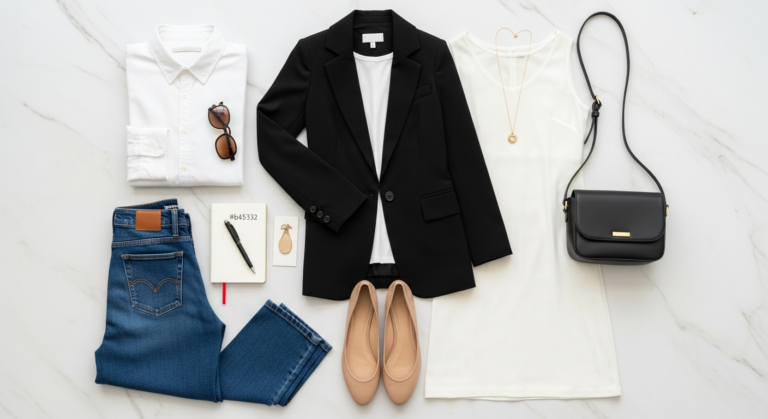
- Consider creating a capsule wardrobe for simplifying daily choices and reducing clutter long-term. Organize what remains by type and color for easy visibility.
- Books, Papers & Media:
- Books: Keep only those you genuinely love, reference often, or intend to read soon. Utilize local libraries or e-readers for occasional reads. Consider donating books you’ve read and enjoyed but won’t revisit.
- Papers: This is often a major clutter culprit. Create a simple, intuitive filing system for essential documents (e.g., medical, financial, household). Digitize what you can, using cloud storage for backup. Shred sensitive information immediately. Implement a “one-touch” rule: deal with mail and papers as soon as they
Recommended Resources
Explore How To Achieve A Celebrity Blowout At Home for additional insights.
Explore How To Do A Natural Makeup Look Guide for additional insights.