






















Embracing the Mat: Why Yoga for Beginners at Home is Your Sanctuary
The allure of practicing yoga at home is multifaceted, offering a unique blend of convenience, privacy, and personalization that can be particularly appealing for those new to the discipline. Stepping onto your mat within your own four walls removes many of the common barriers that prevent individuals from starting or maintaining a yoga practice. Let’s explore the profound benefits that make at-home yoga an exceptional choice for beginners.
Unparalleled Convenience and Flexibility
- Time-Saving: Eliminate travel time to and from a studio. Your yoga practice can seamlessly integrate into your day, whether it’s a quick morning stretch before the family wakes, a midday refresh, or an evening unwind. This flexibility is a game-changer for busy schedules.
- Anytime Access: Your home studio is open 24/7. Feel like practicing at 5 AM or 11 PM? The choice is yours. This freedom allows you to listen to your body and engage in movement whenever inspiration strikes.
- Personalized Pace: As a beginner, there’s no pressure to keep up with a class or feel self-conscious about your movements. You can take breaks when needed, repeat poses you enjoy, and slowly build strength and flexibility at your own rhythm. This personalized approach is fundamental to building a sustainable practice.
Privacy and Comfort
- Judgment-Free Zone: For many, the thought of being new in a group setting can be intimidating. Practicing yoga at home provides a safe, private space to explore poses, try new movements, and make mistakes without feeling observed. This fosters a sense of psychological safety crucial for learning.
- Familiar Surroundings: Your home is your comfort zone. Being in a familiar environment can help you relax more deeply into your practice, reducing external distractions and allowing for greater focus on your breath and body sensations.
- Optimal Environment Control: Adjust the lighting, temperature, and music to your exact preferences. Create an atmosphere that truly resonates with you, enhancing relaxation and focus. This level of control over your environment is a luxury often not found in public studios.
Cost-Effectiveness and Resourcefulness
- Budget-Friendly: Studio memberships can be a significant financial commitment. Practicing yoga at home, especially with the wealth of free online resources available, is an incredibly cost-effective way to start. This aligns perfectly with mindful spending, a key consideration for Home Decor Ideas Budget 2026, where every dollar counts towards creating a beautiful and functional space.
- Minimal Equipment: While some props are beneficial, you can begin with just a mat. Over time, you can gradually invest in blocks, straps, or bolsters as your practice evolves, making it a scalable and accessible hobby.
Holistic Well-being: Physical and Mental Benefits
Beyond the practical advantages, yoga offers a profound array of benefits for both body and mind, making it an ideal practice for anyone looking to build healthy habits that stick.
- Increased Flexibility and Strength: Regular practice systematically stretches and strengthens major muscle groups, improving range of motion and reducing stiffness.
- Improved Balance and Posture: Many poses focus on stability, enhancing your sense of balance and correcting postural imbalances developed from daily habits.
- Stress Reduction and Mental Clarity: The emphasis on breath (pranayama) and mindfulness calms the nervous system, reducing stress, anxiety, and improving focus and concentration.
- Enhanced Body Awareness: Yoga teaches you to listen to your body’s signals, fostering a deeper connection and understanding of your physical self.
- Better Sleep: A relaxed body and mind naturally lead to improved sleep quality, contributing significantly to overall well-being.
By choosing to practice yoga at home, you are not just adopting a fitness routine; you are cultivating a personal sanctuary and a powerful tool for self-care that empowers you to thrive in every aspect of your life.
Cultivating Your Zen Zone: Essential Setup for Home Yoga
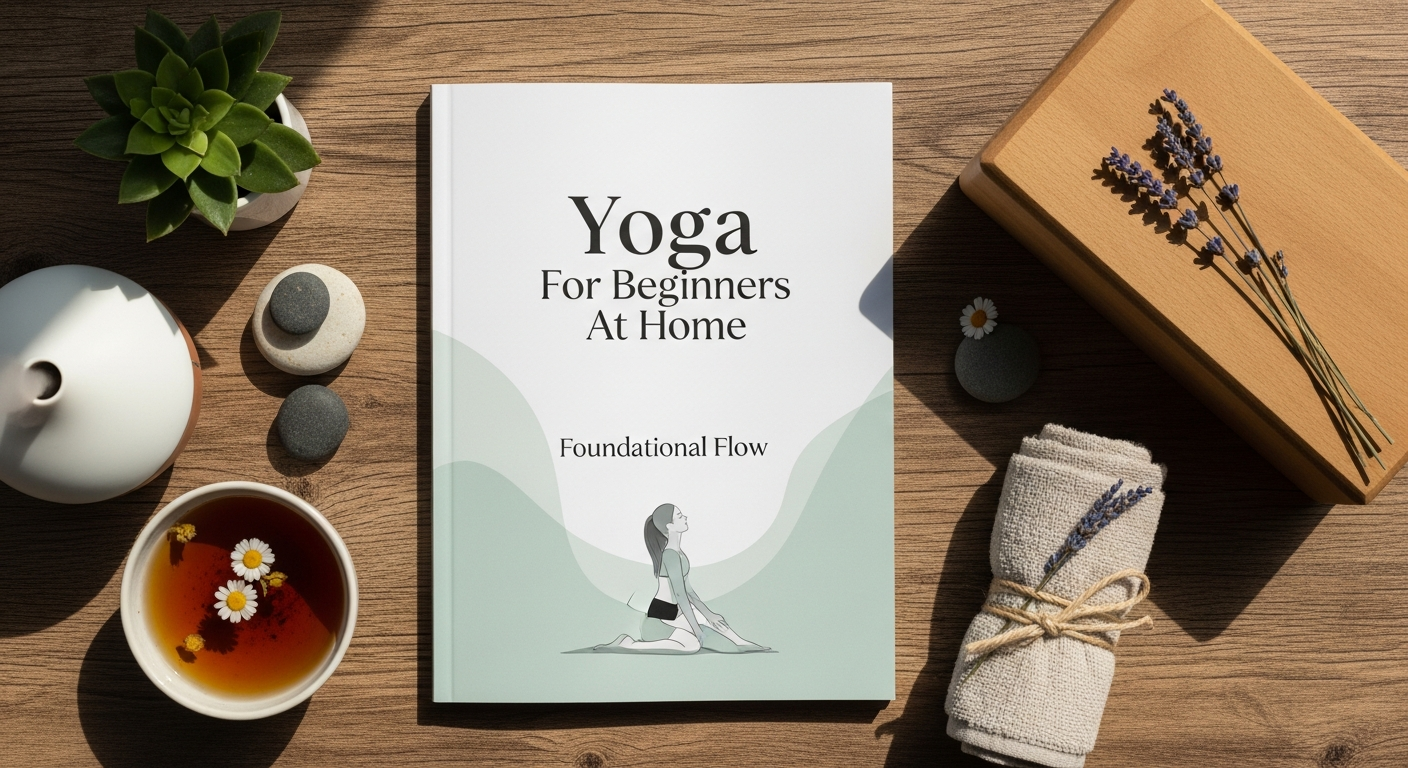
Creating an inviting and functional space for your home yoga practice doesn’t require a dedicated room or extensive renovations. It’s about intentionality and making the most of what you have. A thoughtfully designed yoga corner can significantly enhance your commitment and enjoyment, transforming a simple area into a sacred space where you look forward to unwinding and reconnecting.
Choosing Your Spot
The first step is to identify an appropriate space. Look for an area that:
- Offers Enough Room: You’ll need enough space to fully extend your limbs in all directions without bumping into furniture. Approximately 6×6 feet is a good starting point, but even a smaller area can work for certain poses.
- Provides Privacy: While not strictly necessary, a spot where you feel less exposed to household distractions can help you focus. This might be a quiet corner of your bedroom, a cleared space in the living room, or even a patio on a pleasant day.
- Has Good Airflow and Lighting: Natural light is ideal, but soft, ambient lighting works well. Ensure the space is well-ventilated to keep you comfortable during your practice.
- Is Relatively Quiet: Minimize external noise as much as possible. If quiet isn’t achievable, consider using noise-canceling headphones or playing calming music.
Minimal Equipment for Maximum Impact
The beauty of home yoga is its accessibility. You truly don’t need much to get started.
- Yoga Mat: This is your most essential item. Choose a mat that offers good grip and cushioning. A thickness of 4-6mm is generally ideal for beginners, providing comfort for joints without compromising stability. Look for eco-friendly materials if possible.
- Yoga Blocks (Optional but Recommended): These are fantastic props for beginners. Blocks help bring the floor closer to you, making challenging poses more accessible and allowing you to maintain proper alignment. They can support your hands in standing poses, elevate your hips in seated poses, and provide stability.
- Yoga Strap (Optional but Recommended): A strap extends your reach, making it easier to grasp your feet in seated forward folds or deepen stretches that your current flexibility doesn’t allow. It helps prevent overstretching and allows for a more gentle approach to lengthening.
- Blanket or Towel (Optional): A folded blanket can provide extra cushioning for knees or hips in certain poses, or it can be used as a prop to elevate your hips in seated meditations. A towel is useful for wiping sweat.
- Comfortable Clothing: Wear anything that allows for a full range of motion without restricting your breath or movement. Loose-fitting or stretchy athletic wear is perfect.
Enhancing Your Ambiance: Decor for a Harmonious Practice
Beyond the functional aspects, creating an aesthetically pleasing environment can significantly elevate your home yoga experience. Think about how you can infuse elements of peace and inspiration into your designated space. This is where Home Decor Ideas Budget 2026 and even concepts like Statement Wall Ideas Living Room can subtly influence your yoga corner.
- Declutter and Organize: A clean, uncluttered space promotes a clear mind. Remove any unnecessary items from your yoga zone to create a sense of spaciousness and calm. This simple act can be profoundly impactful.
- Soft Lighting: Harsh overhead lights can be jarring. Opt for softer, diffused lighting. A dimmer switch, a floor lamp with a warm bulb, or even candles (exercising caution) can create a soothing atmosphere.
- Natural Elements: Incorporate plants, even small ones, to bring life and fresh air into your space. Succulents, ferns, or a small peace lily can add a touch of nature and serenity.
- Soothing Colors: While you don’t need to repaint your entire room, consider adding elements in calming colors like soft blues, greens, greys, or earthy tones. A throw pillow, a small rug, or even artwork in these hues can make a difference.
- Aromatherapy: An essential oil diffuser with calming scents like lavender, frankincense, or bergamot can enhance relaxation and focus.
- Inspirational Touches: A small piece of artwork, a meaningful quote, a statue, or even a beautifully arranged shelf with a few cherished items can serve as a focal point for reflection and inspiration. This is where a mini “statement wall” can be created within your yoga nook, using budget-friendly art prints or personal photos to define the space and inspire tranquility.
- Music or Silence: Decide whether you prefer complete silence, calming instrumental music, or guided meditations. Create a playlist that supports your practice.
Remember, the goal is to create a space that feels personal, comfortable, and conducive to introspection and movement. It doesn’t need to be grand; it just needs to be yours. By thoughtfully setting up your home yoga sanctuary, you’re not just preparing for a physical practice; you’re creating a dedicated space for self-care and mindful living.
Foundation of Flow: Essential Yoga Poses for Beginners
1. Tadasana (Mountain Pose)
- Description: Stand tall with your feet together or hip-width apart, arms by your sides, palms facing forward. Distribute your weight evenly through all four corners of your feet. Engage your thigh muscles, lift your kneecaps, and gently tuck your tailbone. Lengthen your spine, draw your shoulders down and back, and lift the crown of your head towards the ceiling.
- Benefits: Establishes proper posture, grounds the body, improves balance, and sets the foundation for all standing poses. It teaches you to feel connected to the earth.
- Tips for Beginners: Close your eyes and notice the subtle sway of your body. Focus on your breath, feeling it move up and down your torso.
2. Adho Mukha Svanasana (Downward-Facing Dog)
- Description: Start on your hands and knees, wrists under shoulders, knees under hips. Spread your fingers wide, pressing firmly through your palms. Tuck your toes, lift your hips high, and straighten your legs (a slight bend in the knees is perfectly fine). Let your head hang freely, gaze towards your navel or thighs. Press your heels towards the floor (they don’t need to touch).
- Benefits: Stretches the hamstrings, calves, and shoulders; strengthens arms and legs; calms the brain and helps relieve stress. It’s an inversion that can be energizing.
- Tips for Beginners: Keep a generous bend in your knees to help lengthen your spine. Focus on creating a long line from your wrists to your tailbone. If your wrists hurt, use a thicker mat or place a folded blanket under the heels of your hands.
3. Balasana (Child’s Pose)
- Description: Kneel on your mat, big toes touching, knees wide (or together if more comfortable). Sink your hips back towards your heels. Fold your torso forward, resting your forehead on the mat. Extend your arms forward or rest them alongside your body, palms up.
- Benefits: Gently stretches hips, thighs, and ankles; calms the brain and helps relieve stress and fatigue. It’s a wonderful resting pose that encourages introspection.
- Tips for Beginners: If your forehead doesn’t comfortably reach the mat, place a block or folded blanket under it. If your hips don’t reach your heels, place a blanket between your hips and heels.
4. Virabhadrasana II (Warrior II)
- Description: From Mountain Pose, step your feet wide apart (about one leg length). Turn your right foot out 90 degrees and your left foot slightly in. Extend your arms out to the sides at shoulder height, palms down. Bend your right knee directly over your right ankle, keeping your shin perpendicular to the floor. Gaze over your right fingertips. Keep your torso upright and core engaged.
- Benefits: Strengthens legs and core, opens hips and chest, improves focus and balance. Cultivates strength and determination.
- Tips for Beginners: Ensure your bent knee doesn’t collapse inward. Keep your back leg strong and straight. If extending arms is too much, rest hands on hips.
5. Vrksasana (Tree Pose)
- Description: From Mountain Pose, shift your weight onto your left foot. Lift your right foot and place the sole against your inner left ankle, calf, or inner thigh (avoiding the knee). Bring your hands to prayer position at your heart center or extend them overhead. Find a steady gaze point (drishti) in front of you.
- Benefits: Improves balance, strengthens ankles and thighs, stretches inner thigh and groin, calms and focuses the mind.
- Tips for Beginners: It’s okay to start with your foot on your ankle or use a wall for support. Don’t worry if you wobble; it’s part of the practice! Focus on rooting down through your standing foot.
6. Savasana (Corpse Pose)
- Description: Lie flat on your back, legs extended and slightly wider than hip-width, feet relaxed and falling open. Arms are by your sides, slightly away from your body, palms facing up. Close your eyes, release any tension, and allow your body to completely surrender to the floor.
- Benefits: Calms the brain and helps relieve stress and mild depression; relaxes the body; reduces headache, fatigue, and insomnia. It’s considered the most important pose for integration.
- Tips for Beginners: Resist the urge to fidget. Use a blanket under your head for comfort or a rolled blanket under your knees to support your lower back. Allow yourself to truly rest and absorb the benefits of your practice.
These foundational poses provide an excellent starting point for your home yoga journey. Practice them individually until they feel comfortable, then begin to string them together into short sequences. Remember, consistency and mindful movement are far more important than achieving advanced poses. With patience and practice, you will build a strong and flexible foundation.
Crafting Your At-Home Yoga Routine: Structure and Flow

One of the greatest freedoms of practicing yoga for beginners at home is the ability to tailor your routine to your energy levels, time constraints, and specific goals for the day. While structure can be helpful, remember that flexibility is key. Your home practice should feel empowering, not prescriptive. This section will guide you through creating a balanced routine that aligns with your personal needs and helps you build healthy habits that stick.
Understanding the Basic Structure of a Yoga Practice
Most yoga classes, and thus most effective home practices, follow a general arc:
- Centering/Warm-up (5-10 minutes): This phase helps you transition from your daily activities to your yoga practice. It involves gentle movements and breath awareness to prepare your body and mind.
- Main Sequence/Asana Practice (15-45 minutes): This is where you engage in the core poses, building strength, flexibility, and balance.
- Cool-down/Savasana (5-10 minutes): This phase allows your body to integrate the benefits of the practice, calm the nervous system, and rest.
Designing Your Daily or Weekly Routine
Consider how much time you realistically have and how frequently you want to practice. Even 15 minutes of mindful movement can be profoundly beneficial.
Short & Sweet (15-20 Minutes)
Perfect for busy days or when you need a quick refresh.
- Centering (2-3 min): Start seated comfortably, eyes closed. Focus on your breath. Maybe a few gentle neck rolls or shoulder shrugs.
- Gentle Warm-up (3-5 min): Cat-Cow stretches, Seated Side Bends, Thread the Needle.
- Main Sequence (7-10 min): Flow through a few rounds of Sun Salutation A (a simple sequence of poses including Mountain, Forward Fold, Halfway Lift, Plank, Cobra/Upward Dog, Downward Dog). Alternatively, hold Downward Dog, Warrior II, and Tree Pose for a few breaths on each side.
- Cool-down (3-5 min): Child’s Pose, a gentle supine twist, and Savasana (Corpse Pose) for 2-3 minutes.
Balanced Practice (30-45 Minutes)
Allows for deeper exploration of poses and more thorough warm-ups/cool-downs.
- Centering (5 min): Seated meditation, breath awareness, setting an intention for your practice.
- Warm-up (5-7 min): Cat-Cow, Thread the Needle, Hip Circles, Wrist and Ankle Rotations, perhaps a few standing gentle stretches.
- Main Sequence (20-30 min):
- Begin with 2-3 rounds of Sun Salutation A to build heat.
- Introduce standing poses like Warrior I, Warrior II, Triangle Pose, and balancing poses like Tree Pose.
- Incorporate seated poses like Seated Forward Fold (Paschimottanasana) and Bound Angle Pose (Baddha Konasana) to open the hips and hamstrings.
- Include a gentle backbend like Cobra Pose or Sphinx Pose.
- Cool-down (5-8 min): Child’s Pose, Supine Spinal Twist, Happy Baby Pose, and a minimum of 5 minutes in Savasana.
Extended Practice (45-60+ Minutes)
For days when you have ample time and want a deeper, more comprehensive practice.
- Follow the structure of the Balanced Practice but extend the time spent in each section.
- Main Sequence: Explore more variations of poses, incorporate more complex sequences, or hold poses for longer durations. You might add inversions like Legs-Up-The-Wall (Viparita Karani), or explore seated twists and deeper hip openers.
- Cool-down: Allow for 7-10 minutes of Savasana, potentially followed by a short seated meditation or pranayama (breathwork) practice.
Tips for Sustaining Your At-Home Practice
- Listen to Your Body: This is paramount. If a pose causes pain, back off or skip it. Yoga is not about pushing through discomfort but about exploring your edges safely.
- Utilize Online Resources: There’s an abundance of free and paid yoga videos online for all levels. YouTube channels, subscription platforms (like Yoga with Adriene, Glo, Alo Moves) offer structured classes that you can follow. This is particularly helpful for beginners who might not yet know how to sequence poses.
- Consistency Over Intensity: It’s better to practice for 15 minutes three times a week than to attempt an hour-long session once a month. Regularity helps you build healthy habits that stick and see progress over time.
- Use Props: Don’t view props (blocks, straps, blankets) as a sign of weakness. They are tools that help you achieve proper alignment, deepen stretches safely, and make poses more accessible.
- Focus on Your Breath: The breath (prana) is the cornerstone of yoga. Connect each movement with an inhale or an exhale. This synchronicity calms the mind and enhances the physical benefits of the poses.
- Create a Schedule: Just like any other commitment, scheduling your yoga time can help with consistency. Treat it like an appointment with yourself.
- Be Patient and Kind: Progress in yoga is gradual. Celebrate small victories, don’t compare yourself to others, and approach your practice with a sense of curiosity and self-compassion.
- Vary Your Practice: Once you’re comfortable, explore different styles (e.g., gentle Hatha, energizing Vinyasa, restorative Yin) to keep your practice fresh and address different needs.
By thoughtfully structuring your at-home yoga routine, you are not just exercising; you are cultivating a powerful tool for self-care, stress reduction, and personal growth that will serve you well for years to come.
Nurturing Your Practice: Consistency, Mindfulness, and Growth
Starting yoga for beginners at home is an incredible first step; nurturing and sustaining that practice is the rewarding journey. Like any healthy habit, consistency and mindfulness are key to unlocking yoga’s profound benefits and ensuring it truly becomes a part of your life. This isn’t just about physical postures; it’s about cultivating a deeper connection to yourself and building resilience.
The Power of Consistency: Building Healthy Habits That Stick
It’s a common misconception that you need to dedicate hours to yoga to see results. The truth is, frequent, even short, practices are far more effective than infrequent long ones. This principle is central to how we build healthy habits that stick.
- Small Steps Lead to Big Changes: Commit to 15-20 minutes a day, three to five times a week. This manageable commitment is less intimidating and easier to integrate into a busy schedule. Over time, these small efforts compound into significant improvements in strength, flexibility, and mental clarity.
- Schedule It In: Treat your yoga practice like an important appointment. Block out time in your calendar. Whether it’s first thing in the morning to energize your day, during a lunch break to de-stress, or in the evening to unwind, having a designated time increases adherence.
- Be Patient with Yourself: There will be days when motivation wanes, or life simply gets in the way. Don’t let one missed session derail your entire practice. Acknowledge it, and gently guide yourself back to the mat for your next scheduled time. Self-compassion is crucial.
- Track Your Progress (Optionally): While yoga isn’t about competition, a simple journal to note how you feel before and after practice, or any small breakthroughs you experience, can be motivating. Perhaps you notice an improvement in your balance in Tree Pose, or you can hold Downward Dog with more ease. These small victories reinforce the habit.
Cultivating Mindfulness On and Off the Mat
Yoga is often described as a moving meditation, and mindfulness is its beating heart. It’s the practice of being fully present, observing your thoughts and sensations without judgment.
- Breath Awareness (Pranayama): Your breath is your anchor to the present moment. Throughout your practice, consciously connect with your inhale and exhale. Notice its rhythm, depth, and quality. When your mind wanders, gently bring your attention back to your breath. Simple practices like “dirgha pranayama” (three-part breath) or “nadi shodhana” (alternate nostril breathing) can be explored as you progress.
- Body Scan: As you move through poses, pay attention to the sensations in your body. Where do you feel a stretch? Where do you feel strength? Where might you be holding tension? This heightened awareness helps you adjust poses for optimal benefit and prevents injury.
- Non-Judgmental Observation: Notice thoughts and emotions that arise during your practice without attaching to them. See them as clouds passing in the sky. This practice of observation translates beautifully into daily life, helping you respond to challenges with greater calm and clarity.
- Mindful Transitions: Don’t just rush from one pose to the next. Pay attention to the journey between poses, making each movement deliberate and connected to your breath.
- Extend Mindfulness Beyond the Mat: The lessons learned in your yoga practice can enrich your everyday life. Practice mindful eating, mindful walking, or mindful listening. Bring the same presence and awareness to daily tasks, transforming chores into opportunities for connection.
Embracing Growth and Evolution
Your yoga practice will naturally evolve over time. What feels challenging today will become easier tomorrow, and new challenges will emerge.
- Explore New Poses and Variations: Once you feel comfortable with the foundational poses, gradually introduce new ones. Online resources are excellent for this. Don’t be afraid to try modifications or use props to make poses accessible.
- Deepen Your Understanding: Read yoga philosophy, explore different styles, or even consider attending an occasional studio class or workshop to gain new perspectives and insights.
- Integrate Yoga into Your Lifestyle: Yoga isn’t confined to your mat. The principles of mindfulness, self-awareness, and compassion can inform how you interact with others, how you manage stress, and how you approach your overall well-being. Think about how your yoga practice can inspire other healthy habits, from mindful eating to creating more harmonious living spaces, perhaps even influencing your Home Decor Ideas Budget 2026 to prioritize tranquility.
- Celebrate Your Journey: Every step on the mat is a step towards greater self-awareness and well-being. Acknowledge your dedication, celebrate your progress, and cherish the personal growth that blossoms from your consistent and mindful practice.
By focusing on consistency, cultivating mindfulness, and allowing your practice to grow organically, you are not just doing yoga; you are living yoga, creating a sustainable path to holistic health and inner peace.
Enhancing Your Space: Home Decor for a Harmonious Yoga Practice
Beyond the mat and the poses, the environment in which you practice significantly influences your experience. For those embarking on yoga for beginners at home, creating a designated, aesthetically pleasing, and functional space can be a powerful motivator and a true enhancement to your well-being journey. This is where mindful home decor choices come into play, even on a budget, and can even inspire Statement Wall Ideas Living Room style for a focused corner.
The Psychology of Space: Why Your Yoga Nook Matters
Our surroundings profoundly impact our mood, focus, and overall sense of calm. A cluttered, chaotic space can lead to a cluttered, chaotic mind. Conversely, a serene, organized environment can foster peace, clarity, and concentration. For your yoga practice, this means:
- Reduced Distractions: A dedicated space minimizes visual and mental clutter, allowing you to immerse yourself fully in your practice.
- Enhanced Focus: Specific design elements can guide your gaze and attention, promoting mindfulness.
- Emotional Connection: A beautifully designed space becomes a sanctuary, a place you look forward to entering, reinforcing the positive habit of practice.
- Sensory Harmony: Engaging sight, smell, and touch in a pleasant way can deepen relaxation and elevate your experience.
Budget-Friendly Decor for Your Yoga Sanctuary (Inspired by Home Decor Ideas Budget 2026)
You don’t need to spend a fortune to create a beautiful yoga space. Many impactful decor elements are affordable and can be incorporated with creativity, aligning perfectly with Home Decor Ideas Budget 2026 principles.
- Strategic Decluttering: This is the most impactful and free decor tip! Clear out anything extraneous from your yoga area. A clean, open space instantly feels more calming. Consider multi-functional furniture if space is tight, like an ottoman with storage for props.
- Lighting Matters: Harsh overhead lighting can be jarring. Invest in an affordable dimmer switch for existing fixtures or add a soft-glowing floor or table lamp. String lights or fairy lights can create a whimsical, tranquil ambiance. Candles (used safely, of course) also add a warm, inviting glow.
- Bring in Nature: Plants are incredibly effective at purifying air and adding a sense of calm. Even small, low-maintenance plants like succulents, snake plants, or a Pothos can make a big difference. They connect you to the natural world and enhance the “zen” factor.
- Color Psychology: While a full repaint might not be budget-friendly, consider adding accents in soothing colors. Soft blues, greens, earthy tones, and warm neutrals promote relaxation. This could be through a throw blanket, a cushion, a piece of artwork, or even a yoga mat in a calming hue.
- Textiles and Texture: A soft rug (washable if possible) can define your yoga zone and add warmth and comfort. Textured cushions or a cozy throw can invite relaxation during Savasana.
- Mirror, Mirror: A full-length mirror can be surprisingly helpful for beginners to check their alignment in poses. Position it so it doesn’t distract but is accessible for occasional checks. Look for budget-friendly options at discount stores or second-hand shops.
Creating a Focal Point: A Mini Statement Wall
Even if you don’t have a large living room to create a grand Statement Wall Ideas Living Room, you can carve out a smaller, more intimate version in your yoga nook. A focal point helps to draw your gaze, quiet the mind, and inspire your practice.
- Art & Photography: Hang a single, calming piece of art. This could be a print of a serene landscape, abstract art in soothing colors, or even a framed photograph that evokes peace. Look for affordable prints online or at local craft markets.
- Inspirational Quotes: A framed quote about mindfulness, peace, or strength can be a powerful daily reminder. You can even create your own with a simple printer and frame.
- Shelving with Meaning: Install a small, floating shelf to display a few cherished items: a small statue (e.g., Buddha, Ganesha), a crystal, an essential oil diffuser, a small plant, or a meaningful trinket. Keep it minimal to avoid clutter.
- Tapesty or Wall Hanging: A lightweight tapestry can add color, texture, and a
Recommended Resources
For more on yoga for beginners, see Tennis Bracelet History And How To Style It on Celebrity Exchange.
You might also enjoy Vitamin C Serum Benefits For Skin from Fashion Goggled.