






















Understanding the Power of Daily Gratitude
The concept of gratitude, while seemingly simple, holds an immense power to fundamentally shift our inner landscape. It’s the conscious acknowledgment of the good things in our lives, both big and small, and the recognition that these blessings often come from sources outside ourselves. Far from being merely a ‘nice to have,’ scientific research has increasingly highlighted the profound benefits of practicing gratitude regularly, transforming it into an essential tool for holistic well-being.
When we make the conscious choice to seek out and appreciate the positive, we begin to rewire our brains. This isn’t just anecdotal; studies in positive psychology have shown that a consistent gratitude practice can lead to measurable changes in brain structure and function, particularly in areas associated with empathy, reward, and moral cognition. This neurological shift helps us develop a more optimistic outlook, making us more resilient in the face of adversity. Instead of being overwhelmed by challenges, a grateful mindset allows us to see opportunities for growth, learning, and strength.
The impact extends far beyond our individual minds. Daily gratitude has been linked to improved physical health, including better sleep quality, reduced stress levels, and even a stronger immune system. Imagine waking up feeling more rested, tackling your day with less tension, and experiencing fewer sick days – these are tangible benefits that can dramatically improve your quality of life. Emotionally, gratitude serves as a potent antidote to negative emotions like envy, resentment, and regret. By focusing on what we have, rather than what we lack, we create an internal environment where joy, contentment, and compassion can flourish. This emotional uplift not only benefits us but also radiates outward, positively influencing our relationships and interactions with others.
Furthermore, regular gratitude practice fosters stronger social connections. When we express thanks, whether verbally or through thoughtful gestures, we strengthen bonds with family, friends, and colleagues. It acknowledges their contributions, validates their efforts, and cultivates a deeper sense of mutual appreciation. This creates a positive feedback loop, encouraging more acts of kindness and generosity within our social circles. For women managing homes, careers, and often the emotional well-being of their families, this strengthening of social fabric through gratitude can be an invaluable resource, creating a supportive and loving environment.
In essence, understanding how to practice gratitude daily is about embracing a philosophy that actively seeks out beauty, kindness, and abundance. It’s about recognizing that even amidst challenges, there is always something to be thankful for. This shift in perspective doesn’t mean ignoring difficulties, but rather approaching them from a place of strength and appreciation, knowing that a grateful heart is a powerful, unwavering compass guiding us towards a life of greater joy and fulfillment.
Simple Rituals to Kickstart Your Gratitude Journey
Embarking on a journey of daily gratitude doesn’t require grand gestures or sweeping life changes. In fact, some of the most profound shifts come from incorporating small, consistent rituals into your daily routine. These simple practices act as gentle reminders to pause, reflect, and appreciate, slowly but surely rewiring your brain for a more positive outlook. Here are some actionable rituals you can begin implementing today to learn how to practice gratitude daily:
The Morning Gratitude Moment
Start your day with intention. Before you even check your phone or dive into your to-do list, take a few moments to focus on gratitude. This could be as simple as lying in bed and thinking of three things you’re thankful for right at that moment – the warmth of your covers, the quiet of the morning, the promise of a new day. Or, sit with your morning coffee and consciously appreciate the taste, the aroma, and the comfort it brings. This sets a positive tone for the entire day, orienting your mind towards appreciation before the day’s demands take hold.
The Gratitude Journal
Perhaps the most well-known and effective gratitude ritual is journaling. Keep a dedicated notebook by your bedside or in your living room. Each evening, or at a consistent time each day, jot down 3-5 things you are grateful for. Don’t overthink it; they can be incredibly simple: a delicious meal, a kind word from a colleague, a beautiful sunset, the comfort of your home. The act of physically writing helps solidify these thoughts and creates a tangible record of your blessings. Over time, looking back at your entries can be a powerful reminder of the abundance in your life, especially during challenging periods. This practice is a fantastic component of Self Care Ideas At Home 2026, providing a quiet moment of reflection and self-nurturing.
Gratitude in Motion: Mindful Appreciation
Integrate gratitude into your everyday activities. When you’re washing dishes, appreciate the clean water and the warmth. When you’re walking, notice the beauty of nature around you – the vibrant colors of flowers, the sound of birds, the feeling of the sun on your skin. As you prepare a meal, be thankful for the nourishing ingredients and the ability to feed yourself and your loved ones. These small moments of mindful appreciation transform mundane tasks into opportunities for gratitude, deepening your connection to the present moment.
Expressing Gratitude to Others
Make it a habit to verbally express your thanks to the people in your life. A sincere “thank you” to a spouse for helping with chores, a child for their laughter, a friend for their support, or a service person for their assistance can make a world of difference. Not only does it brighten their day, but it also reinforces your own sense of appreciation. Consider sending a thoughtful text, email, or even a handwritten note to someone who has positively impacted you. This outward expression amplifies the internal feeling of gratitude.
The Evening Reflection
Before bed, take a few minutes to mentally replay your day and identify moments of grace or kindness. Even on difficult days, there’s often a silver lining or a small blessing to be found. This could be the resilience you showed, a problem you solved, or simply the comfort of knowing you have a safe place to rest. This evening reflection allows you to end your day on a positive note, promoting restful sleep and reinforcing a grateful perspective.
By consistently engaging in these simple rituals, you’ll find that practicing gratitude daily becomes less of a chore and more of a natural, joyous part of your life. These small shifts compound over time, creating a profound and lasting impact on your overall happiness and well-being.
Integrating Gratitude into Your Home & Environment
Creating a Gratitude Nook or Altar
Designate a specific corner or surface in your home as a “gratitude nook” or a personal altar. This doesn’t need to be elaborate. It could be a small shelf, a bedside table, or a corner of your living room. Adorn it with items that evoke feelings of thankfulness: a cherished photograph of loved ones, a souvenir from a memorable trip, a beautiful stone, or a small plant that you nurture. This space serves as a visual reminder to pause and reflect. You might place your gratitude journal here, along with a pen, making it an inviting space for daily reflection. For those looking for Home Decor Ideas Budget 2026, creating a meaningful gratitude nook can be done affordably with existing treasures and a few carefully chosen, inexpensive items.
The Gratitude Jar or Wall
A gratitude jar is a wonderful, interactive way to keep appreciation alive in your home. Place a decorative jar in a central location, like the kitchen or living room. Throughout the week, invite family members to write down things they are grateful for on small slips of paper and drop them into the jar. On a special occasion, like New Year’s Eve or Thanksgiving, gather together and read the notes aloud. This collective practice not only reinforces individual gratitude but also strengthens family bonds and creates cherished memories. Alternatively, consider a “gratitude wall” in your living room. Instead of traditional art, dedicate a section of a wall to displaying notes of gratitude, photos of cherished moments, or even small, framed affirmations. This can be a truly unique Statement Wall Ideas Living Room for 2026, showcasing your family’s values and creating a positive focal point.
Mindful Decluttering and Organization
Practicing gratitude extends to how we care for our possessions. When you declutter, instead of simply discarding items, take a moment to acknowledge their purpose and express thanks for their service before letting them go. This mindful approach transforms decluttering from a chore into an act of appreciation. Similarly, when organizing, appreciate the functionality and beauty of your belongings, and the joy they bring. A tidy, organized home can reduce stress and create a more peaceful environment, making it easier to focus on positive emotions like gratitude.
Infusing Spaces with Sensory Gratitude
Engage all your senses in your gratitude practice within your home. Light a candle with a calming scent and be grateful for the ambiance it creates. Play soothing music and appreciate the beauty of sound. Enjoy a cup of tea, savoring its warmth and flavor. Arrange fresh flowers and marvel at their natural beauty. These sensory experiences heighten your awareness of the present moment and provide countless opportunities for thankfulness. Even choosing a vibrant color palette for your walls can be an act of gratitude for the beauty around us, contributing to a positive mood and complementing any Statement Wall Ideas Living Room you might implement in 2026.
Appreciating the Essentials
It’s easy to take for granted the fundamental comforts of home. Take moments to consciously appreciate the warmth of your shelter, the clean water from your tap, the electricity that powers your lights, and the food in your pantry. These are profound blessings that many around the world lack. By acknowledging these basic comforts, you cultivate a deeper, more profound sense of gratitude that permeates your entire living experience.
By thoughtfully integrating gratitude into your home environment, you create a space that not only looks beautiful but feels rich with appreciation, serving as a constant, gentle nudge for how to practice gratitude daily.
Gratitude as a Cornerstone of Self-Care
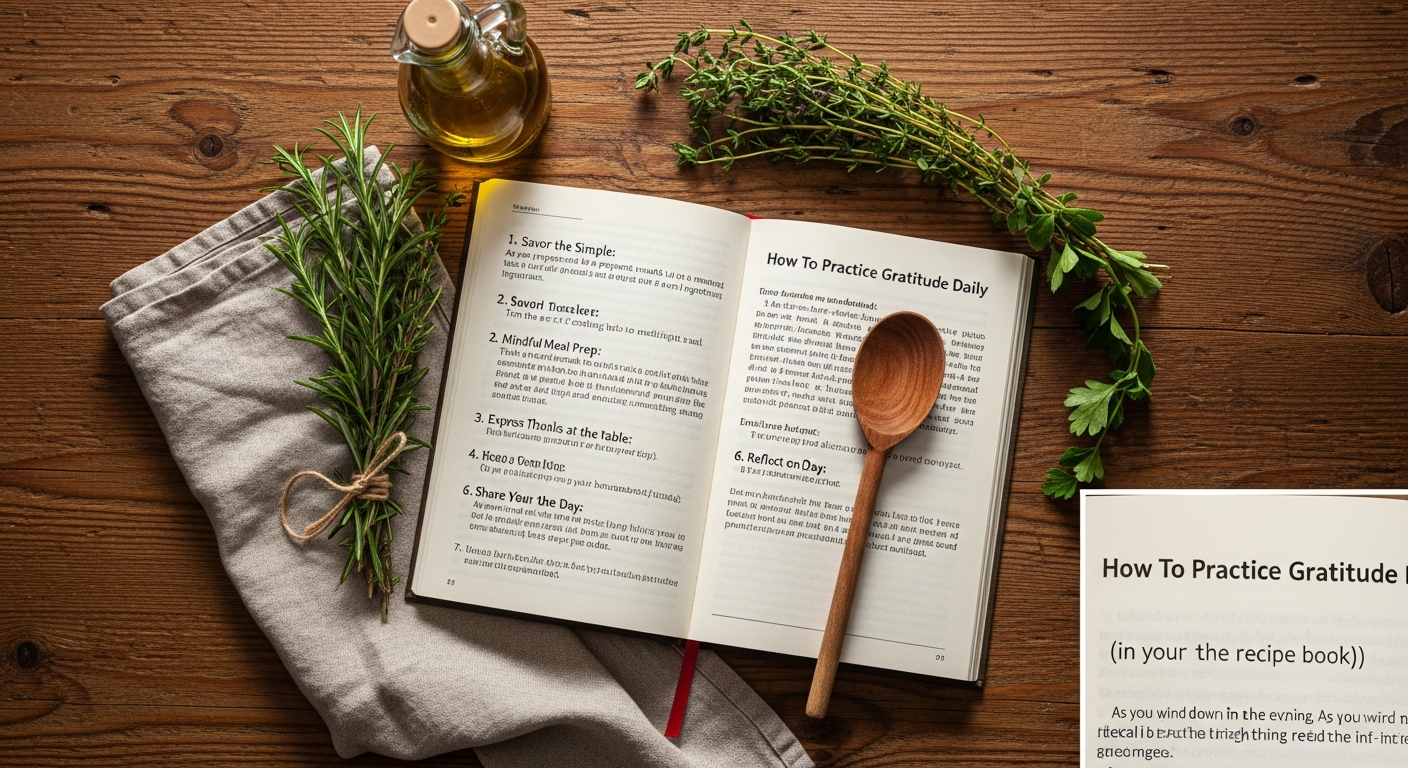
In the expansive landscape of modern wellness, self-care has emerged as a crucial practice for maintaining mental, emotional, and physical health. While often associated with spa days, quiet reading, or mindful movement, the profound yet often overlooked truth is that gratitude is one of the most powerful and accessible forms of self-care. It’s a practice that nourishes the soul from within, building resilience and promoting a deep sense of inner peace. Understanding how to practice gratitude daily is, in essence, understanding a vital component of holistic self-care.
Nourishing Your Mental Landscape
Our minds are powerful, and the thoughts we cultivate profoundly impact our well-being. Gratitude acts as a mental detox, actively combating negative thought patterns, rumination, and anxiety. When you choose to focus on what’s going right, what you appreciate, and what brings you joy, you create less space for worry and self-criticism. This mental shift is a crucial act of self-love, protecting your mind from the corrosive effects of constant negativity. Integrating a gratitude journal into your Self Care Ideas At Home 2026 routine, for example, allows for a quiet, reflective space to consciously direct your thoughts towards the positive, fostering mental clarity and calm.
Emotional Resilience and Regulation
Life inevitably presents challenges, setbacks, and moments of discomfort. Gratitude doesn’t eliminate these experiences, but it equips us with a stronger emotional toolkit to navigate them. By regularly acknowledging blessings, we build a reservoir of positive emotions that we can draw upon during difficult times. This emotional resilience helps us bounce back more quickly from adversity, seeing lessons and opportunities for growth rather than dwelling on misfortune. Practicing gratitude in moments of stress—even for something as simple as the breath in your lungs—can help regulate your nervous system, calming your fight-or-flight response and promoting emotional balance.
The Physical Manifestations of Gratitude
The mind-body connection is undeniable, and gratitude offers significant physical benefits that contribute to overall self-care. Research consistently links gratitude to reduced stress hormones like cortisol, which in turn can lead to improved sleep quality, lower blood pressure, and a stronger immune system. Imagine how much more energy you’d have, how much better you’d feel, if your body was under less internal stress. Incorporating gratitude into your morning routine, perhaps by appreciating your body’s ability to move during a gentle stretching session, is an excellent way to combine physical and mental self-care for 2026.
Gratitude-Infused Self-Care Practices
- Mindful Eating with Gratitude: As you enjoy a meal, take a moment to appreciate the journey of the food from farm to plate, the flavors, the nourishment it provides, and the effort of those who prepared it. This transforms eating from a necessity into a deeply grateful and mindful experience.
- Gratitude Walks: When taking a walk for exercise or relaxation, consciously observe and appreciate the beauty of your surroundings – the trees, the sky, the architecture, the sounds. This turns a simple walk into a moving meditation of thankfulness.
- Gratitude Before Sleep: Before drifting off, mentally list all the things you are grateful for from the day. This positive mental wrap-up can significantly improve sleep quality, ensuring you wake up feeling refreshed and ready to embrace the new day. This is a powerful, yet simple, addition to your Self Care Ideas At Home 2026 repertoire.
- Gratitude for Your Body: Take a moment to appreciate your body for all it does for you – your strong legs that carry you, your hands that create, your eyes that see beauty. This fosters a healthier body image and a deeper connection to your physical self.
By consciously weaving gratitude into your self-care practices, you’re not just adding another item to your to-do list; you’re elevating the quality of your entire self-care regimen. It’s about tending to your inner garden, ensuring that it’s fertile ground for joy, peace, and unwavering strength. For women aiming to live a balanced and fulfilling life in 2026, making gratitude a cornerstone of self-care is an invaluable investment in their overall well-being.
Overcoming Obstacles: Sustaining Gratitude Through Challenges
While the concept of gratitude is universally appealing, consistently practicing it, especially when life throws its inevitable curveballs, can be challenging. It’s easy to be grateful when everything is going well, but true strength and resilience emerge when we learn how to practice gratitude daily even amidst adversity. Sustaining a grateful mindset isn’t about ignoring pain or pretending everything is perfect; it’s about actively seeking out the light, even in the darkest corners.
Acknowledging and Processing Difficult Emotions
One of the biggest obstacles to gratitude is the misconception that it requires suppressing negative emotions. This is far from the truth. Authentic gratitude allows space for sadness, anger, fear, or frustration. Trying to force positivity when you’re genuinely struggling can be counterproductive and lead to emotional suppression. Instead, acknowledge your feelings without judgment. Allow yourself to feel them, process them, and then, once you’ve given them their due, gently pivot towards seeking something, however small, to be grateful for. This might be the strength you found to face the difficulty, the support of a loved one, or simply the resilience of your own spirit.
The “Reframing” Technique
When faced with a challenge, try to reframe your perspective. Instead of seeing only the problem, ask yourself:
- What lesson can I learn from this situation?
- How might this challenge make me stronger or more compassionate?
- What opportunities might arise from this difficulty that I can’t yet see?
- What resources or support do I have that can help me navigate this?
This reframing doesn’t diminish the difficulty but helps you find pockets of learning, growth, or even unexpected blessings within it. For example, a budget constraint (relevant to Home Decor Ideas Budget 2026) might force you to get creative, leading to a more unique and personalized living space than an unlimited budget ever would have allowed.
Lowering Your Gratitude Bar
On tough days, your capacity for grand gratitude might be diminished. That’s perfectly okay. Lower your “gratitude bar” significantly. Instead of aiming for profound thankfulness, look for the tiniest, most basic things. Be grateful for your breath, for a sip of water, for the roof over your head, for the fact that you woke up today. These fundamental blessings, often overlooked, become incredibly potent when everything else feels overwhelming. This simple act of acknowledging the bare essentials can provide a crucial anchor during turbulent times.
Seeking Connection and Support
When we’re struggling, isolation can amplify negative feelings. Reach out to a trusted friend, family member, or therapist. Sharing your burdens can lighten their weight and open you up to receiving support, which itself is a profound reason for gratitude. Sometimes, simply hearing someone else’s perspective or receiving an act of kindness can reignite your sense of appreciation for the good in the world.
Consistent Practice, Not Perfection
Remember that gratitude is a practice, not a destination. There will be days when it feels effortless, and days when it feels like pulling teeth. The key is consistency, not perfection. If you miss a day or find yourself in a negative spiral, don’t chastise yourself. Simply acknowledge it and gently redirect your focus back to gratitude whenever you’re ready. Each small effort to turn towards appreciation, especially when it’s hard, builds your “gratitude muscle” over time.
Using Your Environment as a Reminder
As discussed, your home can be a powerful ally. If you’ve created a gratitude nook or a Statement Wall Ideas Living Room featuring affirmations or cherished memories, these visual cues can serve as gentle reminders to shift your focus during challenging moments. Seeing something beautiful or meaningful can be a small but effective way to interrupt a negative thought loop and prompt a moment of appreciation.
Sustaining gratitude through challenges is a testament to inner strength and a commitment to your own well-being. It transforms adversity into an opportunity for deeper appreciation, proving that even in the face of difficulty, there is always, always something to be thankful for.
Advanced Practices: Deepening Your Gratitude Experience
Once you’ve established the foundational rituals of daily gratitude, you might find yourself yearning for deeper engagement, a more profound connection to the transformative power of thankfulness. Moving beyond the basics of listing items, these advanced practices invite you to explore the nuances of appreciation, integrating gratitude into the very fabric of your being. This journey of deepening your gratitude experience is an ongoing process of self-discovery and heightened awareness, truly mastering how to practice gratitude daily.
Expressive and Immersive Gratitude
Instead of just thinking or writing down your gratitude, engage in more expressive forms. This could involve:
- Gratitude Letters: Write a heartfelt letter to someone who has significantly impacted your life, expressing precisely what you are grateful for and how their actions affected you. You don’t necessarily have to send it, but the act of articulation is incredibly powerful. If you do send it, prepare for a profoundly moving experience for both sender and receiver.
- Verbal Affirmations: Start and end your day by verbally affirming your gratitude. Say aloud, “I am grateful for…” and fill in the blanks. Hearing your own voice articulate these blessings can reinforce the feeling more strongly than silent thought alone.
- Creative Expression: If you enjoy art, music, or poetry, channel your gratitude into these forms. Paint a picture that represents your blessings, compose a melody of thankfulness, or write a poem expressing your appreciation for life’s gifts. This creative outlet can be a deeply personal and enriching way to celebrate gratitude.
The “Why” Behind the What
Move beyond simply listing what you’re grateful for and delve into the “why.” For instance, instead of just writing “I’m grateful for my friend, Sarah,” explore why you’re grateful for her. “I’m grateful for Sarah because she always listens without judgment, makes me laugh even on tough days, and reminds me of my strength.” This deeper exploration helps you connect more intimately with the feeling of gratitude, understanding the specific impact these blessings have on your life. This level of detail helps cultivate a more profound and sustained sense of appreciation, making a simple gratitude journal a powerful tool for self-reflection and personal growth, enhancing your Self Care Ideas At Home 2026.
Anticipatory Gratitude
This practice involves feeling grateful for things that haven’t happened yet, but that you anticipate or hope for. It’s a powerful tool for manifesting positive outcomes and cultivating optimism. For example, if you’re working on a home renovation project (perhaps inspired by Home Decor Ideas Budget 2026 or planning a Statement Wall Ideas Living Room), you might feel grateful for the future comfort and beauty of the finished space. Or, if you have an important meeting, feel grateful for a positive outcome and productive discussions. This isn’t about magical thinking, but about consciously aligning your mindset with positive expectations, which can influence your actions and interactions.
Gratitude for Challenges and Growth
One of the most advanced forms of gratitude is finding appreciation not just for the good, but also for the challenges and difficulties you’ve faced. This doesn’t mean being grateful for pain itself, but rather for the strength, resilience, wisdom, and growth that emerged from those experiences. It’s about recognizing that adversity can be a profound teacher, shaping you into a more capable and compassionate individual. This perspective requires significant introspection and a willingness to see beyond immediate discomfort to the long-term benefits.
Mindful Consumption and Contribution
Extend your gratitude to your consumption habits. When you purchase something, appreciate the craftsmanship, the resources involved, and the labor that went into creating it. When you consume food, appreciate the earth, the farmers, and the journey it took to reach your table. Conversely, practice gratitude by actively contributing to the well-being of others. Volunteer your time, offer a helping hand, or make a thoughtful donation. The act of giving, especially when done with a grateful heart, reinforces your own sense of abundance and connection to the wider community.
These advanced practices are not meant to replace your basic gratitude rituals but to complement and deepen them. They invite you to live a life saturated with appreciation, transforming every experience into an opportunity for growth, connection, and profound joy. By consciously engaging with these deeper forms of thankfulness, you truly master how to practice gratitude daily, fostering an unwavering spirit of appreciation that enriches every facet of your existence.
The Ripple Effect: Spreading Gratitude in Your Community
The journey of learning how to practice gratitude daily often begins as a deeply personal endeavor, a quiet cultivation of inner peace and positive perspective. However, the beauty of gratitude is that its effects rarely remain contained within the individual. Like ripples expanding across a pond, a grateful heart naturally radiates outward, impacting our immediate circles, our broader community, and even the world at large. Embracing this ripple effect transforms personal gratitude into a powerful force for collective good.
Inspiring Others Through Example
One of the most potent ways to spread gratitude is simply by living it. When others observe your consistent positivity, your resilience in the face of challenges, and your genuine appreciation for life, they become curious. Your calm demeanor and optimistic outlook can serve as an unwitting invitation for them to explore gratitude themselves. You don’t need to preach; simply embody the principles of thankfulness in your daily interactions. Your genuine smile, your patient response, your thoughtful gesture—these are powerful, unspoken messages that can inspire others to seek out their own sources of joy and appreciation.
Active Expression in Relationships
Beyond personal journaling, make a conscious effort to actively express gratitude to the people in your life. This includes your family, friends, neighbors, and colleagues. Simple, specific expressions of thanks can strengthen bonds, resolve misunderstandings, and create a more positive and supportive environment.
- At Home: Regularly thank your spouse for their partnership, your children for their unique personalities, or a housemate for their contributions. A family gratitude jar, as mentioned before, is an excellent way to make this a shared practice, cultivating a home environment rich in appreciation.
- In Friendships: Reach out to friends with sincere appreciation for their presence, their support, or a specific act of kindness. A heartfelt text or call to say “thank you for being you” can deepen connections significantly.
- In Your Community: Thank your barista for your coffee, your postal worker for their service, or a volunteer for their dedication. These small acknowledgments validate their efforts and foster a sense of mutual respect and appreciation within your local community.
These acts of expressive gratitude contribute to a culture of kindness and recognition, making the world a warmer, more connected place.
Volunteering and Giving Back
Another profound way to spread gratitude is through acts of service. When you volunteer your time, skills, or resources to a cause you care about, you are expressing gratitude for your own blessings by sharing them with others. This could involve supporting a local charity, helping a neighbor in need, or participating in community initiatives. Giving back not only helps those you serve but also deepens your own sense of appreciation for what you have, creating a virtuous cycle of gratitude and generosity. This mindful contribution can be a powerful extension of your personal Self Care Ideas At Home 2026, as giving often brings immense personal satisfaction.
Creating Spaces for Shared Gratitude
Consider creating opportunities for collective gratitude within your home and community.
- Gratitude Dinner Parties: Host a dinner where guests share something they are grateful for before the meal. This creates a beautiful atmosphere of appreciation.
- Community Gratitude Projects: Organize a local initiative, like a community “gratitude board” in a public space, where people can post notes of thanks for their town or neighbors. Or, if you’re exploring Statement Wall Ideas Living Room, consider an outdoor community mural project that celebrates local heroes or natural beauty, inspiring shared appreciation.
These shared experiences amplify the power of gratitude, transforming it from an individual practice into a communal celebration of life’s goodness.
Ultimately, the ripple effect of gratitude reminds us that our personal well-being is intrinsically linked to the well-being of those around us. By consciously cultivating and expressing gratitude, we not only enrich our own lives but also contribute to building a more compassionate, connected, and appreciative world—one grateful heart at a time.
Frequently Asked Questions
Recommended Resources
Related reading: How To Practice Mindful Parenting (Veralyn Media).
Learn more about this topic in How To Find Your Foundation Shade Match at Sometimes Daily.