































Understanding Self-Care: More Than Just Pampering
Before we dive into the practicalities of how to create a self-care routine, it’s crucial to dispel common misconceptions and redefine what self-care truly encompasses. For many, the term conjures images of bubble baths, spa days, or retail therapy – pleasant activities, certainly, but often superficial representations of a much deeper practice. At its heart, self-care is any intentional action you take to care for your physical, mental, emotional, social, and spiritual well-being. It is a proactive investment in your health and happiness, designed to prevent burnout, manage stress, and foster a sustainable sense of inner peace.
Think of self-care not as a reward for hard work, but as the essential fuel that enables you to do that work effectively and joyfully. It’s about listening to your body’s signals, acknowledging your emotional landscape, and deliberately choosing activities that replenish your energy rather than deplete it. This means it can sometimes feel challenging – setting boundaries, saying no, or engaging in difficult introspection are all powerful forms of self-care that may not feel immediately pleasurable but offer profound long-term benefits. In 2026, as our lives continue to accelerate, understanding this holistic definition becomes even more critical for maintaining balance.
A truly effective self-care routine embraces five key dimensions:
- Physical Self-Care: This includes nourishing your body through wholesome food, adequate sleep, regular movement, hydration, and attending to medical needs. It’s about honoring your body as your temple.
- Mental Self-Care: This involves stimulating your mind, managing stress, and fostering mental clarity. Activities might include reading, learning new skills, engaging in puzzles, practicing mindfulness, or taking digital breaks.
- Emotional Self-Care: This dimension focuses on acknowledging, processing, and expressing your emotions in healthy ways. Journaling, talking to a trusted friend or therapist, setting boundaries, and engaging in creative expression are vital here.
- Social Self-Care: Humans are inherently social beings. This involves nurturing healthy relationships, connecting with loved ones, and seeking out positive social interactions, while also knowing when to protect your energy from draining social situations.
- Spiritual Self-Care: This doesn’t necessarily mean religious practice, but rather connecting with your sense of purpose, values, and what gives your life meaning. It could involve meditation, spending time in nature, practicing gratitude, or engaging in acts of service.
By understanding self-care through this multifaceted lens, you empower yourself to build a routine that is comprehensive, resilient, and deeply resonant with your authentic self.
The Foundation: Auditing Your Current Lifestyle

Before you can construct an effective self-care routine, a crucial first step is to conduct an honest audit of your current lifestyle. This isn’t about judgment, but about gaining clarity on where your energy is currently flowing, what your stressors are, and what areas of your life might be neglected. Think of it as taking an inventory of your well-being in 2026.
Grab a journal or a notebook and dedicate some quiet time to reflect on the following questions:
- Where do you feel depleted? Identify specific areas where you consistently feel tired, overwhelmed, or drained. Is it work, family obligations, social commitments, or perhaps an internal pressure?
- What brings you joy and energy? Conversely, pinpoint activities, people, or environments that genuinely uplift you, make you feel alive, and restore your energy.
- What are your biggest stressors? List the top three to five things that cause you significant stress or anxiety. Understanding these triggers is key to developing coping mechanisms and preventative self-care strategies.
- How much sleep are you genuinely getting? Be honest about your sleep patterns. Are you consistently getting 7-9 hours of quality sleep?
- What does your nutrition look like? Are you fueling your body with nourishing foods, or relying heavily on processed items and caffeine?
- How often do you move your body? Consider your physical activity levels. Are you incorporating movement you enjoy regularly?
- When was the last time you truly felt relaxed or playful? If you have to think hard about this, it’s a significant indicator that self-care is overdue.
- Are your boundaries clear and respected? Reflect on your ability to say no, protect your time, and communicate your needs to others.
- Which of the five dimensions of self-care (physical, mental, emotional, social, spiritual) feels most neglected? Pinpointing this will help you prioritize where to focus your initial efforts.
This lifestyle audit provides a baseline, a snapshot of your current state. It highlights not only your pain points but also your existing strengths and sources of solace. For instance, you might discover that while your physical self-care is lacking, you excel at mental self-care through reading. This insight allows you to build upon what’s already working while strategically addressing areas that need more attention. This foundational step is arguably the most important when learning how to create a self-care routine, as it grounds your efforts in genuine self-awareness rather than generic advice.
Crafting Your Personalized Self-Care Toolkit
Consider a variety of “Self Care Ideas At Home 2026” that can be easily integrated into your daily life:
Physical Self-Care Practices:
- Prioritize Sleep Hygiene: Establish a consistent bedtime and wake-up time, even on weekends. Create a relaxing pre-sleep ritual – a warm bath, reading a book, dimming lights. Ensure your bedroom is dark, quiet, and cool.
- Nourish Your Body: Plan healthy meals and snacks. Focus on whole foods, plenty of fruits and vegetables, and adequate protein. Hydrate consistently throughout the day.
- Move with Intention: Find forms of exercise you genuinely enjoy. This could be a brisk walk in nature, yoga, dancing, cycling, or strength training. Even 15-30 minutes daily can make a significant difference.
- Mindful Eating: Pay attention to your food, savoring tastes and textures, and listening to your body’s hunger and fullness cues.
- Schedule Regular Check-ups: Don’t neglect preventative healthcare. Book those dental, eye, and general health appointments.
Mental Self-Care Practices:
- Mindfulness and Meditation: Even 5-10 minutes of guided meditation or mindful breathing can reduce stress and improve focus. Apps like Calm or Headspace offer excellent resources.
- Digital Detox: Set specific times to disconnect from screens. Designate tech-free zones in your home, especially the bedroom.
- Engage Your Intellect: Read a book, listen to an educational podcast, learn a new language, or explore a new hobby that challenges your mind.
- Journaling for Clarity: Use a journal to dump thoughts, process emotions, or practice gratitude. It’s a powerful tool for self-reflection.
- Limit News Consumption: While staying informed is important, excessive exposure to negative news can be detrimental. Set limits or choose specific, reliable sources.
Emotional Self-Care Practices:
- Practice Emotional Awareness: Regularly check in with how you’re feeling. Name your emotions without judgment.
- Express Creatively: Engage in activities like painting, drawing, writing poetry, playing music, or crafting. Creative expression is a fantastic outlet for emotions.
- Set Healthy Boundaries: Learn to say no to requests that overextend you and communicate your needs clearly and kindly.
- Seek Support: Talk to a trusted friend, family member, or a professional therapist when you need to process difficult emotions.
- Practice Self-Compassion: Treat yourself with the same kindness and understanding you would offer a dear friend. Forgive yourself for mistakes and imperfections.
Social Self-Care Practices:
- Connect Meaningfully: Schedule quality time with friends and family who uplift you. This could be a coffee date, a phone call, or a shared activity.
- Evaluate Your Social Circle: Consciously choose to spend time with people who energize you and minimize interactions with those who drain you.
- Join a Community: Participate in groups or clubs that align with your interests, fostering a sense of belonging.
- Solo Time: While social connection is vital, also schedule deliberate solo time for introspection and recharging, especially if you’re an introvert.
Spiritual Self-Care Practices:
- Spend Time in Nature: Connect with the natural world – a walk in the park, gardening, or simply sitting outdoors.
- Practice Gratitude: Keep a gratitude journal or regularly reflect on things you are thankful for.
- Mindful Reflection: Dedicate quiet time for contemplation, prayer, or meditation to connect with your inner self and values.
- Engage in Purposeful Activities: Volunteer, contribute to a cause you believe in, or engage in work that aligns with your values.
As you build your toolkit, remember to choose activities that genuinely appeal to you. If meditation feels like a chore, try a nature walk instead. The goal is to find practices that you look forward to and that truly leave you feeling restored.
Integrating Self-Care into Your Daily Rhythm
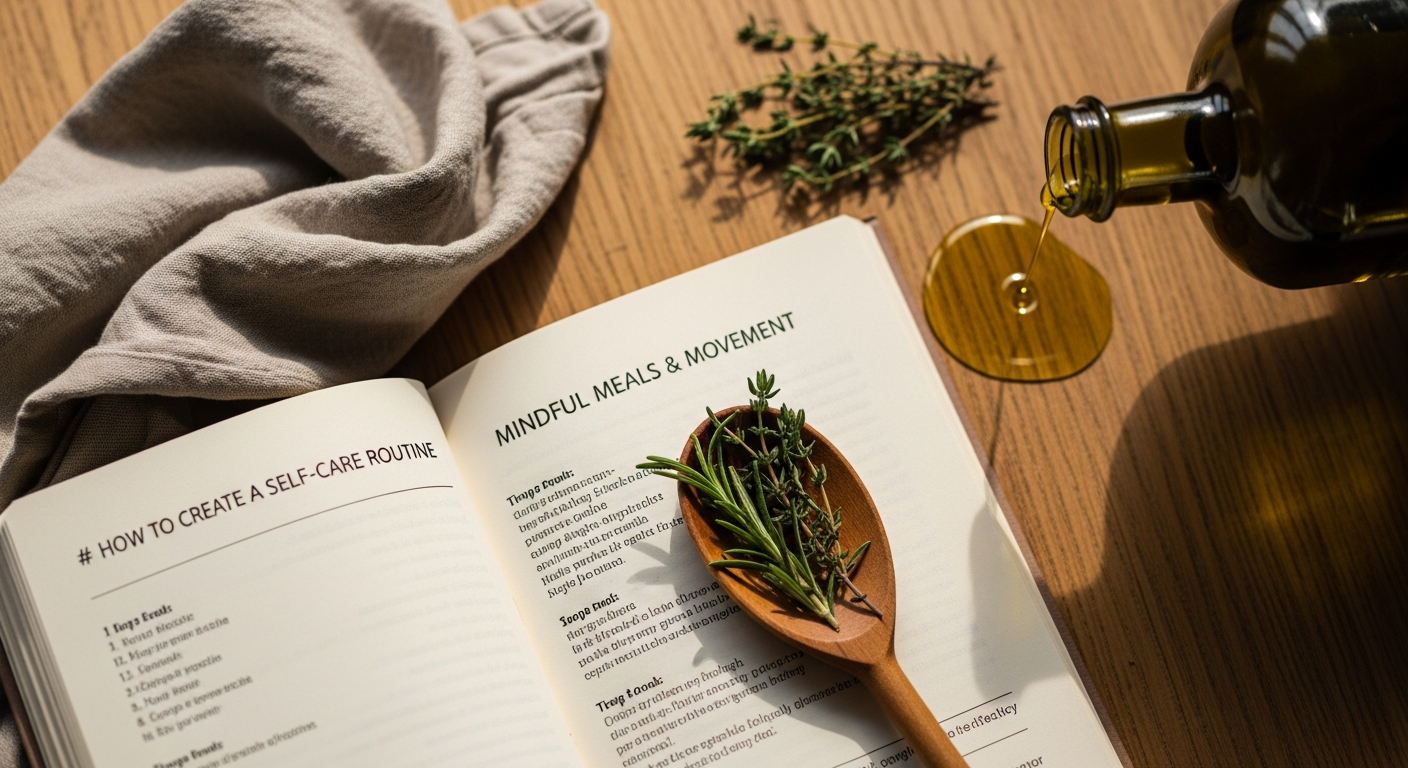
Having a toolkit of wonderful self-care ideas is one thing; consistently integrating them into your daily life is another. This is where the rubber meets the road in learning how to create a self-care routine that sticks. The key is to start small, be strategic, and treat your self-care appointments with the same importance as any other commitment.
1. Start Small and Be Realistic:
Don’t try to overhaul your entire life overnight. Choose one or two self-care activities from your toolkit to begin with. Maybe it’s 10 minutes of journaling in the morning, or a 20-minute walk after work. Small, consistent efforts are far more impactful than sporadic grand gestures. Building these micro-habits creates momentum and makes the routine feel less daunting.
2. Schedule It:
The most effective way to ensure self-care happens is to schedule it. Look at your calendar for the week ahead and block out specific times for your chosen activities. Treat these blocks as non-negotiable appointments. If you plan to read for 15 minutes before bed, put it on your calendar. If you want to do a yoga session, schedule it like a meeting. This intentional planning elevates self-care from a “when I have time” luxury to a “this is essential” priority.
3. Anchor Habits:
Link new self-care habits to existing routines. For example, if you already drink coffee every morning, perhaps you can pair it with 5 minutes of mindful breathing or gratitude journaling. If you always brush your teeth before bed, maybe you can follow it with a quick stretching routine or a moment of reflection. Anchoring makes new habits easier to remember and integrate.
4. Design Your Day with Self-Care in Mind:
- Morning Rituals: Start your day proactively. Instead of immediately checking your phone, dedicate the first 15-30 minutes to yourself. This could involve meditation, journaling, gentle stretching, or enjoying a quiet cup of tea. A mindful morning sets a positive tone for the rest of your day.
- Midday Resets: If your schedule allows, incorporate short breaks throughout your workday. Step away from your desk for 5 minutes, do some deep breathing, stretch, or take a quick walk. These micro-breaks prevent energy slumps and help maintain focus.
- Evening Wind-Down: Create a consistent evening routine that signals to your body it’s time to relax. This could include dimming lights, avoiding screens for an hour before bed, reading a physical book, taking a warm bath, or listening to calming music.
5. Be Flexible and Adaptable:
Life happens, and sometimes your meticulously planned self-care routine will be disrupted. Don’t let this derail you entirely. Instead of viewing it as a failure, see it as an opportunity for flexibility. If your morning meditation got skipped, can you fit in 5 minutes during lunch? If your evening walk is rained out, can you do some indoor stretches? The goal is consistency over perfection.
6. Overcome Obstacles:
- Time: Even 5-10 minutes counts. Small pockets of time can be incredibly restorative.
- Guilt: Remind yourself that self-care is not selfish; it’s necessary. You cannot pour from an empty cup.
- Motivation: Connect your self-care practices to their benefits. How will this activity make you feel better, more energized, or more present?
By intentionally weaving self-care into the fabric of your days, you transform it from an occasional treat into a sustainable, life-affirming practice that genuinely supports your well-being in 2026 and beyond.
Enhancing Your Space: The Role of Environment in Self-Care
The spaces we inhabit have a profound impact on our mood, energy levels, and overall well-being. A cluttered, chaotic, or uninspiring environment can inadvertently contribute to stress, while a serene, organized, and beautiful space can become a powerful ally in your self-care journey. At Rock Salt Plum, we believe that your home should be a sanctuary, a place that nurtures your soul. Integrating aesthetic and functional improvements into your living space is a vital component of how to create a self-care routine that truly flourishes.
Declutter and Organize:
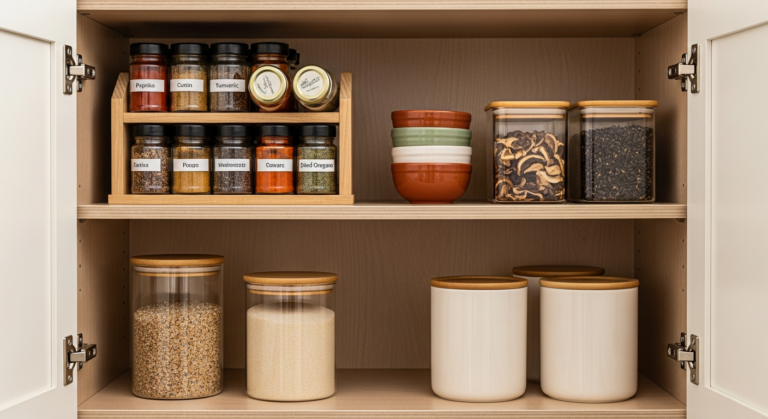
The first step to creating a calming environment is often decluttering. Visual clutter can create mental clutter. Take time to go through your belongings, donating or discarding items that no longer serve a purpose or bring you joy. Implement organizational systems that make it easy to maintain tidiness. A clear space often leads to a clear mind, reducing background stress and making room for peace.
Create Designated Self-Care Zones:
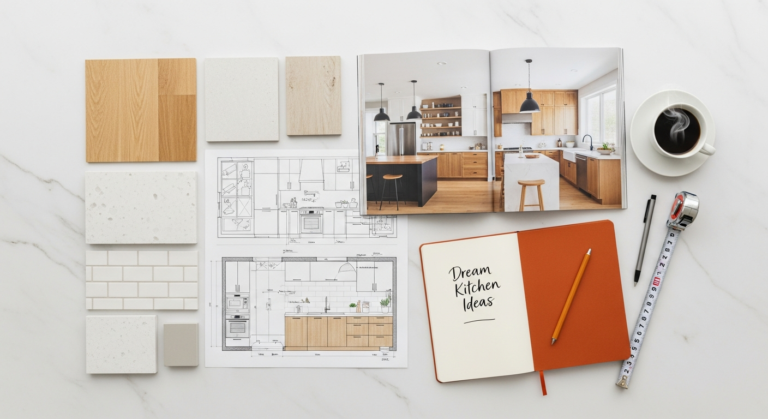
Even if you live in a small space, you can designate specific areas for self-care activities. This could be a cozy reading nook in your living room, a meditation corner in your bedroom, or a dedicated spot for journaling. The act of creating these zones signals to your brain that this space is for rest, reflection, and rejuvenation.
Integrate Calming Elements:
- Natural Light: Maximize natural light wherever possible. It boosts mood and regulates circadian rhythms.
- Greenery: Incorporate plants into your decor. They purify the air, add life, and have been shown to reduce stress and improve focus.
- Comforting Textures: Introduce soft blankets, plush cushions, and natural fabrics that invite comfort and relaxation.
- Soothing Scents: Use essential oil diffusers with calming aromas like lavender, chamomile, or sandalwood.
- Gentle Lighting: Opt for warm, dimmable lighting over harsh overhead lights, especially in the evenings. Candles can also create a wonderfully serene ambiance.
Home Decor Ideas Budget 2026: Crafting Your Sanctuary Affordably
Creating a beautiful, self-care-friendly environment doesn’t require a lavish budget. Many impactful changes can be made with thoughtful, affordable choices:
- DIY Artwork: Explore your own creativity by painting, drawing, or creating collages that resonate with you. Frame simple prints or photographs that evoke positive feelings.
- Thrift Store Finds: Hunt for unique decor pieces, vintage furniture, or interesting frames at thrift stores and flea markets. A little cleaning or a fresh coat of paint can transform them.
- Plants on a Budget: Start with small, easy-to-care-for plants like snake plants, ZZ plants, or Pothos. Propagate cuttings from friends for free new plants!
- Lighting Hacks: Use string lights for a warm glow, add dimmers to existing switches, or buy affordable lamps that cast soft light.
- Textile Swaps: Update your space with new cushion covers, throw blankets, or affordable curtains in calming colors and textures. These small changes can make a big difference in feel and aesthetic.
- Repurpose and Rearrange: Sometimes, simply rearranging your existing furniture or repurposing items you already own can give your space a fresh, new, and more functional feel.
Statement Wall Ideas Living Room: Inspiring Your Inner Calm
A statement wall can be more than just a decorative feature; it can be a focal point that inspires tranquility, creativity, or joy, directly supporting your self-care goals. For your living room in 2026, consider these ideas:
- Nature-Inspired Mural: A subtle wallpaper mural depicting a serene forest, a tranquil lake, or a soft botanical pattern can transport you to a peaceful mental space.
- Gallery Wall of Affirmations & Memories: Curate a gallery wall with framed photos of loved ones, inspiring quotes, or artwork that evokes positive emotions. Seeing these reminders daily can be a powerful form of emotional self-care.
- Textured Panel Wall: Install wood panels, fluted panels, or even a subtle fabric-covered wall for tactile interest and a cozy, enveloping feel.
- Calming Color Block: Use two or three complementary, muted colors to create a geometric color block design that adds visual interest without overwhelming the senses. Think soft blues, greens, and warm neutrals.
- Artistic Display Shelf: Install a floating shelf or two on a wall and style it with cherished objects, small plants, and meaningful books. This creates a curated, personal display that serves as a quiet visual anchor.
By thoughtfully curating your environment, you create a supportive backdrop for your self-care practices, making it easier to unwind, reflect, and recharge within the comforting embrace of your home.
Sustaining Your Self-Care Journey: Adaptability and Long-Term Vision
Creating a self-care routine is an ongoing journey, not a destination. Life is dynamic, and your needs will evolve over time. The key to a truly effective and lasting self-care practice lies in its adaptability and your commitment to a long-term vision. As we navigate the complexities of 2026 and beyond, understanding how to sustain your efforts is paramount.
Regular Check-ins and Adjustments:
Just as you would review a project at work, regularly check in with your self-care routine. Schedule a monthly or quarterly “self-care audit” to assess what’s working, what’s not, and what might need to change. Ask yourself:
- Am I still enjoying these activities?
- Do they still feel restorative, or have they become another chore?
- Are there new stressors or shifts in my life that require different self-care strategies?
- Which dimension of self-care (physical, mental, emotional, social, spiritual) might need more attention now?
Be prepared to swap out activities, adjust timings, or even completely revamp your routine. What served you well last year might not be what you need today. This flexibility ensures your self-care remains relevant and effective.
Embrace Imperfection and Practice Self-Compassion:
There will be days when your self-care routine goes completely off track. You might miss your meditation, skip your walk, or find yourself reaching for comfort food instead of a healthy meal. This is normal. The goal isn’t perfection, but consistency over time. Instead of beating yourself up, practice self-compassion. Acknowledge the slip, understand why it happened (e.g., you were exhausted, overwhelmed), and gently redirect yourself for the next opportunity. One missed day does not erase weeks or months of effort.
Recognize Warning Signs of Burnout:
Part of sustaining self-care is learning to recognize the early warning signs that you might be heading towards burnout. These can include chronic fatigue, irritability, difficulty concentrating, feeling cynical or detached, changes in appetite or sleep, and a general lack of motivation. When you notice these signs, it’s a signal to pause, re-evaluate, and potentially intensify your self-care efforts. This might mean scheduling more downtime, delegating tasks, or seeking professional support.
Build a Support System:
You don’t have to navigate your self-care journey alone. Share your goals with a trusted friend, partner, or family member who can offer encouragement and accountability. Consider joining a wellness community or finding a self-care buddy. Sometimes, simply knowing someone else is on a similar path can provide significant motivation and support.
Celebrate Progress, Not Just Outcomes:
Acknowledge and celebrate the small wins along the way. Did you stick to your morning routine for a week? Did you say no to an energy-draining commitment? Did you spend 15 minutes mindfully sipping tea? These small acts of self-care accumulate over time and deserve recognition. Focusing on progress helps reinforce positive habits and fuels your motivation for the long haul.
View Self-Care as an Investment:
Shift your perspective from viewing self-care as an obligation or a luxury to seeing it as a fundamental investment in your overall health, happiness, and capacity to live a full, meaningful life. Just as you invest in your career, finances, or relationships, consistently investing in your well-being will yield rich returns. This long-term vision transforms self-care from a temporary fix into an enduring lifestyle that empowers you to thrive in every season of your life.
By embracing adaptability, practicing self-compassion, and maintaining a long-term perspective, you can ensure that the self-care routine you create today continues to serve and nourish you for years to come, allowing you to navigate the future with resilience and grace, truly embodying the essence of Rock Salt Plum living.
Frequently Asked Questions
Recommended Resources
Check out Celebrity Morning Routine Habits For Success on Celebrity Exchange for a deeper dive.
Explore Best Drugstore Makeup Products That Rival High End Brands for additional insights.