













The Philosophy of a Well-Organized Kitchen: Beyond Just Tidiness
For the modern woman balancing career, family, and personal well-being, the concept of a functional and beautiful home extends deeply into the kitchen. It’s not just about aesthetics; it’s about creating an environment that supports your lifestyle, reduces cognitive load, and enhances your sense of calm. A truly organized kitchen embodies a philosophy where efficiency meets elegance, where every item serves a purpose, and where the flow of activity is intuitive. Think of it as an integral part of your self-care routine – a serene space minimizes daily frustrations, freeing up mental energy for more meaningful pursuits. When your kitchen functions seamlessly, it reduces decision fatigue, making meal preparation less of a chore and more of an opportunity for mindful cooking and connection. This approach aligns perfectly with emerging trends in self care ideas at home 2026, emphasizing the creation of personal sanctuaries that nurture the mind, body, and spirit. By embracing thoughtful organization, you’re not just cleaning up; you’re cultivating a space that actively contributes to your overall well-being and enhances your capacity for gracious entertaining.
This philosophy also encourages a sustainable approach to home management. When you know exactly what you have, you’re less likely to overbuy or waste food, contributing to both your household budget and environmental responsibility. It’s about being intentional with your purchases and respectful of your resources. Furthermore, a well-ordered kitchen naturally inspires more home cooking, which often translates to healthier eating habits and more opportunities for family bonding over shared meals. The visual clarity and ease of access found in an organized kitchen can also spark creativity, encouraging you to experiment with new recipes and techniques without the deterrent of a chaotic workspace. This holistic view of kitchen organization elevates it from a mere household task to an essential component of a fulfilling and mindful home life, reflecting the core values of Rock Salt Plum.
Decluttering First: The Essential Foundation for Lasting Order
Before any organizing magic can truly happen, the most crucial step is a thorough decluttering. Imagine trying to categorize and store items you don’t even need or use – it’s a Sisyphean task. Decluttering is the honest conversation you have with every item in your kitchen, asking if it truly deserves a place in your precious space. This process can be daunting, but approached systematically, it becomes incredibly liberating. For many, the sheer volume of accumulated kitchenware, gadgets, and pantry items can be overwhelming. The goal is not just to clear surfaces, but to create a permanent, functional system that only houses items you love, use, or need.
The “Everything Out” Method: A Transformative Approach
To begin, dedicate a significant block of time – a full morning or afternoon – when you won’t be interrupted. The most effective way to declutter is to adopt the “everything out” method. Choose one area to start, perhaps a pantry, a set of cabinets, or all your drawers. Empty every single item from that space onto a clear surface like your dining table or kitchen island. Seeing everything laid out provides a clear inventory and often reveals just how much you’ve accumulated. This raw, unfiltered view is often the catalyst for making difficult decisions.
Categorize and Conquer: Making Intentional Decisions
Once everything is out, begin sorting items into distinct categories. This is where the decision-making process truly begins. Create piles or use large bins labeled with the following categories:
- Keep: Items you use regularly, love, or are essential.
- Donate/Sell: Items in good condition that you no longer need, use, or want. Think about kitchen appliances gathering dust, duplicate sets of dishes, or specialty gadgets used once.
- Discard/Recycle: Broken items, expired food, worn-out utensils, or anything that is beyond repair or use.
- Relocate: Items that don’t belong in the kitchen but have found their way there (e.g., office supplies, craft items, mail).
When evaluating each item for the “Keep” pile, ask yourself these critical questions:
- When was the last time I used this? If it’s been over a year (or even six months for many items), seriously consider letting it go.
- Do I have duplicates? Often, we accumulate multiple spatulas, sets of measuring spoons, or storage containers. Keep only the best and most functional ones.
- Is it broken or chipped? Don’t hold onto broken items “just in case” you fix them.
- Does it truly serve a purpose or bring me joy? This is the Marie Kondo principle adapted for the kitchen. Your kitchen should be filled with items that enhance your cooking and living experience.
- Do I have space for it? Even if you love it, if it doesn’t fit into your organized system, it may need to find a new home.
Dealing with Sentimental Items and “Just in Case” Objects
Sentimental items can be particularly challenging. Perhaps it’s a rarely used heirloom serving dish or a quirky mug from a memorable trip. For these, consider if they could be displayed elsewhere or if their sentimental value truly justifies prime kitchen real estate. For “just in case” items, be honest with yourself. How likely is that “just in case” scenario, and could you manage without it or easily acquire it if needed? Often, these items become clutter culprits, hogging valuable space without providing real utility. Remember, the goal is a lighter, more functional kitchen, and letting go of excess is a powerful step towards achieving that.
Once you’ve made your decisions, immediately bag up items for donation, selling, or disposal. The longer they linger, the more likely they are to creep back into your carefully decluttered space. This initial purge is the hardest part, but it lays a pristine foundation for the organization that follows, ensuring that every subsequent effort is truly effective and long-lasting.
Maximizing Storage: Smart Solutions for Every Nook and Cranny
Cabinet Organization: Verticality and Accessibility
Cabinets are often deep and wide, leading to wasted vertical space and hidden items. Optimize them with:
- Shelf Risers and Expandable Shelves: These are game-changers for creating multiple levels within a single cabinet, perfect for plates, bowls, mugs, or canned goods.
- Pull-Out Drawers/Baskets: For lower cabinets, especially those with deep interiors, pull-out systems make it easy to access items at the back without rummaging. They are ideal for pots, pans, and small appliances.
- Lazy Susans (Turntables): Excellent for corner cabinets or pantry shelves, allowing you to easily access spices, oils, condiments, or small jars with a simple spin.
- Door-Mounted Racks: Utilize the inside of cabinet doors for spices, cutting boards, foil/wrap dispensers, or cleaning supplies. This is especially useful for decorate rental apartment tips, as many are removable.
- Pot and Pan Organizers: Vertical racks or drawer dividers keep lids and pans separated and easily accessible, preventing noisy, precarious stacks.
Drawer Dividers and Inserts: Taming the Chaos Within
Drawers can quickly become junk drawers if not properly managed. Dividers are essential for creating dedicated compartments for different categories of items.
- Adjustable Drawer Dividers: These allow you to customize sections for utensils, cooking tools, baking gadgets, or even linens.
- Tiered Inserts: For silverware or knives, tiered inserts save space and make items easy to find.
- Small Bins/Trays: Use these within deeper drawers to corral smaller items like clips, rubber bands, or miscellaneous kitchen bits. They also make cleaning easier.
Pantry Perfection: Visibility and Rotation
A well-organized pantry is a joy to behold and a key to efficient meal planning. The goal is clear visibility and easy access to prevent food waste.
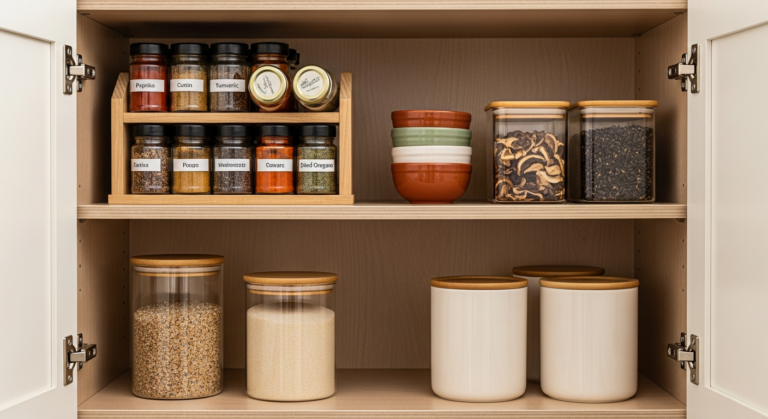
- Clear Containers: Decant dry goods like pasta, rice, flour, sugar, and cereals into airtight, clear containers. This not only looks uniform and appealing but also protects food from pests, keeps it fresh, and allows you to see at a glance when you need to restock.
- Labeled Bins and Baskets: Use opaque bins for snacks, baking supplies, or less attractive packaging. Label them clearly so everyone knows what goes where.
- Tiered Shelving: Risers for canned goods and spices ensure that nothing gets lost at the back.
- Vertical Storage for Tall Items: Use vertical dividers for baking sheets, cutting boards, or platters.
- First-In, First-Out (FIFO): Arrange items so that older products are at the front, encouraging you to use them before they expire.
Vertical Space Utilization: Walls and Ceilings
Don’t overlook the power of vertical space, especially in smaller kitchens or rental apartments where every square inch counts. These solutions are often budget-friendly and can add character.
- Wall Shelves: Open shelving can be both functional and decorative, ideal for cookbooks, frequently used dishes, or attractive pantry items.
- Pegboards: A highly versatile and customizable solution for hanging pots, pans, utensils, or small baskets. They’re excellent for rental properties as they can be easily installed and removed with minimal damage (if using appropriate anchors).
- Magnetic Knife Strips: Frees up drawer space and keeps knives safely and accessibly stored.
- Pot Racks: Ceiling-mounted or wall-mounted pot racks are fantastic for freeing up cabinet space and displaying beautiful cookware.
- Command Hooks: For lighter items like oven mitts, aprons, or dish towels, Command hooks offer a damage-free solution perfect for renters.
Under the Sink Solutions: Taming the Cleaning Zone
The area under the sink is often a chaotic mess of cleaning supplies. Maximize it with:
- Expandable Shelves: Designed to fit around pipes, these create usable levels for bottles and sponges.
- Small Bins and Caddies: Corral cleaning supplies, keeping them tidy and portable if you need to carry them around the house.
- Door-Mounted Organizers: For sponges, brushes, or trash bags.
By thoughtfully implementing these storage solutions, you’ll not only create a more organized kitchen but also one that feels more spacious, efficient, and enjoyable to use. Each solution contributes to a greater sense of order, ensuring that your kitchen is a reflection of intentional living.
Zoning Your Kitchen: Efficiency Through Strategic Placement
Once you’ve decluttered and invested in smart storage solutions, the next crucial step is to think about the flow and functionality of your kitchen. This is where the concept of “zoning” comes into play. Zoning means grouping similar items together based on how and where they are used. This strategy minimizes unnecessary movement, streamlines tasks, and makes your kitchen incredibly efficient, whether you’re a gourmet chef or simply preparing a quick weeknight meal. It’s about designing your kitchen around your habits and needs, creating designated “workstations” that support specific activities.
The Five Primary Kitchen Zones
Most kitchens can be effectively divided into five main zones, though variations exist based on your kitchen’s size and layout:
- Food Storage Zone: This includes your pantry, refrigerator, and freezer. All food items should ideally be stored here. Keep dry goods in the pantry, fresh produce and dairy in the fridge, and frozen items in the freezer. Within the pantry, further subdivide into categories like baking supplies, snacks, canned goods, pasta/grains, etc.
- Prep Zone: This is typically the area with the most counter space, often between the sink and the stove. Here, you’ll want to store items needed for food preparation: cutting boards, knives, mixing bowls, measuring cups and spoons, colanders, and small food processors. Easy access to a trash can and compost bin is also vital here.
- Cooking Zone: Centered around your stove, oven, and microwave. This zone should house all items you need for cooking: pots, pans, lids, baking sheets, oven mitts, cooking utensils (spatulas, ladles, tongs), cooking oils, and frequently used spices. If space allows, a spice rack or drawer dedicated to cooking spices within arm’s reach of the stove is ideal.
- Cleaning Zone: This zone revolves around your sink and dishwasher. Store dish soap, sponges, scrub brushes, dishcloths, dishwasher detergent, and trash bags here. Under-sink organizers are perfect for keeping these items tidy and accessible. Dishes, glasses, and cutlery, once clean, should be stored in cabinets or drawers closest to this zone for easy put-away.
- Eating/Serving Zone: This zone is for items used at the table or for serving meals. This includes plates, bowls, glasses, mugs, cutlery, serving platters, napkins, and placemats. Ideally, these items should be stored near the dining area or kitchen island, making it simple to set the table or serve food.
Beyond the Basics: Specialized Zones
Depending on your lifestyle and interests, you might also consider creating more specialized zones:
- Baking Zone: If you’re an avid baker, dedicate a cabinet or drawer to baking essentials: flour, sugar, baking powder, vanilla, sprinkles, cookie cutters, rolling pins, and specialty bakeware.
- Coffee/Tea Station: A dedicated corner with your coffee maker, mugs, coffee beans/grounds, tea bags, sugar, and stirrers can be a delightful and efficient addition. This can be a wonderful component of self care ideas at home 2026, creating a mindful ritual.
- Breakfast Zone: If mornings are hectic, group cereals, bowls, mugs, and breakfast tools together for quick access.
- Entertaining Zone: For those who love to host, designate a space for entertaining essentials like serving dishes, wine glasses, cocktail tools, and specialty linens. This ensures you’re always ready for guests.
Implementing Zoning in Practice
The beauty of zoning is its flexibility. While the core principles remain, you can adapt the zones to perfectly fit your kitchen’s layout and your unique culinary habits. This strategic placement not only makes cooking and cleaning more efficient but also creates a sense of calm and order, reducing the mental effort required to navigate your kitchen. It’s an investment in your daily peace of mind and an intelligent way to optimize your home for the demands of 2026 living.
Small Kitchen Solutions: Making the Most of Limited Space
Living in a smaller home or a rental apartment often means contending with a compact kitchen. While the challenge of limited space can feel restrictive, it also sparks incredible creativity in organization. The key is to think vertically, utilize multi-functional items, and embrace solutions that maximize every available inch without compromising on style or efficiency. Many of these strategies are also perfect for decorate rental apartment tips, as they are often non-damaging and easily reversible.
Embrace Verticality with Vigor
In a small kitchen, the walls are your best friends. Don’t let vertical space go to waste:
- Open Shelving: Instead of bulky upper cabinets, install open shelves for frequently used dishes, attractive pantry items, or cookbooks. This creates an airy feel and easy access.
- Pegboards: As mentioned before, a pegboard is a customizable marvel for hanging pots, pans, utensils, cutting boards, and even small shelves for spices. It’s incredibly versatile and adaptable.
- Magnetic Strips: For knives, spices (if stored in magnetic tins), or even small metal containers for office supplies that inevitably end up in the kitchen.
- Wall-Mounted Racks: Install racks for wine bottles, paper towels, or even a small herb garden.
- Over-the-Door Organizers: For pantry doors or even the back of your main kitchen door, these can hold snacks, cleaning supplies, or extra foils/wraps. They are a renter’s dream because they require no installation.
Multi-Functional Furniture and Appliances
Every item in a small kitchen should earn its keep. Opt for pieces that serve more than one purpose:
- Kitchen Island on Wheels: A movable island can provide extra counter space for prep, serve as a dining area, and offer additional storage with shelves or drawers. It can be tucked away when not in use.
- Drop-Leaf Tables/Counters: These can be folded down when you need more floor space and extended when you’re cooking or eating.
- Nesting Bowls and Measuring Cups: Save significant cabinet space by choosing sets that fit neatly inside each other.
- Appliances with Multiple Functions: A stand mixer that also has attachments for grinding meat or making pasta, or an air fryer that also dehydrates, reduces the need for multiple single-purpose gadgets.
- Cutting Boards that Fit Over Sinks: These instantly add extra prep space without taking up valuable counter real estate.
Clever Cabinet and Drawer Hacks
Small spaces demand ingenious use of existing storage:
- Slim Rolling Carts: Perfect for squeezing into narrow gaps between appliances or cabinets, providing extra storage for spices, oils, or cleaning supplies.
- Pull-Out Pantry: If you have a narrow cabinet, convert it into a pull-out pantry for canned goods or bottles.
- Under-Shelf Baskets: Clip-on baskets can be added to existing shelves to create an extra layer of storage without permanent installation.
- Corner Solutions: Utilize corner shelves or lazy susans to make deep, often-wasted corner spaces accessible.
Renter-Friendly Organization Tips for 2026
For those living in rental apartments, permanent alterations are usually out of the question. Here’s how to organize effectively without losing your deposit:
- Command Hooks and Strips: These are invaluable for hanging everything from dish towels and oven mitts to lightweight shelves and picture frames without damaging walls.
- Freestanding Units: Invest in freestanding shelving units, baker’s racks, or small cabinets that can be taken with you when you move.
- Tension Rods: Use tension rods inside cabinets to hang spray bottles, or under sinks for cleaning cloths. They require no drilling.
- Non-Slip Cabinet Liners: Protect shelves from spills and scratches, and add a touch of style without permanent changes.
- Portable Storage: Baskets, bins, and decorative boxes can hold a multitude of items and add a touch of home decor.
By implementing these small kitchen solutions, you can create a highly functional, organized, and aesthetically pleasing kitchen, proving that even the most compact spaces can be transformed into a culinary haven. It’s about being strategic, creative, and embracing intelligent design choices that reflect your personal style and streamline your daily routines, all while adhering to the practicalities of modern living in 2026.
Maintaining Order: Habits for Lasting Organization and Wellness
Achieving an organized kitchen is a significant accomplishment, but the true test lies in maintaining that order over time. Organization isn’t a one-time event; it’s an ongoing practice, a set of habits that, when consistently applied, prevent clutter from creeping back in. Integrating these habits into your daily and weekly routines can become a powerful form of self care ideas at home 2026, reducing stress and creating a more serene environment. A perpetually organized kitchen acts as a calm anchor in a busy life, allowing you to focus on what truly matters.
The “A Place for Everything” Mantra
The cornerstone of lasting organization is ensuring that every single item in your kitchen has a designated home. When you establish a clear spot for everything – from your spatula to your sugar – putting things away becomes second nature. This eliminates the “where does this go?” dilemma that often leads to items being left on counters or shoved into random drawers. Take the time to show everyone in the household where things belong, especially after a major organizing session. Labels, particularly on bins and containers, can be incredibly helpful for maintaining this system.
Daily Reset: The 15-Minute Tidy-Up
Before leaving the kitchen at the end of the day, commit to a quick 10-15 minute “reset.” This isn’t a deep clean, but rather a swift tidy-up:
- Wipe down counters.
- Load or run the dishwasher.
- Put away any lingering items that aren’t in their proper place.
- Sweep or quickly vacuum the floor if needed.
Waking up to a clean and organized kitchen significantly impacts your mood and sets a positive tone for the day. It’s a small daily ritual that yields immense psychological benefits, aligning beautifully with the principles of mindful living and self-care.
Weekly Power Hour: A Deeper Dive
In addition to daily resets, dedicate a “power hour” once a week to a slightly deeper level of organization. This might involve:
- Pantry Check: Quickly scan your pantry and refrigerator, discarding expired items and noting what needs restocking. This helps prevent food waste and ensures you always have ingredients for meal planning.
- Surface Clearing: Remove any accumulating items from counters, such as mail, kids’ school papers, or miscellaneous gadgets that have wandered in.
- Wipe Down Appliances: Give your microwave, stovetop, and exterior of the fridge a quick wipe.
- Re-align Organizers: Straighten up any drawer dividers or container lids that have shifted.
This weekly routine ensures that minor disarrays don’t escalate into overwhelming clutter, making the kitchen a consistently pleasant space.
One In, One Out Rule
To prevent re-accumulation, adopt the “one in, one out” rule, especially for items like dishes, mugs, small appliances, or pantry containers. If you buy a new coffee mug, consider donating or discarding an old one. This simple rule helps control inventory and prevents your carefully organized spaces from becoming overcrowded again.
Regular Purges: Seasonal Refresh
Even with daily and weekly maintenance, a deeper purge every few months (perhaps seasonally) is beneficial. This is a chance to re-evaluate items you’ve kept but rarely used, or to update your storage solutions as your needs change. For instance, a spring refresh could involve cleaning out all cabinets and drawers, or a fall purge might focus on baking supplies before holiday season. This preventative measure ensures your kitchen remains a truly functional and inspiring space, reflecting your evolving lifestyle.
Involve the Household
Organization is a team effort. Teach children and other household members the system. When everyone understands and participates in maintaining order, the burden doesn’t fall on one person, and the kitchen remains a harmonious space for all. Make it a collaborative effort, a shared responsibility that contributes to the collective well-being of the home. By embracing these habits, your kitchen will not only stay organized but will become a source of calm, efficiency, and joy, truly embodying the essence of a well-managed and nurturing home in 2026.
Budget-Friendly Organization: Smart Choices for 2026
Creating an organized, beautiful kitchen doesn’t require a lavish budget. In fact, some of the most ingenious and effective organization solutions are incredibly affordable, proving that smart planning and creativity can achieve stunning results. As we look towards home decor ideas budget 2026, the emphasis is increasingly on sustainable, resourceful, and value-driven choices that don’t compromise on style or functionality. You can transform your kitchen into a haven of order without breaking the bank, often by repurposing items you already own or making smart, inexpensive purchases.
Repurpose and Reuse: The Eco-Friendly Approach
Before buying anything new, look around your home for items that can be given a second life in the kitchen:
- Glass Jars: Empty jam, pickle, or sauce jars, once cleaned, are perfect for storing dry goods like spices, nuts, seeds, pasta, or even small snacks. They offer clear visibility and a uniform look.
- Shoe Boxes/Cardboard Boxes: Cover them with decorative paper or fabric to create custom drawer dividers or shelf organizers for linens, tea bags, or cleaning supplies.
- Old Baskets: Baskets from other rooms can be repurposed for storing fruits, vegetables, or less attractive pantry items.
- Magazine Holders: These can be used vertically to store cutting boards, baking sheets, or even aluminum foil and plastic wrap boxes.
- Tin Cans: Decorated tin cans can hold utensils, pens, or small kitchen tools.
This approach not only saves money but also aligns with sustainable living practices, reducing waste and encouraging mindful consumption.
Dollar Store and Discount Retailer Gems
Many discount stores offer a treasure trove of affordable organization solutions:
- Plastic Bins and Baskets: Perfect for corralling items in the pantry, under the sink, or in drawers. Look for uniform sizes and colors for a cohesive look.
- Drawer Dividers: Simple plastic or bamboo dividers can be found at very low prices.
- Shelf Liners: Inexpensive shelf liners protect your cabinets and add a pop of color or pattern.
- Small Containers: For spices, sprinkles, or small office supplies that migrate to the kitchen.
- Command Hooks: A staple for renters and homeowners alike, offering damage-free hanging solutions for towels, utensils, or lighter items.
The key is to have a clear plan before you shop, knowing exactly what items you need and their dimensions to avoid impulse buys.
DIY Solutions: Custom and Cost-Effective
With a little creativity, you can craft personalized organization tools:
- Custom Drawer Dividers: Use thin pieces of wood, cardboard, or even sturdy foam board to create custom-fit dividers for your specific drawer contents.
- Pegboard System: A sheet of pegboard, a few hooks, and some paint can create a highly functional and customizable wall storage solution for a fraction of the cost of commercial systems.
- Tiered Spice Racks: Use small pieces of wood or even sturdy cardboard boxes to create tiered risers for your spice collection, ensuring every bottle is visible.
- Magnetic Spice Jars: Purchase small metal tins, fill them with spices, and attach magnets to the back for an eye-catching, space-saving display on your fridge or a
Recommended Resources
Learn more about this topic in Celebrity Self Tanning And Bronzing Tips at Celebrity Exchange.
Learn more about this topic in How To Sleep Better At Night Naturally at Sometimes Daily.
Easy Dinner Recipes for Busy Families in 2026
For busy families, finding time to prepare a wholesome dinner can be challenging. However, with the right recipes, you can enjoy delicious meals without spending hours in the kitchen. Here, we explore easy dinner recipes that cater to the needs of modern families, focusing on quick preparation, minimal ingredients, and kid-friendly flavors.
What are the best easy dinner recipes for busy families in 2026?
In 2026, the best easy dinner recipes for busy families are those that require minimal preparation time, use simple ingredients, and are loved by both kids and adults. These recipes often involve one-pot or one-pan methods, reducing cleanup time and effort.
Which family dinners take under 20 minutes?
- 30-Minute Dinners: Quick and efficient, these meals are perfect for weeknights.
- One-Pot Meals: Simplify cooking and cleaning with these all-in-one recipes.
- Sheet Pan Dinners: Easy to prepare and even easier to clean up.
What are the best one-pan dinners for picky eaters?
One-pan dinners are ideal for picky eaters as they often combine familiar flavors in a single dish. These meals are designed to be flavorful yet mild, ensuring they are “picky-eater friendly.”
Recipe Example: Quick Chicken Stir-Fry
| Attribute | Details |
|---|---|
| Preparation Time | 10 minutes |
| Cooking Time | 15 minutes |
| Total Time | 25 minutes |
| Portions | 4–6 people |
| Ingredients | Chicken breast, bell peppers, soy sauce, garlic, ginger |
| Cost | Low cost per meal |
| Nutrition | Protein + vegetables + low carbs |
| Storage | 3 days in fridge |
| Cooking Method | Stovetop |
What options allow cooking once and reusing leftovers?
Make-ahead dinners are perfect for families looking to save time. These meals can be prepared in advance and stored in the refrigerator or freezer, allowing you to cook once and enjoy multiple meals.
What recipes work with air fryer, slow cooker, or a single pan?
- Air Fryer Recipes: Quick and healthy options with minimal oil.
- Slow Cooker Meals: Set it and forget it for tender, flavorful dishes.
- Sheet Pan Dinners: Easy to prepare and perfect for busy weeknights.
The Philosophy of a Well-Organized Kitchen: Beyond Just Tidiness
For the modern woman balancing career, family, and personal well-being, the concept of a functional and beautiful home extends deeply into the kitchen. It’s not just about aesthetics; it’s about creating an environment that supports your lifestyle, reduces cognitive load, and enhances your sense of calm. A truly organized kitchen embodies a philosophy where efficiency meets elegance, where every item serves a purpose, and where the flow of activity is intuitive. Think of it as an integral part of your self-care routine – a serene space minimizes daily frustrations, freeing up mental energy for more meaningful pursuits. When your kitchen functions seamlessly, it reduces decision fatigue, making meal preparation less of a chore and more of an opportunity for mindful cooking and connection. This approach aligns perfectly with emerging trends in self care ideas at home 2026, emphasizing the creation of personal sanctuaries that nurture the mind, body, and spirit. By embracing thoughtful organization, you’re not just cleaning up; you’re cultivating a space that actively contributes to your overall well-being and enhances your capacity for gracious entertaining.
From Our Network
- how to do a natural makeup look guide (en Fashiongoggled)
- how to teach children responsibility at home (en Veralynmedia)