

















Mastering Smart Grocery Shopping: Your First Step to Budget-Friendly Meals
The journey to truly affordable home meals begins long before you even step into the kitchen – it starts at the grocery store. Or rather, even before that, with meticulous planning. Think of your grocery list as your treasure map to savings. Without a plan, it’s all too easy to wander the aisles, succumbing to impulse buys and pricey convenience foods.
Planning Your Shopping Strategy
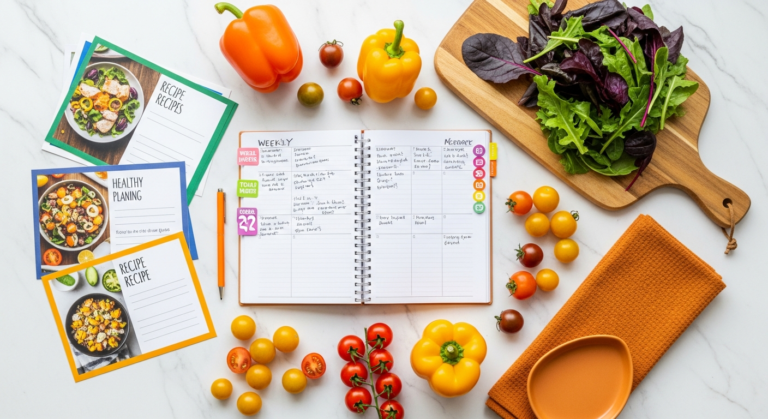
- The Power of the List: Before you even think about leaving the house, take stock of what you already have in your pantry, fridge, and freezer. Then, plan your meals for the entire week. This allows you to create a precise shopping list, ensuring you only buy what you need. A well-crafted list is arguably the most powerful of all cooking on a budget tips.
- Embrace Weekly Flyers and Sales: Most supermarkets release their weekly flyers online or in print. Take a few minutes to browse these. Build your meal plan around items that are on sale. If chicken breasts are a great deal this week, maybe plan for a chicken stir-fry, chicken tacos, and a simple roasted chicken dinner. This flexibility is key to budget cooking.
- Unit Pricing is Your Best Friend: Don’t just look at the total price. Look at the unit price (price per ounce, per pound, etc.). Often, larger packages are more economical in the long run, especially for staples like rice, pasta, oats, or frozen vegetables. Just be mindful of spoilage if you’re buying fresh produce in bulk.
- Store Brands vs. Name Brands: For many items – canned goods, dried pasta, rice, flour, spices, and even dairy products – store brands are virtually identical to their name-brand counterparts in quality but significantly cheaper. Give them a try; you might be pleasantly surprised by the savings.
Smart Choices at the Store
- Shop the Perimeter First: The outer aisles of the grocery store typically hold the freshest, least processed, and often most budget-friendly ingredients: produce, dairy, and meats. Stick to these sections for the bulk of your shopping.
- Seasonal Produce is King: Buying fruits and vegetables in season isn’t just about taste; it’s about price. Seasonal produce is abundant, meaning it’s cheaper and often at its peak flavor. For example, berries in summer are a fraction of the cost they are in winter. When out of season, turn to frozen options, which are just as nutritious and often more affordable.
- Don’t Shy Away from Frozen: Frozen fruits and vegetables are picked at their peak ripeness and flash-frozen, locking in nutrients and flavor. They’re excellent for smoothies, stir-fries, soups, and casseroles, and they eliminate waste since you only use what you need.
- Strategic Meat Purchases: Meat can be one of the biggest budgetbusters. Consider cheaper cuts that shine with slow cooking, like chuck roast for stews or chicken thighs for braises. Look for sales and buy in bulk when prices are low, then portion and freeze. Incorporating more plant-based meals into your week is also a fantastic way to cut costs while boosting your nutrient intake.
Revolutionizing Your Pantry and Freezer: Essential Cooking on a Budget Tips
Once you’ve mastered smart shopping, the next frontier in budget cooking is your very own kitchen storage. A well-stocked pantry and a strategically organized freezer are game-changers, offering convenience, versatility, and significant savings. Think of them as your secret weapons against expensive takeout and last-minute grocery dashes.
Building a Budget-Friendly Pantry
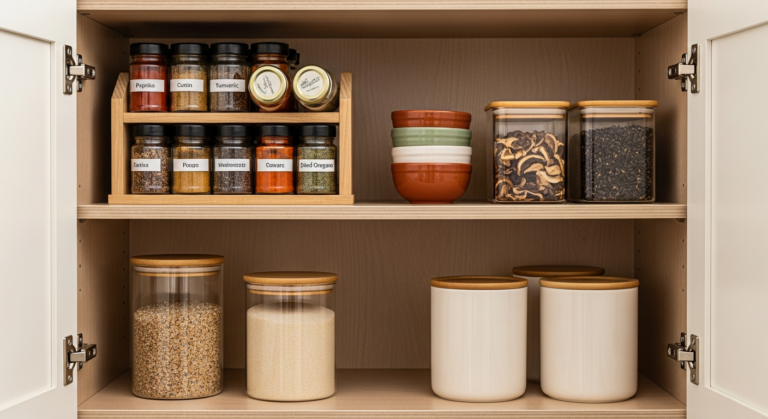
Your pantry should be a haven of non-perishable staples that form the backbone of countless meals. These are the ingredients you can always rely on to build a meal, even when fresh supplies are low:
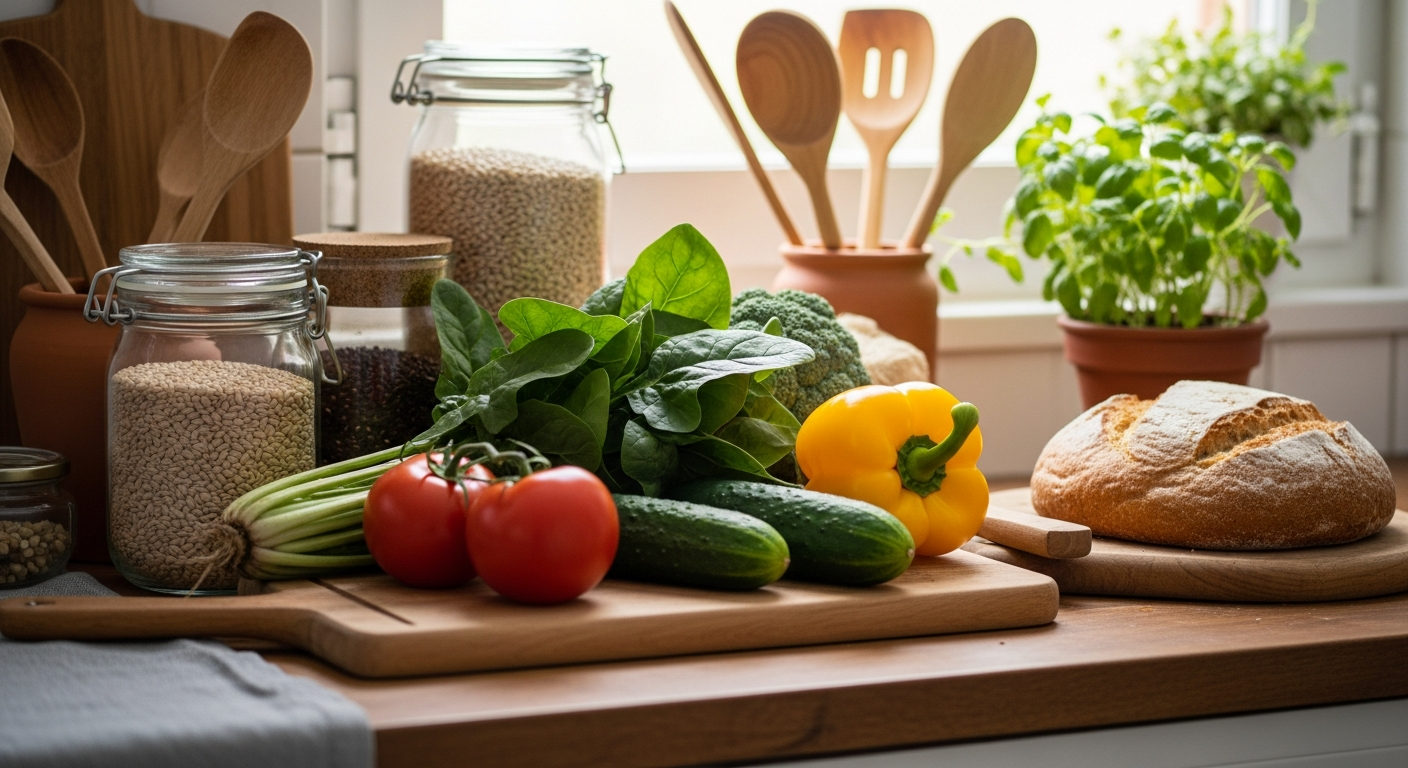
- Grains & Legumes: Rice (brown, white, basmati), pasta (various shapes), quinoa, oats, lentils (red, green, brown), dried beans (black, cannellini, kidney, chickpeas). These are incredibly versatile, cheap, and packed with protein and fiber.
- Canned Goods: Diced tomatoes, tomato paste, crushed tomatoes, coconut milk, tuna, salmon, and of course, canned beans and chickpeas (if you don’t have time for dried).
- Oils & Vinegars: Olive oil, vegetable oil, balsamic vinegar, apple cider vinegar. Essential for cooking and dressings.
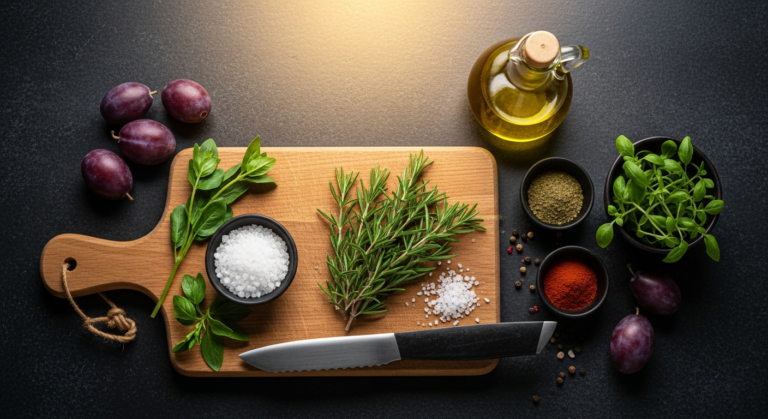
- Spices & Herbs: A well-stocked spice rack can elevate even the simplest ingredients. Buy whole spices and grind them yourself for maximum flavor and economy, or buy in bulk from specialty stores. Don’t forget dried herbs like oregano, basil, thyme, and rosemary.
- Other Essentials: Flour, sugar (granulated, brown), baking powder/soda, honey, maple syrup, broth/stock (or bouillon cubes), soy sauce, hot sauce, mustard.
Regularly check expiration dates and rotate your stock using the “first in, first out” method to prevent waste. An organized pantry means you know exactly what you have, preventing duplicate purchases and inspiring new meal ideas.
Harnessing the Power of Your Freezer
Your freezer is not just for ice cream! It’s an invaluable tool for cooking on a budget, allowing you to preserve ingredients, store leftovers, and enjoy the benefits of batch cooking. A good quality food storage set, perhaps some glass containers or sturdy freezer bags, will become your best friends.
- Batch Cooking & Freezing Meals: Dedicate a few hours one day a week (or even once a month) to cook larger quantities of staple components or entire meals. Think big batches of chili, lasagna, soup, rice, or roasted vegetables. Portion them out into individual or family-sized servings and freeze. On busy weeknights, simply thaw and reheat – it’s faster and cheaper than takeout!
- Freezing Leftovers: Don’t let those last few servings of stew or pasta go to waste. If you know you won’t eat them within a day or two, freeze them immediately. Label everything with the date and contents.
- Prepping & Freezing Produce: Bought too many berries on sale? Flash-freeze them on a baking sheet before transferring to a bag for smoothies. Have extra spinach or kale? Blanch and freeze for future soups or sauces. Even onions and bell peppers can be chopped and frozen for quick additions to stir-fries.
- Freezing Meat & Poultry: When you find meat on sale, buy in bulk. Portion it into meal-sized servings before freezing. This way, you only thaw what you need, reducing waste.
- Broth from Scraps: Don’t throw away vegetable trimmings (onion skins, carrot tops, celery ends) or cooked chicken bones. Collect them in a freezer bag, and once full, use them to make a rich, flavorful homemade broth – a truly zero-waste and budget-friendly practice!
Creative Meal Planning and Prep: Crafting Delicious Home Meals Affordably
With a well-stocked pantry and freezer at your command, the next step is to master the art of meal planning and preparation. This isn’t just about saving money; it’s about saving time, reducing stress, and ensuring you always have wholesome, delicious food ready to go. This is where the magic of budget-friendly home meals truly comes alive.
The Art of Weekly Meal Planning
- Theme Nights for Inspiration: Sometimes, the hardest part is deciding what to cook. Try theme nights! “Meatless Monday” encourages plant-based meals. “Taco Tuesday” is always a hit. “Pasta Thursday” is simple and satisfying. “Soup & Sandwich Saturday” is perfect for a cozy weekend. This structure provides a framework without being rigid.
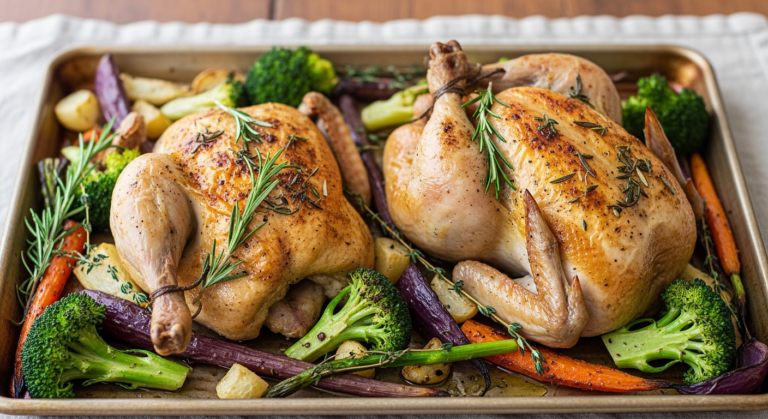
- Embrace Versatility: Plan meals that allow ingredients to pull double duty. Cook a large batch of roasted chicken on Sunday; use leftovers for chicken salads, wraps, or a quick chicken noodle soup later in the week. Prepare extra rice; it can become fried rice, a base for a bowl meal, or an addition to soup.
- “Use It Up” Meals: Towards the end of the week, dedicate a meal to using up lingering ingredients. This might be a “fridge clean-out” stir-fry, a hearty frittata with leftover veggies and cheese, or a simple “everything but the kitchen sink” soup. This reduces food waste, which is paramount to cooking on a budget.
- Involve the Family: Get everyone involved in meal planning! Children are more likely to eat meals they’ve helped choose or prepare. This also teaches them valuable life skills and fosters a sense of shared responsibility.
Efficient Meal Preparation Strategies
- The Sunday Prep Session: Dedicate an hour or two on a Sunday to foundational prep. Wash and chop vegetables, cook a batch of grains (like quinoa or brown rice), hard-boil some eggs, or make a big batch of salad dressing. Having these components ready makes weeknight cooking incredibly fast.
- Prep for Snacks and Lunches: Don’t forget about snacks and lunches! Portion out nuts, fruits, and veggies for healthy grab-and-go options. Prepare salads in jars or assemble sandwich components so they’re ready for packing. Bringing lunches from home is one of the most significant cooking on a budget tips you can implement.
- Smart Storage is Key: Invest in good quality, airtight food storage containers. Glass containers are excellent because they can go from fridge to microwave (or oven, depending on the brand) and are easy to clean. Proper storage keeps food fresh longer, preventing spoilage and waste.
- Utilize Kitchen Appliances: A slow cooker can be a lifesaver for busy days, allowing you to set it and forget it. An Instant Pot can drastically cut cooking times for grains and tough cuts of meat. An immersion blender makes quick work of creamy soups. These tools are investments that pay off in time and convenience, making budget cooking much more accessible.
Savvy Kitchen Techniques: Maximizing Flavor and Minimizing Waste for Budget Cooking
Once your ingredients are planned and prepped, the next stage of our budget cooking journey takes us right into the heart of the kitchen. Here, a few savvy techniques can transform humble ingredients into culinary masterpieces, all while ensuring not a single crumb goes to waste. These methods are at the core of truly economical and sustainable home meals.
Cooking from Scratch: The Foundation of Flavor & Savings
While convenience foods often seem like a time-saver, they typically come with a higher price tag and often less nutritional value. Cooking from scratch might sound daunting, but it’s incredibly empowering and rewarding.
- Homemade Sauces and Dressings: Store-bought dressings and sauces can be surprisingly expensive. Whisking together your own vinaigrettes, marinades, or simple tomato sauces from canned tomatoes is not only cheaper but allows you to control the ingredients, avoiding excess sugar, salt, and preservatives.
- Baking Your Own: If you enjoy baking, making your own bread, muffins, or cookies can be significantly cheaper than buying them pre-made. Plus, the aroma of fresh baking filling your home is an unparalleled joy!
- Mastering Basic Broths: As mentioned, saving vegetable scraps and meat bones to make your own stock is a cornerstone of zero-waste budget cooking. A good homemade broth elevates any soup, stew, or risotto, providing depth of flavor that store-bought versions simply can’t match.
Zero-Waste Cooking: Every Scraps Counts
Minimizing food waste is arguably one of the most impactful cooking on a budget tips. It’s about getting the most out of every ingredient you purchase.
- Root-to-Stem & Nose-to-Tail: Embrace the philosophy of using every edible part of your produce and proteins.
- Vegetables: Don’t discard broccoli stems (peel and chop for stir-fries), carrot tops (make pesto!), or beet greens (sauté them like spinach). Even citrus peels can be candied or zested.
- Proteins: If you roast a whole chicken, use the carcass for broth. If you buy a whole fish, use the head and bones for stock.
- Reinventing Leftovers: Beyond simply reheating, think about how you can transform leftovers into entirely new dishes.
- Leftover roasted vegetables can become a frittata filling, an addition to a grain bowl, or blended into a soup.
- Extra pasta can be baked into a casserole or turned into a cold pasta salad.
- Stale bread can become croutons, breadcrumbs, or the base for a savory bread pudding.
- Fermentation & Preserving: Learn basic preserving techniques like pickling vegetables or making jams. This extends the life of seasonal produce and adds delicious, budget-friendly condiments to your pantry.
By adopting these savvy kitchen techniques, you’re not just saving money; you’re becoming a more mindful, creative, and efficient cook, truly maximizing the potential of every ingredient that enters your home.
Embracing Frugal Feasts: Delicious & Affordable Recipes for Home Cooks
Now that we’ve covered the planning, stocking, and technique, it’s time for the delicious heart of the matter: the actual recipes! Cooking on a budget doesn’t mean eating boring food. In fact, some of the most satisfying and beloved home meals are built on humble, inexpensive ingredients.
Championing Budget-Friendly Ingredients
Certain ingredients are superstars in the world of affordable cooking. Get to know them, love them, and build your meal plans around them.
- Legumes (Beans & Lentils): These are nutritional powerhouses – packed with protein, fiber, and essential nutrients, and incredibly inexpensive.
- Chili & Soups: A hearty lentil soup or a robust three-bean chili can feed a crowd for pennies.
- Tacos & Bowls: Black bean tacos or a chickpea and veggie grain bowl are satisfying and versatile.
- Dips & Spreads: Homemade hummus from dried chickpeas is far cheaper and tastier than store-bought.
- Grains (Rice, Oats, Pasta, Quinoa): These form the perfect base for countless meals, stretching more expensive ingredients further.
- Rice Bowls: Top a bed of rice with roasted vegetables, a fried egg, and a simple sauce.
- Oatmeal: Not just for breakfast! Savory oatmeal with sautéed greens and a poached egg is surprisingly delicious and filling.
- Pasta Dishes: Simple pasta with marinara, aglio e olio, or a quick pesto made from garden herbs.
- Eggs: The incredible, edible, and affordable egg! A fantastic source of protein.
- Frittatas & Quiches: Perfect for using up leftover vegetables, cheese, and a few eggs.
- Shakshuka: Eggs poached in a rich tomato sauce – a vibrant and satisfying meal any time of day.
- Egg Salads & Sandwiches: Classic comfort food that’s quick and easy.
- Seasonal & Root Vegetables: Potatoes, sweet potatoes, carrots, onions, cabbage, squash. These are typically inexpensive, have a long shelf life, and are incredibly versatile.
- Roasted Vegetable Medleys: Simple, flavorful, and a great side or main dish.
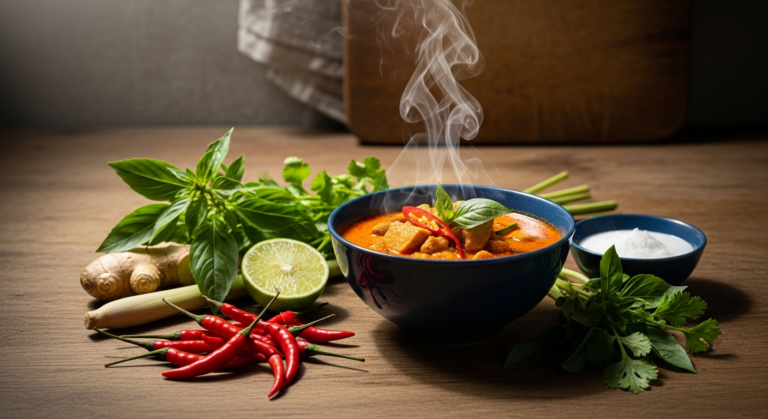
- Hearty Stews & Curries: Combine root vegetables with legumes and spices for warming, budget-friendly meals.
Recipe Ideas for Every Weeknight
Let’s get specific! Here are a few types of budget-friendly home meals that consistently deliver on flavor and cost-effectiveness:
- One-Pot Wonders: Sheet pan dinners (roast vegetables and chicken thighs together), slow cooker stews, or a big pot of pasta with sauce cooked right in the same pot. Minimal cleanup, maximum flavor.
- Soups & Stews: From classic minestrone to a creamy potato leek soup or a robust beef stew made with cheaper cuts, soups are the ultimate budget meal. They stretch ingredients, are often more flavorful the next day, and freeze beautifully.
- Stir-Fries: A fantastic way to use up odds and ends of vegetables and small amounts of protein. Serve over rice or noodles for a quick, customizable meal.
- Tacos & Burrito Bowls: Highly adaptable! Use ground meat, beans, lentils, or a mix, with various toppings like shredded cabbage, salsa, and a dollop of yogurt or sour cream.
- Pizza Night (Homemade): Making pizza dough from scratch is incredibly cheap, and you can top it with whatever vegetables, cheeses, and sauces you have on hand.
By focusing on these versatile, affordable ingredients and embracing simple, satisfying recipes, you’ll discover that cooking on a budget is not a limitation, but a pathway to culinary creativity and delicious home meals.
Elevating Your Budget-Friendly Entertaining: From Weeknights to Special Occasions
Here at Rock Salt & Plum, we believe that sharing good food with loved ones is one of life’s greatest pleasures, and a tight budget should never dampen your hosting spirit. In fact, some of the most memorable gatherings are those where resourcefulness and love are the star ingredients. You absolutely can host beautiful, budget-friendly events that feel abundant and special.
Entertaining with a Mindful Budget
The same principles of smart shopping and meal planning that apply to your daily home meals can be beautifully adapted for entertaining:
- Embrace Potluck Style (Gently!): While you’re the hostess, it’s perfectly acceptable to suggest guests bring a side dish or a bottle of wine. Frame it as a fun, collaborative effort.
- Focus on Abundance, Not Extravagance: Instead of expensive cuts of meat, opt for dishes that are naturally filling and easy to scale, like large pasta dishes, hearty stews, or a generous spread of appetizers.
- Seasonal and Simple Decorations: Use natural elements like branches, flowers from your garden, or candles to create an inviting ambiance without spending a fortune.
Budget-Friendly Dinner Party Ideas
When it comes to hosting a dinner party, planning is key to keeping costs down while ensuring a delightful experience. We’ve compiled some fantastic Easy Dinner Party Ideas for Beginners that emphasize simplicity and flavor. Consider a menu built around:
- A Large, Flavorful Main Dish: Think a big pot of chili, a slow-cooked pulled pork or chicken, or a substantial lentil shepherd’s pie. These are often cheaper per serving and can feed a crowd.
- Generous Sides: A large green salad with a homemade vinaigrette, a hearty grain salad, or roasted seasonal vegetables are always excellent and cost-effective additions.
- A Simple, Elegant Dessert: A fruit crumble, a sheet cake, or even a build-your-own ice cream sundae bar can be delightful without breaking the bank.
For even more specific inspiration, our Budget-Friendly Dinner Party Menu article offers a complete, delicious, and affordable multi-course plan that will impress your guests without stressing your wallet.
Hosting Brunch on a Budget
Brunch is another wonderful way to entertain, and it often lends itself perfectly to budget-friendly fare. Our guide on How to Host Brunch at Home provides a wealth of tips for creating a beautiful spread that’s both economical and delightful. Think about:
- Egg-Centric Dishes: Frittatas, quiches, and stratas are excellent for brunch. Eggs are affordable and versatile, and these dishes can be prepped ahead.
- Oatmeal Bars: Set out a big pot of warm oatmeal with various toppings: nuts, seeds, dried fruit, fresh fruit (seasonal!), honey, cinnamon. Guests can customize their own bowls.
- Homemade Baked Goods: Muffins, scones, or a simple coffee cake baked from scratch are much cheaper than store-bought and fill your home with a wonderful aroma.
- DIY Drink Stations: Offer a pitcher of iced tea or infused water, and perhaps a make-your-own mimosa bar with an inexpensive sparkling wine and a few juice options.
Remember, the true essence of entertaining isn’t about how much you spend, but about the warmth, hospitality, and joy you share. With these cooking on a budget tips for entertaining, your home will always be a welcoming haven for delicious food and cherished company, regardless of the occasion.
Beyond the Basics: Cultivating a Mindset for Sustainable Budget Cooking
As we near the end of our exploration into cooking on a budget, it’s important to remember that this isn’t just about a collection of tips and tricks; it’s about cultivating a sustainable mindset. It’s a shift in how we approach food, shopping, and our kitchens. It’s about empowerment, creativity, and finding joy in the everyday act of nourishing ourselves and our loved ones. This isn’t a temporary fix for a tight month; it’s a lifestyle that brings long-term benefits.
Mindfulness in the Kitchen
One of the most profound impacts of embracing budget cooking is the increased mindfulness it brings.
- Appreciating Ingredients: When you’re making an effort to use every part of a vegetable or strategically plan your meals, you naturally develop a deeper appreciation for your ingredients. You see their value, not just their cost.
- Connecting with Your Food: Cooking from scratch, understanding where your food comes from, and transforming simple ingredients into delicious meals fosters a stronger connection to what you eat. This can lead to healthier choices and a greater sense of satisfaction.
- Reducing Waste, Increasing Gratitude: Consciously working to minimize food waste is an act of gratitude – for the food itself, for the resources that went into producing it, and for the ability to nourish yourself. This practice extends beyond your plate, often influencing other areas of your life towards more sustainable choices.
Long-Term Habits for Financial Wellness
The cooking on a budget tips we’ve discussed are not isolated actions; they are building blocks for long-term financial wellness in your home.
- Consistent Savings: Regularly planning meals, shopping smartly, and minimizing waste will lead to consistent, significant savings on your grocery bill month after month, year after year. Imagine what you could do with those extra funds – a special family trip in 2026, home improvements, or simply a greater sense of financial security.
- Improved Health: Cooking more home meals, especially those built on whole, unprocessed ingredients like legumes, grains, and seasonal vegetables, naturally leads to a healthier diet. You control the amount of salt, sugar, and unhealthy fats, contributing to better overall well-being for you and your family.
- Reduced Stress: Knowing what’s for dinner, having ingredients on hand, and a freezer full of emergency meals dramatically reduces the stress of daily meal preparation. No more last-minute dashes to the store or expensive, unhealthy takeout decisions.
- Cultivating Culinary Skills: The more you practice budget cooking, the more confident and skilled you become in the kitchen. You’ll learn to adapt recipes, substitute ingredients, and create delicious meals with whatever you have, turning you into a truly resourceful and creative home cook.
So, my dear friends, let these cooking on a budget tips and tricks be your guide, but also your inspiration. Embrace the challenge, savor the process, and delight in the delicious, wholesome, and economical home meals you create. Your wallet will thank you, your family will cheer, and your kitchen will hum with the joyful energy of a truly well-fed home. Happy cooking!
Frequently Asked Questions
Q: What’s the single most effective tip for cooking on a budget?
A: Without a doubt, the single most effective tip is meticulous meal planning combined with a shopping list. Knowing exactly what you need for the week’s meals before you hit the grocery store prevents impulse buys, reduces food waste, and ensures you’re making the most of sales and ingredients you already have.
Q: How can I make budget meals interesting and not repetitive?
A: Variety is key! Embrace theme nights (Taco Tuesday, Meatless Monday), experiment with different cuisines using staple ingredients (e.g., beans can go into Mexican, Indian, or Mediterranean dishes), and learn to “reinvent” leftovers into new meals. A well-stocked spice rack also allows you to drastically change the flavor profile of simple ingredients.
Q: Is it really cheaper to cook from scratch than to buy convenience foods?
A: Yes, almost always! While it requires a bit more time and effort, cooking from scratch using whole ingredients like dried beans, rice, and fresh produce is significantly cheaper than buying pre-packaged meals, pre-chopped vegetables, or ready-made sauces. Plus, you have full control over the ingredients, leading to healthier meals.
Q: What are the best budget-friendly proteins?
A: Legumes (dried beans, lentils, chickpeas) are incredibly affordable and packed with protein and fiber. Eggs are another excellent and versatile protein source. Chicken thighs and drumsticks are generally cheaper than breasts. Ground meats (pork, turkey, beef) can also be very economical, especially when bought on sale and stretched with vegetables or grains.
Q: How do I reduce food waste at home?
A: Several strategies help reduce food waste: plan your meals, use a shopping list, store food properly (airtight containers, correct fridge/freezer zones), embrace “use it up” meals with lingering ingredients, freeze leftovers and excess produce, and learn to make broths from vegetable scraps and bones. Regularly checking your pantry and fridge for items nearing their expiration date also helps.
Recommended Resources
Check out How To Make Your Home Feel Cozy And Welcoming on The Contextual Life for a deeper dive.
For more on cooking halal on, see Best Skincare Routine For Glowing Skin At Every Age on Sometimes Daily.