
























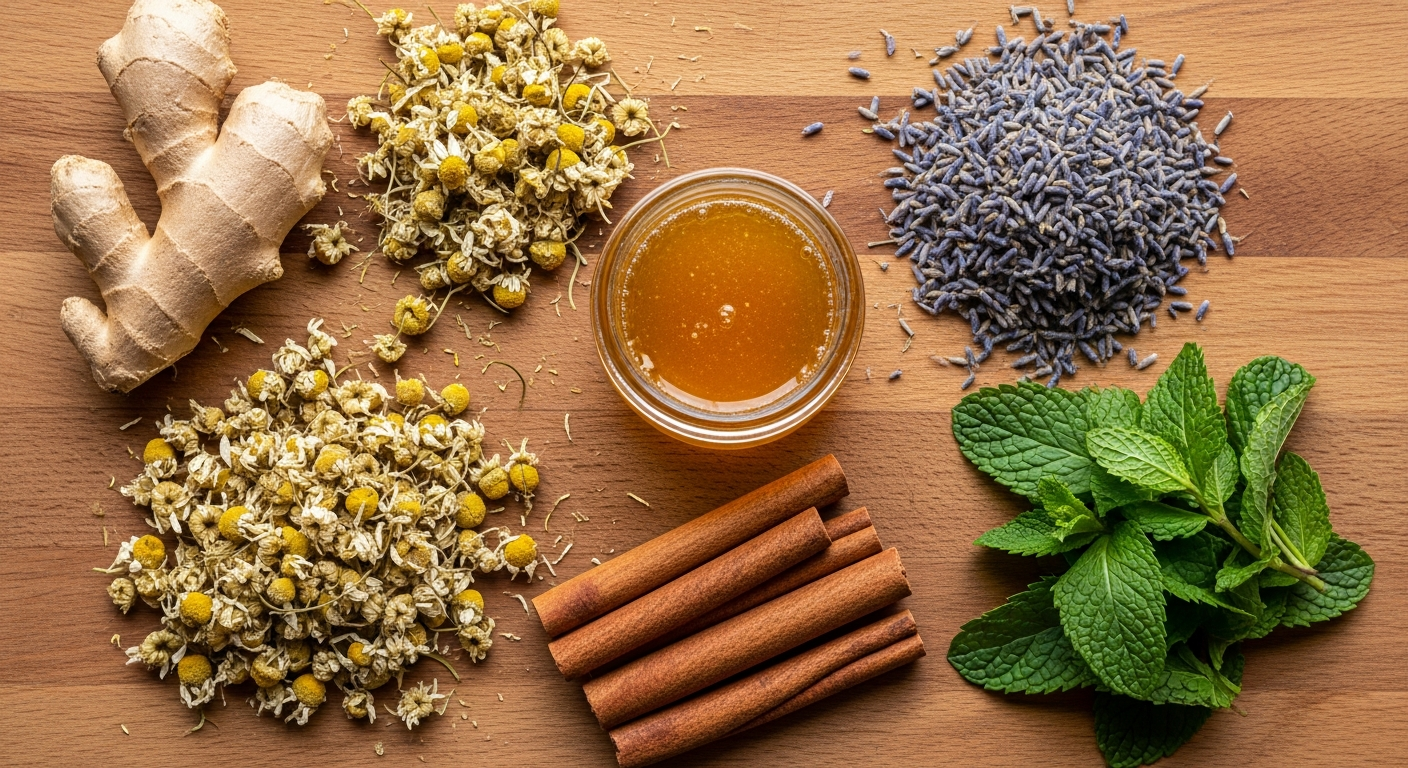
Welcome, dear friends, to a journey back to nature’s embrace here at Rock Salt & Plum. In our fast-paced world, there’s a growing desire to reconnect with simple, wholesome practices that nurture our bodies and souls. We’re constantly seeking ways to infuse our homes with warmth and our lives with well-being, often turning to the wisdom of generations past. Today, we’re diving deep into the heart of natural living, exploring the incredible power of popular natural ingredients that have graced our herbal teas and home remedies for centuries. Imagine a pantry filled with nature’s gentle healers, ready to soothe, invigorate, and bring balance to your everyday. From calming bedtime brews to invigorating tinctures, these botanical treasures offer a path to holistic wellness that’s both accessible and profoundly effective. Join us as we uncover the secrets within these humble plants, transforming your understanding of natural care and empowering you to cultivate a healthier, more harmonious life.
The Enduring Charm of Nature’s Pharmacy: Exploring Popular Natural Ingredients in Teas and Remedies
For millennia, humanity has looked to the earth for healing and comfort. Before pharmacies stocked shelves with synthetic compounds, our ancestors understood the profound therapeutic properties held within plants. This ancient wisdom, passed down through oral traditions and carefully preserved texts, forms the foundation of modern herbalism. Today, as we increasingly prioritize natural and sustainable living, these time-tested ingredients are experiencing a beautiful resurgence, finding their way into our mugs as comforting teas and into our homes as gentle, effective remedies. The beauty of these popular natural ingredients lies in their multifaceted benefits, often addressing several concerns simultaneously, and their gentle approach to supporting the body’s innate healing capabilities. They invite us to slow down, listen to our bodies, and engage in mindful self-care rituals that nourish us from the inside out.
From the delicate petals of chamomile to the vibrant root of turmeric, each ingredient tells a story of natural potency and traditional use. We’re not just talking about quaint historical practices; we’re talking about scientifically recognized compounds that interact with our physiology in beneficial ways. Whether you’re seeking to unwind after a long day, support your immune system, or create a soothing balm for tired skin, the answers often lie within these botanical wonders. This exploration isn’t just about identifying ingredients; it’s about understanding how to respectfully and effectively integrate them into your daily routine, transforming ordinary moments into opportunities for profound well-being.
Think of your kitchen not just as a place for cooking, but as a mini-apothecary where you can craft your own infusions and remedies. The act of preparing an herbal tea or mixing a simple remedy can be a deeply meditative and empowering practice, connecting you directly to the earth’s bounty. This journey into nature’s pharmacy is an invitation to embrace a more intentional way of living, one where natural wellness isn’t just a trend, but a foundational pillar of a joyful, balanced life. Let’s delve into the specific ingredients that make this possible, uncovering their unique gifts and how you can harness their power in your own home.
Soothing Sips: Unpacking Common Herbal Tea Ingredients for Wellness
There’s something uniquely comforting about a warm cup of herbal tea. It’s more than just a beverage; it’s a ritual, a moment of pause, and a gentle delivery system for some of nature’s most beneficial compounds. The world of herbal teas is vast and inviting, brimming with popular natural ingredients known for their abilities to soothe, stimulate, and support various aspects of our health. Let’s explore some of the stars of the herbal tea world and how they can enhance your daily wellness routine.
Chamomile (Matricaria chamomilla)
Perhaps one of the most beloved bedtime companions, chamomile is celebrated for its remarkable calming properties. Its delicate, apple-like aroma and flavor make it a pleasant brew, while its active compounds, particularly apigenin, are thought to bind to benzodiazepine receptors in the brain, inducing a mild sedative effect. This makes it an excellent choice for those looking to improve sleep quality naturally. A warm cup of chamomile tea about an hour before bed can signal to your body that it’s time to unwind, gently easing you into a restful state. Beyond sleep, chamomile is also valued for its anti-inflammatory and antispasmodic effects, making it helpful for digestive upset, mild anxiety, and even menstrual cramps. For a topical remedy, cooled chamomile tea bags can be applied to tired or puffy eyes for a soothing compress. When choosing chamomile, opt for organic loose-leaf varieties for maximum potency and flavor.
Peppermint (Mentha piperita)
Vibrant and invigorating, peppermint is a powerhouse for digestive comfort. Its primary active compound, menthol, gives it that characteristic cooling sensation and is known to relax the muscles of the gastrointestinal tract, making it effective for relieving indigestion, bloating, and even irritable bowel syndrome symptoms. A cup of peppermint tea after a meal can aid digestion and freshen your breath. Beyond the gut, peppermint can also be a gentle stimulant, helping to clear the mind and alleviate tension headaches. Its strong aroma also lends itself well to aromatherapy; a few drops of peppermint essential oil in a diffuser can help sharpen focus or ease congestion. However, for those prone to heartburn, it’s best consumed in moderation as it can relax the esophageal sphincter.
Ginger (Zingiber officinale)
The warming, spicy kick of ginger is not just for culinary delights; it’s a potent medicinal ingredient. Rich in gingerols and shogaols, ginger is a renowned anti-inflammatory and antioxidant. Its most famous application is perhaps its ability to combat nausea, whether from motion sickness, morning sickness, or chemotherapy. A simple tea made from thinly sliced fresh ginger steeped in hot water can work wonders. Additionally, ginger tea can help warm the body, stimulate circulation, and provide relief from cold and flu symptoms, thanks to its immune-boosting properties. It’s a fantastic ingredient to incorporate during the colder months to keep your immune system robust. You can add a slice of lemon and a spoonful of honey for an extra layer of comfort and benefit.
Lemon Balm (Melissa officinalis)
A member of the mint family, lemon balm lives up to its name with a delightfully fresh, citrusy aroma and flavor. This herb is a gentle nervine, meaning it has a calming effect on the nervous system. It’s particularly effective for reducing stress and anxiety, making it a wonderful ingredient for those seeking how to reduce anxiety naturally. Lemon balm tea can promote a sense of calm without causing drowsiness, making it suitable for daytime use. It’s also been traditionally used to improve cognitive function and memory, and to alleviate insomnia and restlessness. For a truly tranquil experience, combine lemon balm with chamomile for a potent evening brew. Growing lemon balm in your garden is also a joy; its leaves can be snipped fresh for tea.
Lavender (Lavandula angustifolia)
While often associated with aromatherapy, lavender also makes a surprisingly lovely and beneficial tea. Its fragrant purple blossoms contain compounds that promote relaxation and can help to ease nervous tension. Like chamomile, lavender tea can be a fantastic aid for those looking to improve sleep quality naturally, helping to quiet a racing mind before bed. The scent itself is a powerful relaxant, so simply inhaling the steam from your lavender tea can provide immediate calming benefits. When incorporating lavender into teas, use culinary-grade dried lavender buds sparingly, as too much can result in a soapy flavor. Its primary strength, however, remains in its aromatherapy benefits and uses, where its essential oil is unparalleled for creating a serene environment, whether diffused, added to a bath, or used in a pillow spray.
Rooibos (Aspalathus linearis)
Hailing from South Africa, Rooibos, or “red bush,” is a naturally caffeine-free herbal tea that offers a wealth of antioxidants. Unlike traditional teas, Rooibos is low in tannins, making it less bitter and gentler on the stomach. Its mild, slightly sweet, and earthy flavor makes it a versatile base for various blends. Rooibos tea is known for its potential to support heart health, aid digestion, and reduce inflammation. It’s also rich in minerals like zinc, copper, and potassium. For expectant mothers or anyone sensitive to caffeine, Rooibos offers a delicious and healthful alternative to black or green tea. Enjoy it plain, with a slice of lemon, or a dash of milk and honey.
Green Tea (Camellia sinensis)
Though technically from the tea plant and containing caffeine, green tea is often grouped with herbal infusions due to its vast health benefits and minimal processing. Packed with powerful antioxidants called catechins, particularly EGCG, green tea is a superstar for overall wellness. It’s celebrated for its potential to boost metabolism, support heart health, enhance brain function, and even contribute to healthy skin. The L-theanine found in green tea promotes a state of relaxed alertness, making it an excellent choice for a gentle energy lift without the jitters often associated with coffee. Brewing green tea correctly is key: use water that’s just off the boil (around 175-180°F) and steep for only 2-3 minutes to avoid bitterness. Incorporating a daily cup of high-quality organic green tea can be a simple yet profound step towards vibrant health.
Potent Potions: Natural Ingredients for DIY Home Remedies and Holistic Healing
Beyond the comforting brew of a tea, many popular natural ingredients shine brightly in the realm of home remedies. These are the versatile powerhouses that can be applied topically, ingested in tinctures, or incorporated into various DIY preparations to address a wide range of common ailments and promote holistic healing. Embracing these ingredients in your home remedies empowers you to take a more active role in your family’s wellness, often with gentle yet effective results. Let’s explore some key players in this natural apothecary.
Turmeric (Curcuma longa)
This vibrant golden spice, a staple in Indian cuisine, has gained immense popularity in the Western world for its incredible anti-inflammatory and antioxidant properties. The active compound, curcumin, is responsible for many of its health benefits. While it can be enjoyed in culinary dishes, turmeric shines in remedies like “golden milk” – a warm, soothing beverage made with milk (dairy or plant-based), turmeric, a pinch of black pepper (which dramatically increases curcumin absorption), and often ginger, cinnamon, and honey. Golden milk is fantastic for reducing inflammation, supporting joint health, and promoting a sense of calm before bed. Topically, a paste of turmeric and water can be used cautiously as an anti-inflammatory mask, though it can temporarily stain skin. For consistent anti-inflammatory benefits, consider incorporating turmeric into your diet regularly, perhaps as a spice in roasted vegetables or soups.
Aloe Vera (Aloe barbadensis miller)
Known as the “plant of immortality” in ancient Egypt, aloe vera is a succulent plant whose gel-filled leaves are a treasure trove of healing compounds. Most famously, aloe vera gel is a go-to remedy for soothing sunburns, minor cuts, and skin irritations. Its anti-inflammatory and moisturizing properties help to accelerate healing and reduce discomfort. But its benefits extend beyond topical application; internally, pure aloe vera juice (ensure it’s food-grade and decolorized to remove laxative compounds) can support digestive health, help with occasional constipation, and soothe an irritated gut lining. For a quick remedy, keep a potted aloe plant in your kitchen; simply snip a leaf, slice it open, and apply the fresh gel directly to a burn or bite. For internal use, always source high-quality, reputable aloe vera juice.
Eucalyptus (Eucalyptus globulus)
The distinctive, camphoraceous scent of eucalyptus is instantly recognizable and deeply associated with respiratory relief. Its essential oil is rich in eucalyptol, a compound known for its expectorant and decongestant properties. While eucalyptus leaves can be steeped for a strong, medicinal tea (often blended with other herbs), its most common and effective use in home remedies is through aromatherapy benefits and uses. Adding a few drops of eucalyptus essential oil to a bowl of hot water for a steam inhalation can significantly help clear nasal passages and ease chest congestion during colds or sinusitis. It’s also a popular ingredient in chest rubs and balms. Diffusing eucalyptus oil can purify the air and provide a sense of openness. Always dilute eucalyptus essential oil before applying to the skin and avoid internal consumption.
Apple Cider Vinegar (ACV)
A true kitchen workhorse, apple cider vinegar has been used for centuries for everything from food preservation to health tonics. Raw, unfiltered ACV (with “the mother”) is rich in beneficial bacteria and enzymes. Internally, a tablespoon diluted in a glass of water, consumed before meals, is believed to aid digestion, balance blood sugar, and support gut health. It can also be a simple remedy for occasional acid reflux. Topically, diluted ACV can be used as a natural toner for oily skin, a rinse to restore shine to hair, or a soothing foot soak for fungal issues. Its acidic nature helps to balance pH and inhibit bacterial growth. While potent, it’s crucial to always dilute ACV before consuming or applying to skin to prevent irritation to teeth enamel or skin.
Honey
More than just a sweetener, honey, especially raw and local varieties, is a powerful natural remedy with antibacterial, anti-inflammatory, and antioxidant properties. Its most famous use is probably for soothing sore throats and coughs; a spoonful of honey can provide immediate relief and help suppress nocturnal coughs. It’s also a fantastic wound healer, thanks to its osmotic effect which draws moisture from bacteria, and its low pH. Manuka honey, in particular, is renowned for its potent medicinal qualities. For a simple cough syrup, mix honey with lemon juice and a pinch of ginger. You can also create a soothing face mask by combining honey with a bit of turmeric for an anti-inflammatory boost. Always opt for raw, unpasteurized honey to retain its full spectrum of beneficial compounds.
Tea Tree Oil (Melaleuca alternifolia)
Hailing from Australia, tea tree oil is a potent essential oil celebrated for its antiseptic, antifungal, and antiviral properties. It’s a go-to remedy for various skin concerns. Diluted tea tree oil can be dabbed onto blemishes to help clear acne, applied to fungal nail infections, or used in a foot soak for athlete’s foot. It can also be added to a natural cleaning spray for its disinfectant qualities. Due to its strength, it’s imperative to always dilute tea tree oil with a carrier oil (like jojoba or almond oil) before applying to the skin. It is not safe for internal consumption. For aromatherapy, a few drops in a diffuser can help purify the air and support respiratory health, especially during cold and flu season.
Witch Hazel (Hamamelis virginiana)
Derived from the bark and leaves of the witch hazel shrub, this natural astringent is a staple in many natural first-aid kits and beauty routines. It’s particularly effective for soothing irritated skin, reducing inflammation, and tightening pores. Witch hazel is excellent for treating minor cuts and scrapes, insect bites, hemorrhoids, and even razor burn. Its gentle yet effective action makes it suitable for sensitive skin. Look for alcohol-free witch hazel extracts to avoid drying out the skin. It can be applied with a cotton pad as a toner or used as a compress for localized relief. The humble witch hazel shrub offers a powerful, natural solution for a myriad of topical concerns, proving that sometimes the simplest remedies are the most effective.
Harnessing Nature’s Best: Practical Applications and Everyday Rituals with Natural Ingredients
Integrating popular natural ingredients into your daily life is less about grand gestures and more about creating small, consistent rituals that nourish your well-being. At Rock Salt & Plum, we believe in making wellness accessible and enjoyable. Here are some practical tips and actionable advice for weaving these botanical wonders into your home and lifestyle, transforming ordinary moments into opportunities for profound self-care.
Crafting Your Daily Tea Rituals
- Morning Boost: Start your day with green tea for focused energy, or a refreshing peppermint tea to awaken your senses and aid digestion. Consider a beautiful glass teapot to watch your loose-leaf herbs unfurl.
- Afternoon Calm: If you feel the afternoon slump or a touch of stress, a cup of lemon balm or ginger tea can provide a gentle lift and a sense of calm without caffeine.
- Evening Serenity: This is where chamomile and lavender truly shine. A warm mug of either (or a blend of both) an hour before bed is a powerful practice to improve sleep quality naturally. Dim the lights, put away screens, and truly savor this moment of transition into rest.
- Brewing Basics: Always use filtered water. For delicate herbs like chamomile and lemon balm, use slightly cooler water (just off the boil) and steep for 5-7 minutes. For roots like ginger, a longer simmer (10-15 minutes) or a very hot steep is best to extract their compounds.
DIY Remedies for Common Ailments
- Sore Throat Soother: Combine a tablespoon of honey with the juice of half a lemon and a pinch of grated fresh ginger. Sip slowly for immediate relief.
- Congestion Relief Steam: Fill a bowl with hot water (not boiling). Add 2-3 drops of eucalyptus essential oil (or a few drops of peppermint or tea tree oil). Drape a towel over your head and the bowl, and inhale deeply for 5-10 minutes. This is a fantastic way to utilize aromatherapy benefits and uses for respiratory health.
- Relaxing Bath Soak: Add a cup of Epsom salts, a handful of dried lavender buds, and 5-10 drops of lavender essential oil to a warm bath. This creates a deeply relaxing experience, perfect for winding down and helping to reduce anxiety naturally.
- Digestive Aid Compress: Steep strong peppermint tea, let it cool slightly, then soak a clean cloth in it. Apply the warm compress to your abdomen to ease bloating and cramps.
- Natural Skin Toner: For oily or acne-prone skin, dilute raw apple cider vinegar with equal parts water. Apply with a cotton pad after cleansing. Patch test first!
Embracing Aromatherapy for Holistic Wellness
The power of scent is undeniable, and essential oils derived from these natural ingredients offer profound aromatherapy benefits and uses. Incorporating a diffuser into your living space can transform the atmosphere and support various moods and needs.
- To Reduce Anxiety Naturally: Diffuse lavender, lemon balm (as an essential oil, if available), or bergamot. The calming molecules can signal to your nervous system to relax. Keep a small rollerball blend of diluted lavender oil for pulse points throughout the day.
- For Better Sleep: A few drops of lavender or chamomile essential oil in a diffuser in your bedroom an hour before bed can significantly improve sleep quality naturally. You might also try a pillow spray with distilled water and a few drops of these oils.
- For Focus & Energy: Peppermint and eucalyptus essential oils are excellent for invigorating the mind and clearing congestion, making them perfect for a home office or study space.
Important Considerations for Safe Use
While natural, these ingredients are potent. Always:
- Source Wisely: Opt for organic, high-quality herbs and essential oils from reputable suppliers. Purity matters.
- Dilute Essential Oils: Never apply undiluted essential oils directly to the skin. Always use a carrier oil like jojoba, almond, or coconut oil.
- Patch Test: Before applying any new topical remedy liberally, test a small amount on an inconspicuous patch of skin to check for sensitivity.
- Consult Professionals: If you are pregnant, breastfeeding, on medication, or have underlying health conditions, consult with a healthcare provider or a qualified herbalist before incorporating new remedies, especially those taken internally.
- Listen to Your Body: Pay attention to how your body responds to different ingredients. Everyone is unique.
By thoughtfully integrating these popular natural ingredients into your daily rhythms, you’ll discover a deeper connection to your well-being and a more harmonious way of living. It’s about empowering yourself with nature’s wisdom, one soothing sip and gentle remedy at a time.
Creating Your Natural Wellness Pantry: Sourcing and Storing Your Herbal Treasures
Building a natural wellness pantry is an exciting step towards a more self-sufficient and holistic lifestyle. Having a well-stocked collection of popular natural ingredients means you’re always prepared to craft a comforting tea or a soothing home remedy. But the effectiveness of these botanical treasures hinges on their quality and how they are stored. Let’s delve into the art of sourcing and preserving your herbal bounty, ensuring maximum potency and longevity for your natural home remedies and teas.
Sourcing High-Quality Natural Ingredients
The adage “you get what you pay for” often holds true when it comes to herbs and essential oils. Investing in quality ingredients is paramount for safety and efficacy. Here’s what to look for:
- Organic Certification: Always prioritize organic herbs. This ensures they are grown without synthetic pesticides, herbicides, or fertilizers, which can contaminate the plant and diminish its purity and potency. Look for certifications from trusted organizations.
- Reputable Suppliers: Purchase from companies with a strong reputation for ethical sourcing, quality control, and transparency. Look for suppliers who provide information about where their herbs come from and how they are processed. Online specialty herb stores or local health food stores with dedicated bulk herb sections are often good choices.
- Whole vs. Cut & Sifted: Wherever possible, opt for whole or coarsely cut and sifted herbs rather than finely powdered ones. Whole herbs retain their volatile oils and medicinal compounds better, indicating freshness and less processing. For instance, whole chamomile flowers will be more potent than powdered chamomile.
- Essential Oils: For essential oils, look for 100% pure, therapeutic-grade oils. Avoid “fragrance oils” or “perfume oils” as these are often synthetic and lack therapeutic benefits. Reputable brands will provide information on distillation methods, country of origin, and even GC/MS (Gas Chromatography/Mass Spectrometry) reports for purity.
- Local & Wildcrafted: If you have access to local farmers’ markets or trustworthy wildcrafters, these can be excellent sources for fresh, regionally adapted herbs. Ensure wildcrafted herbs are harvested sustainably and from clean environments.
- Expiration Dates: While dried herbs don’t typically “expire” in the same way food does, they do lose potency over time. Check for harvest dates or “best by” dates from your supplier.
Proper Storage to Maintain Potency
Once you’ve acquired your precious popular natural ingredients, proper storage is key to preserving their therapeutic value. Exposure to light, air, heat, and moisture are the enemies of potency.
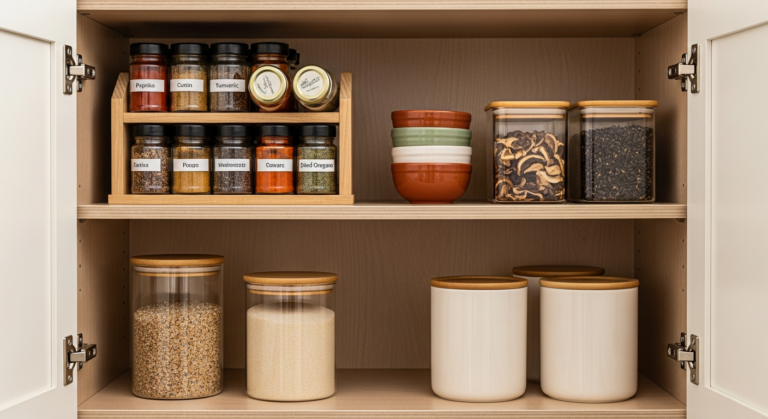
- Airtight Containers: Transfer herbs from their original packaging into airtight containers immediately upon arrival. Glass jars with tight-fitting lids (like canning jars or amber apothecary jars) are ideal. Metal tins can also work well, especially for tea blends.
- Darkness is Key: Store your herbs in a cool, dark place, away from direct sunlight or bright artificial light. Light degrades the delicate compounds in herbs. A pantry, cupboard, or drawer is perfect. Amber or cobalt blue glass jars offer additional protection from light.
- Cool Temperatures: Heat accelerates the degradation of active compounds. Keep your herbs away from heat sources like stoves, ovens, or sunny windowsills. A consistent room temperature is generally fine.
- Dry Environment: Moisture is the enemy of dried herbs, leading to mold and spoilage. Ensure your storage area is dry, and always use a dry spoon or scoop when retrieving herbs. Avoid storing herbs in humid environments like bathrooms.
- Labeling: Always label your containers clearly with the name of the herb and the date of purchase. This helps you track freshness and avoid confusion, especially if you have several similar-looking herbs.
- Essential Oil Storage: Essential oils should always be stored in dark glass bottles (usually amber or cobalt blue) with tight-fitting caps, away from heat and light. They can also benefit from being stored in a cool, dark cupboard. While they don’t spoil in the same way as food, they can oxidize and lose their therapeutic properties over time. Citrus oils, in particular, have a shorter shelf life.
Organizing Your Herbal Treasures
A well-organized pantry makes your natural wellness journey more enjoyable and efficient. Consider:
- Categories: Group similar herbs together (e.g., “sleep & relaxation,” “digestive aids,” “immune support”).
- Shelving: Utilize tiered shelving or drawer organizers to make everything visible and accessible.
- Labels: Consistent and clear labels are non-negotiable. You might even add a small note about common uses for quick reference.
By taking these steps to carefully source and store your popular natural ingredients, you’re not just stocking a pantry; you’re building a foundation for consistent, effective natural wellness practices. Your commitment to quality and proper care will ensure that every cup of herbal tea and every homemade remedy delivers its full potential, supporting your health and happiness for years to come.
Embracing a Holistic Lifestyle with Natural Home Remedies and Teas
As we reach the culmination of our exploration into the popular natural ingredients found in herbal teas and home remedies, it’s clear that the journey towards natural wellness is deeply rewarding. At Rock Salt & Plum, we believe that true well-being blossoms when we cultivate intentional practices that nourish our minds, bodies, and spirits. Integrating these botanical allies into your daily life is more than just a trend; it’s a return to ancient wisdom, a commitment to self-care, and a powerful way to foster a holistic lifestyle.
Think of your home as a sanctuary, and yourself as the mindful curator of its well-being. The gentle steam from a cup of peppermint tea clearing your sinuses, the soothing embrace of chamomile easing you into sleep, or the invigorating aroma of eucalyptus filling your living space are not merely fleeting moments. They are threads woven into the fabric of a life lived with intention and connection to the natural world. These rituals, whether it’s a morning green tea to sharpen focus, a lavender bath to reduce anxiety naturally, or a ginger compress for muscle aches, are acts of self-love that accumulate over time, building resilience and promoting vitality.
The beauty of these popular natural ingredients lies in their accessibility and versatility. You don’t need a sprawling herb garden (though it’s a lovely aspiration!) to begin. A few carefully chosen dried herbs, a couple of essential oils, and a willingness to experiment are all you need to start your natural wellness journey. Remember to approach this path with curiosity, respect, and a healthy dose of intuition. Listen to your body, observe how different ingredients affect you, and build your personal repertoire of effective remedies and comforting rituals.
We’ve discussed how specific ingredients like chamomile and lavender can profoundly improve sleep quality naturally, offering a gentle alternative to restless nights. We’ve explored the expansive aromatherapy benefits and uses, demonstrating how scents can uplift, calm, or invigorate our senses. And we’ve highlighted practical ways to incorporate these ingredients to reduce anxiety naturally, fostering a sense of peace and groundedness in a busy world. This holistic approach acknowledges that our physical, mental, and emotional health are interconnected, and nature offers profound support for each facet.
As you move forward, consider keeping a simple journal to track which teas or remedies resonate most with you. Perhaps you discover that a blend of lemon balm and passionflower is your perfect evening tonic, or that a daily turmeric latte has significantly eased occasional discomfort. This personal exploration is the heart of holistic living.
At Rock Salt & Plum, we encourage you to embrace the gentle power of nature, to transform your home into a haven of health, and to nurture yourself with the earth’s abundant gifts. May your journey be filled with discovery, comfort, and a deeper connection to the incredible world of natural wellness. Here’s to health, happiness, and the simple magic found in every leaf, root, and flower. Cheers to a naturally vibrant life!
Frequently Asked Questions
Q: Are natural ingredients always safe to use?
A: While many popular natural ingredients are generally safe for most people, “natural” doesn’t automatically mean “harmless.” Potency varies, and individual reactions differ. It’s crucial to use reputable, high-quality sources, follow recommended dosages, and dilute essential oils properly. Always consult a healthcare professional or qualified herbalist before using new remedies, especially if you are pregnant, breastfeeding, have underlying health conditions, or are taking medications, as some herbs can interact with pharmaceuticals.
Q: How do I know which natural ingredients are best for me?
A: The best approach is often personal experimentation and mindful observation. Start with well-known, gentle herbs like chamomile for relaxation or peppermint for digestion. Pay attention to how your body responds. Research specific concerns you have and identify herbs traditionally used for those purposes. Consulting with a qualified herbalist can also provide personalized guidance based on your unique health profile.
Q: Can I use fresh herbs from my garden for teas and remedies?
A: Absolutely! Using fresh herbs from your garden is a wonderful way to enjoy their full vitality. For teas, simply snip a few leaves or flowers, rinse them gently, and steep in hot water. For remedies, ensure you correctly identify the plant, and use only edible or topical parts. Avoid using herbs that have been treated with pesticides or grown near polluted areas. Drying your own herbs from the garden is also a rewarding way to preserve their goodness for year-round use.
Recommended Resources
For more on common natural ingredients, see Best Clean Beauty Brands Worth Trying 2026 on The Contextual Life.
Learn more about this topic in What Are The Signs Of A Healthy Relationship at Sometimes Daily.