














Smart Savings: Unpacking Pantry Staples – Which to Bulk Buy and Which to Skip?
Today, we’re diving deep into the strategic world of pantry staples. We’ll explore the golden question: which items truly offer value and convenience when bought in bulk, and which are best purchased in smaller quantities, preserving freshness, space, and your budget? This isn’t just about saving a few dollars; it’s about mindful consumption, reducing food waste, and creating a harmonious flow in your kitchen. From the grains that form the foundation of countless meals to the spices that awaken our taste buds, we’ll uncover the secrets to a perfectly provisioned pantry. Get ready to transform your approach to grocery shopping and elevate your home management to an art form, ensuring every ingredient serves a purpose and every purchase is a smart one.
The Foundational Grains: Rice, Pasta, and Legumes
For many homes, grains and legumes form the backbone of everyday cooking. They are versatile, nourishing, and often incredibly budget-friendly, making them prime candidates for bulk purchasing. Imagine never running out of rice for your family dinners or pasta for those quick weeknight meals. The key here is understanding shelf life, proper storage, and your family’s consumption rate.
Rice: A Bulk Buying Champion
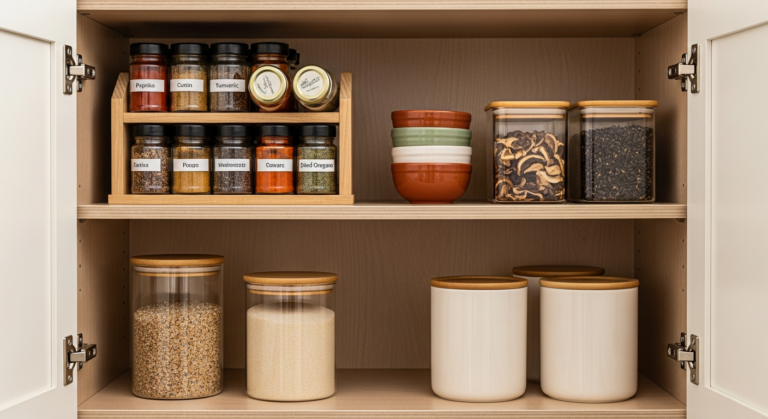
Rice, in its many forms, is almost always a smart bulk buy. White rice, such as long-grain basmati or jasmine, can last for years when stored correctly. Brown rice, due to its higher oil content, has a shorter shelf life (around 6-12 months), but still fares well in larger quantities if you use it regularly. Consider brands like Lundberg Family Farms for organic options, or your local warehouse club’s private label (e.g., Kirkland Signature) for excellent value on conventional varieties. When buying in bulk, transfer rice from its original bag into airtight containers – think large, clear acrylic bins or sturdy glass jars – to protect against moisture, pests, and staleness. Always label with the purchase date. A 25-pound bag of white rice can be a fantastic investment for a family that enjoys rice frequently, providing countless meals and significant savings over smaller packages.
Pasta: Stock Up Strategically
Dry pasta is another excellent bulk buy. With an incredibly long shelf life, typically two years or more, it’s perfect for stocking up. Whether you prefer classic spaghetti, versatile penne, or playful farfalle, buying larger boxes or multi-packs from brands like Barilla or De Cecco can lead to substantial savings. Again, transfer to airtight containers to maintain freshness and keep pantry pests at bay. However, be mindful of specialty pastas like fresh ravioli or gluten-free varieties, which may have shorter shelf lives or be more prone to breakage. For these, it’s often better to buy smaller quantities as needed to ensure optimal quality and avoid waste.
Dried Legumes: A Powerhouse of Protein
Dried beans, lentils, and chickpeas are nutritional powerhouses and incredibly economical when purchased in bulk. They boast an impressive shelf life of 2-3 years, sometimes even longer, especially if kept in cool, dark conditions. Brands like Bob’s Red Mill offer a wide array of high-quality dried legumes. Buying a 10-pound bag of black beans or a large container of red lentils can dramatically reduce your grocery bill while providing the ingredients for hearty soups, stews, and side dishes. As with other grains, airtight containers are your best friend. Remember to soak most dried beans overnight before cooking to reduce cooking time and improve digestibility.
Canned Goods and Jarred Wonders: Convenience and Longevity
Canned and jarred goods are the unsung heroes of the pantry, offering convenience, long shelf lives, and a wide array of ingredients that can elevate any meal. They are excellent candidates for bulk purchasing, but a discerning eye is still required to ensure you’re getting value and not just filling space.
Canned Tomatoes: A Culinary Cornerstone
Canned tomatoes are an absolute must-have for any well-stocked kitchen. Whether diced, crushed, pureed, or whole peeled, they form the base of countless sauces, soups, and casseroles. Brands like Mutti or San Marzano (if you can find true D.O.P. certified ones) offer superior flavor, but even quality store brands are excellent for everyday use. Buying these in flats or cases from a warehouse club or during sales is incredibly cost-effective. They have a shelf life of 1-2 years, making them ideal for long-term storage. Ensure your pantry shelves are sturdy enough to hold the weight!
Canned Beans and Vegetables: Quick Meal Solutions
Canned beans (black, kidney, cannellini) and certain canned vegetables (corn, green beans, peas) are fantastic for quick meals and emergency preparedness. They’re pre-cooked and ready to use, saving valuable time. Stocking up on these during sales is a smart move. Check expiration dates, but most canned goods are good for at least a year, often longer. However, be selective with canned vegetables; sometimes frozen alternatives offer better flavor and nutritional value. For instance, while canned corn is fine, frozen corn often tastes fresher.
Jarred Sauces and Condiments: Proceed with Caution
While many jarred items have a decent shelf life, bulk buying requires more consideration. Jarred pasta sauces, like Rao’s Homemade, are excellent to have on hand, but their bulk value often depends on how quickly your family consumes them. Once opened, they have a limited refrigerator life. Similarly, condiments like mustard, ketchup, or mayonnaise can be bought in larger sizes, but only if you know you’ll use them before they expire or degrade in quality. For instance, a giant jar of mayonnaise might seem like a deal, but if it sits in your fridge for months, losing flavor, it’s not truly a saving. Smaller, more manageable sizes are often better for items with a shorter “open” shelf life.
Bulk Buying Potential for Common Pantry Staples
| Pantry Item | Bulk Buy Potential | Optimal Storage | Shelf Life (Unopened) | Considerations |
|---|---|---|---|---|
| White Rice | High | Airtight container, cool, dark pantry | 2+ years | Excellent long-term value; pest prevention crucial. |
| Brown Rice | Medium-High | Airtight container, cool, dark pantry (or freezer for longer) | 6-12 months | Higher oil content means shorter shelf life; use more frequently. |
| Dry Pasta | High | Airtight container, cool, dry pantry | 2+ years | Very economical; avoid specialty shapes in huge bulk. |
| Dried Beans/Lentils | High | Airtight container, cool, dark pantry | 2-3 years | Excellent protein source; requires soaking/cooking time. |
| Canned Tomatoes | High | Cool, dry pantry | 1-2 years | Foundation for many meals; check for dents. |
| Canned Vegetables | Medium | Cool, dry pantry | 1-2 years | Good for quick meals; frozen often preferred for taste. |
| Olive Oil | Medium-High | Dark glass bottle, cool, dark place | 12-18 months | Degrades with light/heat; only buy larger if used quickly. |
| All-Purpose Flour | High | Airtight container, cool, dry place (or freezer) | 6-12 months | Essential for baking; susceptible to pests. |
| Spices (Whole) | Medium | Airtight jars, cool, dark cabinet | 2-4 years | Retain flavor longer; grind as needed. |
| Spices (Ground) | Low | Airtight jars, cool, dark cabinet | 6-12 months | Lose potency quickly; buy small, replace often. |
| Nuts/Seeds | Low-Medium | Airtight container, refrigerator or freezer | 3-6 months (fridge), 1 year (freezer) | High oil content, go rancid quickly; buy small or freeze. |
| Coffee Beans | Medium | Airtight container, cool, dark place (or freezer for long-term) | 2-4 weeks (optimal freshness), 3-6 months (freezer) | Degrades quickly once opened; buy in amounts you use within 1-2 weeks. |
Oils, Vinegars, and Condiments: Quality vs. Quantity
These liquid gold essentials are the flavor architects of our meals. While they might seem like obvious bulk buys, their unique properties demand a more nuanced approach to ensure quality and prevent degradation.
Olive Oil: The Mediterranean Staple
Extra Virgin Olive Oil (EVOO) is a cornerstone of healthy cooking and a significant investment. Buying a large tin or bottle (e.g., 3-liter or 1-gallon) can offer substantial savings per ounce. Brands like Colavita or California Olive Ranch are excellent choices. However, olive oil is sensitive to light, heat, and air, which can cause it to go rancid. If you opt for a large container, transfer a smaller amount into a dark glass bottle for daily use and store the bulk container in a cool, dark pantry cupboard. Aim to use a large container within 6-12 months of opening. If your family uses olive oil sparingly, smaller bottles are likely a better choice to guarantee freshness and flavor.
Vinegars: A Stable Investment
White vinegar, apple cider vinegar (Bragg’s is a popular choice), and balsamic vinegar are incredibly stable and have virtually indefinite shelf lives. Buying these in larger bottles is almost always a good idea, as they are used in cooking, salad dressings, and even household cleaning. They don’t degrade in quality over time, making them truly safe bulk purchases that will serve your home for years.
Specialty Oils and Condiments: Buy as Needed
Items like sesame oil, truffle oil, or specific nut oils (walnut, avocado) are often used in smaller quantities and can have shorter shelf lives once opened, especially if not refrigerated. Similarly, gourmet mustards, specialty sauces, or unique marinades should generally be bought in smaller sizes to ensure you use them while they are at their peak flavor. The same applies to hot sauces; while they last a long time, buying a gallon when you only use a few drops a week is unnecessary and takes up valuable pantry space.
Baking Essentials: Flour, Sugar, and Beyond
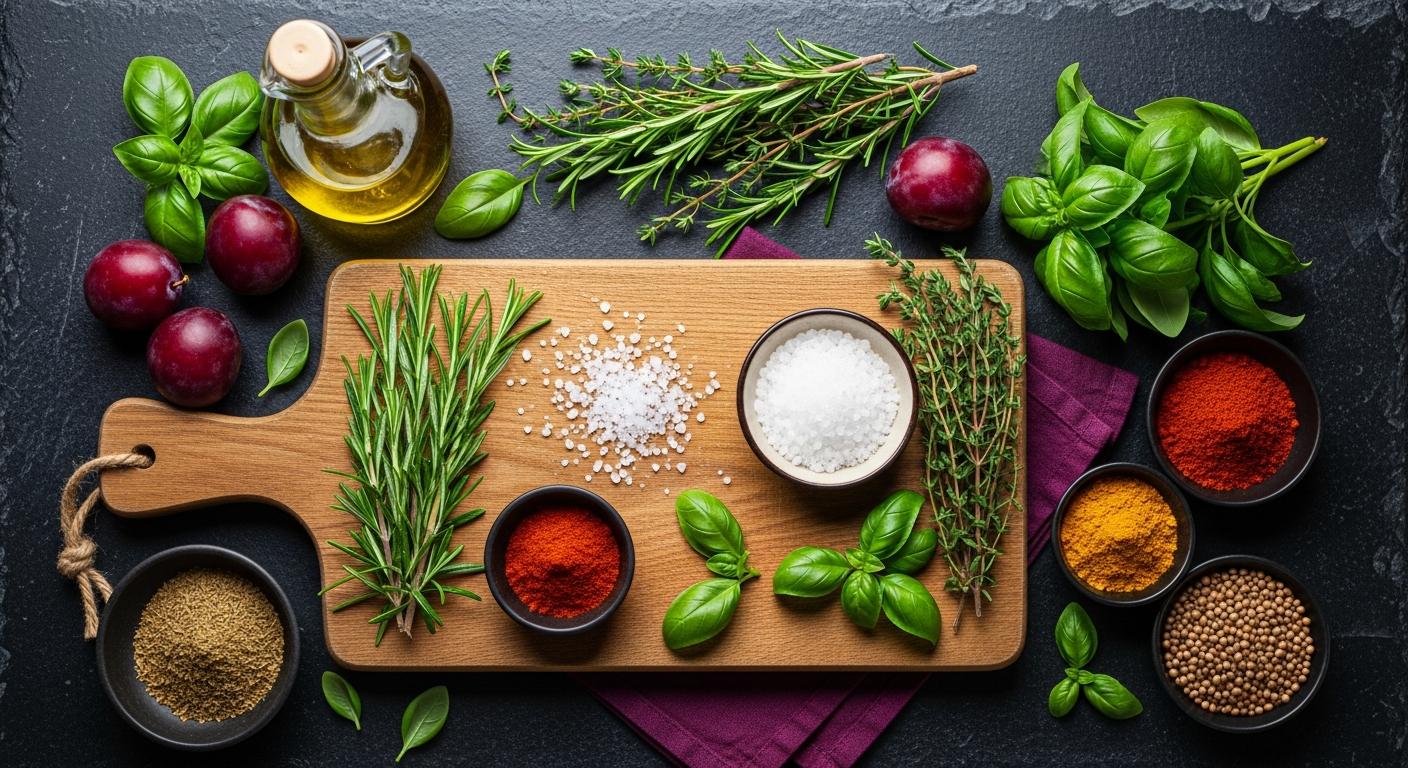
For those who love to bake, a well-stocked pantry of baking essentials is a dream. These items often lend themselves well to bulk buying, but storage is key to preventing spoilage and pests.
Flour: The Baker’s Best Friend
All-purpose flour, bread flour, and even some whole wheat flours (though whole wheat has a shorter shelf life due to oils) are excellent bulk buys. A 10 or 25-pound bag of King Arthur Flour or your preferred brand can last a busy baker for months. Immediately transfer flour from its paper bag into sturdy, airtight containers. For whole wheat flours or if you live in a warm climate, storing flour in the freezer can significantly extend its freshness and prevent rancidity and insect infestations. Label containers with the type of flour and the purchase date.
Sugar: Sweet Savings
Granulated sugar and brown sugar are also perfect for bulk purchasing. They have an indefinite shelf life when stored correctly – away from moisture and in airtight containers. Brown sugar, in particular, benefits from airtight storage to prevent it from hardening. Consider investing in large, attractive canisters that not only keep your sugar fresh but also add to your pantry’s aesthetic. Powdered sugar also stores well, but like flour, is best kept in an airtight container to prevent clumping.
Yeast, Baking Soda, and Baking Powder: Smaller is Smarter
While these are crucial baking ingredients, their potency can diminish over time. Yeast, especially, is sensitive to age and storage conditions. Buying large quantities of yeast is only advisable if you bake very frequently and can use it up quickly, otherwise, smaller packets or jars stored in the refrigerator or freezer are best. Baking soda and baking powder also lose their leavening power over time. It’s better to buy these in moderate sizes and replace them every 6-12 months to ensure your baked goods rise beautifully every time. A simple test for baking soda: mix a teaspoon with a bit of vinegar; if it fizzes vigorously, it’s still good. For baking powder, mix with hot water; if it fizzes, it’s potent.
Chocolate and Nuts: Handle with Care
Baking chocolate (bars, chips) from brands like Ghirardelli or Valrhona can be bought in larger quantities, but ensure it’s stored in a cool, dark place to prevent blooming. Nuts, however, due to their high oil content, are highly perishable and prone to rancidity. Buying them in bulk is generally not recommended unless you go through them very quickly or plan to store them in the freezer, which significantly extends their shelf life. For everyday use, smaller bags from the baking aisle are usually the best option.
Spices and Seasonings: The Essence of Flavor
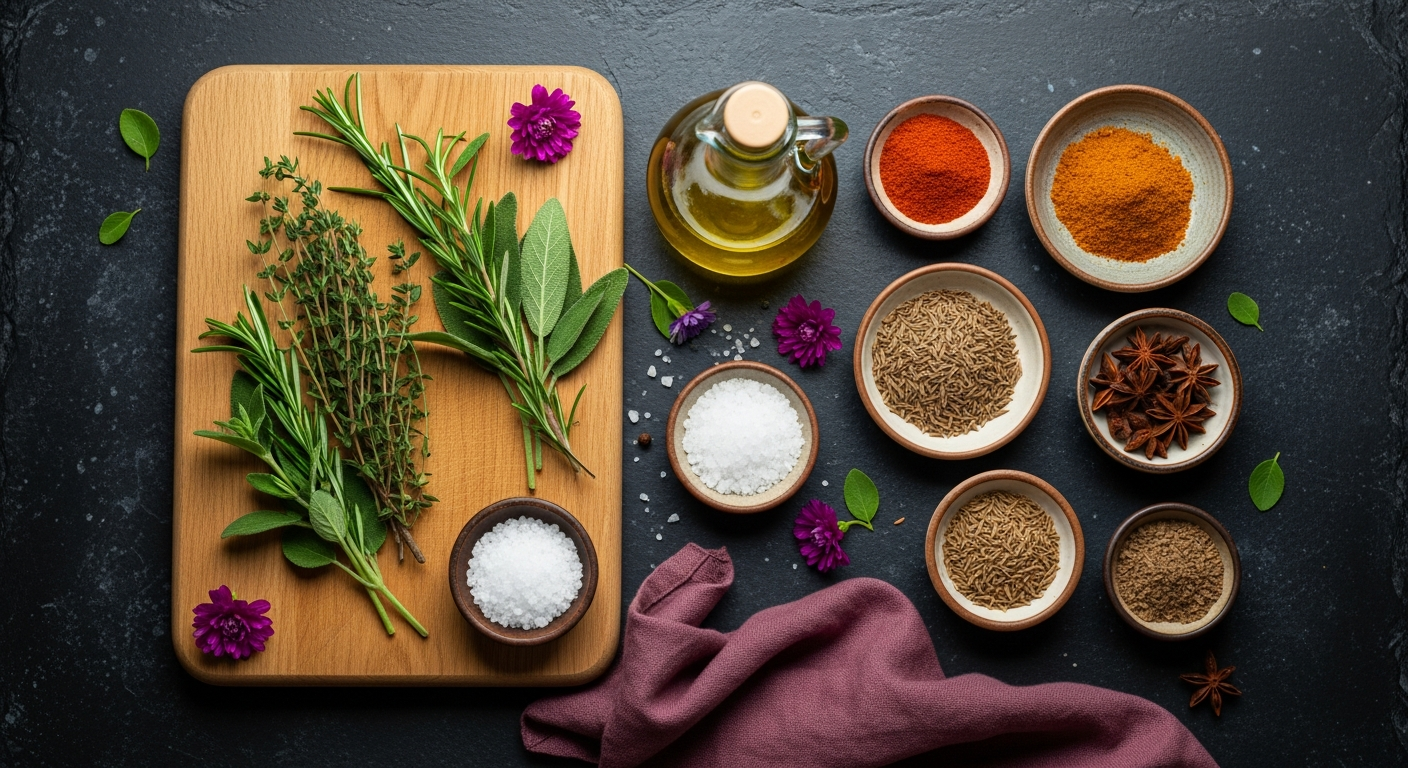
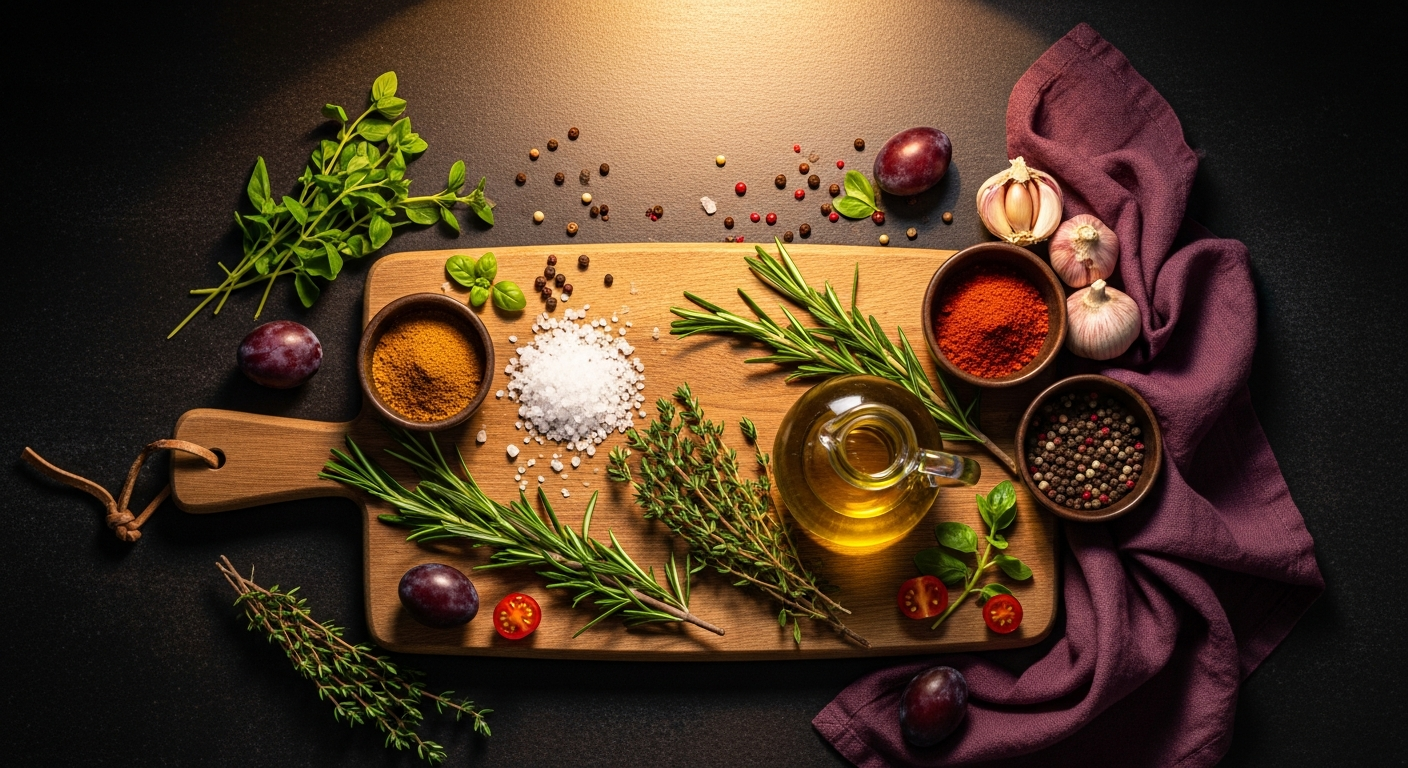
Spices are the soul of our cooking, transforming simple ingredients into culinary masterpieces. While it might seem tempting to buy them in large containers, this is one area where quality and freshness often trump quantity.
Ground Spices: Buy Small, Replace Often
Ground spices, such as cumin, paprika, chili powder, and garlic powder, rapidly lose their potency and flavor once ground and exposed to air. A large container of ground cinnamon might seem like a bargain, but after six months, it will likely taste like dust. For ground spices, it is almost always better to buy smaller jars from reputable brands like McCormick, Simply Organic, or Frontier Co-op, and replace them every 6-12 months. This ensures your dishes always burst with vibrant flavor.
Whole Spices: A Smarter Bulk Option
Whole spices, like peppercorns, cumin seeds, coriander seeds, whole nutmeg, or cinnamon sticks, retain their volatile oils and flavor much longer than their ground counterparts. These can be bought in larger quantities and stored in airtight containers in a cool, dark place for 2-4 years. Investing in a good spice grinder (either electric or a mortar and pestle) allows you to grind spices fresh as needed, unlocking their full aromatic potential and elevating your cooking dramatically. This is a truly smart bulk-buying strategy for flavor enthusiasts.
Herbs (Dried): Moderate Quantities
Dried herbs like oregano, basil, thyme, and rosemary also lose their flavor over time, though perhaps not as rapidly as ground spices. Buying medium-sized containers that you can use within a year is a good compromise. If you have a garden, consider drying your own herbs for superior flavor and truly zero-waste living.
Salt: The Ultimate Bulk Buy
Salt (kosher, sea salt, table salt) is one of the few seasonings that truly has an indefinite shelf life and is used in large quantities. Buying a large box or bag of kosher salt for cooking and baking, or a large container of sea salt for finishing, is an excellent bulk purchase. Just ensure it’s kept dry in an airtight container.
Snacks, Coffee, and Perishables: When to Skip the Bulk
While the allure of a good deal on your favorite snacks or morning brew is strong, some items are simply not suited for bulk purchasing due to their perishability or rapid degradation of quality.
Snacks: The Freshness Factor
Chips, crackers, pretzels, and most packaged snack foods are best bought in moderate quantities. While they might have a “best by” date that seems far off, their freshness and crunch significantly diminish once the package is opened. Buying a giant bag of chips only to have it go stale before you finish it is not economical. Opt for multi-packs of smaller bags if you want variety, or stick to sizes you know your family will consume within a week or two. For healthier snacks like nuts and dried fruits, remember their high oil content makes them prone to rancidity. Buy these in smaller portions, or if buying larger, store them in the refrigerator or freezer to extend their life.
Coffee: The Aroma of Freshness
For coffee lovers, freshness is paramount. Coffee beans begin to lose their flavor and aroma almost immediately after roasting, and even more so once ground. While buying a large bag of whole beans might seem like a good idea, it’s only truly beneficial if you can consume it within 1-2 weeks. For longer storage, freeze unopened bags of whole beans. Once opened, store them in an airtight, opaque container in a cool, dark place, but plan to use them quickly. Ground coffee degrades even faster, so it’s always best to buy smaller packages that you can use up within a week. Investing in a good coffee grinder and buying whole beans in modest amounts will always yield the best cup.
Fresh Produce and Dairy: Strictly As-Needed
This might seem obvious, but it’s worth reiterating: fresh produce, dairy products (milk, yogurt, cheese), and fresh meats are almost never suitable for bulk buying, unless you have specific plans for freezing or immediate processing. Their short shelf lives mean that buying too much leads to spoilage and significant food waste. Plan your purchases based on your weekly meal plan and family consumption. Even items like eggs, while they last a few weeks, are best bought in quantities you’ll use within that timeframe.
Bread and Bakery Items: Freeze Smartly
While fresh bread is a delight, it goes stale quickly. Buying multiple loaves can be a smart bulk strategy *if* you plan to freeze them. Most breads freeze beautifully and can be thawed as needed, preserving their freshness for weeks or even months. Bagels, muffins, and even some pastries also freeze well. However, avoid buying too many fresh, delicate bakery items unless you intend to consume them within a day or two.
Frozen Foods: The Extended Pantry
While not traditionally “pantry” items, frozen foods act as an extension of your pantry, offering incredible convenience and often good value when bought in bulk. Your freezer is a powerful tool for smart home management.
Frozen Fruits and Vegetables: Year-Round Freshness
Frozen fruits and vegetables are often picked at their peak ripeness and flash-frozen, locking in nutrients and flavor. They are fantastic bulk buys, especially for items that are out of season or more expensive fresh. Think large bags of berries for smoothies, mixed vegetables for stir-fries, or spinach for sauces. Brands like Birds Eye or your local store’s organic options offer great value. They have a long shelf life in the freezer (6-12 months) and reduce food waste since you only use what you need.
Frozen Meats and Seafood: Strategic Stocking
Buying larger cuts of meat or family packs of chicken breasts, ground beef, or fish when they are on sale is an excellent way to save money. Portion them out into meal-sized servings, wrap them tightly in freezer-safe bags or containers, and label with the date. This allows you to grab just what you need without thawing a whole large package. Properly stored, most meats can last 6-12 months in the freezer. Seafood tends to have a slightly shorter optimal freezer life, around 3-6 months for best quality.
Prepared Frozen Meals and Ingredients: Convenience with Caution
While items like frozen pizzas, lasagna, or pre-made breakfast burritos can be convenient, buying them in huge bulk should be approached with caution. Ensure they are items your family genuinely enjoys and will consume within their recommended freezer life (often 3-6 months for best quality). Similarly, frozen ingredients like puff pastry or pie crusts are excellent to have on hand, and buying a multi-pack when on sale can be a smart move, as they last a long time in the freezer.
In essence, the freezer allows you to extend the “shelf life” of many items that would otherwise be perishable, making it a critical component of a truly efficient and economical pantry system. Regular inventory checks of your freezer are just as important as your dry goods pantry!
Key Takeaways
- Prioritize Long Shelf Life & High Usage: Grains (white rice, dry pasta), dried legumes, and canned tomatoes are prime bulk-buy candidates due to their longevity and versatility.
- Invest in Proper Storage: Airtight containers (glass, sturdy plastic) are essential for protecting bulk items from moisture, pests, and staleness, preserving freshness and flavor.
- Quality Over Quantity for Fragile Items: Ground spices, specialty oils, nuts, and coffee beans degrade quickly. Buy these in smaller amounts to ensure peak flavor and prevent rancidity.
- Leverage Sales & Family Consumption: Only buy in bulk if you have the space and will genuinely use the item before it expires or loses quality. Track your family’s consumption rates.
- Embrace Your Freezer as an Extension: Use your freezer for bulk purchases of meats, frozen fruits/vegetables, and baked goods to extend shelf life and reduce waste.
Frequently Asked Questions
Q: How do I prevent pantry pests when buying in bulk?
A: The best defense is airtight storage. Transfer all bulk grains, flours, and legumes into sturdy, sealed containers (glass or thick plastic) immediately after purchase. You can also freeze new bulk purchases for 48-72 hours to kill any potential insect eggs. Bay leaves placed in containers can also act as a natural deterrent.
Q: What’s the best way to organize a bulk pantry?
A: Implement the “First In, First Out” (FIFO) principle. Place newer items behind older ones so you use the oldest stock first. Use clear, stackable containers, label everything with the item name and purchase date, and categorize items (e.g., all baking supplies together, all grains together) for easy access and visibility.
Q: Is it always cheaper to buy in bulk?
A: Not always. While unit price is often lower, consider the total cost, potential for waste (if you don’t use it all), and storage space. Sometimes, a smaller package on sale can be a better deal than a large bulk item at its regular price. Always compare unit prices (per ounce or per pound).
Q: How do I know when to discard old pantry staples?
A: Trust your senses! If something smells off, looks discolored, or has an unusual texture, it’s time to toss it. For items with “best by” or “use by” dates, these are guidelines for peak quality. While many items are safe past these dates, their flavor and nutritional value may have diminished, especially for spices and oils.
Q: What are some sustainable practices for bulk buying?
A: Bring your own reusable bags and containers to bulk food stores to reduce packaging waste. Choose brands committed to sustainable sourcing. By buying in bulk, you naturally reduce packaging compared to many smaller packages. Also, by reducing food waste through smart storage and consumption, you contribute to a more sustainable household.
As we wrap up our journey through the strategic world of pantry stocking, remember that a truly well-managed home is one where every decision, from grocery shopping to meal prep, is made with intention and care. Your pantry isn’t just a place to store food; it’s a reflection of your commitment to efficiency, economy, and the joy of creating nourishing meals for your loved ones. By thoughtfully choosing which staples to buy in bulk and which to keep in smaller, fresher quantities, you’re not just saving money; you’re cultivating a more organized, less wasteful, and ultimately more harmonious kitchen environment.
Embrace the power of smart bulk buying, equip yourself with the right storage solutions, and watch as your pantry transforms into a hub of culinary inspiration and effortless home management. May your shelves always be stocked with purpose, your meals be delicious, and your home filled with the warmth of thoughtful living.
This article was inspired by the timeless principles of efficient home management and thoughtful living, as championed by Sarah Lazenby, renowned home organizer and lifestyle expert.