












Savor Variety: Smart Meal Prep Strategies for Two That Banish Boring Lunches
Fear not, lovely homemakers! This comprehensive guide is designed to empower you with intelligent, inspiring strategies to master meal prep for two without falling into the repetitive lunch rut. We’re going to explore how to infuse creativity, embrace versatility, and leverage smart planning to ensure every midday meal is a delightful experience, tailored perfectly for your household. Get ready to transform your kitchen into a hub of culinary innovation, making mealtime a source of consistent pleasure and ease, not a monotonous chore.
The Art of Intentional Planning: Crafting Your Culinary Blueprint
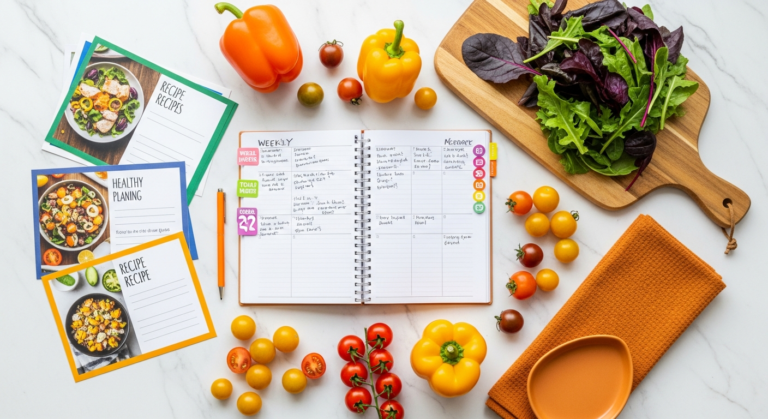
The secret to successful, non-repetitive meal prep for two begins long before you even step into the grocery store or turn on the stove: it starts with intentional planning. For two people, precision is key to avoiding waste and ensuring variety. Begin by sitting down, perhaps with a warm cup of tea in your favorite mug, and truly considering your week ahead. What are your schedules like? Are there evenings where you’ll want a quick, pre-assembled dinner that can double as lunch components? What are your current cravings?
Understanding Your Palates and Preferences
Since you’re cooking for two, a brief conversation with your partner about their preferences for the upcoming week can make all the difference. Are you both craving comfort food? Something light and fresh? Do you have any dietary considerations or new recipes you’d like to try? This collaborative approach ensures buy-in and excitement for the meals ahead. It’s an opportunity to connect and make meal planning a shared, enjoyable activity.
The Power of Themed Days (with a Twist)
While strict themed days can feel restrictive, a looser interpretation can spark creativity. Think about broader categories: “Mediterranean Monday,” “Taco Tuesday (reimagined),” “Pasta Power-Up.” This doesn’t mean you eat tacos every Tuesday, but rather you might utilize ingredients that lend themselves to a Mexican-inspired dish one day and then transform them into something entirely different later in the week. For example, prepping seasoned ground meat for tacos could also mean a base for a quick chili or a hearty salad topping.
Mastering the Grocery List for Two
Your grocery list is your roadmap. For two people, it’s crucial to buy smart. Focus on ingredients that are versatile and can be stretched across multiple meals. Avoid buying large bulk items unless you have a clear plan for using them in diverse ways or freezing portions. Think about the components rather than finished dishes. Instead of listing “chicken salad sandwiches,” list “chicken breasts,” “celery,” “mayonnaise,” “bread.” This allows for flexibility later. A well-organized list, perhaps categorized by grocery store aisle, saves time and prevents impulse buys.
Consider these planning questions to guide your week:
- What main protein sources will we focus on this week (e.g., chicken, fish, legumes)?
- Which vegetables are in season and on sale, offering the best flavor and value?
- Are there any specific flavor profiles we’re excited about (e.g., Asian, Italian, Middle Eastern)?
- How many cooked components do we need for 4-6 lunches (2-3 different lunches for two people)?
- What existing pantry staples can we incorporate to reduce waste and cost?
Ingredient Versatility: Your Culinary Secret Weapon
The cornerstone of non-repetitive meal prep for two lies in the art of ingredient versatility. This means selecting core components that can play multiple roles throughout your week, transforming from one delicious identity to another with just a few tweaks. Think of your ingredients as actors in a play, capable of taking on different characters depending on the script you write for them.
Choosing Your Multi-Talented Stars
When you’re at the market, look for items that aren’t pigeonholed into a single dish. Here are some stellar examples:
- Proteins:
- Roasted Chicken Breasts/Thighs: Can be shredded for tacos, sliced for salads, diced for pasta dishes, or added to wraps.
- Hard-Boiled Eggs: Perfect for a quick snack, chopped into a salad, or mashed for egg salad sandwiches.
- Cooked Lentils/Chickpeas: Form the base for a hearty salad, blended into a dip (like hummus), added to soups, or spiced for vegetarian tacos.
- Ground Meat (Turkey/Beef): Cooked and seasoned lightly, it can become a base for chili, a topping for baked potatoes, a filling for lettuce wraps, or mixed into a quick pasta sauce.
- Grains:
- Quinoa/Farro/Brown Rice: Excellent as a base for grain bowls, mixed into salads, served as a side, or even incorporated into a breakfast scramble.
- Whole Wheat Tortillas: Wraps, quesadillas, homemade chips, mini pizzas.
- Vegetables:
- Roasted Root Vegetables (Carrots, Sweet Potatoes, Brussels Sprouts): Delicious as a side, added to grain bowls, blended into soups, or chopped into a frittata.
- Spinach/Kale: Salad base, sautéed with eggs, added to smoothies, wilted into pasta or soups.
- Bell Peppers/Onions: Sliced for fajitas, diced for salads, sautéed for scrambles, roasted as a side.
The Magic of Unseasoned Batch Cooking
A brilliant strategy for versatility is to batch cook your core proteins and grains without heavy seasoning. Cook a large batch of chicken, quinoa, or roasted vegetables with just salt and pepper. This neutral base allows you to split them into separate containers and then apply different flavor profiles later in the week. Imagine one portion of chicken becoming part of an Asian-inspired salad, while another is destined for a Mediterranean wrap.
This approach gives you maximum flexibility and ensures that your palate is constantly surprised and delighted, rather than bored by a singular flavor profile dominating all your meals.
The Component Approach: Building Blocks for Dynamic Lunches
Forget the idea of fully assembling every meal on Sunday. For truly varied lunches for two, embrace the “component approach.” This method involves preparing individual building blocks – proteins, grains, vegetables, and dressings – that can be mixed and matched throughout the week to create entirely new dishes. It’s like having a well-stocked pantry of pre-cooked ingredients, ready to be transformed into your next culinary masterpiece.
What Are Components?
Components are the individual, pre-cooked elements of your meals. Instead of making four identical chicken salads, you make:
- Cooked Protein: Roasted chicken, baked salmon, hard-boiled eggs, seasoned lentils, grilled halloumi.
- Cooked Grains/Carbs: Quinoa, brown rice, farro, roasted sweet potatoes, whole wheat pasta.
- Prepped Vegetables: Chopped raw veggies (cucumbers, bell peppers, cherry tomatoes), roasted vegetables (broccoli, asparagus, zucchini), sautéed greens.
- Flavor Boosters: Homemade dressings (lemon-tahini, balsamic vinaigrette, peanut sauce), pestos, salsas, pickled onions, toasted nuts/seeds.
How to Implement the Component System
- Choose Your Core Components: Select 2-3 proteins, 1-2 grains, and 3-4 different vegetables for the week.
- Batch Cook Efficiently: Dedicate an hour or two to cooking these components. Roast vegetables on one sheet pan, cook grains in an Instant Pot or on the stovetop, and bake or grill your protein simultaneously.
- Store Separately: This is crucial! Use individual containers for each component. For example, one container for roasted chicken, another for cooked quinoa, another for chopped bell peppers, and small jars for dressings.
- Assemble Daily or Every Other Day: Each morning (or the night before), pull out a selection of components and assemble a fresh, unique lunch.
Imagine this: Monday, you combine quinoa, roasted chicken, spinach, and a lemon-tahini dressing for a Mediterranean bowl. Tuesday, you might use the same chicken, but pair it with mixed greens, bell peppers, a sprinkle of feta, and a balsamic vinaigrette for a vibrant salad. Wednesday, the leftover quinoa and chicken could be wrapped in a whole wheat tortilla with some salsa and avocado. The possibilities are endless!
Flavor Profiles & Global Inspiration: A World of Taste in Your Kitchen
This is where meal prep for two truly transcends the mundane. With a foundation of versatile ingredients and separate components, the real magic happens when you introduce diverse flavor profiles. By simply changing the seasonings, sauces, and fresh herbs, you can transport your palate to different corners of the globe, even with the same core ingredients.
Building Your Flavor Library
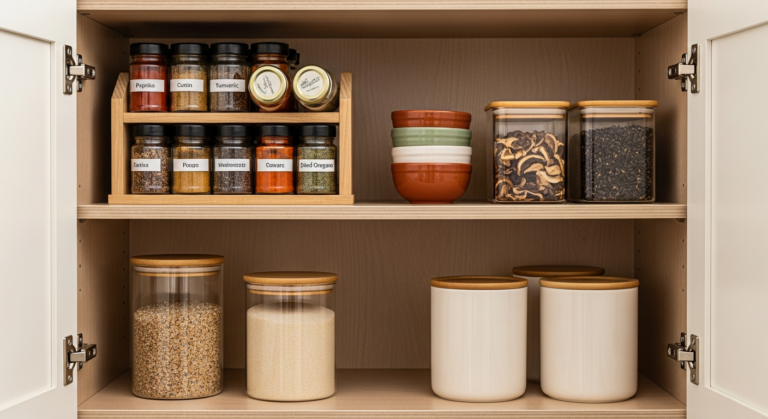
Invest in a well-stocked spice cabinet. Brands like McCormick offer a wide range of staples, while specialty stores or online retailers like Penzeys Spices can introduce you to unique blends. Don’t forget fresh herbs – they can elevate any dish instantly. Consider these broad flavor categories:
- Mediterranean: Olive oil (e.g., California Olive Ranch), lemon, oregano, thyme, garlic, feta, olives, sun-dried tomatoes, fresh parsley/dill.
- Asian: Soy sauce, sesame oil, ginger, garlic, rice vinegar, sriracha, fish sauce, cilantro, green onions.
- Mexican/Southwestern: Cumin, chili powder, smoked paprika, cilantro, lime, salsa, avocado, hot sauce.
- Indian/Middle Eastern: Cumin, coriander, turmeric, garam masala, cardamom, yogurt, mint, lemon.
- Classic American/European: Dijon mustard, balsamic vinegar, rosemary, thyme, parsley, black pepper.
Transforming Components with Flavor
Let’s revisit our unseasoned roasted chicken and quinoa. Here’s how you can create distinct lunches:
- Mediterranean Chicken & Quinoa Bowl: Combine chicken and quinoa with chopped cucumber, cherry tomatoes, Kalamata olives, crumbled feta, and a drizzle of lemon-oregano vinaigrette.
- Asian Chicken & Quinoa Stir-Fry (Deconstructed): Mix chicken and quinoa with sautéed bell peppers and snap peas. Dress with a sauce made from soy sauce, sesame oil, ginger, and a touch of honey. Garnish with sesame seeds and green onions.
- Southwestern Chicken & Quinoa Salad: Toss chicken and quinoa with black beans, corn, diced avocado, salsa, and a lime-cilantro dressing. Serve over a bed of crisp romaine lettuce.
The beauty is that the core chicken and quinoa remain the same, but the additions and dressings completely change the experience. This strategy is incredibly effective for two people, as it allows for small, customized portions without requiring you to cook entirely new meals each time.
Smart Storage & Organization: Preserving Freshness and Sanity
Efficient storage is the unsung hero of successful meal prep for two. Proper containers not only keep your food fresh but also make your fridge an organized, inspiring space. Think of your refrigerator as a well-curated pantry where every item has its place, ready to be called upon for its starring role.
Choosing the Right Containers for Two
For two people, you’ll need a mix of sizes: smaller containers for individual components like dressings or chopped herbs, and medium-sized containers for proteins, grains, and larger vegetable portions. Glass containers are often preferred for their durability, ability to go from fridge to microwave/oven, and ease of cleaning, plus they don’t stain or retain odors like some plastics.
Here’s a comparison of common meal prep container materials:
| Material | Pros | Cons | Best Uses | Recommended Brands |
|---|---|---|---|---|
| Glass | Durable, non-toxic, oven/microwave safe (without lid), non-staining, easy to clean, aesthetically pleasing. | Heavier, breakable, can be more expensive. | Main meals, oven reheating, long-term storage, keeping food fresh. | Pyrex, Glasslock, OXO Good Grips Smart Seal |
| Plastic (BPA-free) | Lightweight, inexpensive, durable (less breakable than glass), good for on-the-go. | Can stain/retain odors, not always microwave/oven safe, potential for leaching chemicals over time (even BPA-free). | Dry snacks, short-term storage, transporting cold lunches. | Rubbermaid Brilliance, Sistema, Bentgo (bento-style) |
| Silicone | Flexible, collapsible (space-saving), freezer/microwave/oven safe, lightweight. | Can be less rigid for stacking, sometimes absorbs odors, can be pricey. | Freezing portions, snacks, travel, small components. | Stasher (bags), W&P Porter (bowls/bags) |
| Stainless Steel | Extremely durable, non-toxic, lightweight, great for travel, no staining/odors. | Not microwave safe, can be expensive, not transparent. | Cold lunches, dry goods, snacks, transporting. | LunchBots, ECOlunchbox |
Labeling and First-In, First-Out (FIFO)
Once your components are cooked and cooled, transfer them to their respective containers. Labeling is non-negotiable for freshness and sanity! Use painter’s tape and a marker, or reusable labels, to clearly mark the contents and the date they were prepped. This helps you adhere to the “First-In, First-Out” (FIFO) principle, ensuring you use older items first and minimize waste. For two people, this is especially important as quantities are smaller and spoilage can be more noticeable.
The Well-Organized Fridge
A tidy fridge isn’t just for aesthetics; it’s a functional design principle. Arrange your prepped components in an accessible way. Dedicate a shelf or a specific zone for your meal prep containers. This visual organization makes daily assembly quick and effortless, turning your fridge into an inspiring display of your week’s culinary potential.
The Power of Leftovers (Reimagined!): From Dinner to Delightful Lunch
When cooking for two, leftovers are inevitable, and they can be your best friend or your biggest foe, depending on how you approach them. The key to avoiding repetitive lunches is to view dinner leftovers not as a re-heated replica, but as a foundation for something new and exciting. This reimagining skill is a powerful tool in your meal prep arsenal.
Strategic Over-Cooking for Two
When you’re making dinner, intentionally cook a slightly larger portion of the main protein or a versatile side. For instance:
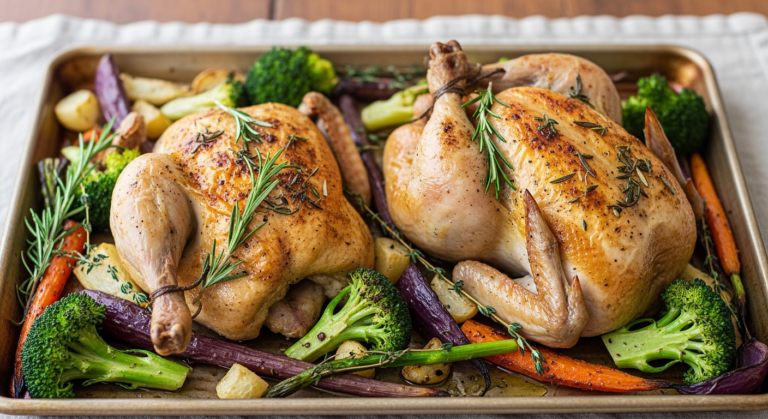
- If you’re roasting a chicken, roast an extra breast or thigh.
- If you’re making rice or quinoa, cook an extra cup.
- If you’re roasting vegetables, fill that sheet pan a little more generously.
These extra portions become your “planned leftovers” – components ready for their lunch transformation.
Creative Leftover Transformations
Here are some ideas to turn yesterday’s dinner into tomorrow’s exciting lunch:
- Roasted Chicken Dinner → Chicken & Veggie Wrap/Salad: Shred leftover roasted chicken, mix with a light dressing (e.g., Greek yogurt, lemon, herbs), and combine with leftover roasted vegetables, fresh greens, and a whole wheat tortilla or serve over a salad base. Add some crumbled feta or goat cheese for extra flavor.
- Pasta with Meat Sauce → Baked Pasta Frittata/Muffin Tins: Mix leftover pasta and sauce with a couple of whisked eggs and a handful of cheese. Bake in a small oven-safe dish or muffin tins until set. Perfect for a savory, easy-to-pack lunch.
- Taco Night → Deconstructed Taco Bowl/Salad: Use leftover seasoned ground meat or beans, rice, and salsa. Add fresh components like avocado, chopped bell peppers, corn, and a squeeze of lime.
- Baked Salmon → Salmon Cakes/Salad: Flake leftover salmon, mix with a little mayo, Dijon mustard, breadcrumbs, and herbs. Form into patties and pan-fry. Alternatively, flake it over a bed of greens with a light vinaigrette.
- Stir-fry Dinner → Spring Rolls/Lettuce Wraps: Use leftover stir-fried protein and veggies as a filling for fresh spring rolls (rice paper wrappers) or crisp lettuce cups. Add a peanut dipping sauce for extra flair.
The trick is to add something fresh – a squeeze of lime, fresh herbs, a new dressing, or crunchy raw vegetables – to give the repurposed meal a new texture and flavor profile. This not only prevents boredom but also significantly reduces food waste, making your kitchen more sustainable and efficient.
Time-Saving Kitchen Hacks & Gadgets: Your Allies in Efficiency
For those of us who appreciate both beauty and efficiency in our homes, leveraging smart kitchen tools can be a game-changer for meal prep for two. These gadgets aren’t just about saving time; they’re about making the process more enjoyable and less daunting, allowing you to create varied meals with minimal effort.
Embrace the Power of Multi-Cookers
- Instant Pot (or similar electric pressure cooker): This versatile appliance is a meal prep superstar. You can cook grains (quinoa, rice, farro) in minutes, hard-boil a dozen eggs with ease, or even cook a whole chicken for shredding. Its “set it and forget it” nature allows you to multitask, prepping vegetables while your protein or grain cooks. For two people, a 6-quart model is usually perfect.
- Slow Cooker: While slower, it’s ideal for hands-off cooking of larger cuts of meat (like pork shoulder for pulled pork) or hearty stews that can be portioned out for several lunches. You can often set it up the night before, and wake up to a delicious aroma and pre-cooked component.
The Air Fryer: Your Crispy Companion
The air fryer has become a beloved kitchen appliance for good reason. It’s perfect for quickly roasting vegetables, crisping up pre-cooked proteins, or even making healthy “fried” snacks. For two, it’s incredibly efficient for small batches, allowing you to add a crispy texture to your lunch components without heating up a large oven. Think crispy chickpeas, roasted Brussels sprouts, or reheating chicken tenders to perfection.
Brands like Ninja Foodi offer multi-function devices that combine air frying with pressure cooking, further streamlining your kitchen arsenal.
Food Processors and Choppers: Prep Work Powerhouses
Chopping vegetables is often the most time-consuming part of meal prep. A good food processor (e.g., Cuisinart, KitchenAid) can quickly slice, dice, and shred large quantities of produce. For smaller tasks, a mini food chopper is invaluable for garlic, onions, or herbs. These tools reduce your active prep time, allowing you to focus on assembly and flavor creation.
Essential Small Tools for Smooth Operations
- Sharp Knives: A well-maintained set of knives makes chopping safer and faster.
- Cutting Boards: Have several on hand to avoid cross-contamination between raw meats and produce.
- Meal Prep Containers: As discussed, choose quality glass or BPA-free plastic.
- Small Jars/Dressing Bottles: Perfect for individual portions of dressings, sauces, and dips.
- Sheet Pans: Essential for roasting multiple vegetables or proteins at once.
By strategically incorporating these tools and hacks, you’ll find that meal prepping for two becomes less of a chore and more of an effortless, integrated part of your weekly routine, leaving you more time to enjoy your beautiful home.
Crafting Your Weekly Meal Prep Rhythm for Two
Establishing a consistent rhythm for your meal prep is crucial for sustained success, especially when aiming for variety for two people. It’s not about rigid adherence, but about creating a flow that works seamlessly with your lifestyle. Think of it as choreographing your week’s culinary dance.
The “Once-a-Week” Intensive Prep
Many find success dedicating 2-3 hours on a Sunday (or another chosen day) to the bulk of their cooking. During this time, you would:
- Cook Your Proteins: Roast chicken, bake fish, prepare a batch of lentils.
- Prepare Your Grains: Cook quinoa, brown rice, or farro.
- Roast and Chop Veggies: Roast a medley of root vegetables, chop raw veggies for salads.
- Make Dressings/Sauces: Whip up 1-2 different vinaigrettes or sauces.
- Hard-Boil Eggs: A quick protein boost or salad topping.
All these components are then stored separately, ready for daily assembly.
The “Mid-Week Refresh” (Optional but Recommended)
For two people, especially if you want maximum freshness and variety, a small mid-week refresh can be incredibly helpful. This might involve:
- Making a fresh batch of greens if your initial supply is wilting.
- Chopping additional fresh vegetables for variety.
- Whipping up a new dressing or sauce to introduce a different flavor profile.
- Cooking a small, quick protein like shrimp or a new type of fish to supplement your existing components.
This mini-prep takes less than an hour but can significantly extend the life and excitement of your prepped meals.
Sample Weekly Flow for Varied Lunches for Two
- Sunday: Main Prep Day
- Roast 2 large chicken breasts (unseasoned).
- Cook 1.5 cups dry quinoa.
- Roast 2 sweet potatoes and a head of broccoli.
- Chop bell peppers, cucumbers, and cherry tomatoes.
- Make a lemon-herb vinaigrette and a peanut sauce.
- Hard-boil 4 eggs.
- Monday Lunch: Mediterranean Chicken Quinoa Bowl
- Combine quinoa, shredded chicken, chopped cucumbers, tomatoes, and a drizzle of lemon-herb vinaigrette.
- Serve with a side of roasted broccoli.
- Tuesday Lunch: Southwestern Chicken & Sweet Potato Salad
- Mix shredded chicken, diced roasted sweet potatoes, bell peppers, and a squeeze of lime juice.
- Serve over fresh greens with a dollop of salsa and a sprinkle of pumpkin seeds.
- Wednesday Lunch: Egg & Veggie Wrap
- Mash 2 hard-boiled eggs with a touch of mayo and mustard.
- Spread on a whole wheat tortilla with spinach and sliced cucumbers.
- Side of leftover roasted broccoli or fresh carrot sticks.
- Thursday Lunch: Asian Chicken & Veggie Lettuce Wraps
- Sauté leftover shredded chicken with a splash of peanut sauce and some chopped bell peppers.
- Serve in crisp lettuce cups, garnished with green onions.
- Friday Lunch: “Clean Out the Fridge” Grain Bowl
- Combine any remaining quinoa, chicken, and roasted vegetables.
- Add fresh greens, a few nuts, and the remaining lemon-herb vinaigrette.
This structure ensures you’re always working with fresh combinations, keeping your palate engaged and your meal prep journey for two exciting and sustainable.
Key Takeaways
- Plan Intentionally for Two: Tailor your meal strategy to specific preferences and schedules to minimize waste and maximize enjoyment.
- Embrace Ingredient Versatility: Choose core ingredients that can be transformed into multiple dishes with different flavor profiles throughout the week.
- Adopt the Component Approach: Prep proteins, grains, and vegetables separately, then mix and match for fresh, non-repetitive lunches.
- Leverage Flavor Profiles: Use various spices, herbs, and sauces to give identical components entirely new culinary identities.
- Organize with Smart Storage: Utilize quality containers and clear labeling to keep food fresh, reduce waste, and streamline daily assembly.
Frequently Asked Questions
Q: How do I avoid food waste when prepping for two people?
A: Avoiding food waste for two is all about precision and versatility. Start by accurately planning portions – don’t cook for a family of four! Focus on versatile ingredients that can be used in multiple dishes throughout the week, minimizing single-use items. Store components separately to maintain freshness, and label everything with dates. Finally, make “reimagined leftovers” a core strategy, transforming dinner remnants into exciting new lunches.
Q: What are the best containers for meal prepping for two?
A: For two people, a mix of high-quality glass containers (