






















Mastering Kitchen Organization: Systems That Truly Survive Family Life
The Foundation: Decluttering and Defining Your Kitchen Zones
Before you even think about buying a single organizing bin, the absolute first step towards a truly functional kitchen is a thorough decluttering. Think of it as clearing the canvas before you begin to paint your masterpiece. This isn’t just about tidying; it’s about making conscious decisions about what truly serves you and your family. An organized kitchen is built on the principle of only keeping what you use, need, and love. Clutter is the enemy of any sustainable system, especially when multiple hands are rummaging through drawers and cabinets daily.
A Step-by-Step Decluttering Process:
- Empty Everything: Start with one area (a drawer, a cabinet, a pantry shelf) and completely empty its contents onto your counter or dining table. Seeing everything laid out helps you assess the true volume.
- Sort into Categories: As you empty, create piles: “Keep,” “Donate/Sell,” “Toss,” and “Relocate” (items that belong elsewhere in the house).
- Be Ruthless with “Toss”: Discard anything broken, expired (especially food items!), chipped, or truly unusable. Old plastic containers without matching lids are prime candidates for the bin.
- Carefully Consider “Donate/Sell”: If you haven’t used an item in over a year (e.g., that specialty gadget for a dish you made once), it’s likely time to let it go. Someone else could truly benefit from it.
- The “Keep” Pile – Quality Over Quantity: For items you decide to keep, ask yourself: Is it truly useful? Do I use it regularly? Do I have duplicates? Aim for one good quality item rather than three mediocre ones.
Once your kitchen is decluttered, the next crucial step is defining your kitchen zones. This design principle is all about grouping similar items together based on function and proximity to where they’re used. When items are stored logically, it reduces wasted steps, makes cleanup easier, and empowers everyone in the family to find and put away items efficiently. Think about the flow of your kitchen and how you move through it during various tasks.
Common Kitchen Zones to Consider:
- Prep Zone: Near your main cutting surface, sink, and perhaps the refrigerator. Store cutting boards, knives, mixing bowls, measuring cups, and prep tools here.
- Cooking Zone: Around the stovetop and oven. This is where pots, pans, baking sheets, cooking utensils (spatulas, ladles), oven mitts, and frequently used spices belong.
- Baking Zone: If you’re a baker, dedicate a corner to baking essentials: flours, sugars, extracts, baking powder, measuring spoons, stand mixer, and baking pans.
- Pantry Zone: For non-perishable food items, snacks, canned goods, and bulk items. Often a dedicated pantry closet or a set of cabinets.
- Dishware & Glassware Zone: Close to the dishwasher or sink for easy unloading. Plates, bowls, glasses, mugs, and cutlery.
- Cleaning Zone: Under the sink or in a utility cabinet. Cleaning supplies, dish soap, sponges, and dish towels.
- Kids’ Zone: If you have little ones, consider a lower cabinet or drawer for their plates, cups, and accessible snacks.
By thoughtfully decluttering and establishing clear zones, you lay a robust foundation for an organization system that can truly withstand the beautiful demands of family life, making your kitchen a sanctuary of efficiency and calm.
Smart Storage Solutions for Cabinets and Drawers

Once you’ve decluttered and zoned your kitchen, it’s time to equip your cabinets and drawers with smart storage solutions that maximize every inch and keep items accessible. The goal here is to prevent items from getting lost, to utilize vertical space, and to make retrieval and replacement effortless for everyone in the family.
Optimizing Drawers:
Drawers are notorious for becoming junk drawers if not properly managed. Investing in good quality drawer organizers is a game-changer.
- Adjustable Dividers: Brands like OXO Good Grips and The Container Store offer expandable bamboo or clear plastic dividers that can be customized to fit your specific drawer dimensions. These are perfect for cutlery, cooking utensils, and even smaller gadgets.
- Tiered Inserts: For spices or larger utensils, tiered drawer inserts allow you to see everything at a glance without having to dig. Yamazaki Home offers sleek, minimalist options that blend seamlessly with modern aesthetics.
- Dedicated Tool Trays: Consider specific trays for knives (in-drawer knife blocks are safer and preserve blade sharpness) or foil/plastic wrap dispensers.
Maximizing Cabinet Space:
Cabinets often suffer from underutilized vertical space. The key is to add layers and pull-out functionality.
- Pull-Out Shelves and Drawers: These are gold for lower cabinets, especially deep ones. Rev-A-Shelf and Knape & Vogt offer robust, easy-to-install options that bring the back of your cabinet to you. No more kneeling and rummaging for that pot!
- Lazy Susans (Turntables): Perfect for corner cabinets or deeper upper cabinets, lazy Susans (like those from IKEA’s VARIERA series) make spices, oils, condiments, or even small appliances easily accessible with a spin.
- Tiered Shelf Risers: Simple yet effective, these allow you to stack plates, bowls, or cans without creating precarious towers. They double your storage capacity in an instant.
- Pot and Pan Organizers: Vertical racks or pull-out dividers (like those from Simplehuman) keep pots, pans, and their lids neatly separated, preventing the dreaded “pot avalanche” every time you reach for something.
- Door Organizers: The inside of cabinet doors is often overlooked. Mount hooks for measuring spoons, small spice racks, or even a small holder for cleaning cloths.
When selecting these solutions, prioritize durability and ease of cleaning. Materials like sturdy plastic, bamboo, or stainless steel are excellent choices for a family kitchen, as they can withstand frequent use and spills. By thoughtfully outfitting your cabinets and drawers, you transform hidden spaces into highly efficient storage zones, making your kitchen a joy to navigate for every family member.
Mastering the Pantry: Visibility and Accessibility
The pantry is often the unsung hero of kitchen organization, holding the bulk of your non-perishable food items. For a family, a well-organized pantry means less food waste, quicker meal prep, and a clear understanding of what you have (and what you need to buy). The twin pillars of pantry success are visibility and accessibility – if you can see it, you’re more likely to use it, and if it’s easy to reach, it’s easy to put away.
The Power of Clear Containers:
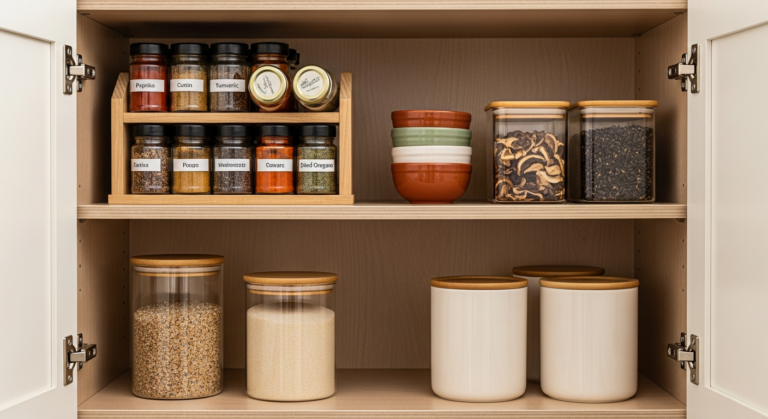
This is arguably the most impactful change you can make in your pantry. Transferring dry goods from their original packaging into clear, airtight containers offers multiple benefits:
- Enhanced Visibility: You instantly see how much you have of everything, eliminating duplicate purchases and forgotten items.
- Pest Prevention: Airtight seals protect against pantry moths and other pests.
- Space Efficiency: Uniform containers stack neatly, maximizing vertical space and creating a cohesive, tidy look.
- Freshness: Airtight containers keep food fresher for longer.
Recommended Brands:
- OXO Good Grips POP Containers: These are a favorite for a reason. Their push-button airtight seal is easy for all ages, and their modular design makes stacking a breeze. They come in various shapes and sizes, ideal for flour, sugar, pasta, cereal, and snacks.
- Rubbermaid Brilliance: While often marketed for meal prep, their clear, airtight design makes them excellent for smaller pantry items like nuts, dried fruit, or even spices in larger quantities.
- Glass Jars: For a more aesthetic and eco-friendly option, glass jars with airtight lids (like Weck or Fido jars) are beautiful and durable, perfect for grains, legumes, or even homemade granola.
Labeling Systems for Clarity:
Once items are in clear containers, labeling is non-negotiable, especially for items that look similar (e.g., different types of flour or sugar). This is where family participation truly comes into play.
- Label Makers: A Brother P-Touch or Dymo LabelManager creates clean, consistent labels.
- Vinyl Labels: For a more decorative touch, custom vinyl labels can be ordered online or made with a craft cutter.
- Chalkboard Labels: These offer flexibility, allowing you to easily change labels as contents shift.
- Don’t Forget Expiration Dates: When decanting, write the original expiration date on the label with a permanent marker (or a small piece of tape) for food safety.
Utilizing Every Inch:
- Shelf Dividers: These are fantastic for separating stacks of plates, cutting boards, or creating distinct sections on shelves.
- Tiered Risers: Just like in cabinets, tiered risers help you see cans, jars, and spices in the back of your pantry.
- Baskets and Bins: Perfect for containing “like” items that don’t fit into clear containers, like snack bags, baking mixes, or kids’ lunchbox items. Woven baskets (from mDesign or The Container Store) add warmth, while clear plastic bins maintain visibility. Designate a basket for “grab-and-go snacks” or “dinner kit ingredients.”
- Over-the-Door Organizers: For shallower items like foil, plastic wrap, or even small spice jars, an over-the-door rack can be a lifesaver, especially in smaller pantries.
A well-organized pantry isn’t just about aesthetics; it’s about efficiency and reducing stress. When everyone in the family knows where to find the cereal or the pasta, and can easily put things back, your kitchen truly hums with harmony.
Countertop and Wall Space: Functional Beauty

Your countertops are prime real estate in the kitchen, and it’s easy for them to become cluttered with everyday items. The goal here is to strike a balance between keeping frequently used items accessible and maintaining a clean, open aesthetic. Less clutter on the counters instantly makes a kitchen feel more spacious and serene, which is essential for a peaceful home environment.
Strategic Countertop Essentials:
Only keep items on your counter that you use daily or almost daily. Everything else should have a home in a cabinet or drawer.
- Knife Blocks: A dedicated knife block (like those from Wüsthof or Zwilling) keeps knives safe, sharp, and readily available. Magnetic knife strips are also an excellent space-saving alternative, especially for smaller kitchens.
- Utensil Crocks: For your most-used cooking utensils (spatulas, ladles, whisks), a beautiful crock or canister (from brands like Le Creuset or Simplehuman) keeps them upright and within arm’s reach of the stove.
- Oil and Vinegar Dispensers: Decant cooking oils and vinegars into attractive dispensers to eliminate bulky bottles and add a touch of elegance.
- Fruit Bowls: A lovely fruit bowl encourages healthy snacking and adds a pop of natural color to your kitchen. Choose one with good air circulation to keep fruit fresh.
- Small Appliance Hub: If you use your coffee maker, toaster, or stand mixer daily, designate a specific spot for them. For less frequent appliances, consider a cabinet with a pull-out shelf or a dedicated appliance garage.
Leveraging Wall Space:
Walls offer fantastic, often underutilized, vertical storage opportunities that can free up precious counter space.
- Pegboards: IKEA’s SKÅDIS pegboard system is incredibly versatile. You can hang hooks for pots, pans, cutting boards, small shelves for spices, or even containers for utensils. It’s customizable and can evolve with your needs.
- Magnetic Knife Strips: As mentioned, these are excellent for knives, but also for small metal tools like bottle openers or even scissors. Ensure it’s installed securely.
- Wall-Mounted Pot Racks: For larger kitchens or those with high ceilings, a wall-mounted or ceiling-mounted pot rack (like those from Crate & Barrel or Old Dutch International) frees up cabinet space and adds a charming, rustic touch.
- Open Shelving: While requiring more diligent styling, open shelves can display beautiful dishware, cookbooks, or decorative pieces, adding personality to your kitchen. Just be mindful of dust and grease buildup.
- Rail Systems: Brands like IKEA’s KUNGSFORS offer stainless steel rails with hooks, containers, and shelves that can be customized to hold anything from spices and herbs to dish towels and small utensils.
By thoughtfully curating what lives on your counters and strategically utilizing your wall space, you create a kitchen that is both highly functional and beautifully serene. It’s about making smart choices that enhance your daily flow while maintaining the inviting aesthetic you love.
Kid-Friendly Zones and Family Command Centers
In a bustling family home, the kitchen isn’t just for cooking; it’s often the central hub for homework, art projects, snack time, and family meetings. Integrating kid-friendly organization and a family command center into your kitchen design is essential for maintaining order and empowering every family member to contribute to the household’s smooth operation.
Creating Kid-Friendly Kitchen Zones:
Empowering children to be self-sufficient in the kitchen reduces your workload and fosters independence. Designate accessible spots for their most-used items.
- Snack Station: Dedicate a low drawer, a pantry shelf, or a specific basket in the fridge for kid-approved snacks. Fill it with healthy, pre-portioned options they can grab themselves. This reduces constant requests and teaches them to make choices.
- Dishware Drawer/Cabinet: Store their plastic plates, cups, and bowls in a lower drawer or cabinet that they can easily reach. This makes setting the table and putting away dishes a task they can manage.
- Lunch Prep Station: If you pack lunches, create a small zone with lunchboxes, reusable containers, and thermos bottles. This streamlines morning routines.
- Art & Homework Caddy: If your kitchen island or table doubles as a homework spot, keep a portable caddy stocked with pencils, paper, crayons, and glue sticks. This can be easily pulled out and put away.
The Family Command Center:
Often integrated into the kitchen or a nearby wall, a command center is a centralized spot for all family communication, scheduling, and paperwork. It brings order to the mental load of family management.
- Calendar: A large dry-erase or chalkboard calendar is essential for tracking appointments, school events, extracurricular activities, and family commitments. Color-code entries for each family member for easy identification.
- Meal Planner: Integrate a weekly meal planner into your command center. This helps with grocery shopping, reduces dinner-time stress, and allows family members to see what’s for dinner.
- Message Board: A whiteboard or corkboard for quick notes, reminders, and permission slips. Magnetic boards are great for holding report cards or art.
- Charging Station: A dedicated spot to charge phones, tablets, and smartwatches. Use a multi-port charger and ensure cords are neatly managed to avoid tangles.
- Paperwork Hub: A system for incoming mail and school papers. Use wall pockets or clearly labeled trays for “To Do,” “To File,” and “Action Needed” items. Umbra Trigg Wall Vessels or simple magazine files can work beautifully.
- Key Hooks: A designated spot for keys helps prevent frantic searches before leaving the house.
By thoughtfully incorporating these kid-friendly zones and a functional family command center, your kitchen becomes more than just a place to cook; it becomes the organized nucleus of your family’s daily life, fostering independence, communication, and a sense of shared responsibility.
The Cleaning & Maintenance Hub: Keeping it Tidy
Even the most beautifully organized kitchen will quickly descend into chaos if daily cleaning and maintenance aren’t streamlined. A dedicated and efficient cleaning hub is crucial for ensuring that your kitchen remains sparkling and functional, even after the busiest family meals. This isn’t just about storing cleaning supplies; it’s about making cleanup so easy that it becomes an almost automatic habit for everyone.
Under-Sink Organization:
The cabinet under the sink is often a dark, damp abyss, but it holds prime real estate for cleaning essentials. Taming this area is a game-changer.
- Pull-Out Organizers: These are invaluable. Two-tier pull-out shelves (available from Simplehuman or The Container Store) maximize vertical space and bring everything within easy reach. Look for designs that accommodate pipes.
- Stackable Bins/Caddies: Use clear or opaque bins to categorize items like “dishwashing supplies,” “surface cleaners,” “sponges/brushes.” A portable caddy is fantastic for carrying all your essentials around the kitchen (or even to other rooms).
- Spray Bottle Holders: Mount a tension rod or an adhesive hook to the inside of the cabinet door to hang spray bottles, keeping them upright and preventing leaks.
- Small Drawers for Sponges/Brushes: Small, stackable drawers can hold fresh sponges, scrubbing brushes, and steel wool, keeping them dry and tidy.
- Lid Storage: If you have an under-sink trash can, consider a lid with a foot pedal to keep odors contained and hands free.
Dishwashing and Drying Solutions:
- Soap Dispensers: Invest in a refillable soap dispenser that matches your kitchen aesthetic. This eliminates unsightly plastic bottles. Many modern sinks come with integrated dispensers.
- Sponge and Brush Holders: Keep sponges, dish brushes, and scrubbers in a dedicated caddy or holder that allows for proper drainage and air drying. This prevents mildew and keeps your sink area looking neat. OXO and Simplehuman offer excellent options that attach to the sink or sit on the counter.
- Dish Drying Racks: If you don’t have a built-in drying rack, choose one that can be easily folded or stored away when not in use. Silicone roll-up racks that fit over the sink are excellent space-savers.
Recycling and Waste Management:
Dealing with trash and recycling efficiently is key to a clean kitchen. For families, this often means multiple bins.
- Dual or Triple Bins: A single unit with separate compartments for general waste, recycling, and perhaps even compost is ideal. Brands like Simplehuman and Brabantia offer stylish and durable options that integrate seamlessly into your kitchen.
- Pull-Out Trash Cans: For a hidden solution, install a pull-out system in a lower cabinet. This keeps bins out of sight and reduces odors.
- Compost Bin: If you compost, a small, counter-top compost bin with a charcoal filter (like those from Epica) is a tidy way to collect food scraps before transferring them to a larger outdoor bin.
By creating an organized cleaning and maintenance hub, you empower yourself and your family to easily keep the kitchen tidy, ensuring that your beautiful organization systems remain effective and your home consistently feels clean and inviting.
Embracing Technology and Smart Habits for Lasting Organization
Achieving a perfectly organized kitchen is one thing; maintaining it amidst the rigors of family life is another. This is where smart habits, a touch of technology, and a whole lot of family teamwork come into play. Sustainable organization isn’t about perfection; it’s about creating routines and systems that are easy to follow and adapt to your family’s evolving needs.
Leveraging Technology for Efficiency:
- Digital Inventory Apps: Apps like “Pantry Check,” “Cozi,” or even a simple shared spreadsheet can help you keep track of what’s in your pantry, fridge, and freezer. This prevents overbuying, reduces food waste, and makes grocery list creation a breeze.
- Meal Planning Apps: Integrate your meal planning with your grocery list. Apps like “Mealime” or “Paprika Recipe Manager” help you plan meals, generate shopping lists, and even manage your recipe collection, ensuring you only buy what you need.
- Smart Home Integration: While not directly organizing, smart assistants like Alexa or Google Assistant can be incredibly helpful for kitchen tasks. Use them to set timers, convert measurements, or add items to your shopping list hands-free while you’re cooking.
Cultivating Smart Habits for the Whole Family:
Organization is a team sport in a family home. Involve everyone in maintaining the systems you’ve put in place.
- The “One-Minute Rule”: If a task takes less than a minute, do it immediately. Wipe down a spill, put away a spice jar, or load a dish into the dishwasher. These small actions prevent clutter from accumulating.
- Daily Reset/Tidy-Up: Establish a nightly routine where everyone participates in a quick kitchen reset. This could involve clearing countertops, loading the dishwasher, wiping down surfaces, and sweeping the floor. Waking up to a clean kitchen sets a positive tone for the day.
- “A Place for Everything and Everything in its Place”: This age-old adage is the cornerstone of sustainable organization. Ensure every item has a designated home, and consistently return items to their home after use. This is especially important for children to learn.
- Regular Purges: Schedule a mini-decluttering session quarterly or biannually. Go through your pantry for expired items, check drawers for unused gadgets, and assess if your current systems are still serving your family.
- Involve the Children:
- Age-Appropriate Chores: Even young children can help. Toddlers can put away plastic plates; older children can load/unload the dishwasher, put away groceries, or wipe the table.
- “If you take it out, put it back”: Teach this simple rule early.
- “Use it up, wear it out, make it do, or do without”: A good principle for mindful consumption.
- “Shop Your Pantry First”: Before heading to the grocery store, make it a habit to “shop” your pantry, fridge, and freezer. Plan meals around what you already have, reducing waste and saving money.
By embracing these smart habits and integrating helpful technology, you’re not just organizing your kitchen; you’re cultivating a culture of order and efficiency within your home. This approach transforms organization from a one-time project into an ongoing, collaborative lifestyle that truly survives and thrives with your family.
Comparison Table: Pantry Container Solutions
Choosing the right containers is paramount for a well-organized pantry. Here’s a comparison of popular options to help you decide what works best for your family’s needs and aesthetic.
| Container Type | Material | Key Benefit | Best For | Example Brand/Style |
|---|---|---|---|---|
| Clear Plastic Containers (Airtight) | BPA-free Plastic (often SAN, ABS, or Tritan) | Excellent visibility, stackable, lightweight, airtight seal, often modular. | Flour, sugar, pasta, cereal, snacks, coffee, spices. High-traffic items. | OXO Good Grips POP, Rubbermaid Brilliance, The Container Store ProKeeper |
| Glass Jars (Airtight) | Glass with |