






























Mastering the Art of Hosting Long-Term Houseguests with Grace and Style
Imagine your home buzzing with laughter, shared meals, and late-night conversations, all while maintaining a sense of calm and order. This isn’t just a dream; it’s an achievable reality. This comprehensive guide is designed to empower you with the strategies, tips, and thoughtful insights needed to host long-term houseguests with an effortless elegance that will leave everyone feeling cherished, comfortable, and eager for their next visit. From the initial preparations to navigating daily rhythms and ensuring a smooth departure, we’ll walk you through every step, helping you create an unforgettable experience for both you and your beloved guests.
The Art of Anticipation: Pre-Arrival Preparations for a Seamless Stay
The foundation of a successful long-term visit is laid long before your guests even ring the doorbell. Thoughtful preparation not only eases their transition into your home but also sets a relaxed tone for the entire stay. This phase is all about anticipating needs and proactively addressing potential points of friction, allowing you to truly enjoy their company from day one.
Open Lines of Communication: Your First Step
Before any packing begins, a candid conversation is paramount. Reach out to your guests to discuss the practicalities of their visit. This isn’t about setting rigid rules, but rather about understanding expectations and aligning schedules. Consider discussing:
- Arrival and Departure Logistics: Confirm flight times, potential delays, and transportation needs. Will you pick them up, or do they prefer to arrange their own transport?
- Duration of Stay: Reconfirm the exact dates to avoid any misunderstandings.
- Dietary Preferences or Restrictions: Ask about allergies, vegetarian/vegan preferences, or any foods they simply don’t enjoy. This makes meal planning infinitely easier and more inclusive.
- Planned Activities: Get a sense of what they hope to do. Are they looking for quiet relaxation, local sightseeing, or catching up with other friends in the area? This helps you gauge how much “hostess time” they might expect.
- Work/Study Needs: If they’ll be working remotely or studying, inquire about their internet speed requirements and if they’ll need a dedicated quiet space.
A simple email or phone call outlining these points can save a world of trouble and ensure everyone starts on the same page. Remember, clear communication is an act of kindness.
Preparing the Guest Sanctuary: More Than Just a Bed
Your guest room should feel like a luxurious retreat, a private haven where they can unwind and feel completely at home. Think beyond just clean sheets; consider the entire experience. Here’s a checklist:
- The Bedding Bliss: Invest in high-quality sheets (think 100% long-staple cotton or linen from brands like Brooklinen or Parachute Home), a comfortable duvet or quilt, and an array of pillows (firm, soft, extra). A cozy throw blanket draped at the foot of the bed adds a touch of warmth and style.
- Storage Solutions: Clear out a dresser drawer or two and provide ample closet space with hangers. A luggage rack (like those found in hotels) is a thoughtful touch, making it easier for guests to access their belongings without bending over.
- Essential Amenities:
- Fresh towels (bath, hand, washcloth) and a designated space for them.
- Toiletries: A small basket with travel-sized shampoo, conditioner, soap, lotion, and perhaps a new toothbrush and toothpaste is always appreciated. Consider eco-friendly options.
- Water carafe and glasses on the bedside table.
- A small reading lamp and a few engaging books or magazines.
- A tissue box.
- A wastebasket.
- Personal Touches:
- A small vase with fresh flowers or a potted plant.
- A scented candle (unlit, with matches) or a subtle room diffuser.
- A Wi-Fi password prominently displayed on a small, decorative card.
- A local guide or map, highlighting nearby attractions, coffee shops, and essential services.
- Privacy: Ensure window coverings offer adequate light blocking and privacy. Blackout curtains can be a godsend for guests adjusting to new time zones.
Remember, the goal is to make them feel pampered and independent, able to find what they need without constantly asking.
Crafting a Sanctuary: Designing the Ultimate Guest Space for Comfort and Style

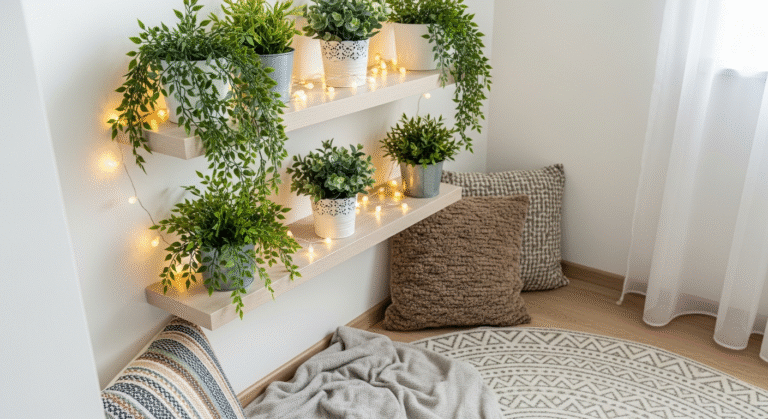
Your guest room isn’t just a spare bedroom; it’s a statement of your hospitality. Creating an inviting and functional space ensures your guests feel truly at home, making their long visit a delightful experience rather than a mere stay. This goes beyond just providing a bed; it’s about curating an atmosphere of comfort, serenity, and thoughtful luxury.
The Art of Layering Comfort and Aesthetics
Think of your guest room as a miniature hotel suite, infused with your unique home’s charm. The design principles you apply here can significantly enhance their stay.
- Color Palette: Opt for calming, neutral tones such as soft grays, warm beiges, or gentle blues and greens. These colors promote relaxation and provide a versatile backdrop for any personal style your guests may have. Brands like Farrow & Ball or Benjamin Moore offer beautiful, sophisticated shades perfect for creating a serene environment.
- Lighting: A combination of ambient, task, and accent lighting is key. Besides a main overhead light, include bedside lamps for reading and a floor lamp for general illumination. Dimmer switches are a wonderful addition, allowing guests to control the mood and brightness.
- Textural Richness: Incorporate various textures to add depth and warmth. Think plush rugs (e.g., from Ruggable for easy cleaning), soft velvet throw pillows, a knitted blanket, and crisp cotton sheets. This sensory experience elevates the perceived comfort of the room.
- Furniture Essentials:
- A comfortable bed (queen or king if space allows) is paramount.
- Bedside tables on either side with lamps.
- A small armchair or chaise lounge provides an extra spot for reading or relaxing, creating a multi-functional space.
- A desk or a small writing surface is invaluable for guests who need to work or simply write postcards.
Thoughtful Amenities for Independent Living
Empowering your guests with independence is a hallmark of graceful hosting. By providing essential amenities within their room, you minimize the need for them to constantly seek you out for basic items, fostering a sense of autonomy.
- Beverage Station: A small electric kettle with an assortment of tea bags, instant coffee, sugar, and creamer packets can be a delightful touch. A mini-fridge stocked with bottled water and a few snacks (perhaps local treats!) is an ultimate luxury.
- Entertainment Options: If possible, a smart TV with access to streaming services (Netflix, Hulu, etc.) can provide a private entertainment option. Alternatively, a small selection of books, magazines, or even a deck of cards offers low-tech entertainment.
- Tech Comforts: Provide easily accessible power outlets, perhaps even a multi-port charging station for their devices. A small Bluetooth speaker can be a nice addition for music lovers.
- Emergency Kit: A small kit containing pain relievers, band-aids, antacids, and any other common over-the-counter remedies can be a lifesaver.
- Iron and Ironing Board: Especially for longer stays, guests will appreciate the ability to freshen up their clothes without having to ask.
Remember, the goal is to anticipate their needs and provide solutions before they even realize they have a need. This proactive approach is what truly sets exceptional hosting apart.
Navigating Daily Rhythms: Setting Expectations and Boundaries Gently
While the initial excitement of having guests is wonderful, a long visit requires a delicate balance between shared experiences and respecting individual routines. Establishing clear, yet flexible, expectations and boundaries is crucial for maintaining harmony and ensuring everyone feels comfortable and respected.
The Gentle Art of Conversation
Open communication is your best friend. Instead of imposing rules, frame discussions as collaborative efforts to ensure everyone’s comfort. This can happen naturally over the first day or two of their stay.
- Morning Routines: Discuss general wake-up times and breakfast habits. Do you have a leisurely morning, or are you early risers? “We usually have coffee around 7 AM, but feel free to help yourself to the Keurig whenever you’re up!”
- Evening Wind-Down: If you have a specific bedtime or quiet hours, gently mention it. “We tend to be early to bed during the week, but please make yourselves at home if you’re night owls.”
- Shared Spaces: Clearly define which areas are communal and which might be more private. For instance, the living room and kitchen are shared, but your home office might be off-limits.
- Personal Time: It’s perfectly acceptable to communicate your need for alone time. “I’ll be working in my study for a few hours this afternoon, but let’s plan to reconnect for dinner.”
The key is to be warm and inviting while also being honest about your household’s rhythm. Most guests will appreciate knowing what to expect and will be eager to adapt.
Boundaries with Grace: Practical Considerations
Boundaries aren’t about exclusion; they’re about mutual respect and preserving peace. Here are practical areas to consider:
- Kitchen Etiquette:
- Discuss meal plans: Will you share all meals, or will guests be responsible for some of their own?
- Designate space in the fridge/pantry for their items.
- Clarify dishwashing expectations: “We usually load the dishwasher after each meal. Please feel free to add your dishes!”
- Show them where recycling and trash go.
- Bathroom Protocol:
- If sharing a bathroom, discuss peak times.
- Remind them where fresh towels are and where to put used ones.
- Provide a small caddy for their toiletries if counter space is limited.
- Thermostat Settings: If you have specific preferences for heating/cooling, communicate them. “We keep the house at 70 degrees, but if you’re ever too warm or cold, just let us know.”
- Guest Keys: Provide a spare key if they’ll be coming and going independently. This offers them freedom and you peace of mind.
- Pet Interactions: If you have pets, discuss any rules or special considerations for their well-being and your guests’ comfort (e.g., “Please don’t feed the dog human food,” or “Our cat isn’t allowed in the guest room”).
Remember, your home is your sanctuary, and it’s okay to protect its peace. When boundaries are set with kindness and clarity, they foster respect and ultimately lead to a more harmonious stay for everyone.
Culinary Comforts & Entertaining with Ease: Nourishing Body and Soul

Food is often the heart of hospitality, and during a long visit, shared meals become cherished rituals. Planning your culinary approach and finding comfortable ways to entertain can elevate your guests’ experience, making them feel truly cared for without overwhelming you.
Meal Planning: A Delicious Balance
Long-term hosting means more than just one special dinner. It requires a sustainable approach to daily meals. Here’s how to manage it gracefully:
- Initial Stock-Up: Before they arrive, ensure your pantry and fridge are well-stocked with staples, snacks, and a few special treats. Ask about their favorite coffee, tea, or breakfast items.
- Collaborative Planning: Involve your guests in meal discussions. “What sounds good for dinner this week?” or “Is there anything you’d love to cook or try?” This empowers them and eases your burden.
- Mix it Up: Don’t feel pressured to cook elaborate meals every night. Balance gourmet dinners with simple, wholesome options like pasta nights, hearty salads, or grilled sandwiches.
- Embrace Potluck Style: Encourage guests to contribute! “Would you mind grabbing some fresh bread from the bakery when you’re out?” or “I’m making lasagna tonight, but if you want to whip up a side salad, that would be amazing!”
- Dining Out: Plan for a few meals at local restaurants. This gives you a break from cooking and allows guests to experience local flavor. Discuss who will cover the bill beforehand (e.g., “Our treat for dinner tonight!” or “Let’s go Dutch tonight?”).
- Breakfast & Lunch Autonomy: Set up a self-serve breakfast station with cereal, yogurt, fruit, toast, and coffee/tea. For lunch, offer easy options like sandwich fixings or leftovers, allowing guests to grab what they want when they’re hungry.
Effortless Entertainment: Creating Shared Joy
Long visits are perfect for shared experiences, but remember, “entertaining” doesn’t always mean grand gestures. Often, the simplest moments are the most memorable.
- Local Exploration: Share your favorite local spots – a charming coffee shop, a scenic park, a hidden gem boutique. Offer to take them on a guided tour or provide directions for independent exploration.
- Home-Based Activities:
- Game Nights: Board games or card games are fantastic for laughter and bonding.
- Movie Marathons: Pick a theme or a series and settle in with popcorn.
- Cooking Together: Turn meal prep into a shared activity. Bake cookies, make homemade pizza, or try a new recipe together.
- Relaxing Evenings: Sometimes, just sitting together on the patio with a glass of wine, chatting, is the best entertainment.
- Respecting Downtime: Understand that guests (and you!) will need quiet time. Don’t feel obligated to fill every moment with activity. Suggest separate activities, like “I’m going to read for an hour, but feel free to explore the shops downtown.”
- Introducing Friends: If appropriate, invite a few close friends over for a casual gathering. This broadens the social circle and offers a new dynamic.
- Cultural Immersion: If there’s a local festival, concert, or art exhibit during their stay, suggest attending.
The key is to create an atmosphere where everyone feels relaxed enough to suggest ideas, contribute, or simply enjoy the moment, whether it’s a bustling outing or a quiet evening at home.
Maintaining Harmony: Shared Spaces and Household Chores
A long visit means your home will experience more wear and tear, and daily routines will shift. Graceful hosting involves proactively managing shared spaces and, where appropriate, gently involving guests in maintaining the household’s equilibrium. This isn’t about making them work, but about fostering a sense of shared responsibility and respect for your home.
Keeping Common Areas Inviting
Your living room, kitchen, and any shared bathrooms will see increased use. A little proactive organization and tidying can prevent clutter from accumulating and maintain a serene environment.
- Daily Reset: Encourage a quick “reset” at the end of each day. This might involve fluffing pillows, putting away magazines, or wiping down kitchen counters. Lead by example.
- Designated Spots: Ensure there are clear places for everyday items. Coasters for drinks, a basket for remote controls, and hooks for coats. This minimizes items left lying around.
- Frequent Cleaning: You might need to increase the frequency of light cleaning in shared bathrooms and the kitchen. Keep cleaning supplies easily accessible but discreetly stored (e.g., under the sink).
- Decluttering: Before they arrive, declutter common areas. Less stuff means less to get disarrayed. Consider KonMari principles for a truly organized home.
The Delicate Dance of Household Contributions
This is where clear, kind communication is vital. For long visits, it’s reasonable to expect guests to contribute in some way, but how you approach it makes all the difference.
Approaches to Guest Contributions During Long Stays
| Approach Style | Description | Pros | Cons | Best For |
|---|---|---|---|---|
| The “My Treat” Hostess | You handle all household tasks and expenses, never asking guests to contribute financially or with chores. | Ultimate hospitality, guests feel pampered. | Can be exhausting and expensive for the host; guests might feel awkward not contributing. | Shorter visits, very close family/friends, guests who genuinely can’t contribute. |
| The “Gentle Collaboration” | Guests are subtly encouraged to help with small, natural tasks (e.g., clearing their plate, making their bed). | Fosters a sense of shared home, reduces host burden slightly, guests feel useful. | Requires good communication, some guests might not pick up on cues. | Most long-term visits, where guests are comfortable and considerate. |
| The “Defined Roles” Approach | Specific tasks or expenses are discussed and agreed upon (e.g., guests cook dinner twice a week, contribute to groceries). | Clear expectations, balanced workload/expenses, reduces host stress significantly. | Can feel less spontaneous, requires direct conversation which some find uncomfortable. | Very long stays (weeks/months), guests who are like family, shared living situations. |
| The “Self-Sufficient” Guest | Guests largely manage their own meals, cleaning their guest space, and independent activities. | Maximum host autonomy, minimal burden, guests feel independent. | Can feel less like “hosting,” might be perceived as less welcoming if not framed correctly. | Guests who prefer independence, hosts with very busy schedules, specific mutual arrangements. |
No matter your chosen style, here are some actionable ways guests can contribute:
- Kitchen Clean-Up: It’s a universal courtesy for guests to clear their plates, load the dishwasher, or offer to help with washing up after meals. You can say, “Please just leave your plate on the counter, or feel free to pop it in the dishwasher if you’re heading that way!”
- Keeping Their Space Tidy: While you’ll handle deep cleaning, guests should be responsible for keeping their guest room reasonably neat. Provide a small vacuum or dust buster if they wish to do a quick tidy.
- Grocery Runs: Offer to share your grocery list or ask if they’d mind picking up a few items if they’re out. “I’m heading to the market, is there anything you’d like?” or “I need milk, are you going out today?”
- Meal Contribution: Guests often love to cook a meal as a thank you. “We’d love it if you wanted to cook your famous chili one night!”
- Shared Activities: Contributions aren’t just chores. Suggesting and planning an outing, or offering to drive for an excursion, are valuable ways guests can contribute to the shared experience.
The key is to make any request feel like a natural part of living together, rather than a burden. Most considerate guests will be looking for ways to help and show their appreciation.
Beyond the Stay: Thoughtful Gestures and Post-Departure Care
The graciousness of a hostess extends beyond the final farewell. Thoughtful gestures during their departure and a little post-visit care not only solidify a beautiful memory but also strengthen your bonds for future visits. It’s about ensuring their journey home is as comfortable as their stay, and that the warmth of your hospitality lingers long after they’ve left.
The Grand Farewell: Making Departure Memorable
The last moments of a long visit are just as important as the first. A smooth and heartfelt departure leaves a lasting positive impression.
- Packing Support: Offer plastic bags for dirty laundry or damp swimsuits. If they’re flying, suggest a luggage scale if you have one, to help them avoid overweight bag fees.
- Last Meal Together: Plan a final, easy meal or a special breakfast before they leave. This can be a simple brunch or their favorite local coffee and pastry.
- Travel Snacks: Pack a small bag of snacks and a bottle of water for their journey, especially if they have a long drive or flight ahead.
- Transportation: Reconfirm their travel arrangements. If you’re driving them to the airport or station, ensure you leave with ample time, accounting for traffic.
- A Small Keepsake: A small, local souvenir or a framed photo from their stay can be a lovely parting gift, a tangible reminder of their time with you.
- Heartfelt Goodbye: Express how much you enjoyed their visit and how much you’ll miss them. A warm hug and genuine wishes for safe travels go a long way.
Post-Visit TLC: For Your Home and Your Heart
Once the door closes, it’s time to tend to your home and yourself. This crucial step allows you to reset, reflect, and prepare for your next chapter.
- Guest Room Reset:
- Strip the bed and wash all linens, including duvet covers and pillow shams.
- Clean and sanitize the bathroom.
- Dust, vacuum, and wipe down surfaces.
- Open windows to air out the room, allowing fresh energy to flow in.
- Restock any amenities used, ensuring it’s ready for the next guest or simply for your own peace of mind.
- Reclaim Your Space: Take a moment to tidy common areas, put away any items that might have migrated, and enjoy the quiet return to your personal rhythm.
- Self-Care: Hosting, especially for long periods, can be tiring. Treat yourself to a relaxing bath, a quiet cup of tea, or engage in your favorite self-care ritual. You deserve it!
- Follow-Up: A day or two after they’ve left, send a quick text or email to check if they arrived home safely and reiterate your enjoyment of their visit. This thoughtful touch reinforces your genuine care.
- Feedback (Optional & Gentle): If you are extremely close and there were minor issues, you might gently discuss them for future reference, but only if you feel it won’t damage the relationship. For most, simply focusing on the positive is best.
By tending to these details, you honor the experience, maintain your beautiful home, and nurture the relationships that fill your life with joy.
Embracing the Unexpected: Flexibility and Grace Under Pressure
No matter how meticulously you plan, life with houseguests, especially for extended periods, will inevitably present its charming quirks and unexpected moments. The true hallmark of a graceful hostess isn’t the absence of hiccups, but rather how elegantly she navigates them. Embracing flexibility and maintaining a serene demeanor are your most powerful tools.
When Plans Go Awry (As They Often Do)
From delayed flights to sudden changes in mood, be prepared for deviations from the script.
- Travel Delays: If their flight is delayed or cancelled, offer comfort and practical assistance. “Don’t worry about it at all, just let us know when you have an update. We’ll have dinner ready whenever you get here.” Flexibility with pick-up times is key.
- Sudden Illness: If a guest falls ill, prioritize their comfort and well-being. Offer medicine, quiet, and comfort. Keep an emergency contact handy.
- Unforeseen Schedule Shifts: Your carefully planned itinerary might need to be tossed out. Perhaps they want to spend a day relaxing when you’d planned an outing, or vice-versa. Be willing to pivot. “No problem at all, let’s play it by ear!”
- Minor Disagreements: Living in close quarters can occasionally lead to small misunderstandings. Address them calmly and directly, focusing on solutions rather than blame. Often, a moment of space can resolve things naturally.
The Art of Letting Go: Imperfection is Charm
Striving for perfection can lead to stress, which is the antithesis of a relaxed home. Remember that your guests are there to see *you* and enjoy *your* home, not a showroom.
- Embrace the Mess: A little extra clutter or a few more dishes in the sink are part of having a lively, loved home. Don’t let minor untidiness steal your joy.
- Forgive Small Faux Pas: Guests might accidentally break a glass, forget to turn off a light, or have different habits. Extend grace and understanding. A simple “Don’t worry about it!” goes a long way.
- It’s Okay to Say No: You don’t have to agree to every request or participate in every activity. It’s okay to decline with kindness if you need rest or alone time. “That sounds lovely, but I think I’ll sit this one out and catch up on some reading. You two go have fun!”
- Focus on Connection: Ultimately, the goal of hosting is connection. Prioritize genuine interactions, shared laughter, and meaningful conversations over a perfectly executed schedule or an immaculate home.
- Lean into Spontaneity: Some of the best memories are made when you drop the plan and simply go with the flow. A sudden decision to order pizza instead of cooking, or an impromptu evening walk, can be incredibly refreshing.
By cultivating a spirit of adaptability and compassion, you not only make the visit more enjoyable for your guests but also preserve your own peace and energy. True grace isn’t about flawless execution; it’s about radiating warmth and composure, even when life throws a gentle curveball.
Key Takeaways
- Proactive Communication is Paramount: Discuss expectations, needs, and schedules well in advance to ensure a smooth transition and comfortable stay for everyone.
- Create a Thoughtful Guest Sanctuary: Beyond just a bed, provide a fully equipped, private space with essential amenities, personal touches, and clear storage to foster independence and comfort.
- Establish Gentle Boundaries and Routines: Communicate your household’s rhythm and mutual expectations regarding shared spaces, meals, and quiet times with kindness and clarity.
- Embrace Collaborative Hospitality: Involve guests in meal planning, activities, and light household contributions to foster a sense of shared living and ease the host’s burden.
- Cultivate Flexibility and Grace: Be prepared for the unexpected, prioritize genuine connection over perfection, and allow for spontaneity to ensure a relaxed and joyful experience for all.
Frequently Asked Questions
Q: How do I politely ask guests to contribute to household chores or expenses?
A: For chores, phrase it as a natural part of shared living: “We usually load the dishwasher after meals, feel free to add yours!” or “I’m about to tidy the living room, would you mind helping with the pillows?” For expenses, you can suggest specific contributions like, “Would you mind grabbing some milk and bread when you’re out?” or for meals, “Let’s all chip in for groceries this week, or perhaps we can take turns cooking?” For dining out, “Shall we go Dutch tonight?” The key is to be direct yet casual and friendly, making it a collaborative effort rather than a demand.
Q: What if my guests are very different from me in terms of routine or lifestyle?
A: This is where flexibility and clear communication shine. Discuss routines early on. If you’re an early riser and they’re night owls, ensure they know where to find coffee and snacks for themselves, and perhaps suggest quiet activities for late evenings. Similarly, respect their need for sleep. Create separate activity options. For example, “I’m going for a run, but feel free to sleep in or enjoy the patio.” The goal isn’t to change them, but to find harmonious ways to coexist, respecting individual habits while finding moments for shared connection.
Q: How can I ensure I get enough personal space during a long visit?
A: It’s vital to prioritize your own well-being. Communicate your need for personal time gently. You can say, “I’ll be working in my study for a few hours this afternoon, so I’ll catch up with you later,” or “I’m going to take a quiet walk to clear my head, but I’ll be back for dinner.” Having a designated “host-only” space, even if it’s just your bedroom or a quiet corner, can be helpful. Encourage guests to explore independently or offer them quiet activities like books or movies,