





























Embracing Slow Living: Daily Practices That Thrive Even on Your Busiest Days
Imagine your home not just as a place, but as a sanctuary that actively supports your well-being. Picture your routines transforming from rushed obligations into cherished moments of mindfulness. This isn’t a fantasy for the perpetually unburdened; it’s an achievable reality for you. This article will guide you through practical, actionable slow living practices designed to seamlessly integrate into even the most packed schedules, ensuring they don’t just survive, but truly flourish.
We’ll explore how to infuse intention into your mornings, create serene spaces within your home, approach meals with mindfulness, and navigate the digital world with greater purpose. From the soft glow of a perfectly placed lamp to the quiet satisfaction of a homemade meal, these aren’t grand gestures, but small, consistent choices that collectively transform your experience of daily life. Let’s unlock the secrets to a more present, peaceful, and profoundly joyful existence, right where you are.
Redefining “Slow Living” for a Fast-Paced World
Before we dive into the how-to, let’s dismantle some common misconceptions about slow living. It’s not about doing less, being unproductive, or completely disconnecting from the modern world. For the ambitious, home-loving woman, slow living is about conscious engagement rather than passive consumption. It’s about quality over quantity, depth over superficiality, and presence over distraction. Think of it as an antidote to the relentless pace of contemporary life, a deliberate choice to savor moments, rather than rush through them.
In our busy lives, time is a precious commodity. Slow living acknowledges this by encouraging you to invest your time wisely and intentionally. It means finding ways to infuse mindfulness into tasks you already do, rather than adding more to your plate. Consider the philosophy of “Hygge,” the Danish concept of coziness and contentment, or the Japanese aesthetic of “Wabi-Sabi,” which celebrates imperfection and transience. These aren’t about grand gestures but about appreciating the simple, the authentic, and the present. When your calendar is full, slow living becomes a strategy for resilience, helping you navigate demands with greater calm and clarity.
It’s about making deliberate choices: choosing to enjoy your morning coffee rather than gulping it down, selecting quality over convenience, or creating a home environment that genuinely nurtures your spirit. For example, instead of mindlessly scrolling, you might choose to spend five minutes admiring the morning light filtering into your living room or noticing the subtle scent of a blooming houseplant. These small shifts accumulate, creating a profound impact on your overall well-being. It’s a philosophy that empowers you to reclaim your time, energy, and peace, even when your schedule dictates a rapid pace.
Morning Rituals for a Mindful Start (Even When Time is Tight)

The way you begin your day often sets the tone for everything that follows. When your schedule is packed, it’s tempting to hit the ground running, sacrificing precious moments of calm. However, even five to fifteen minutes of intentional morning practice can profoundly shift your mindset from reactive to proactive. The key is consistency and simplicity. Instead of a lengthy meditation, consider a “micro-ritual” that anchors you.
Start with a mindful cup of tea or coffee. Instead of multitasking, dedicate these few minutes to truly savoring the warmth of the mug, the aroma, and the taste. Use a beautiful ceramic mug from a local artisan or a beloved brand like Heath Ceramics to elevate the experience. Pair it with a moment of quiet reflection, perhaps looking out a window, or simply breathing deeply. This isn’t about adding another chore; it’s about transforming an existing habit into a sacred pause.
Another powerful practice is “journaling light.” You don’t need to write pages; simply jot down three things you’re grateful for, one intention for the day, or a single positive affirmation. A well-designed journal from brands like Leuchtturm1917 or Moleskine can make this feel like a luxurious moment of self-care. If writing isn’t your preference, try a two-minute stretch routine or listening to a calming piece of instrumental music. The goal is to create a buffer between sleep and the day’s demands, allowing you to enter your busy schedule with a sense of groundedness rather than urgency. This small investment in your morning can pay dividends in sustained focus and reduced stress throughout your day.
Crafting Calm Corners: Intentional Home Design for Serenity
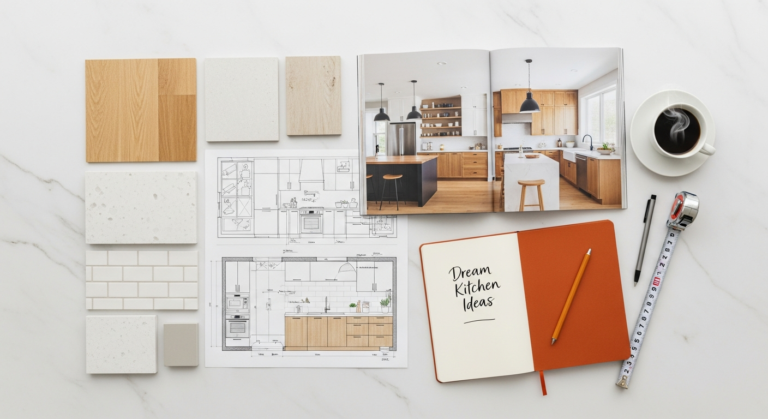
Your home is more than just a place; it’s an extension of your inner world. In the context of slow living, your environment becomes a powerful tool for fostering peace and presence. Intentional home design isn’t about grand renovations; it’s about creating “calm corners” and infusing your space with elements that soothe and inspire you, even when life feels chaotic. Consider the principles of minimalism, not as deprivation, but as thoughtful curation, as championed by experts like Marie Kondo, who teaches us to keep only what “sparks joy.”
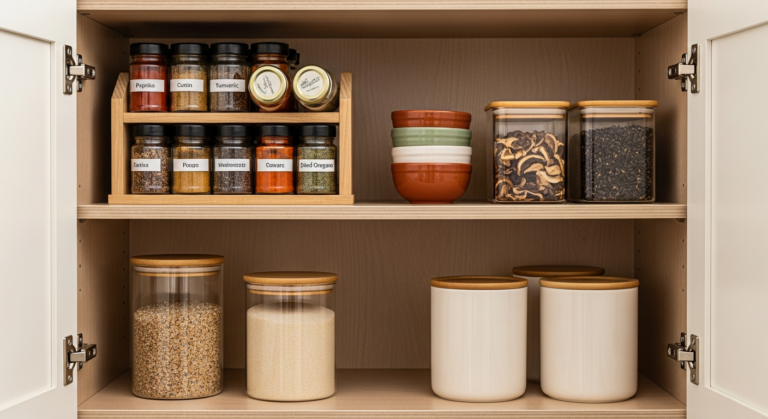
Begin by decluttering one small area. It could be your bedside table, a kitchen counter, or a bookshelf. Remove anything that doesn’t serve a purpose or bring you joy. This physical clearing often leads to mental clarity. Once decluttered, focus on sensory elements. Integrate natural materials like wood, linen, and wool, which evoke a sense of warmth and authenticity. Brands like Parachute Home excel in creating textiles that are both luxurious and comforting, perfect for a slow living aesthetic.
Lighting plays a crucial role. Opt for soft, warm lighting over harsh overhead fluorescents. Lamps with dimmers or strategically placed candles (perhaps from a brand like Diptyque for a touch of luxury, or a local beeswax candle maker for natural purity) can transform the ambiance of a room in an instant. Incorporate plants; even a few small succulents or a larger fiddle leaf fig from a nursery like The Sill can bring life and a connection to nature indoors. Think about texture – a plush throw blanket, a soft rug, or smooth ceramic pieces – to engage your sense of touch. Each thoughtfully chosen item contributes to an atmosphere that invites you to slow down, breathe, and simply be, even if only for a few stolen moments.
Slow Living Integration Methods: At a Glance
| Method | Core Principle | Busy Schedule Adaptation | Example Practice |
|---|---|---|---|
| Mindful Mornings | Intentional start to the day. | Focus on 5-15 minutes of dedicated time. | Savoring a single cup of tea/coffee without distraction. |
| Calm Corners | Environment supports well-being. | Identify one small area to curate. | Decluttering a bedside table and adding a plant. |
| Nourishing Meals | Conscious eating and food preparation. | Batch prep simple, wholesome ingredients. | Mindfully enjoying one meal per day, even if quick. |
| Digital Downtime | Intentional use of technology. | Schedule tech-free blocks or zones. | Turning off notifications for 1 hour before bed. |
| Sensory Engagement | Connecting with the present through senses. | Integrate into existing routines. | Lighting a scented candle while working or relaxing. |
Mindful Meal Prep & Enjoyment: Savoring Sustenance

Food is fundamental, and the way we approach our meals can be a powerful avenue for slow living, even amidst a hectic schedule. Instead of viewing meal prep as another chore, reframe it as an act of self-care and nourishment. The goal isn’t to become a gourmet chef overnight, but to infuse intention into what and how you eat. This means moving away from rushed, distracted eating and towards a more appreciative, sensory experience.
For busy individuals, efficient planning is paramount. Consider dedicating a couple of hours on a Sunday to “batch prep” key ingredients. Roast a large tray of vegetables, cook a pot of quinoa or brown rice, and grill some chicken or fish. This allows for quick, nutritious meals throughout the week without daily stress. Invest in quality kitchen tools like a Le Creuset Dutch oven for delicious one-pot meals, or beautiful ceramic bowls that make even a simple salad feel special. Shopping at a local farmer’s market, if time permits, also connects you to the source of your food and the rhythm of the seasons.
When it comes to eating, practice “mindful eating.” Even if you only have 15 minutes for lunch, put away your phone, sit at a table, and truly taste your food. Notice the textures, the flavors, and the way your body feels as you eat. Chew slowly. If you’re dining with family, make it a tech-free zone, fostering genuine connection and conversation. Simple plating can also elevate the experience; arranging food thoughtfully on a plate, perhaps using a beautiful charger from Pottery Barn, signals to your mind that this is a moment to be savored. By bringing awareness to your meals, you transform a necessary act into a grounding, enjoyable ritual that fuels both your body and your spirit.
Digital Detox & Intentional Connectivity: Reclaiming Focus
In our hyper-connected world, digital overload is one of the biggest adversaries of slow living. Notifications, emails, and social media feeds constantly vie for our attention, pulling us away from the present moment. True slow living in a busy schedule doesn’t mean abandoning technology entirely, but rather engaging with it intentionally and setting clear boundaries to protect your focus and peace. It’s about being the master of your devices, not their slave.
One of the most effective strategies is to create “tech-free zones” and “tech-free times.” Designate your bedroom as a no-phone zone, using an actual alarm clock instead of your smartphone. This simple act can dramatically improve sleep quality and reduce the temptation to scroll before bed or first thing in the morning. Similarly, during family meals or specific periods of your evening, place all devices in a central basket, out of sight and out of mind.
Consider scheduling your digital interactions. Instead of constantly checking emails and social media, set specific times (e.g., 10 AM, 2 PM, 5 PM) to respond. Turn off non-essential notifications on your phone to minimize interruptions. Explore apps that help you monitor screen time or block distracting websites during work hours. When you do engage with technology, do so with purpose. Use it to connect meaningfully with loved ones, learn something new, or enjoy enriching content, rather than mindlessly consuming. By consciously limiting and directing your digital engagement, you create more space for real-world interactions, creativity, and the quiet moments that slow living thrives upon.
Integrating Nature & Sensory Experiences: Bringing the Outside In
Nature has an inherent ability to calm and ground us. When a busy schedule prevents extended time outdoors, bringing elements of nature and engaging your senses within your home becomes a vital slow living practice. This isn’t just about aesthetics; it’s about creating an environment that actively reduces stress and fosters a sense of peace. Think about how the natural world engages all five senses, and replicate that experience indoors.
Visual appeal is often the easiest entry point. As mentioned earlier, houseplants are fantastic; they purify the air and add vibrant life. Consider placing a small vase of fresh flowers, even a simple sprig from your garden, on your desk or dining table. Look for home décor crafted from natural wood, stone, or woven fibers, like a beautiful jute rug or a wooden serving board. Brands such as West Elm or Crate & Barrel offer a range of decor that beautifully integrates natural textures and forms.
Engage your sense of smell with essential oil diffusers. A few drops of lavender can promote relaxation in the evening, while citrus oils like lemon or wild orange can uplift and energize your workspace. Brands like doTERRA or Young Living offer high-quality therapeutic-grade oils. Scented candles, as long as they are made with natural waxes and essential oils, can also create a soothing atmosphere. For sound, consider a small tabletop water fountain or playing gentle nature sounds (rain, ocean waves) to mask distracting noise. Touch can be indulged with soft throws, plush cushions, or the tactile experience of a smooth river stone. Even the taste of a carefully brewed herbal tea (like Chamomile from Harney & Sons) can be a sensory journey. By consciously inviting nature and sensory richness into your home, you create continuous opportunities for micro-moments of slow living that nourish your soul.
Evening Routines for Restorative Sleep: Winding Down Gracefully
Just as a mindful morning sets the tone for the day, a deliberate evening routine prepares you for restorative sleep, which is fundamental to sustained well-being and the ability to handle a busy schedule with grace. This isn’t about rigid adherence but creating a sequence of calming activities that signal to your body and mind that it’s time to unwind. Aim for a consistent bedtime and wake-up time, even on weekends, to regulate your circadian rhythm.
Start by dimming the lights in your home an hour or two before bed. This reduces blue light exposure, which can disrupt melatonin production. Instead of bright overhead lights, opt for lamps with warm, low-wattage bulbs. Create a “digital sunset” by putting away all screens (phone, tablet, laptop, TV) at least 30-60 minutes before bed. Replace screen time with activities that promote relaxation:
- Reading: Dive into a physical book or magazine. The tactile experience and focused attention are wonderfully soothing.
- Warm Bath or Shower: Incorporate luxurious bath salts, a calming shower steamer, or a few drops of lavender essential oil. Brands like Aesop or L’Occitane offer exquisite bath products that elevate this ritual.
- Gentle Stretching or Yoga: A few minutes of simple stretches can release tension built up during the day.
- Journaling: Similar to morning journaling, a short evening session can help process thoughts and clear your mind for sleep. Focus on positive reflections or simply brain-dumping worries.
- Herbal Tea: A non-caffeinated herbal tea, such as chamomile or valerian root, can be a comforting addition.
Ensure your bedroom is a sanctuary: cool, dark, and quiet. Invest in comfortable bedding (e.g., linen sheets from Parachute Home), and keep the room clutter-free. These evening rituals, though seemingly small, are powerful anchors that allow you to transition from the day’s demands into a state of deep rest, ensuring you wake up refreshed and ready to embrace another busy day with renewed energy and a slow living mindset.
The Art of Saying “No”: Protecting Your Time & Energy
Perhaps one of the most challenging, yet crucial, slow living practices for a busy woman is mastering the art of saying “no.” In a world that constantly encourages us to do more, be more, and achieve more, the ability to set healthy boundaries is paramount for preserving your time, energy, and mental well-being. Saying “yes” to everything often means saying “no” to yourself, to your peace, and to the very slow living practices you wish to cultivate.
Learning to say “no” is not about being selfish; it’s about self-preservation and intentional living. It’s about recognizing your limits and honoring your capacity. Before committing to a new request or obligation, pause and ask yourself:
- Does this align with my values and priorities?
- Do I genuinely have the time and energy to commit fully without sacrificing my well-being?
- What am I saying “no” to if I say “yes” to this? (e.g., family time, personal rest, creative pursuits).
It’s important to communicate your “no” with grace and clarity. You don’t need to over-explain or apologize profusely. Simple phrases like, “Thank you for thinking of me, but I can’t take on anything new right now,” or “My schedule is currently full, but I appreciate the offer,” are perfectly sufficient. Remember that every “no” to something that doesn’t serve you is a “yes” to something that does – whether it’s more time for your slow morning ritual, an evening dedicated to creating a cozy home, or simply a moment of quiet reflection.
This practice empowers you to reclaim agency over your schedule and protect the pockets of calm you’ve so carefully cultivated. It’s a foundational element of sustainable slow living, ensuring that your efforts to live mindfully aren’t continuously derailed by external demands. By guarding your time and energy, you create the necessary space for true presence and enjoyment in your daily life.
Key Takeaways
- Slow living is about intentional presence and conscious choices, not about having an empty schedule.
- Integrate micro-rituals into your mornings and evenings to bookend your day with calm.
- Design your home with purpose, creating serene “calm corners” using natural materials and thoughtful lighting.
- Practice mindful eating and strategic meal prep to transform sustenance into a grounding experience.
- Set clear digital boundaries and create tech-free zones to reclaim focus and reduce overwhelm.
- Embrace the power of “no” to protect your time and energy, ensuring sustainable slow living practices.
Frequently Asked Questions
Q: How can I start slow living when my job requires constant fast-paced work?
A: Slow living isn’t about changing your job, but changing your approach to it and your life around it. Focus on micro-moments: a mindful commute, a five-minute break to stretch, or a deliberate lunch away from your desk. Implement a strong evening wind-down routine to truly separate work from personal time. Your job’s pace doesn’t dictate your entire life’s pace.
Q: I have young children; how can I possibly find time for slow living practices?
A: When you have children, slow living often means involving them! Turn meal prep into a fun family activity, read books together before bed, or go for a mindful walk in nature. Even small acts like savoring your morning coffee during their nap time, or creating a cozy reading nook for yourself after they’re asleep, can make a difference. Prioritize one or two practices that bring you the most peace and build from there.
Q: What if I don’t have the budget to buy fancy home decor or wellness products?
A: Slow living is absolutely not about expensive purchases. It’s about intention. Decluttering costs nothing and creates immense peace. You can find natural elements outdoors (stones, branches) or at thrift stores. Use essential oils sparingly or opt for simple herbal teas. Focus on what you already have and how you can use it more mindfully. A simple, comfortable blanket from your closet can be just as “slow living” as a designer throw.
Q: I feel guilty saying “no” to requests. How can I overcome this?
A: Guilt often stems from a desire to please others. Remind yourself that by saying “no” to something that drains you, you’re saying “yes” to your own well-being, which ultimately allows you to show up better for those you care about. Practice with small “no’s” first. Remember, a polite “no” is a complete sentence. Over time, it becomes easier as you experience the positive impact on your energy and peace.
Q: How do I maintain these practices consistently when life gets overwhelmingly busy?
A: Consistency doesn’t mean perfection. There will be days when practices fall by the wayside, and that’s okay. The key is gentle recommitment. Don’t beat yourself up; simply acknowledge it and restart the next day. Focus on one or two core practices that are non-negotiable for you. For instance, your mindful morning coffee or your tech-free evening hour. Small, consistent efforts are far more impactful than intermittent grand gestures.
Embracing slow living amidst a busy schedule is a journey, not a destination. It’s a continuous practice of conscious choices, mindful pauses, and intentional design that transforms your daily life into a richer, more fulfilling experience. By weaving these practices into the fabric of your days, you’re not just coping with busyness; you’re thriving within it, cultivating a home and a life that truly nourish your soul. Your home, your sanctuary, becomes the bedrock for a more present, peaceful, and joyful existence, proving that slow living isn’t a luxury for the few, but an accessible, vital pathway for every woman who loves her home and desires a life well-lived.
Article by Eleanor Vance, Interior Designer and Lifestyle Expert at Rocksaltplum.com